Many gardeners are quick to pinch off tomato suckers, believing it keeps plants tidy and boosts fruit production. However, depending on your tomato variety and growing goals, removing suckers might do more harm than good. These small shoots that sprout between the main stem and branches can actually play an important role in the plant’s overall growth and productivity. Here’s what you need to know before you remove another one.
1. What Are Tomato Suckers?
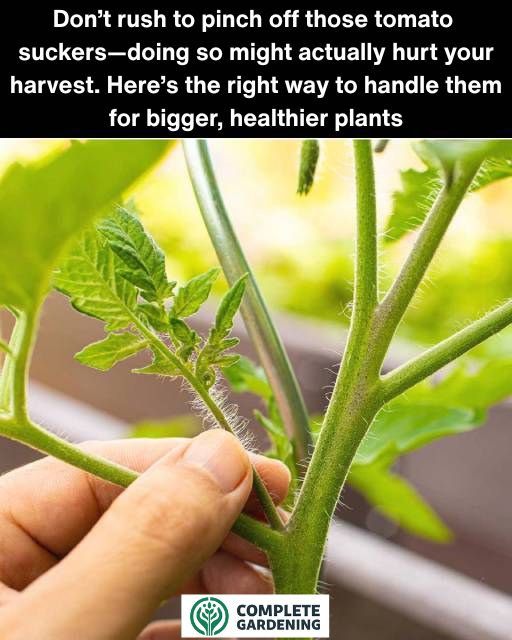
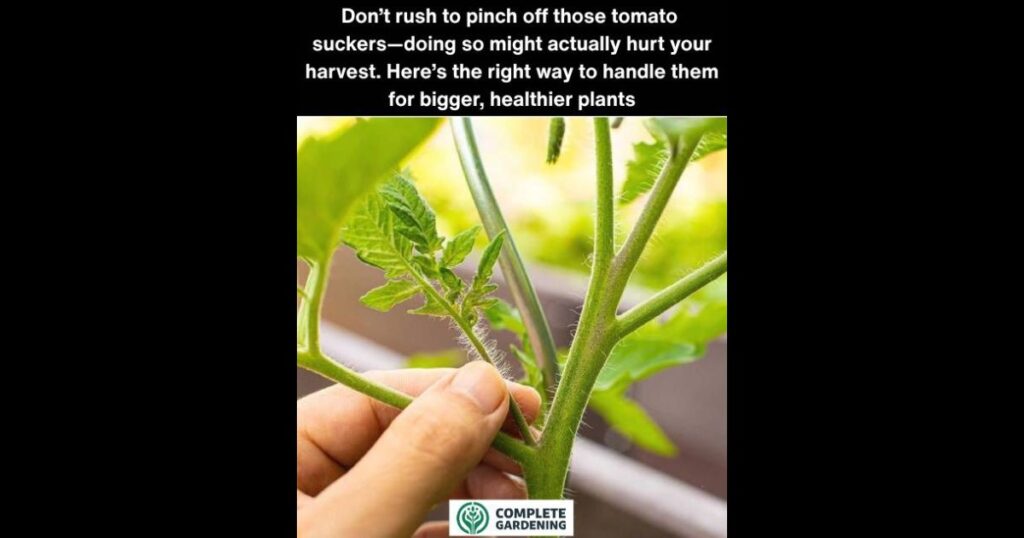
Tomato suckers are the new shoots that appear in the “V” or crotch between the main stem and a leaf branch. They’re called “suckers” because they draw energy from the main plant—but that doesn’t mean they’re useless. In fact, these shoots can become strong fruit-bearing branches if allowed to grow under the right conditions. Understanding how and when to manage them can make the difference between a modest harvest and an abundant one.
2. The Role of Suckers in Tomato Growth
Suckers help increase the plant’s leaf surface area, which in turn boosts photosynthesis. This means more energy for the plant overall. On indeterminate tomato varieties (which grow and produce fruit all season long), suckers can develop into productive branches, increasing the total yield. On determinate varieties, however, removing suckers can help maintain compact growth and prevent overcrowding.
3. When Removing Suckers Makes Sense
Pruning suckers isn’t always wrong—it just needs to be strategic. If your tomato plants are growing too dense, airflow decreases, which can encourage fungal diseases like blight. Removing a few suckers from the lower sections of the plant helps improve air circulation and light penetration. The key is moderation: prune selectively rather than removing every sucker you see.
4. The Right Time to Prune (If You Must)
If you decide to remove suckers, do it when they’re still small—about 2 to 4 inches long. Pinching them off early causes minimal stress to the plant. Avoid heavy pruning during extremely hot or cold weather, as this can weaken the plant and reduce fruit production. The best time is early morning on a dry day when the plant is less susceptible to disease.
5. Why You Might Want to Keep Some Suckers
Keeping a few suckers can be beneficial. They can replace aging branches that stop producing fruit later in the season. In regions with shorter growing seasons, leaving some suckers helps the plant recover quickly after pruning or weather stress. This ensures continuous fruiting throughout the summer.
6. Turning Suckers into New Tomato Plants
Here’s one of the best “hacks” in gardening: you can use suckers to grow new tomato plants! Simply cut off a healthy sucker that’s 4–6 inches long and place it in a glass of water. Within a week, you’ll see roots forming. Once rooted, transfer it to soil. This is an easy, cost-free way to expand your tomato garden and keep the harvest going longer.
7. Feeding and Supporting Plants with Suckers
If you choose to keep some suckers, make sure your tomato plant gets enough nutrients to support the extra growth. Use a balanced fertilizer or compost tea to provide essential nutrients. Also, stake or cage your plant properly—more branches mean more weight, so support is essential to prevent bending or breakage.
8. Watch for Overcrowding and Disease
Too many suckers left unchecked can lead to dense foliage, which traps moisture and limits airflow. This creates an ideal environment for pests and fungal diseases. Regularly inspect your plants and remove any excess suckers that block light from reaching developing fruit clusters. Balance is the goal: a well-ventilated plant is a healthy plant.
9. Viral Gardening Myths About Suckers
Social media is full of gardening “rules,” and one of the most persistent is that all suckers must go. This simply isn’t true. In fact, many experienced gardeners allow suckers to grow strategically to maximize yields, especially on indeterminate tomatoes. Understanding your plant’s growth pattern is far more important than following blanket advice.
10. How to Get the Best Harvest Without Over-Pruning
Instead of obsessing over sucker removal, focus on overall plant health. Provide consistent watering, adequate sunlight, and nutrient-rich soil. Let your tomato plant develop naturally, pruning only when necessary for airflow or structure. By doing this, you’ll encourage stronger stems, larger fruit clusters, and a longer harvest season.
Conclusion: Rethink the Way You Handle Tomato Suckers
Tomato suckers aren’t the enemies many gardeners believe them to be. When managed wisely, they can boost your harvest, extend your growing season, and even multiply your plants. The secret is to prune with purpose—not habit. So next time you see a sucker growing, pause before removing it. You might be cutting away your next batch of delicious tomatoes.