
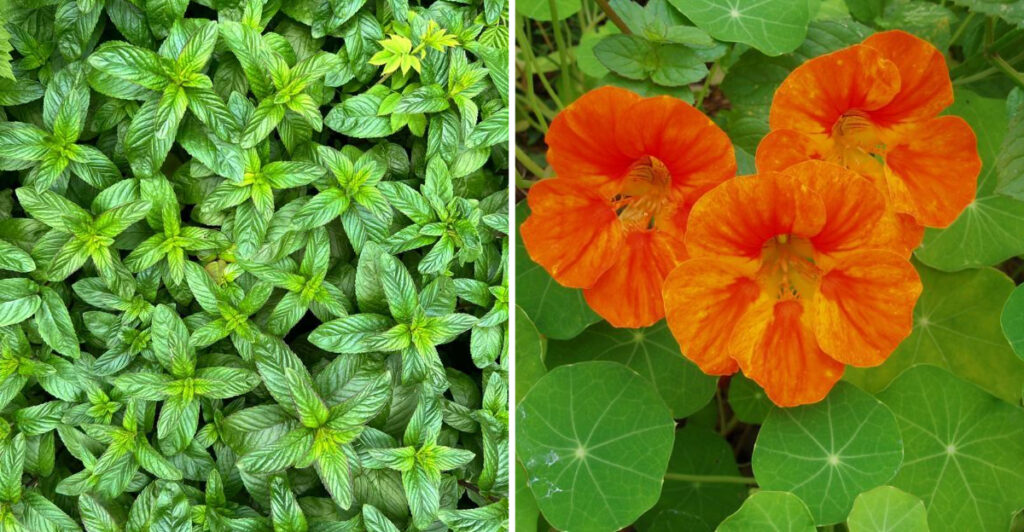
Nobody wants to spend a sunny afternoon swatting mosquitoes or watching aphids destroy their garden. The good news is that nature has already built some pretty amazing pest-fighting tools, and they grow right in your backyard.
Certain plants produce natural oils, scents, and chemicals that bugs simply cannot stand. Planting these in your yard means fewer chemicals, less hassle, and a garden that practically defends itself.
Lavender
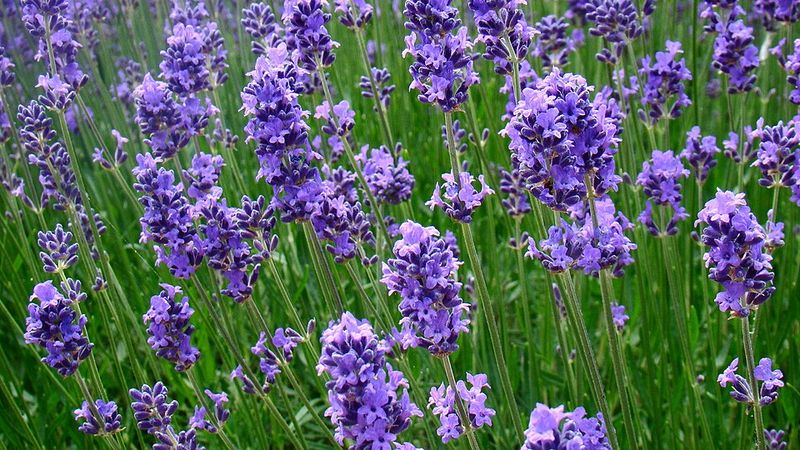
Lavender smells absolutely wonderful to us, but mosquitoes, moths, and fleas want nothing to do with it. The plant’s strong essential oils act like a natural force field around your garden.
Plant it near doorways or windows to keep flying pests from wandering inside.
Lavender thrives in sunny spots with well-drained soil and barely needs watering once established. It is one of the easiest pest-repelling plants to grow, making it a fantastic choice for beginners and experienced gardeners alike.
Marigolds
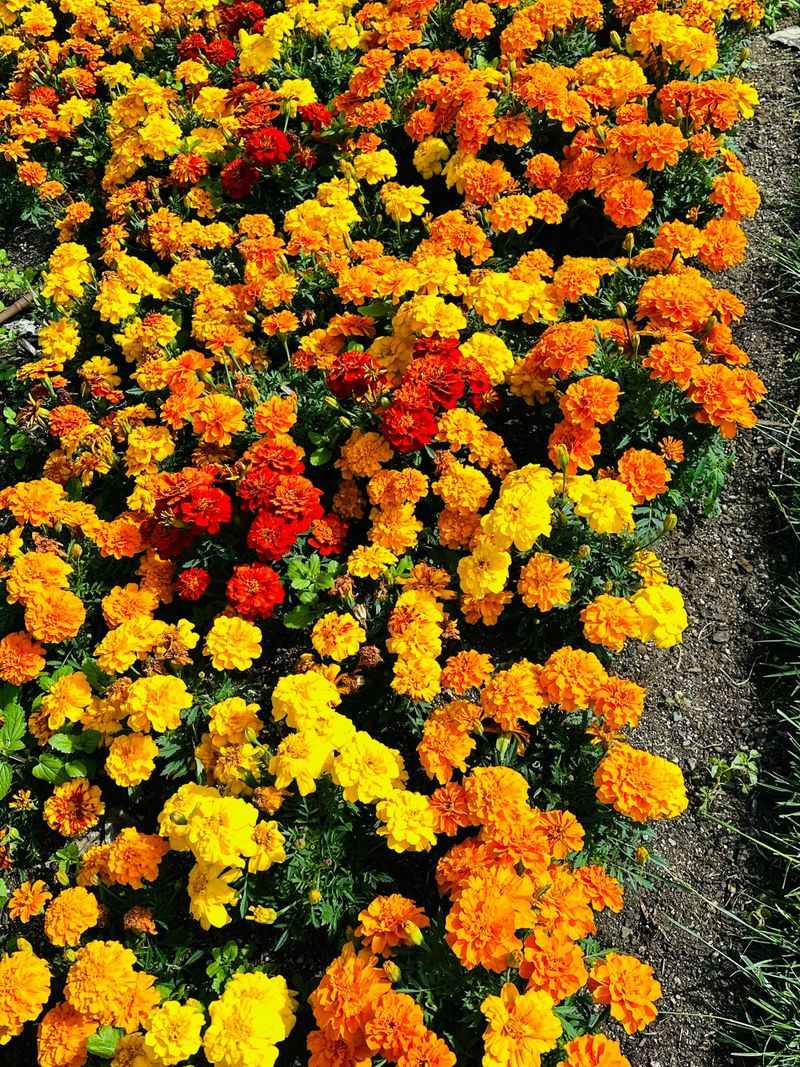
Gardeners have been using marigolds as a pest barrier for centuries, and for very good reason. Their roots release a chemical called alpha-terthienyl that repels nematodes living in the soil.
Their strong scent also drives away aphids, whiteflies, and even rabbits.
Plant marigolds as a border around your vegetable beds to create a protective ring. They bloom in bold oranges and yellows, so your garden gets a colorful upgrade while staying naturally pest-free all season long.
Basil
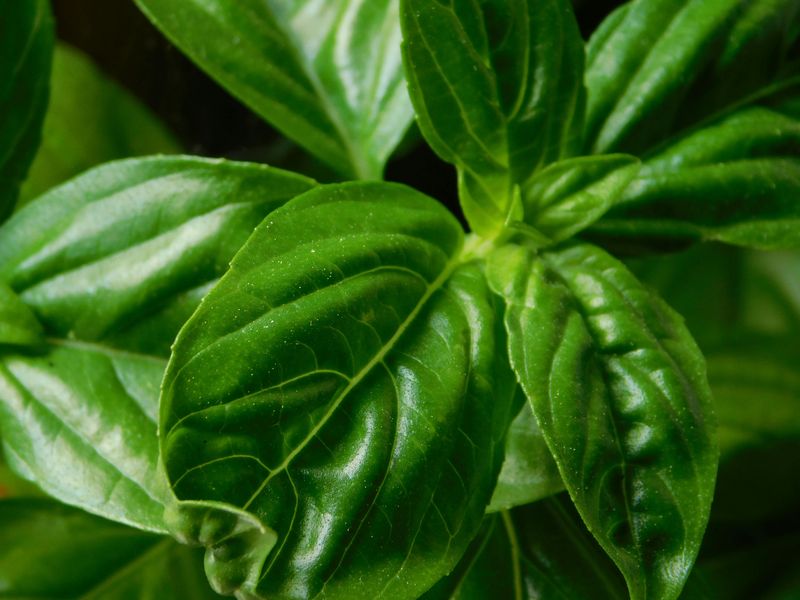
Basil does double duty in your backyard by flavoring your meals and keeping pests away at the same time. The strong aroma confuses and repels mosquitoes, flies, and aphids that would otherwise invade your outdoor space.
Place pots of basil near your patio seating for the best results.
It grows quickly in warm weather and loves plenty of sunlight. Pinching off flower buds keeps the plant bushy and full, which means even more pest-fighting power packed into one compact plant.
Rosemary
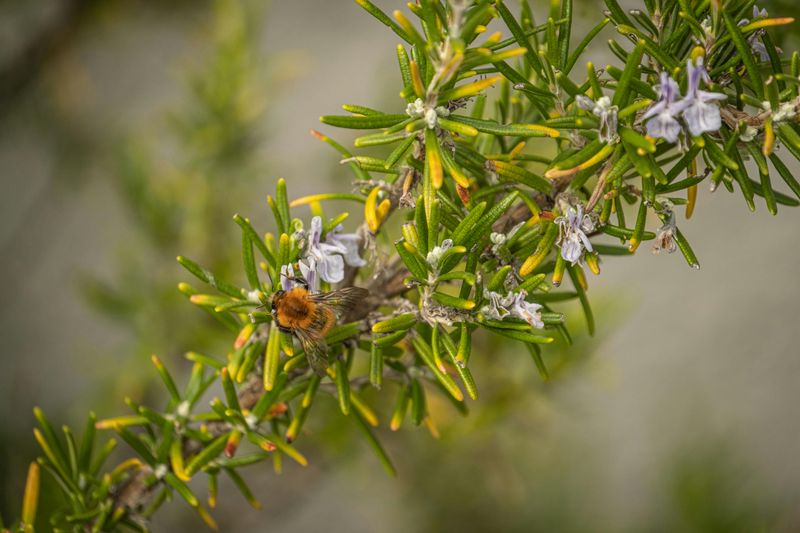
Rosemary’s piney, woodsy scent is a nightmare for cabbage moths, carrot flies, and bean beetles. This hardy herb grows into a lovely shrub that holds its own through heat and dry spells without much fuss.
It is especially useful planted near vegetables like carrots, beans, and cabbage.
Beyond pest control, rosemary attracts pollinators like bees when it blooms. Snip a few sprigs for the kitchen while your garden stays protected.
It is a true workhorse plant that earns its space every single day.
Mint
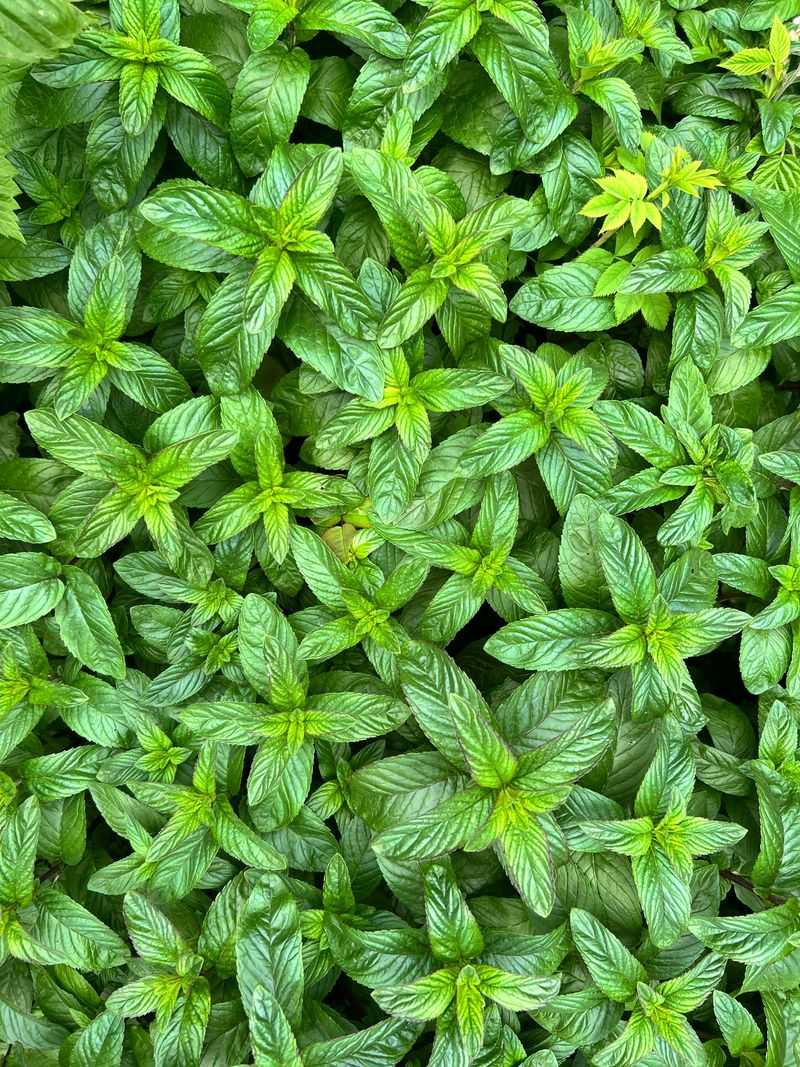
Ants, aphids, and flea beetles absolutely hate mint. The intense menthol scent scrambles their senses and sends them searching for a less hostile environment.
Growing mint near the edges of garden beds creates a strongly scented barrier that many common pests refuse to cross.
Fair warning though: mint spreads aggressively, so planting it in containers buried in the ground is the smartest move. That way you get all the pest-fighting benefits without mint taking over your entire yard within a single season.
Citronella Grass
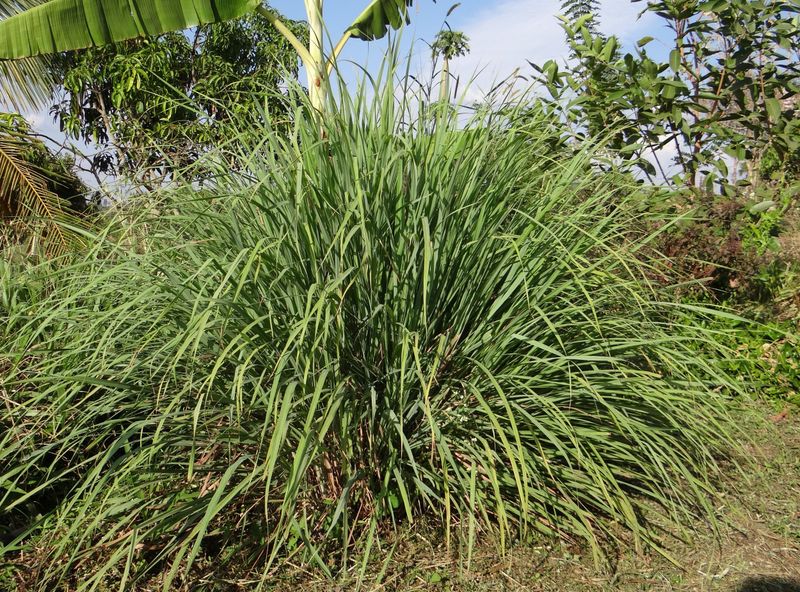
Citronella is the superstar ingredient in most commercial mosquito repellents, and growing the real plant in your yard takes that protection to a whole new level. The grass releases a sharp, lemony scent that mosquitoes find completely unbearable.
Plant it in large pots or directly in garden beds near outdoor seating areas.
It grows into impressive clumps that look great as a landscape feature. Rubbing the leaves between your fingers releases even more scent, giving you a natural bug spray right from your own backyard.
Chrysanthemums
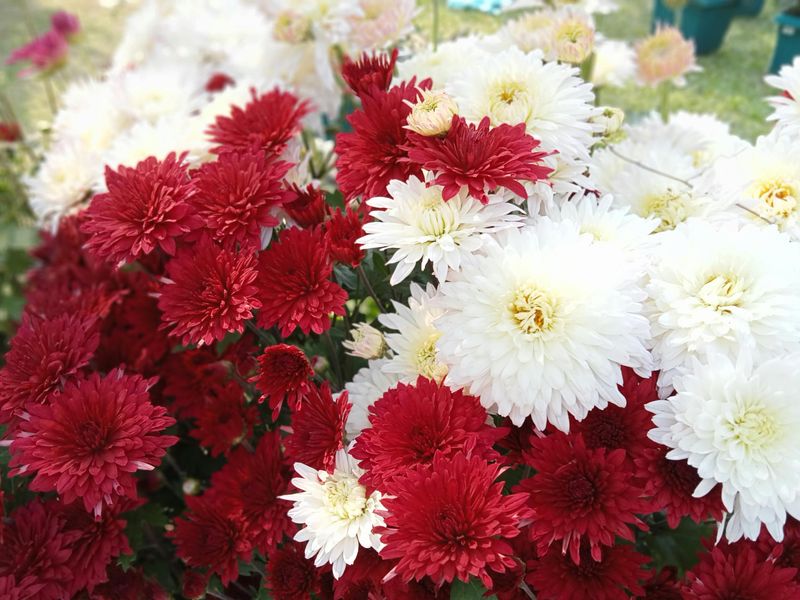
Did you know that chrysanthemums contain pyrethrin, a natural compound so powerful it is used to make commercial insecticides? Roaches, ticks, silverfish, lice, and Japanese beetles all avoid these cheerful flowers.
Planting them around your yard creates a broad-spectrum pest barrier that covers a wide range of creepy crawlies.
Chrysanthemums bloom in stunning colors from white to deep red, making them one of the most beautiful ways to defend your garden. They thrive in fall when many other flowers have already given up for the season.
Petunias
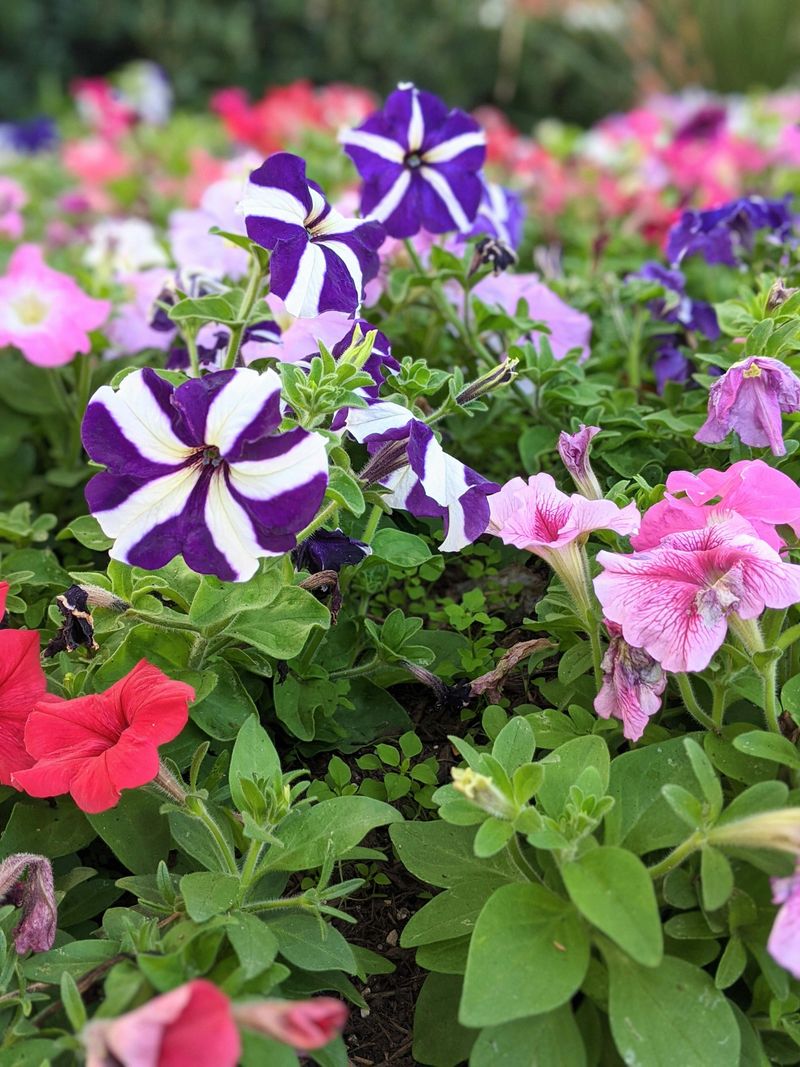
Petunias are sometimes called nature’s pesticide because they repel aphids, tomato hornworms, asparagus beetles, and leafhoppers. They work especially well when planted near tomatoes, peppers, and squash in the vegetable garden.
The sticky hairs on their stems actually trap small insects that try to crawl past them.
These cheerful flowers come in nearly every color imaginable and bloom all summer long. They are low-maintenance, affordable, and widely available at garden centers, making them one of the most practical pest-fighting choices for any backyard.
Catnip
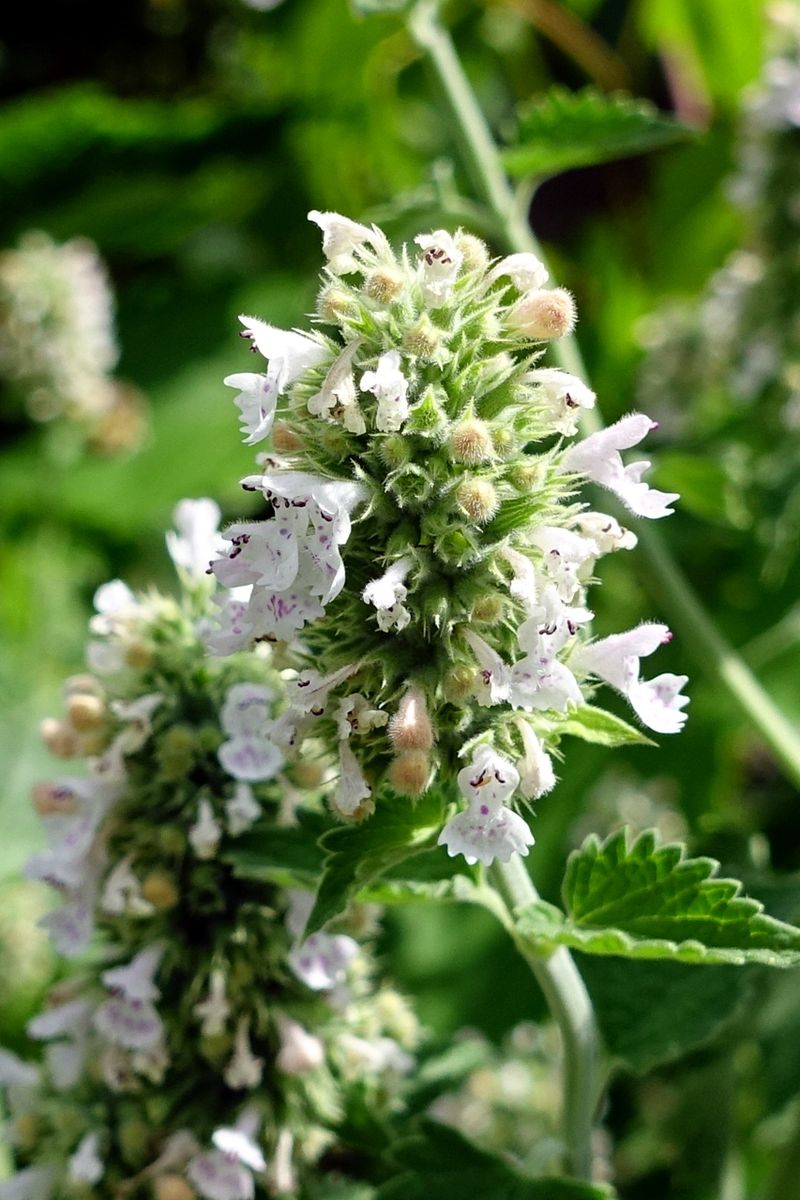
Catnip contains a compound called nepetalactone that is roughly ten times more effective at repelling mosquitoes than DEET, according to some researchers. Beyond mosquitoes, it also deters aphids, flea beetles, and squash bugs.
Your cats will love you for planting it, but the bugs most definitely will not.
Catnip grows quickly and can spread if left unchecked, so trimming it regularly keeps it manageable. Plant it near squash, cucumbers, and peppers for targeted protection where garden pests tend to cause the most damage.
Lemon Balm
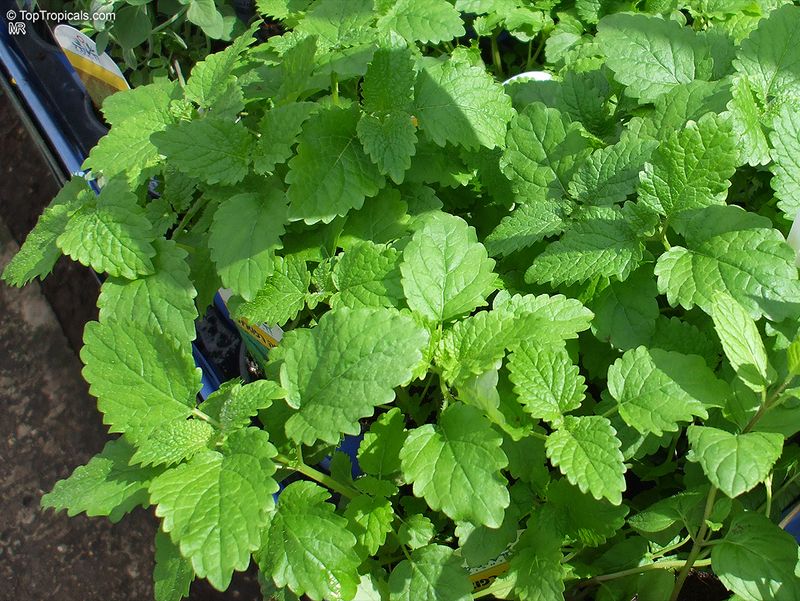
Lemon balm has a fresh citrus scent that mosquitoes and gnats find deeply unpleasant. Crushing a few leaves and rubbing them on your skin gives you a quick, all-natural bug repellent straight from the garden.
It is a member of the mint family, so it shares the same aggressive spreading habits.
Plant lemon balm in containers to keep it contained and manageable. Besides pest control, it makes a soothing herbal tea and attracts helpful pollinators like bees, giving your whole garden a healthy boost throughout the growing season.
Alliums
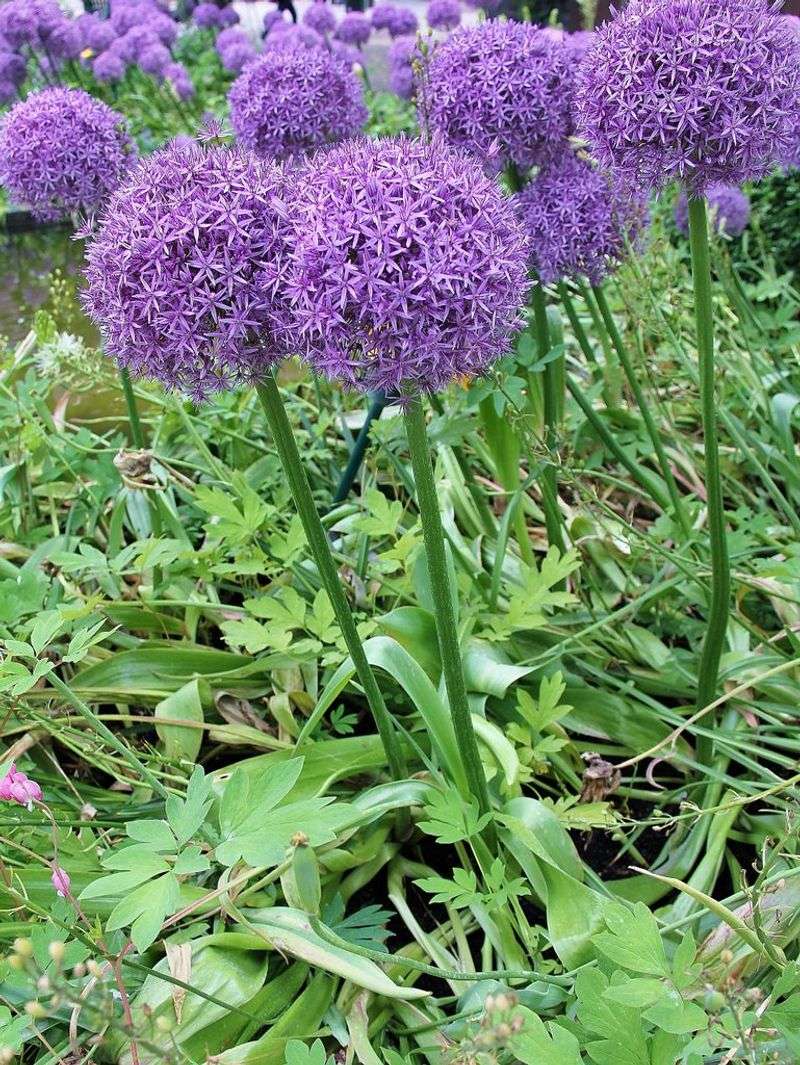
Alliums are the ornamental cousins of garlic, onions, and chives, and they carry the same powerful pest-repelling sulfur compounds. Aphids, slugs, carrot flies, and cabbage worms all steer clear of areas where alliums are growing.
Their bold, globe-shaped purple flowers also make a dramatic visual statement in any garden.
Plant alliums among roses and vegetable beds to create an invisible chemical barrier underground. They bloom in late spring when many pests are just starting to become active, giving your garden protection right when it needs it most.
Fennel
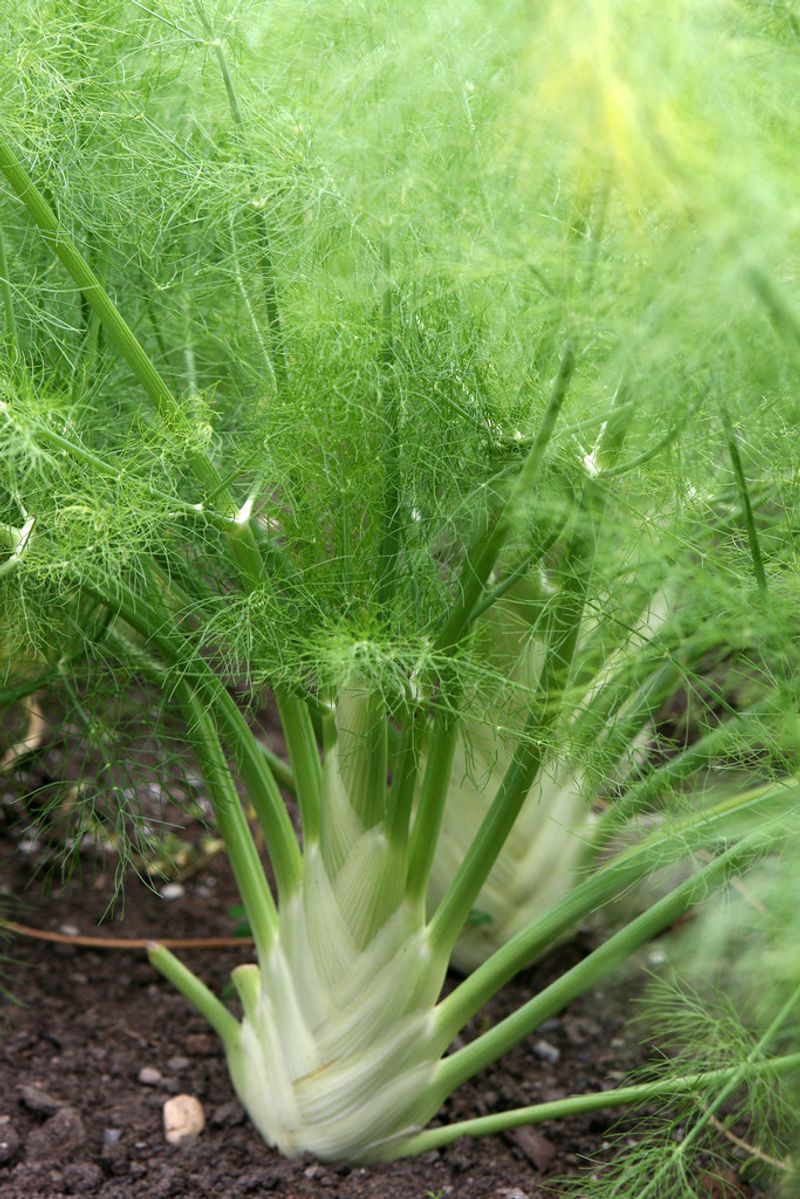
Fennel’s strong anise-like scent is a natural deterrent for aphids, slugs, and snails. The tall, feathery fronds create a beautiful visual layer in the garden while quietly working to protect nearby plants.
Aphids in particular seem to despise fennel and will avoid any area where it grows.
One important note: fennel does not play well with most other vegetables, so give it its own dedicated spot or plant it along garden borders. Its yellow flowers attract beneficial insects like ladybugs that help control pests naturally.
Garlic
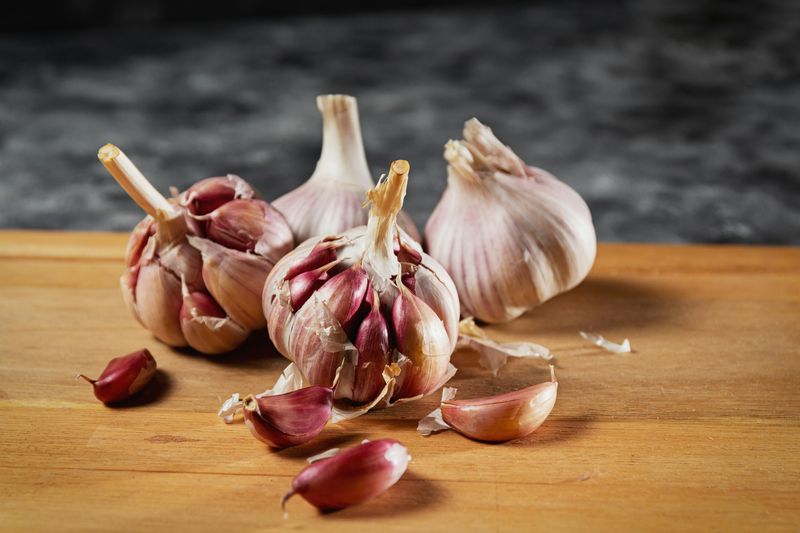
Garlic has been used as a natural pest repellent for thousands of years, and modern gardeners still swear by it. The sulfur compounds it releases underground and through its leaves repel Japanese beetles, aphids, spider mites, and even deer.
Planting garlic cloves around roses is a classic trick that keeps aphid infestations under control.
You can also make a simple garlic spray by blending cloves with water and spraying it directly on plants. It is an old-school remedy that genuinely works without harming the environment or beneficial insects.
Sage
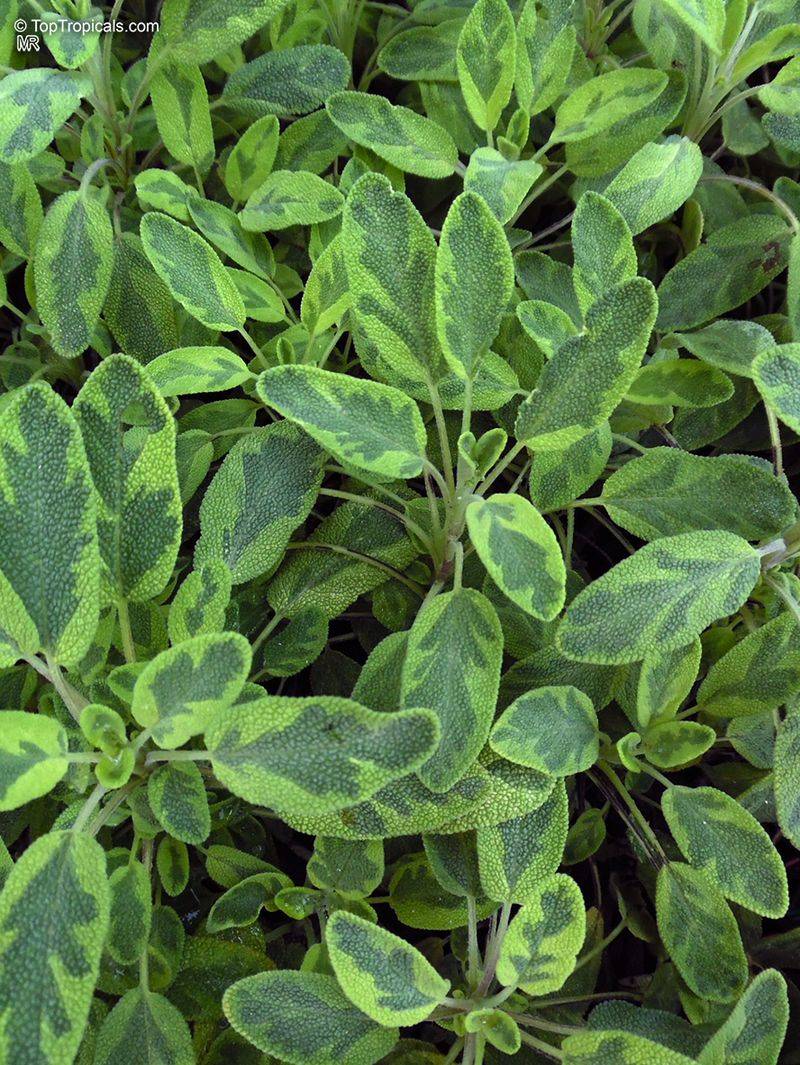
Sage produces a strong, earthy aroma that repels cabbage moths, carrot flies, and flea beetles. Burning dried sage bundles near outdoor seating also creates a smoky barrier that keeps mosquitoes at a comfortable distance.
It is one of the most versatile pest-fighting herbs you can grow.
Sage thrives in hot, dry conditions and needs very little watering once established. Plant it near brassicas like broccoli, cabbage, and kale to protect them from the moths and flies that love to lay eggs on those crops throughout the growing season.
Thyme

Thyme contains thymol, a natural compound that repels whiteflies, cabbage loopers, and tomato hornworms. Planting it as a ground cover between taller vegetables creates a living mulch that smells great and keeps pests confused and disoriented.
It is especially effective when planted near brassicas and nightshades.
Thyme is incredibly tough and drought-tolerant, making it perfect for hot, sunny garden spots that other plants struggle in. As a bonus, bees absolutely love its tiny flowers, which helps improve pollination rates across your entire backyard garden.
Nasturtiums
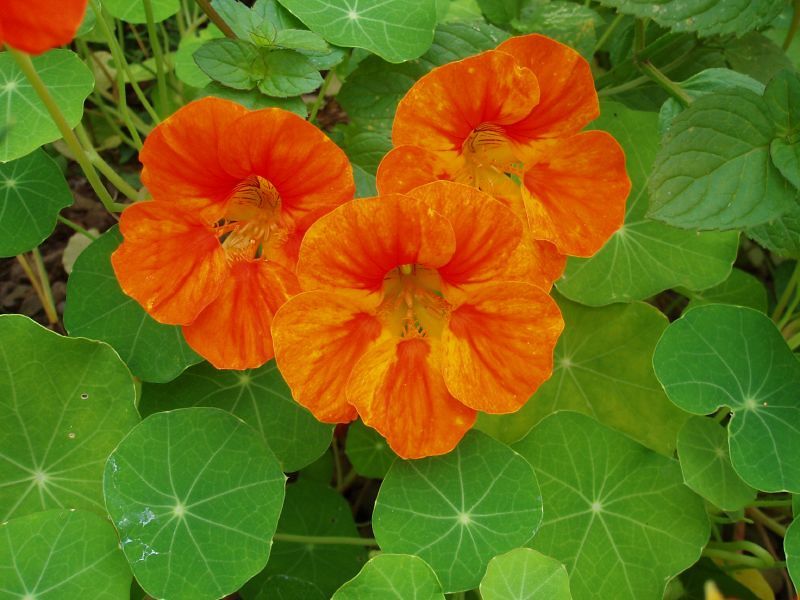
Nasturtiums are the ultimate trap crop, meaning they attract aphids, whiteflies, and squash bugs away from your more valuable vegetables. While the pests swarm the nasturtiums, your tomatoes and zucchini stay clean and healthy.
Some gardeners call them the ultimate sacrifice plant, and it works brilliantly.
Every part of a nasturtium is edible, from the peppery leaves to the bright flowers. They grow fast, spread easily, and require almost zero maintenance, making them one of the most rewarding pest management strategies in any backyard garden.
Wormwood
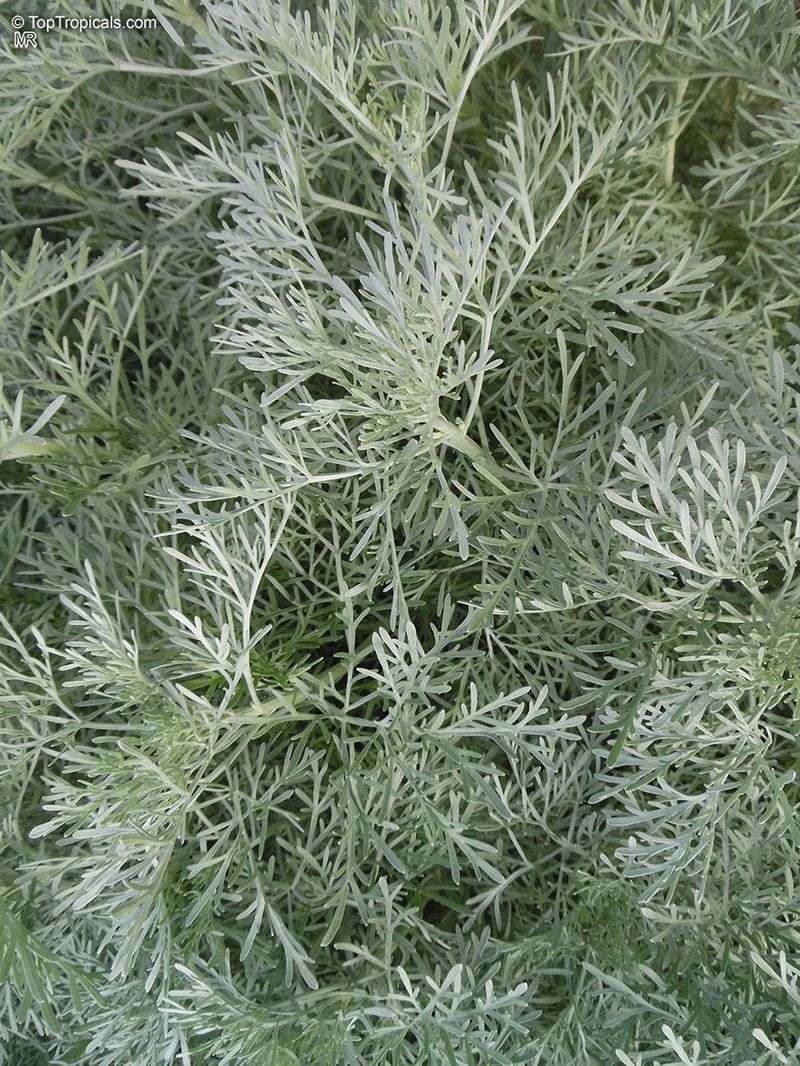
Wormwood is one of the most powerful natural insect repellents in the plant kingdom. Its leaves contain absinthin and other bitter compounds that repel moths, flies, aphids, flea beetles, and even mice.
The silvery foliage looks stunning in garden borders and contrasts beautifully with brighter green plants.
Use caution when placing wormwood, because it can inhibit the growth of nearby plants due to its strong chemical output. Keep it in its own section or along the outer edge of your garden for maximum pest-fighting impact without harming your other plants.
Tansy
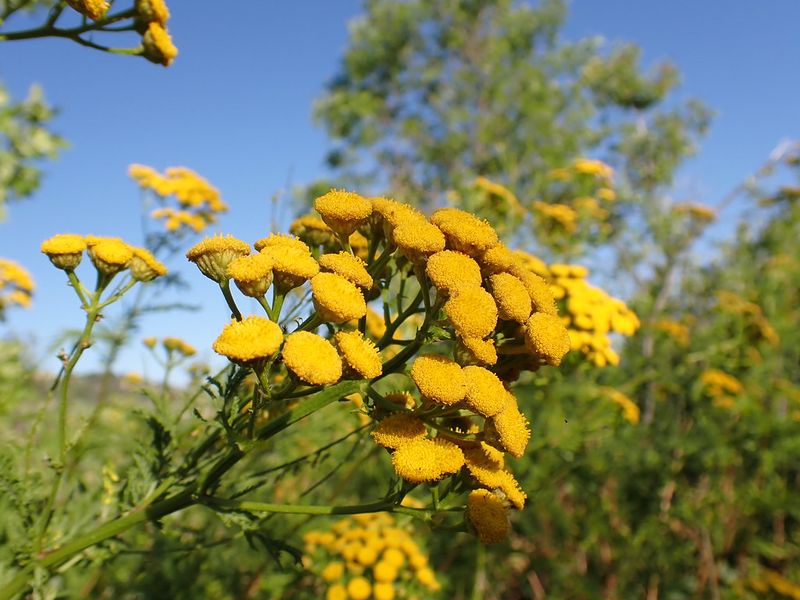
Tansy’s bold yellow button flowers might look cheerful, but ants, flies, moths, and squash bugs find its scent absolutely repulsive. Historically, tansy was used to preserve meat from flies before refrigerators existed, which tells you just how effective this plant really is.
Planting it near doorways helps keep ants from marching indoors.
Tansy can spread aggressively, so dividing it every couple of years keeps it manageable. Its flowers attract beneficial predatory wasps that hunt down garden pests, adding another layer of natural pest control to your backyard ecosystem.
Pennyroyal
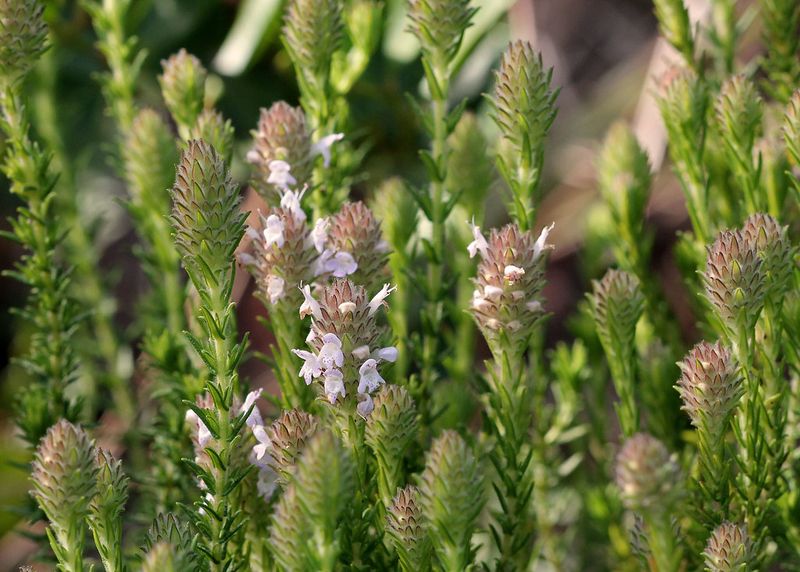
Pennyroyal is a small but mighty member of the mint family with an extraordinarily strong scent that mosquitoes, fleas, and ticks genuinely cannot tolerate. Historically, people tucked pennyroyal sprigs into their clothing to keep fleas away during outdoor work, a trick that still holds up today.
Plant it along garden pathways where foot traffic will crush the leaves and release its potent oils.
Like all mints, pennyroyal spreads quickly, so containers work best. Keep it away from pets, especially cats and dogs, as large amounts can be toxic to animals.