
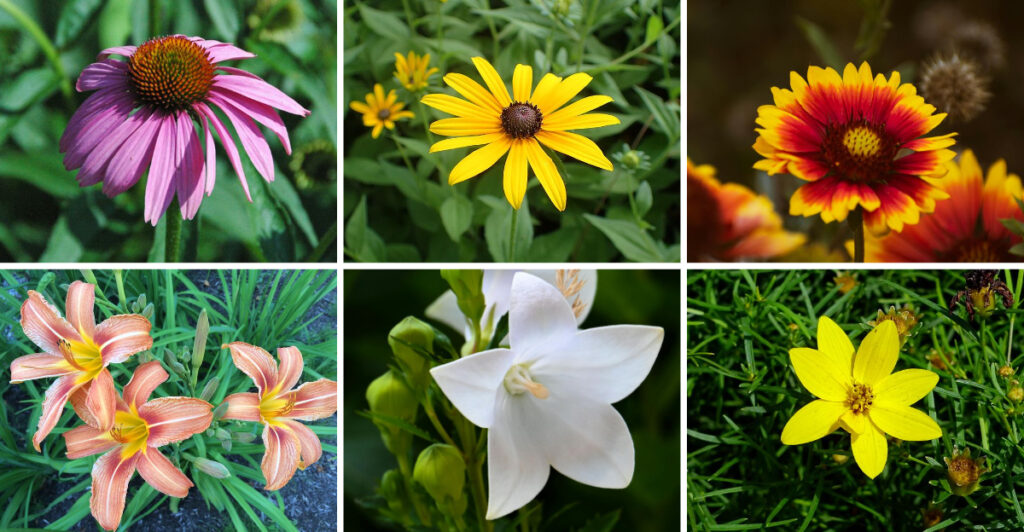
Imagine planting a flower once and watching it come back year after year, blooming beautifully without much effort on your part. That dream is very real with the right perennials in your garden.
These tough, resilient plants are perfect for busy people, beginners, or anyone who just wants a gorgeous yard without spending every weekend weeding and watering. Get ready to meet 17 perennials that practically take care of themselves while putting on a stunning show season after season.
Coneflower (Echinacea)
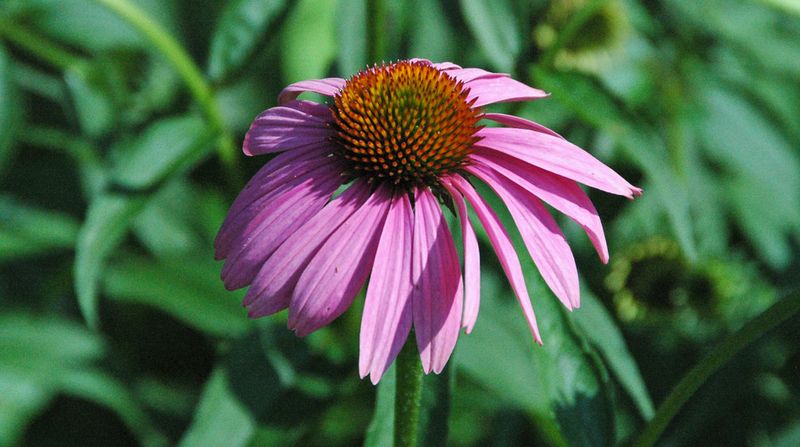
Bold, cheerful, and practically unstoppable, coneflowers are the workhorses of the perennial world. Native to North America, they thrive in poor soil, shrug off drought, and keep blooming from midsummer all the way into fall.
Butterflies and bees absolutely love them.
Plant them in full sun and watch them multiply over the years with almost zero effort. Did you know echinacea has been used in herbal medicine for centuries?
Beauty and function all in one plant.
Black-Eyed Susan (Rudbeckia)
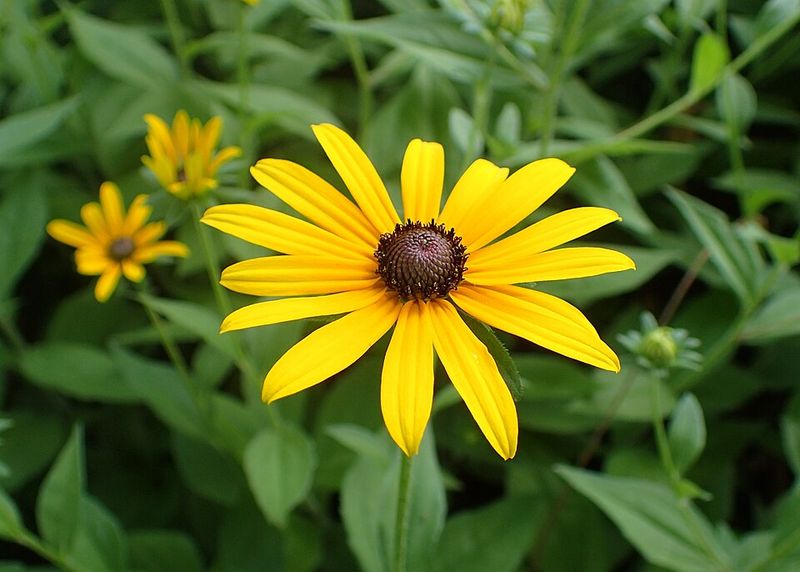
Few flowers shout “summer” louder than the golden-yellow blooms of Black-Eyed Susan. This cheerful native wildflower blooms from June through October, shining like little suns across the garden.
It handles heat, humidity, and even neglect without complaint.
Rudbeckia spreads gradually over time, filling in bare spots naturally. It also makes a stunning cut flower for bouquets.
Plant it once, and it will reward you with color for many seasons without any fuss at all.
Lavender (Lavandula)
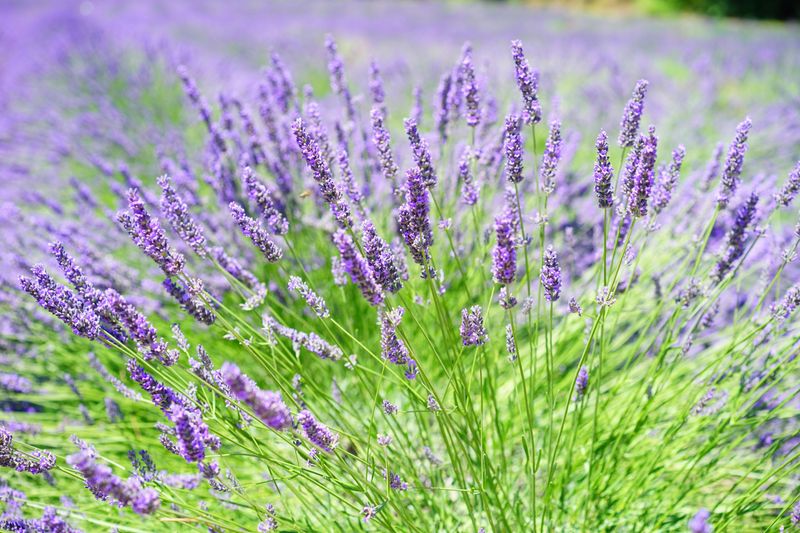
Walk past lavender on a warm afternoon and the scent alone is enough to stop you in your tracks. This Mediterranean native loves hot, dry conditions and well-drained soil, making it one of the lowest-maintenance perennials you can grow.
It blooms heavily in early summer and often reblooms later in the season.
Beyond the garden, lavender is used in cooking, aromatherapy, and even sleep aids. Pollinators swarm it constantly.
Trim it lightly after blooming and it will thrive for years.
Daylily (Hemerocallis)
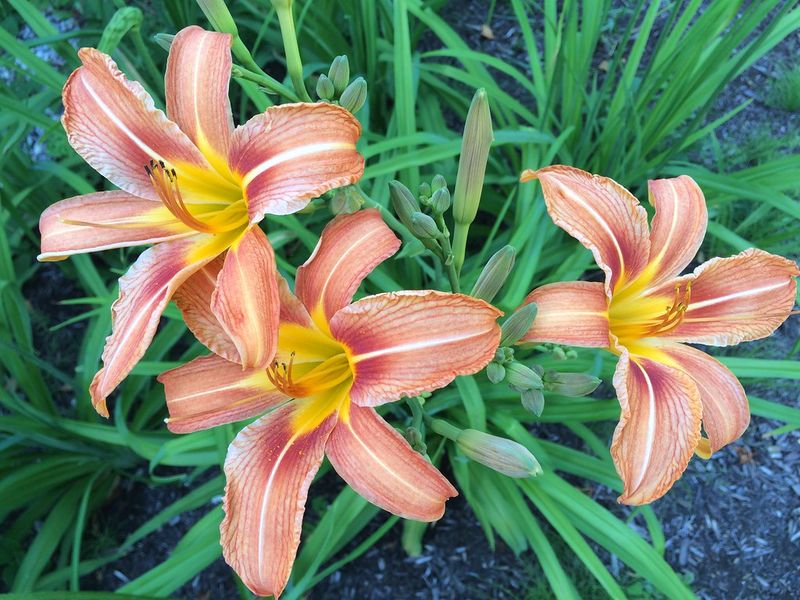
Daylilies earned their reputation the hard way: by thriving absolutely everywhere. Roadsides, abandoned lots, fancy gardens – they bloom reliably no matter where they are planted.
Each individual flower lasts just one day, but each plant produces dozens of buds, so the show goes on for weeks.
They tolerate drought, poor soil, and partial shade without losing their spirit. With thousands of varieties available in colors from pale yellow to deep burgundy, there is a daylily for every garden style imaginable.
Salvia (Salvia nemorosa)
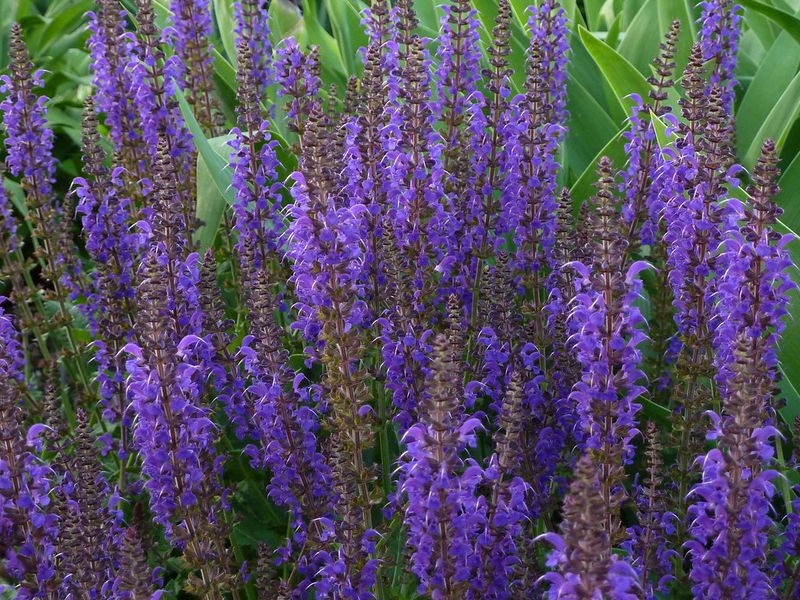
Salvia is the kind of plant that makes gardeners look like pros without any extra effort. Its tall, slender spikes of purple or blue flowers bloom from late spring through summer, and deadheading spent blooms encourages another flush of color almost immediately.
Hummingbirds are obsessed with it.
Hardy salvia handles drought and poor soil without skipping a beat. It also resists deer, which is a huge bonus for gardeners dealing with wildlife.
A little sun and decent drainage are all it needs to perform beautifully.
Coreopsis (Tickseed)
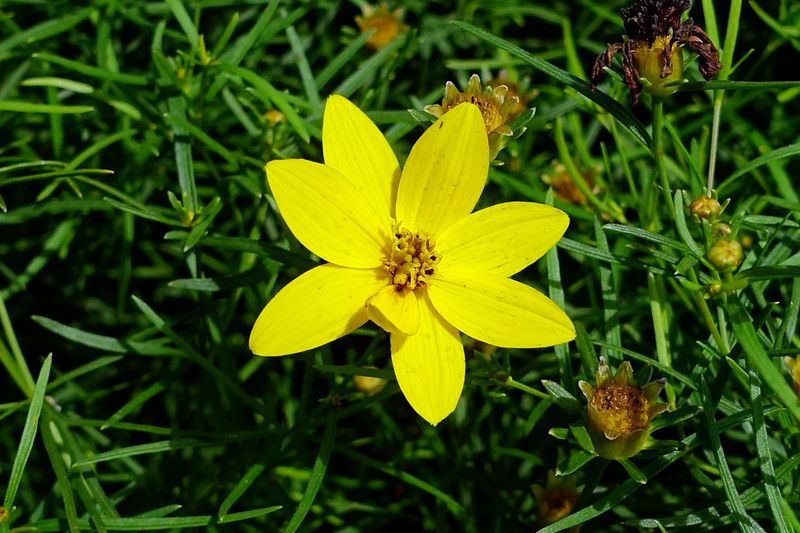
Sunshine in plant form – that is the best way to describe coreopsis. These cheerful, daisy-like flowers bloom from late spring all the way through fall, which is a longer season than most perennials can manage.
They are also drought-tolerant once established, asking very little in return for months of color.
Interestingly, the nickname “tickseed” comes from the seed shape, which resembles a tiny tick. Do not let that put you off though – coreopsis is one of the friendliest, easiest plants a gardener can grow.
Catmint (Nepeta)
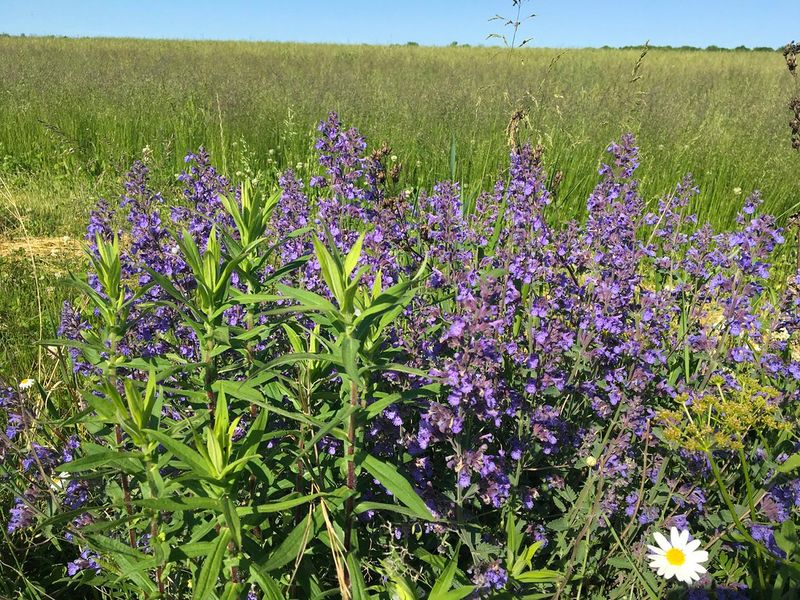
Catmint is the easygoing plant that somehow always looks effortlessly stylish. Its soft lavender-blue flowers spill gracefully over garden borders from spring into summer, and cutting it back after the first bloom triggers a fresh wave of flowers in late summer.
The silvery-green foliage smells wonderful when brushed.
Cats famously adore it, but so do bees and butterflies. It handles drought, poor soil, and heat with calm indifference.
For a carefree cottage garden look, catmint is hard to beat.
Shasta Daisy (Leucanthemum)
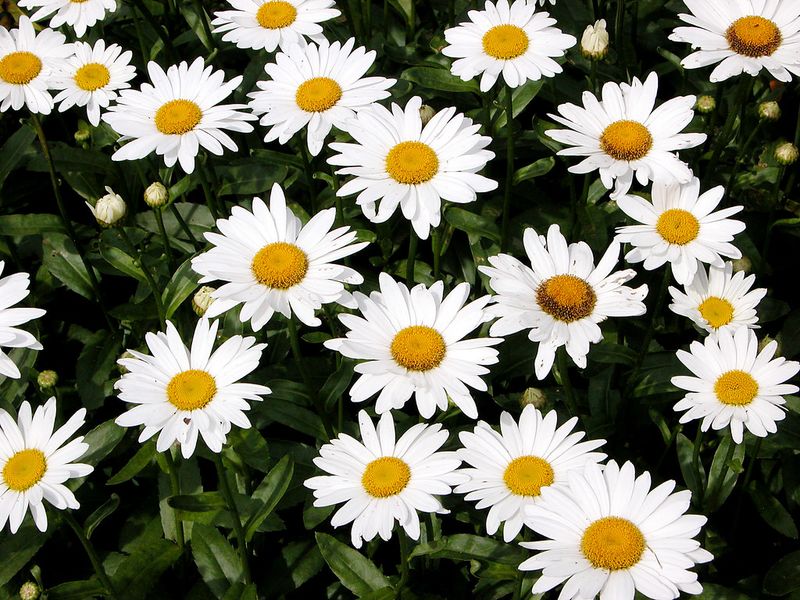
There is something timeless about the clean, classic look of a Shasta daisy. White petals surrounding a cheerful yellow center – it is a combination that never goes out of style.
Shasta daisies bloom from early summer through fall, especially when old flowers are snipped off to encourage new buds.
They grow in clumps that slowly expand over time, filling the garden naturally. Great for cutting, great for pollinators, and genuinely easy to grow, Shasta daisies belong in almost every sunny garden.
Peonies (Paeonia)
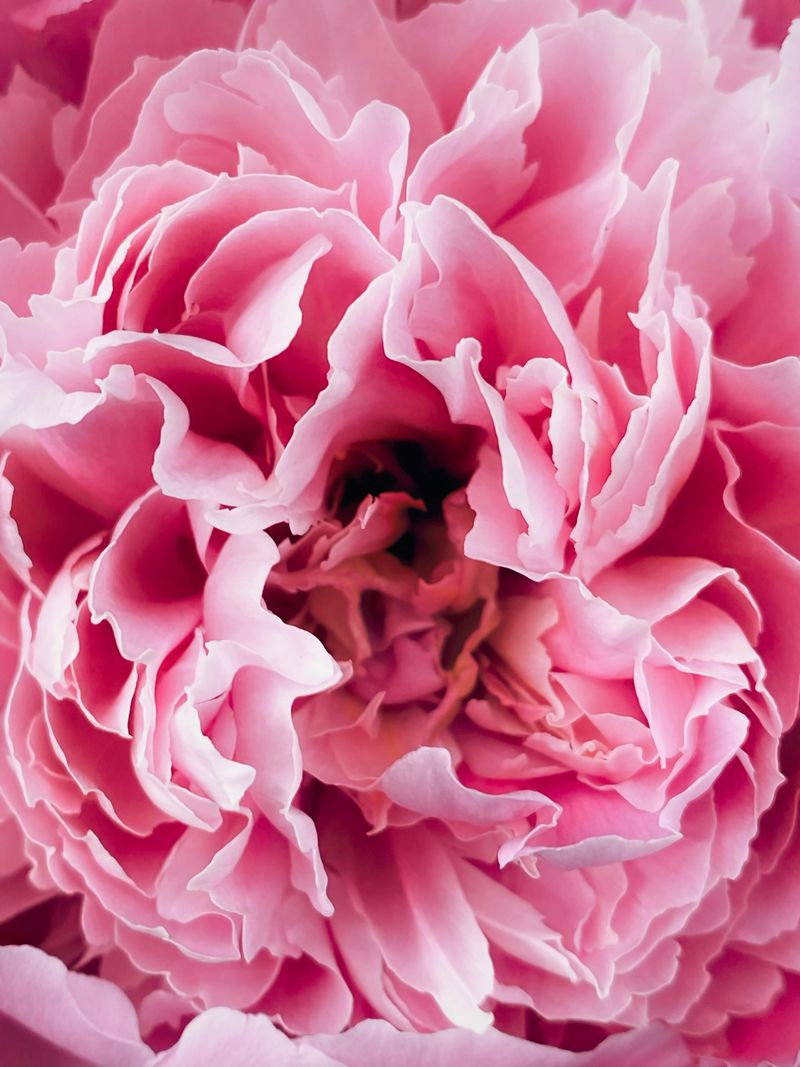
Peonies are the glamour queens of the perennial world, producing enormous, fragrant blooms that stop people in their tracks every spring. Here is the surprising part: once planted in the right spot, peonies can live and bloom for over 100 years with almost no care.
That is truly remarkable for any plant.
They need full sun and good drainage but reward that simple setup with spectacular flowers year after year. Ants are often seen on peony buds – they are just after the nectar and cause no harm at all.
Russian Sage (Perovskia atriplicifolia)
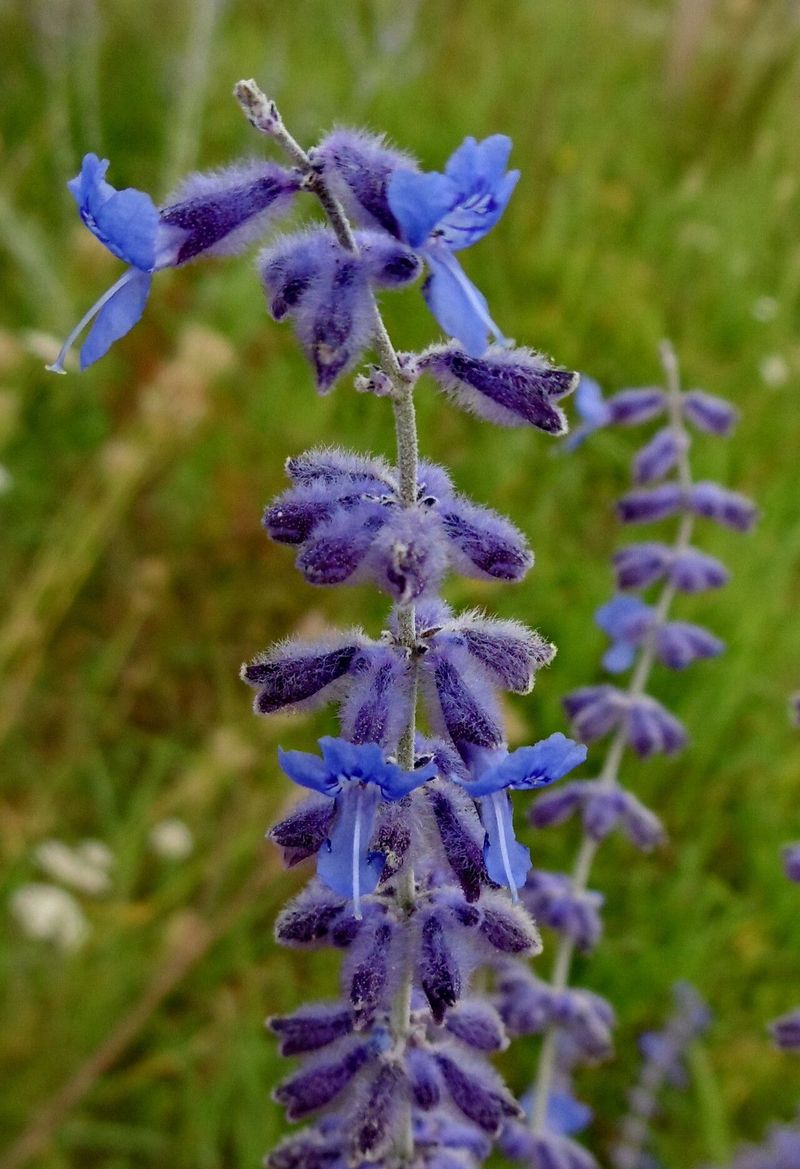
Russian sage looks like a garden planted by an artist. Its wispy, lavender-blue flower spikes rise on silver stems, creating an airy, cloud-like effect that pairs beautifully with bold, solid-colored flowers nearby.
It blooms from midsummer all the way into fall – one of the longest seasons of any perennial.
Drought-tolerant to an extreme degree, Russian sage actually prefers dry, poor soil. Deer and rabbits leave it alone, probably because of its strong aromatic scent.
Plant it and essentially forget it.
Blanket Flower (Gaillardia)
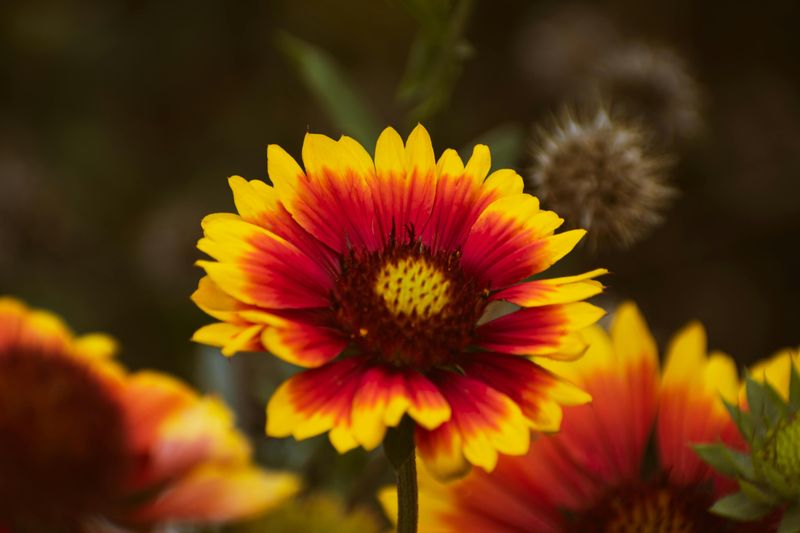
Named after the boldly patterned blankets made by Native American tribes, gaillardia lives up to its colorful reputation. The flowers blaze in sunset shades of red, orange, and yellow, and they just keep coming from early summer all the way to the first frost.
Few perennials match that endurance.
Sandy, dry soil? No problem.
Scorching heat? Gaillardia handles it easily.
It actually blooms better in tough conditions than in rich, pampered soil. A rebellious little flower that thrives on being ignored.
Yarrow (Achillea millefolium)
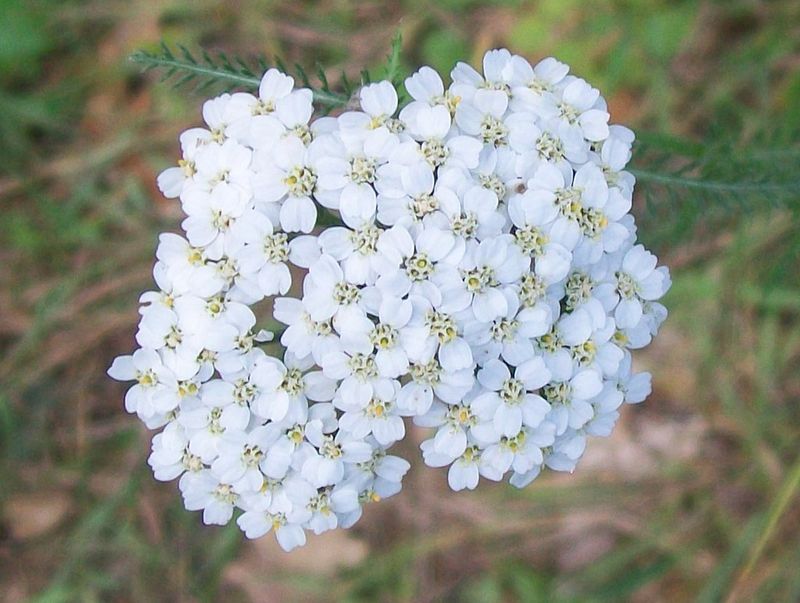
Yarrow has been growing wild in fields and roadsides for thousands of years, which tells you everything about how tough it is. The flat-topped flower clusters bloom in shades of white, yellow, pink, and red from early summer through fall, attracting a massive variety of beneficial insects to the garden.
According to legend, the Greek hero Achilles used yarrow to treat his soldiers’ wounds. Today, gardeners use it to fill space, add texture, and enjoy months of carefree color in almost any growing condition imaginable.
Astilbe
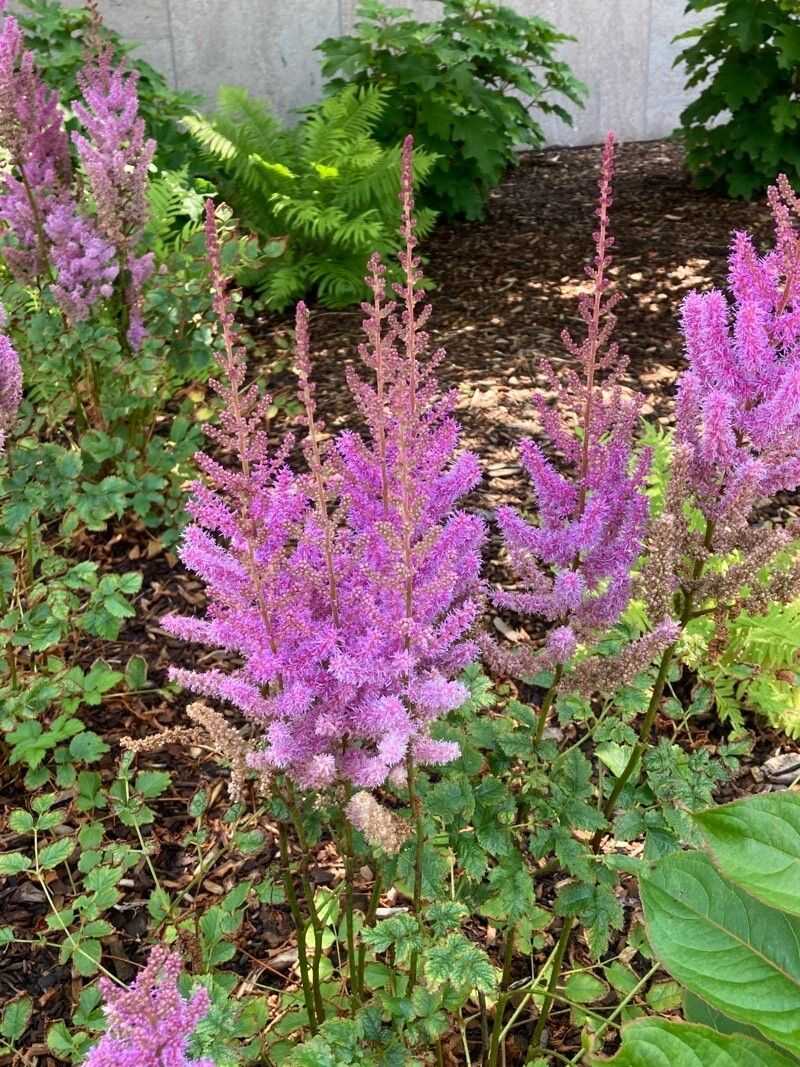
Most shade-tolerant plants play it safe with subtle colors, but astilbe refuses to blend in. Its feathery plumes of pink, red, white, or purple rise dramatically above glossy foliage from early to midsummer, bringing serious drama to dim garden corners.
It is one of the showiest plants for shady spots.
Astilbe loves moisture and rich soil, making it ideal near ponds or in low-lying areas. Even the dried seed heads look interesting in fall and winter, adding structure when other plants have faded away.
Sedum (Stonecrop)
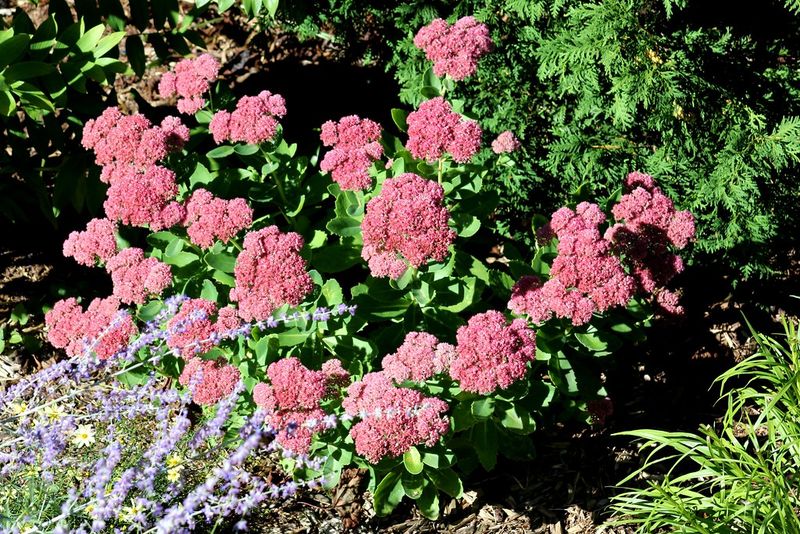
Late summer can feel like a tough time in the garden, but sedum steps up exactly when other perennials are winding down. Its broad, flat flower heads open in shades of pink, red, and burgundy from late summer through fall, giving the garden a colorful boost right when it is most needed.
Sedum is practically indestructible. It stores water in its thick, fleshy leaves, so it shrugs off drought without a second thought.
Butterflies love it in fall, and the seed heads look beautiful even after frost arrives.
Balloon Flower (Platycodon)
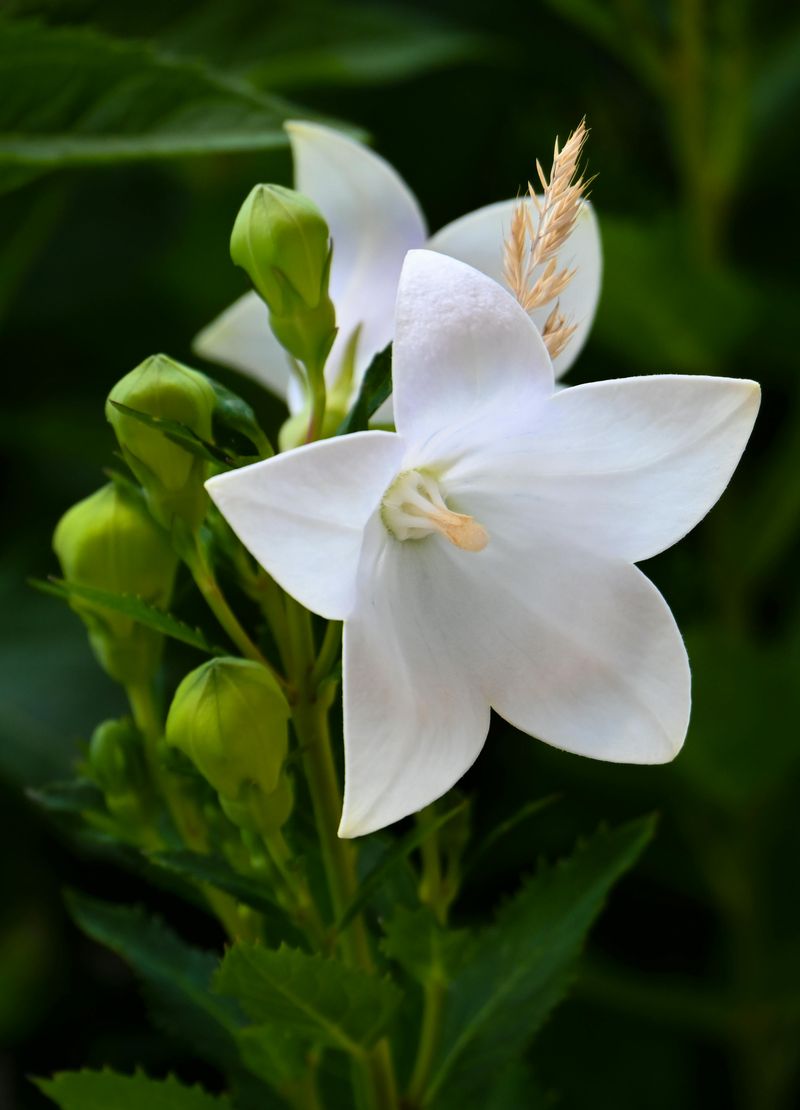
Before balloon flowers open, the buds puff up into perfect little balloons – which is genuinely one of the most charming things in any garden. Kids especially get a kick out of popping the buds open gently.
Once open, the star-shaped flowers in blue, purple, pink, or white bloom all summer long.
Balloon flowers are slow to emerge in spring, so mark their spot to avoid accidentally digging them up. They are long-lived, drought-tolerant, and deer-resistant – a combination that makes any gardener happy.
Bee Balm (Monarda)
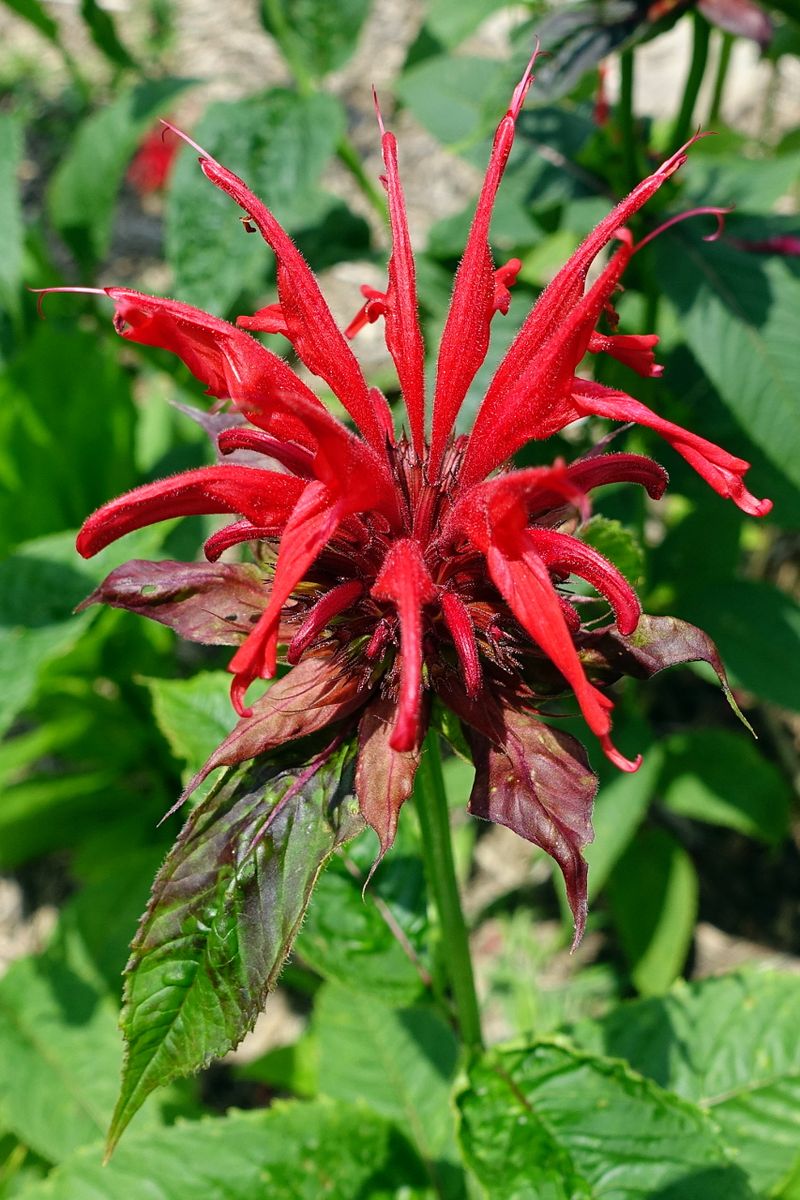
Plant bee balm once and your garden becomes a certified wildlife destination. Hummingbirds, bumblebees, and butterflies all visit constantly throughout its long bloom season from midsummer into fall.
The shaggy, spiky blooms in red, pink, purple, and white look like something from a fantasy garden.
Bee balm spreads enthusiastically, so give it room to roam or divide it every few years to keep it tidy. It thrives in moist soil and partial shade too, making it more flexible than many sun-loving perennials.
Truly a garden crowd-pleaser.
Veronica (Speedwell)
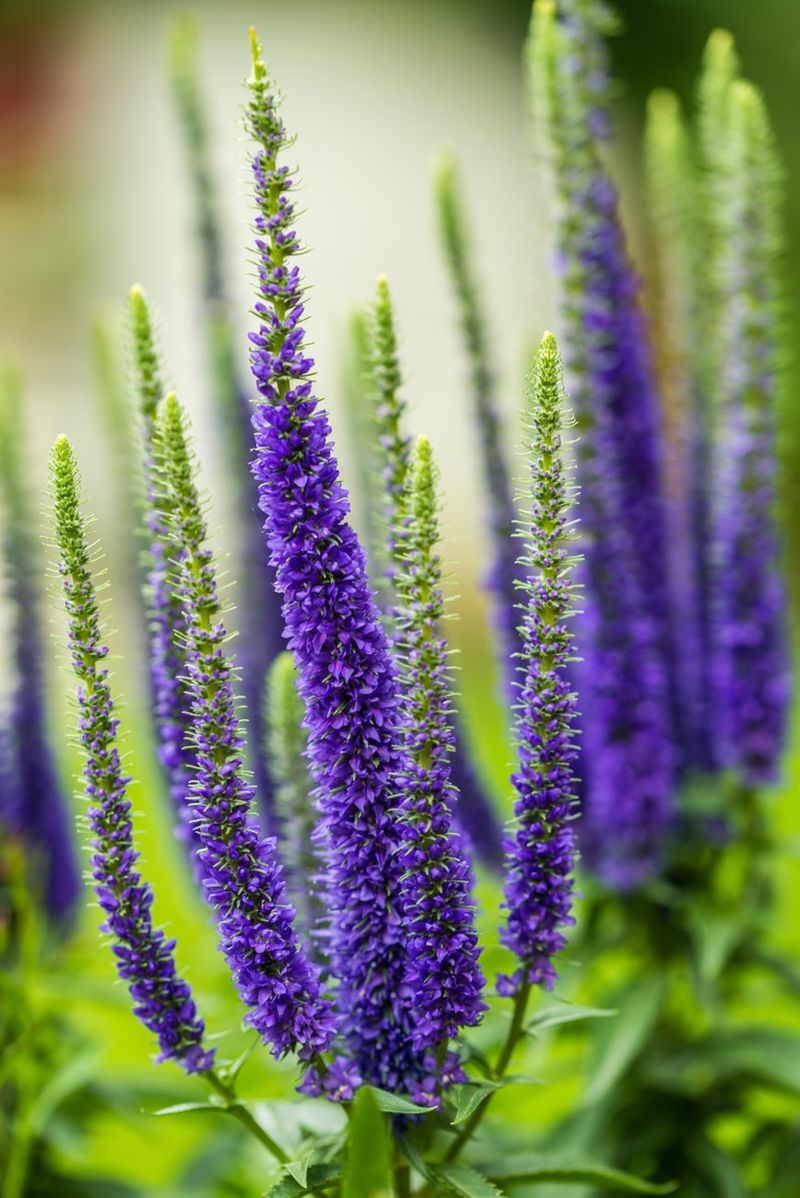
Veronica is the quiet overachiever of the perennial garden. Its slender, upright spikes of blue, purple, pink, or white flowers bloom from late spring through midsummer, and cutting them back after the first flush almost always triggers a second round of blooming.
That kind of generosity is hard to find.
It handles heat, drought, and average soil without complaint. Deer typically avoid it, which makes it extra valuable in rural gardens.
Pair it with coneflowers or black-eyed Susans for a wildly colorful, low-effort combination that looks professionally designed.