
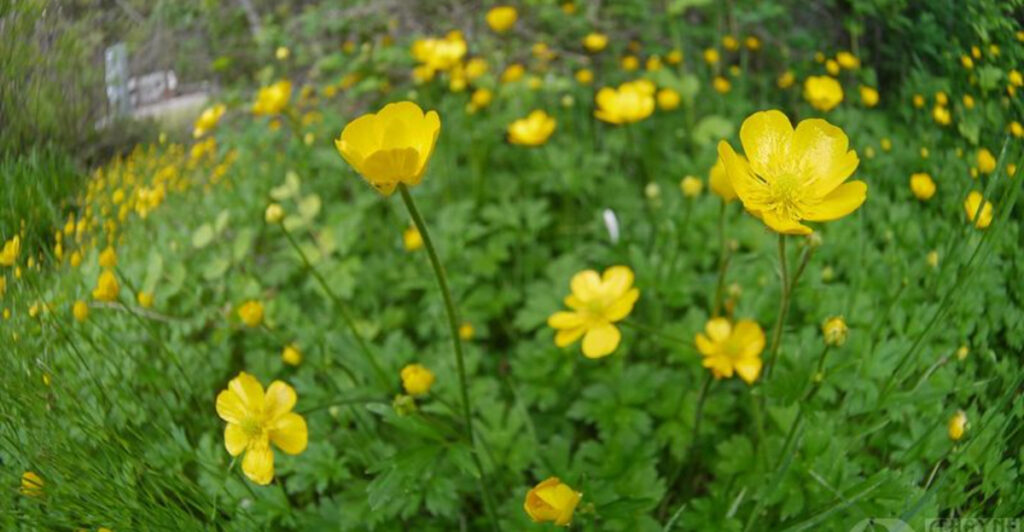
Some flowers look beautiful in a garden but come with a hidden cost — they spread like crazy and are nearly impossible to control. Before you plant that pretty bloom, you should know which ones will have you pulling weeds every single weekend.
A few of these flowers can take over your entire yard in just one season. Save yourself the headache by checking out this list before your next trip to the garden center.
Morning Glory
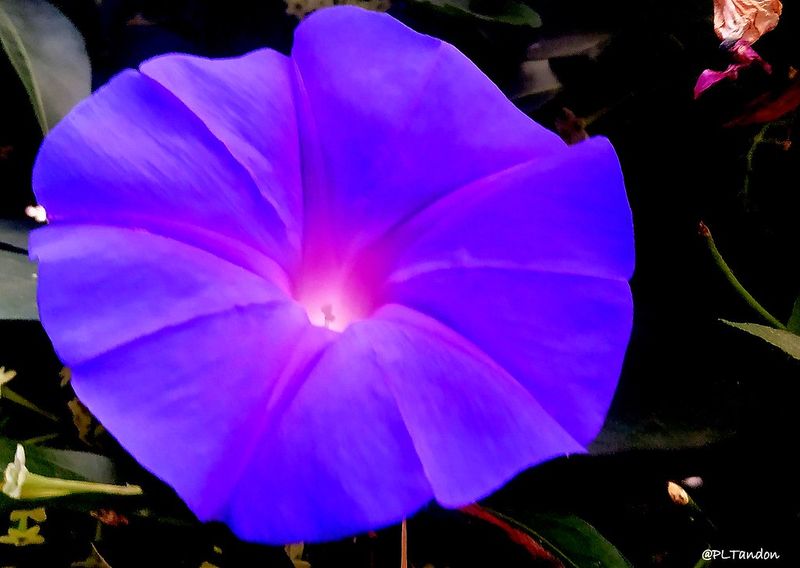
Morning glory looks like something out of a fairy tale with its swirling purple and blue blooms. But once it gets comfortable in your garden, it refuses to leave.
Each plant produces hundreds of seeds that scatter everywhere.
Those seeds can stay dormant in soil for years, sprouting long after you thought you got rid of them. Pulling them by hand takes forever, and missing even one plant means starting all over again next season.
Creeping Buttercup
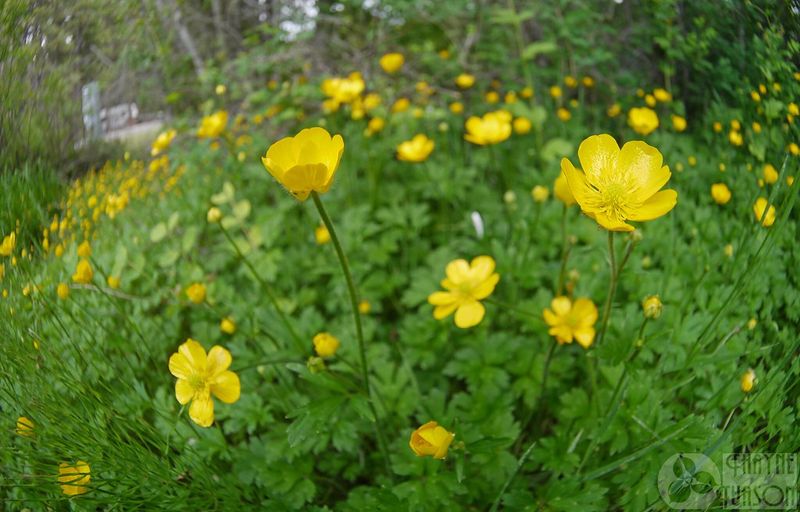
Creeping buttercup sounds charming, but gardeners who have dealt with it use much stronger words. This low-growing plant sends out runners in every direction, rooting wherever they touch the ground.
Before long, it smothers everything nearby.
What makes it especially tricky is that small root fragments left in the soil will regrow. You have to dig deep and remove every piece to make a real difference.
It thrives in wet, poorly drained spots too.
Oxalis (Wood Sorrel)
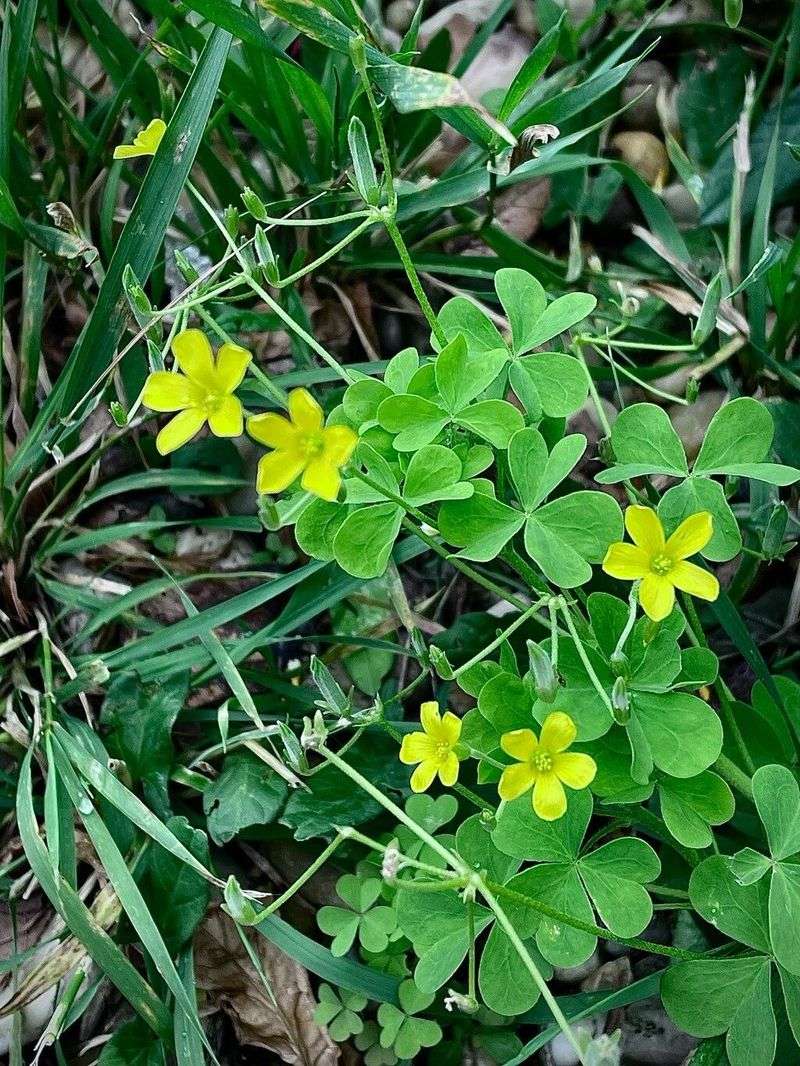
Oxalis looks harmless with its clover-shaped leaves and tiny pink or yellow flowers. Gardeners often mistake it for a cute ground cover at first.
That mistake becomes obvious when it starts popping up absolutely everywhere.
Its seed pods explode when touched, launching seeds several feet in all directions. The bulb-like roots break apart easily, and every little piece grows into a new plant.
Herbicides often struggle against it, making manual removal your best — and most exhausting — option.
Feverfew
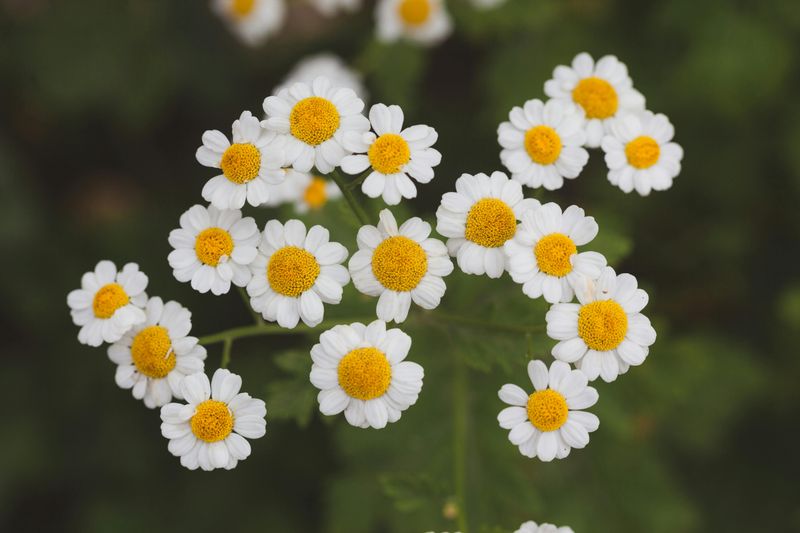
Feverfew has a long history in herbal medicine, but its reputation in the garden is far less flattering. Those cheerful white daisy-like flowers produce an enormous number of seeds, and the plant self-sows with zero effort.
One plant can turn into fifty by the following spring. The seedlings pop up in cracks, pathways, and neighboring beds.
If you deadhead religiously before the seeds mature, you can manage it — but miss a few blooms and you will be weeding for months.
Lemon Balm
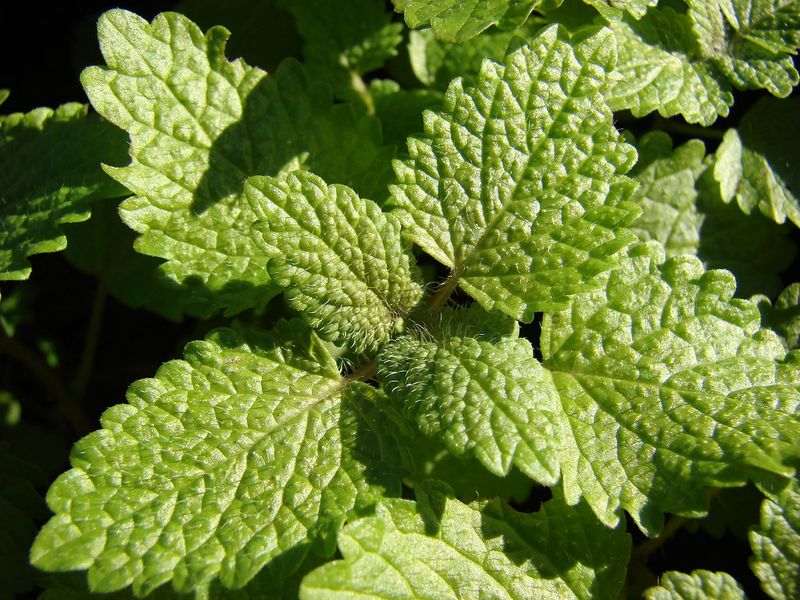
Rub a lemon balm leaf and you get a fresh citrusy scent that feels delightful. Plant it in your garden and the delight fades fast.
Lemon balm spreads both by seed and underground runners, colonizing every open space it can find.
It is technically a flowering herb, but those tiny white flowers produce seeds by the thousands. Once established, pulling it out is a never-ending job.
Growing it in a buried container can help contain the roots, but seeds will still escape.
Forget-Me-Not
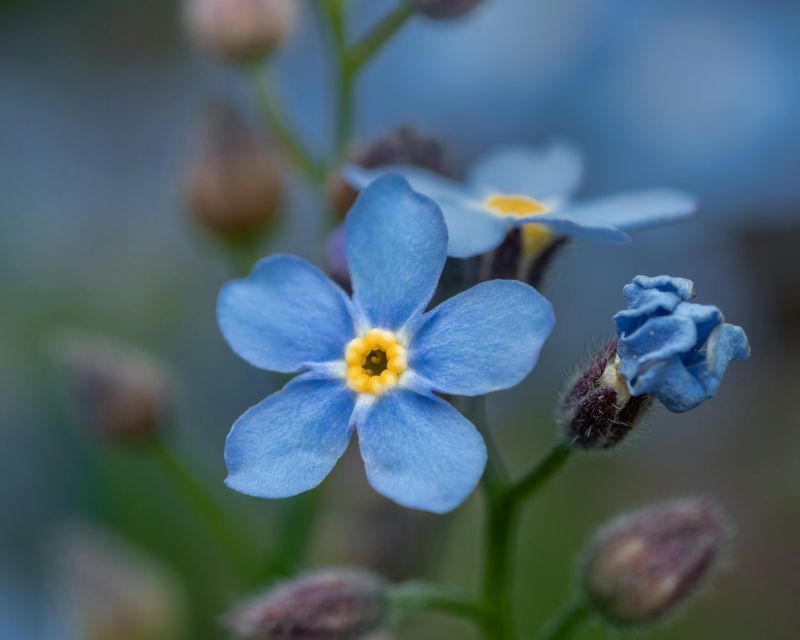
Forget-me-nots have one of the most romantic names in the plant world. Unfortunately, they live up to their name in the worst possible way — they make absolutely sure you cannot forget them.
These prolific self-seeders spread across every bare patch of soil they can find.
A small cluster planted one spring can carpet an entire bed by the next year. They are not difficult to pull, but there are just so many of them.
Plan on spending serious time on your knees if you plant these.
Purple Loosestrife
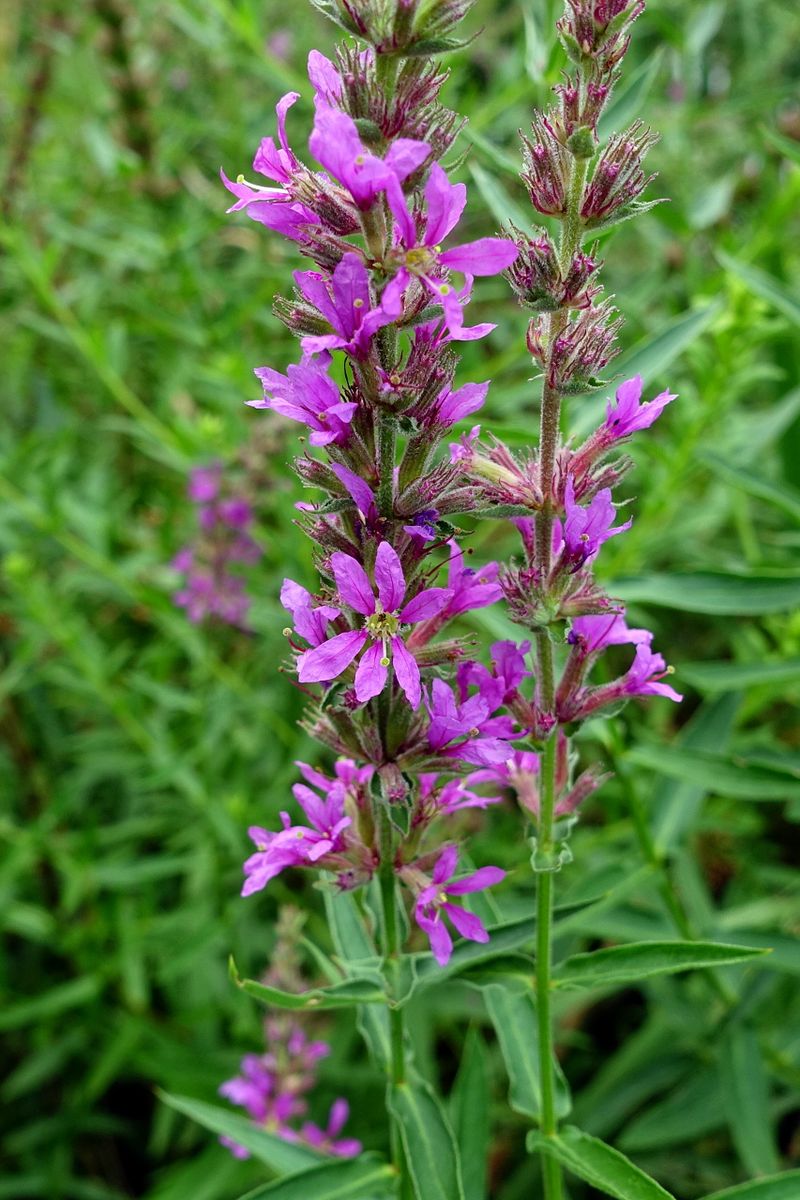
Purple loosestrife is actually banned or restricted in many states because of how aggressively it spreads. A single plant can produce up to two million seeds per year.
Once it gets going near water or wet soil, it takes over completely.
It chokes out native plants and destroys habitat for wildlife. Even in regular garden beds it spreads fast and is tough to eradicate.
If you spot it at a nursery, walk away — the beauty is absolutely not worth the battle ahead.
Sweet Alyssum
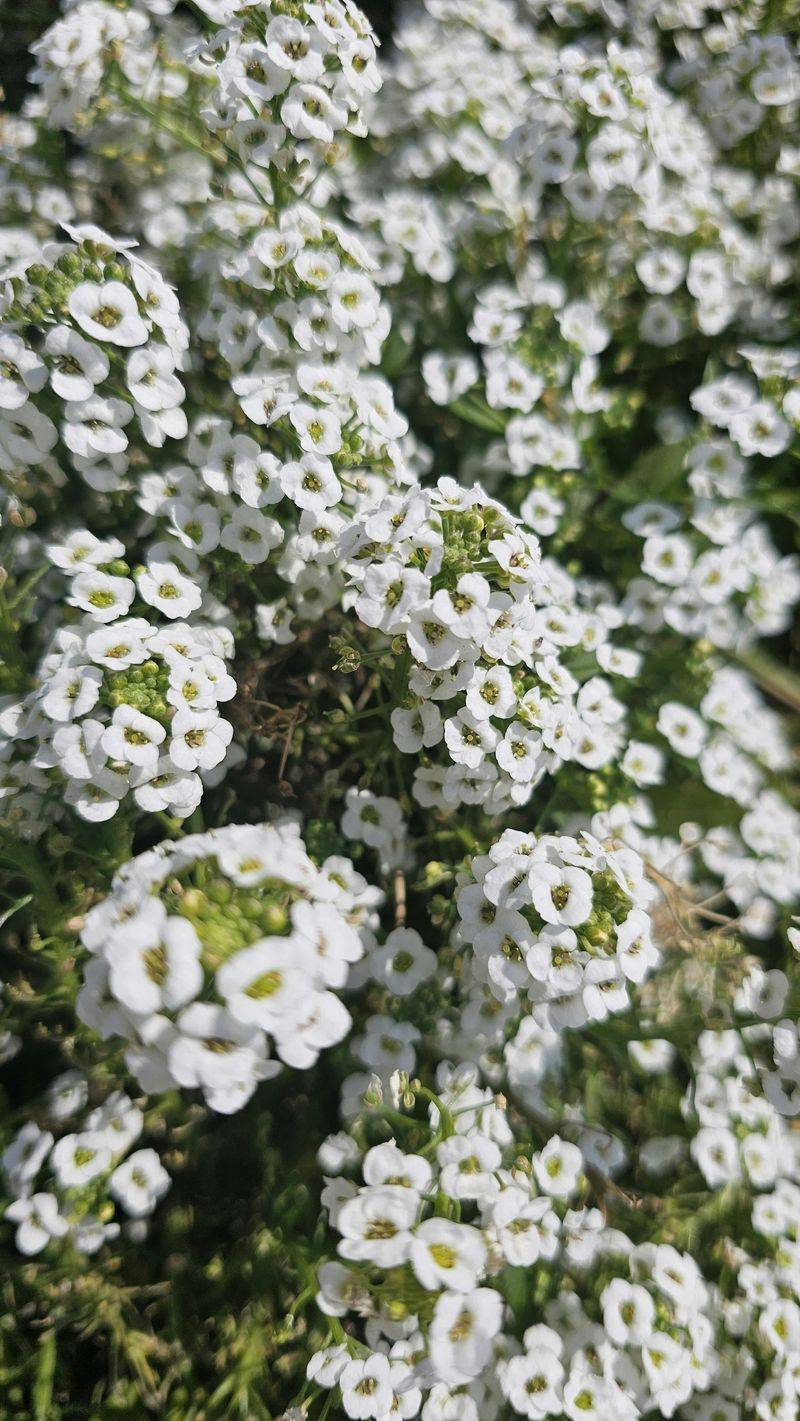
Sweet alyssum is a popular edging plant with a honey-like fragrance and masses of tiny flowers. It looks perfect in containers and borders — until it starts dropping seeds absolutely everywhere.
The plant self-sows so freely it essentially becomes a permanent resident.
Seedlings appear in every crack, between pavers, and in neighboring beds. While individual plants are easy to pull, the sheer volume makes it tiresome.
If you want it contained, deadhead constantly or be prepared to pull hundreds of tiny seedlings each spring.
Calendula
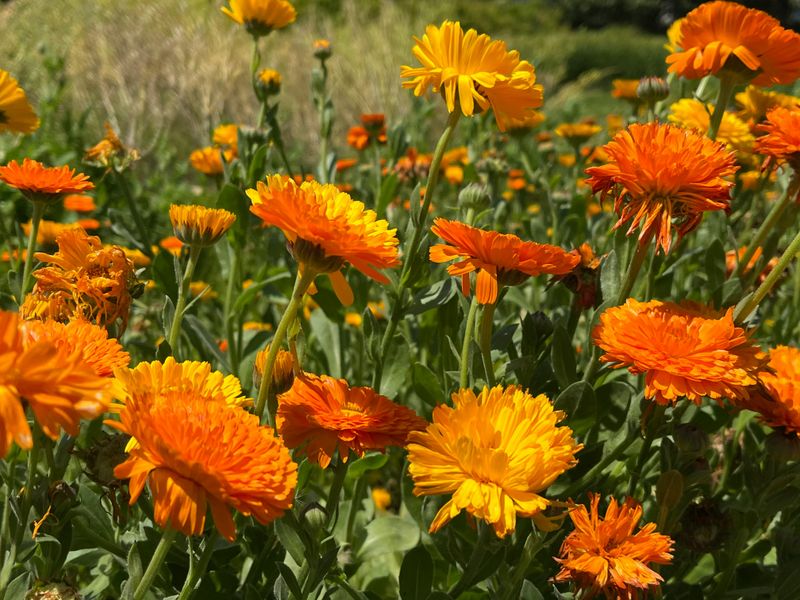
Calendula is beloved for its cheerful orange and yellow blooms and its uses in skin care products. Many gardeners grow it as an annual, not realizing it reseeds so enthusiastically it basically becomes a perennial problem.
Seeds drop constantly throughout the blooming season.
By the following spring, calendula seedlings appear everywhere — in the vegetable patch, between stepping stones, and in pots nearby. Deadheading helps slow the spread, but it takes consistency.
If you skip a week, the seeds are already gone.
Violet (Viola)
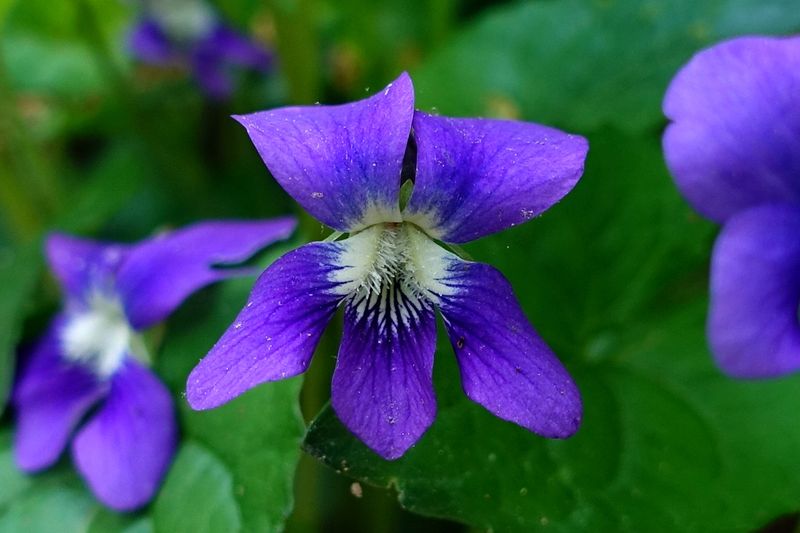
Wild violets look sweet and delicate, but underneath those heart-shaped leaves lies a plant with serious territorial ambitions. They spread through both seeds and underground rhizomes, making them double trouble for anyone who values a tidy garden.
Their waxy leaves repel most herbicides, and the root system is surprisingly deep and stubborn. Pulling them by hand works, but the rhizomes break easily and regrow from fragments.
Many homeowners who planted violets as ground cover now consider them their number one lawn enemy.
Goldenrod
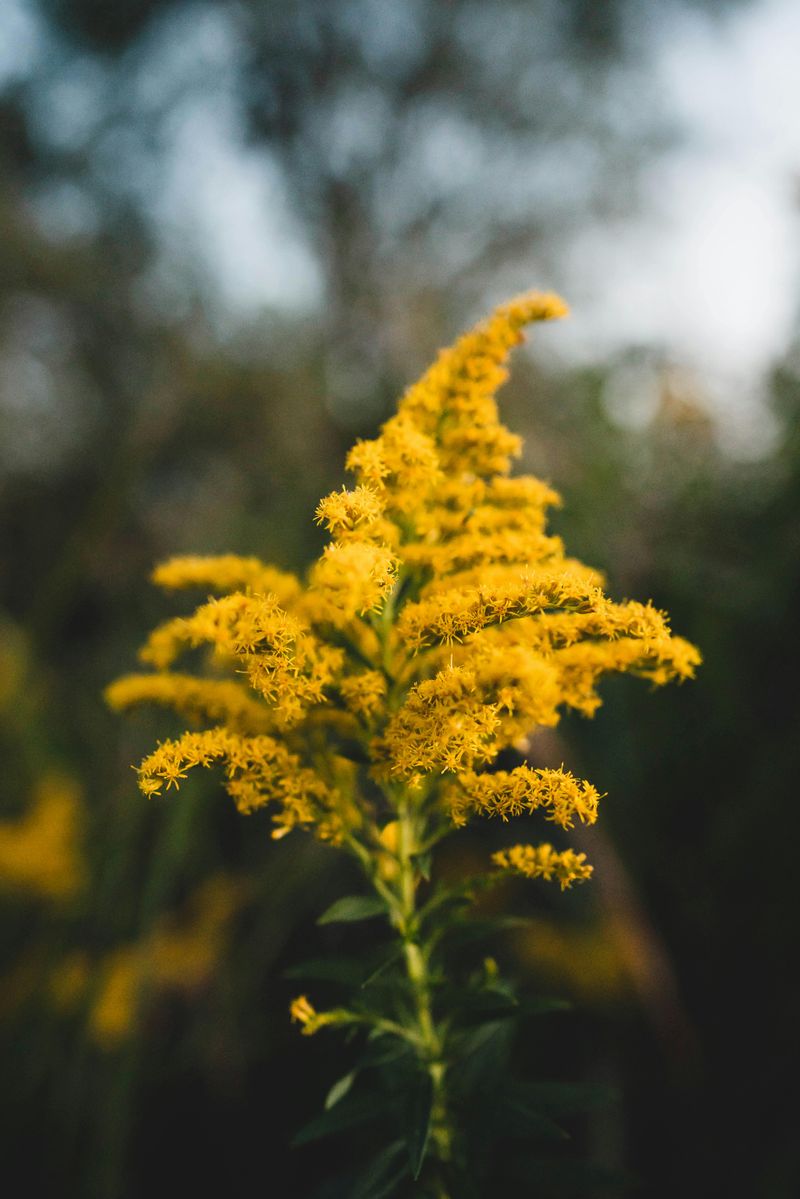
Goldenrod gets blamed for hay fever season even though ragweed is actually the culprit. Despite that unfair reputation, goldenrod does deserve its reputation as a garden bully.
It spreads through underground rhizomes and airborne seeds, claiming new territory season after season.
Native goldenrod species can grow quite tall and flop over neighboring plants, shading them out. Dividing clumps every few years helps, but seeds still travel on the wind.
Plant it only if you have plenty of space and patience for regular management.
Tansy
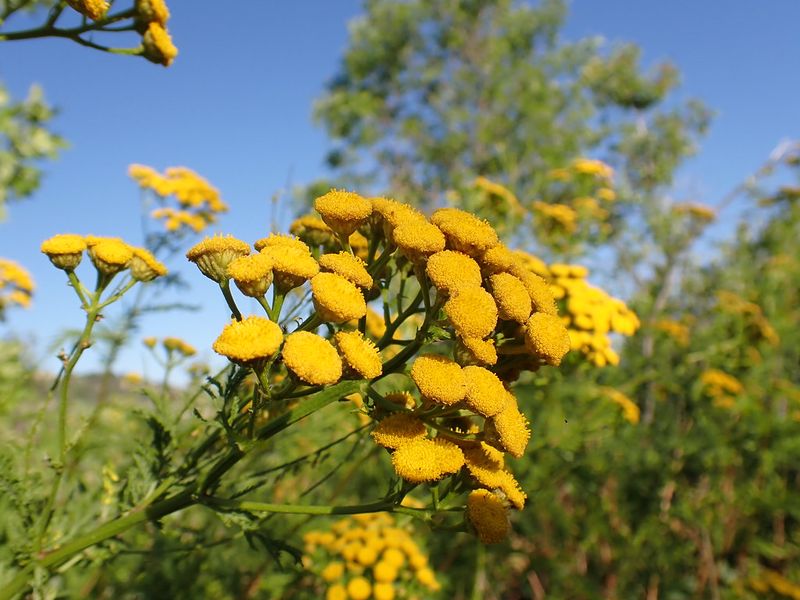
Tansy was once popular as a medicinal herb and insect repellent, but modern gardeners know it as a serious spreader. Those flat-topped clusters of yellow button flowers are actually seed factories waiting to go off.
The plant also spreads aggressively through underground rhizomes.
Once tansy establishes a foothold, removing it completely takes years of persistent effort. It is also toxic to livestock, so it is banned or restricted in some areas.
Its old-fashioned charm is simply not worth the long-term commitment required to control it.
Dame’s Rocket
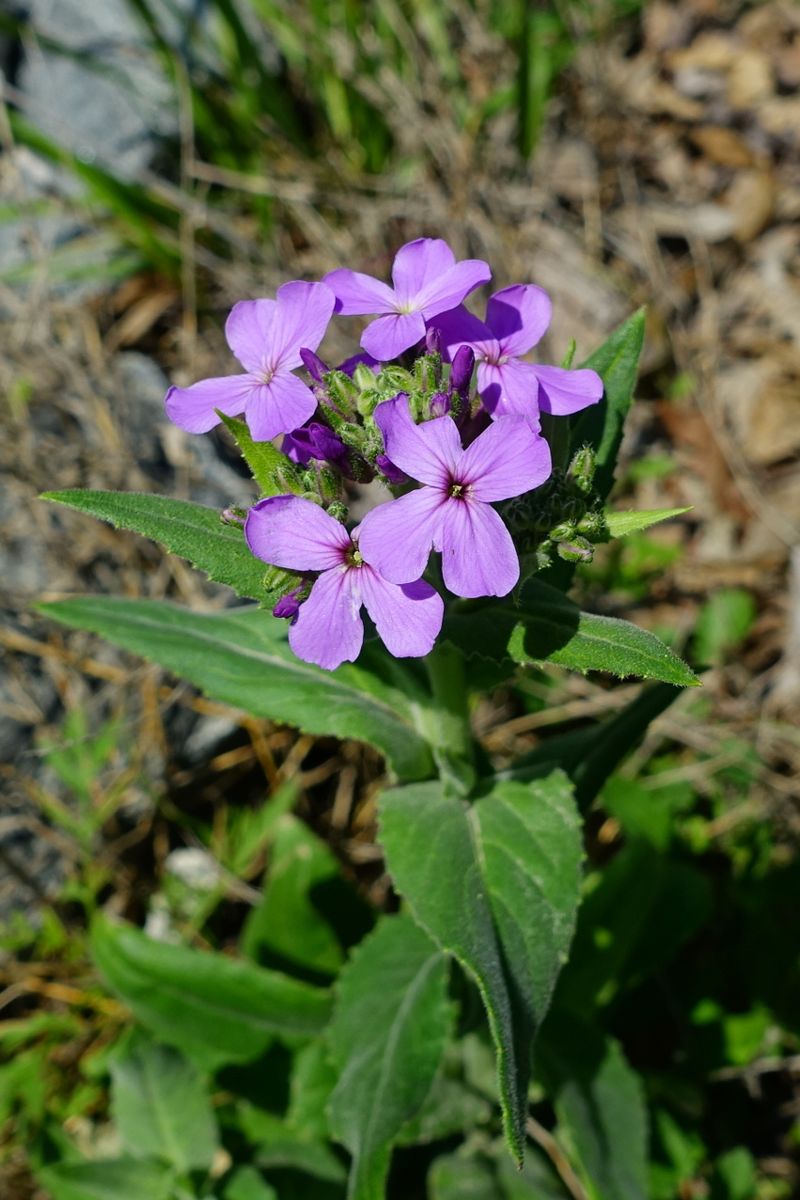
Dame’s rocket is frequently mistaken for garden phlox because the flowers look so similar. The key difference is that dame’s rocket self-seeds with incredible enthusiasm and spreads into wild areas, where it is considered invasive in many regions.
A single plant produces thousands of seeds that scatter when the pods dry and split. It shows up along roadsides, in meadows, and definitely in your carefully maintained garden.
Pulling it before seeds set is the only reliable strategy, but the window is short.
Yarrow
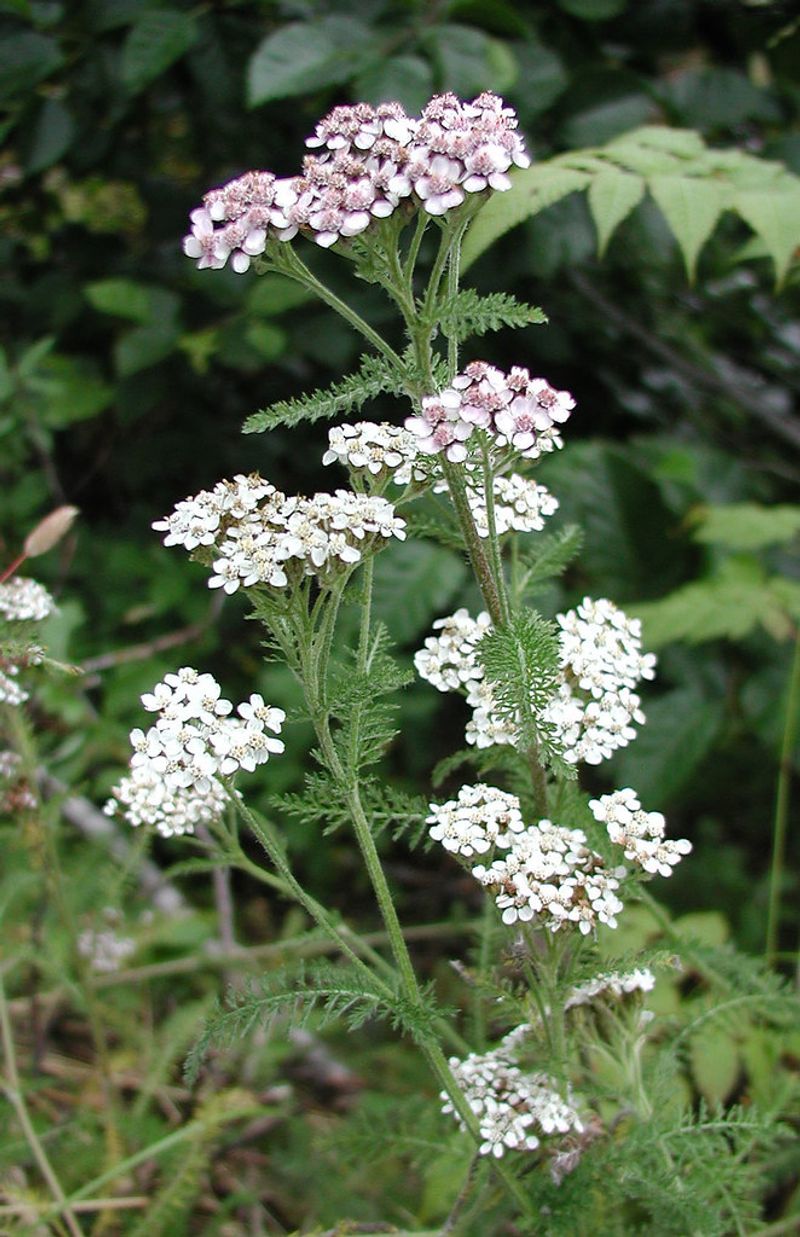
Yarrow is tough, drought-tolerant, and attracts pollinators — all the things gardeners love. The problem is it is almost too tough.
It spreads through both seeds and underground rhizomes, slowly expanding its clump and popping up in unexpected places across the yard.
In poor, dry soil it stays somewhat manageable. Give it rich garden soil and regular water, and it turns into a spreading monster.
Dividing clumps every couple of years and deadheading flowers before seeds form are the main ways to keep yarrow from running the show.
Borage
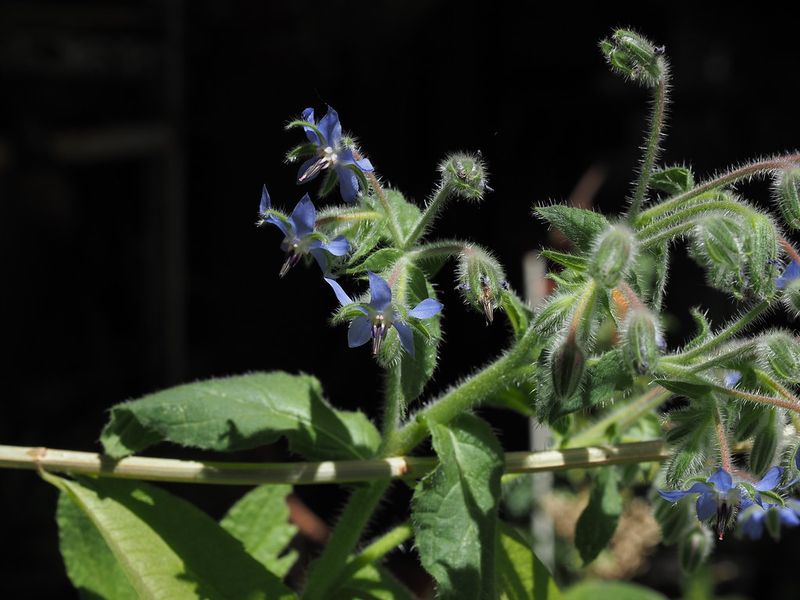
Borage is a quirky, beautiful plant with star-shaped blue flowers that bees absolutely adore. It is also one of the most enthusiastic self-seeders you will ever encounter.
Plant it once and it will plant itself every year after that — whether you want it to or not.
Seedlings appear in pots, pathways, and well beyond your garden borders. They grow fast and have a deep taproot that is annoying to pull.
Borage is great for pollinators, but plan on spending real time managing where it decides to live.
Coreopsis (Tickseed)
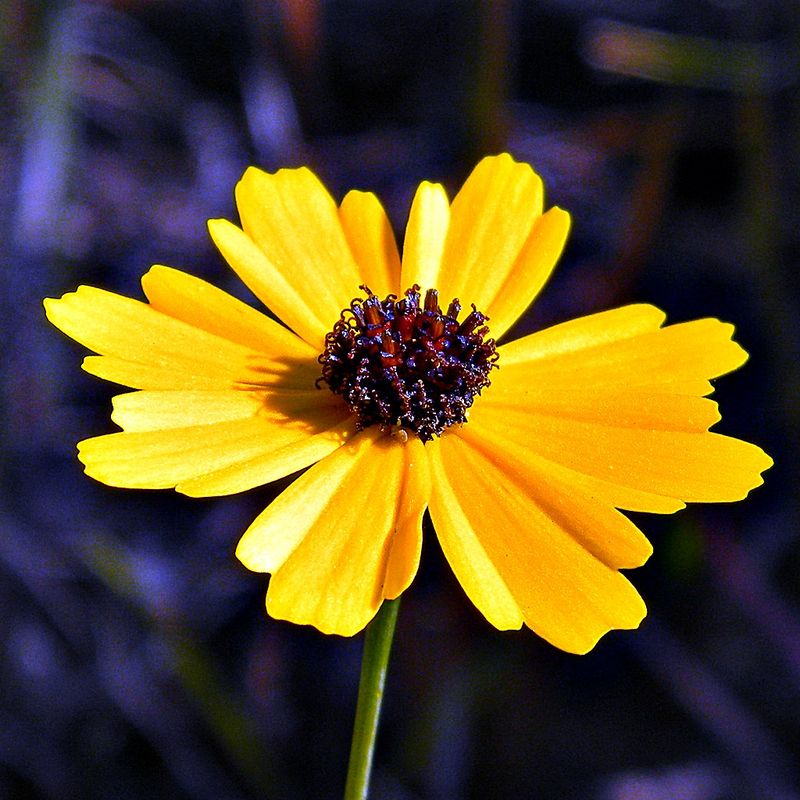
Coreopsis earns its place on this list not through underground runners but through pure seed power. Those sunny yellow blooms drop seeds constantly, and the seedlings are vigorous growers that appear in every corner of the garden.
It is practically impossible to keep up with them.
While individual plants are easy to remove, the volume is what gets you. Some species also spread by rhizomes, adding another layer of difficulty.
Coreopsis is genuinely lovely, but treat it as a plant that needs regular monitoring rather than a set-and-forget perennial.