
You don’t need a fancy landscaper or a huge budget to have a yard that turns heads. Some of the most stunning shrubs out there are actually low-maintenance, tough, and totally beginner-friendly.
Whether you have a sunny backyard or a shady corner that needs some love, these plants deliver big visual impact without the drama. Get ready to transform your outdoor space with shrubs that look like they cost a fortune but are incredibly simple to grow.
Knockout Rose
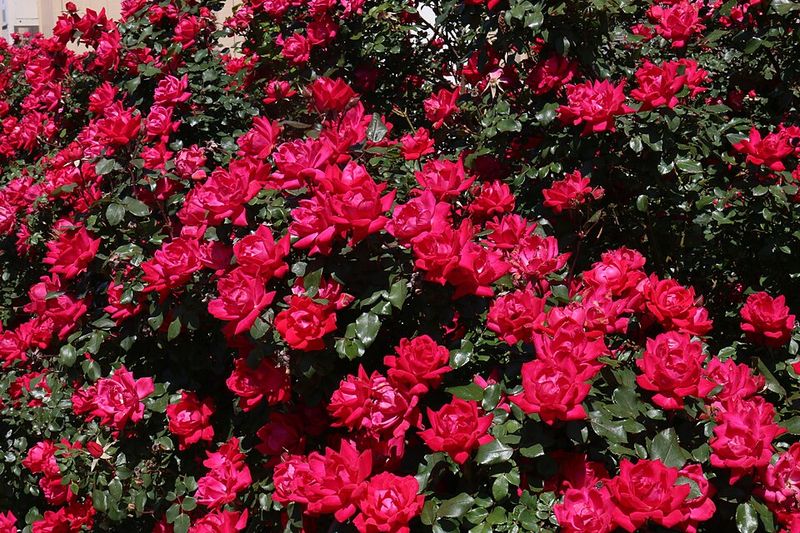
Few plants punch above their weight like the Knockout Rose. Unlike old-fashioned roses that demand constant pruning, spraying, and coddling, this modern beauty practically takes care of itself.
It blooms from spring all the way through fall, filling your yard with color for months.
Plant it in a sunny spot, water it occasionally, and watch it thrive. Even beginners report stunning results their very first season.
It’s the rose that finally makes roses feel easy.
Endless Summer Hydrangea
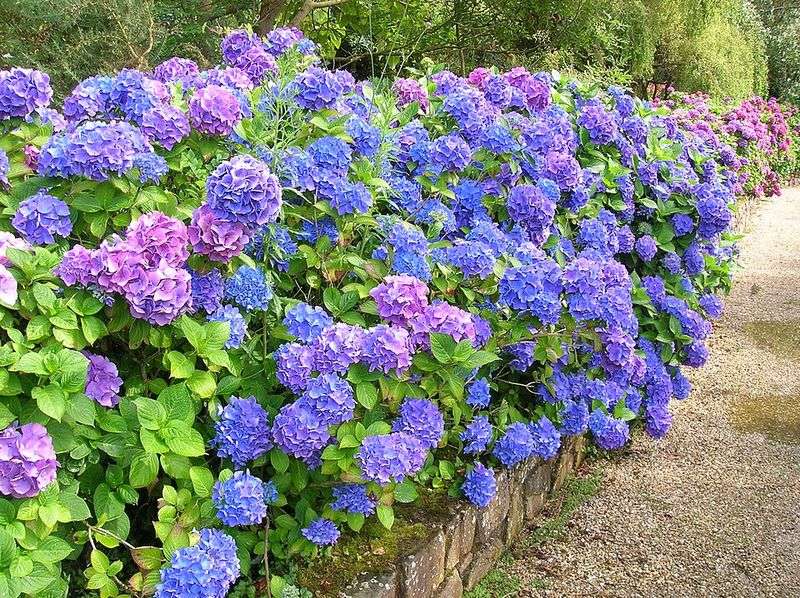
Hydrangeas have always looked like something out of a luxury garden catalog, but Endless Summer changed the game entirely. This variety blooms on both old and new wood, which means even if winter damages the stems, you still get flowers.
That reliability makes it a gardener’s best friend.
Soil pH affects the bloom color, so you can actually tweak it from pink to blue with a few soil amendments. It’s like having a customizable luxury plant right in your yard.
Drift Rose
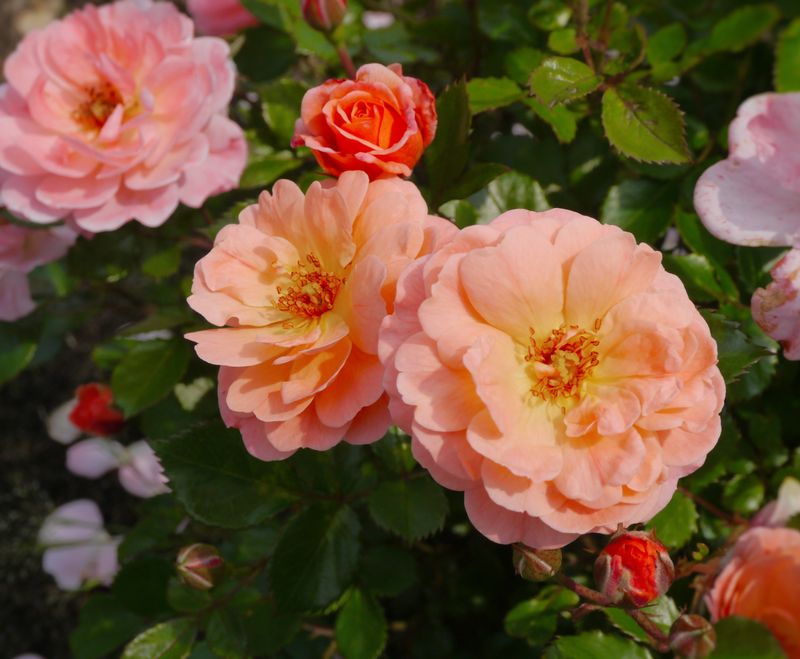
Compact, colorful, and completely carefree — the Drift Rose is everything a busy gardener dreams about. Born from a cross between miniature and ground-cover roses, it stays low and wide, making it perfect for borders, slopes, or container planting.
The blooms just keep coming without deadheading.
Disease resistance is one of its biggest selling points. You won’t spend weekends fighting black spot or aphids.
Just plant, water during dry spells, and enjoy the show all season long.
Butterfly Bush
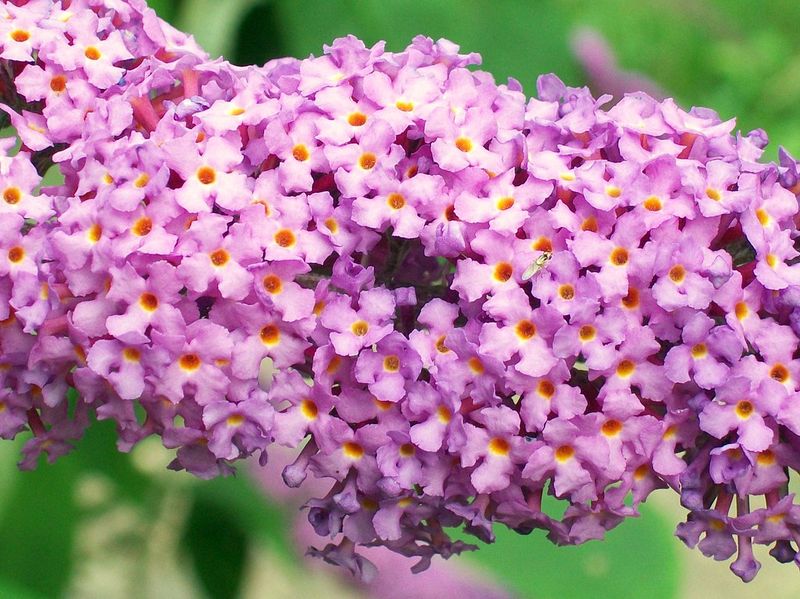
Named for the winged visitors it attracts by the dozens, the Butterfly Bush is one of those plants that makes a yard feel alive. Its long, cone-shaped flower clusters come in purple, pink, white, and even yellow, adding serious drama to any landscape.
And the fragrance? Absolutely heavenly.
It grows fast, tolerates poor soil, and bounces back after hard pruning. Just cut it down in early spring and watch it explode with new growth.
Butterflies will thank you all summer.
Spirea
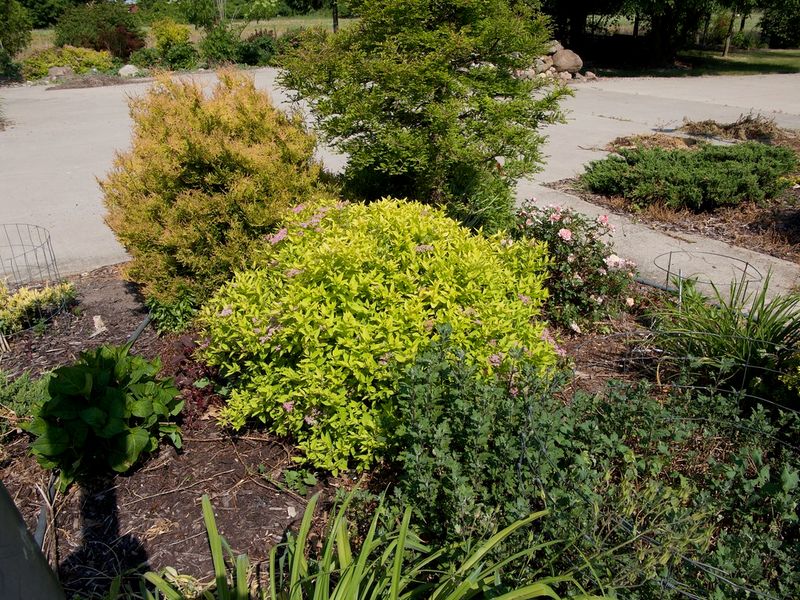
Walk past a blooming Spirea in spring and you might mistake it for something that requires a professional to maintain. Those cascading arches of tiny flowers look almost too perfect to be real.
But Spirea is one of the toughest, most adaptable shrubs you can grow.
It tolerates drought, clay soil, and neglect better than most plants. Goldflame and Double Play varieties even offer fiery foliage that turns heads all season.
For the effort you put in, the payoff is genuinely remarkable.
Loropetalum
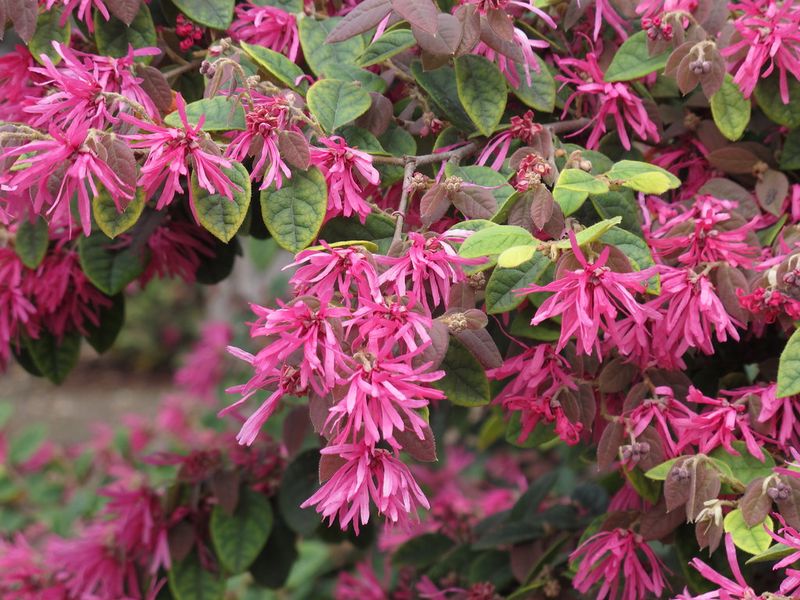
Burgundy leaves paired with hot-pink, fringe-like blooms? Yes, Loropetalum really does look that good.
Also called Chinese Fringe Flower, this shrub brings year-round color thanks to its dramatic foliage that stays rich and bold even when it’s not in bloom. It almost looks like it belongs in an upscale resort garden.
Surprisingly, it grows well in partial shade and needs minimal pruning to keep its shape. Plant it as a focal point or hedge, and prepare for compliments from every neighbor who walks by.
Forsythia
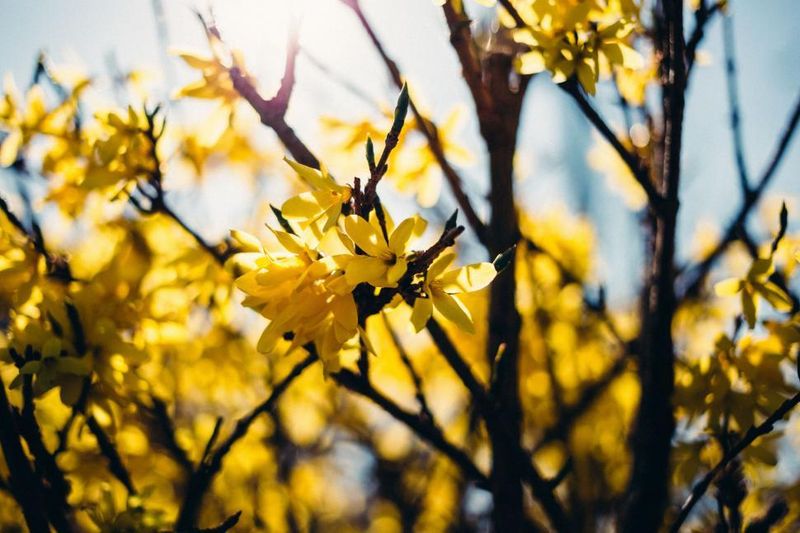
Every March, Forsythia pulls off one of nature’s most cheerful tricks — exploding into bright yellow bloom before a single leaf appears. It’s one of the first signs of spring, and the effect is nothing short of spectacular.
Neighbors always stop to stare.
Despite its showstopping display, Forsythia is incredibly forgiving. It grows in almost any soil, tolerates cold winters, and can be pruned into a tidy hedge or left to arch naturally.
Few shrubs deliver this level of wow for so little effort.
Viburnum
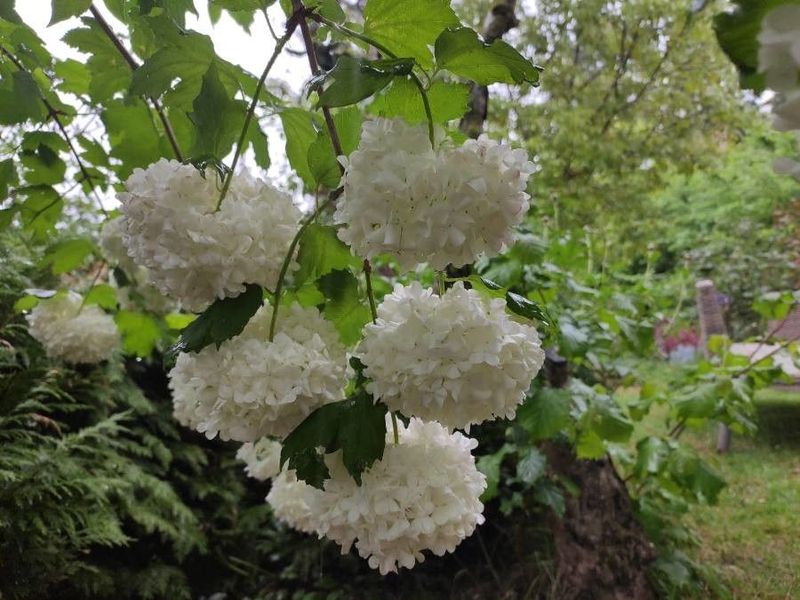
Viburnum is the kind of shrub that makes experienced gardeners nod approvingly and newcomers say, “Wait, that’s easy to grow?” The snowball-style flower clusters look like something from a florist’s arrangement, and many varieties add fragrance, fall color, and berries to the mix. It’s genuinely a four-season performer.
Most varieties are drought-tolerant once established and attract birds and pollinators. Whether you choose Snowball, Doublefile, or Korean Spice, you’re getting serious curb appeal with surprisingly little maintenance required.
Oakleaf Hydrangea
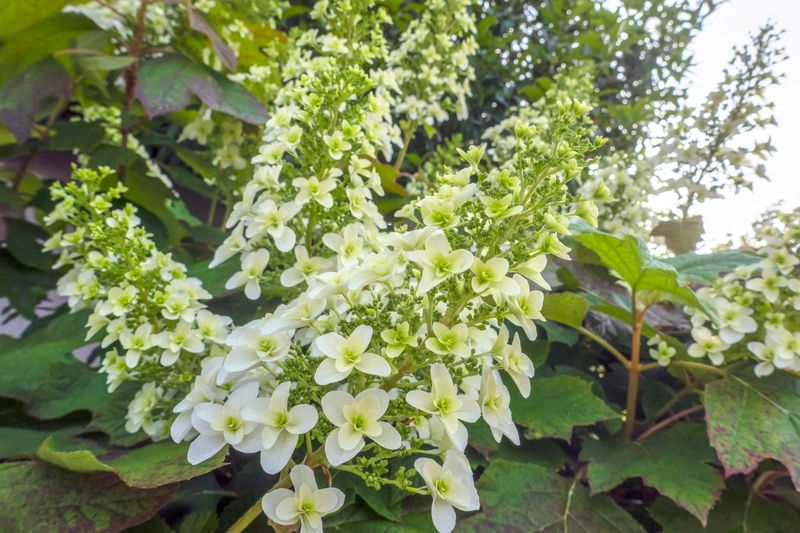
Native to the southeastern United States, the Oakleaf Hydrangea earns its place in any garden with almost zero effort. Its cone-shaped white blooms gradually fade to parchment and blush tones as summer progresses, creating a layered, textural display that looks incredibly sophisticated.
The bark even peels in winter for added interest.
It thrives in shade — a rare quality among flowering shrubs. Fall foliage turns a rich burgundy-red, meaning this plant never really stops impressing you no matter the season.
Weigela
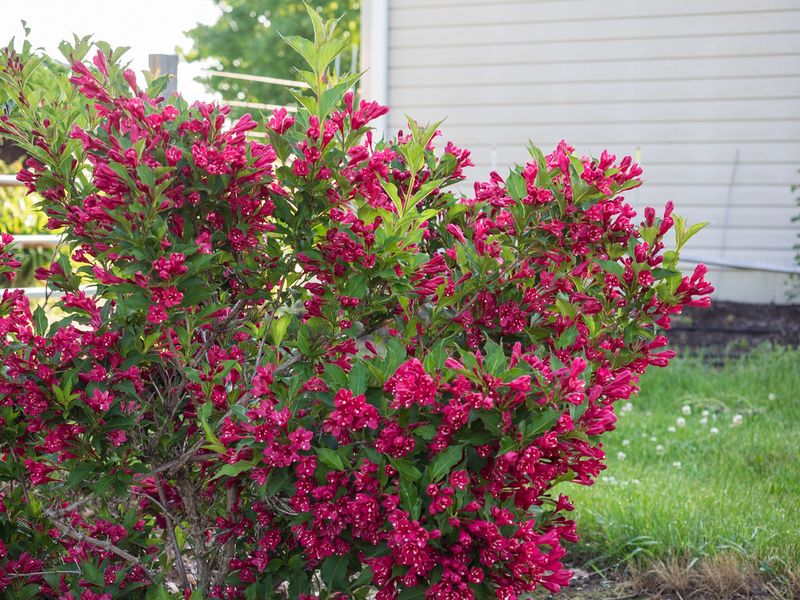
Old-fashioned Weigela got a serious makeover in recent decades, and the new varieties are nothing short of stunning. Wine-colored foliage paired with trumpet-shaped pink or red flowers creates a contrast that looks like it was designed by a professional.
Wine and Roses is probably the most famous, and for good reason.
It blooms heavily in spring and then sporadically through summer, giving you repeated bursts of color. Cold-hardy and drought-tolerant, Weigela thrives on benign neglect — perfect for people who love results without fuss.
Boxwood
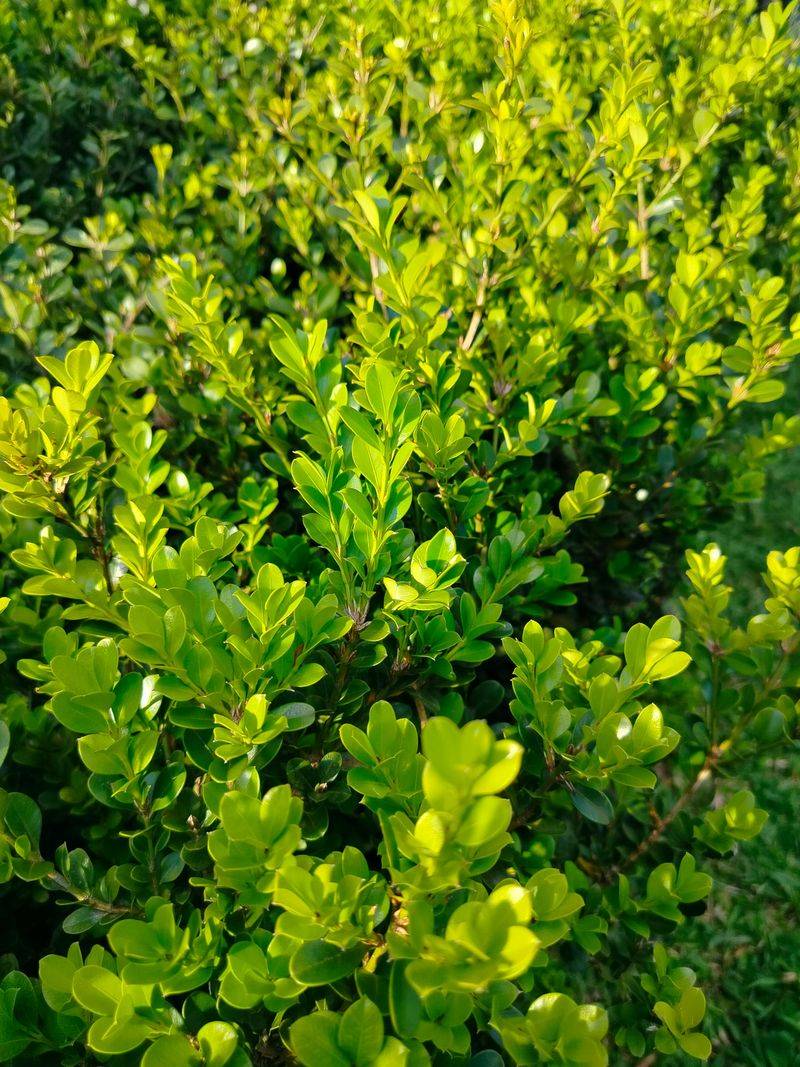
Boxwood is the backbone of formal garden design, and it’s been that way for centuries. Those perfectly clipped green hedges you see lining upscale estate paths?
Almost always Boxwood. It holds its shape beautifully, stays evergreen year-round, and gives any garden instant structure and elegance.
Modern disease-resistant varieties like Sprinter and Baby Gem have made Boxwood even easier to grow. A little trimming once or twice a year is all it really needs.
It’s the classic, timeless shrub that never goes out of style.
Japanese Pieris
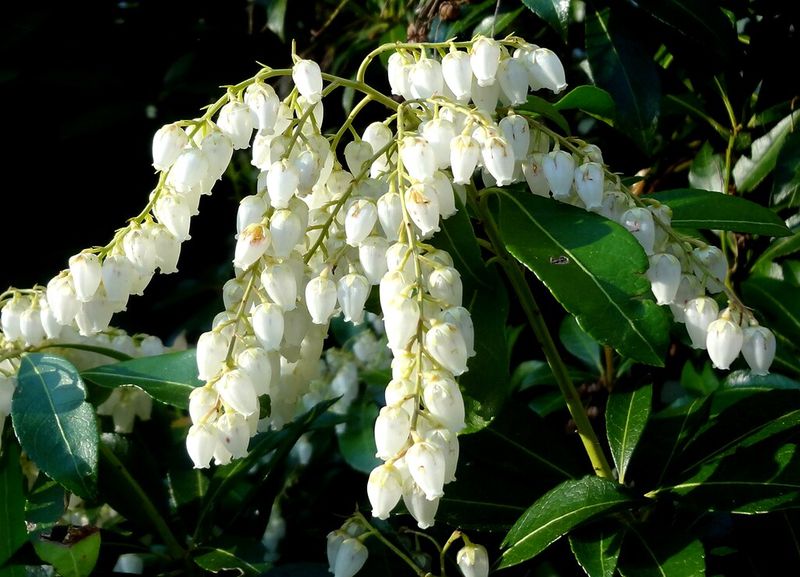
Japanese Pieris, also called Andromeda, looks like it stepped out of a botanical garden exhibit. The drooping chains of tiny white bell-shaped flowers appear in early spring, and the new foliage emerges in a striking shade of red before maturing to deep green.
It’s a visual conversation starter every single year.
Preferring partial shade and acidic soil, it pairs beautifully with rhododendrons and azaleas. Once established, it needs almost no care at all — just a bit of mulch to keep roots cool and happy.
Azalea
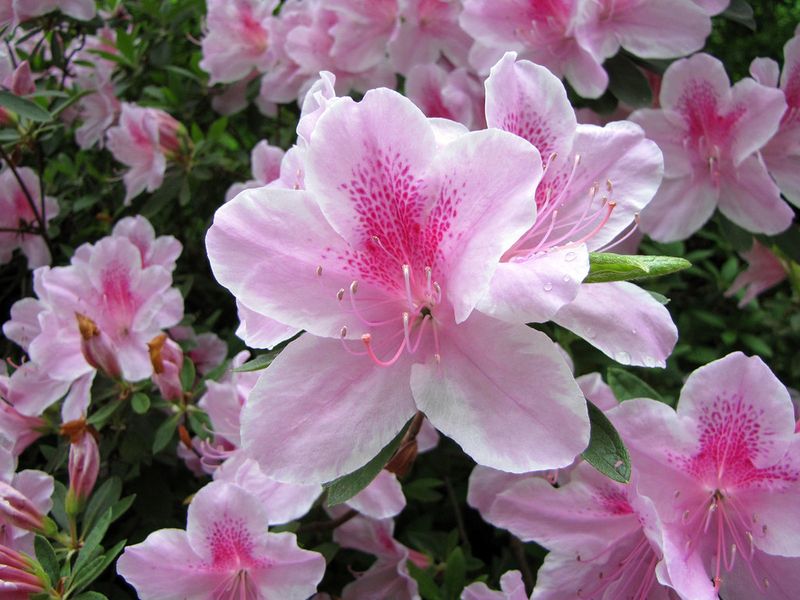
Few spring sights rival a fully blooming Azalea — it looks like the shrub is on fire with color. From soft pastels to electric magentas, the range of shades available is almost overwhelming.
And the bloom show can last for weeks, especially in cooler spring weather, making the yard look professionally landscaped.
Encore Azaleas take it a step further by reblooming in fall too. They prefer partial shade and acidic soil, but once those conditions are met, they’re remarkably self-sufficient and long-lived plants.
Panicle Hydrangea
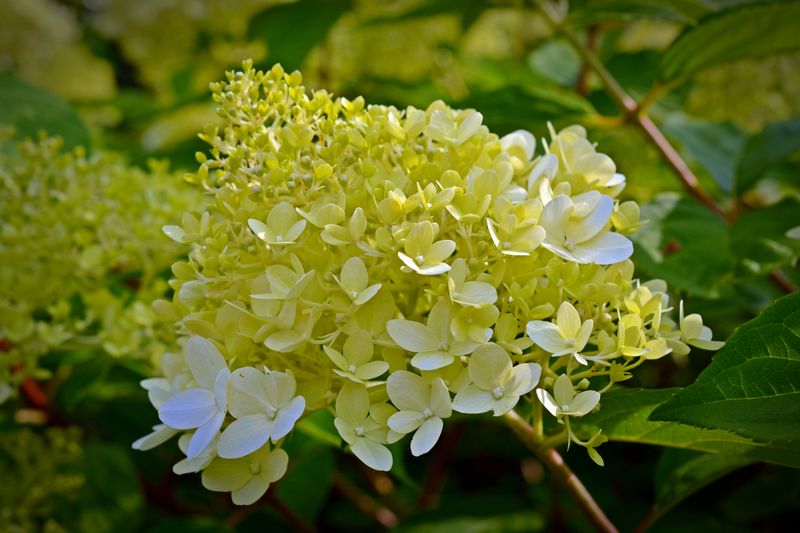
If you want big, dramatic flowers but live somewhere with cold winters, Panicle Hydrangea is your answer. Varieties like Limelight and Quick Fire produce enormous cone-shaped blooms that start creamy white, then blush pink, then deepen to burgundy as fall approaches.
The color transformation feels almost magical.
Unlike other hydrangeas, Panicle types thrive in full sun and tolerate a wide range of soil conditions. They’re also among the hardiest hydrangeas available, surviving winters in zones 3 through 8 without any fuss.
Beautyberry
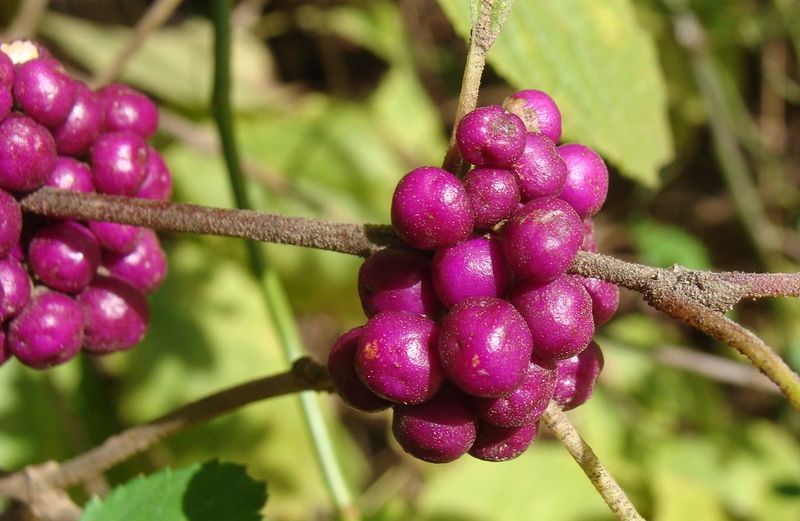
Nothing quite prepares you for seeing a Beautyberry in full berry mode. The clusters of vivid, almost neon-purple berries wrap tightly around the arching stems in fall, creating one of the most eye-catching displays in the entire plant world.
People often think it’s fake when they first see it.
American Beautyberry is native, tough, and thrives in partial shade — a spot many shrubs dislike. Birds love the berries too, so you’re essentially creating a wildlife buffet that doubles as a stunning garden focal point.
Dwarf Alberta Spruce
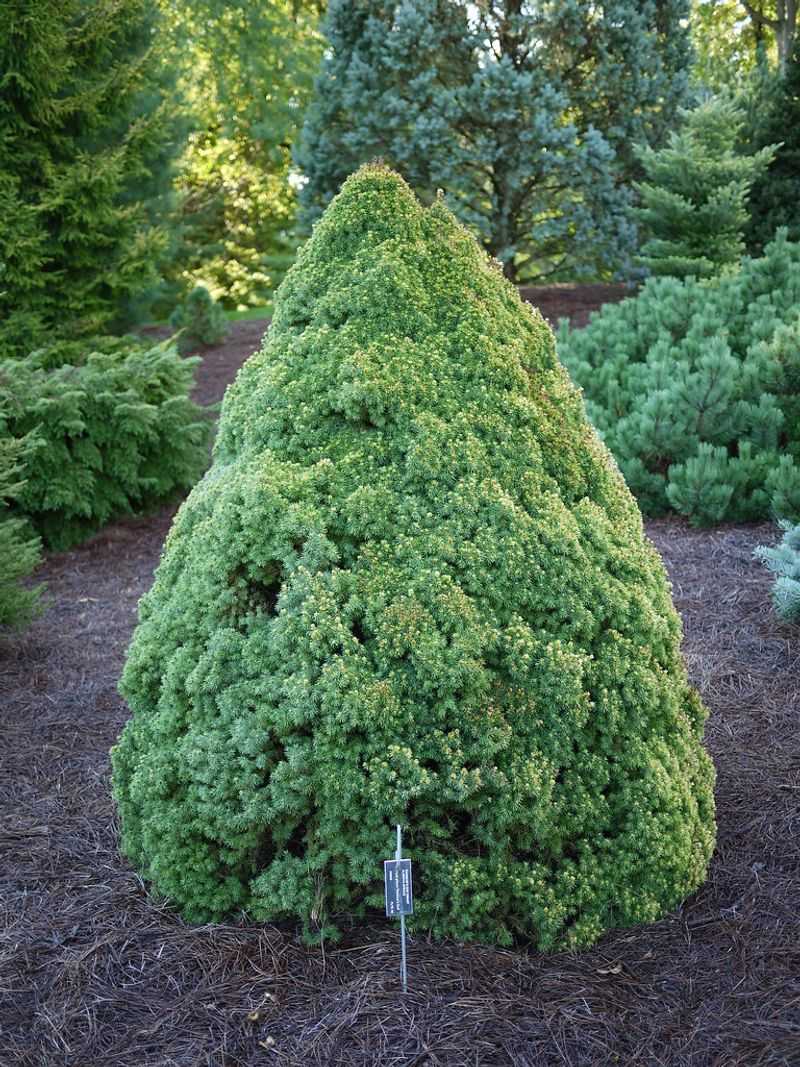
That perfect little cone-shaped evergreen you see flanking fancy front doors? Nine times out of ten, it’s a Dwarf Alberta Spruce.
Its naturally symmetrical form looks like it was sculpted by hand, but the truth is, this plant grows that way all on its own. Minimal pruning required.
It’s incredibly slow-growing, which means it stays tidy for years without constant trimming. Hardy and deer-resistant, it works beautifully in containers or as a formal garden accent.
Pair two of them at an entryway for instant curb appeal.
Smoke Bush
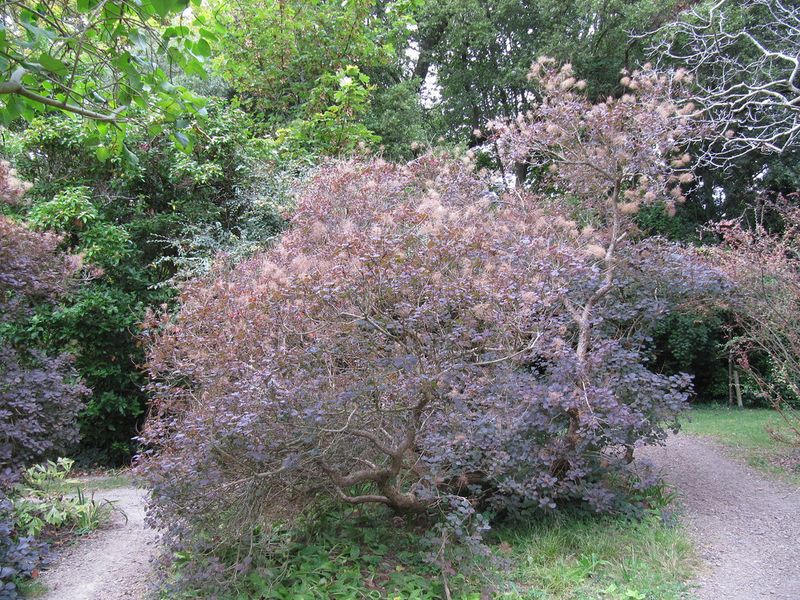
Smoke Bush earns its name from the billowy, smoke-like plumes that appear after flowering, giving the entire shrub a dreamy, ethereal look. Paired with its rich burgundy or purple foliage, the effect is genuinely theatrical.
Garden designers charge good money to include this plant in their plans.
Yet it’s surprisingly tough. Smoke Bush tolerates poor soil, drought, and heat once established.
Hard pruning keeps it compact and encourages the boldest foliage color. Plant it where afternoon sun can backlight those wispy plumes — pure magic.
Holly
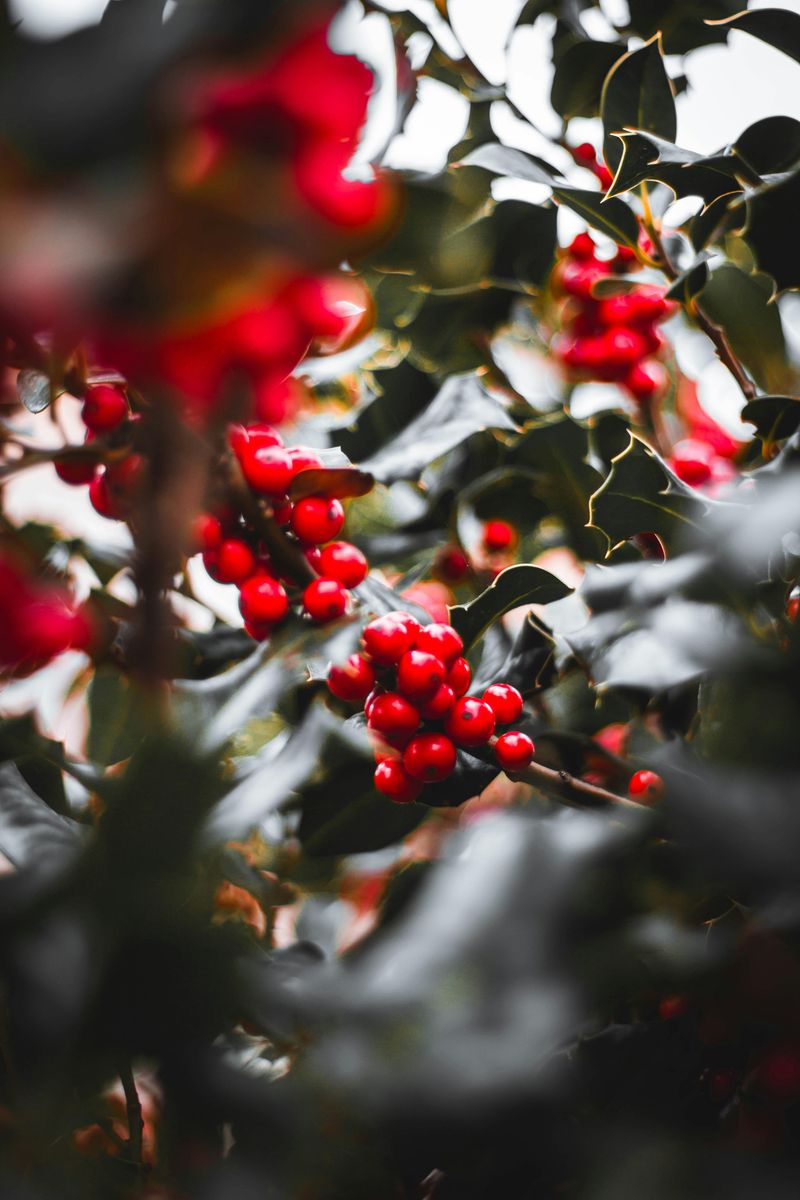
Glossy green leaves and bright red berries have made Holly one of the most recognized plants in the world. But beyond holiday decor associations, Holly is a serious landscape plant that delivers year-round structure, wildlife habitat, and evergreen beauty with almost no effort on your part.
Nellie Stevens and Sky Pencil are especially popular choices.
Plant a female variety near a male for berry production — then sit back and enjoy. Holly tolerates shade, adapts to various soils, and can live for decades with minimal intervention.
Truly a set-it-and-forget-it shrub.