
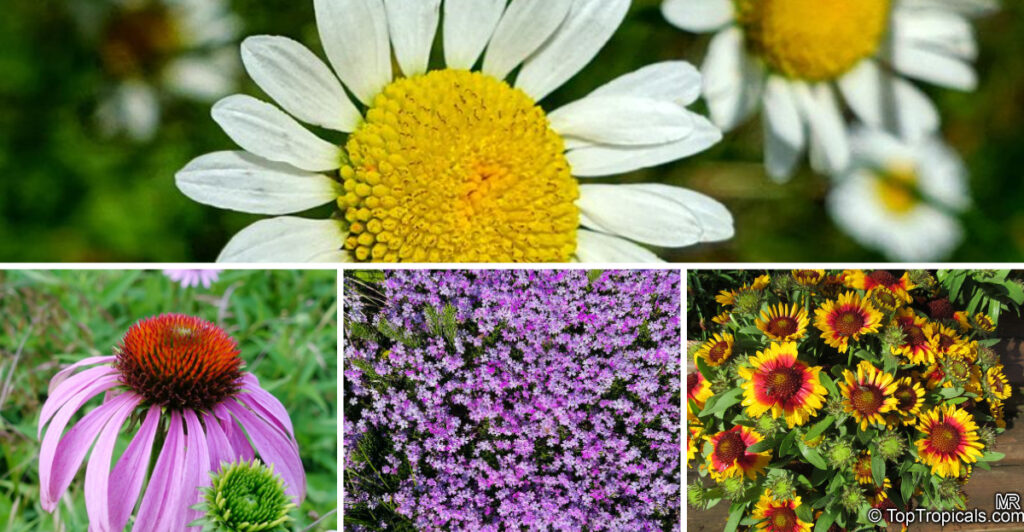
Finding flowers that fill your garden quickly can feel like searching for a unicorn. You want plants that spread and cover ground, but not ones that take over your yard like an uninvited guest.
The good news is that some flowers are natural team players, spreading enthusiastically while staying well-behaved. These 12 blooms give you the best of both worlds, beautiful coverage without the gardening headache.
Black-Eyed Susan (Rudbeckia hirta)
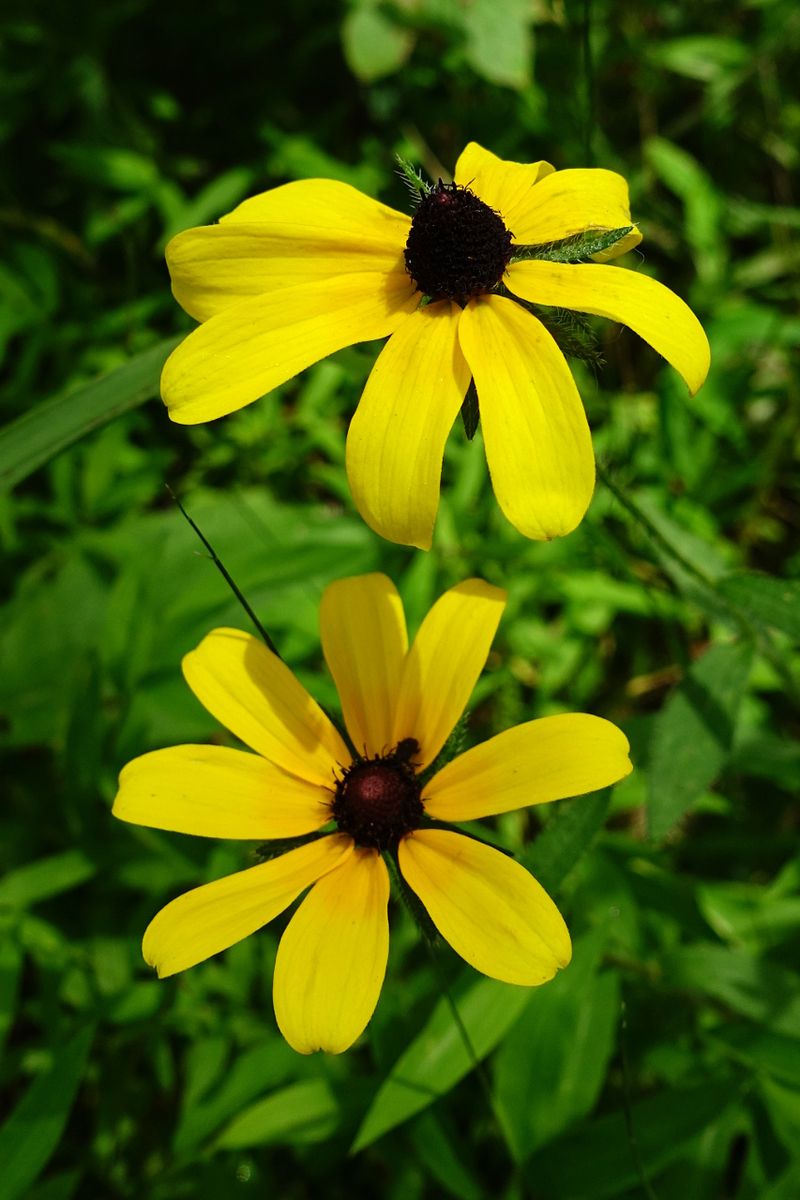
Few wildflowers pack as much sunshine into a single bloom as the Black-Eyed Susan. Native to North America, it self-seeds freely each season, filling gaps in your garden without overwhelming neighboring plants.
Plant it in full sun and watch it naturalize over a few seasons. It attracts butterflies and bees, making it a pollinator magnet.
Deadheading spent blooms slows spreading if needed, giving you total control over how far it roams.
Coneflower (Echinacea purpurea)
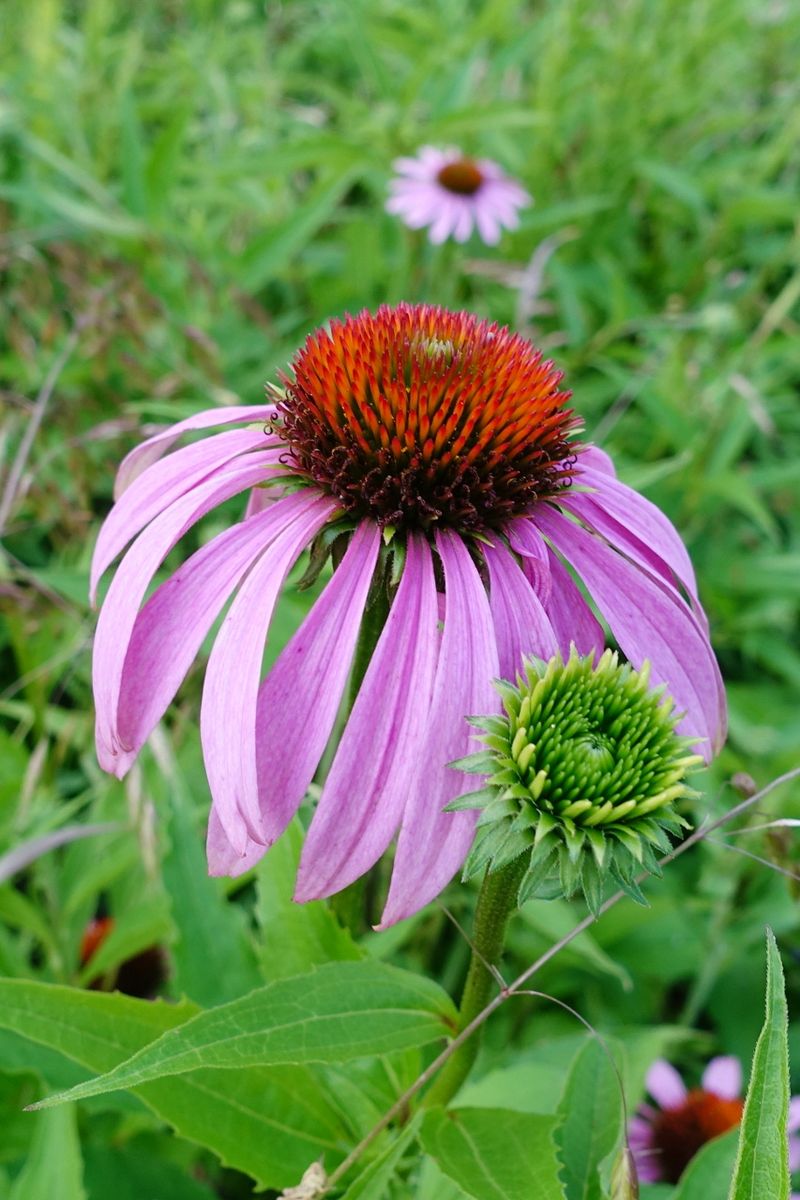
Coneflowers have earned their reputation as one of the most reliable spreaders in any perennial garden. They multiply through both self-seeding and slowly expanding root clumps, creating gorgeous drifts of color over time.
Native to the eastern United States, they rarely outcompete other plants. Birds love feasting on the seed heads in fall, which also helps scatter seeds naturally.
Plant them once, and they reward you for years with minimal effort required.
Creeping Phlox (Phlox subulata)
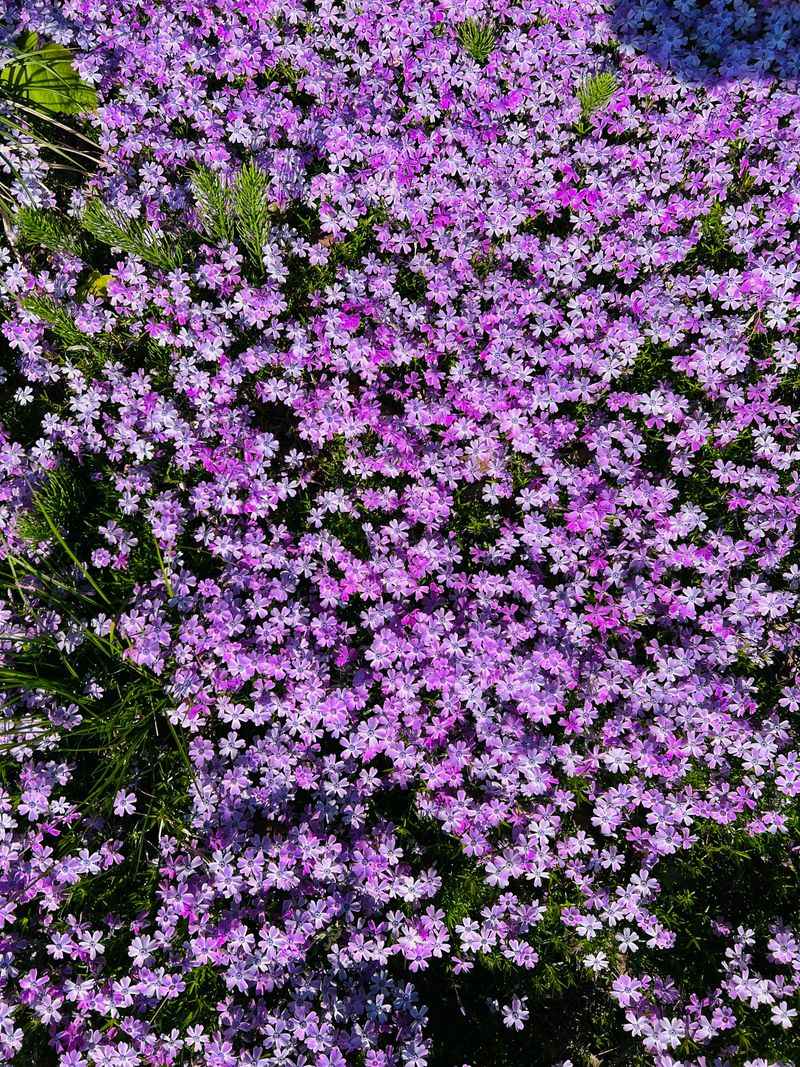
Imagine a living carpet of color rolling across your garden every spring. That is exactly what creeping phlox delivers.
This low-growing beauty spreads steadily outward, forming dense mats that smother weeds naturally.
It thrives on slopes and rock gardens where other plants struggle, making it a practical ground cover. After blooming, the evergreen foliage stays attractive all year.
A light trim after flowering keeps it tidy and encourages even denser growth next season.
Blanket Flower (Gaillardia x grandiflora)
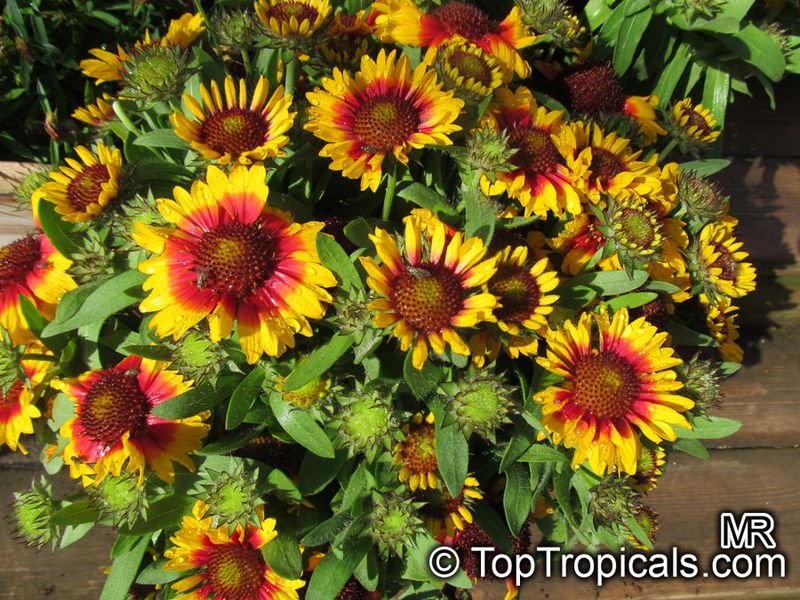
Blanket flowers earned their name honestly, spreading across garden beds like a warm, colorful quilt. Their bold red and yellow petals bloom from early summer well into fall, outlasting many other garden flowers.
They self-seed generously but are easy to pull if they pop up somewhere unwanted. Drought-tolerant and heat-loving, they thrive in tough conditions where fussier plants fail.
Gardeners often call them foolproof, and honestly, that reputation is completely well-deserved.
Sweet Alyssum (Lobularia maritima)
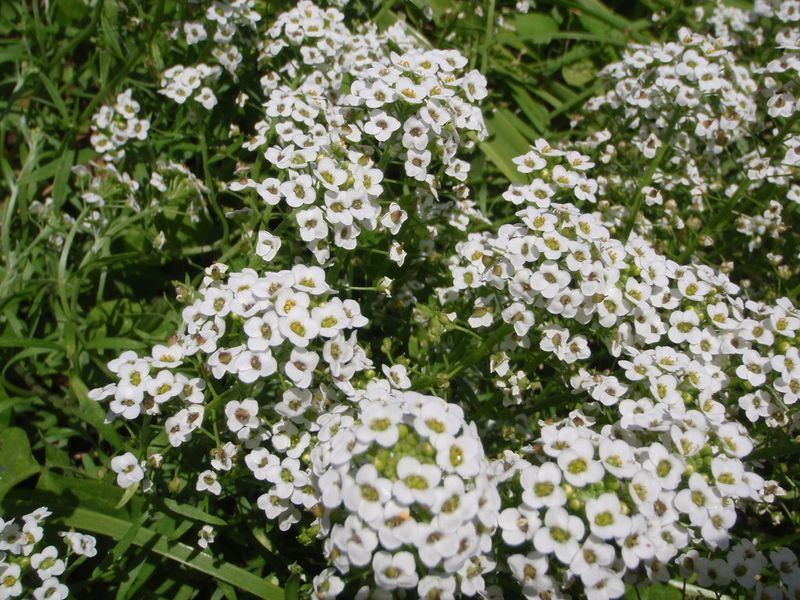
Sweet alyssum is the overachiever of annual ground covers, spreading quickly and filling every bare spot with clouds of tiny honey-scented flowers. Once established, it self-seeds so reliably that it behaves almost like a perennial in mild climates.
It works beautifully as a border edging or tucked between stepping stones. The fragrance alone makes it worth growing.
Because it stays low and compact, it never crowds out taller neighbors, just quietly fills in the gaps.
Catmint (Nepeta x faassenii)
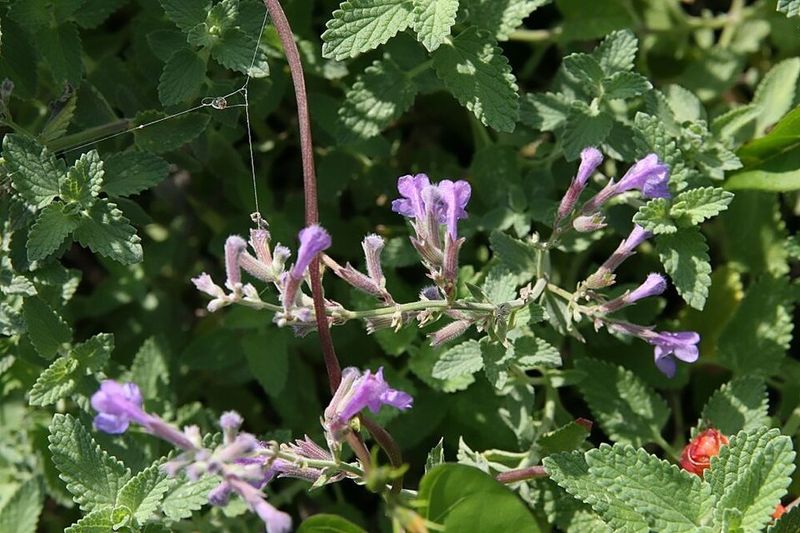
Catmint is the easygoing spreader that every low-maintenance gardener secretly dreams about. Its silvery-green foliage and lavender-blue flower spikes spread outward gradually, filling border edges with relaxed, cottage-garden charm.
Unlike its cousin catnip, garden catmint spreads through clump division rather than aggressive seeding, keeping it manageable. Cut it back by half after the first bloom flush, and it rebounds with a fresh wave of flowers.
Deer and rabbits avoid it, which is always a bonus.
Yarrow (Achillea millefolium)
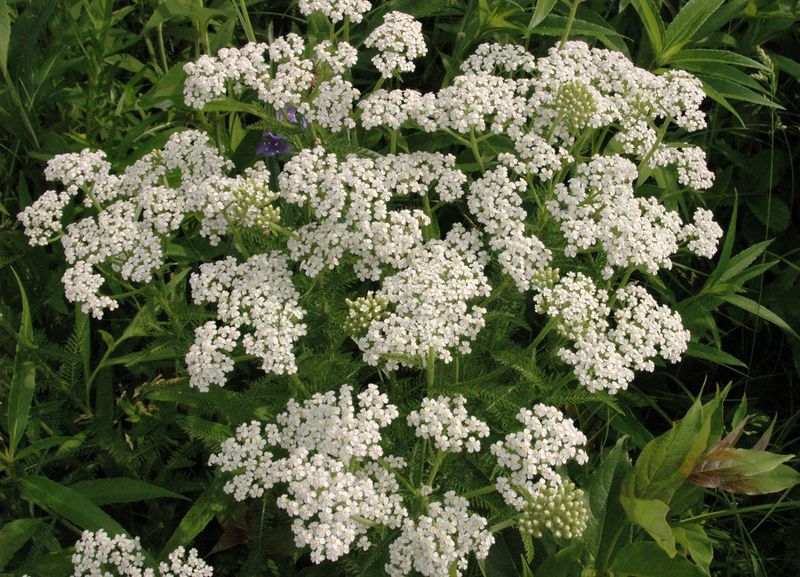
Yarrow has been growing in gardens for thousands of years, and there is a very good reason it has stuck around. It spreads through underground rhizomes and self-seeding, filling sunny spots with feathery foliage and flat-topped flower clusters.
Despite its enthusiasm for spreading, yarrow is easy to manage with occasional division every few years. It comes in shades of white, yellow, pink, and red.
Historically, it was used as a medicinal herb, adding a fascinating backstory to its garden appeal.
Creeping Jenny (Lysimachia nummularia)
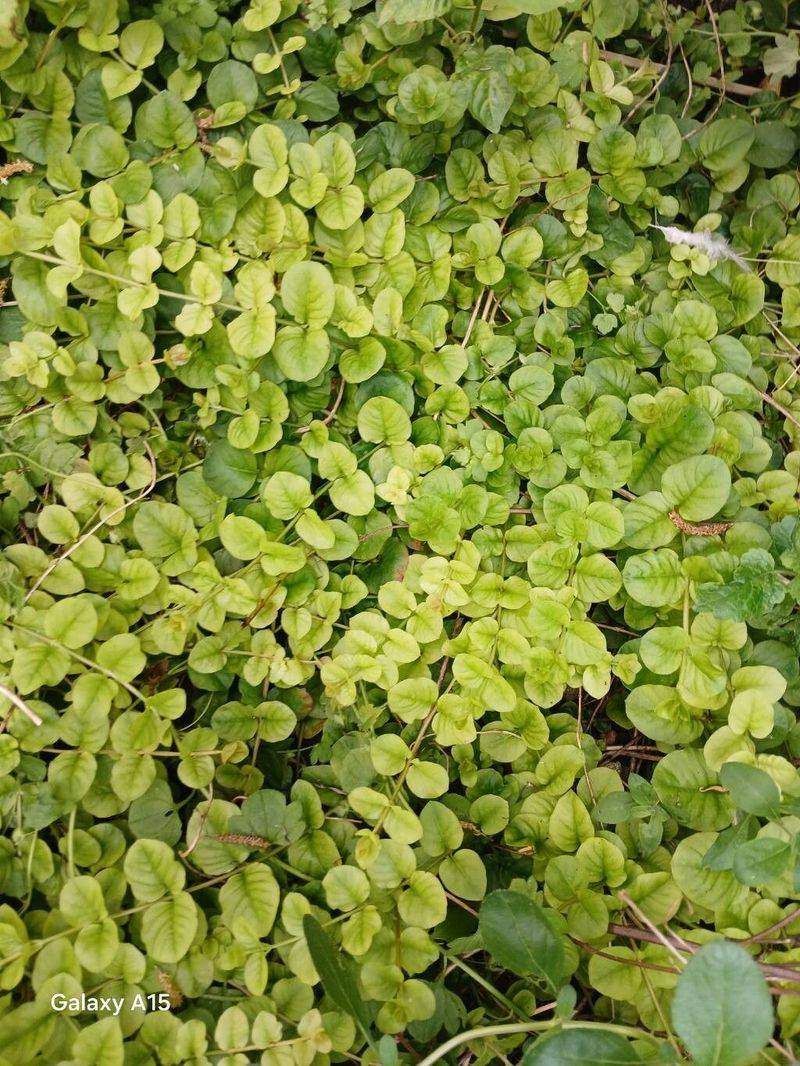
Creeping Jenny moves through a garden with cheerful persistence, sending out long trailing stems covered in round, coin-shaped leaves. The golden-green variety glows brilliantly in shaded spots where other plants look washed out.
Small yellow flowers appear in summer, adding a delicate touch to its bold foliage display. It spreads quickly but stays close to the ground, making it ideal for filling gaps between stepping stones or cascading over container edges.
Regular trimming keeps it perfectly contained.
Ox-Eye Daisy (Leucanthemum vulgare)
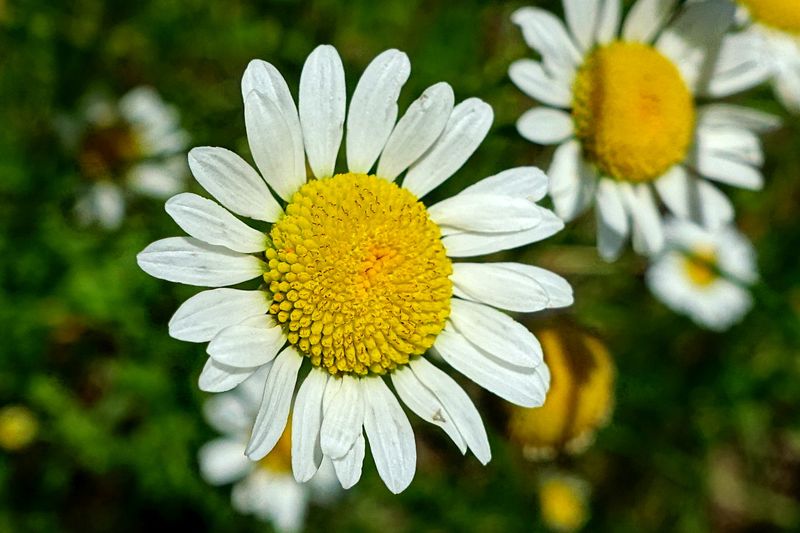
There is something undeniably cheerful about a field dotted with classic white daisies nodding in the breeze. Ox-eye daisies spread enthusiastically through self-seeding, creating a naturalized meadow look that feels effortlessly wild and beautiful.
They are well-behaved enough for most garden settings when deadheaded before seeds fully mature. Plant them in meadow gardens or cottage borders for best results.
Pollinators adore them, and they make excellent long-lasting cut flowers for bringing summer indoors.
Woodland Phlox (Phlox divaricata)
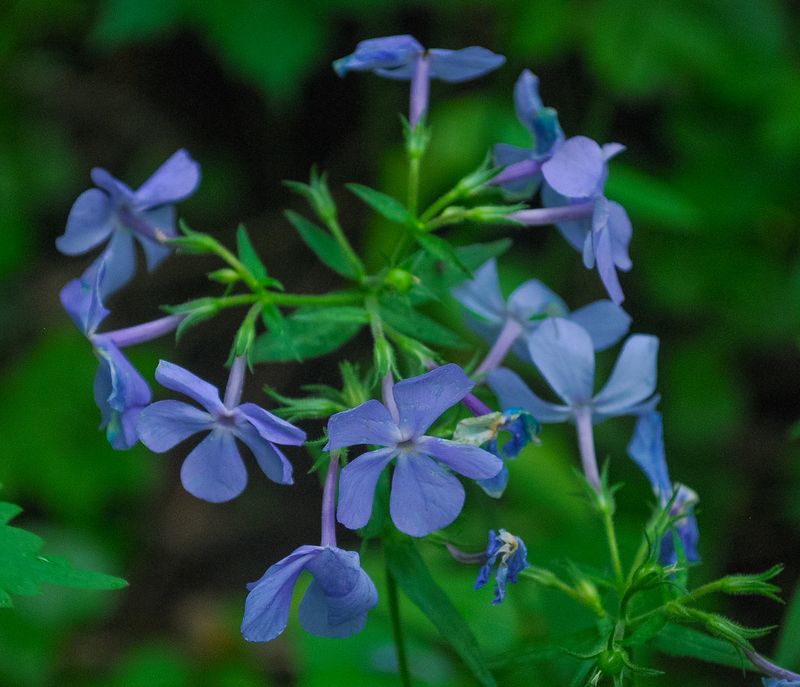
Woodland phlox quietly fills shaded garden corners with a haze of soft blue and lavender blooms each spring. Unlike aggressive shade plants, it spreads politely through shallow runners, never smothering the plants growing alongside it.
The fragrant flowers attract early-season butterflies and hummingbirds. It pairs beautifully with hostas and ferns, creating a layered woodland garden look.
Once established, it requires almost no maintenance, thriving on neglect in the way only truly tough native plants can.
Moss Phlox (Phlox douglasii)
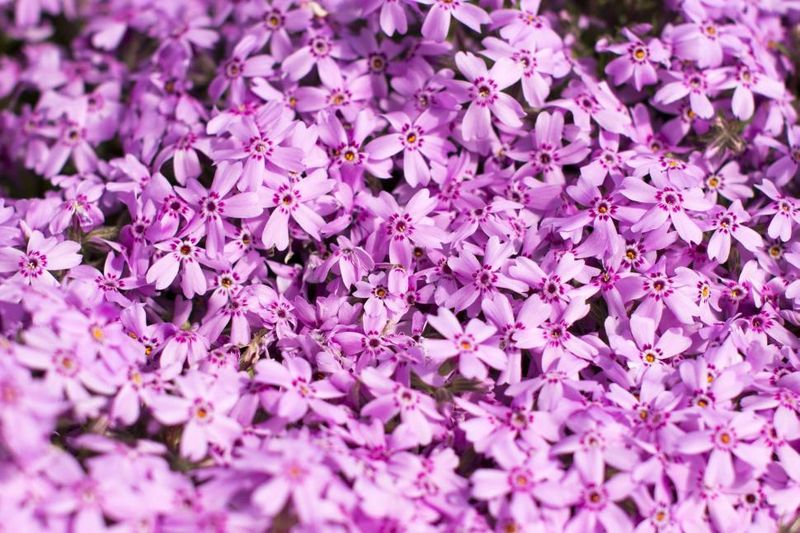
Moss phlox earns its place in any rock garden by spreading into tight, cushion-like mounds that explode with color every spring. It is even more compact than creeping phlox, making it perfect for smaller spaces or tight garden edges.
Native to western North America, it handles dry, rocky soil with ease. The dense growth habit naturally suppresses weeds without any help.
After blooming, shear it lightly to maintain a neat shape and encourage the strongest possible display the following year.
Blue Wild Indigo (Baptisia australis)
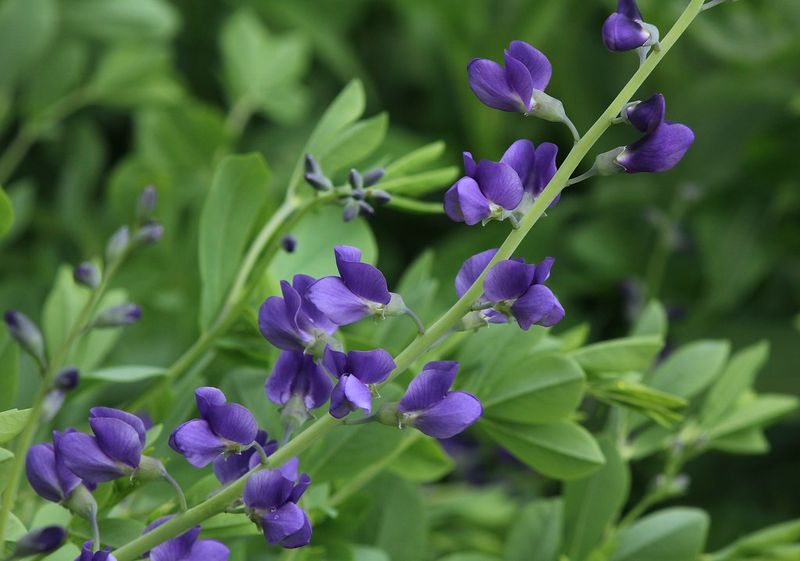
Blue wild indigo is the slow-and-steady spreader that rewards patient gardeners handsomely. It takes a few years to establish, but once settled, it forms impressive, shrub-sized clumps that expand gradually without ever wandering out of bounds.
Deep blue-purple flower spikes shoot up in late spring, making a dramatic statement in any border. The attractive blue-green foliage stays ornamental all season long.
As a native legume, it actually improves soil health by fixing nitrogen, making it a true garden multitasker.