
Late frosts can sneak up on gardeners and wipe out plants overnight, but some tough plants simply shrug off the cold and keep growing. Knowing which plants can handle a surprise freeze saves you money, effort, and a lot of heartbreak in the garden.
Whether you are a beginner or a seasoned grower, choosing frost-hardy plants means your garden stays beautiful even when the weather does not cooperate. Here are 15 remarkable plants that laugh in the face of late frost.
Kale
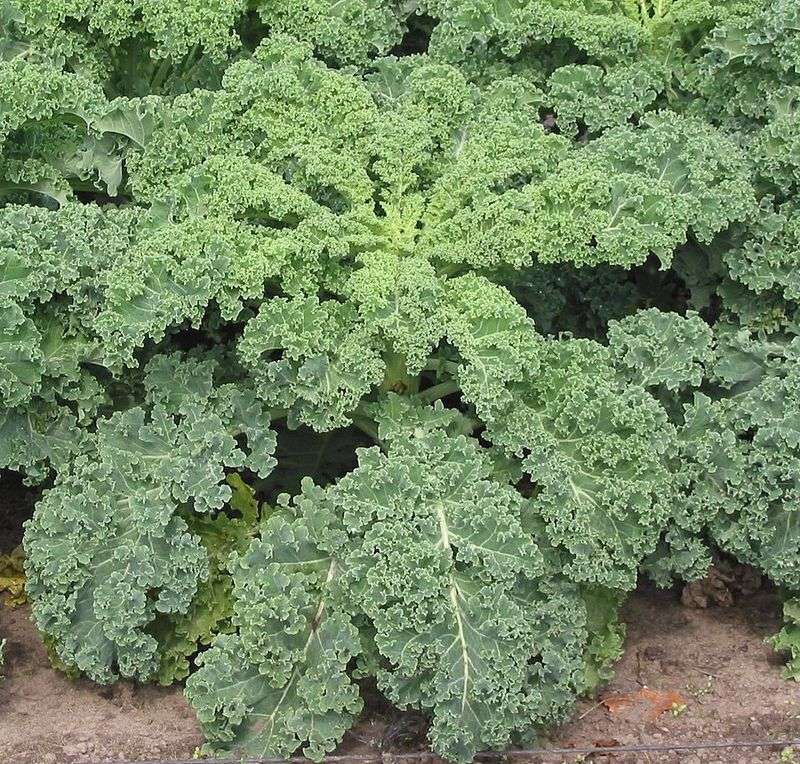
Kale is practically the superhero of the vegetable garden. It can survive temperatures as low as 10 degrees Fahrenheit, making it one of the toughest edible plants you can grow.
What makes kale even more interesting is that a hard frost actually improves its flavor, converting starches into sugars. Plant it in early spring or fall and enjoy fresh greens long after other vegetables have given up.
Hellebore
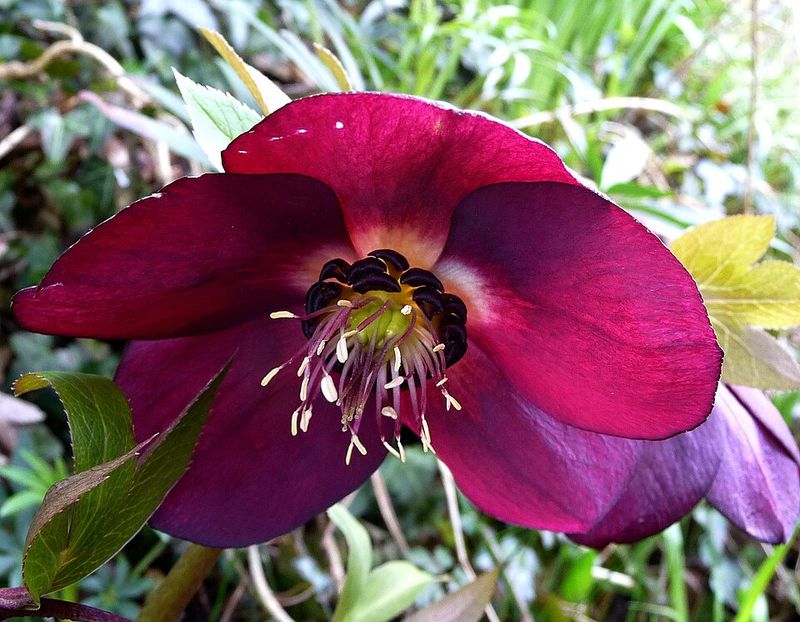
Nicknamed the “Christmas Rose,” hellebore blooms in late winter when most plants are still sleeping. Spotting its nodding flowers poking through snow feels like finding treasure in the most unexpected place.
Hellebores are hardy to zone 4, handling temperatures well below freezing without missing a beat. They thrive in shaded spots under trees, making them a go-to choice for difficult garden corners that other plants refuse to fill.
Pansy
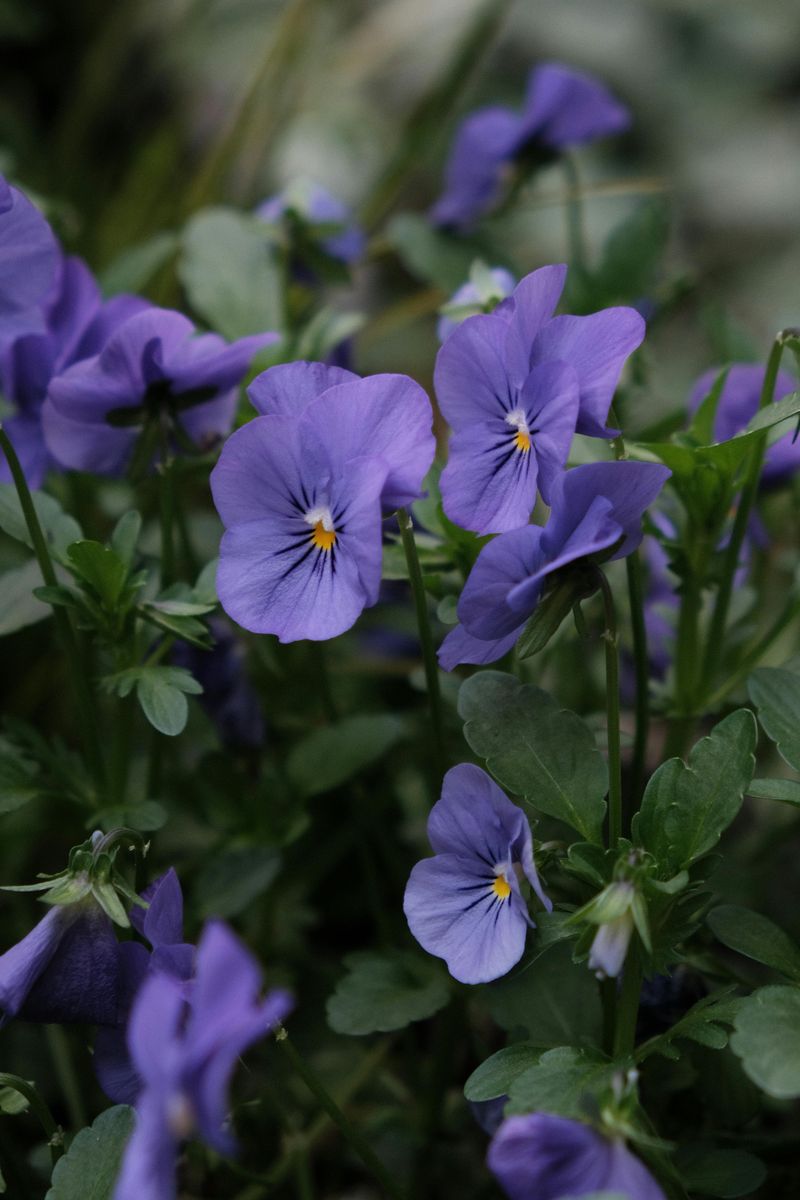
Pansies look delicate, but do not let their cheerful little faces fool you. These colorful flowers can handle temperatures down to around 20 degrees Fahrenheit and bounce right back after a freeze.
Gardeners love planting pansies in early spring precisely because they thrive in cool weather. They actually slow down and struggle in summer heat, so enjoy them while the nights are still crisp and the days feel fresh.
Spinach
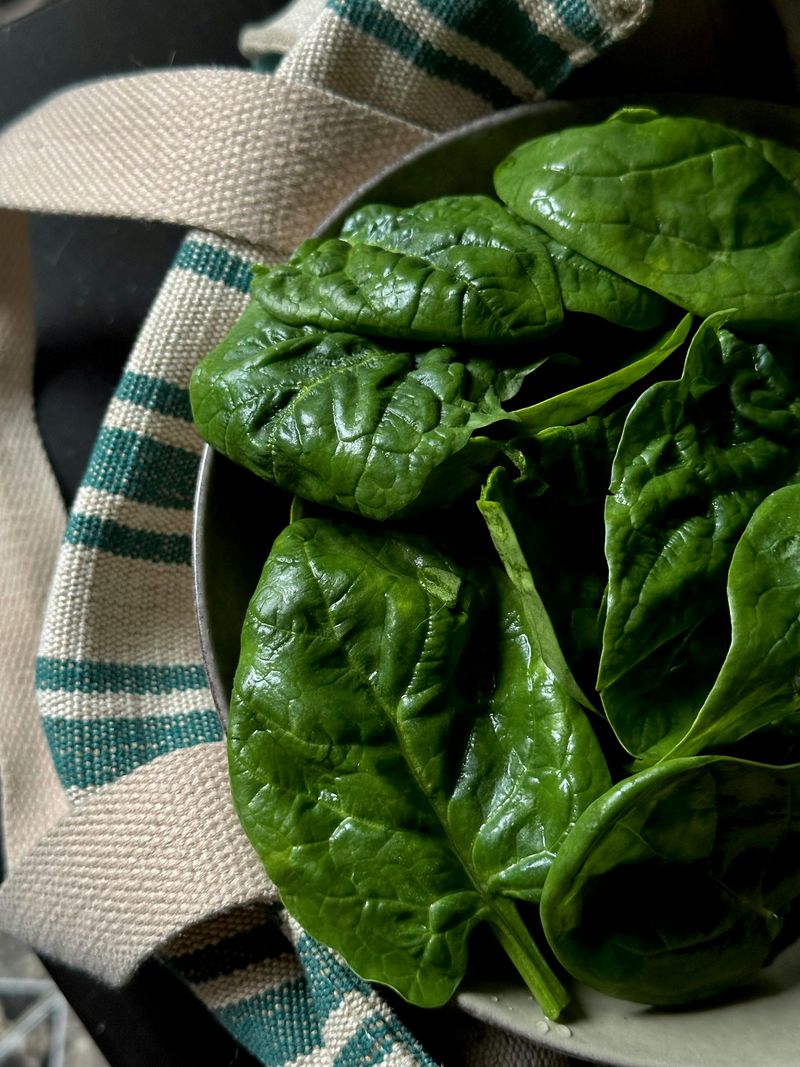
Spinach is one of those cool-season crops that genuinely prefers cold weather. It tolerates temperatures down to about 15 degrees Fahrenheit, making it a reliable choice for early spring planting when late frosts are still a real possibility.
Young spinach seedlings are especially frost-tolerant. Sow seeds directly in the ground a few weeks before the last expected frost date, and you will be harvesting tender leaves while your neighbors are still waiting to plant.
Broccoli
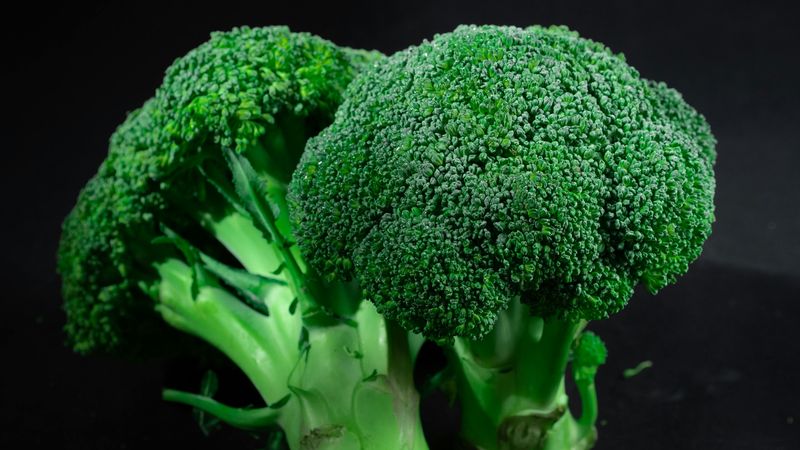
Broccoli is a cold-weather champion that actually tastes better after a light frost. The chill converts some of its starches to sugar, giving it a slightly sweeter, nuttier flavor that is hard to beat.
It handles temperatures down to around 26 degrees Fahrenheit without serious damage. Start transplants outdoors a few weeks before the last frost date, and broccoli will reward your early effort with generous harvests before summer heat sets in.
Snowdrop
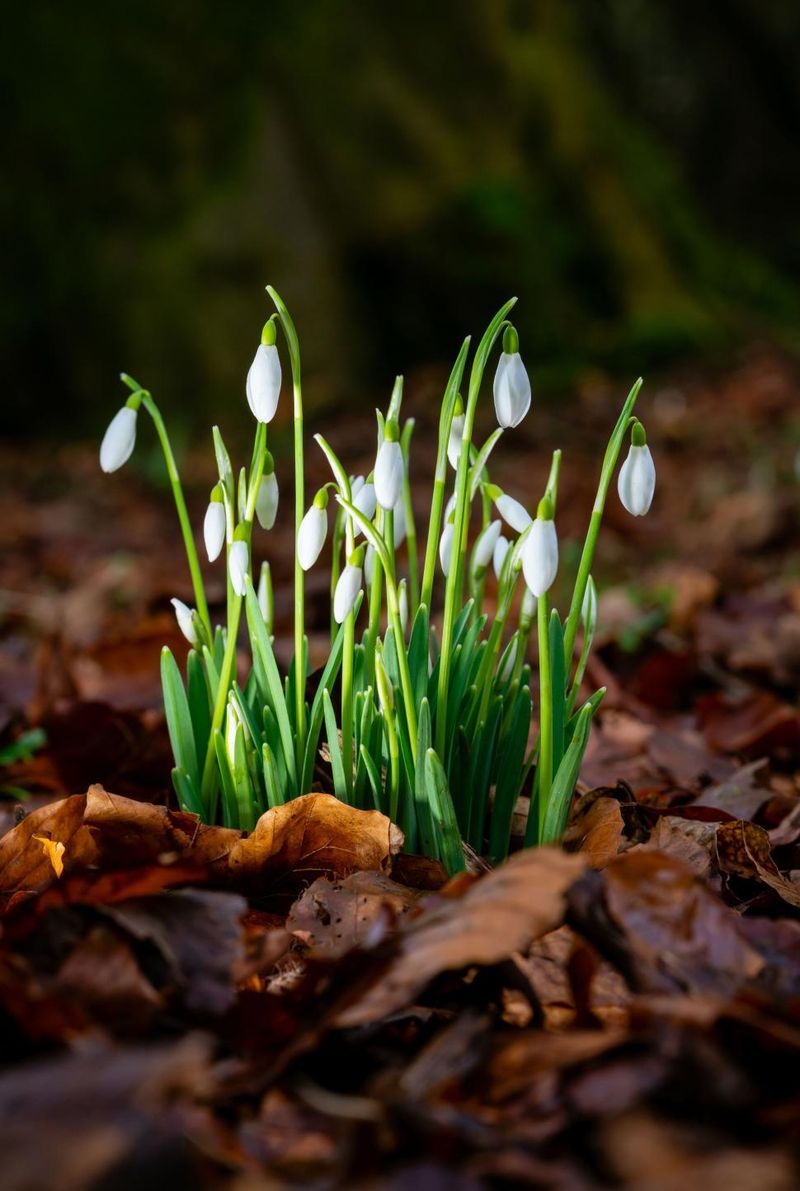
Few sights in the garden are as hopeful as snowdrops pushing through frozen soil in late winter. These tiny bulb flowers are among the earliest bloomers of the year, often appearing while snow is still on the ground.
Hardy to zone 3, snowdrops handle brutal cold without any fuss. Plant the bulbs in autumn under deciduous trees or along pathways, and they will naturalize over the years, spreading into ever-larger drifts of white each spring.
Ornamental Cabbage
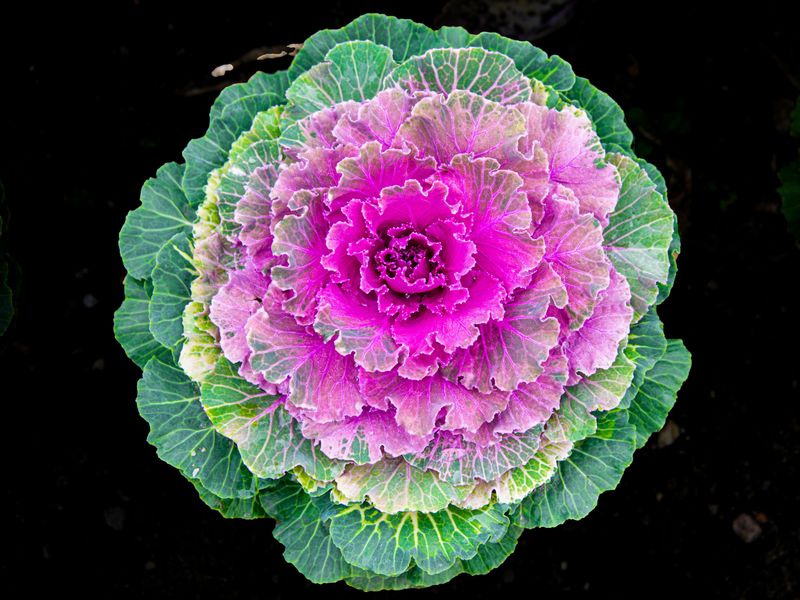
Ornamental cabbage brings bold, eye-catching color to the garden precisely when most plants are checking out for the season. Its rosette-shaped leaves deepen in color as temperatures drop, turning richer shades of pink, purple, and cream.
It tolerates frost down to about 20 degrees Fahrenheit and actually looks better after a freeze. Use it in containers or border beds for dramatic fall and early spring color that holds up even when morning temperatures dip surprisingly low.
Forsythia
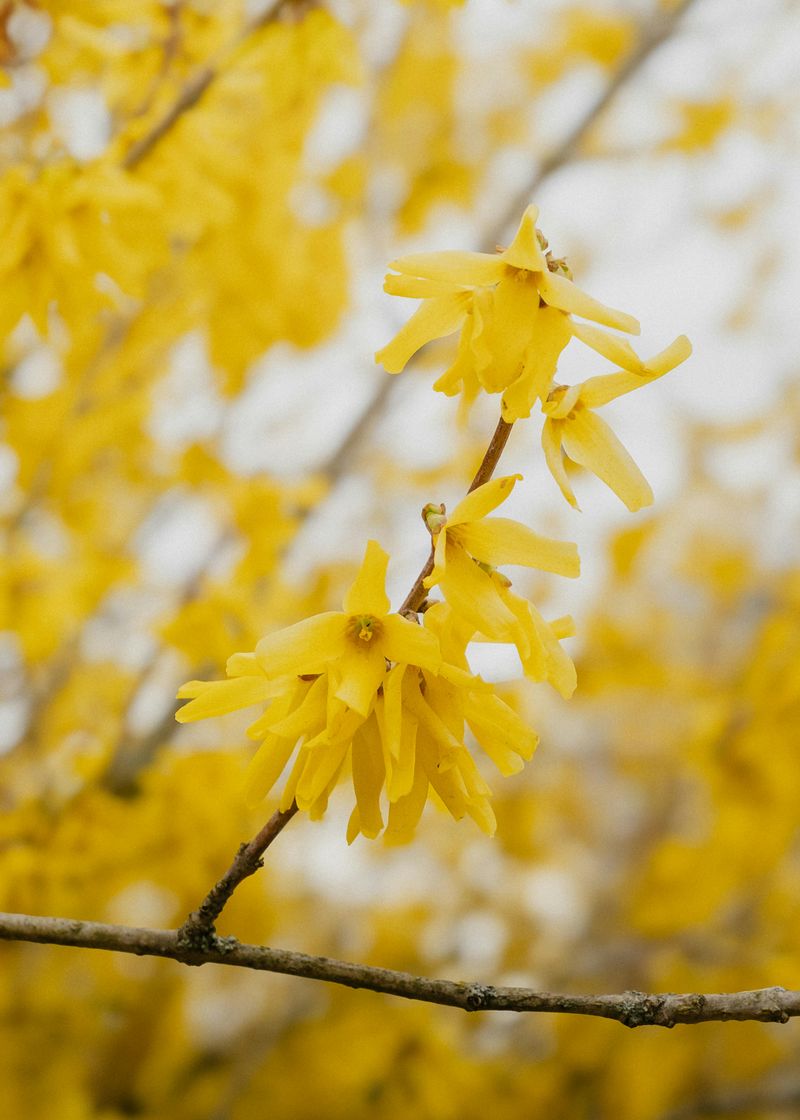
Forsythia is the garden’s most enthusiastic herald of spring, bursting into bright yellow blooms sometimes while frost still coats the ground. Its flowers open so early that a late freeze is practically an annual event for this tough shrub.
Most forsythia varieties are hardy to zone 4 or even zone 3. The blooms can handle a light frost with minimal damage.
Plant it along a fence or as a focal point, and let it signal the start of the growing season every year.
Creeping Phlox
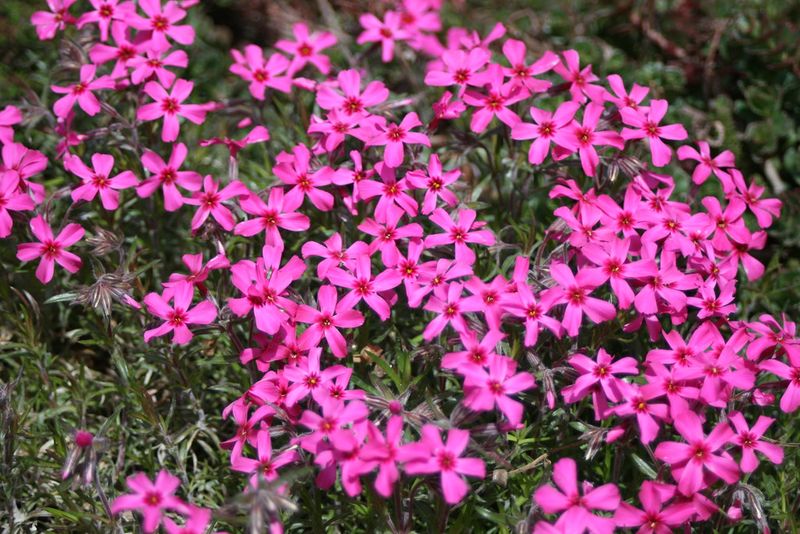
Creeping phlox forms a low, spreading mat that erupts in a riot of color each spring, often right when late frosts are still possible. Its cheerful blooms in pink, purple, and white are surprisingly frost-tolerant.
Hardy to zone 3, this ground cover thrives in rocky slopes, borders, and raised beds where drainage is excellent. Once established, it requires very little care and returns reliably year after year, spreading wider and more colorful with each passing season.
Swiss Chard
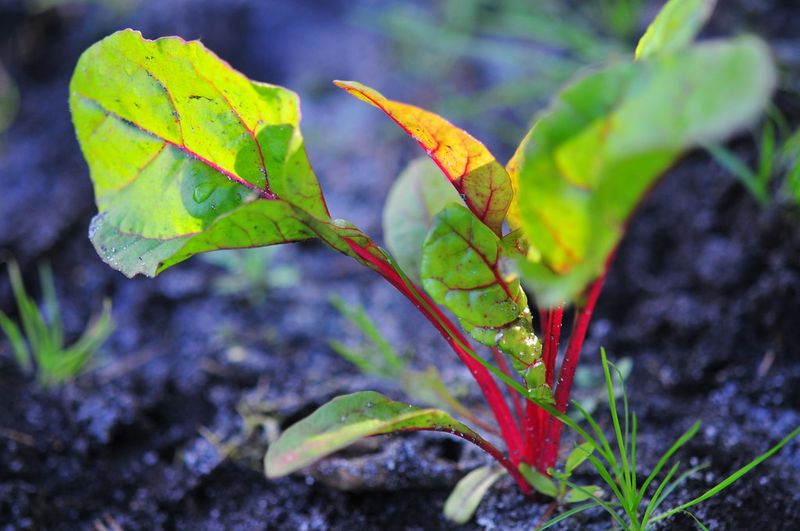
Swiss chard stands out in the vegetable garden with its brilliantly colored stems in shades of red, yellow, and orange. Beyond its good looks, it is impressively frost-hardy, tolerating temperatures down to around 25 degrees Fahrenheit.
Unlike some vegetables that turn bitter in cold weather, Swiss chard stays mild and tasty after a frost. It grows well in containers or raised beds, making it a practical and decorative choice for gardeners working with limited space.
Lungwort
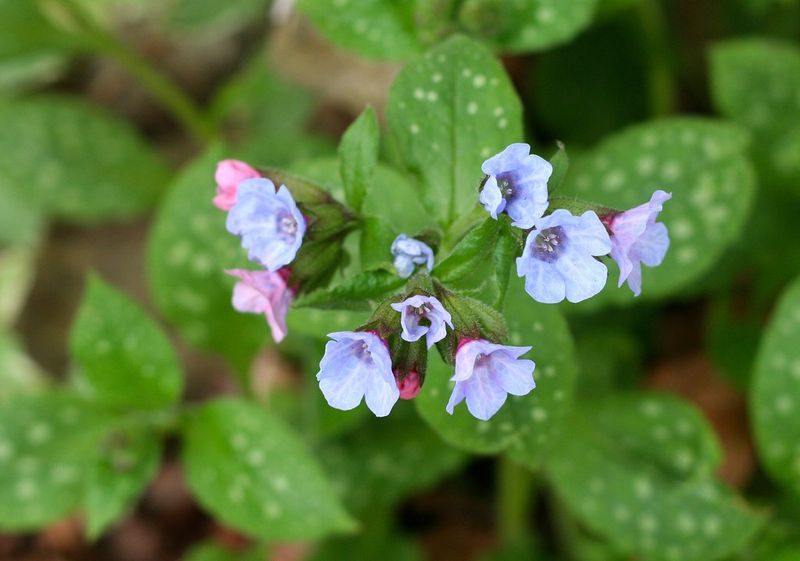
Lungwort has a quirky name, but it earns serious respect in the shade garden. Its spotted leaves look almost painted, and clusters of small flowers shift from pink to blue as they age, creating a two-toned effect that is genuinely unusual.
Hardy to zone 3, lungwort pushes up early in spring and shrugs off late frosts without complaint. It thrives in moist, shaded spots where many other plants struggle, making it an excellent solution for challenging garden areas.
Bleeding Heart
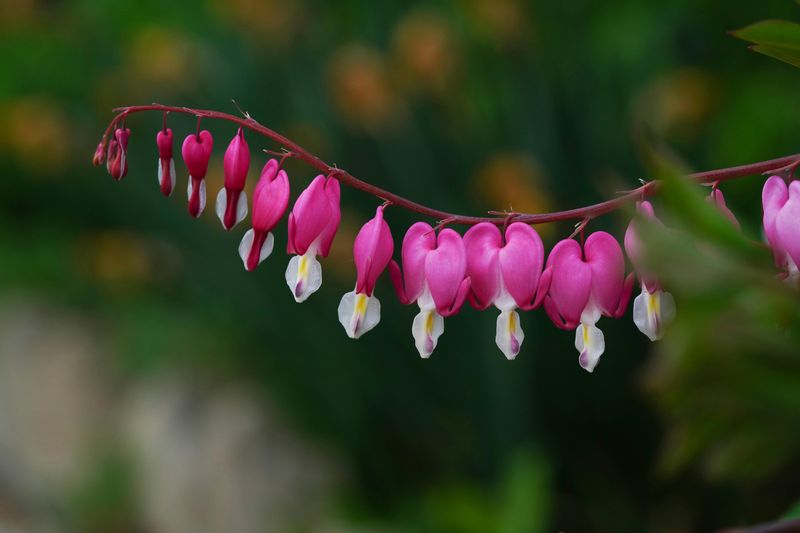
Bleeding heart is one of those plants that stops people in their tracks. Its arching stems dangle rows of perfectly heart-shaped flowers in shades of pink, red, and white, creating a romantic, almost fairy-tale look in the spring garden.
Hardy to zone 3, it emerges early and handles late frosts gracefully. Plant it in partial shade with moist, rich soil for best results.
After blooming, its foliage dies back in summer, so pair it with hostas or ferns to fill the gap.
Primrose
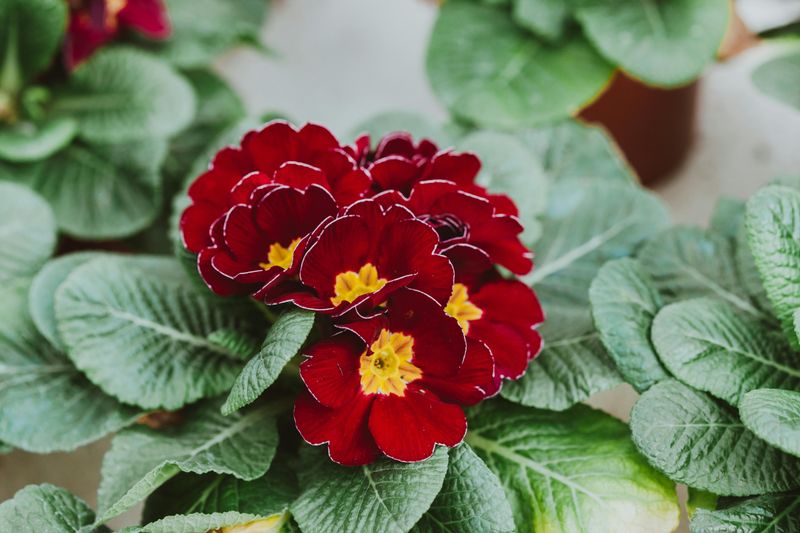
Primroses bring a burst of jewel-toned color to the garden when little else is blooming. Their cheerful clusters of flowers in red, yellow, orange, and purple appear in early spring, often during a stretch of cold and unpredictable weather.
Most primrose varieties handle light frosts without any damage and are hardy to zone 4 or lower. They prefer cool, moist conditions and actually decline in summer heat, so treat them as the cool-season stars they truly are.
Arugula
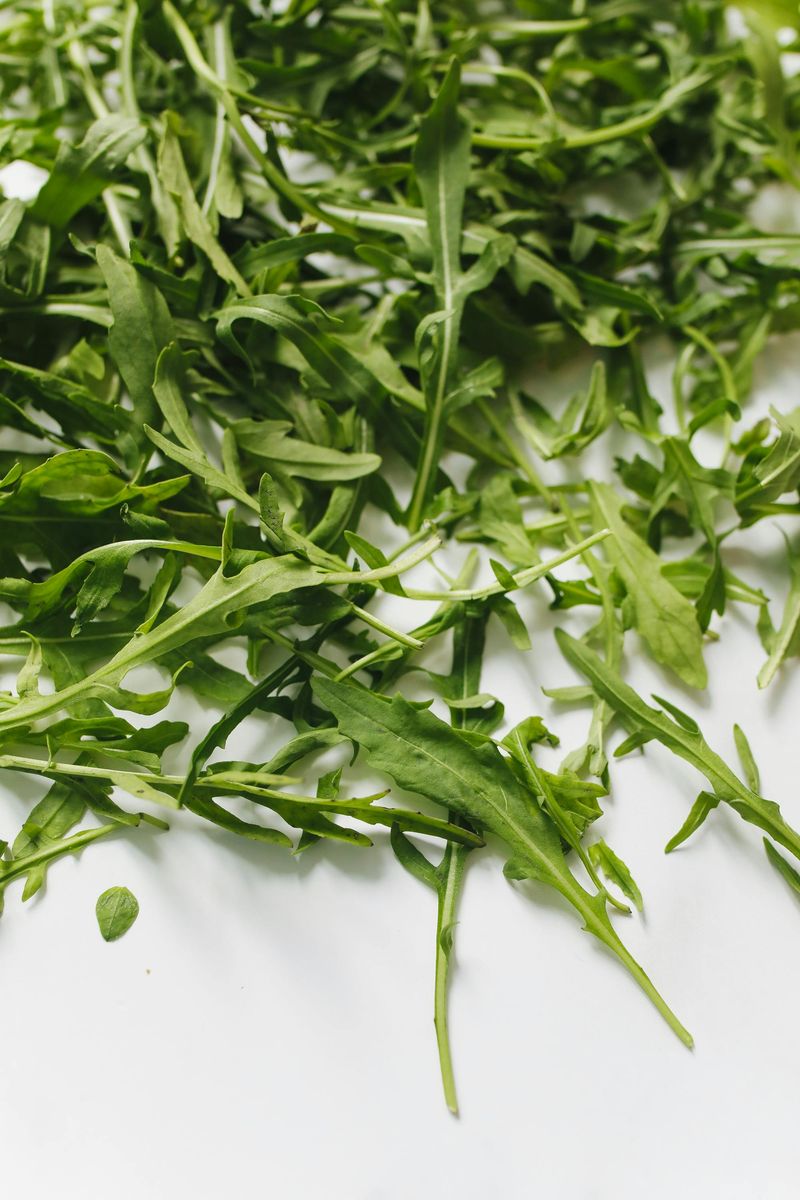
Arugula is the spicy, peppery green that chefs and home cooks both love, and it happens to be remarkably cold-tolerant. It germinates in soil as cold as 40 degrees Fahrenheit and handles light frosts without wilting or turning bitter.
Sow seeds directly outdoors in early spring for quick harvests within a month. Because it bolts quickly in heat, growing arugula during cool spring weather gives you the best flavor.
A late frost is rarely a problem for this feisty little green.
Crocus
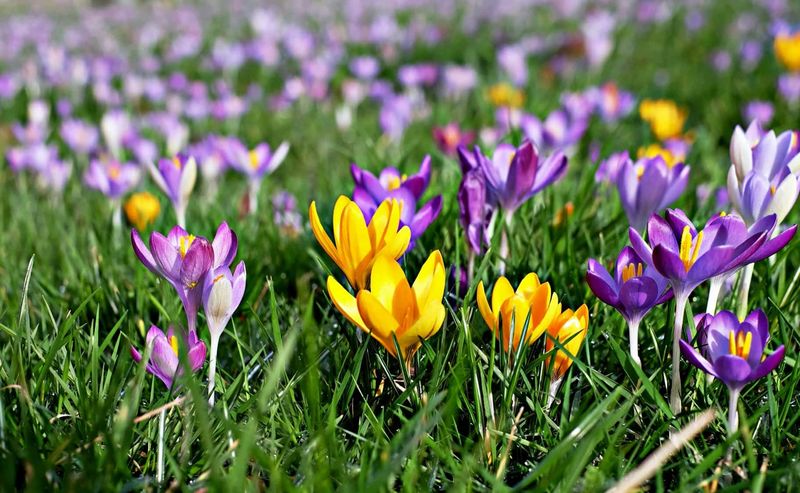
Crocuses are the true first sign that winter is finally loosening its grip. These small but mighty bulb flowers push through frozen ground and even bloom right through a dusting of snow, completely unbothered by cold temperatures.
Hardy to zone 3, crocuses naturalize beautifully in lawns, borders, and woodland gardens. Plant the corms in autumn about three inches deep, and they will reward you every spring with a cheerful pop of color that arrives right when you need it most.