
Spring is one of the most exciting times to be a gardener, but it can also be the season where things go wrong fast. Many gardeners, both beginners and experienced ones, make simple mistakes that end up costing them beautiful blooms and healthy harvests.
Knowing what to avoid before you dig in can make all the difference. Here are 13 common gardening mistakes that might be quietly ruining your spring garden.
Planting Too Early in the Season
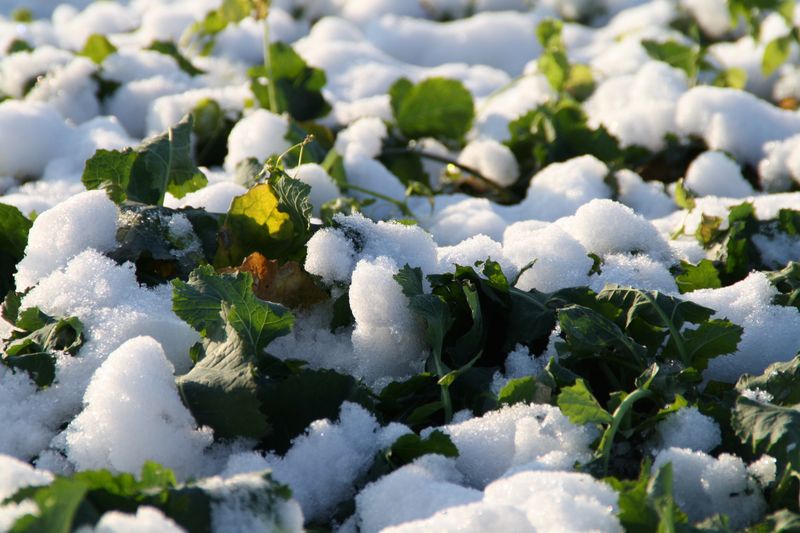
Excitement is the enemy of patience, especially when spring fever hits. Rushing to plant before the last frost date is one of the most common mistakes gardeners make.
Cold soil and surprise freezes can kill young seedlings overnight.
Check your local frost dates before putting anything in the ground. Soil temperature matters just as much as air temperature.
Most vegetables and flowers need soil that is at least 50 to 60 degrees Fahrenheit to thrive safely.
Overwatering Your Plants
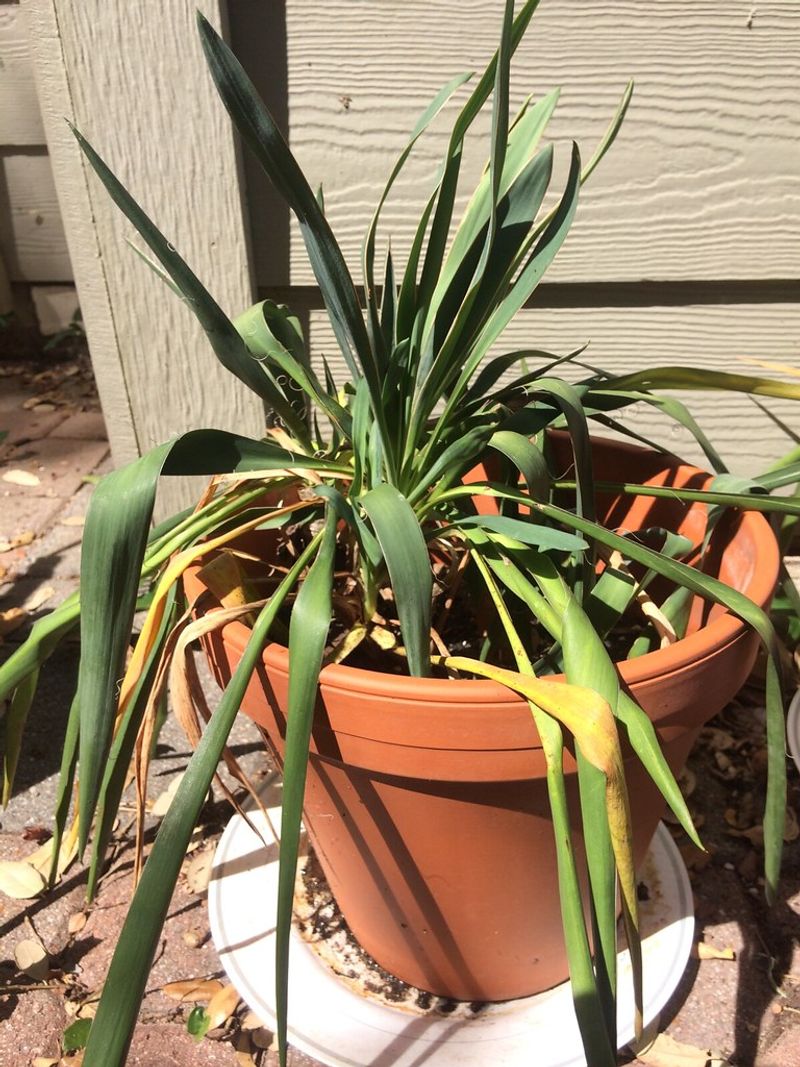
More water does not always mean more growth. Overwatering is actually one of the top reasons plants die in spring gardens, yet it feels so counterintuitive to most people.
When roots sit in soggy soil, they cannot absorb oxygen, and root rot sets in quickly. Check the soil with your finger before watering.
If the top inch still feels moist, hold off for another day or two before reaching for the hose.
Ignoring Soil Quality
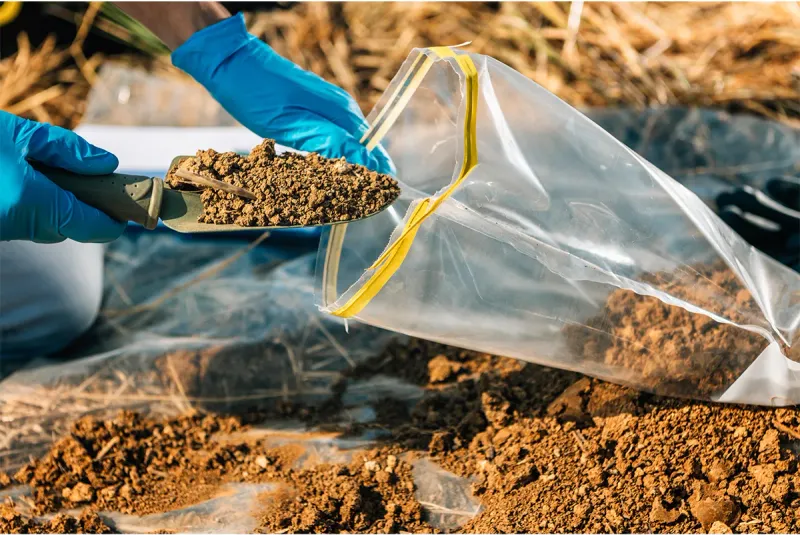
Healthy plants start from the ground up, literally. Skipping a soil test or ignoring soil quality is like building a house on a shaky foundation.
Poor soil leads to weak plants no matter how well you water or fertilize.
Before planting, test your soil pH and nutrient levels. Most garden centers sell affordable test kits.
Adding compost, aged manure, or other organic matter can dramatically improve soil structure and give your plants the strong start they deserve.
Planting in the Wrong Location

Location is everything in gardening, yet many people place plants wherever there is an open spot without thinking it through. Sunlight, drainage, and wind exposure all play major roles in whether a plant survives or struggles.
Read the plant labels carefully before choosing a spot. Tomatoes need full sun, while ferns love shade.
Putting a sun-loving plant in a shady corner or a moisture-sensitive plant in a drainage ditch will almost always end in disappointment.
Skipping Mulch Entirely
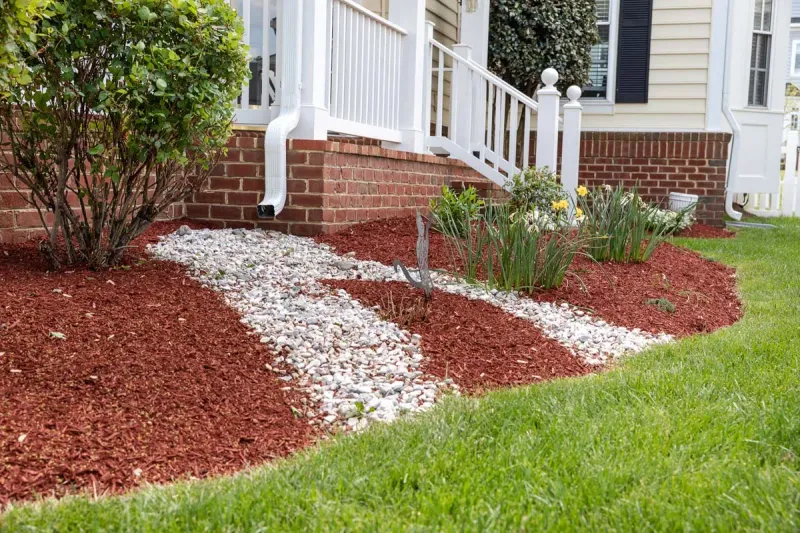
Mulch might not look exciting, but it is one of the hardest-working tools in any garden. Skipping it leaves your soil exposed to weeds, temperature swings, and moisture loss all at once.
A two to three inch layer of mulch around your plants keeps weeds down, holds in moisture, and regulates soil temperature during unpredictable spring weather. Wood chips, straw, or shredded leaves all work well.
Think of mulch as a protective blanket your garden truly cannot afford to go without.
Overcrowding Plants Together
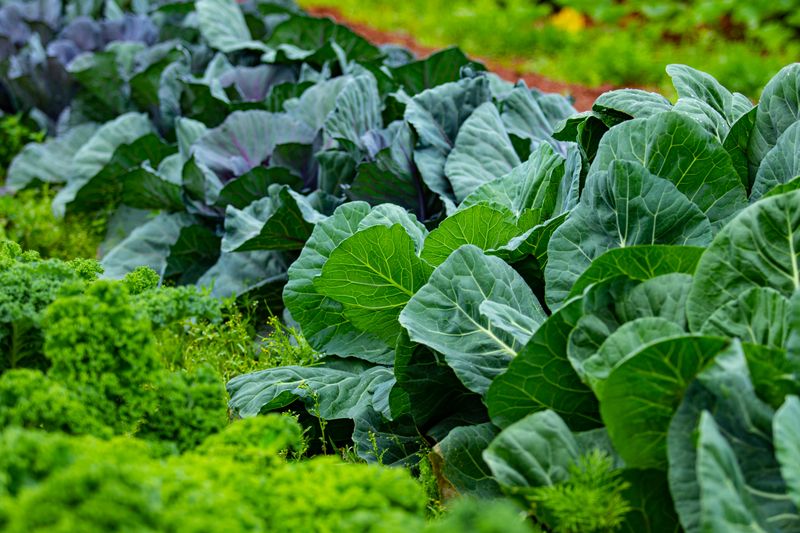
Squeezing too many plants into one space feels efficient, but it actually sets every plant up to fail. Overcrowding limits airflow, increases disease risk, and forces plants to compete for nutrients, water, and sunlight.
Always follow the spacing guidelines on seed packets or plant tags. It might feel wasteful to leave so much empty space early in the season, but those gaps fill in fast as plants grow.
Giving each plant room to breathe is one of the simplest ways to boost your harvest.
Forgetting to Harden Off Seedlings
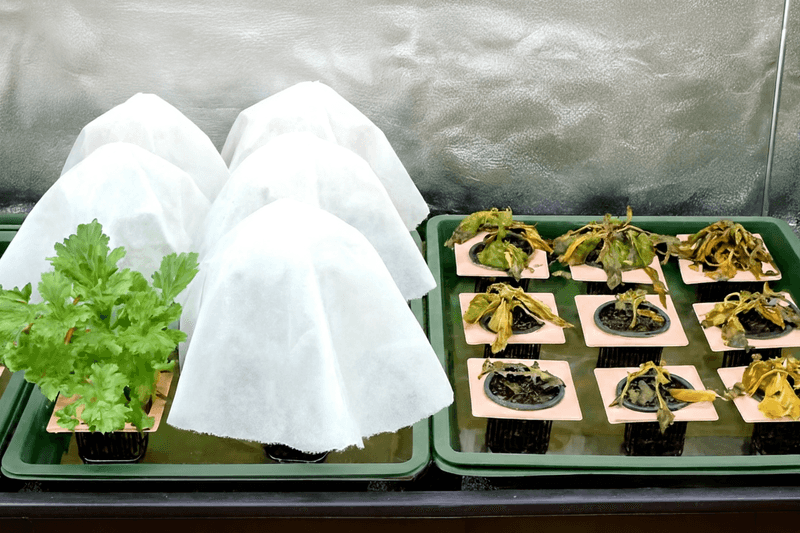
Seedlings grown indoors are used to calm, controlled conditions. Moving them straight into the outdoor garden without any adjustment period is a shock their delicate systems often cannot handle.
Hardening off means slowly introducing plants to outdoor conditions over seven to ten days. Start by placing them outside for just a couple of hours in a sheltered spot, gradually increasing their outdoor time each day.
This simple step reduces transplant shock and dramatically improves survival rates in your spring garden.
Using Too Much Fertilizer
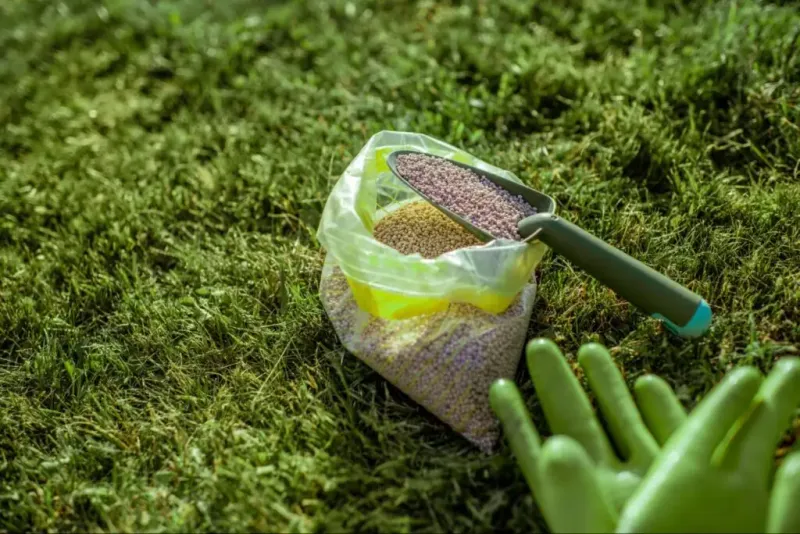
More fertilizer sounds like it should mean bigger, better plants, but the reality is quite the opposite. Over-fertilizing, especially with nitrogen-heavy products, can burn roots, scorch leaves, and push plants to grow too fast without building strong structure.
Follow the package directions closely and resist the urge to add extra. A soil test will tell you exactly what nutrients are missing so you are not guessing.
Feed your garden what it actually needs, not what you think might help more.
Neglecting to Rotate Crops
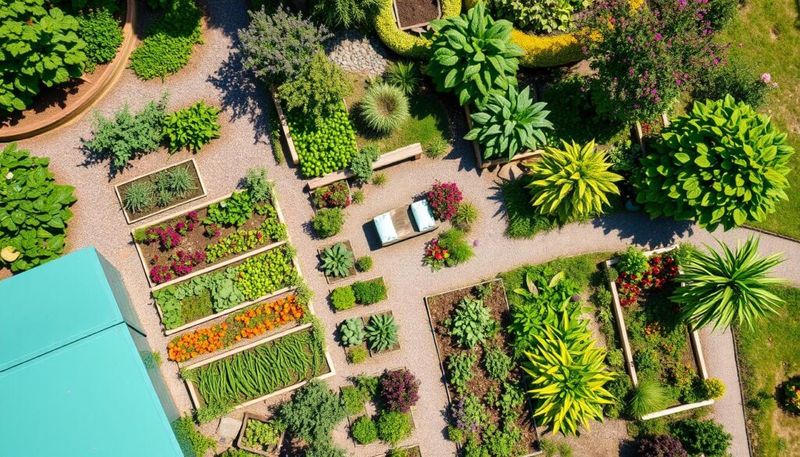
Planting the same vegetables in the same spot year after year seems harmless, but it quietly destroys your soil and invites disease to settle in permanently. Certain pests and pathogens survive winter in the soil and are ready to attack the same crops the following spring.
Rotating crops means moving plant families to different garden beds each season. Tomatoes go where beans were last year, beans go where squash grew before.
This simple shuffle keeps soil balanced and pest populations from getting out of control.
Watering at the Wrong Time of Day
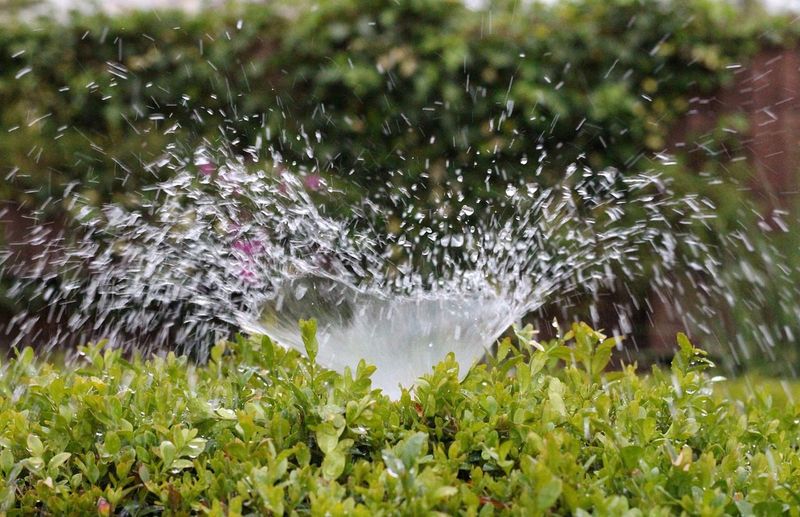
Timing your watering might seem like a minor detail, but it can make a big difference in plant health. Watering in the heat of midday causes water to evaporate before it ever reaches the roots, wasting your effort and your water supply.
Evening watering leaves foliage wet overnight, which encourages fungal diseases like powdery mildew. Early morning is the sweet spot.
Water soaks into the soil before the heat peaks, and leaves have time to dry out completely before nightfall.
Ignoring Pest and Disease Signs Early On
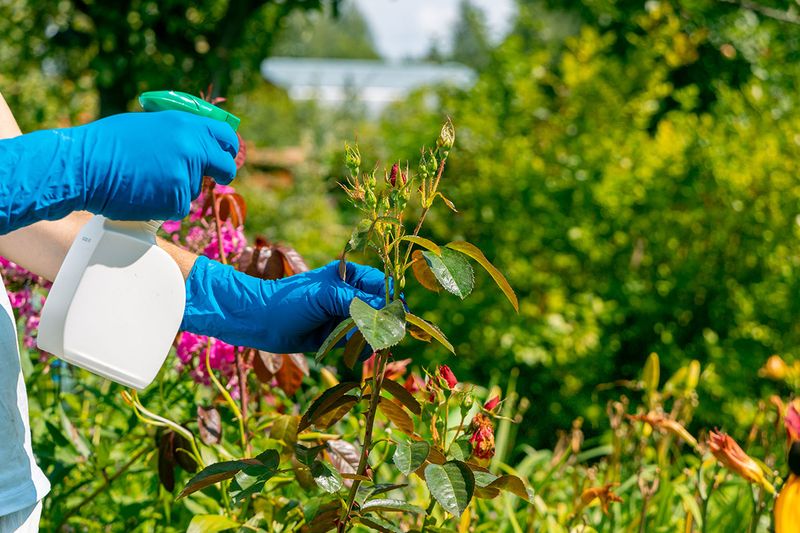
A few chewed leaves or a tiny spot of discoloration can easily be brushed off as nothing serious. But in a garden, small problems multiply fast, and what starts as a minor issue can wipe out entire plants within weeks.
Walk through your garden regularly and look closely at both the tops and undersides of leaves. Catching aphids, fungal spots, or caterpillar damage early gives you far more treatment options.
Acting quickly with organic sprays or physical removal keeps damage from spreading to neighboring plants.
Not Pruning or Deadheading Flowers
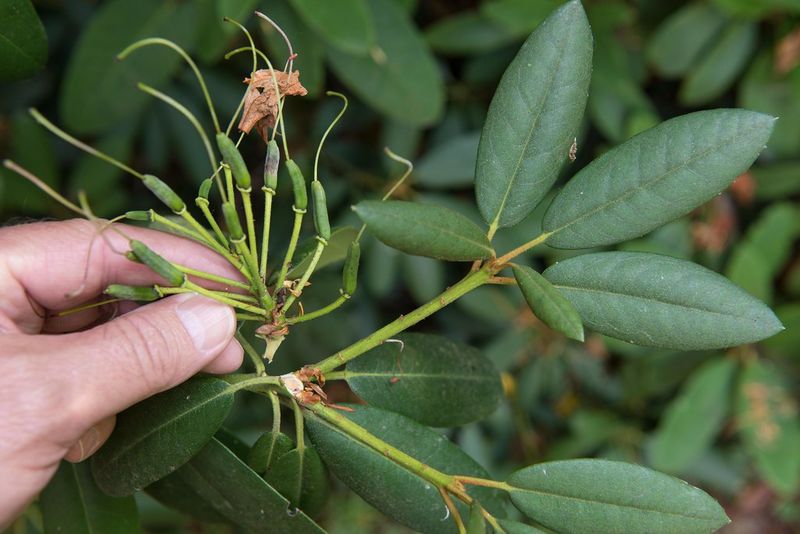
Letting spent flowers linger on the plant might seem like leaving nature to do its thing, but it actually signals the plant to stop producing new blooms. Once a flower goes to seed, the plant considers its job done for the season.
Deadheading, which means removing faded or dead flowers, encourages plants to keep blooming all season long. For shrubs and perennials, light pruning also improves shape, boosts airflow, and removes diseased or dead wood before it causes bigger problems throughout the garden.
Buying Plants Without a Plan
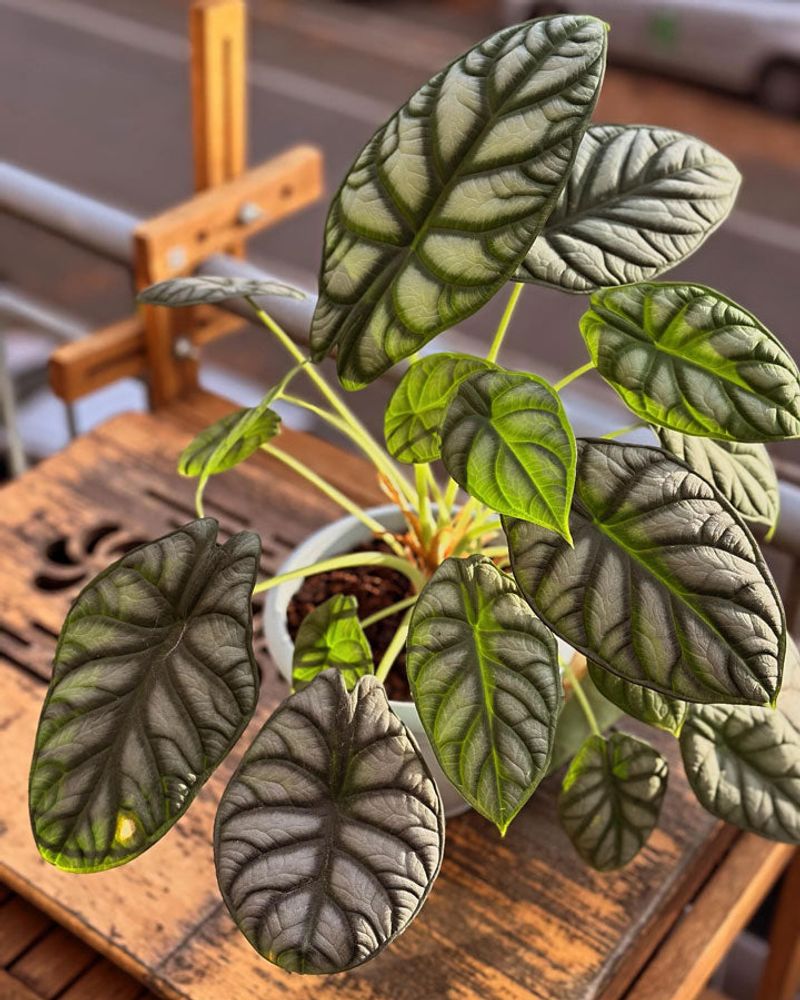
Garden centers in spring are dangerously tempting. Bright colors, fragrant blooms, and sale tags make it easy to grab whatever looks good without thinking about whether those plants actually work together or fit your space.
Impulse buying leads to overcrowded beds, clashing plants, and species that need completely different care conditions growing side by side. Sketch a simple garden plan before you shop.
Note your sun exposure, soil type, and available space so every plant you buy has a real home waiting for it.