
Tired of spending weekends pulling weeds out of your garden? Ground covers are low-growing plants that spread across the soil, blocking sunlight and leaving no room for weeds to grow.
They work like a living mulch, protecting your garden while looking beautiful at the same time. Whether you have a sunny slope or a shady corner, there is a ground cover on this list that will work hard so you do not have to.
Creeping Thyme
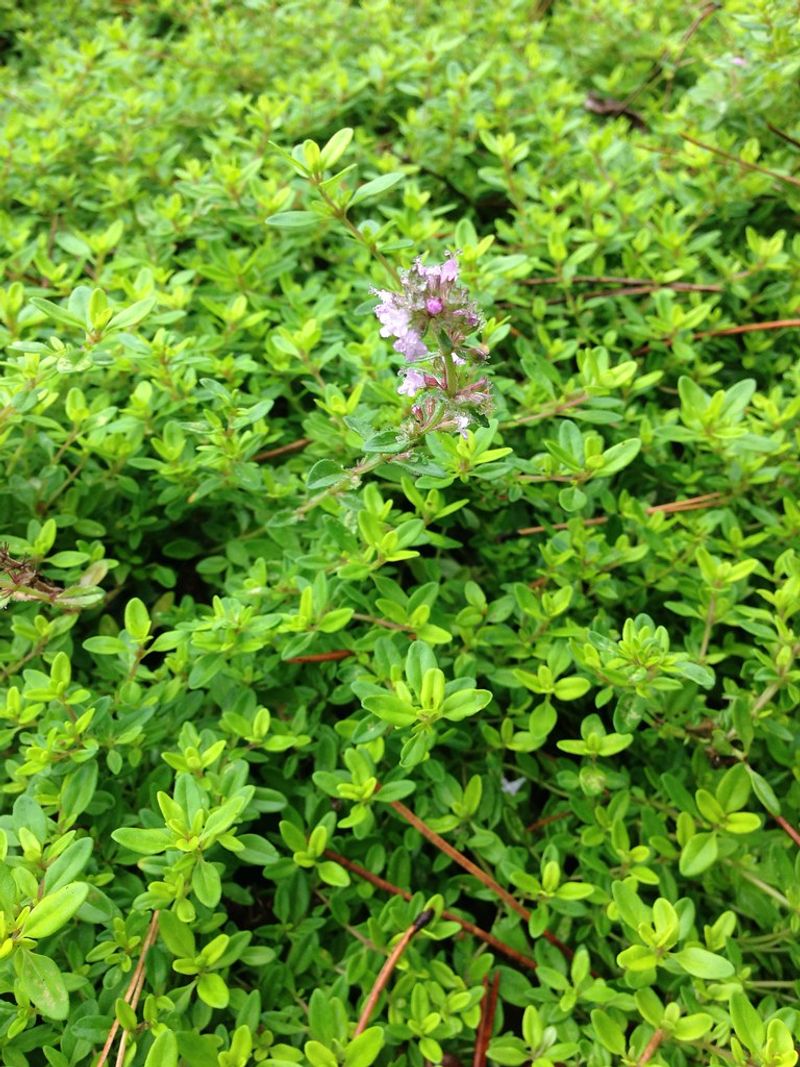
Walk across a patch of creeping thyme and you will notice something wonderful — it smells amazing underfoot. This tough little plant spreads quickly, forming a thick carpet that smothers weeds before they even get started.
It thrives in sunny spots with well-drained soil and barely needs any watering once established. Bees absolutely love its tiny pink flowers in summer.
Gardeners who replace lawn edges with creeping thyme rarely regret it.
Vinca Minor (Periwinkle)
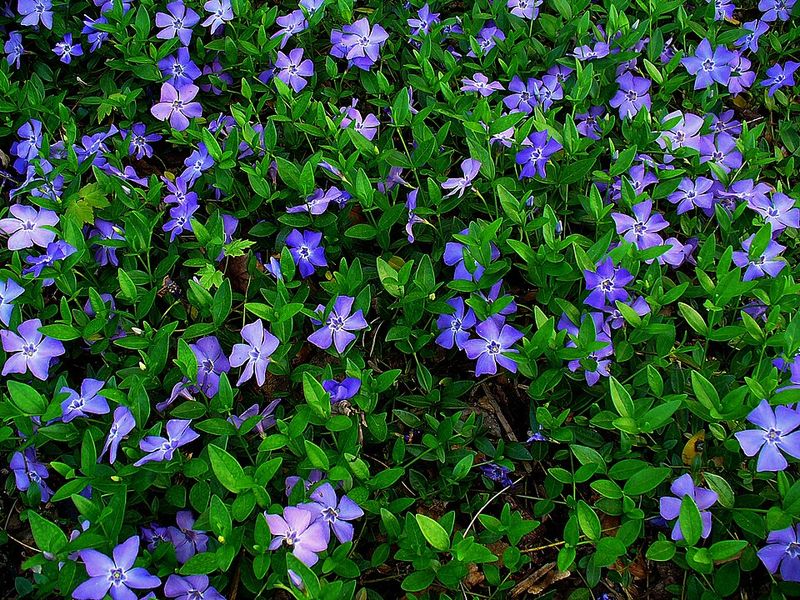
Vinca minor has been a gardener’s secret weapon for generations. Its shiny evergreen leaves form a tight mat that blocks weeds all year long, even through winter.
Plant it under trees where grass struggles to grow, and watch it fill in beautifully within a single season. The cheerful blue-purple flowers that appear in spring are a bonus.
Just keep an eye on it — periwinkle can spread enthusiastically beyond where you want it.
Pachysandra
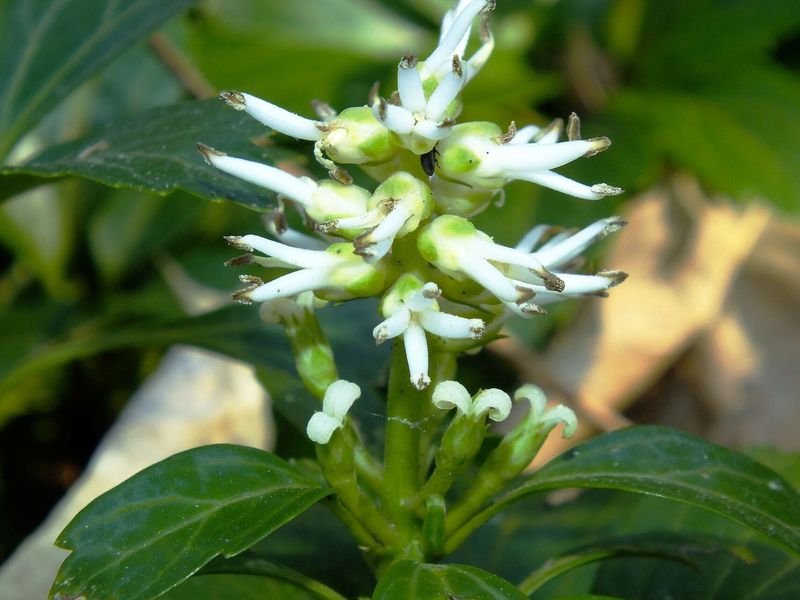
Shady gardens often struggle with weeds, but pachysandra thrives exactly where most plants give up. Its broad, waxy leaves grow so densely that sunlight cannot reach the soil underneath, which means weeds simply cannot survive.
This slow-starting plant becomes a powerhouse once established. It stays green all year in mild climates, making it one of the most reliable ground covers for shaded areas.
A single planting can last for decades with almost no maintenance.
Ajuga (Bugleweed)
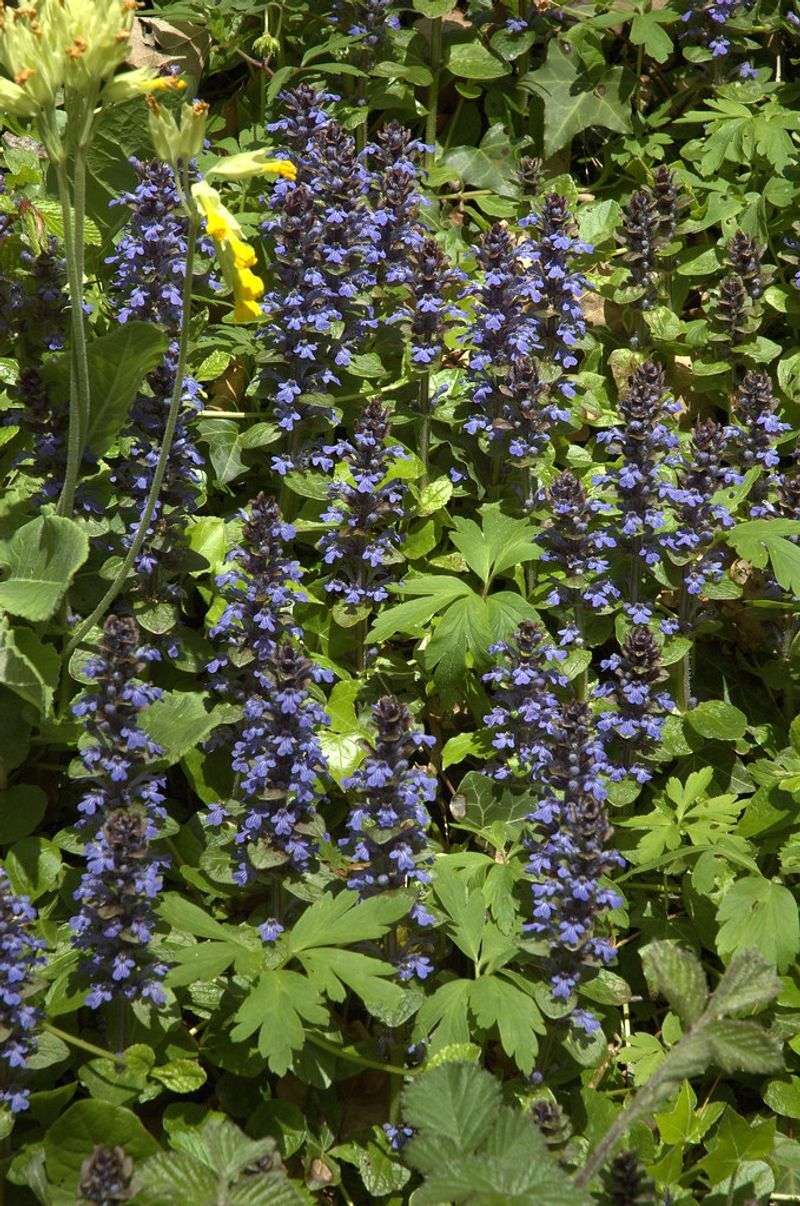
Few ground covers put on a show quite like ajuga. Its bold, bronze-purple leaves spread rapidly through underground runners, forming a dense mat that crowds out weeds with impressive speed.
In late spring, spikes of vivid blue flowers shoot up, turning the whole patch into a pollinator magnet. Ajuga handles both sun and partial shade, making it incredibly versatile.
It is a go-to choice for gardeners who want beauty and serious weed control at the same time.
Creeping Jenny
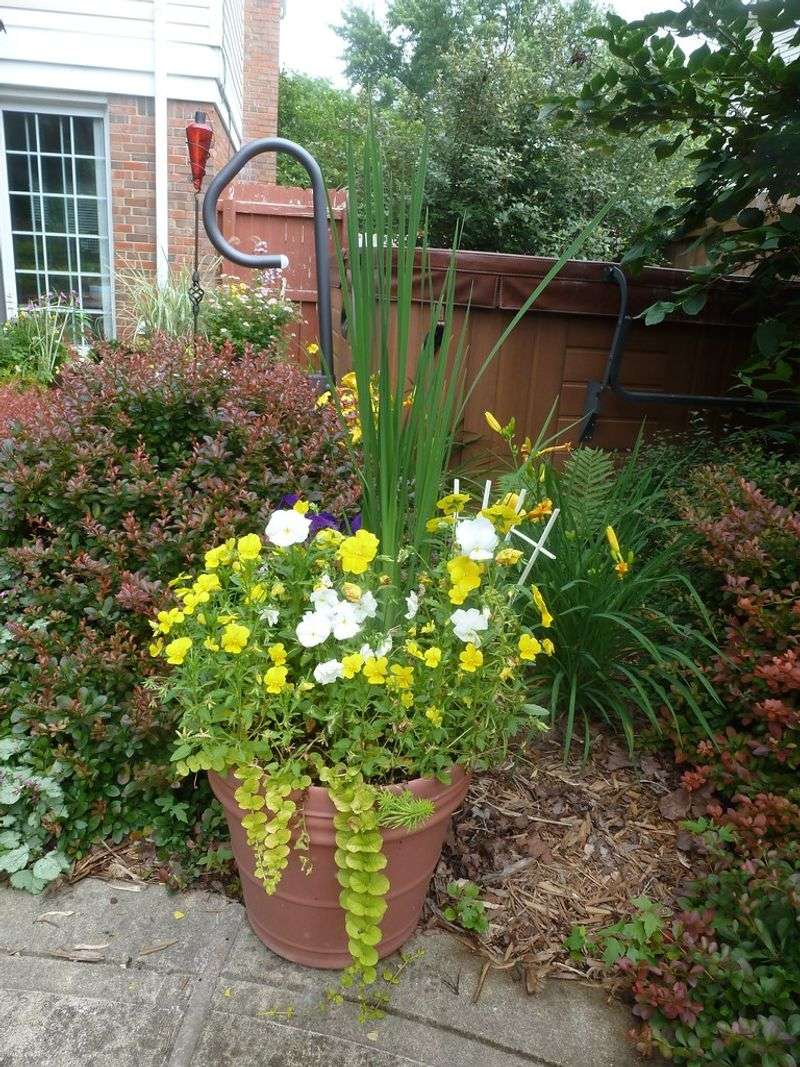
Creeping Jenny is like liquid gold pouring across your garden floor. Its bright lime-green or golden leaves spread quickly along the ground, filling gaps and shading out weeds with a cheerful, almost glowing color.
It grows especially well near ponds or in moist areas where other plants struggle. The round, coin-shaped leaves earned it the nickname moneywort in some regions.
Plant it where you want a bold, eye-catching ground cover that works as hard as it looks good.
Ice Plant
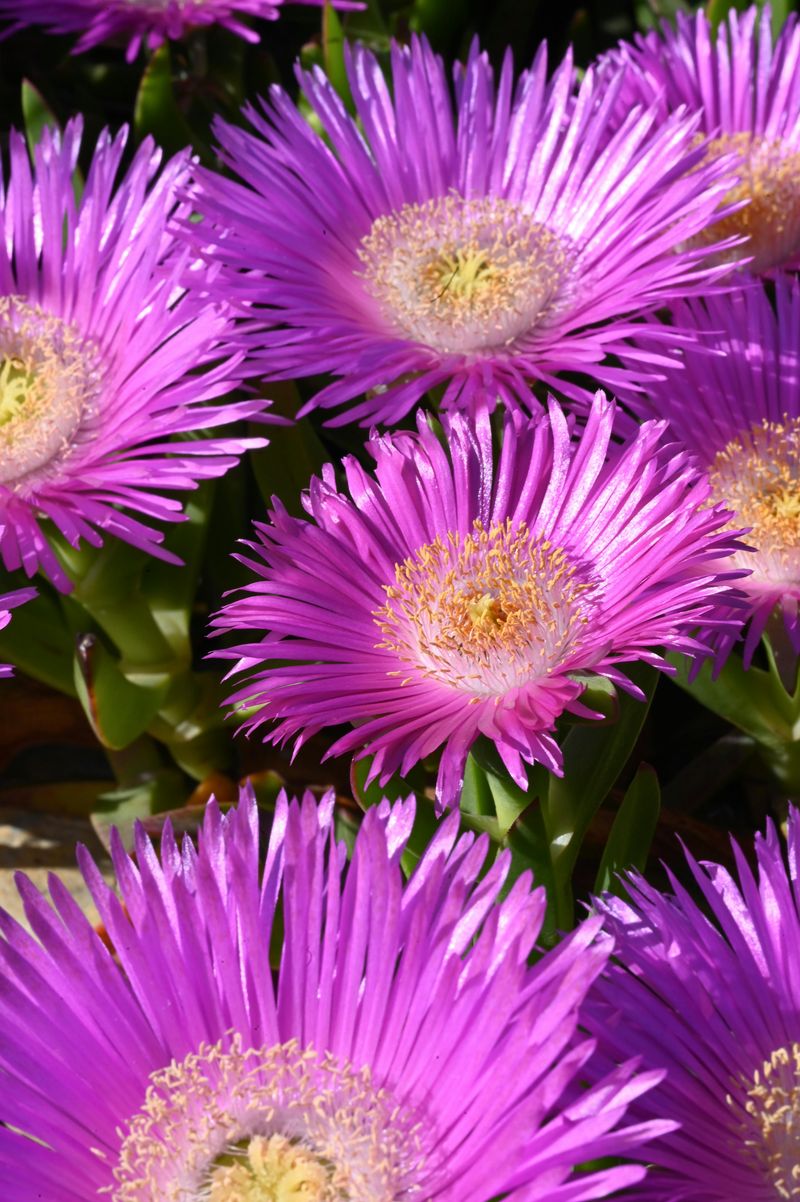
On hot, dry slopes where other plants bake and die, ice plant absolutely thrives. This succulent ground cover stores water in its fleshy leaves and spreads steadily, creating a thick blanket that prevents both weeds and erosion.
Come spring and summer, it explodes into brilliant magenta and pink flowers that look almost too vivid to be real. It needs almost no watering once established.
For drought-prone gardens, ice plant is one of the most practical and stunning choices available.
Hostas
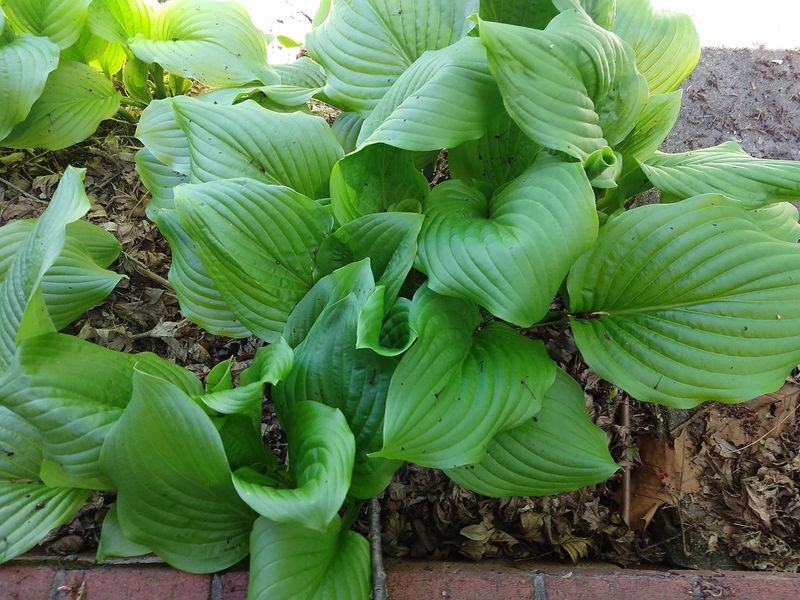
Hostas are the undisputed champions of shady garden beds. Their enormous, overlapping leaves create such deep shade at ground level that weeds simply cannot find enough light to germinate or grow.
Available in hundreds of varieties ranging from miniature to dinner-plate-sized, there is a hosta for almost every situation. They come back reliably every spring, getting bigger and more weed-smothering with each passing year.
Pair them with mulch in early spring and weed problems become nearly nonexistent.
Sweet Woodruff
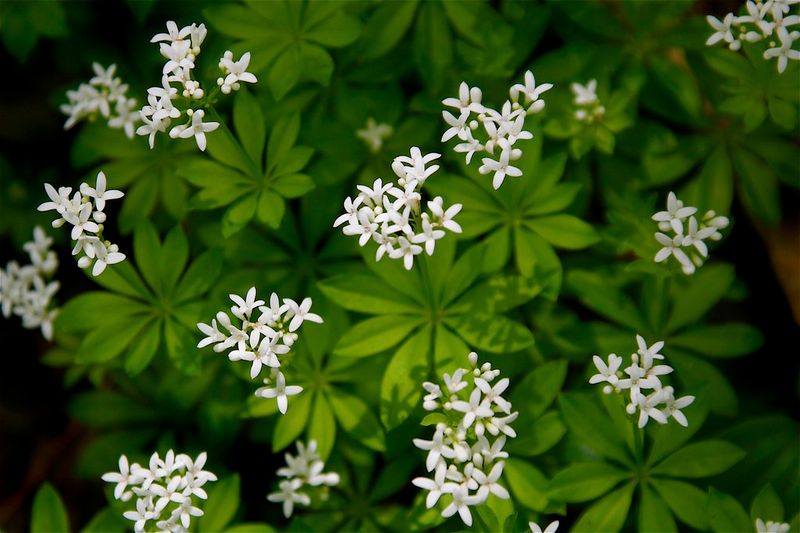
Sweet woodruff brings a fairy-tale feel to woodland gardens. Its delicate star-shaped leaves form an airy but surprisingly effective carpet that suppresses weeds in deep shade where even hostas can struggle.
When dried, the leaves release a sweet vanilla-like scent, which is why old-fashioned gardeners used it in sachets and May wine. It spreads gently without becoming invasive in most climates.
Plant it under deciduous trees and let it quietly take over in the best possible way.
Clover
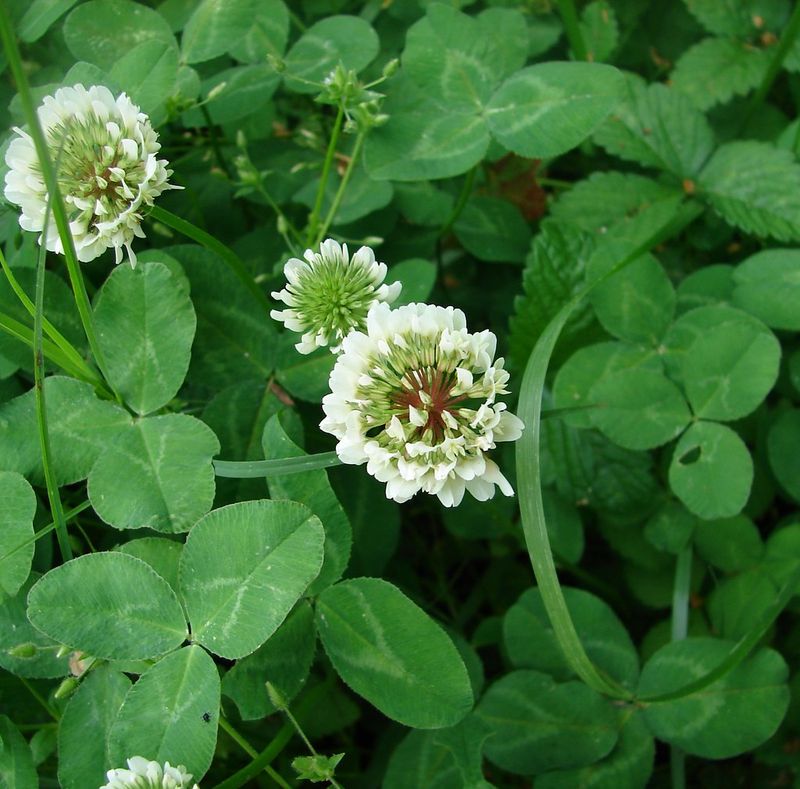
Before lawn care companies convinced everyone that clover was a weed, it was considered the perfect lawn plant — and honestly, they were right. White clover spreads thickly, fixes nitrogen in the soil, and grows so densely that actual weeds cannot push through.
It stays green even during dry spells and feeds pollinators all season long. Many gardeners are now replacing traditional grass with clover lawns entirely.
It requires far less mowing, no fertilizer, and almost no effort to maintain.
Creeping Phlox
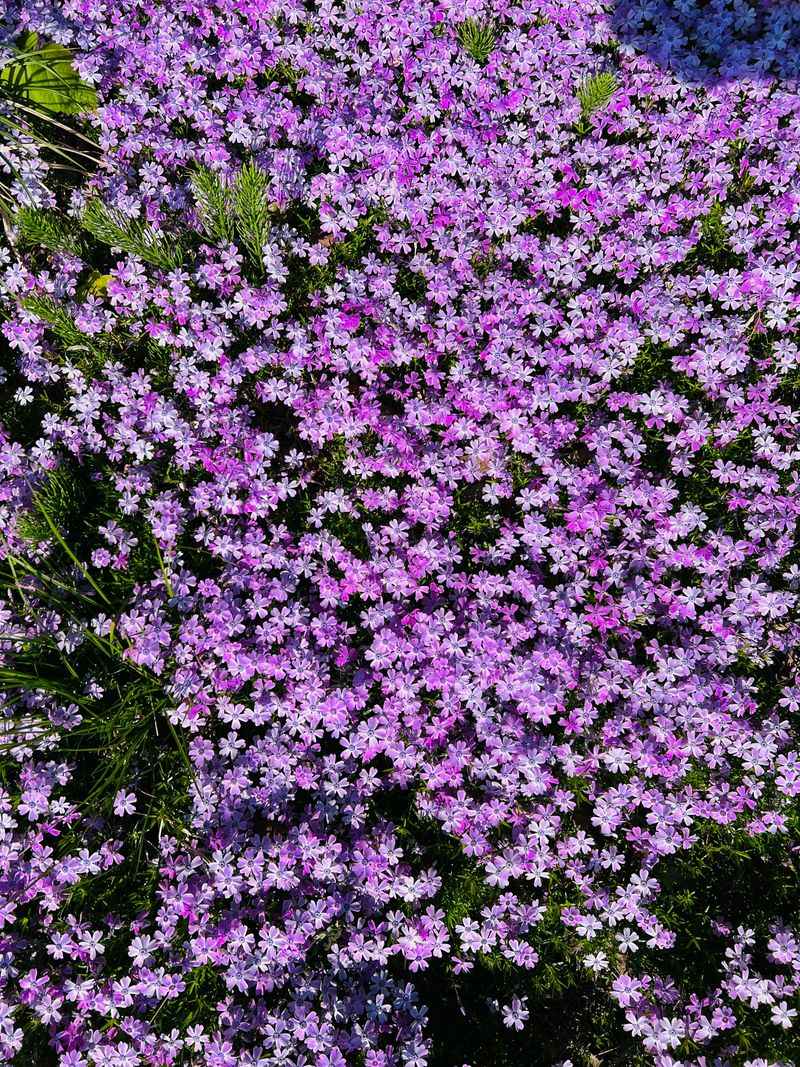
Every spring, creeping phlox puts on one of the most breathtaking displays in the garden world. It blankets itself in a thick carpet of tiny flowers — pink, white, purple, or lavender — so completely that you can barely see the foliage underneath.
Outside of blooming season, its dense evergreen mat still does solid work suppressing weeds on slopes and rock gardens. It loves full sun and excellent drainage.
Plant it at the top of a wall and let gravity do the decorating.
Lamb’s Ear
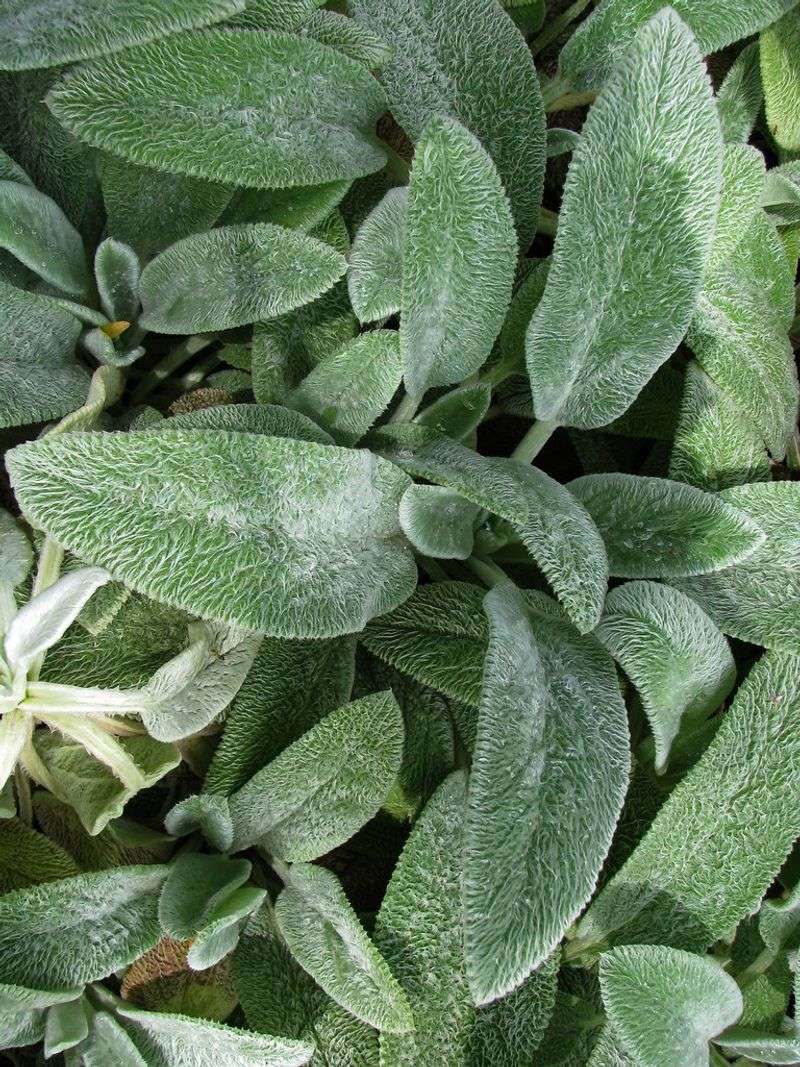
Running your fingers across lamb’s ear leaves feels exactly like touching the softest velvet imaginable. That thick, fuzzy silver foliage is not just fun to touch — it grows in dense rosettes that spread outward and block weeds effectively.
The silver color reflects heat and light, making it a striking contrast plant in garden borders. It handles drought and poor soil without complaint.
Kids always want to touch it, making it a fantastic plant for family-friendly garden spaces that also need low-maintenance weed coverage.
Liriope (Lilyturf)
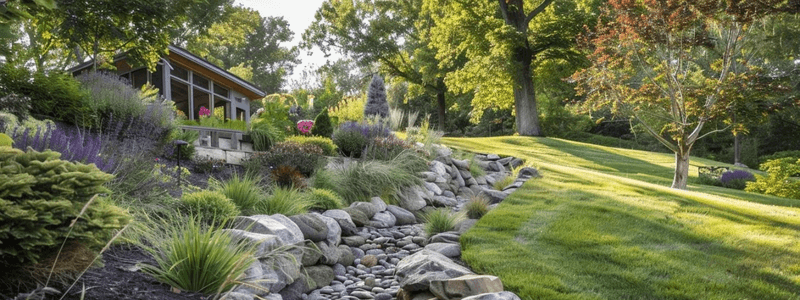
Liriope looks like ornamental grass but works like a weed-blocking machine. Its arching, dark green leaves grow in tight clumps that spread slowly and steadily, filling in garden borders and slopes without becoming a nuisance.
Purple flower spikes appear in late summer, followed by small dark berries that birds enjoy. It tolerates drought, heat, poor soil, and even moderate foot traffic.
Few plants offer this combination of toughness, elegance, and practical weed suppression all in one tidy package.
Sedum (Stonecrop)
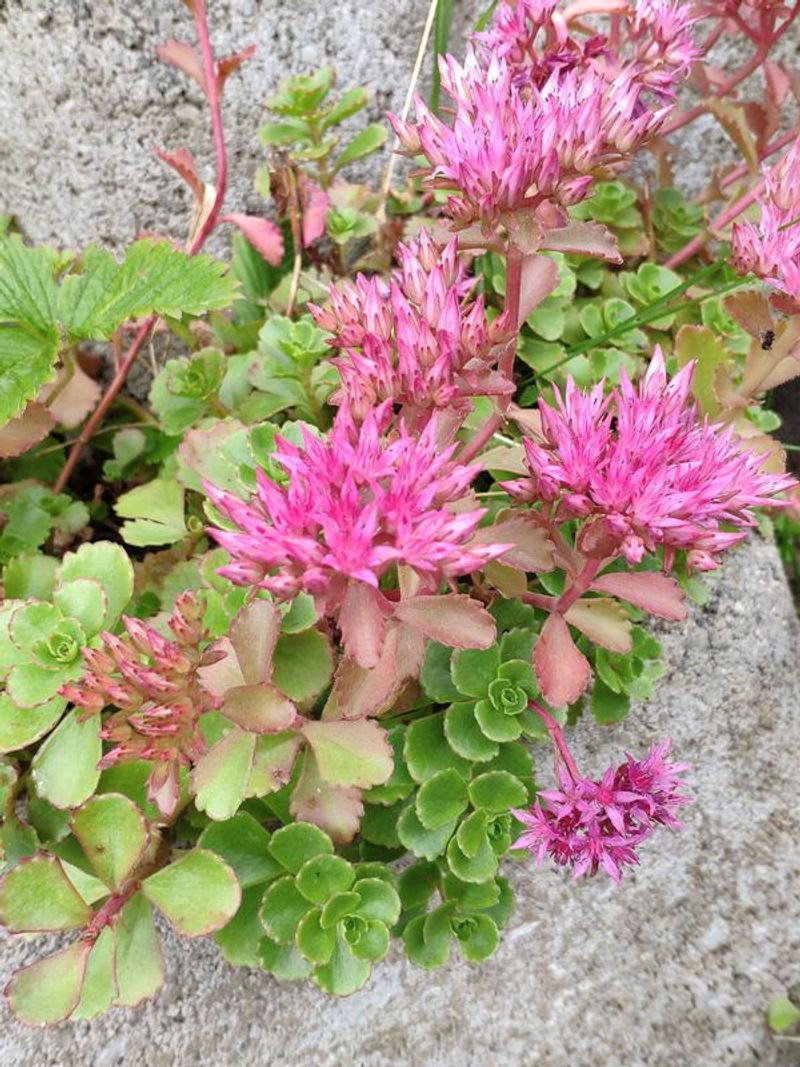
Sedum is the plant that thrives where others surrender. Growing in rocky crevices, dry slopes, and thin soils, this succulent ground cover spreads its fleshy leaves into a tight mat that leaves zero space for weeds to take hold.
Dozens of low-growing varieties exist, offering colors from lime green to deep burgundy. Pollinators flock to the flowers in late summer.
Once planted, sedum basically takes care of itself — a true set-it-and-forget-it solution for challenging garden spots.
Wild Ginger

Wild ginger is one of those quiet, understated plants that earns serious respect once you see what it can do. Its large, heart-shaped leaves grow so close together that they create an almost impenetrable layer over the soil, blocking weeds completely.
Native to North American woodlands, it is perfectly adapted to deep shade and moist soil conditions. It spreads slowly but steadily through underground rhizomes.
For naturalistic shade gardens, wild ginger offers both ecological value and outstanding long-term weed suppression.
Creeping Rosemary
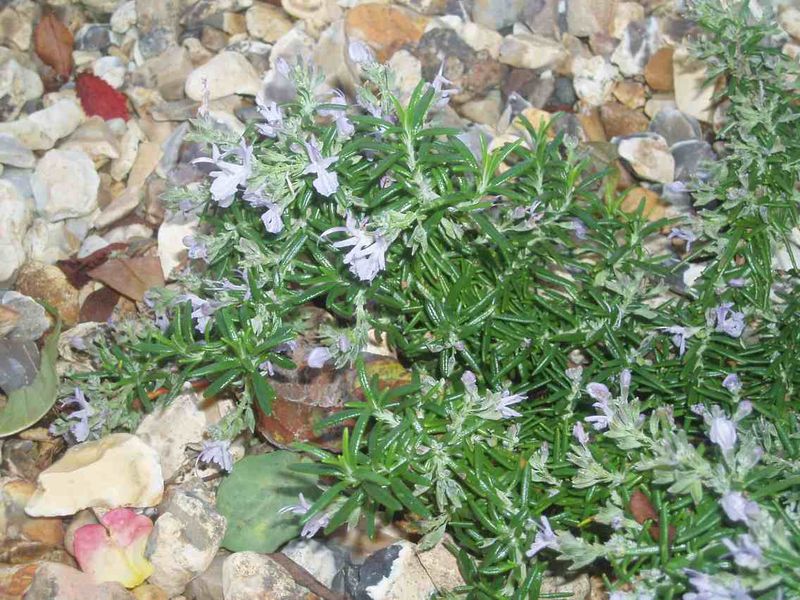
Creeping rosemary does double duty in the garden — it smells incredible and crowds out weeds at the same time. Unlike its upright cousin, this trailing variety spreads horizontally, hugging the ground and covering slopes with fragrant, needle-like foliage.
Small blue flowers attract bees throughout the growing season. It thrives in hot, dry conditions where many other ground covers would fail completely.
Bonus: you can snip sprigs straight into your cooking, making it one of the most delicious weed-control solutions in this entire list.
Dwarf Mondo Grass
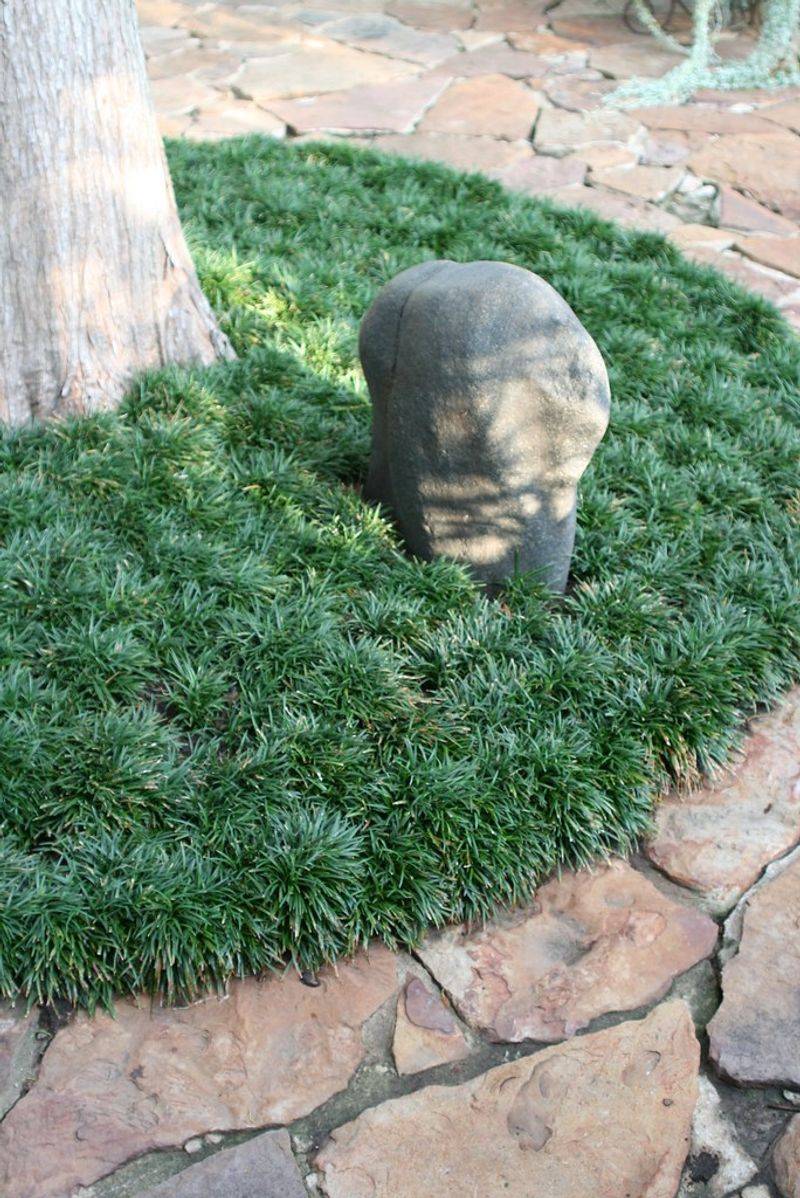
Dwarf mondo grass brings a clean, almost architectural look to garden spaces. Its extremely fine, deep-green blades grow in tight tufts that gradually knit together into a seamless carpet, leaving no gaps for weeds to exploit.
It is especially popular in Japanese-style gardens and between stepping stones where its slow growth keeps it neat and contained. Unlike true grasses, it never needs mowing.
Give it partial shade and consistent moisture, and it will reward you with years of elegant, effortless weed coverage.
Deadnettle (Lamium)
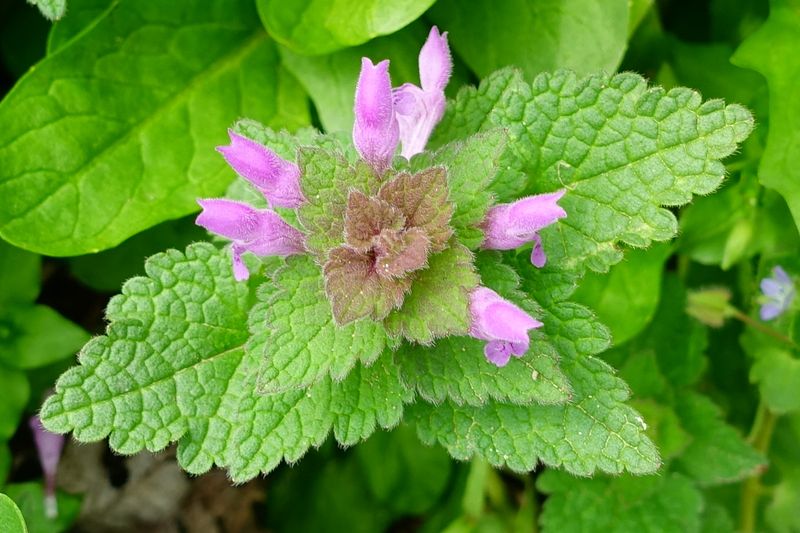
Deadnettle has a terrible name for a plant that does such wonderful work. Despite the off-putting label, lamium is a cheerful, fast-spreading ground cover with silvery, patterned leaves that brighten up even the darkest garden corners.
Pink or white flowers appear in spring and attract early pollinators. It spreads quickly enough to smother weeds but is easy to pull back if it oversteps.
For shaded areas that need fast, attractive coverage, deadnettle is genuinely one of the best options available.
Brass Buttons (Leptinella)
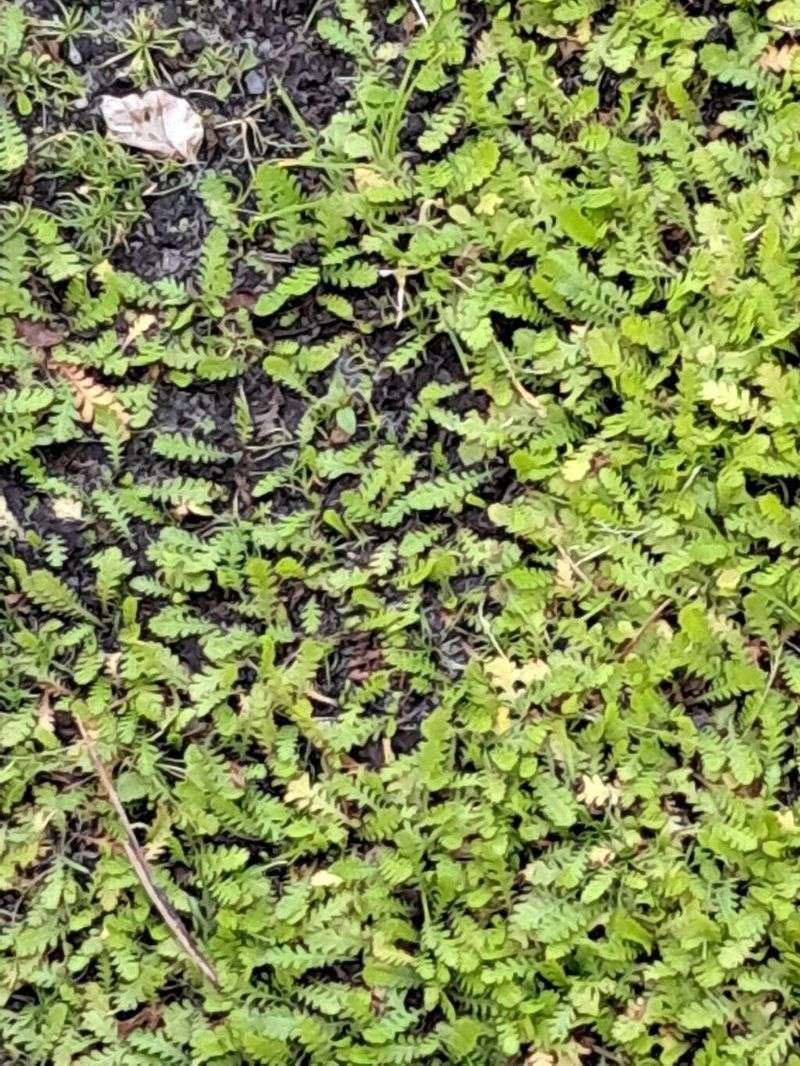
Brass buttons might be the most underrated ground cover on this list. Its finely cut, fern-like foliage hugs the ground so closely that it looks almost like a decorative moss, yet it spreads efficiently and blocks weeds with surprising effectiveness.
It tolerates light foot traffic, making it perfect between stepping stones or pavers. The tiny yellow button-shaped flowers that give it its common name appear in summer.
For gardeners who want something unusual that also solves weed problems, brass buttons is a hidden gem worth trying.
Woolly Thyme
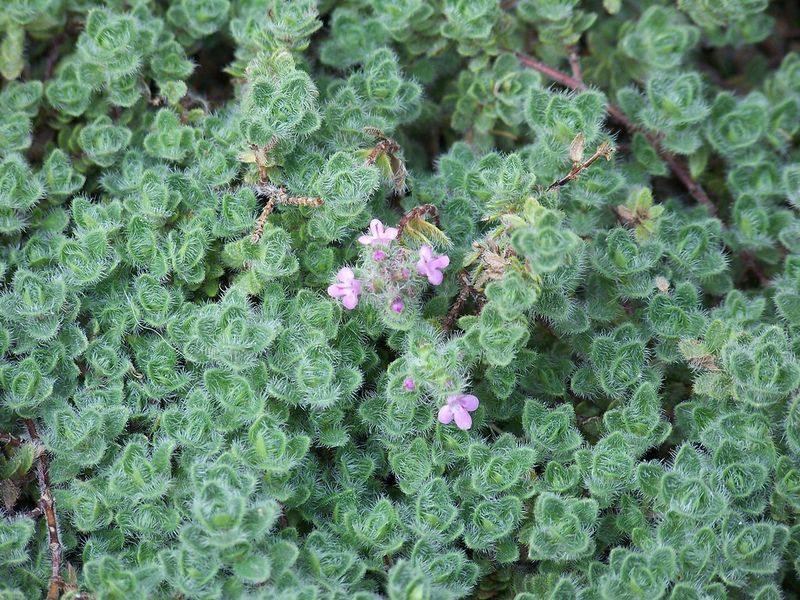
Woolly thyme earns its name honestly — the tiny leaves are genuinely soft and fuzzy to the touch, giving the plant a silvery, almost frosted appearance. It grows even flatter and denser than common creeping thyme, forming a tight mat that weeds cannot penetrate.
It handles foot traffic better than most ground covers and releases a mild herbal fragrance when stepped on. Rock gardens and pathways are where woolly thyme truly shines.
Plant it generously in sunny spots and watch it quietly take over all the spaces where weeds used to live.