
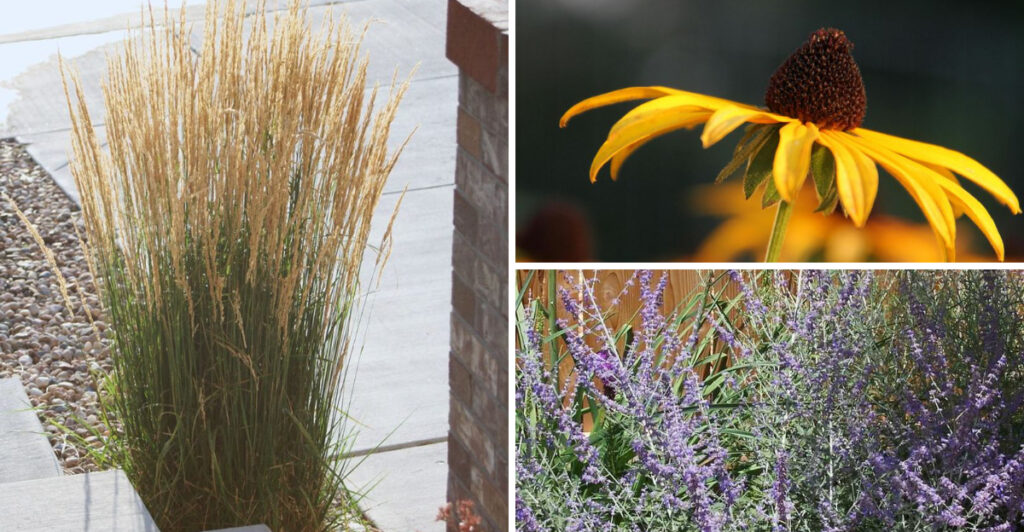
You don’t need a fancy landscaper or a big budget to have a garden that looks like it belongs in a magazine. Some of the most stunning perennials are also the most low-maintenance plants you can grow.
Whether you’re a total beginner or just tired of replacing annuals every season, these plants come back year after year with minimal fuss. Get ready to transform your yard with plants that look expensive but are actually super easy to care for.
Karl Foerster Feather Reed Grass
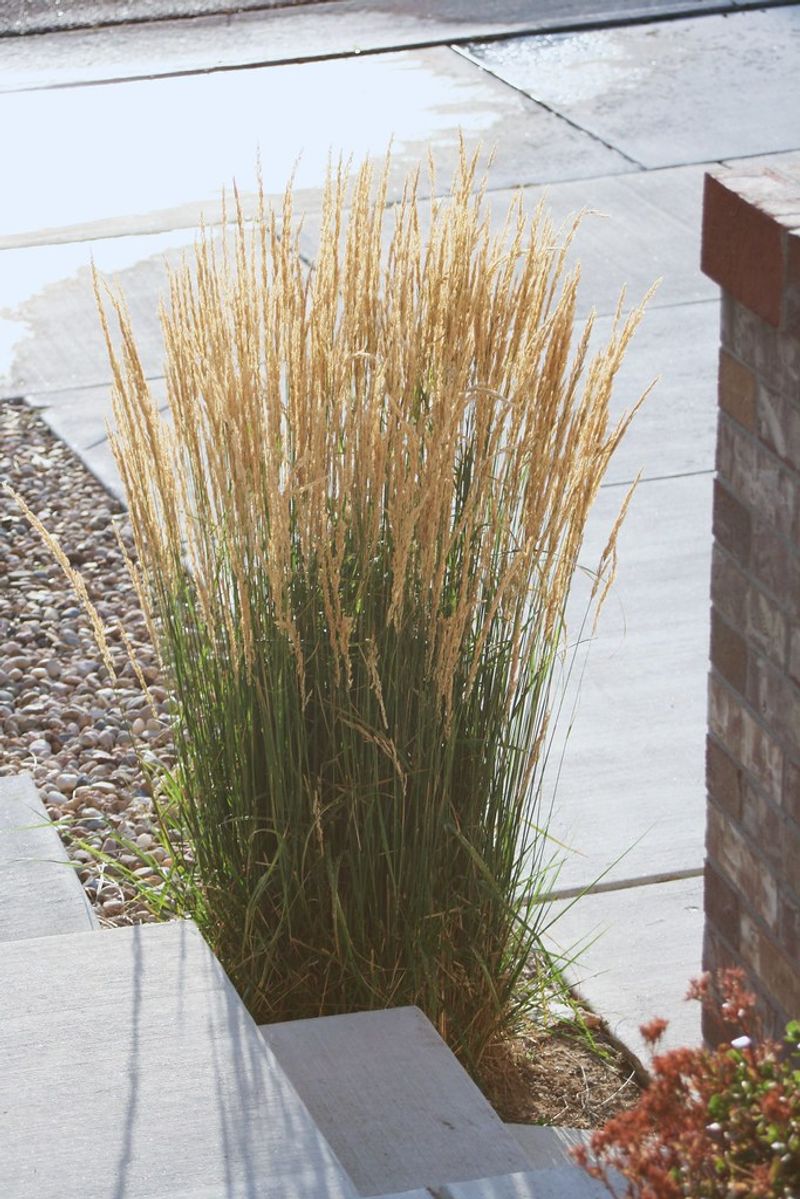
Tall, feathery, and almost architectural in the way it stands, Karl Foerster Feather Reed Grass looks like something straight out of a high-end landscape design book. It grows in tight, upright clumps that stay neat all season long without any trimming.
Plant it in full sun and water it regularly until established, then step back and let it do its thing. It thrives in most soil types and even handles clay well.
The golden plumes in late summer are absolutely show-stopping.
Black-Eyed Susan
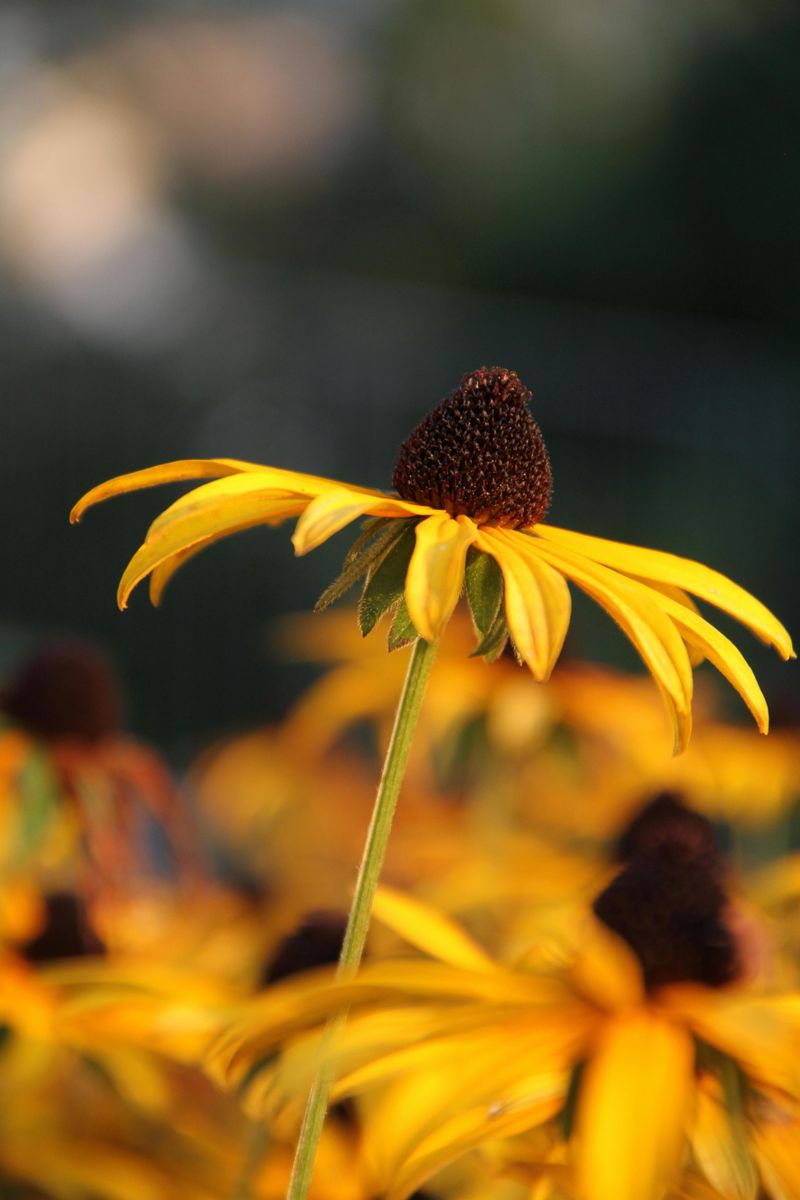
Few flowers bring as much cheerful energy to a garden as Black-Eyed Susans. Their bold yellow petals and dark chocolate centers create a striking contrast that looks intentional and polished, even when planted casually in a mixed border.
They love full sun and are incredibly drought-tolerant once established, making them almost impossible to kill. Plus, they self-seed gently, so your patch naturally fills in over time.
Butterflies and bees go absolutely wild for them, adding extra life to your yard.
Russian Sage
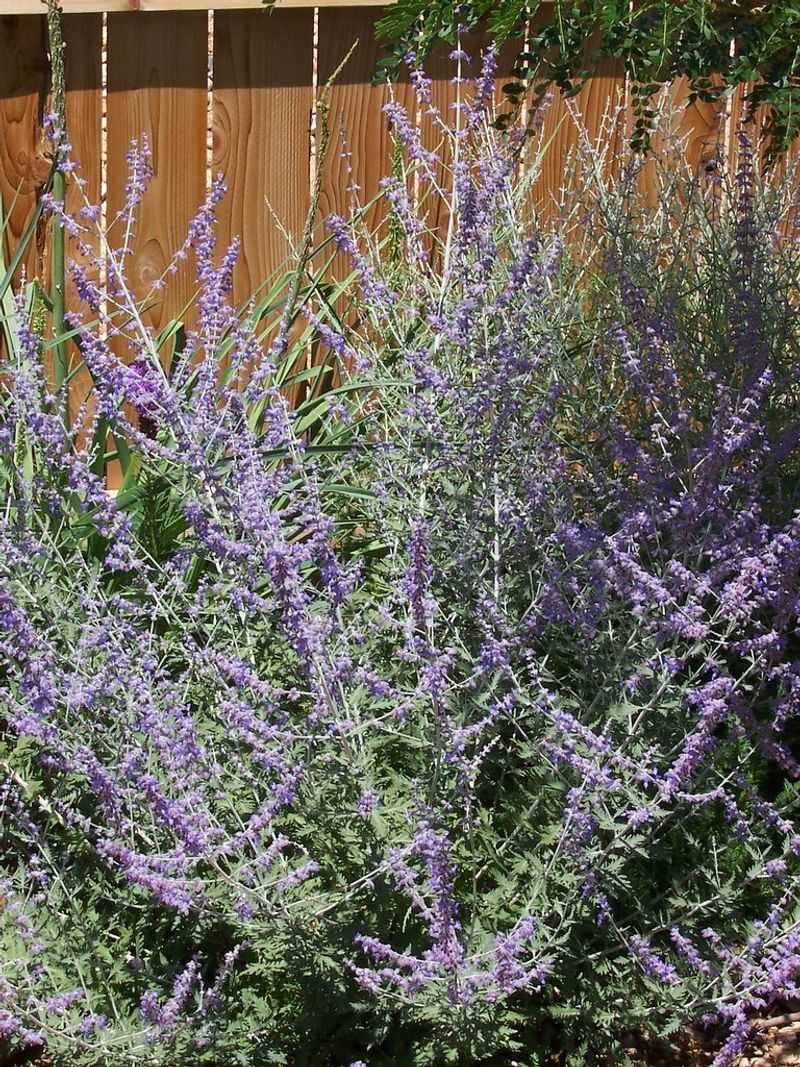
Russian Sage has this dreamy, hazy quality that makes any garden feel like a Monet painting. The silvery stems and misty purple-blue flower spikes create a soft, romantic texture that pairs beautifully with nearly everything around it.
It thrives in poor, dry soil and full sun, which means it actually performs better when you neglect it a little. Once established, it rarely needs watering.
Deer tend to avoid it too, which is a huge bonus for gardeners dealing with wildlife pressure.
Coneflower (Echinacea)
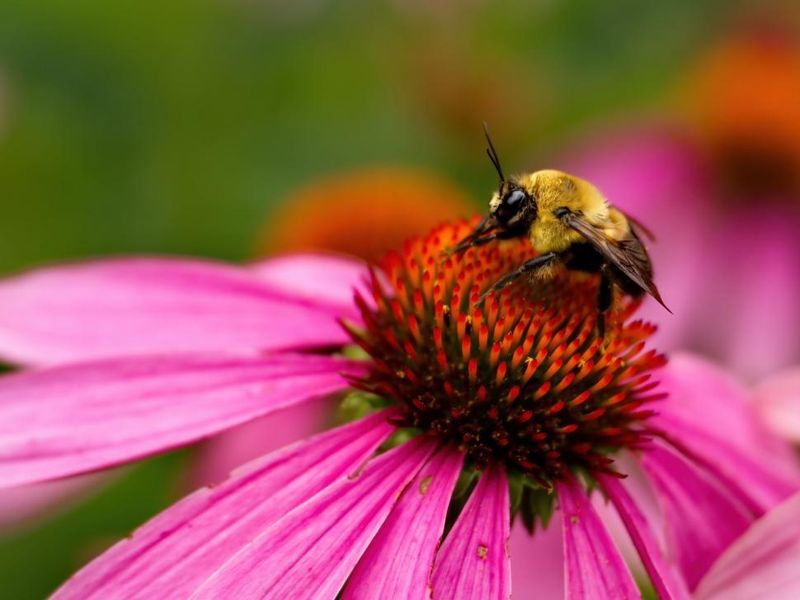
Coneflowers have earned their spot in practically every well-designed garden, and for good reason. The bold, daisy-like blooms with their spiky, raised centers look sophisticated whether planted en masse or tucked into a mixed border alongside grasses and salvia.
They’re heat-tolerant, drought-resistant, and attractive to pollinators from midsummer well into fall. Modern varieties now come in shades ranging from white and yellow to deep red and orange, giving gardeners plenty of room to get creative without any extra effort.
Baptisia (False Indigo)
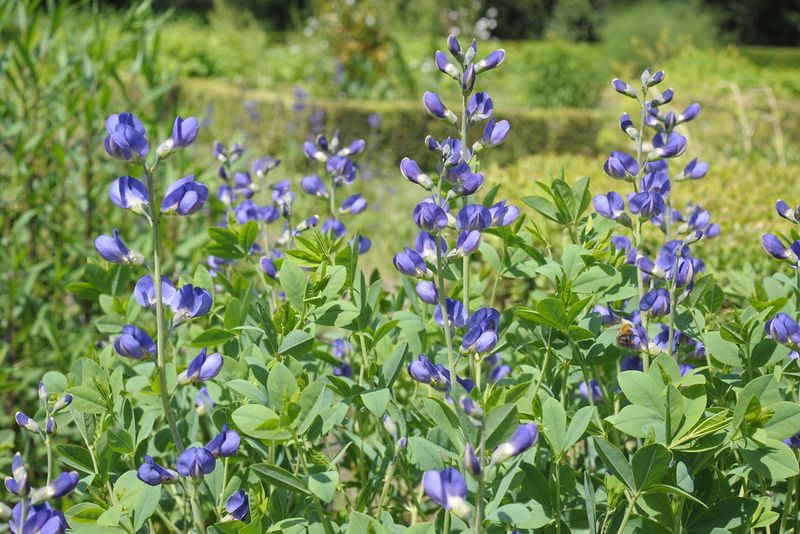
Baptisia is one of those plants that garden designers reach for when they want drama without the drama of high maintenance. In spring, it shoots up tall spikes covered in rich indigo-blue flowers that rival lupins in elegance but require far less coddling.
Once established, this plant is remarkably self-sufficient. It fixes nitrogen in the soil, so it actually improves the ground around it.
The rounded seed pods that follow the blooms add an interesting structural element that looks great in dried arrangements too.
Salvia ‘May Night’
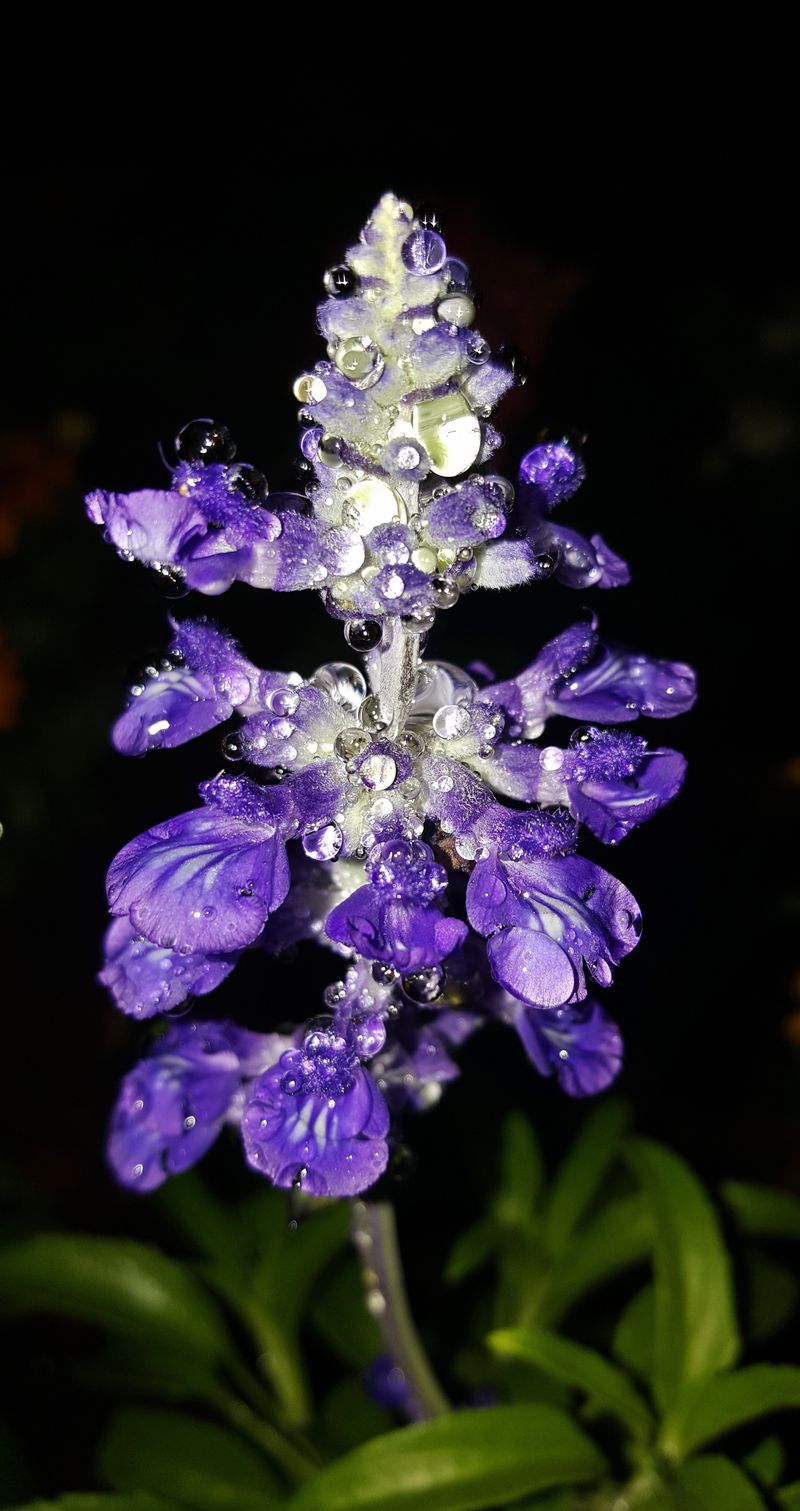
There’s something almost electric about the deep violet spikes of Salvia ‘May Night’ standing tall in a garden bed. The color is so saturated it almost looks unreal, and it blooms prolifically from late spring into summer, often reblooming if you cut it back after the first flush.
It handles heat and drought with ease and thrives in well-drained soil with full sun. Hummingbirds are obsessed with it.
For a perennial this beautiful, the minimal care it requires feels almost unfair to the fancier plants nearby.
Hellebore (Lenten Rose)
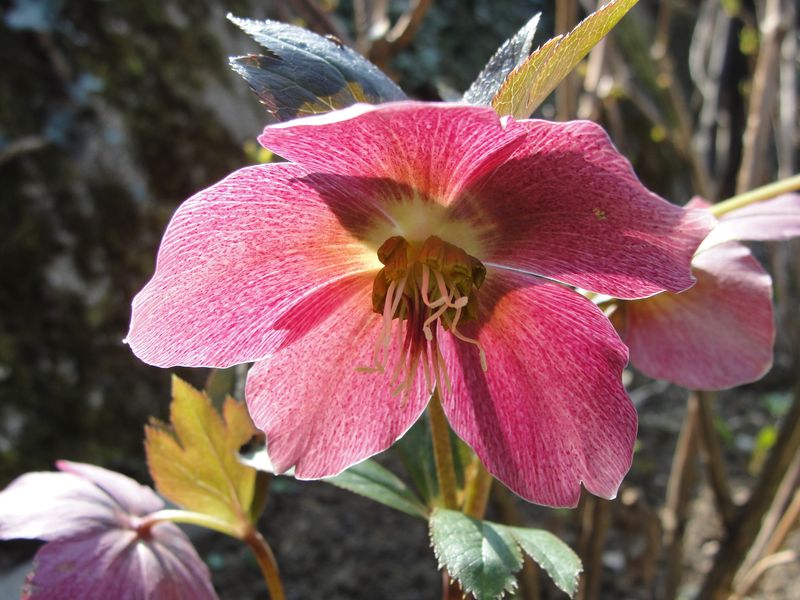
Blooming when almost nothing else dares to, Hellebores are the quiet overachievers of the perennial world. Their nodding, cup-shaped flowers in shades of blush, burgundy, cream, and near-black emerge in late winter and early spring, giving your garden life when everything else looks dead.
They prefer partial to full shade, which makes them perfect for those tricky spots under trees. Once planted, they’re almost completely self-sufficient and slowly spread into lush clumps.
Their leathery, evergreen foliage looks polished even when the plant isn’t blooming.
Peonies
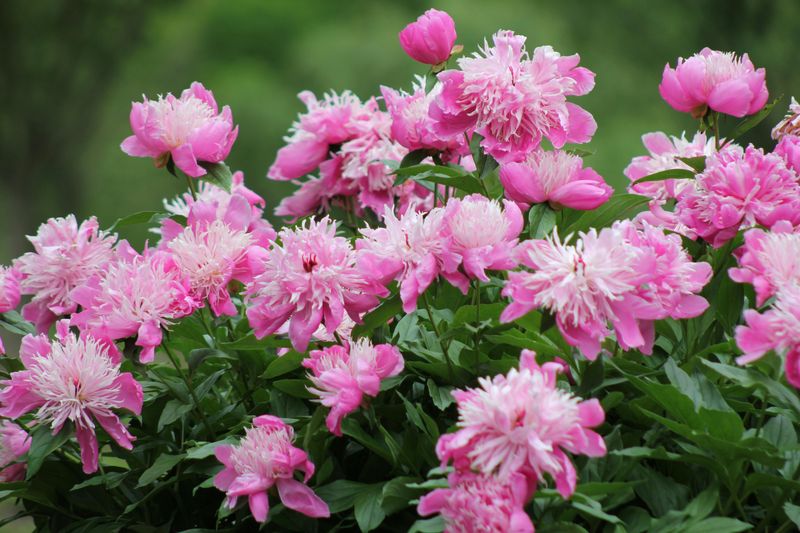
Peonies have a reputation for being the showiest flowers in the garden, and honestly, they’ve earned it. Those enormous, ruffled blooms packed with layered petals look like something you’d pay twenty dollars for at a florist, yet they come back reliably every single year with minimal care.
Plant them in a sunny spot with well-drained soil, and avoid burying the roots too deep or they won’t bloom. They can live for decades without being divided.
The fragrance alone makes every bit of waiting through winter completely worth it.
Agastache (Hummingbird Mint)
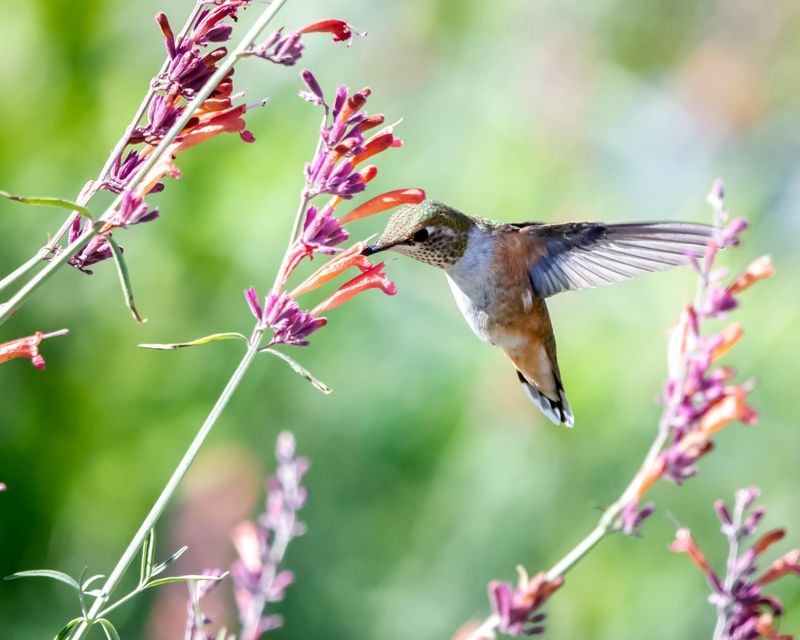
Agastache might just be the most underrated perennial on this list. With its tall, colorful flower spikes in shades of orange, pink, purple, and coral, it looks exotic and intentional, like something a professional designer sourced from a specialty nursery.
In reality, it’s incredibly easy to grow in full sun with well-drained soil. It’s heat-tolerant, drought-resistant, and practically begs hummingbirds and butterflies to visit.
The foliage smells like anise or mint when brushed, adding a sensory bonus that most plants simply can’t match.
Catmint (Nepeta)
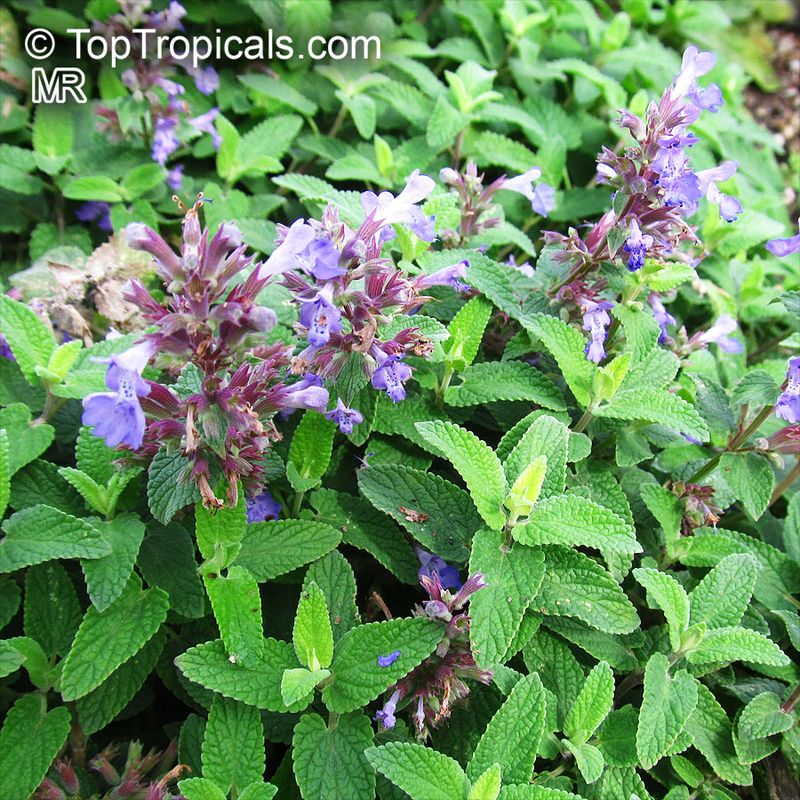
Catmint is the kind of plant that makes your garden look effortlessly designed. Its soft, billowy mounds of lavender-blue flowers spill over borders and pathways in a way that looks totally intentional, like a professional planner placed each stem by hand.
It blooms for weeks in late spring, and if you shear it back after the first flush, it rebounds with a second wave of color. It’s drought-tolerant, deer-resistant, and thrives in almost any well-drained soil.
It even calms cats, which is a quirky bonus.
Astilbe
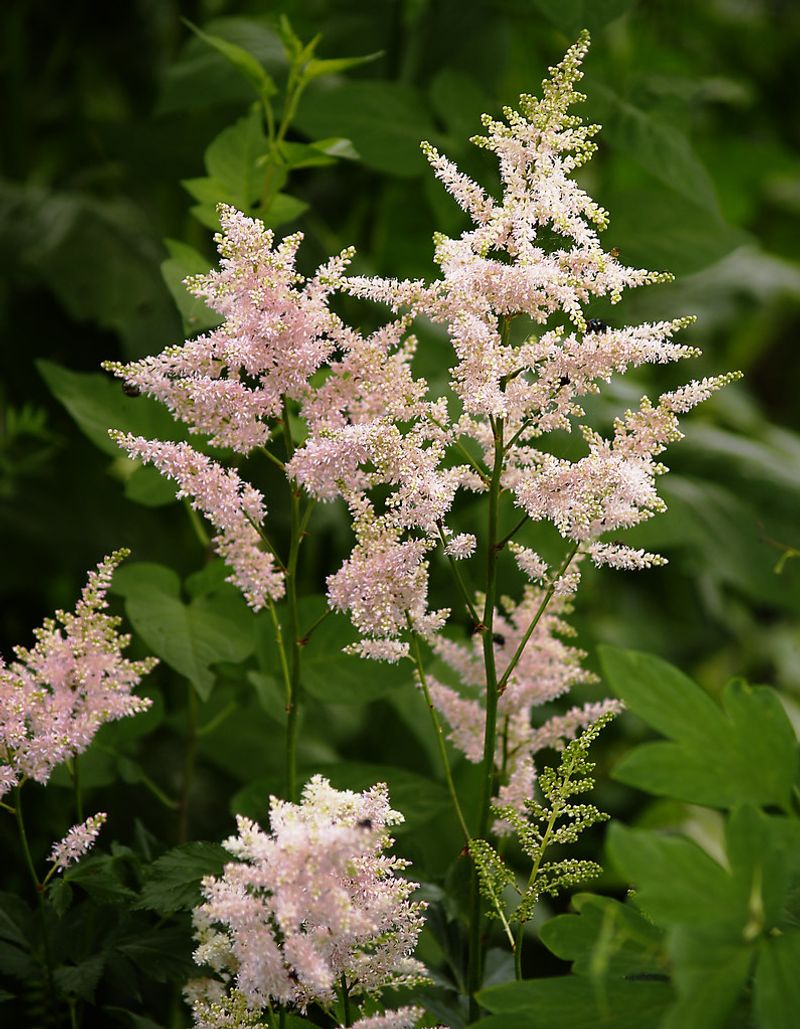
Few perennials can match Astilbe when it comes to adding color and texture to a shady garden. Its feathery, plume-like flowers in shades of white, pink, red, and lavender create a soft, airy look that feels almost tropical in its lushness.
It prefers moist, partially shaded spots, making it ideal for areas where other plants struggle. The blooms appear in summer and the dried plumes stick around into fall, adding interest for months.
Pair it with hostas and ferns for a layered, designer-worthy shade garden combination.
Ornamental Allium
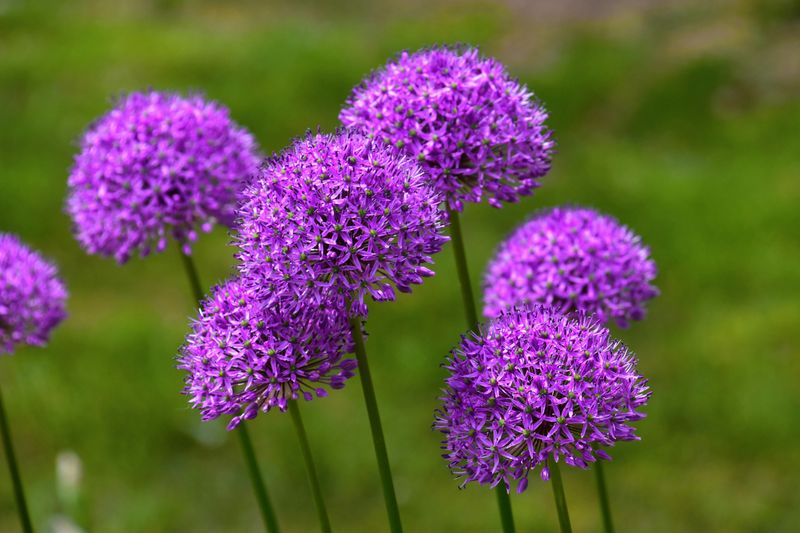
There’s nothing quite like the wow factor of ornamental alliums popping up in a spring garden. Those perfectly round, purple globe flowers perched on tall, slender stems look sculptural and deliberate, like someone placed giant pompoms throughout the flower bed.
They’re actually grown from bulbs planted in fall, and once they’re in the ground, they multiply and return each year with almost zero effort. They thrive in full sun and well-drained soil, and because they’re related to garlic and onions, deer and pests tend to leave them completely alone.
Yarrow (Achillea)
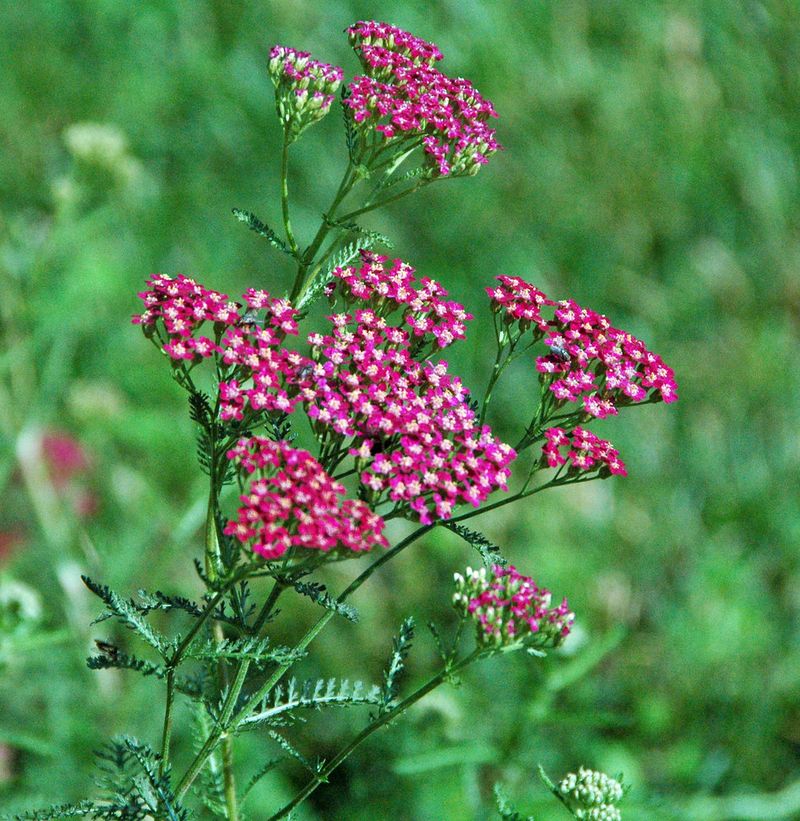
Yarrow has been grown in gardens for centuries, and its staying power is well-deserved. The flat-topped flower clusters in shades of yellow, red, pink, and white have a structured, almost architectural quality that looks great both fresh in the garden and dried in arrangements.
It thrives in poor, dry soil and full sun, meaning it actually does worse when you pamper it too much. It spreads at a manageable rate, filling in gaps naturally.
Fun fact: yarrow was once used medicinally by soldiers to treat battlefield wounds.
Daylily
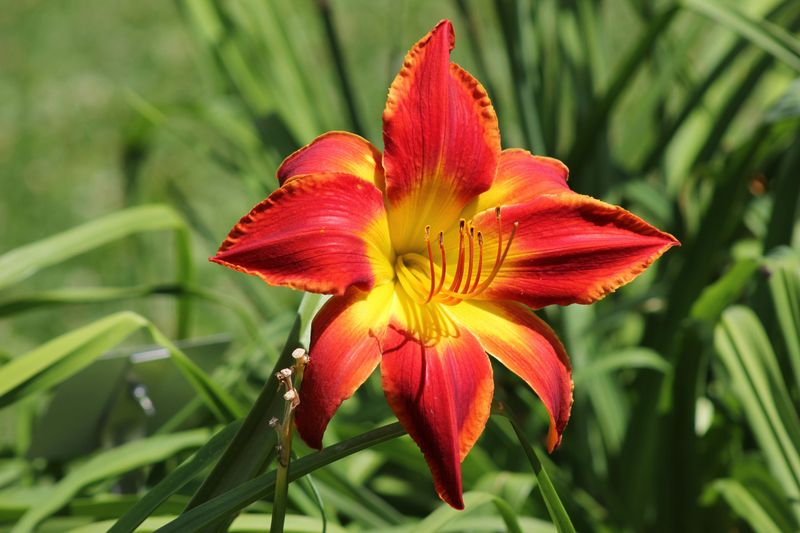
Daylilies are practically indestructible, which makes it almost shocking how elegant they can look. Modern hybrids come in thousands of colors and forms, from ruffled doubles to sleek, spider-shaped blooms, giving gardeners an enormous range of options to suit any style.
Each individual flower lasts only one day, but plants produce so many buds that the show goes on for weeks. They multiply happily in almost any soil and sun condition.
Dividing the clumps every few years keeps them vigorous and gives you free plants to share with neighbors.
Sedum ‘Autumn Joy’
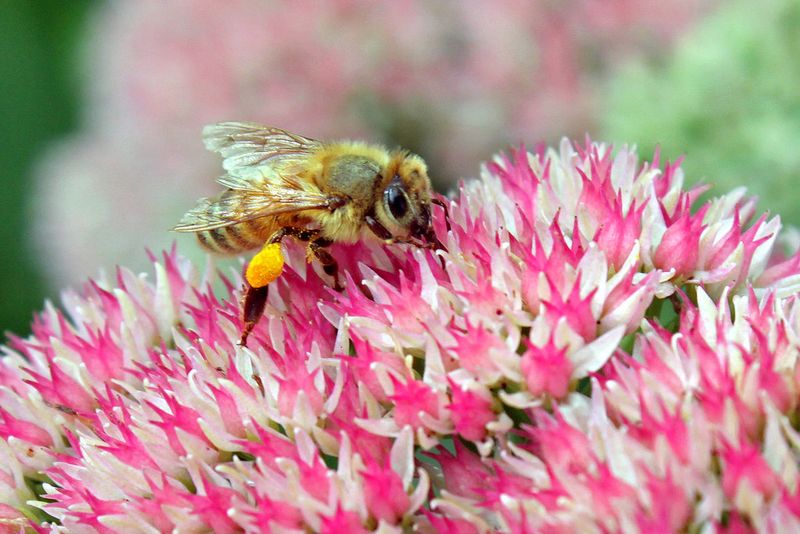
Sedum ‘Autumn Joy’ is one of those rare plants that earns its place in the garden across all four seasons. In spring, the fleshy blue-green foliage emerges in tidy mounds.
By summer, flat-topped flower buds form, then open into rosy pink clusters that deepen to rusty red by fall.
Even in winter, the dried flower heads hold their structure and look beautiful dusted with frost. It’s drought-tolerant, unfussy about soil, and incredibly resistant to pests.
Bees absolutely swarm it in late summer, making your garden feel alive at a time when many plants are winding down.
Lavender
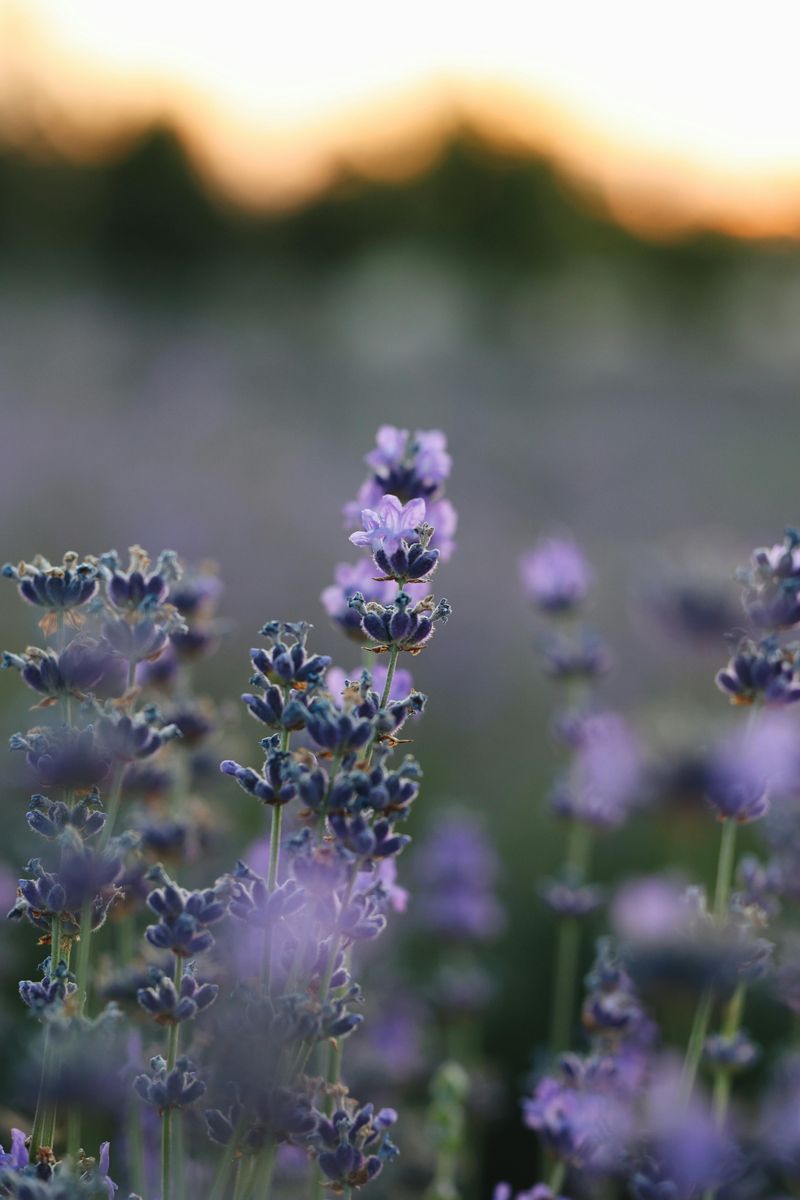
Lavender is practically synonymous with elegance. Those upright silver stems topped with fragrant purple spikes create a look that feels both timeless and sophisticated, whether planted in a formal knot garden or casually along a sunny path.
It needs full sun and excellent drainage, which means raised beds or slopes work particularly well. Once established, it’s extremely drought-tolerant and rarely needs fertilizing.
Harvest the blooms for sachets, cooking, or simply to enjoy the scent indoors. Few plants offer this level of beauty, fragrance, and practicality all at once.
Japanese Anemone
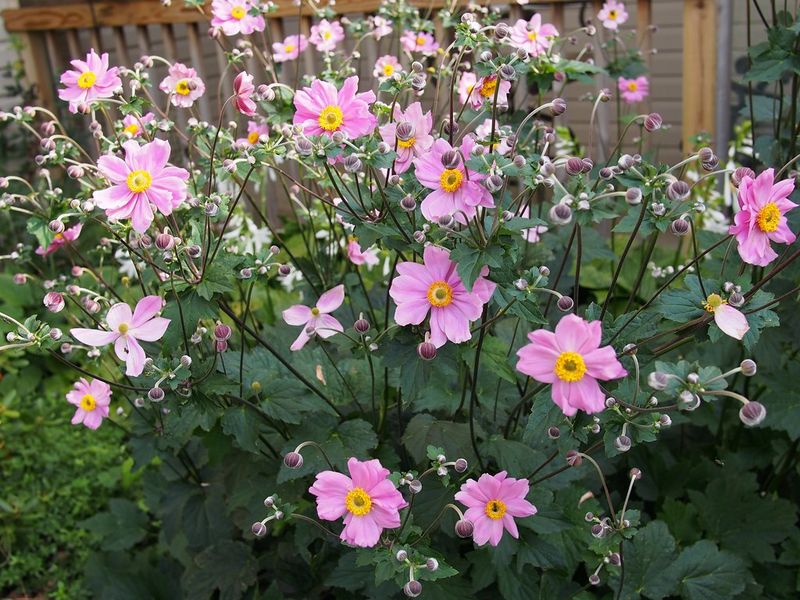
When most fall perennials are winding down, Japanese Anemone is just getting started. Its delicate, saucer-shaped flowers on tall, wiry stems sway gracefully in the breeze, creating a light, airy display that feels almost magical in the fading warmth of autumn.
It prefers partial shade and moist, well-drained soil. Once it settles in, it spreads steadily and forms impressive colonies.
The flowers come in white, pale pink, and deep rose.
It’s the kind of plant that stops visitors mid-stride and makes them ask, “What is that beautiful thing?”
Penstemon (Beardtongue)
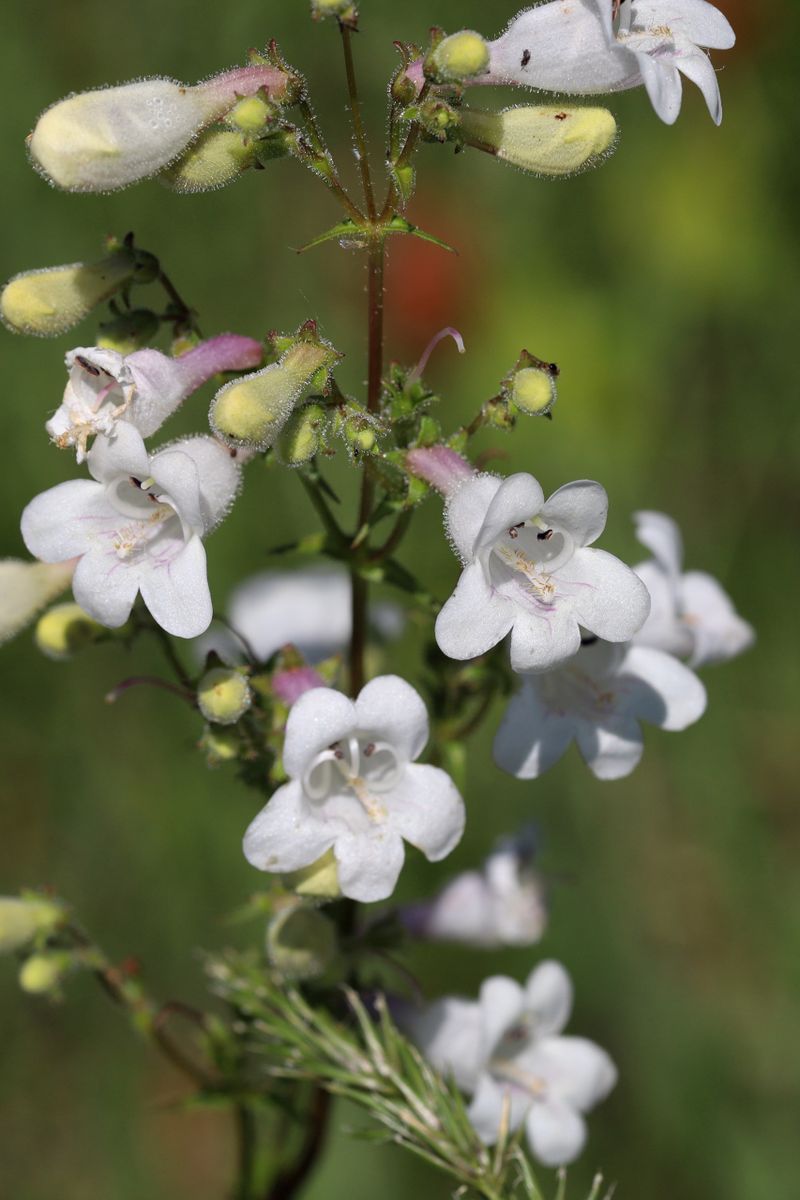
Penstemon brings a wildflower energy to the garden that feels both natural and curated at the same time. The tubular flowers, which come in shades of red, pink, purple, and white, are perfectly shaped for hummingbirds, and watching those tiny birds hover around the blooms is genuinely entertaining.
It grows best in full sun with well-drained soil and handles dry conditions like a champion. Many native species are particularly tough and long-lived.
As a bonus, it pairs stunningly with ornamental grasses, creating a layered, naturalistic look that feels effortlessly designed.
Crocosmia
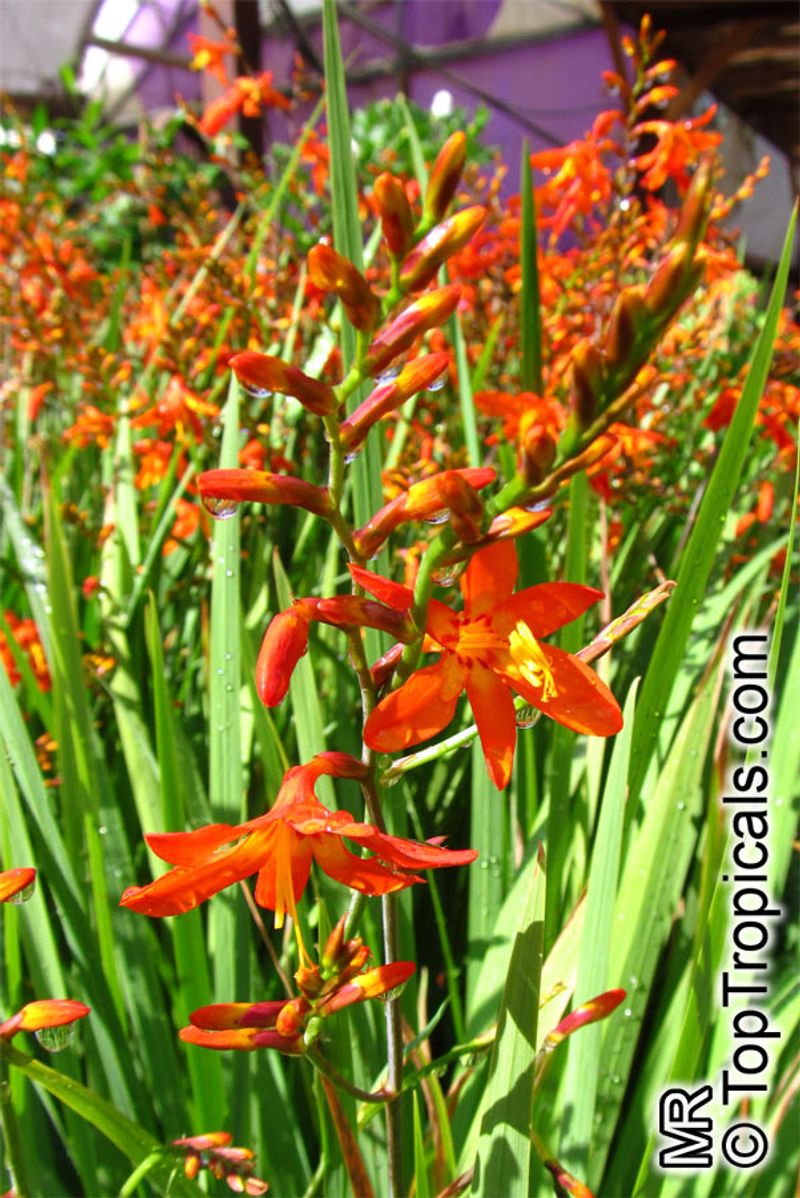
Crocosmia is the kind of plant that makes people stop and stare. The arching, sword-like foliage alone looks tropical and exotic, but when those vivid red, orange, or yellow tubular flowers open along the gracefully curving stems in midsummer, the effect is genuinely breathtaking.
It grows from corms that multiply quickly, so one small clump can become a dramatic mass planting in just a couple of seasons. It prefers full sun and moist, well-drained soil.
Hummingbirds and butterflies love it, and cut stems look absolutely stunning in bold floral arrangements.