
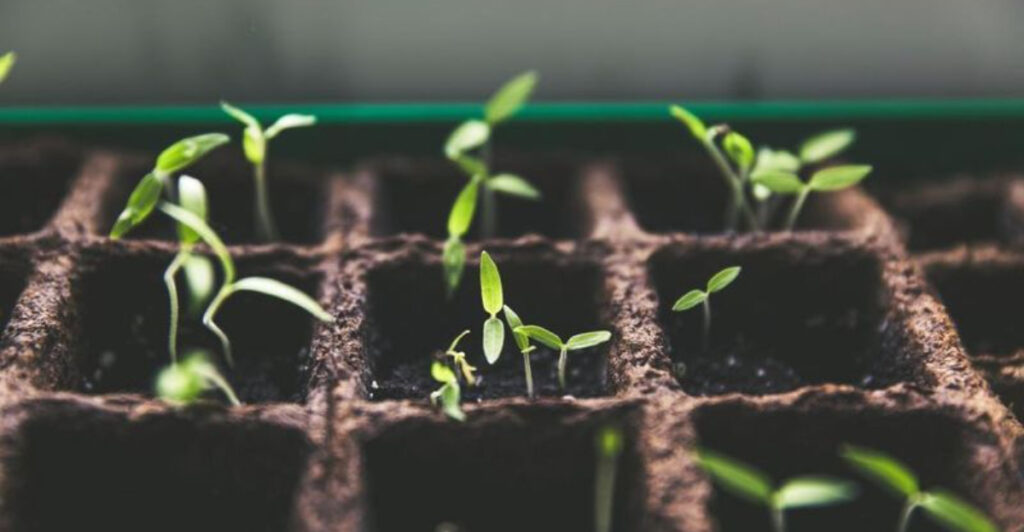
Starting seeds indoors is one of the most rewarding parts of gardening – but it’s also where many growers accidentally sabotage their plants. If your seedlings turn out tall, thin, pale, or floppy, the problem usually began in those first few weeks.
Here are 11 seed-starting mistakes that make seedlings weak and leggy – and how to avoid them.
1. Not Giving Enough Light
This is the number one cause of leggy seedlings.
When plants don’t get enough light, they stretch desperately toward the nearest source. The result is tall, spindly stems that struggle to support themselves.
Fix it: Use a strong grow light placed 5 to 10 centimeters above seedlings, and keep it on for 12 to 16 hours per day.
2. Placing Lights Too Far Away
Even if you’re using a grow light, distance matters. A light positioned too high has the same effect as weak sunlight.
Fix it: Adjust lights regularly so they stay close to the tops of the plants without touching them.
3. Starting Seeds Too Early
It’s tempting to get a head start, but seedlings that outgrow their containers before outdoor conditions are ready often become stressed and weak.
Fix it: Follow recommended sowing timelines based on your last frost date.
4. Overcrowding Seedlings
When too many plants grow close together, they compete for light and stretch upward quickly.
Fix it: Thin seedlings early and give each plant enough space to develop strong stems.
5. Overwatering
Constantly wet soil reduces oxygen around roots, leading to weak growth and poor structure.
Fix it: Keep soil moist but not soggy. Allow the surface to dry slightly between waterings.
6. Using Poor-Quality Soil
Heavy garden soil or old potting mix can compact easily and restrict root development.
Fix it: Use a light, sterile seed-starting mix designed for good drainage and airflow.
7. Not Providing Air Circulation
Still air encourages weak stems and fungal problems. Without gentle movement, plants don’t develop strong structural tissue.
Fix it: Use a small fan nearby or gently brush seedlings daily to simulate natural wind.
8. Keeping Temperatures Too Warm
Excess warmth, especially after germination, encourages rapid upward growth instead of sturdy development.
Fix it: Once seeds sprout, slightly cooler temperatures (around 16 to 20°C) help strengthen stems.
9. Skipping Fertilization Entirely
Seed-starting mix contains minimal nutrients. After the first true leaves appear, seedlings need light feeding.
Fix it: Apply a diluted liquid fertilizer at quarter strength every 1 to 2 weeks.
10. Ignoring Hardening Off
Moving indoor-grown seedlings directly into full sun and wind shocks them and weakens growth.
Fix it: Gradually introduce plants to outdoor conditions over 7 to 10 days.
11. Not Rotating Trays Near Windows
If you’re relying on natural light, seedlings lean toward the window and grow unevenly.
Fix it: Rotate trays daily to encourage upright, balanced growth.
Strong Seedlings Start With Strong Habits
Healthy seedlings should be compact, deep green, and sturdy – not tall and fragile. By correcting these common mistakes early, you give your plants a powerful foundation for the entire growing season.
A few small adjustments during seed-starting can mean the difference between struggling plants and a thriving garden later on.