
In 2026, gardeners around the world are increasingly turning away from peat-based compost — and with good reason. What was once a default growing medium is now widely recognized as an environmental concern. More growers are seeking sustainable alternatives that support healthy plants and a healthier planet.
Here’s why the shift is happening — and what you can use instead.
The Problem With Peat
Peat has long been a staple in garden compost and potting mixes because it’s lightweight, holds moisture well, and improves soil structure. But in recent years, gardeners and environmental groups have voiced serious concerns:
- Peat bogs are vital carbon sinks. They store more carbon than almost any other terrestrial ecosystem. Harvesting peat releases that stored carbon into the atmosphere, contributing to greenhouse gas emissions.
- Peatlands support rare wildlife. Birds, insects, and unique plant species depend on these habitats. Extracting peat destroys these ecosystems.
- Peat regenerates slowly. What takes thousands of years to form can be depleted in just decades.
As awareness grows, gardeners are choosing alternatives that nourish their plants without harming the environment.
What Gardeners Are Choosing Instead
Here are the most popular and effective peat-free compost options gardeners are using in 2026:
🌿 1. Compost Made From Yard and Food Waste
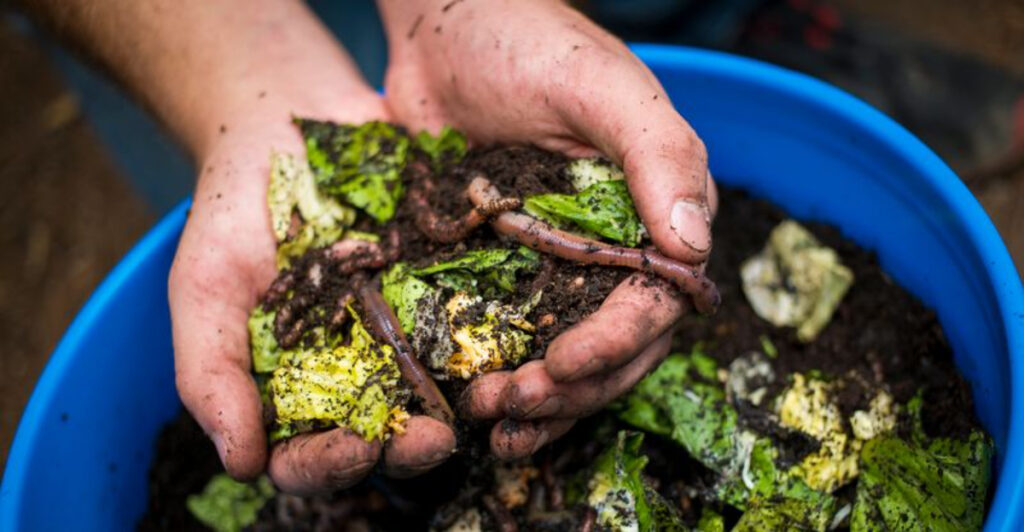
Home compost — made from kitchen scraps, grass clippings, leaves, and garden prunings — is one of the best peat alternatives. It’s rich in organic matter and feeds soil biology.
Best for: Veggie beds, flower borders, container plants.
🌾 2. Coir (Coconut Fiber)
Coconut coir is a byproduct of the coconut industry. It holds water well and improves soil aeration, making it an excellent base for potting mixes.
Best for: Seed starting, containers, mixed potting composts.
🪵 3. Wood-Based Compost and Bark
Shredded wood, sawdust compost (when fully broken down), and bark products offer structure and slow-release organic matter. These materials help retain moisture while improving drainage.
Best for: Raised beds, garden soil improvement.
🌱 4. Leaf Mold
Made from decomposed fallen leaves, leaf mold enriches soil with beneficial microbes and improves moisture retention.
Best for: Soil conditioning and mulch under shrubs and trees.
🐄 5. Well-Rotted Manure
Manure from herbivorous animals (like cows, horses, and chickens) adds nutrients and boosts microbial activity — especially when fully composted.
Best for: Vegetable gardens and soil rebuilding.
Tips for Using Peat-Free Compost Successfully
- Balance moisture and aeration. Some peat-free mixes (like coir) hold a lot of water, so pair them with well-draining materials like perlite or horticultural grit for containers.
- Mix with native soil. When amending garden beds, blend compost into the top 15–30 centimeters of soil to build structure without overwhelming it.
- Feed the soil, not just the plants. Beneficial soil microbes are what make compost truly valuable — choose organic, well-aged materials whenever possible.
The Environmental Payoff
Switching to peat-free compost isn’t just a trend — it’s part of a broader gardening evolution. By choosing sustainable materials, gardeners:
- Reduce carbon emissions
- Protect fragile ecosystems
- Support long-term soil health
This isn’t just good for gardens — it’s good for the planet.
By embracing peat-free compost options in 2026, you’re future-proofing your garden and helping build a more sustainable world — one handful of soil at a time.