
You don’t have to wait for warm weather to get your garden growing. Starting seeds indoors while it’s still cold outside gives your plants a serious head start, so they’re ready to thrive the moment you put them in the ground.
Many gardeners don’t realize how much earlier they can begin. With the right seeds and a little planning, you’ll have strong, healthy transplants ready well before your last frost date.
Tomatoes
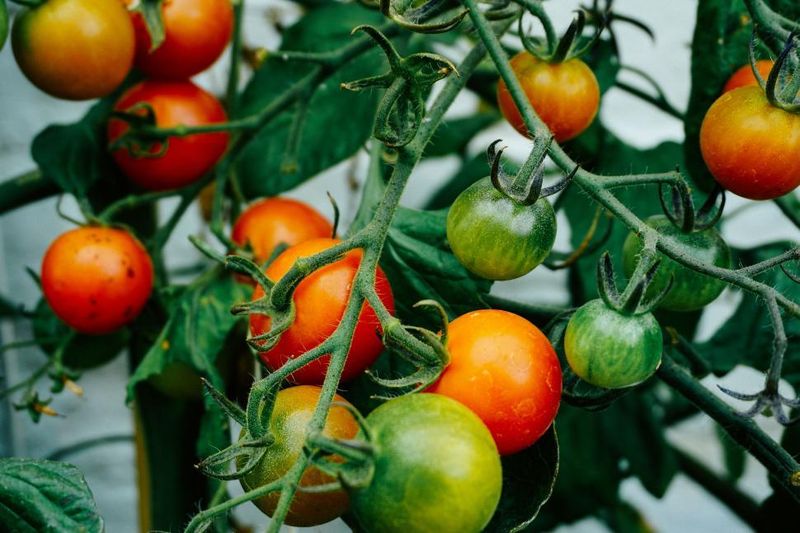
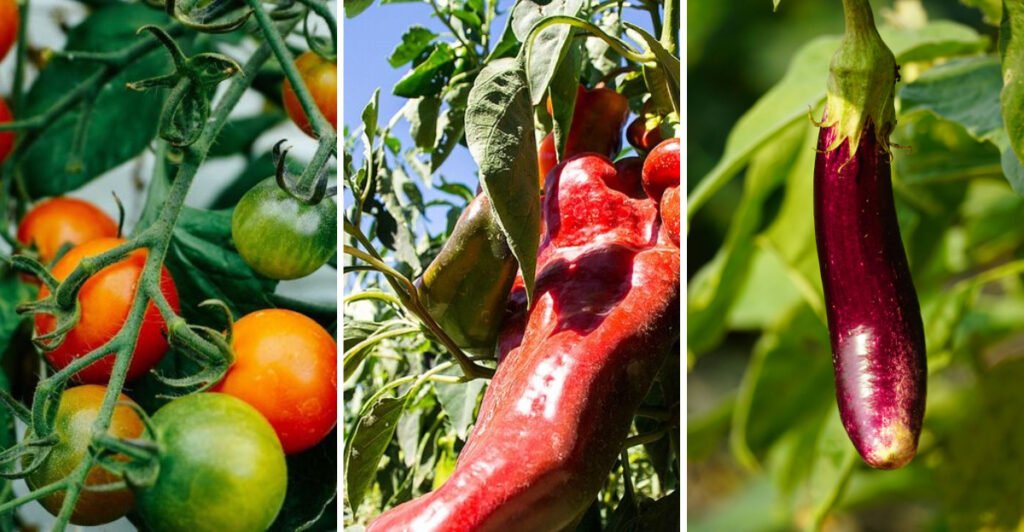
Tomatoes are probably the most popular seed to start indoors, and for good reason. They need 6 to 8 weeks of indoor growing before transplant time, making them perfect for an early start.
Plant them about a quarter inch deep in moist seed-starting mix and keep them warm — around 70 to 80 degrees Fahrenheit. Once sprouts appear, move them under bright light immediately.
Strong stems now mean bigger harvests later.
Peppers
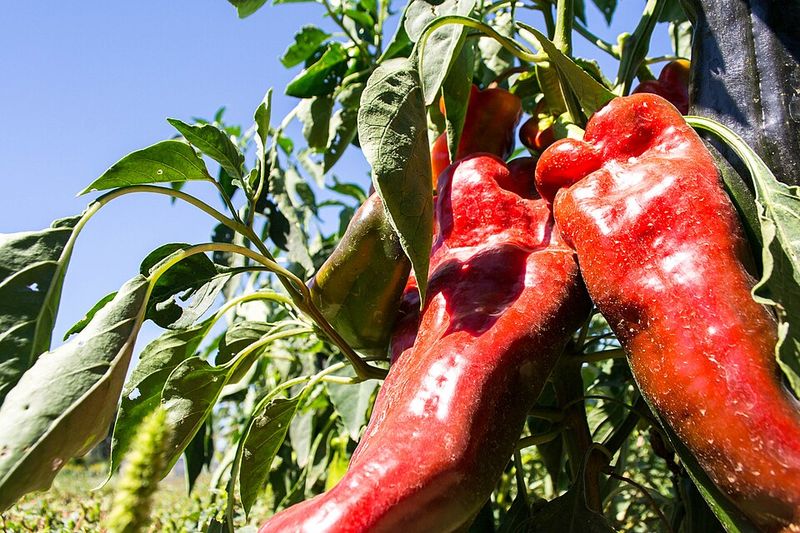
Peppers are slow starters, which is exactly why getting them going early is so smart. They need 8 to 10 weeks indoors before they’re ready to go outside, and they germinate best when the soil temperature stays above 80 degrees Fahrenheit.
A heat mat under your seed tray makes a huge difference. Without warmth, pepper seeds can take forever to sprout.
Give them patience, warmth, and bright light, and they’ll reward you with an amazing summer harvest.
Eggplant
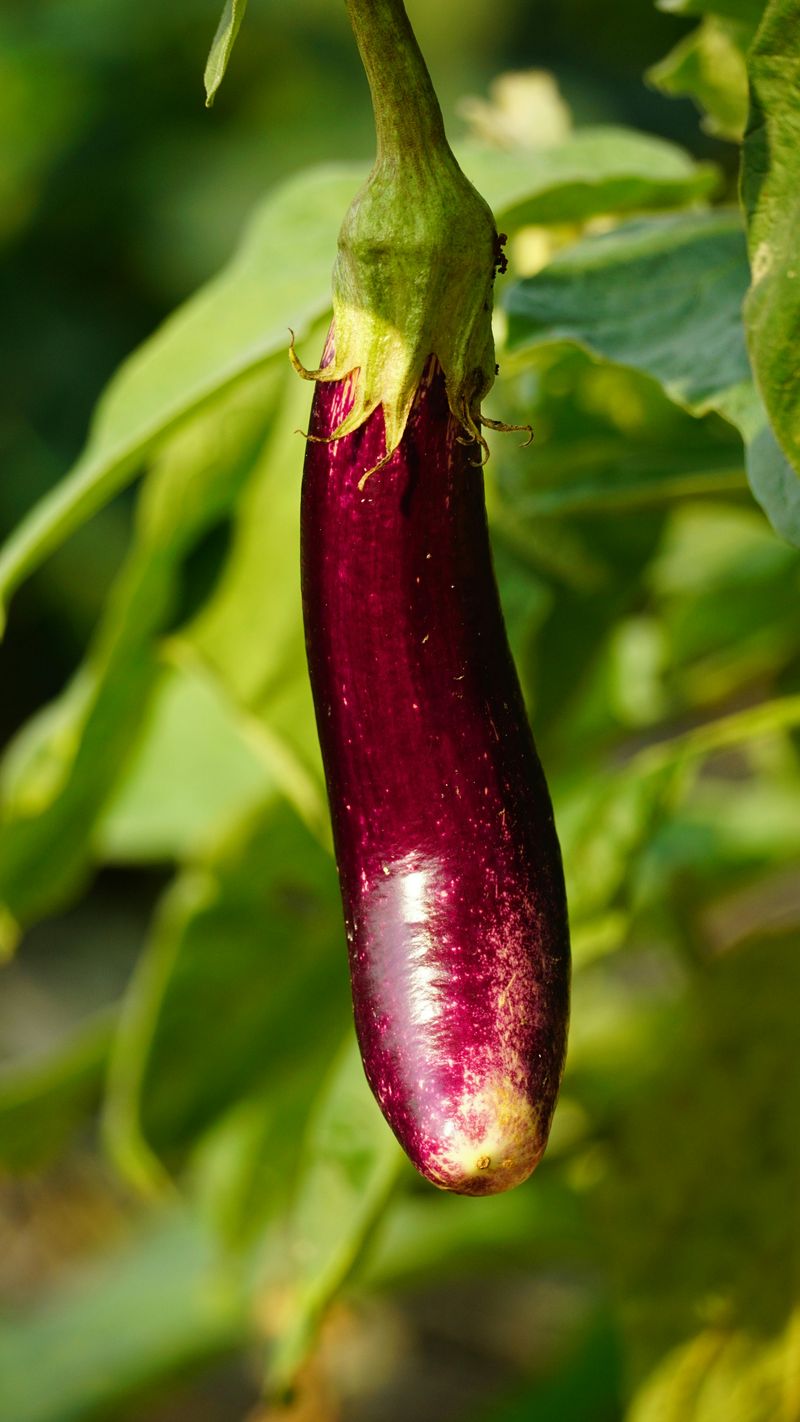
Eggplant has a lot in common with peppers — it loves warmth and takes its sweet time getting started. Plan on sowing seeds about 8 to 10 weeks before your last expected frost.
Soil temperature needs to stay consistently warm for good germination, so a heat mat is your best friend here. Eggplant seedlings are surprisingly beautiful, with slightly fuzzy leaves and sturdy little stems.
Starting them early means you won’t miss a single day of the growing season.
Celery
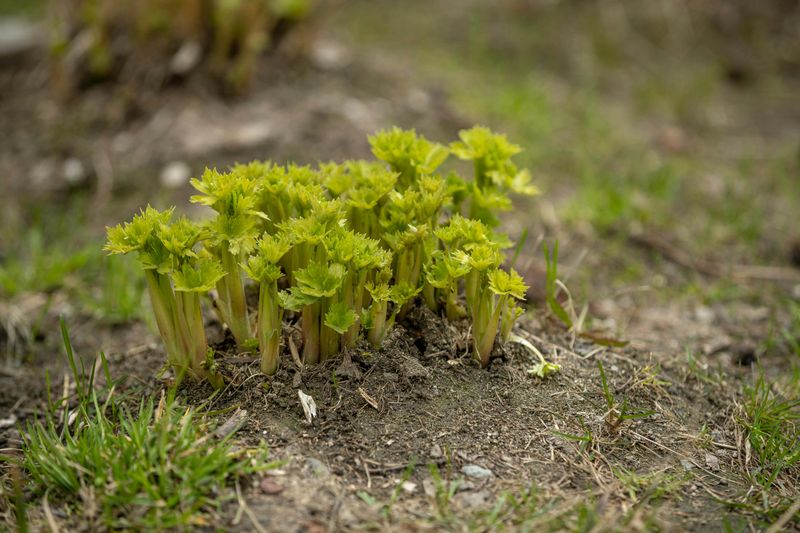
Celery is one of those crops that really needs a head start — like, a big one. It takes 10 to 12 weeks indoors before it’s ready to transplant, and the seeds are notoriously slow to germinate.
Press the tiny seeds onto the surface of moist seed-starting mix without covering them, since they need light to sprout. Keep the tray consistently moist and warm.
Homegrown celery tastes far better than anything from the store, so the wait is absolutely worth it.
Leeks
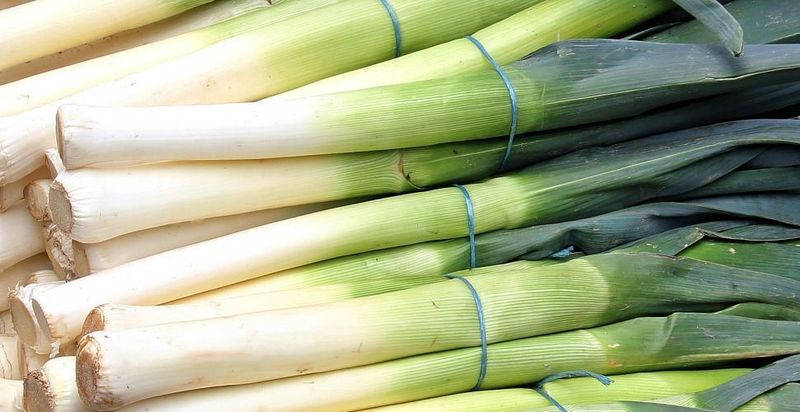
Leeks look like tiny green threads when they first sprout, and there’s something almost magical about watching them grow into full-sized plants. Start them 10 to 12 weeks before your last frost for best results.
Sow seeds about a quarter inch deep and keep them under strong light. Leeks are cold-hardy once established, but they need plenty of indoor time to build strength.
They’re a fantastic addition to soups, stews, and roasted vegetable dishes all season long.
Onions
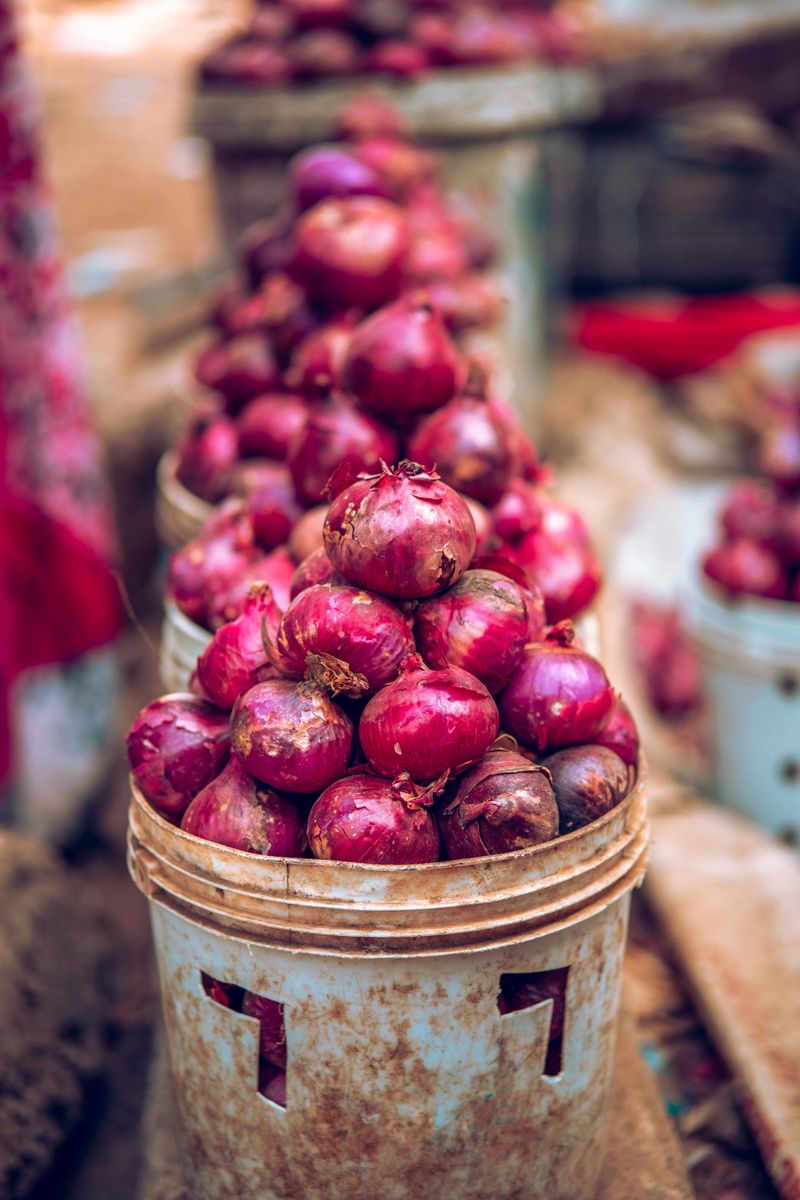
Growing onions from seed rather than sets gives you far more variety options and usually stronger plants. The catch?
They need a solid 10 to 12 weeks indoors before transplant time.
Scatter seeds thinly across moist seed-starting mix, cover lightly, and keep them under bright light. Trim the tops if they flop over — it actually encourages thicker stems.
Watching a tray of onion seedlings is oddly satisfying, especially knowing they’ll become a kitchen staple in just a few months.
Broccoli
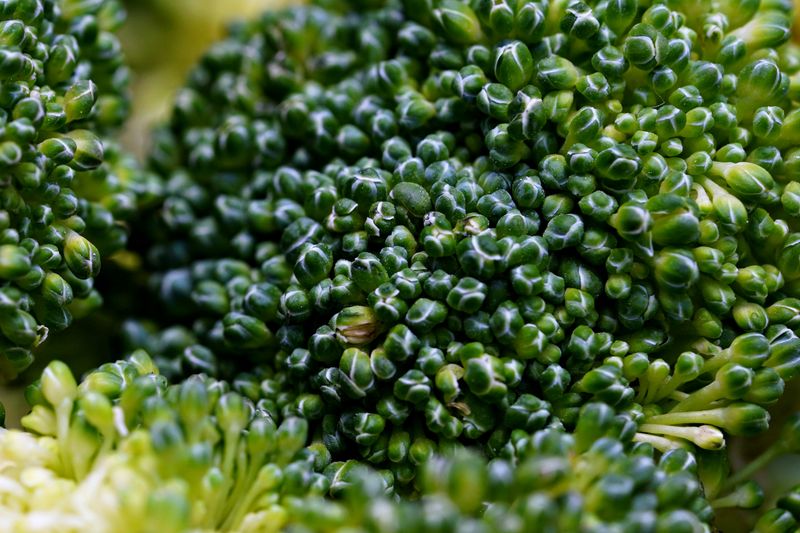
Broccoli is a cool-season champ, but starting it indoors 6 to 8 weeks early gives it a real advantage over direct-sown seeds. Young broccoli plants actually prefer cooler temperatures once sprouted, so a bright windowsill works perfectly.
Sow seeds about a quarter inch deep and expect germination within 5 to 7 days. These are fast, enthusiastic sprouters that don’t need much fuss.
Getting them in the ground early means you’ll harvest heads before summer heat rolls in and ruins the crop.
Cauliflower
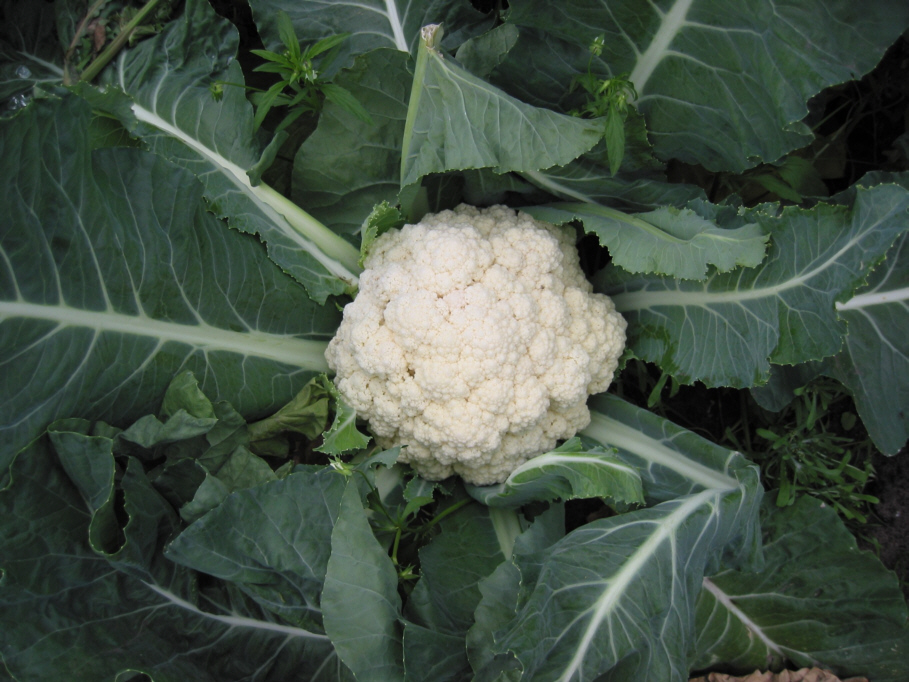
Cauliflower has a reputation for being fussy, but starting it indoors takes a lot of the stress out of the process. Give it 6 to 8 weeks of indoor growth before moving it outside into cool spring weather.
Keep seedlings under bright light and avoid letting them dry out. Cauliflower is sensitive to temperature swings, so a stable indoor environment really helps.
Once transplanted into cool soil, it settles in quickly and produces gorgeous, tight heads that look straight out of a farmers market.
Cabbage
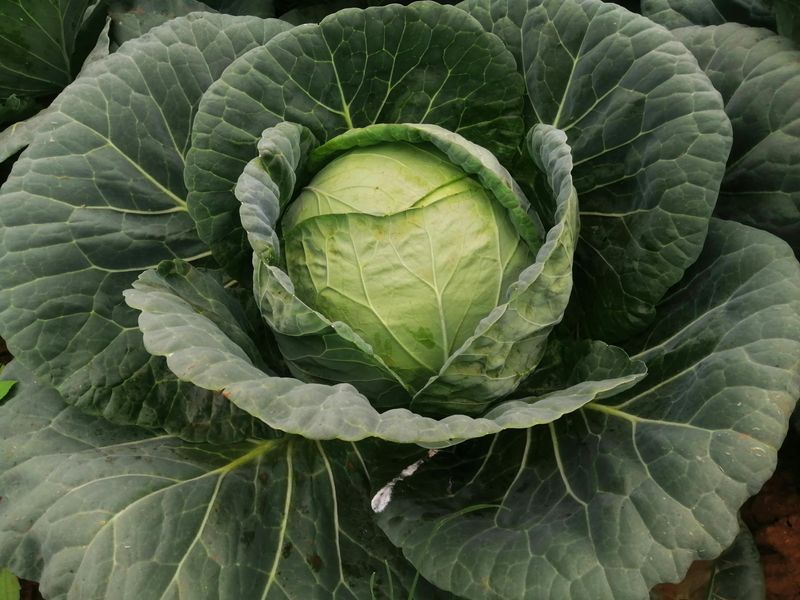
Few vegetables are as satisfying to grow from seed as cabbage. Start seeds 6 to 8 weeks before your last frost, and you’ll have solid transplants ready when cool spring weather arrives.
Cabbage seedlings grow quickly and don’t need much coddling — just good light, consistent moisture, and temperatures around 60 to 70 degrees. One fun fact: cabbage was one of the most important crops in ancient Rome.
Today it’s still a garden workhorse, producing big, leafy heads that store well for weeks.
Kale
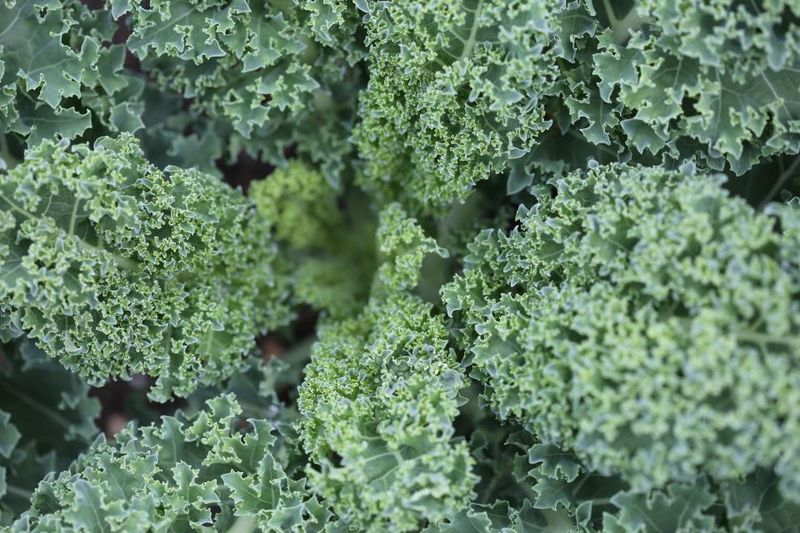
Kale is basically the overachiever of the vegetable garden — it grows fast, tolerates cold, and produces for months. Starting it indoors 4 to 6 weeks before your last frost gives transplants a solid head start on the season.
Seeds sprout in just 5 to 7 days with a little warmth. Once they have two true leaves, they’re ready to be potted up.
Kale actually tastes sweeter after a frost, so an early transplant means you could be harvesting leaves well into late fall.
Swiss Chard
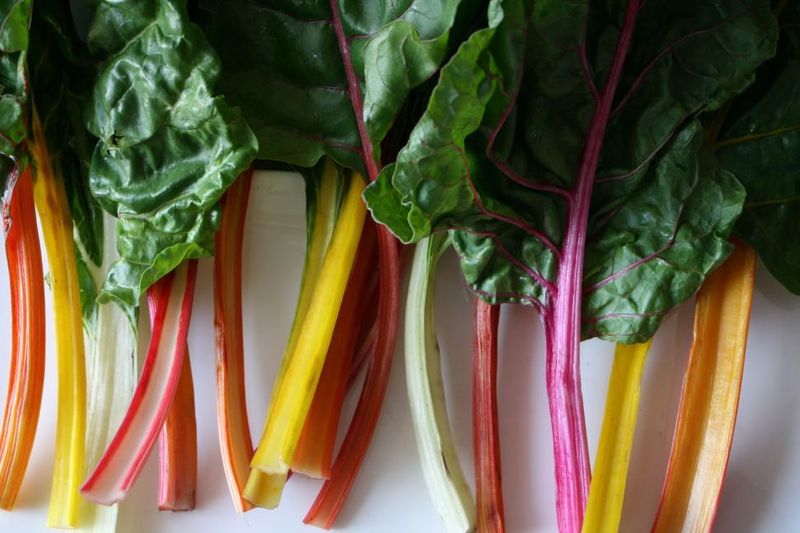
Swiss chard is one of the most colorful things you can grow in a vegetable garden, with stems in shades of red, orange, yellow, and white. Starting seeds indoors 4 to 6 weeks early gives you a jump on the season.
Chard seeds are actually clusters of multiple seeds, so expect several sprouts from each one — thin them out so the strongest plant can grow. These seedlings are tough and adaptable, handling both cool spring weather and summer heat without much complaint at all.
Lettuce
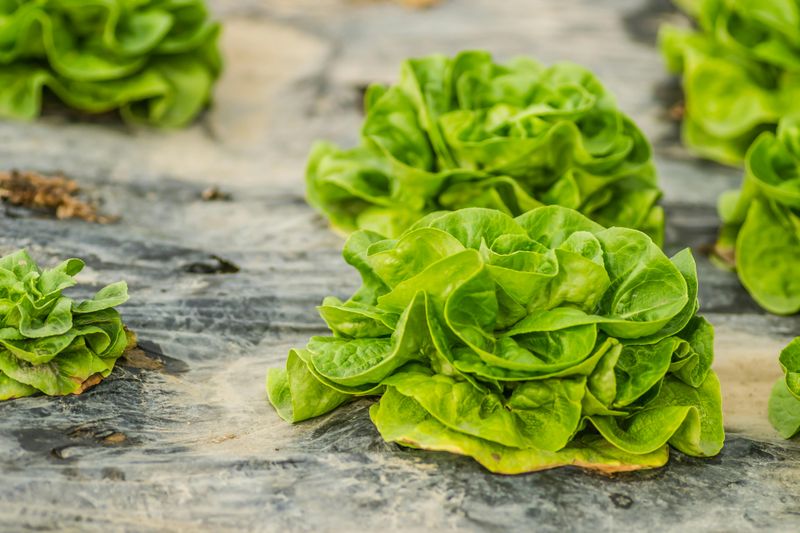
Lettuce is one of the quickest seeds to go from packet to plate, and starting it indoors 4 to 6 weeks early means fresh salads long before your outdoor garden is ready. It actually prefers cooler temperatures, making it ideal for early indoor starting.
Sprinkle seeds on the surface of moist seed-starting mix and press them in lightly — they need some light to germinate. Lettuce seedlings grow fast and can even be harvested as microgreens if you can’t wait for full heads to form.
Snapdragons
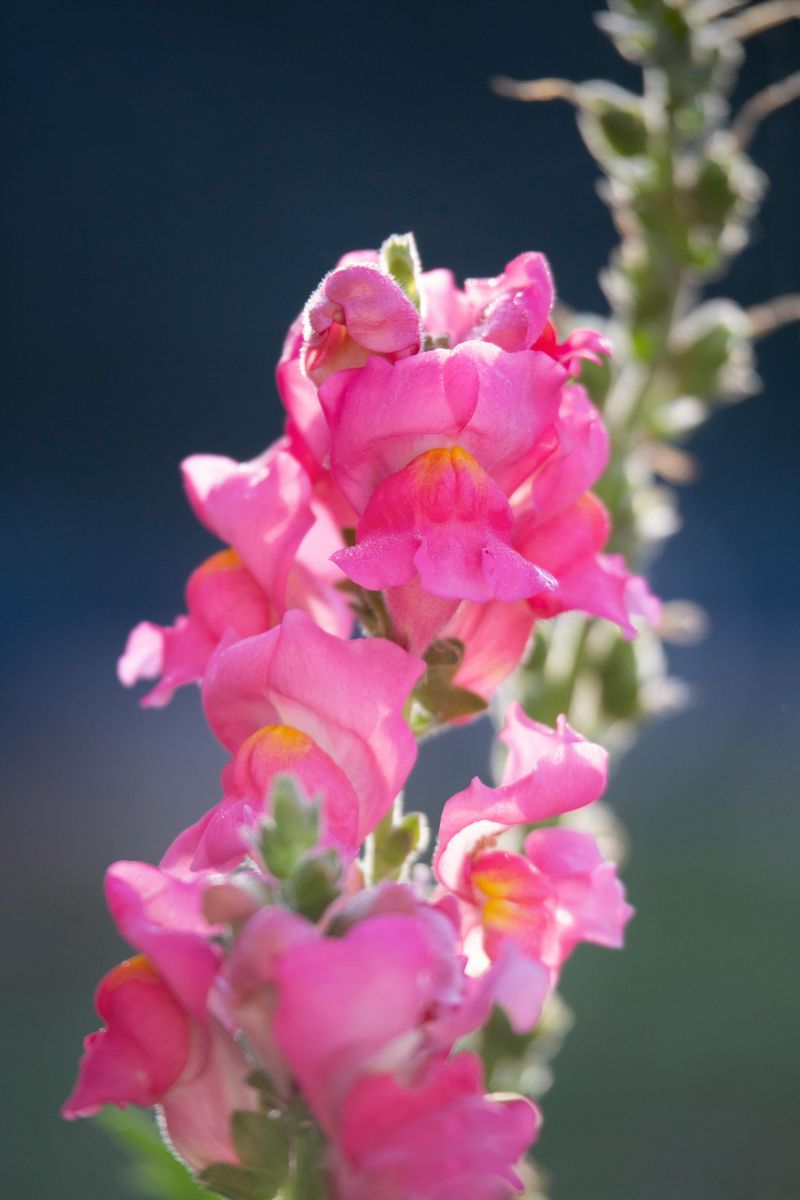
Snapdragons are one of those flowers that make a garden feel magical, with tall spikes of blooms in almost every color imaginable. They’re cool-season flowers, which means starting them indoors 8 to 10 weeks before your last frost is the perfect strategy.
The seeds are tiny — almost dust-like — so press them onto moist soil without covering them. They need light to germinate.
Once established, snapdragon transplants are surprisingly tough and will bloom for months, especially if you keep deadheading the spent flowers regularly.
Petunias
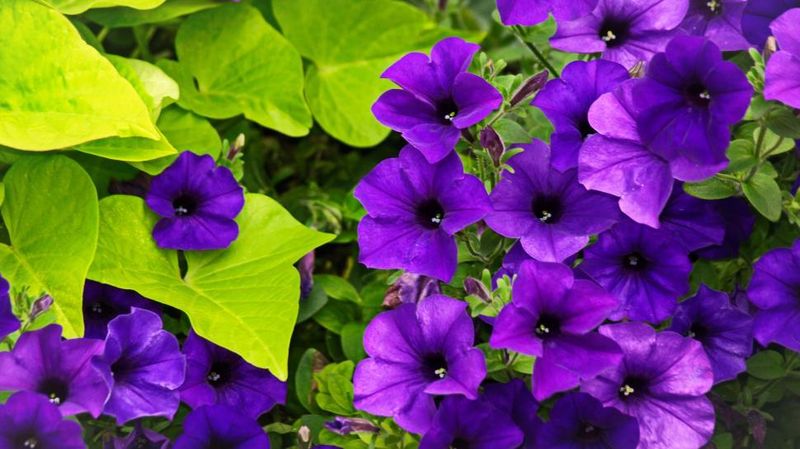
Petunias are a garden classic for a reason — they bloom nonstop from spring through frost and come in hundreds of colors. But they need 10 to 12 weeks of indoor growing time, so starting them early is a must.
Like snapdragons, petunia seeds are incredibly fine and need light to germinate. Sprinkle them on the surface of moist seed-starting mix and cover the tray with plastic wrap to hold humidity.
Once they sprout, remove the cover and give them as much light as possible.
Impatiens
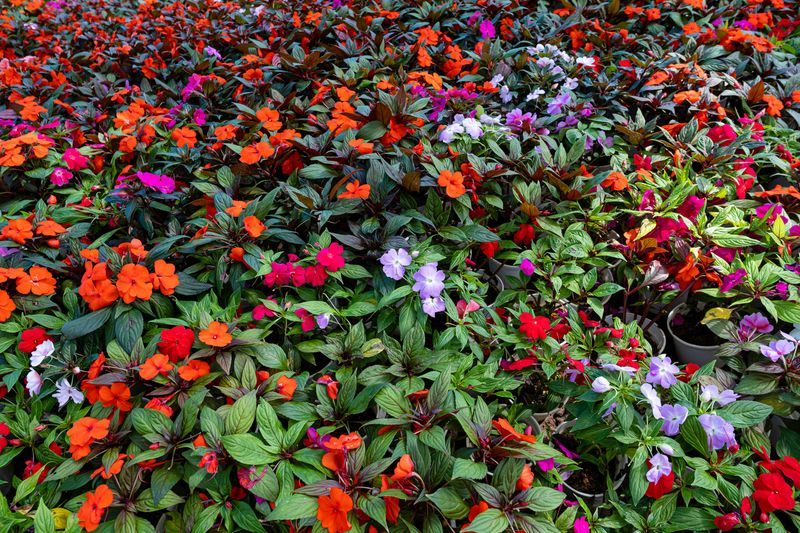
Impatiens are the go-to choice for shady spots in the garden, producing cheerful blooms all season long without needing full sun. They take 10 to 12 weeks to grow from seed to transplant-ready size, so starting them while it’s still cold outside is essential.
Press seeds onto moist soil and keep them covered with plastic until they sprout. Impatiens seedlings are delicate at first, so handle them gently.
Once they’re hardened off and in the ground, though, they practically take care of themselves throughout the entire growing season.
Lavender
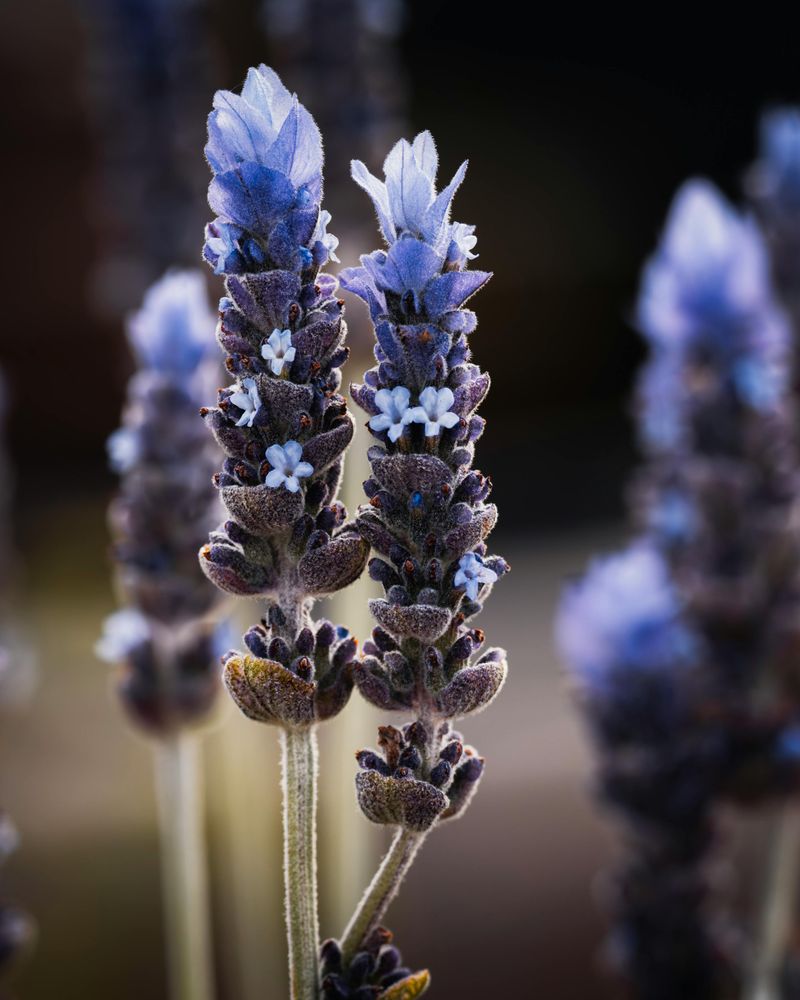
Lavender is one of the most beloved herbs in the world, prized for its calming scent and beautiful purple blooms. Starting it from seed takes patience — expect 8 to 12 weeks of indoor growing — but the payoff is enormous.
Seeds germinate best after a cold-stratification period in the fridge for a couple of weeks before planting. Keep seedlings under strong light and avoid overwatering, since lavender hates soggy roots.
Once established outdoors, it thrives for years and attracts pollinators by the hundreds every summer.
Parsley
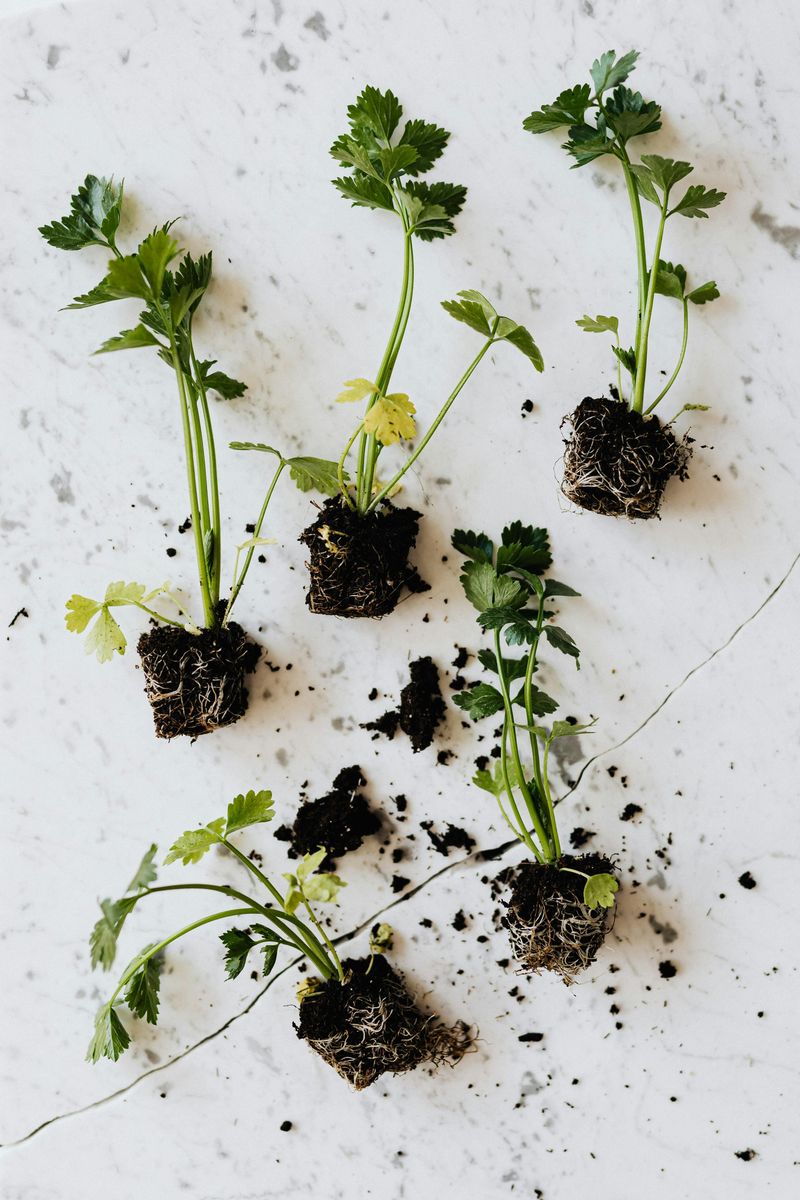
Parsley has a well-earned reputation for being slow to germinate — sometimes taking up to three weeks to sprout. That’s exactly why starting it indoors 8 to 10 weeks before your last frost is such a good idea.
Soak seeds in warm water overnight before planting to speed things up a bit. Keep the soil consistently moist and warm, and don’t give up if nothing happens right away.
Once parsley gets going, it grows steadily and provides fresh, flavorful leaves for cooking throughout the entire growing season.