
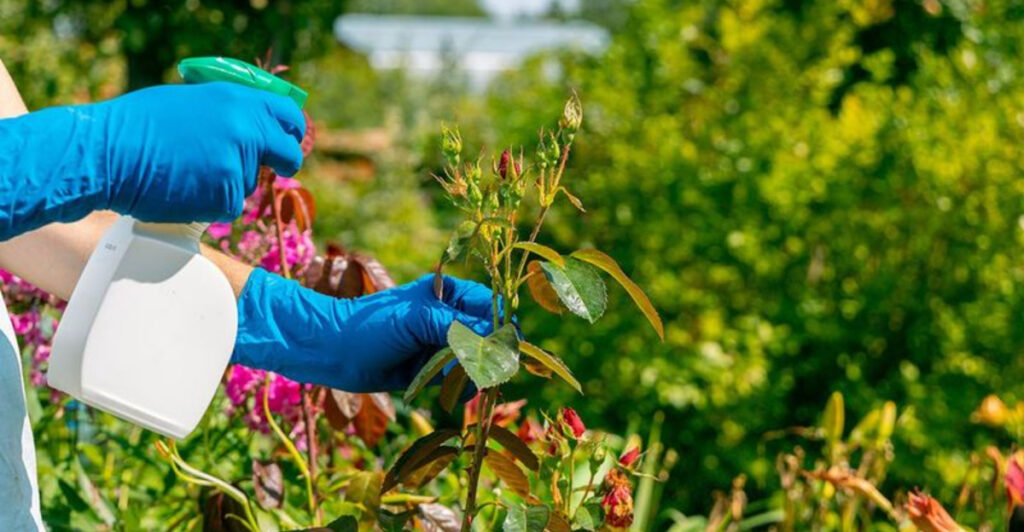
When spring arrives, most gardeners focus on planting, pruning, and fertilizing. But there’s one simple habit that experienced gardeners swear by because it prevents many pest problems before they explode.
The key is doing an early spring pest inspection – before populations grow out of control.
Catching pests early can save you weeks of damage control later in the season.
Why Early Spring Matters
Many common garden pests overwinter in hidden places around plants. They survive cold months as eggs, larvae, or dormant adults and become active as temperatures rise.
If you check your plants early in spring, you can often remove these pests before they multiply.
Once pests establish large colonies, controlling them becomes much more difficult.
Where Pests Usually Hide
When inspecting plants, focus on the areas where insects tend to shelter during winter.
Look carefully at:
- The underside of leaves
- New buds and tender shoots
- Stem joints and branch forks
- Bark crevices on shrubs and trees
- Soil surface around plant bases
These spots often protect pest eggs and larvae from cold weather.
Common Early Spring Garden Pests
Different pests appear depending on climate and plant types, but some of the most common early-season culprits include:
- Aphids
- Spider mites
- Scale insects
- Whiteflies
- Caterpillar eggs
These pests reproduce quickly once temperatures warm, which is why early detection is so important.
What to Do If You Find Them
The good news is that early pest problems are usually easy to manage.
Simple actions often solve the issue:
- Remove pests by hand or with a strong water spray
- Prune heavily infested plant parts
- Wipe leaves with a damp cloth
- Introduce beneficial insects like ladybugs
- Use mild solutions such as insecticidal soap if needed
The earlier you act, the smaller the problem stays.
Check New Growth Weekly
Spring growth is especially attractive to insects because new leaves are softer and easier to feed on.
A quick weekly check of young growth can reveal pests long before serious damage appears.
Look for:
- Sticky residue on leaves
- Tiny clusters of insects
- Distorted or curling new growth
- Small holes in fresh leaves
These are early warning signs.
Prevention Is Always Easier
Gardeners who make pest inspections part of their spring routine usually deal with far fewer outbreaks later in the year.
A quick five-minute check around your plants can prevent weeks of frustration once pests begin multiplying.
A Small Habit That Protects Your Whole Garden
Healthy gardens rarely happen by accident. They come from small, consistent habits that prevent problems before they spread.
Taking a moment to inspect your plants early in the season is one of the simplest and most effective ways to keep your garden thriving all summer long.