
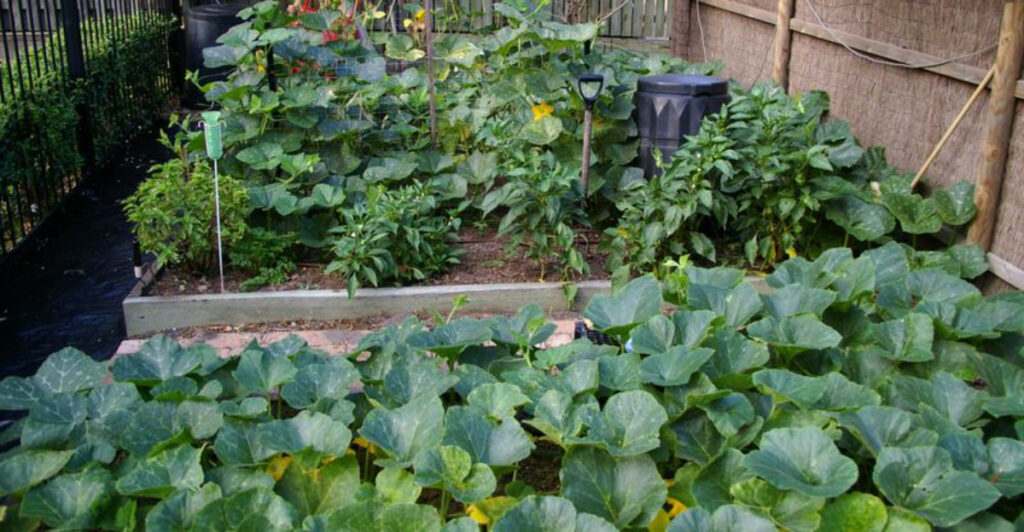
Preparing garden beds every spring can be exhausting. Digging, turning soil, removing weeds, and breaking up compacted ground often takes hours before planting even begins. That’s why more gardeners are switching to a no-dig bed setup – a method that prepares fertile soil without heavy digging.
This approach not only saves time but also improves soil health and makes spring planting far easier.
What Is a No-Dig Garden Bed?
A no-dig garden bed is exactly what it sounds like. Instead of turning or tilling the soil, you build layers of organic materials directly on top of the ground.
Over time, these layers break down naturally and create rich, loose soil that plants love. Earthworms and soil microbes do the work of mixing everything together.
Why Gardeners Love the No-Dig Method
No-dig gardening has become popular because it offers several major advantages:
- Less physical labor
- Better soil structure
- Fewer weeds over time
- Improved moisture retention
- Stronger soil life and microorganisms
Disturbing soil less often helps maintain the natural ecosystem beneath your plants.
How to Set Up a No-Dig Bed
Creating a no-dig bed is simple and can be done in a single afternoon.
Step 1: Choose your location
Pick the area where you want your new bed. This method works on lawns, bare soil, or even weedy ground.
Step 2: Lay down cardboard
Cover the entire surface with plain cardboard or several layers of newspaper. Overlap the edges to block light from reaching weeds below.
Step 3: Wet the cardboard
Water the cardboard thoroughly so it stays in place and begins breaking down faster.
Step 4: Add compost on top
Spread about 10 to 15 centimeters of compost across the cardboard layer. This becomes the planting surface for your garden.
Step 5: Add mulch
Finish with a layer of organic mulch such as straw, shredded leaves, or bark to help retain moisture and prevent weeds.
Planting in a No-Dig Bed
One of the biggest benefits of this method is how easy planting becomes.
You can plant directly into the compost layer by:
- Making small holes for seedlings
- Pulling back mulch to sow seeds
- Adding extra compost around new plants
Roots will gradually grow through the cardboard as it decomposes.
Why It Makes Spring So Much Easier
Traditional beds often require digging and soil preparation every year. With a no-dig system, most of that work disappears.
In spring, you simply:
- Add a fresh layer of compost
- Top up mulch if needed
- Start planting
The soil underneath stays loose and fertile without constant disturbance.
A Smarter Way to Build Healthy Soil
No-dig gardening works with natural processes instead of fighting them. Worms aerate the soil, microbes break down organic matter, and plants grow in a rich, living environment.
For many gardeners, switching to no-dig beds turns spring preparation from a heavy chore into a quick and satisfying start to the growing season.