
What to Add to Tired Garden Soil Before the New Season Begins
After a long growing season and a harsh winter, garden soil often needs a refresh. Nutrients get depleted, organic matter breaks down, and soil structure can become compacted. If you plant into tired soil without improving it first, plants may grow slowly or struggle throughout the season.
Fortunately, a few simple additions can quickly restore soil health and prepare your garden for strong growth.
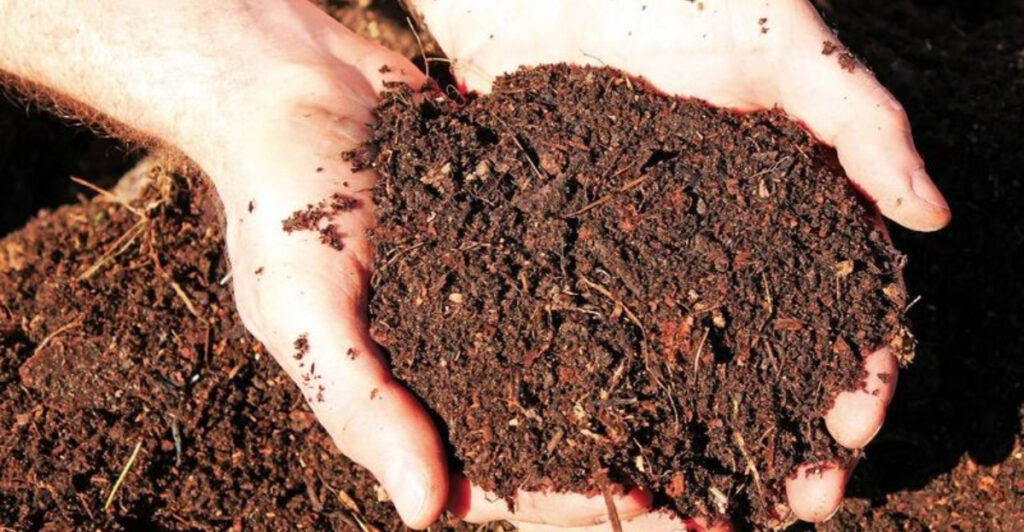
1. Compost
Compost is one of the best things you can add to garden soil. It improves soil structure, adds slow-release nutrients, and feeds beneficial microorganisms.
Benefits of compost include:
- Better moisture retention
- Improved drainage
- Increased microbial activity
- A steady supply of nutrients
Spread about 2 to 5 centimeters of compost across your beds before planting.
2. Well-Rotted Manure
Manure from animals such as cows, horses, or chickens can provide a powerful nutrient boost when it’s fully composted.
It helps replenish nitrogen and other essential nutrients that plants need for healthy growth. Make sure the manure is well-aged to avoid burning plant roots.
3. Leaf Mold
Leaf mold is made from decomposed leaves and works especially well as a soil conditioner. It improves the soil’s ability to hold moisture and encourages healthy soil life.
It’s particularly helpful in sandy soils that dry out quickly.
4. Organic Mulch
Adding mulch after improving the soil protects your efforts. Organic mulch such as straw, bark, or shredded leaves helps:
- Prevent weed growth
- Retain soil moisture
- Regulate soil temperature
- Gradually add organic matter
Mulch also protects soil organisms that keep the ecosystem active.
5. Natural Soil Amendments
Depending on your soil type, you might benefit from additional amendments such as:
- Worm castings for nutrient-rich organic matter
- Bone meal for phosphorus
- Rock dust for trace minerals
These materials can help restore balance if the soil has been depleted.
6. Cover Crop Residue
If you planted cover crops in the previous season, cutting them down and leaving the residue in the soil adds organic matter and improves soil structure.
Many gardeners use this method to build long-term soil fertility.
A Simple Step for a Better Garden
Healthy soil is the foundation of every successful garden. Spending a little time improving your soil before planting helps create the conditions plants need to thrive.
With the right additions, even tired garden soil can become rich, loose, and full of life again – setting the stage for a productive new season.