
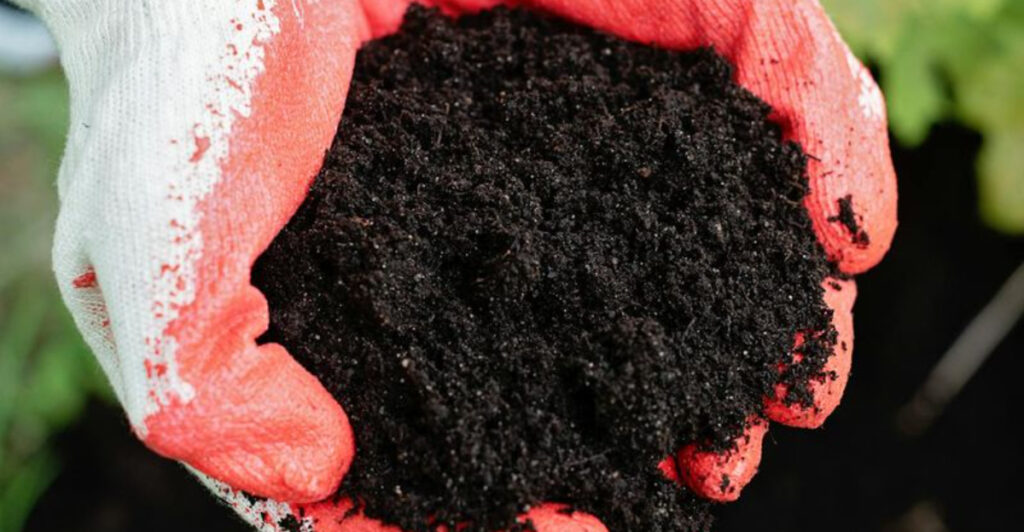
When spring arrives, the excitement to start planting can be hard to resist. Seeds, seedlings, and garden plans are ready to go. But many experienced gardeners pause for one simple step before planting anything.
They check and improve the soil first.
Healthy soil is the foundation of every successful garden. Taking a few minutes to prepare it properly can dramatically improve plant growth, root development, and overall garden health.
Why Soil Preparation Matters
Plants rely on soil for three essential things:
- Nutrients
- Water
- Oxygen around their roots
If soil is compacted, depleted, or lacking organic matter, plants struggle to absorb what they need. Even strong seedlings can fail to thrive in poor soil.
Improving the soil first ensures plants start their season with the best possible conditions.
The One Thing to Do: Add Compost
The simplest and most effective soil improvement is adding compost.
Compost enriches the soil with organic matter and provides a wide range of slow-release nutrients. It also improves the physical structure of the soil.
Benefits of compost include:
- Better water retention in sandy soils
- Improved drainage in heavy soils
- Increased microbial activity
- Stronger root development
Healthy soil life helps plants absorb nutrients more efficiently.
How to Apply Compost
You don’t need large amounts to see results.
Spread about 2 to 5 centimeters of compost across the surface of your garden beds. You can either lightly mix it into the top layer of soil or leave it on top as a natural soil conditioner.
Earthworms and soil organisms will gradually incorporate it deeper into the ground.
When to Do It
The best time to add compost is just before planting in early spring. This allows soil microbes time to begin breaking down the organic matter and releasing nutrients.
By the time seeds or seedlings go into the soil, the growing environment is already improved.
A Small Step That Makes a Big Difference
Many garden problems later in the season – weak growth, poor harvests, and stressed plants – can often be traced back to soil that wasn’t properly prepared.
By feeding the soil before planting, you create a stronger foundation for everything that grows afterward.
Sometimes the most important gardening step happens before the first seed is even planted.