
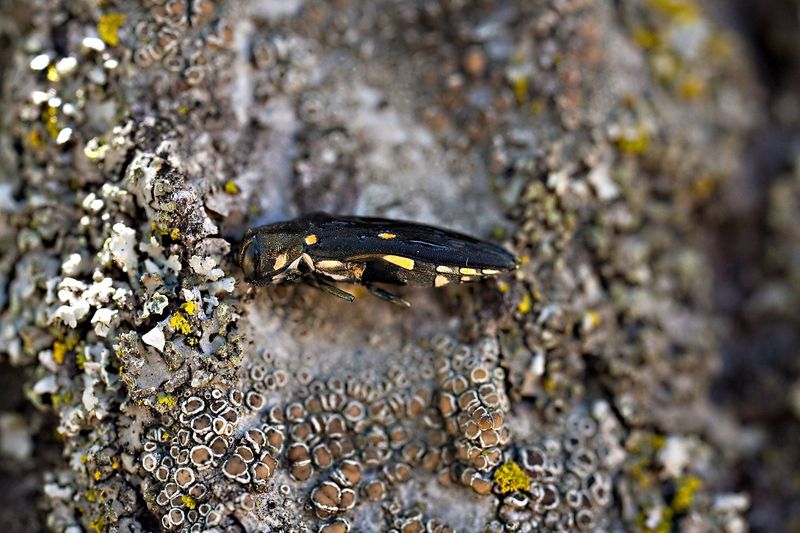
Across Texas, mighty oak trees that have stood for decades are quietly falling victim to a tiny troublemaker. The crape myrtle bark scale and its beetle relatives may be small, but they cause big damage before most homeowners even notice something is wrong. Knowing what to look for can mean the difference between saving a beloved shade tree and losing it forever. Let’s take a closer look at this sneaky pest and how you can protect the oaks in your own backyard.
1. Meet the Culprit: The Ambrosia Beetle

Barely the size of a grain of rice, the granulate ambrosia beetle has been sneaking into Texas neighborhoods and setting up shop inside healthy oak trees. Native to Asia, it hitched rides across the ocean in wooden shipping crates and now calls the southern United States home.
What makes this beetle so tricky is that it doesn’t eat wood the way you might expect. Instead, it drills tiny tunnels and plants a special fungus inside the tree. The fungus becomes the beetle’s food, but it also clogs the tree’s plumbing system.
Once those water and nutrient channels get blocked, branches begin to wilt and die. A tree can look perfectly fine one week and start dropping leaves the next. That speed catches many owners off guard.
Female beetles do most of the damage, boring deep while carrying fungus in special pouches on their bodies. They prefer trees that are already a little stressed from drought or poor soil.
Here’s a surprising detail: these beetles are attracted to the smell of alcohol that stressed trees naturally release. Scientists actually use alcohol-baited traps to catch them.
Spotting an infestation early gives your oak its best chance. Learning to recognize this beetle is the first real step toward keeping your yard’s giants standing tall for years to come.
2. Toothpick Towers: The Telltale Sign

Imagine walking up to your favorite oak and spotting what looks like a bunch of tiny toothpicks poking straight out of the bark. That strange sight is one of the clearest warnings that ambrosia beetles have moved in.
These thin strands are actually made of compressed sawdust, pushed out of the tree as the beetles tunnel inside. They stick out an inch or two and can crumble away in the wind or rain, which is why so many people miss them.
Early mornings after a calm night are the best time to hunt for these fragile towers. Once you know to look for them, they become surprisingly easy to spot along the trunk and lower branches.
Besides the toothpicks, keep an eye out for small round holes about the width of a pencil lead. Sticky sap or dark staining around those holes is another red flag worth noting.
Catching these signs matters because the beetles work fast. A tree can go from healthy to seriously damaged in just a few weeks during warm spring weather.
Grab a flashlight and inspect your oaks every couple of weeks in spring. Running your hand gently along the bark can help you feel bumps and holes your eyes might miss. The sooner you find the toothpick towers, the sooner you can call in help.
3. How the Damage Spreads So Quietly

The scariest part about this pest is how much harm it does before anyone realizes it. While the leaves up top still look green, a hidden battle is raging deep inside the trunk.
Once a beetle plants its fungus, the infection spreads through the tree’s veins like a clog spreading through a straw. Water and nutrients that should travel from the roots to the branches get cut off little by little.
Because oaks are big and store plenty of energy, they can hide their suffering for weeks. By the time whole sections of leaves turn brown, the tree may already be badly wounded.
These beetles also invite their whole family over. A single tree can host hundreds of tunnels, each one carrying more fungus and weakening the wood even further.
Stressed trees send out chemical signals that basically ring a dinner bell for new beetles. That means one struggling oak can quickly become a magnet for an even bigger invasion.
Warm, wet spring weather speeds everything up, letting several generations hatch in a single season. What starts as a handful of beetles can balloon into an army before summer arrives.
Understanding this slow-motion sneak attack helps you take threats seriously. Regular checkups and quick action stop small problems from turning into towering, tree-killing disasters.
4. Why Texas Oaks Are Especially at Risk

Texas is famous for its sprawling live oaks and post oaks, some of which have shaded backyards for over a hundred years. Sadly, those same beloved giants are exactly what these beetles love to attack.
Long, hot summers and unpredictable droughts leave many Texas oaks thirsty and stressed. A weakened tree gives off the alcohol-like scent that draws beetles in from far away.
The state’s mild winters don’t help either. Cold snaps that once killed off many insects are becoming rarer, letting more beetles survive to breed the following spring.
Neighborhoods packed with oaks make things worse. When trees grow close together, beetles can hop from one to the next without much effort at all.
Oak wilt, a separate disease already common in Texas, adds another layer of trouble. Trees fighting that illness are prime targets, and the beetles can spread even more harmful fungus between them.
Fun fact: the live oak is so treasured in Texas that some ancient specimens have their own names and protective committees. Losing these landmarks would be a genuine heartbreak for entire communities.
All these factors stack up to make Texas a beetle paradise. Recognizing why your oaks are vulnerable helps you stay one step ahead. A little extra care during dry spells can keep your trees strong enough to resist an attack.
5. Simple Steps to Protect Your Trees

The good news is that you don’t need to be a scientist to defend your oaks. A few smart habits can make your trees far less appealing to hungry beetles.
Watering deeply during dry spells is one of the best moves you can make. A well-hydrated oak stops releasing that alcohol scent, so beetles fly right past it looking for weaker targets.
Keep an eye on wounds, too. Broken branches and lawnmower scrapes give beetles an easy entrance, so prune carefully and avoid injuring the bark whenever possible.
Mulching around the base helps roots hold moisture and stay cool through the Texas heat. Just remember to keep the mulch a few inches away from the trunk so it doesn’t trap rot.
Avoid piling up fresh-cut firewood near living trees. Beetles love breeding in dead wood, and a woodpile can act like a hotel that sends new waves straight toward your oaks.
If you spot early signs, some insecticides sprayed on the trunk can create a barrier that stops beetles from drilling in. Timing matters, so early spring is usually the sweet spot.
Healthy soil, steady water, and quick cleanup of dead limbs form your best defense. Treat your oaks kindly year-round, and they’ll have the strength to shrug off most invaders on their own.
6. When to Call in a Tree Expert

Sometimes a problem grows bigger than a garden hose and some mulch can handle. Knowing when to phone a professional can save both your tree and your wallet.
If you notice several branches wilting at once or find dozens of those toothpick towers, it’s time to bring in a certified arborist. These experts can figure out exactly what’s happening inside the wood.
A trained arborist has tools and treatments that regular homeowners simply can’t buy at the store. They can inject medicine directly into the tree or remove infected limbs safely.
Acting fast is key. The longer an infestation runs wild, the fewer options a specialist will have to save your oak.
Ask any arborist you hire about their experience with ambrosia beetles and oak wilt specifically. A pro who knows Texas trees will spot warning signs you might overlook.
Cost can feel scary, but replacing a mature shade tree costs far more than treating one. Big oaks also raise property value and lower cooling bills, so protecting them pays off.
Some cities even offer free or low-cost tree checkups through local extension offices. A quick phone call could connect you with helpful advice at no charge.
Trusting a professional at the right moment gives your oak its strongest shot at recovery. When in doubt, reaching out early beats waiting until it’s too late.
7. Stopping the Spread in Your Neighborhood

Beetles don’t care about property lines, which means fighting them works best when neighbors team up. One untreated tree can put an entire street’s oaks in danger.
Start by sharing what you’ve learned. When more people know the warning signs, sick trees get spotted and treated before beetles multiply and move next door.
Be careful about moving firewood, especially over long distances. Hauling logs from one town to another is one of the main ways these invaders spread across Texas.
If a tree in your area dies from an infestation, remove and dispose of the wood properly. Chipping or burning the debris destroys the beetles hiding inside before they escape.
Consider organizing a neighborhood tree walk in spring. A group stroll where everyone inspects the oaks turns pest control into a fun, community-building afternoon.
Local extension offices and master gardener groups often host free workshops. Bringing along a curious kid or two helps raise the next generation of tree defenders.
Reporting big outbreaks to state forestry officials helps experts track where the beetles are heading. Your simple report could protect forests far beyond your street.
Every healthy oak you help save cools the air, shelters wildlife, and beautifies the whole block. Working together, a neighborhood can slow these invaders and keep its leafy canopy thriving for generations to come.