
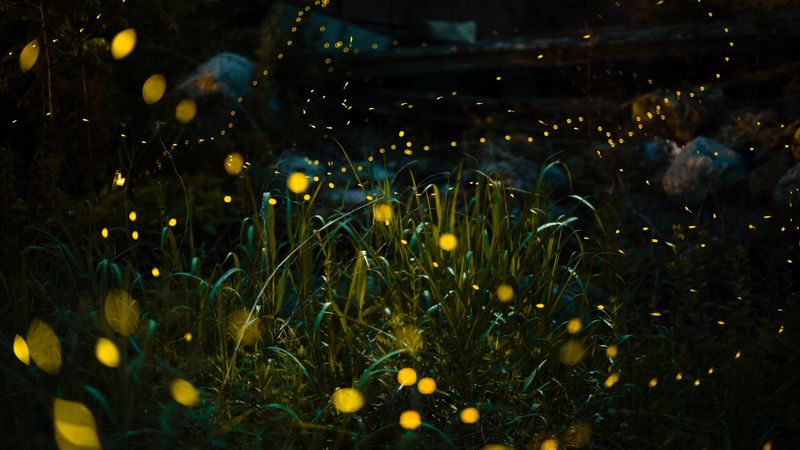
Fireflies are those magical little bugs that light up summer nights, but many Texas yards have gone dark over the years. The good news is that one special native plant can help bring these glowing insects back home. By planting it and caring for the space around it, you can create the perfect spot for fireflies to thrive again. Here are seven important things to know about making your yard glow once more.
1. Meet the Little Bluestem Hero

Standing tall and golden in the autumn sun, Little Bluestem is the native grass that quietly does wonders for fireflies. It grows all across Texas and asks for very little in return.
The tall stems give firefly larvae a safe place to hide and hunt during the day. When evening falls, adult fireflies rest on these blades before their glowing dance begins under the stars.
2. Why Fireflies Vanished in the First Place

Ever wonder where all the fireflies went? Bright yard lights, heavy pesticide use, and mowed-down lawns pushed them out of many neighborhoods.
Fireflies need moist soil, tall plants, and dark nights to survive. When yards got tidier and brighter, these bugs simply lost their homes.
Bringing back a native plant like Little Bluestem fixes part of the problem by giving them cover and a healthy place to raise their young again.
3. How This Grass Creates a Firefly Nursery

Here is something amazing: firefly babies, called larvae, live in the soil for up to two years before they ever glow. Little Bluestem shades the ground and keeps the dirt cool and damp, which larvae love.
The thick roots also hold moisture during dry Texas summers. Underneath all those grassy stems, tiny larvae feast on slugs and snails, growing strong until they finally take flight as blinking adults.
4. Planting It the Right Way

Getting started is easier than you might think. Plant Little Bluestem in spring or fall in a spot that gets plenty of sunshine and has well-draining soil.
Space each plant about a foot apart so they can spread naturally over time. Water them regularly for the first season while roots settle in.
After that, this tough grass mostly takes care of itself, needing almost no extra help from you at all.
5. Turn Off Those Bright Lights

Fireflies talk to each other using light, kind of like flashing secret messages to find a mate. Bright porch and yard lights drown out those signals and confuse them.
Try switching off outdoor lights on summer evenings, or use warm, dim bulbs instead. The darker your yard, the easier it becomes for fireflies to see each other. Pair that darkness with your new native grass and the glowing show returns.
6. Skip the Chemicals for a Living Yard

Bug sprays and lawn chemicals may kill weeds, but they also wipe out fireflies and the tiny creatures they eat. A single spraying can undo months of work.
Let your Little Bluestem patch grow wild and pesticide-free. The slugs and snails living there become food for hungry larvae.
A messy, natural corner might not look perfect, but it buzzes and glows with life you cannot get from a spotless lawn.
7. Watching the Magic Come Back

Patience truly pays off with this project. It may take a season or two, but slowly you will spot little flickers of green-yellow light dancing over your grass at dusk.
Grab a chair, sit outside on a warm evening, and watch nature put on its free light show. Kids and grandparents alike love these moments.
Every twinkle proves your yard has become a real home for fireflies once more.