
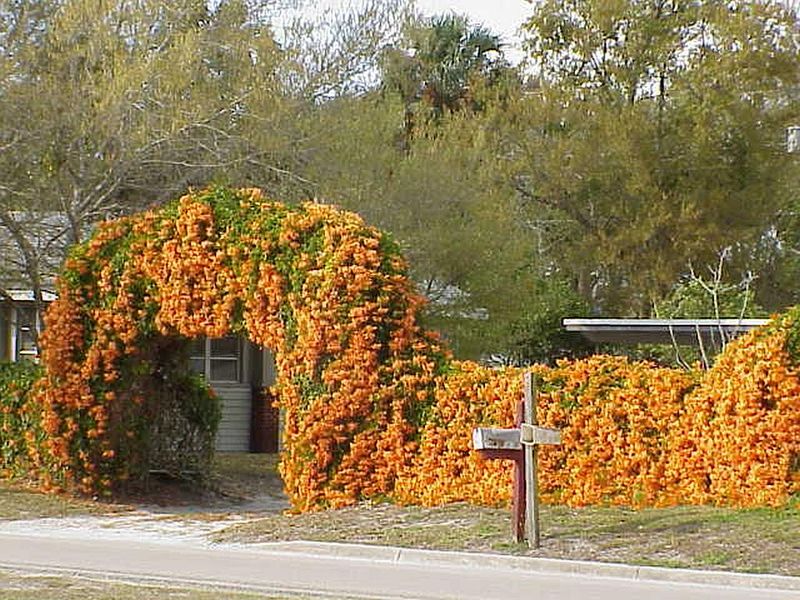
A warped vinyl fence can make a tidy Florida yard look tired fast. Native vines can soften that problem with leaves, flowers, shade, and wildlife value. The right vine also handles sandy soil, heavy rain, and steamy weather better than many imported plants. Here are seven Florida native choices that can turn an eyesore into a living green wall.
1. Coral Honeysuckle
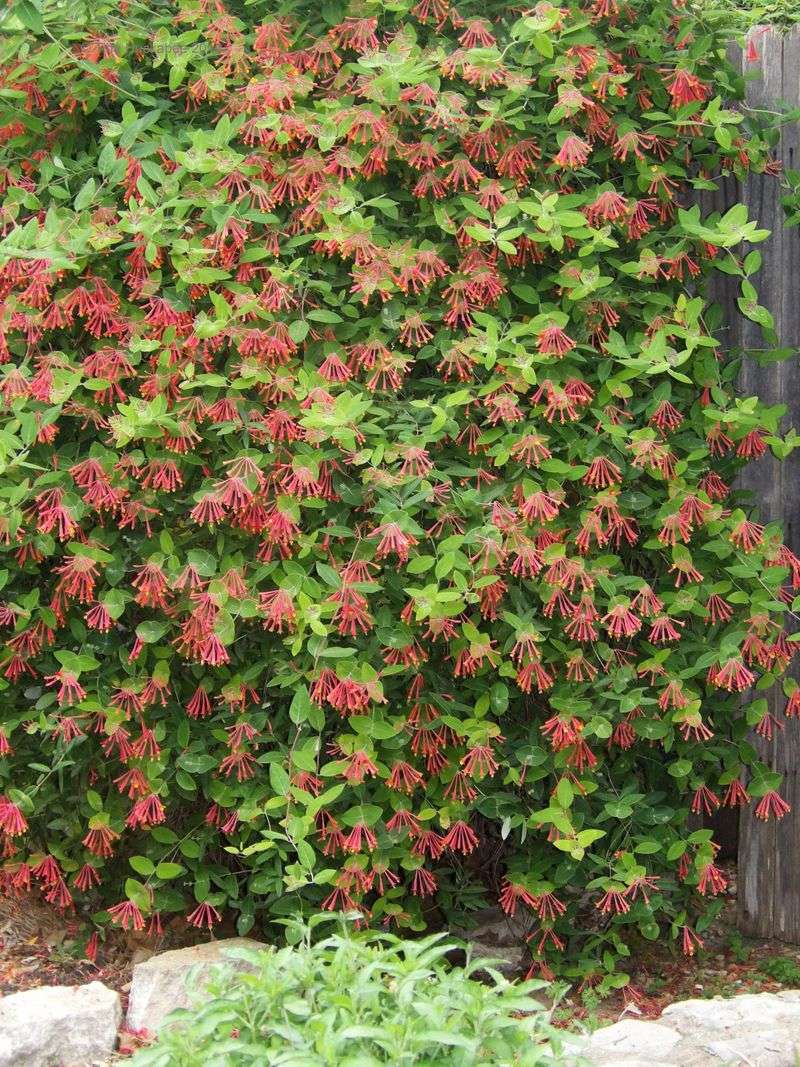
Hummingbirds often find coral honeysuckle before people do, which is part of its charm. The red, trumpet-shaped flowers look bright against white vinyl, so a bent or wavy fence starts to feel more like a garden backdrop than a problem.
Florida gardeners like this native vine because it is showy without acting wild. It can handle sun to part shade, though flowering is usually stronger with more light. In sandy soil, water it regularly while it gets established, then let it settle into a lower-care routine.
Coral honeysuckle is not the same as invasive Japanese honeysuckle, which is a key detail for Florida yards. It climbs by twining, so give it a light trellis panel, wire grid, or sturdy nylon mesh attached in front of the vinyl instead of asking the fence itself to carry all the weight.
Use it where you want color, pollinators, and a neat look. A spring flush of blooms can be followed by scattered flowers later, especially if the plant is happy and not stressed by drought.
2. Crossvine
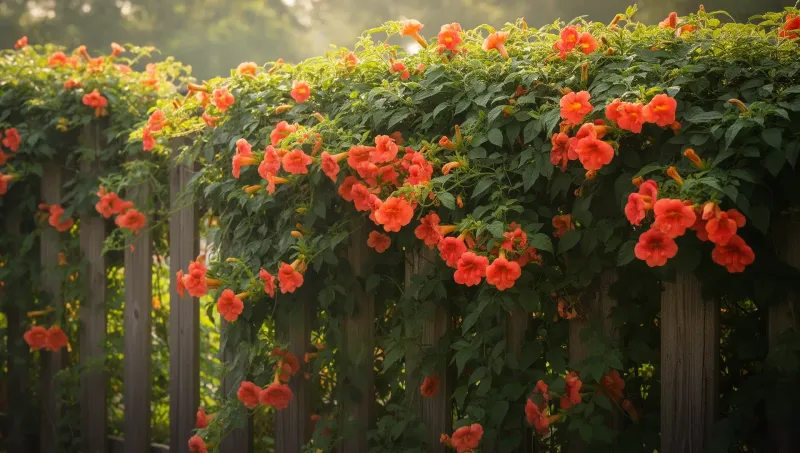
A fence that looks uneven can disappear surprisingly fast behind crossvine. This native climber has bold trumpet flowers in warm shades of orange, red, and yellow, giving it the look of a plant that came ready to perform.
Crossvine is a good pick when you need faster coverage than many polite garden vines provide. It grows well in much of Florida, especially in full sun to part shade, and it can keep a dense leafy look when conditions suit it. In North and Central Florida, it may show some bronze or purplish winter color, which adds interest when other vines slow down.
Because crossvine can become a strong grower, plan its support before planting. A freestanding cattle panel, wood frame, or metal grid placed a few inches in front of the vinyl fence is smarter than letting heavy growth pull on aging fence sections. That small air gap also helps airflow after summer storms.
Crossvine earns its spot for homeowners who want a bigger, bolder screen. Prune after heavy bloom periods to guide the growth and keep gates, latches, and neighbor-side edges clear.
3. Purple Passionflower
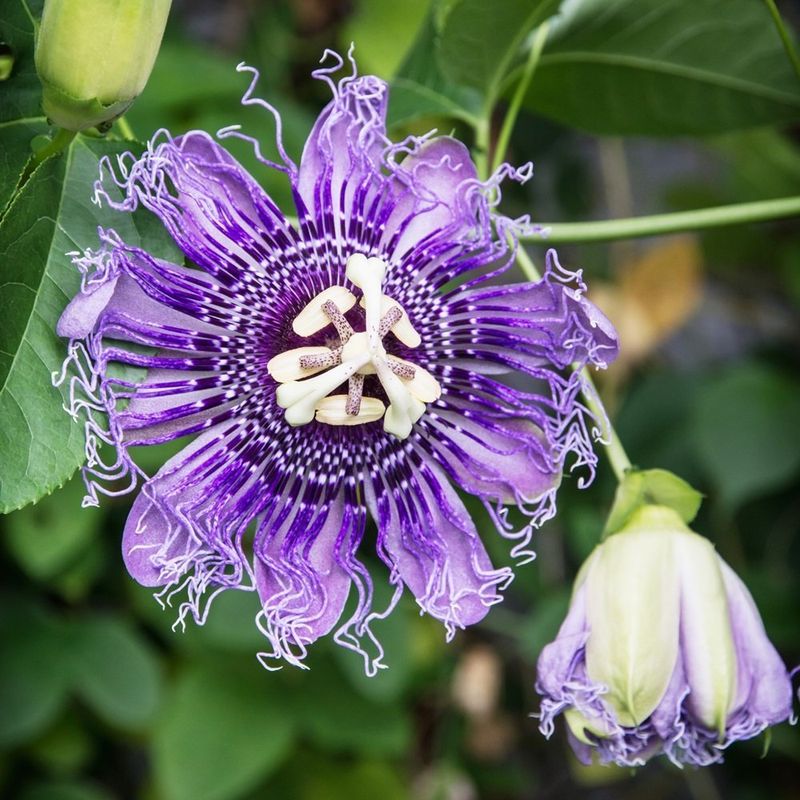
One flower can stop a person mid-step, and purple passionflower is that kind of vine. Its blooms look almost tropical and a little strange, with purple threads, pale petals, and a design that feels too fancy for a low-effort native plant.
Also called maypop, this Florida native is especially valuable if you enjoy butterflies. It is a host plant for Gulf fritillary and other passionflower-loving butterflies, so chewed leaves are part of the deal. For many gardeners, that trade is worth it because the fence becomes a small wildlife station.
Purple passionflower can spread by underground runners, so place it where you can mow around it or remove extra shoots. It does best with a support that allows tendrils to grab, such as wire mesh or a trellis panel. In sandy soil, mulch helps hold moisture without keeping the crown soggy.
Choose this vine for a fence line that needs personality, not just coverage. It may die back in colder parts of North Florida, then return when warm weather comes back, making it a lively choice for gardeners who enjoy seasonal change.
4. Corkystem Passionflower
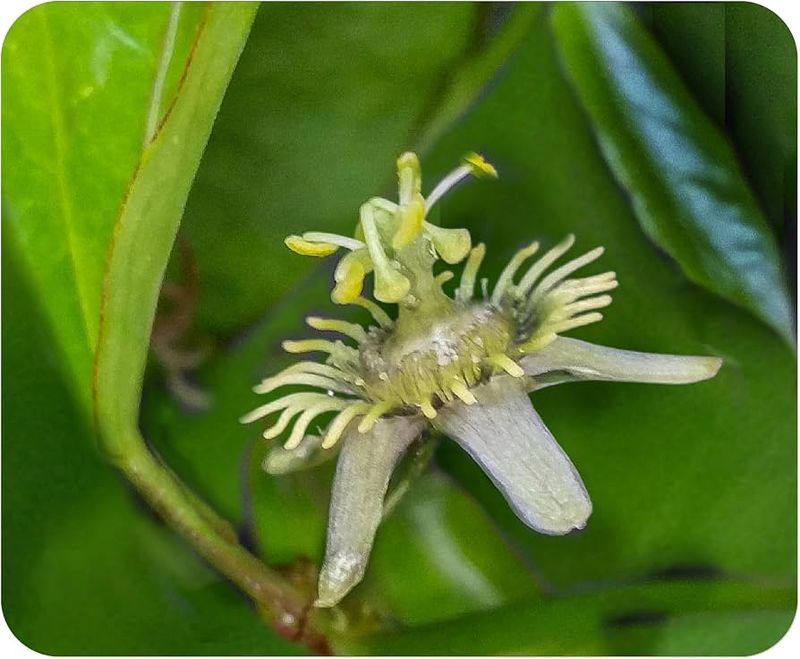
Not every green wall needs big flowers to be useful. Corkystem passionflower brings a quieter beauty, with small blooms, delicate leaves, and major value for butterflies in Florida gardens.
This vine is a standout for South Florida and warm coastal areas because it supports zebra longwing, Gulf fritillary, and Julia butterflies. The flowers are modest compared with purple passionflower, but the wildlife payoff can be excellent. If your goal is a fence that feels alive, this plant makes a strong case.
Corkystem passionflower is lighter in appearance than many screening vines, so it works well where you want to blur a warped fence rather than create a thick wall. It can grow in sun or part shade, and it appreciates the kind of regular moisture young plants need in fast-draining Florida soil. Once established, it is usually not fussy.
Give it a fine-textured trellis, wire, or netting so the tendrils have something to hold. Gardeners who dislike caterpillar nibbling may want a different vine, but butterfly fans often see those ragged leaves as proof the yard is doing something right.
5. Virginia Creeper
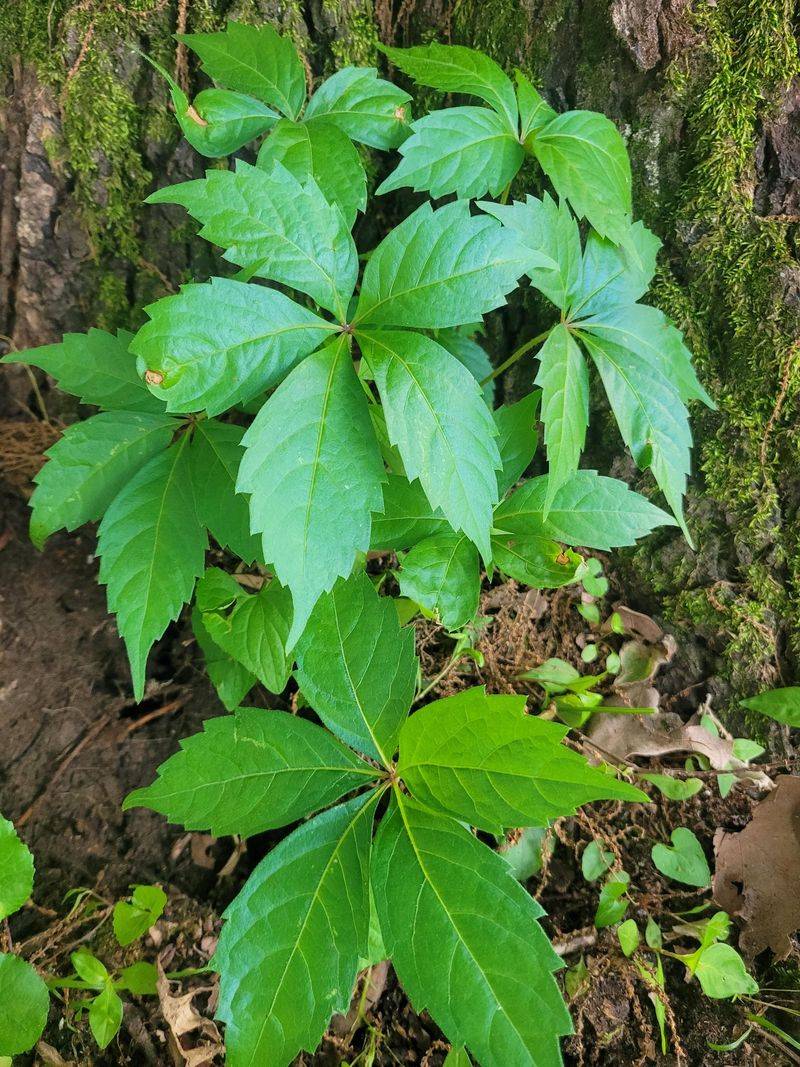
For pure leafy camouflage, Virginia creeper is hard to ignore. Its five-part leaves can knit together into a thick screen that hides fence waves, stains, and awkward angles without needing flashy flowers.
This Florida native vine is tough and adaptable, which helps in yards with sandy soil and irregular watering. It can grow in sun or shade, though the densest growth usually comes with decent light. Birds may feed on the berries, adding wildlife value after the plant has done its main job of covering the view.
Virginia creeper climbs strongly, so treat it with respect around vinyl. It can attach to surfaces with adhesive pads, and that is not ideal on a fence that is already bending or aging. The better plan is to install a separate support frame in front of the fence and train the vine there, trimming any stems that try to grab siding, gutters, or neighboring structures.
Its special advantage is coverage with seasonal character. In some Florida areas, leaves may turn red or burgundy in cooler weather, giving a plain fence line a brief fall look without asking you to plant a high-maintenance hedge.
6. Carolina Jessamine
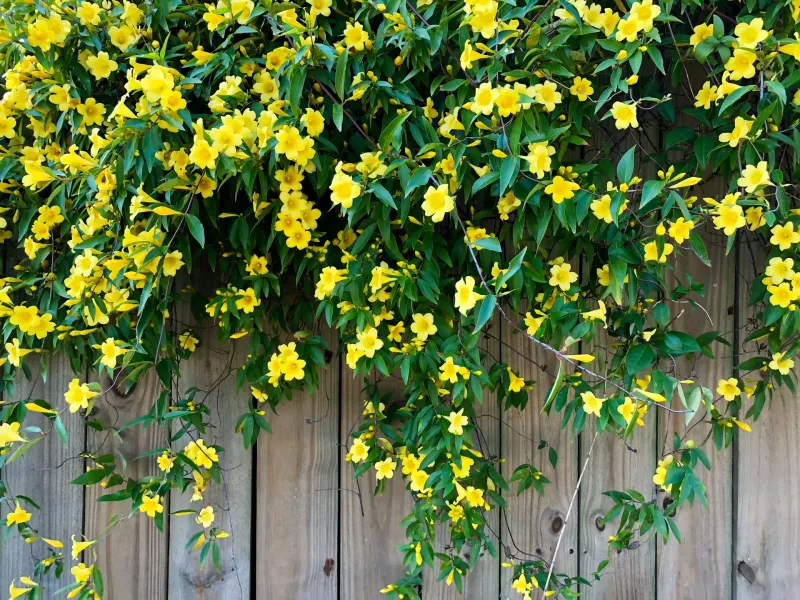
Early blooms feel like a reward after a dull winter fence line. Carolina jessamine brings sunny yellow flowers before many garden plants are ready to make a fuss, which makes it a cheerful screen for a tired vinyl fence.
This native vine is often evergreen in much of Florida, so it can provide year-round softening instead of disappearing for months. It prefers sun to part shade and well-drained soil, a good match for many Florida yards where water runs through sand quickly. Once established, it can be fairly low maintenance if you guide it early.
Carolina jessamine climbs by twining, not by clinging flat to the fence. That habit makes it easier to train on an arbor, wire panel, or slim trellis set in front of the vinyl. A few careful ties when the stems are young can help it cover the right area without wandering into shrubs.
One caution matters: all parts of Carolina jessamine are poisonous if eaten. Use it thoughtfully in yards with curious pets or children, and avoid planting it where fallen flowers might be treated like edible playthings.
7. Muscadine Grape
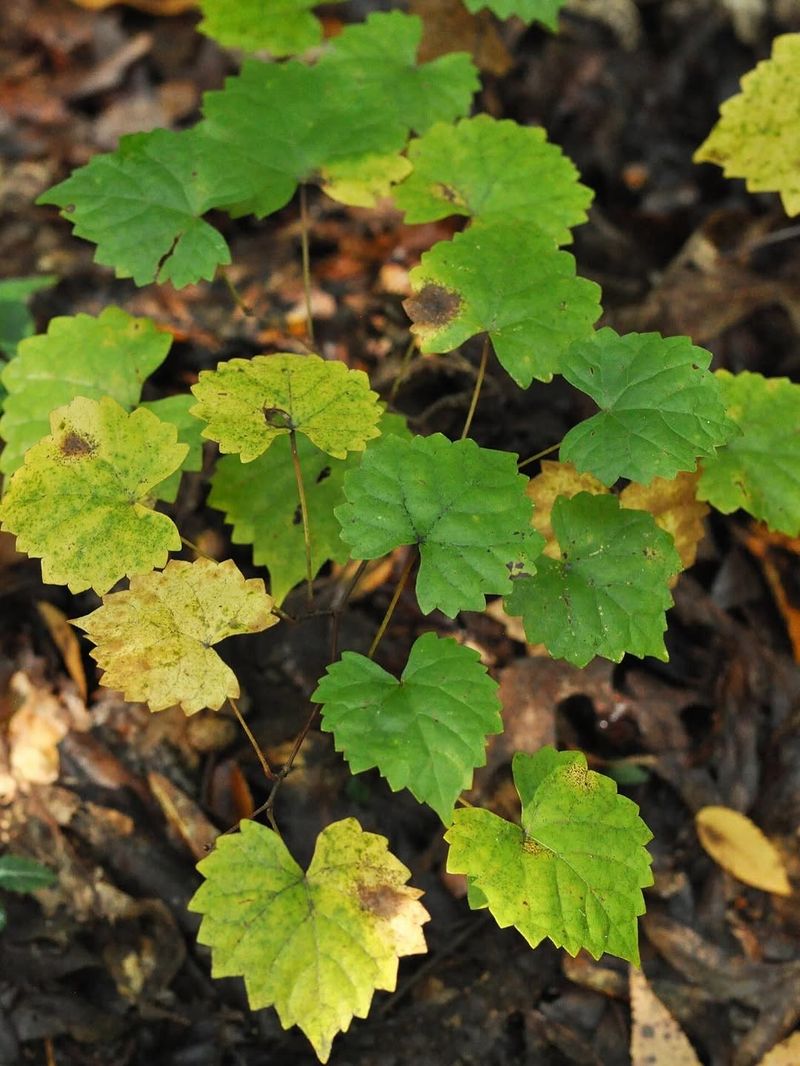
A green wall that gives you fruit has a different kind of appeal. Muscadine grape can turn a rough-looking fence line into an edible screen with broad leaves, twisting stems, and late-summer grapes when conditions are right.
Muscadines are native to the Southeast, including Florida, and they are better suited to heat and humidity than many bunch grapes. They do best with strong sun, good airflow, and a serious support system. A vinyl fence alone is not enough, especially once the vine gets woody and heavy.
Build or install a sturdy trellis a short distance in front of the fence, then train the vine along wires. This setup hides the warping while protecting the fence from weight and storm movement. In Florida, airflow is especially important because humid weather can encourage leaf and fruit problems.
Muscadine earns its place because it is practical as well as pretty. It asks for more pruning than some vines on this list, but the payoff is shade, screening, wildlife interest, and possible fruit for jelly, juice, or fresh snacking. Pick a variety suited to your part of Florida, and check local UF-IFAS guidance before buying.