
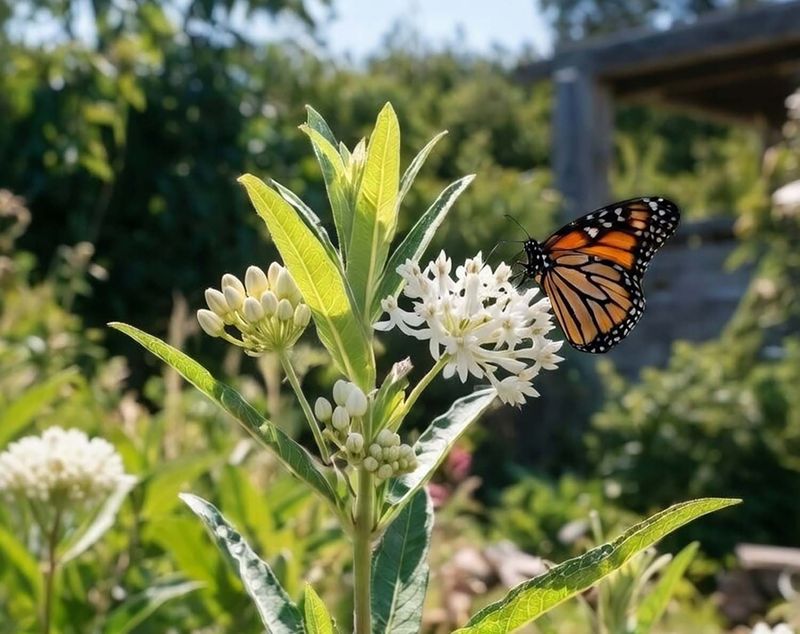
You planted flowers, skipped the sprays, and still the butterflies seem to be somewhere else. It is tempting to hunt for one secret plant that fixes everything.
California has hundreds of butterfly species, and they do not all want the same thing. A smarter plan starts with knowing what your local butterflies need and what your yard can actually grow.
California Butterflies Do Not Share One Essential Plant
If you have been searching for the one native plant that California butterflies cannot resist, here is the candid answer: it does not exist. Each butterfly species has its own relationship with plants, and a plant that is a lifeline for one may do almost nothing for another.
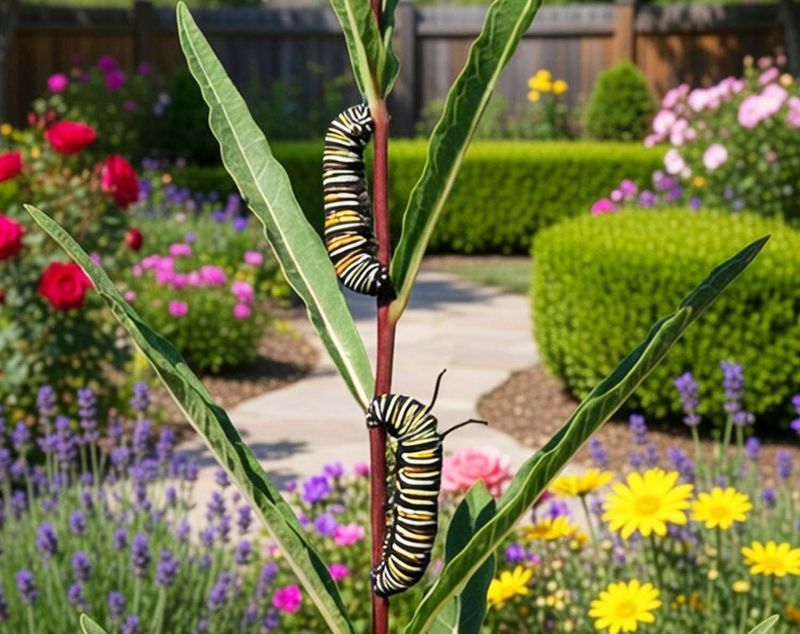
The biggest differences show up with caterpillars. Many species can only eat certain plants, so UC Master Gardener guidance on gardening for butterflies points to examples such as milkweed for monarchs, California Dutchman’s pipe for pipevine swallowtails, and oaks for California sisters.
Milkweed matters to monarchs, but it is not a statewide answer for every butterfly.
Even a well-chosen plant is not a promise. The California Native Plant Society cautions that butterflies that breed elsewhere are unlikely to lay eggs in your yard just because their host plant is there.
The species has to live in your area first.
So if your garden looks lovely and quiet, you are not failing. You are likely just missing a match between your plants, your location, and the butterflies nearby.
The better question is which plants fit the butterflies of your area and the conditions of your yard.
Adult Butterflies Need Nectar, and Caterpillars Need Host Plants
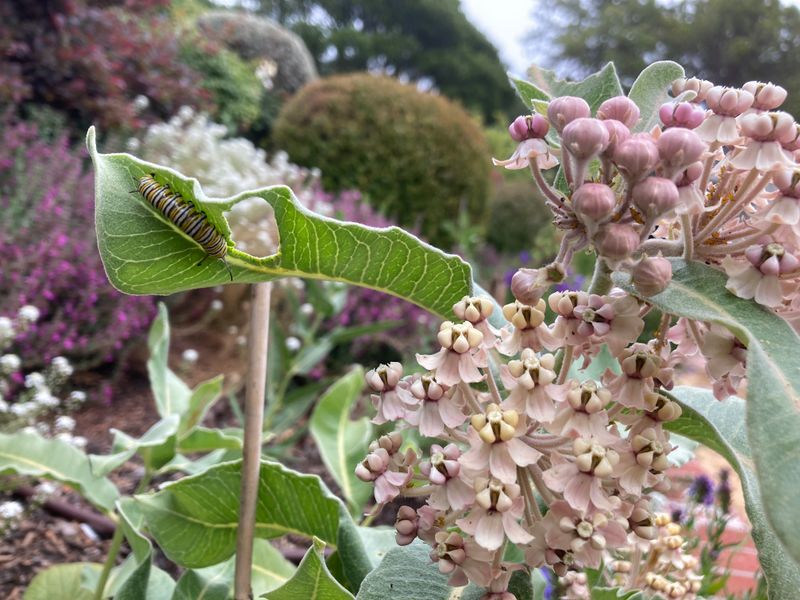
A butterfly goes through more than one stage, and each stage eats differently. Adults sip nectar from flowers for energy.
Caterpillars chew leaves, and they usually need specific plants to do it.
That is why a bed packed with flowers can still fall short. Nectar plants feed the adults that fly in, but they are not automatically caterpillar food.
The UC Davis Arboretum explains larval host plants as the plants caterpillars of a given butterfly feed on, and those are often different from the flowers adults visit.
Likewise, a host plant does not necessarily offer much nectar. A plain-looking shrub or vine may be the nursery, while a colorful perennial is the snack bar.
Neither one does the other’s job.
For the adult side, Xerces Society California nectar plant guidance recommends diverse nectar sources. Its plant lists are working documents, so not every listed species will suit every site.
Think of your yard as a small supply chain. Flowers for adults, host plants for caterpillars, and both chosen with local butterflies in mind.
That shift takes the pressure off finding a single magic plant.
The Right Host Plant Depends on the Butterfly
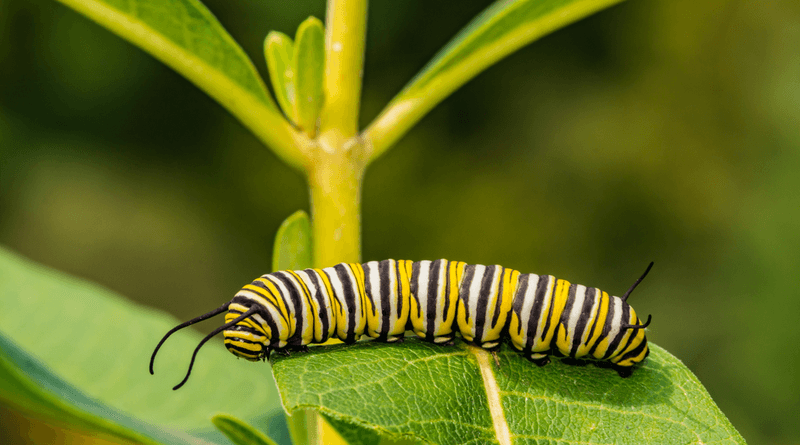
Three California pairings show how specific these relationships can be. Monarch caterpillars eat milkweed, and narrowleaf milkweed is one example.
Pipevine swallowtail caterpillars use California Dutchman’s pipe. California sister caterpillars feed on oaks.
Swap those plants around and the match falls apart. Oaks will not feed a monarch caterpillar, and milkweed will not feed a California sister.
These details are laid out in UC Master Gardener butterfly guidance, and the UC Davis Arboretum’s host plant overview shows how many other butterflies have their own preferences.
Treat these three as examples, not a shopping list. A Dutchman’s pipe may suit one yard and be wrong for another, and a mature oak is not something most homeowners can add on a whim.
Start by finding out which butterflies actually occur near you. Local nature centers, native plant society chapters, and butterfly checklists for your county can help.
Then pick host plants for those species, because CNPS notes that butterflies from elsewhere are unlikely to breed on a host plant simply because it is planted.
Milkweed Choices Require a Local California Check
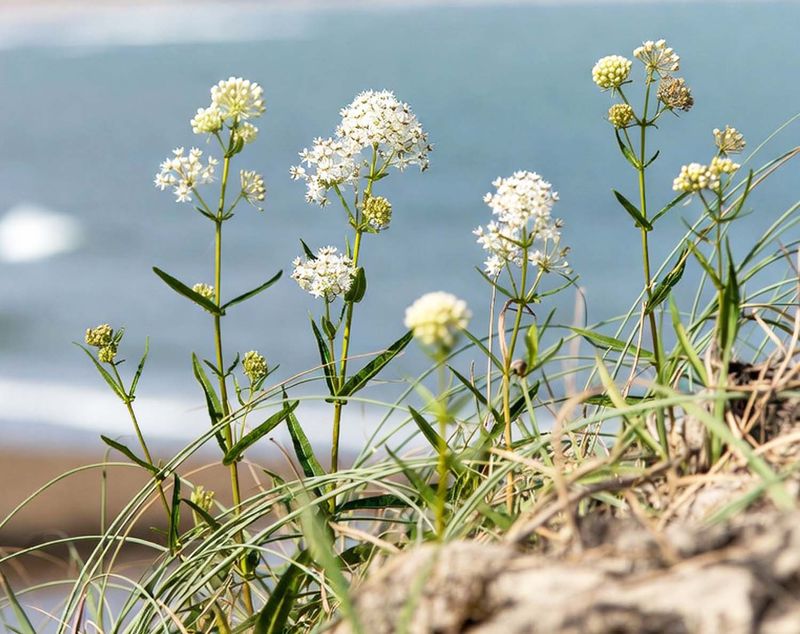
Milkweed is the monarch’s caterpillar plant, but it is also the plant where blanket advice goes wrong. Where you live changes the answer.
First, know which milkweed you mean. The warning about tropical milkweed is specific to the nonnative Asclepias curassavica.
It does not apply to every milkweed, and you cannot tell the harmful one by flower color alone. Xerces Society’s western milkweed guide recommends against nonnative milkweeds, especially tropical milkweed, because winter growth that persists can contribute to parasite buildup and disrupt monarch behavior.
If you already have it, Xerces advises cutting it back in fall and repeatedly through winter.
Second, location matters. The U.S.
Fish and Wildlife Service advises avoiding milkweed within a mile of the coast to help avoid prolonging monarch overwintering. It also names narrowleaf milkweed as a native option where appropriate.
Other guidance is more specific. Xerces’ California guide describes no-milkweed zones near overwintering grounds: within five miles north of Santa Barbara and within one mile south of it.
Monarch Joint Venture suggests planting milkweed only where it grew historically and more than one mile from an overwintering site.
These recommendations differ in scope, so do not pick one and assume it covers you. Check local guidance and an overwintering-site map before you plant.
Choose Plants for the Site and Leave Room for Caterpillars
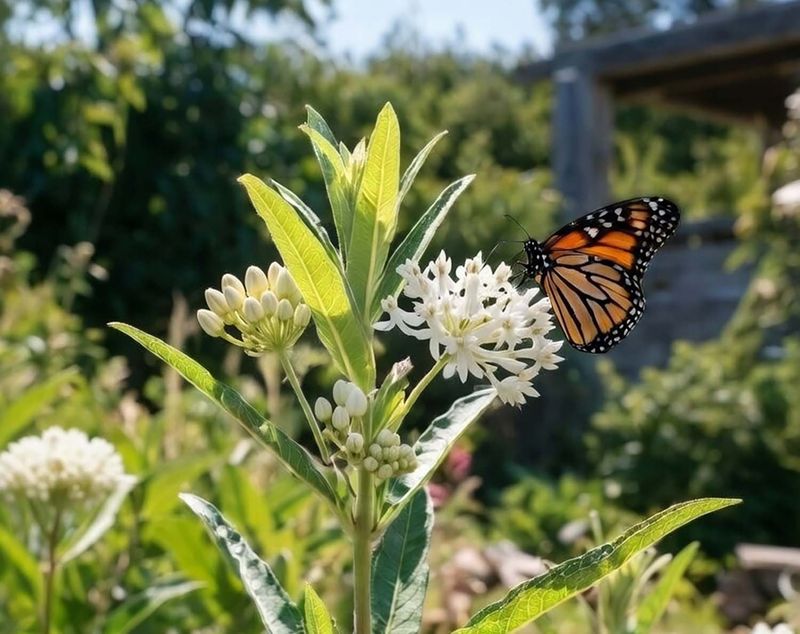
Once you know which butterflies to plan for, match plants to your actual dirt and sun. A California native is not automatically right for every yard, so local range, soil, sun, moisture, and climate all count.
Xerces notes that its plant lists are working documents and not every listed species suits every site.
Western milkweeds show why. Xerces describes them as drought-tolerant once established but often preferring ample soil moisture, and it recommends choosing by geography and site conditions, with local seed usually preferable.
For adults, Xerces California nectar plant guidance supports diverse nectar sources where they fit your site.
Now the part that surprises people: caterpillars can eat a lot. UC Master Gardener guidance suggests placing host plants with that damage in mind.
A back corner or side bed works better than the spot beside your front door.
Skip insecticides on these plants. UC IPM warns that treating butterfly-garden plants can kill the very caterpillars you planted them to support.
A ragged leaf in this kind of garden is often a sign the plant is doing its job.
Build for the Butterflies That Live Nearby
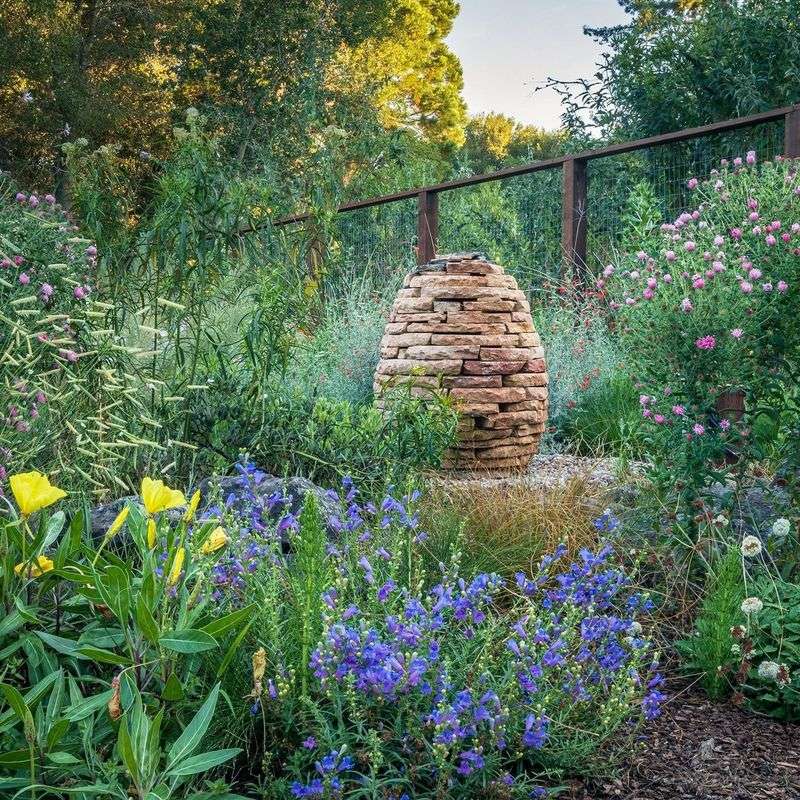
Start with a short list of butterflies that really occur near you. Match host plants to those species, add nectar plants that suit your site, and check local guidance before anything goes in the ground.
CNPS gardening advice and Xerces plant lists are good places to begin.
These choices can make your yard more suitable for particular butterflies, but they cannot guarantee a visit or a nursery of eggs.
The best butterfly garden is not built around a secret plant. It is built around a neighborhood.