
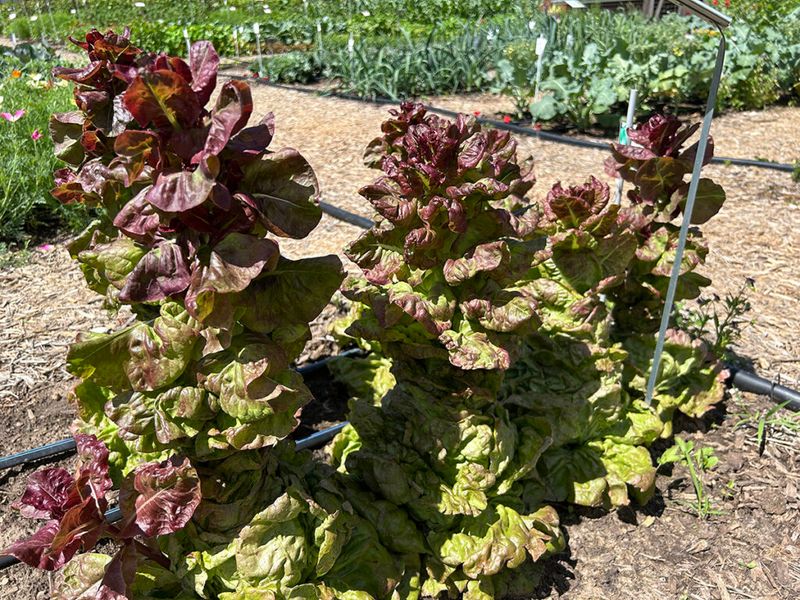
A warm afternoon in the middle of winter can feel like a gift, but your lettuce may not agree. Some plants start changing shape or taste when the weather swings warm.
Shade cloth is a quick fix many gardeners try, and it can help in some situations. Here is what warm spells really do, what shade can and cannot promise, and how to get the most from your harvest.
A warm spell can raise bolting risk without being the only cause
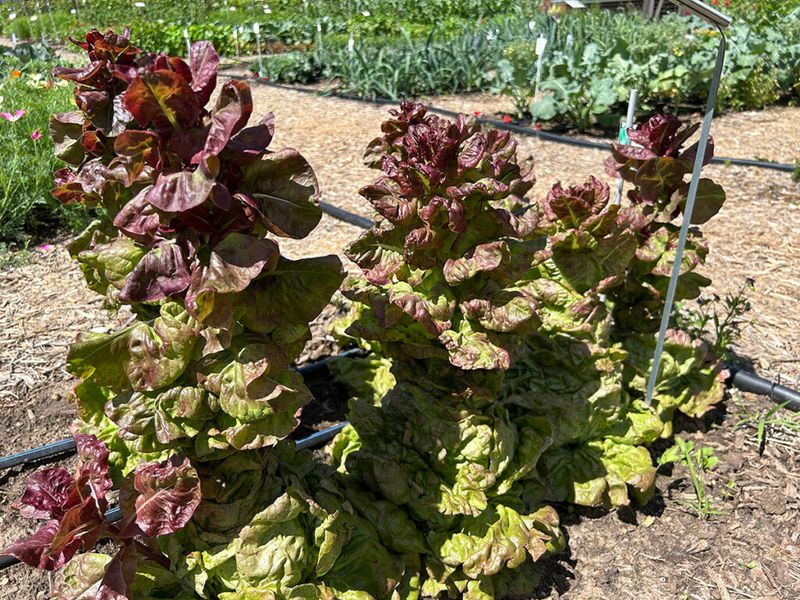
Lettuce is a cool-weather crop, and a stretch of warm days can nudge it toward bolting. Bolting means the plant sends up a flowering seed stalk so it can make seed.
Once that starts, the plant puts less energy into tender leaves.
Heat is only one piece of the puzzle. Illinois Extension points to a mix of long days, warm temperatures, and plant age.
Cultivar and growing conditions matter too, so two plants in the same bed can react differently to the same warm week.
Bitterness is not a simple heat result either. University of Florida research found that some studies linked temperature and bitterness while others did not.
Cultivar, bolting, and leaf position can all change how a leaf tastes.
So a warm spell is a reason to watch your bed closely, not a sign that every plant is doomed. No single temperature marks the moment all lettuce bolts.
Tell a flowering seed stalk from lettuce’s normal form
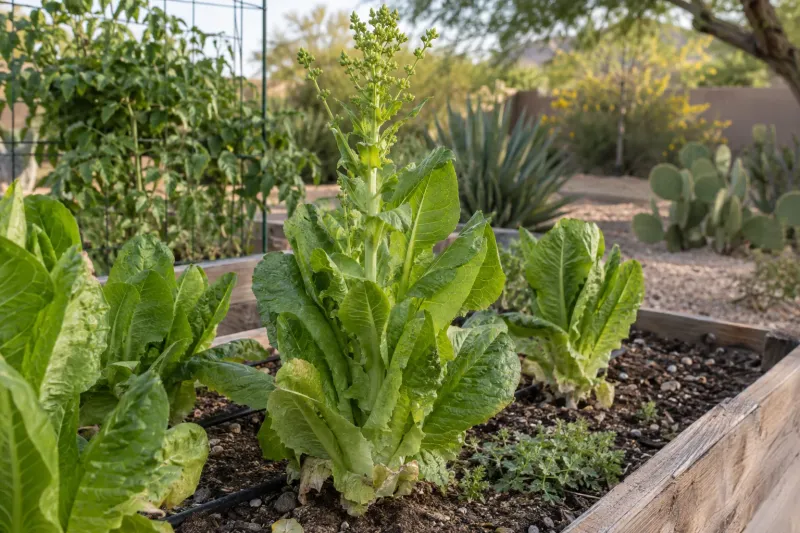
Romaine naturally grows upright, so a tall shape alone does not mean trouble. Leaf lettuce grows as a loose rosette, butterhead forms a soft rounded head, and crisphead forms a tight one.
Not every lettuce makes a head at all.
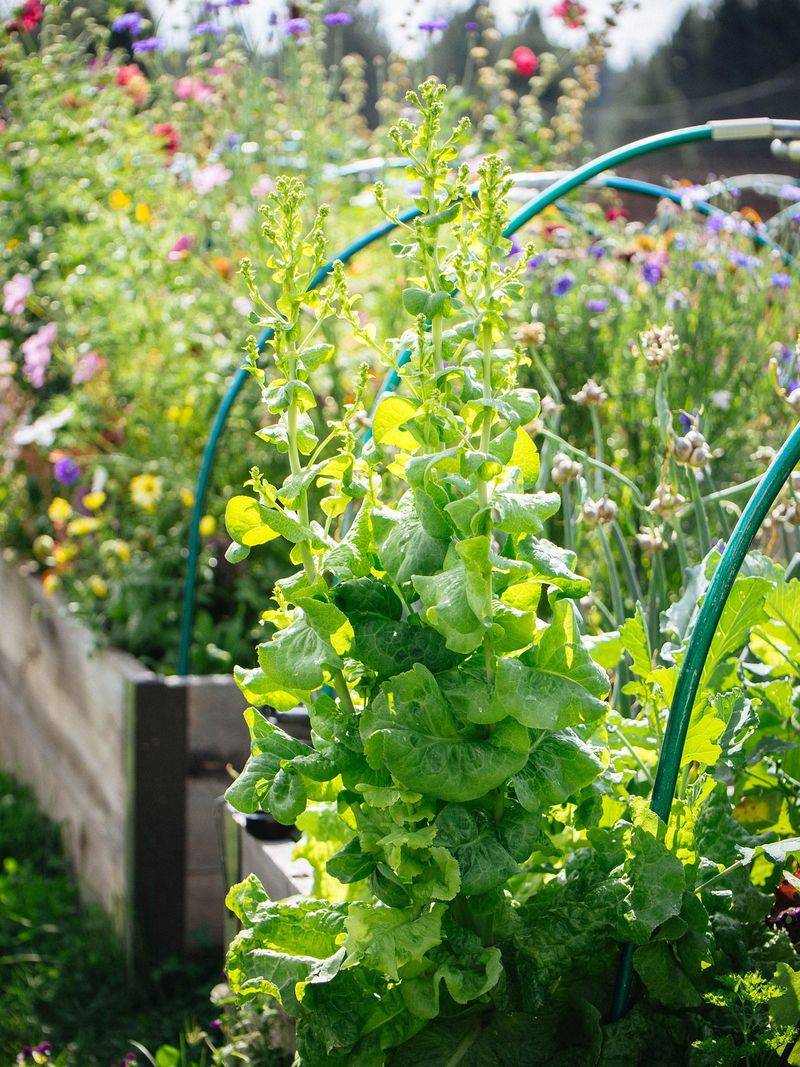
A flowering stalk looks different. According to Illinois Extension, bolting shows up as the plant elongating as a seed stalk develops.
Look for a center that stretches and thickens into a stem, with leaves spaced farther apart along it.
Check for more than one clue. A stem pushing up from the middle, smaller pointed leaves climbing it, and tiny flower buds at the top point toward bolting.
One upright leaf or a slightly taller plant does not prove it.
Compare the plant with neighbors of the same type and age. If the center is elongating while the others stay compact, you are likely seeing the start of a seed stalk.
Shade can reduce heat exposure, but it cannot promise mild leaves
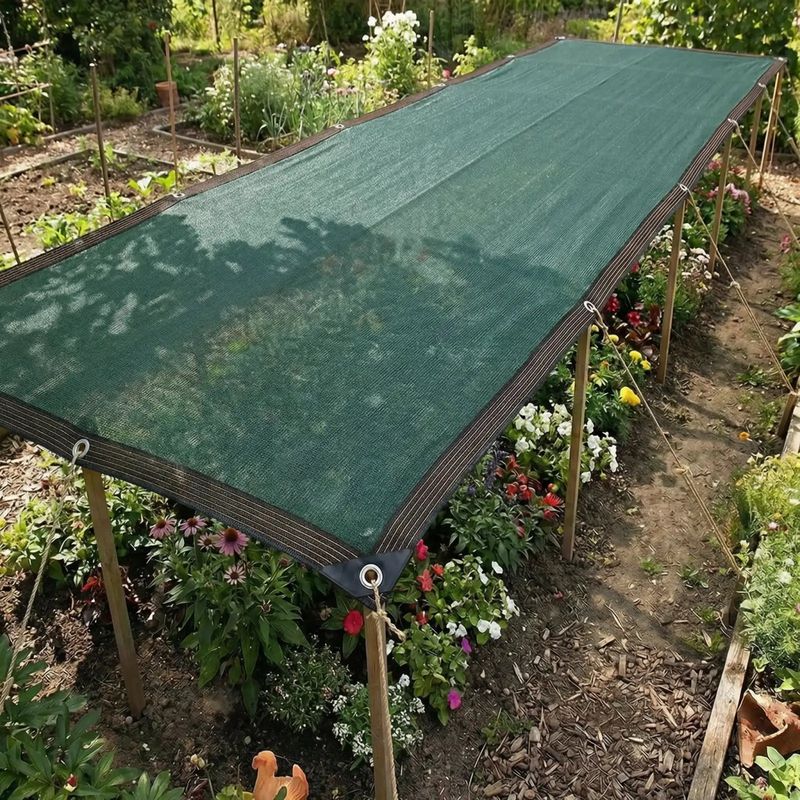
Shade cloth can cool the air and soil around lettuce and may help stretch your harvest a bit longer. That is a useful job.
It is not the same as a promise of sweet leaves or a stop sign for bolting.
Trial results are mixed. University of Delaware trials found that 30% shade reduced bitterness in some spring trials, but a later summer trial showed no bitterness benefit and smaller plants.
UMass Amherst vegetable notes describe another trial in which shade increased bolting in some heat-sensitive varieties.
None of these trials tested a Texas or Florida winter home bed, so treat them as hints rather than predictions. Think of shade as one tool that may take the edge off hot afternoons, and keep watching how your own plants respond.
Support shade cloth above the bed when heat protection is needed
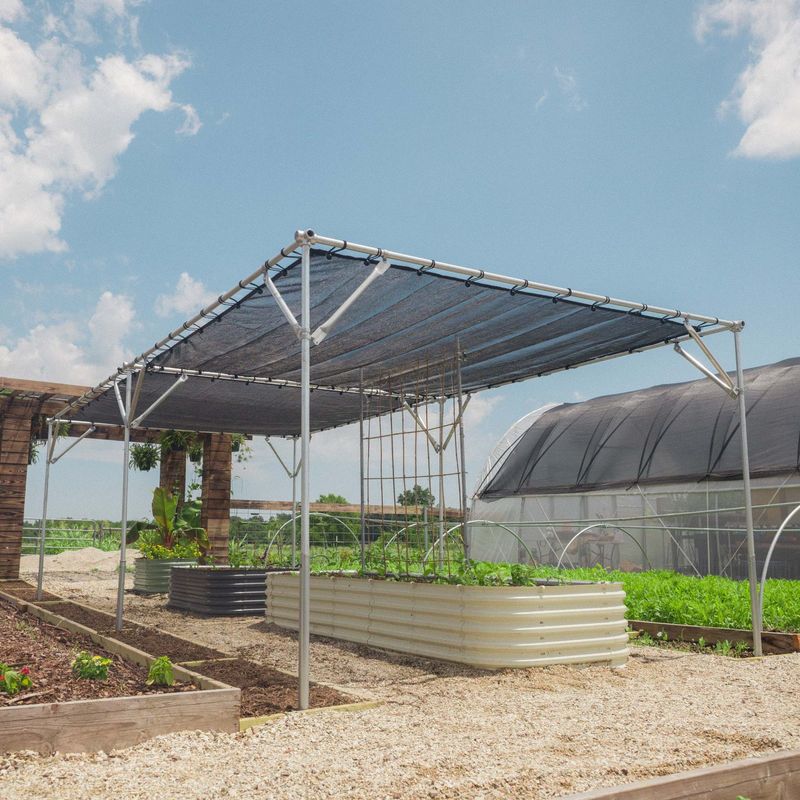
Set the cloth on hoops or stakes so it sits above the plants instead of resting on the leaves. That gap lets air move and keeps the fabric from trapping heat.
NC State Extension covers basic cover supports, and University of Delaware Extension notes that shade cloth can lower temperatures around crops.
For numbers, UF/IFAS describes lettuce as preferring roughly 50 to 75°F and suggests afternoon shade or shade cloth when temperatures pass 85°F. A Florida Extension guide suggests 30 to 50% shade cloth.
Treat these as handy references, not bolting thresholds or rules for every garden. No one percentage is best everywhere.
Keep the cloth ready, and add it on warm afternoons, then take it off when cool weather returns.
Keep soil moist and harvest leaves while they are tender
Aim for soil that stays evenly moist but never soggy. A quick finger test about an inch down tells you more than a schedule does.
Mulch can help hold moisture between waterings.
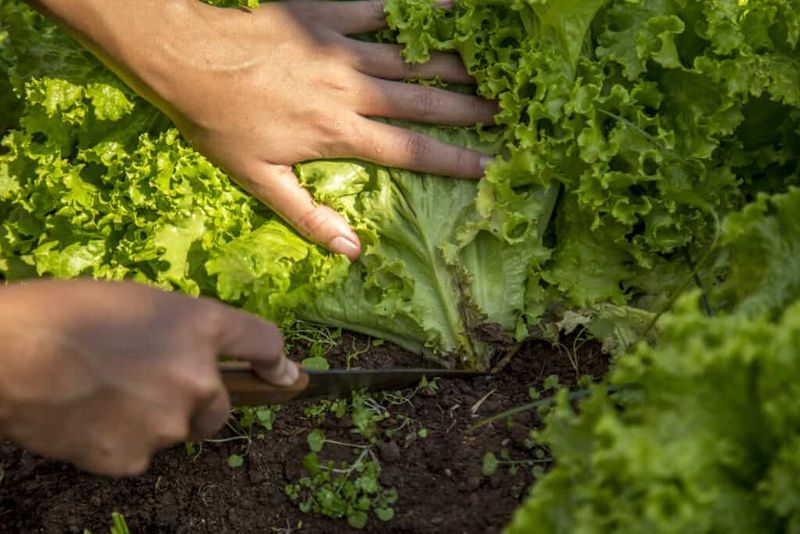
Harvest early and often. UF/IFAS advises picking leaf, butterhead, and romaine lettuce by taking the larger outer leaves first, or cutting the whole plant.
The Leon County Extension guide likewise recommends picking while leaves are young and tender.
Young leaves tend to have the best flavor and texture, so picking at that stage lets you use the crop at its best. It is a way to enjoy lettuce while quality is high, not a way to stop bolting.
When a warm forecast appears, consider harvesting a little more than usual so nothing goes past its prime.
When a seed stalk appears, harvest and taste the leaves
Spotting a stalk does not mean the crop is ruined. Cut what you can use soon, then taste a leaf before you decide.
Flavor varies from plant to plant, and some leaves stay pleasant.
University of Minnesota Extension covers lettuce harvest and handling at home, and Illinois Extension describes how bolting changes the plant.
Try the tips of the youngest leaves and the larger outer ones. If they taste sharp, mixing them with sweeter greens or cooking them can soften the edge.
Harvesting will not reverse bolting, and it cannot guarantee mild leaves. If the plant tastes too bitter, pull it and make room for something new.
Use a local calendar to plan the next planting
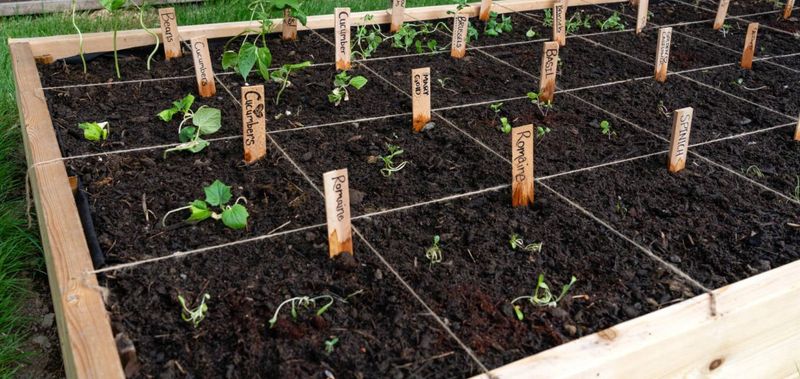
Planting dates differ a lot across both states, so skip any single statewide date. The UF/IFAS Florida Vegetable Gardening Guide lists timing separately for north, central, and south Florida.
Texas works the same way. The Texas A&M AgriLife fall guide gives different fall dates across five Texas regions.
Find your region in the guide, then note the lettuce window in your notebook. Sowing a small batch every couple of weeks within that window gives you plants of different ages, so a warm spell does not hit the whole bed at once.
Your local extension office can help fine-tune timing for your county. A calendar will not control the weather, but it puts your lettuce in the cool part of the season.