
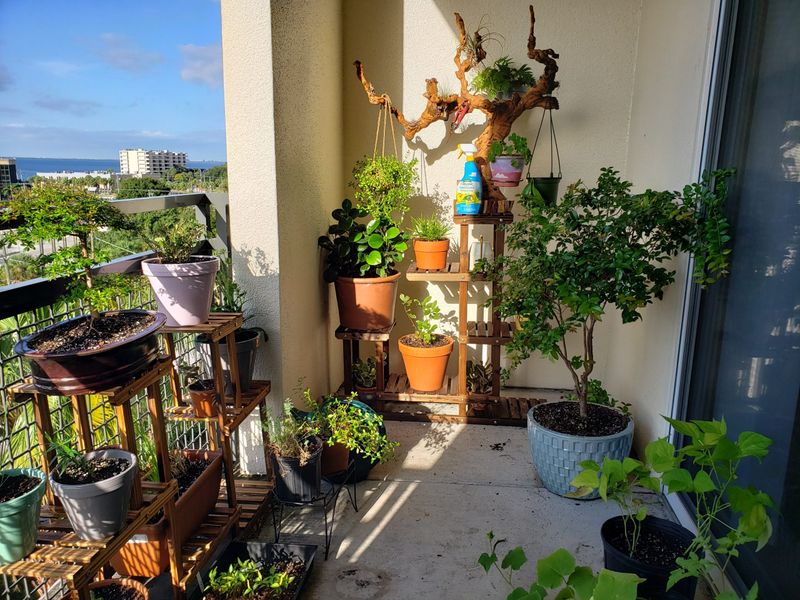
A bare Florida patio can feel like a welcome mat for mosquitoes, especially after rain or a muggy evening. The right native plants will not make your patio pest-free, but they can help create a tougher, less inviting space while bringing in pollinators and other helpful wildlife. These picks handle Florida heat, sandy soil, and container life better than many fussy ornamentals. Start with a few pots, keep water from sitting around, and your patio can feel calmer fast.
1. Beautyberry
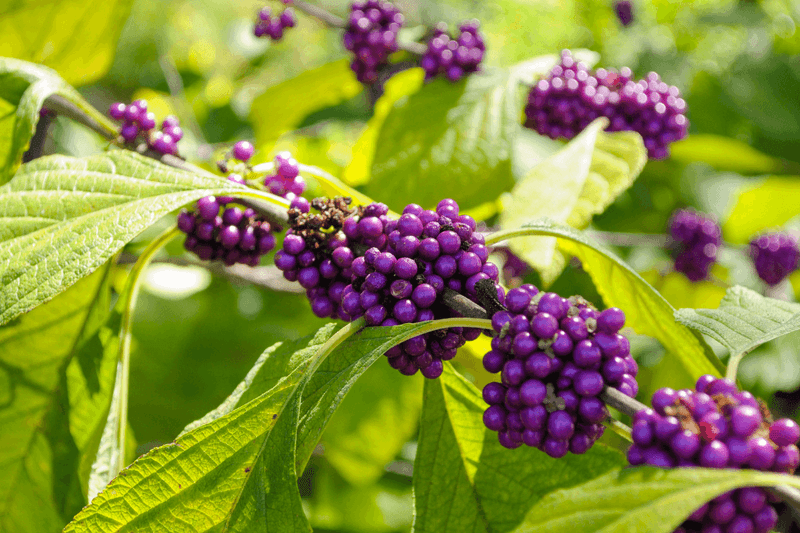
Those glossy purple berry clusters look almost unreal, like someone tucked tiny beads along the stems. Beautyberry earns its patio spot because it brings color, wildlife value, and a practical pest angle without acting like a high-maintenance diva.
American beautyberry is a Florida native shrub, and its crushed leaves have a long folk history of being rubbed on skin or clothing to discourage biting insects. Gardeners should treat that as a may-help feature, not a replacement for proven repellents, but the plant still belongs near outdoor sitting areas where brushing the foliage releases its green, herbal scent.
In a large patio pot, beautyberry likes part sun to light shade and well-drained mix, which suits many Florida patios that bake in the morning but get some afternoon relief. It can get leggy, so prune it in late winter to keep it full and container-friendly.
Birds love the berries, especially when other food gets scarce, so this shrub does double duty. It makes the patio feel less bare while supporting the small backyard food web that helps keep pests from having the whole place to themselves.
2. Wild Bergamot
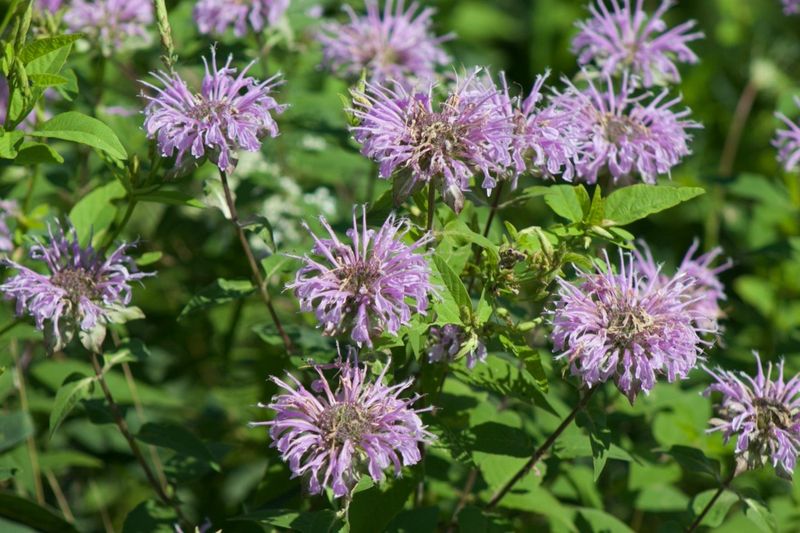
A pot of wild bergamot can make a patio feel like a tiny pollinator cafe. The flowers have a shaggy, cheerful look, and the minty leaves give off a strong scent when touched or warmed by the sun.
Florida gardeners often know bergamot relatives as bee balm, and native Monarda species are especially useful because their aromatic foliage is not the kind of soft, bland greenery pests prefer. The scent may help make the patio edge less appealing to mosquitoes and ticks, while the blooms invite bees, butterflies, and other beneficial insects.
Give wild bergamot sun, good air movement, and a container mix that drains quickly. That matters in Florida, where heavy rain can soak a pot one day and fierce heat can dry it the next. Avoid letting it sit in a saucer of water, since standing water is exactly what mosquitoes need.
What makes this plant different from many patio flowers is its energy. It looks a little wild, smells lively, and keeps the space buzzing with the right visitors instead of just decorating a corner.
3. Frogfruit
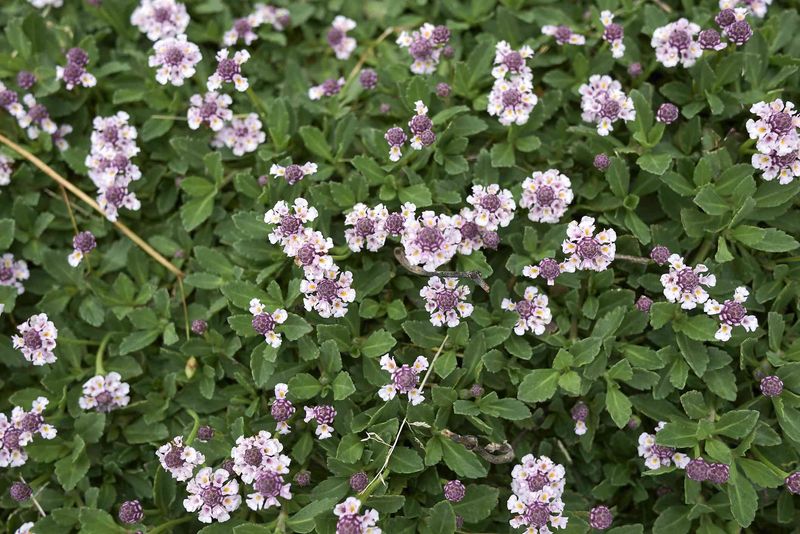
Not every helpful patio plant needs to stand tall. Frogfruit hugs the soil, spills over pot edges, and turns empty container space into a living mat that looks relaxed instead of messy.
This Florida native groundcover is a smart choice for patio gardeners who want fewer bare, damp spots around pots. Mosquitoes are tied to standing water, and ticks prefer sheltered, weedy edges where animals pass through. Frogfruit will not solve either problem alone, but using it as a living filler can help reduce exposed, splashy soil while making containers look finished.
Frogfruit handles sun, sandy conditions, and short dry spells once established. It also supports small butterflies, including phaon crescents and white peacocks, which gives a bare patio more life without adding much work.
Try it at the base of taller native plants in a wide container. After heavy summer storms, check drainage holes and dump any water caught in trays. Frogfruit brings the low, tidy layer, but good patio habits are still what stop mosquitoes from using your pots as nurseries.
4. Coontie
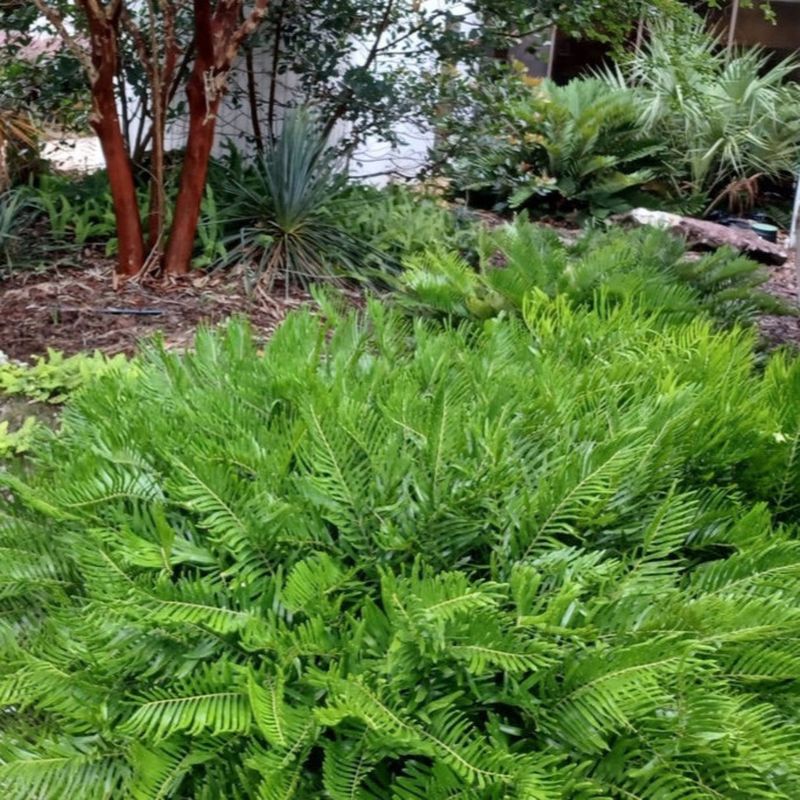
Coontie has that neat, almost prehistoric look that makes a patio feel designed even when you only had time to water and sweep. Its stiff, glossy fronds bring structure without demanding constant trimming.
Unlike soft annuals that collapse in Florida heat, coontie is a tough native cycad that fits well in containers, courtyards, and partly shaded patios. It does not repel mosquitoes like a spray would, but it helps build a low-maintenance native planting that stays tidy and avoids the damp, tangled mess where pests often find cover.
Coontie is also the host plant for the Atala butterfly, one of Florida’s great comeback stories. That gives it a special role on patios where gardeners want wildlife value without inviting chaos. Its sculptural shape leaves less floppy debris than many tropical-looking plants, which makes cleanup after storms easier.
Use a fast-draining potting mix and avoid overwatering. Coontie tolerates sandy soil and dry spells better than many lush patio plants, but soggy roots are still trouble. For a clean, set-and-forget backbone near seating, it is hard to beat.
5. Muhly Grass
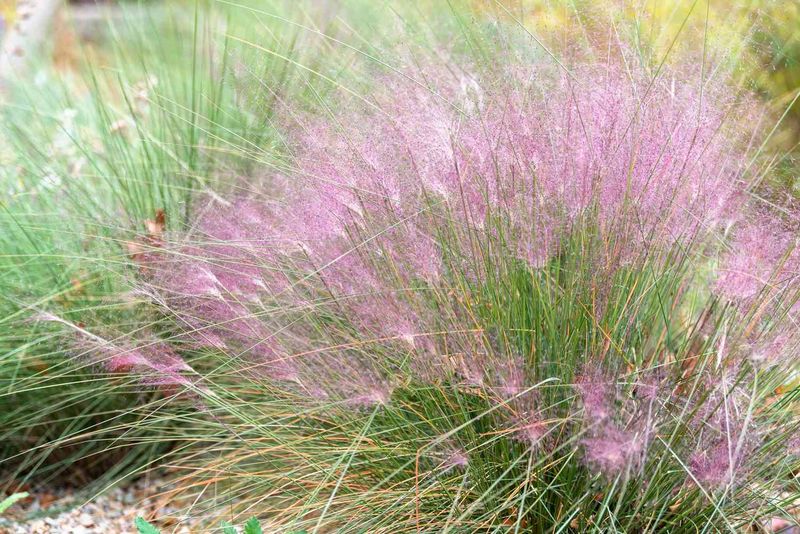
When muhly grass blooms, it looks like pink smoke floating above the patio. That airy fall color is the reward, but the real win is how little fuss the plant needs once it settles in.
Pink muhly grass is native to Florida and thrives in sunny, well-drained spots, including large containers. It is a strong pick for patios because it gives height and movement without creating a wet, leafy thicket. Mosquitoes need water to breed, and ticks favor shady, humid hiding places, so a plant that stays open and drought-tolerant is a smarter patio choice than dense, thirsty ornamentals.
Another advantage arrives after summer starts fading into fall. While many patio plants look tired after months of heat, muhly grass begins to show off, making it useful for seasonal refreshes that do not rely on fragile flowers.
Cut it back once a year before new growth starts, and keep the crown from sitting in soggy soil. In storm-prone areas, its flexible blades are less likely to snap than brittle stems, and the plant usually rebounds well from rough weather.
6. Seaside Goldenrod
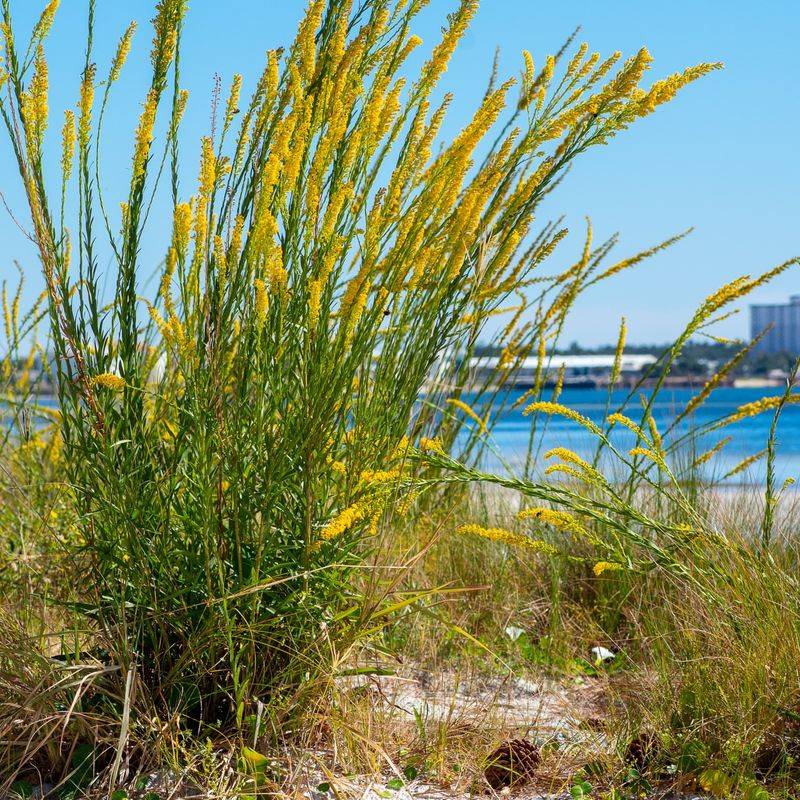
Goldenrod gets blamed for allergies it usually did not cause, which is unfair for such a hardworking native. Seaside goldenrod brings late-season yellow flowers that light up a patio just when many plants are slowing down.
Its biggest difference is timing. In late summer and fall, seaside goldenrod feeds bees, butterflies, and beneficial insects that help balance the small ecosystem around your home. A patio with more beneficial life is less of a blank, stagnant space where nuisance pests seem to take over.
This species is especially handy for coastal and sandy Florida sites because it tolerates salt spray, sun, and lean soil better than many showier plants. In a container, use a deep pot and a fast-draining mix, then place it where it gets plenty of light. It may grow tall, so give it room or pinch it earlier in the season for a bushier shape.
Goldenrod will not chase mosquitoes across the yard, but it can help turn the patio from a bare slab into a living edge. Pair it with water control, clean gutters, and emptied saucers for the strongest mosquito-reduction plan.
7. Walter’s Viburnum
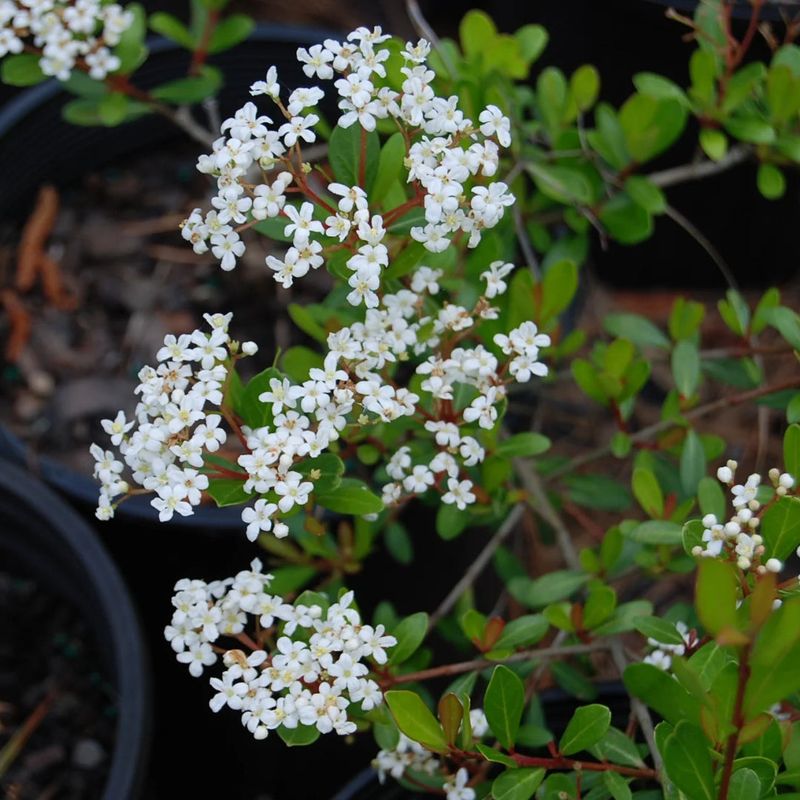
A patio sometimes needs a green wall more than another flowerpot. Walter’s viburnum can create that soft screen, giving you privacy while replacing empty corners with a native shrub that feels polished and purposeful.
Florida gardeners like this plant because it can be clipped, shaped, or left looser depending on the space. Its small white flowers support pollinators, and the berries can feed birds. More birds and beneficial insects do not erase mosquitoes and ticks, but they help create a yard that is less one-sided in favor of pests.
For patios, choose a compact form if space is tight, and plant it in a large container with drainage. Walter’s viburnum handles sun to part shade and Florida’s sandy conditions, but containers dry faster than the ground, so water deeply while it establishes. After that, it becomes far less needy than many nonnative hedge plants.
The key is keeping the shrub airy instead of letting it become a damp, overgrown hiding place. Prune lightly, clear leaf piles after storms, and avoid standing water nearby. Used well, Walter’s viburnum gives structure, wildlife value, and a cleaner patio edge that pests are less likely to love.