
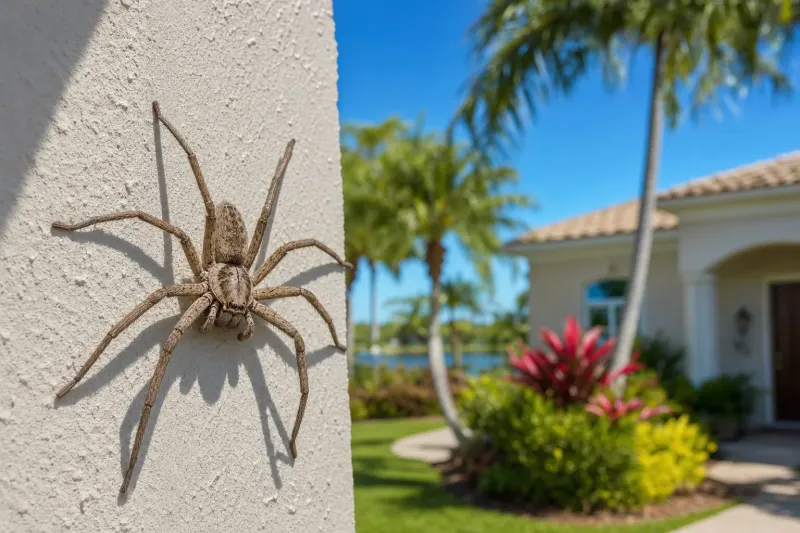
You flip on the garage light and spot a brown spider skittering across the wall. Many Floridians immediately think of the brown recluse, but that guess is usually wrong.
Several common spiders look similar at a glance, and a few clues can help sort them out from a safe distance. Here is what to look for, what to avoid, and who to call when you are still unsure.
Florida recluse spiders are possible, but not established
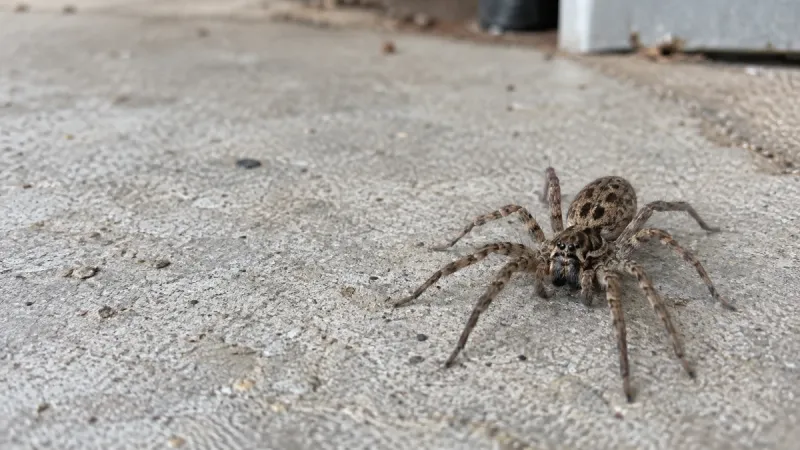
Spotting a brown spider in the garage sets off alarm bells, yet the odds point somewhere else. According to UF/IFAS spider guidance, there is no scientific evidence that any recluse spider is established in Florida, and confirmed sightings are rare.
Established means a species is living and reproducing here on its own, and that has not been shown for recluses.
Rare does not mean impossible, though. Recluse spiders have occasionally been intercepted in Florida, and a spider can hitch a ride in boxes, furniture, or other transported goods.
UF/IFAS records on the brown recluse also describe isolated specimens and a few building occurrences over the years.
One more detail matters. The terms brown recluse and recluse spider are not interchangeable.
Brown, Chilean, and Mediterranean recluse spiders have all been intercepted in Florida at one time or another, so a recluse in the state would not have to be the brown species.
So what does this mean for the spider on your garage wall? A brown spider there is much more likely to be a common local species or a look-alike.
That is a reasonable starting point, not a final answer, and the next sections cover the clues that can help you narrow things down without getting close to the spider.
Clues that may help identify a brown spider
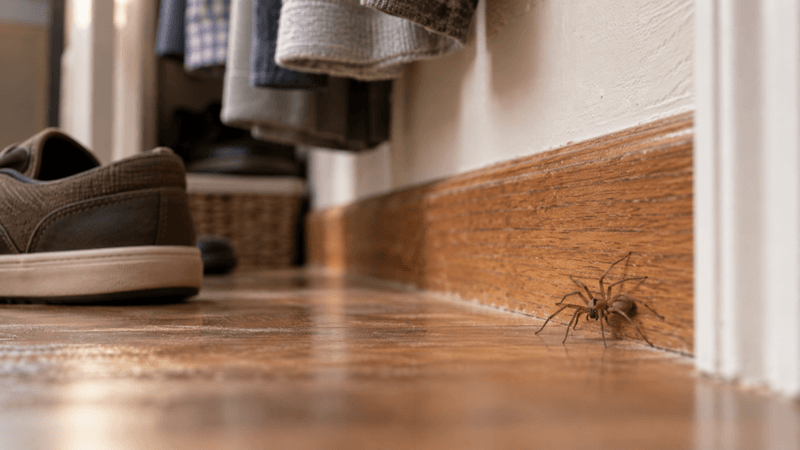
Several traits point toward a recluse, but none of them works as a guarantee. A brown recluse has a relatively flat body, long slender legs, and usually a violin-like mark on the body section where the legs attach.
Its most telling feature is six eyes arranged in three pairs, rather than the eight eyes most spiders have.
The violin mark gets the most attention, and it deserves the least trust. UF/IFAS warns that the mark is inconsistent and should not be relied on by itself.
Other spiders can have similar-looking markings, so a violin shape alone proves nothing.
The eye pattern is a more useful clue, but it comes with a catch. Florida spitting spiders also have six eyes, though their domed bodies and other features set them apart.
Eyes are also tiny, and counting them often takes magnification.
That makes eye counting a poor casual test. Getting close enough to see eyes means getting close enough to a spider you cannot identify, and that is not a good trade.
Treat body shape, leg length, markings, and eyes as a group of clues that can raise or lower suspicion. No single feature settles the question, and a photo reviewed by an expert is a better path when you are unsure.
The male southern house spider is a common look-alike
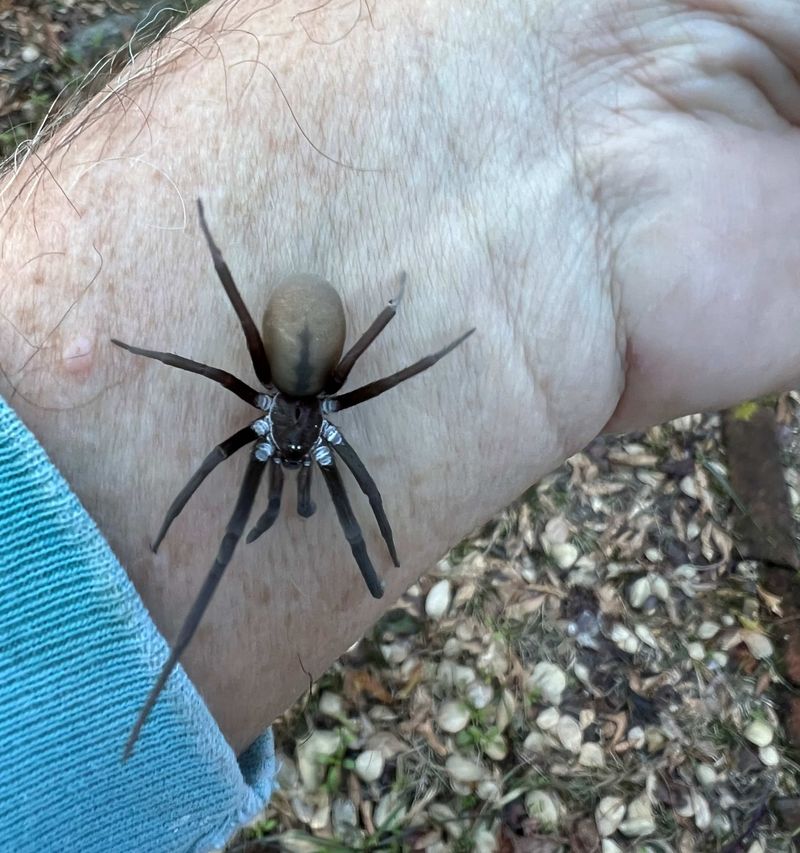
Ask a Florida extension agent which spider gets mistaken for a recluse most often, and the male southern house spider is high on the list. It is brown, it wanders indoors, and it turns up in garages and around windows.
Those traits are enough to cause a scare, even though they say little about what the spider really is.
Details tell a different story. UF/IFAS describes this spider as having eight eyes clustered together, not the three pairs of a recluse.
The male also has conspicuously long pedipalps, the leg-like appendages near the mouth, which can look like extra front legs.
Compare that with recluse clues. A recluse has six eyes in three pairs, while a male southern house spider has eight eyes in a tight cluster.
Those differences are real, but they are hard to see without magnification, so they work best as descriptive clues rather than a verdict.
Color and general resemblance should never close the case. Many brown spiders share a similar look, and UF/IFAS notes that this spider is frequently confused with recluses.
If long front appendages catch your eye, snap a photo from a distance and send it for expert review.
Wolf spider clues: appearance and movement
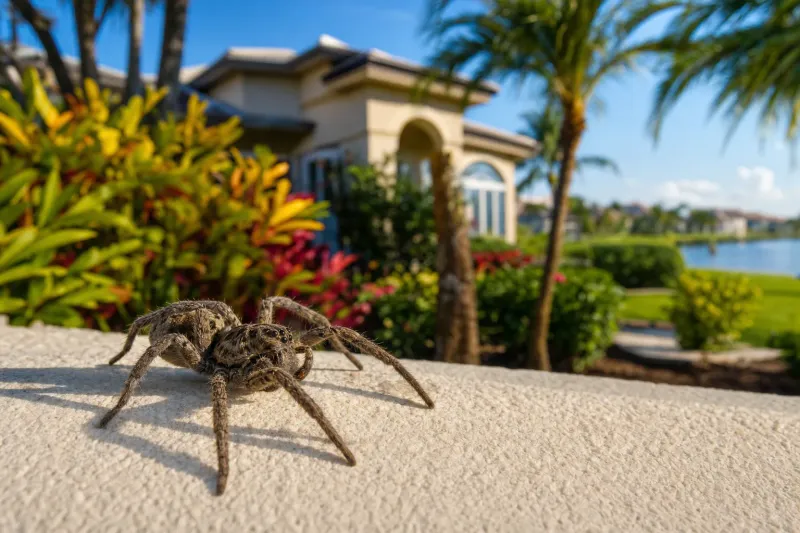
Watch how a spider moves and you may learn as much as from its markings. Wolf spiders are fast-running hunters, so one that darts across the garage floor when the light comes on fits the pattern.
They do not sit in a web waiting for dinner.
Appearance adds more clues. According to UF/IFAS Gardening Solutions, wolf spiders are hairy and often striped.
They may show up in homes and garages, especially near doors and along edges where they wander in from the yard.
Females offer one of the easiest clues to spot. A female wolf spider carries her egg sac behind her, attached to the end of her body.
A brown spider dragging a round, silky ball is a strong hint that you are looking at a wolf spider.
Still, these are suggestions, not guarantees. A hairy look, stripes, and fast movement can point toward a wolf spider, but they do not prove it, especially from a quick glance in dim light.
If you are not sure, keep your distance and use a photo to get help from your county UF/IFAS Extension office.
Some garage spiders call for separate caution
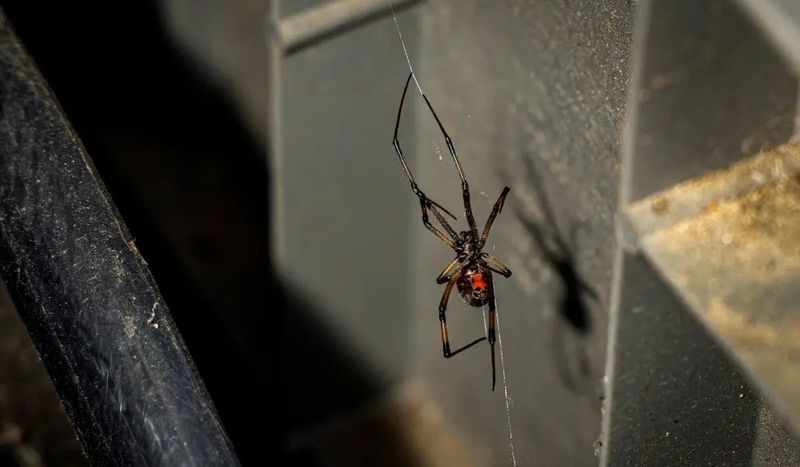
Not every unidentified spider is harmless, and garages are exactly where some of the more serious ones settle in. UF/IFAS Gardening Solutions notes that widow spiders use cluttered storage areas and garages.
Stacked boxes, old pots, and dark corners give them plenty of places to hide.
Two clues stand out for widows. They have a bulbous abdomen, and many show a red or orange marking on the underside.
Seeing that underside marking usually means looking from an angle you would rather not take, so a distant photo is the safer option.
Here is why this matters when you are hunting for a recluse. A brown, thin-legged spider and a rounded, glossy one are quite different, so keeping several possibilities in mind helps you avoid guessing too fast.
Even the six-eye clue has limits. UF/IFAS points out that Florida spitting spiders also have six eyes, so an eye count alone cannot confirm a recluse.
The practical lesson is to treat any spider you cannot name with respect. Look from a distance, do not poke or trap it by hand, and get expert help with the identification.
Use a safe photo and ask for identification help
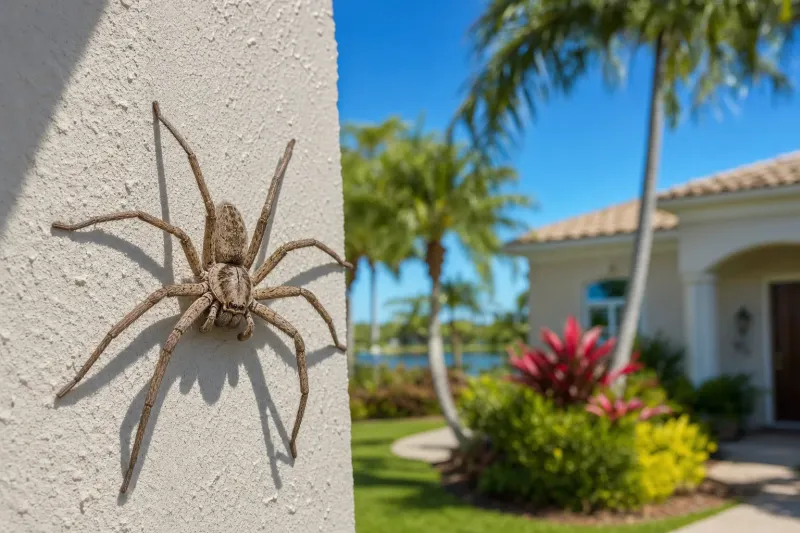
When clues leave you stuck, the safest move is also the simplest. Do not pick the spider up, poke it, or lean in close to count its eyes.
Eyes are tiny, and getting that near a spider you cannot identify only adds risk.
Instead, take a clear photo from a safe distance. Use your phone’s zoom rather than your hand, and try to get the whole body in focus along with the legs.
A second shot from another angle can help, as can something in the frame, like a coin or ruler, to show size, as long as you do not have to reach near the spider to place it.
Then reach out for help. UF/IFAS Gardening Solutions directs readers to their county UF/IFAS Extension office for spider identification.
Staff there can review what you send and tell you what they see.
Keep expectations realistic. A photo helps, but it does not guarantee a correct answer, and one marking never settles it.
Blurry or distant images may leave questions open, and that is a normal part of the process.
Reduce encounters in storage areas
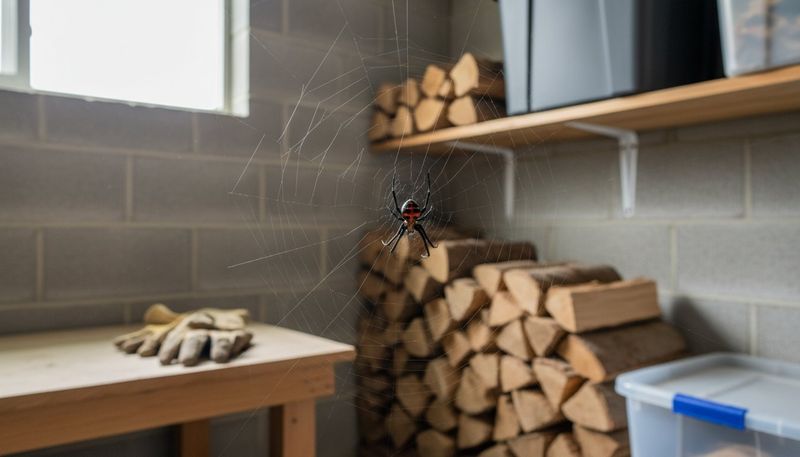
A few small habits can lower the odds of a surprise in the places spiders like to tuck away. Poison Control recommends a short list of steps for reducing encounters with recluse spiders, and they make sense for storage areas in general.
First, shake out seldom-used shoes, gloves, and clothing before you put them on. Garden gloves left on a shelf all summer are a classic hiding spot.
A quick shake costs a few seconds.
Second, reduce clutter. Fewer piles of boxes, bags, and loose items means fewer sheltered spots in the garage or shed.
Clearing a path along the walls also makes it easier to see what is there.
Third, avoid reaching blindly into dark corners or stored items. Use a flashlight first, and look before your hand goes in.
None of this will eliminate spiders, and it is not meant to. These steps simply cut down on close, unexpected contact, which is where most problems start.
A wound cannot identify the spider

Spotting a spider and dealing with a possible bite are two separate problems. A wound or worsening skin problem does not prove a recluse caused it.
UF/IFAS says mystery wounds and infections are often misdiagnosed as recluse bites, and a wound alone cannot name the spider.
If you think you were bitten, wash the area and contact Poison Control at 1-800-222-1222, or use webPOISONCONTROL. Poison Control notes that many conditions can mimic a recluse bite.
Let the experts guide the next steps.
Spider clues belong in the garage. Bite questions belong with Poison Control.