
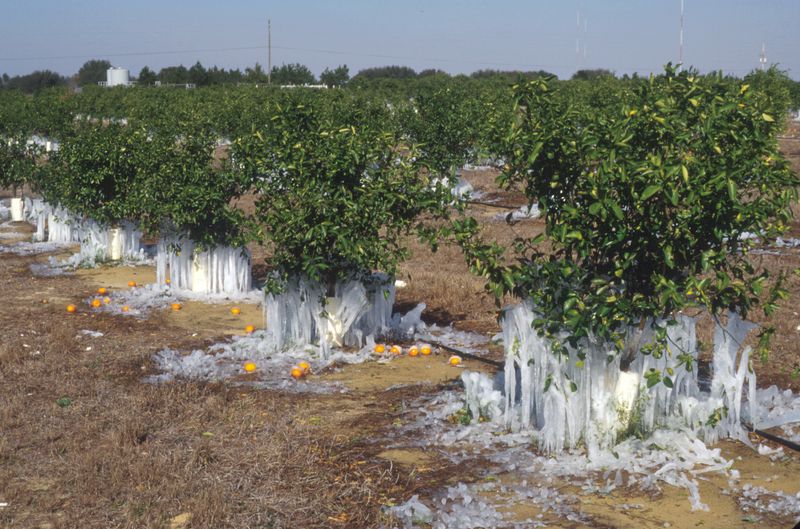
The first chilly evening of fall sends many California gardeners running for bedsheets. But a cool night and a damaging frost are two very different things.
Knowing the difference can save you work and still protect the trees and fruit that matter most. Here is a simple way to decide when to cover and when to leave your citrus alone.
A cool autumn night is not, by itself, a reason to cover
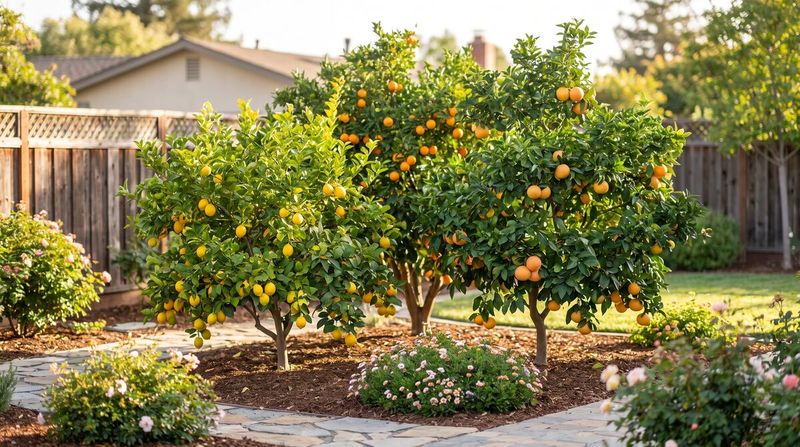
Short answer: no, you do not need to wrap a mature, in-ground citrus tree just because the evenings have turned crisp. Cool autumn weather actually helps citrus slow down and get ready for winter, which is called acclimation.
A tree that has eased into the cold season is better prepared than one hit by a sudden swing.
Size and age matter too. According to UC Integrated Pest Management, fruit, young shoots, and young trees are the most cold-susceptible parts of a citrus planting, and damage to major limbs and trunks is less common in older trees.
A big, established tree is therefore less likely to lose its main structure in a light frost.
That does not mean the whole tree and its crop are immune. Leaves, tender shoots, and fruit can be injured well before the trunk or big limbs show any harm.
A tree can look fine in spring and still have lost a season of oranges or lemons.
So the question is not whether fall has arrived. The better questions are whether frost or freezing weather is in the forecast, and what you most want to protect.
UC guidance on frost protection for citrus points toward covering small trees and insulating young trunks when cold is expected, not as a routine habit all autumn.
Think of it as a trigger based on weather and what is at risk. A cool, breezy night with a mild forecast can pass without any action from you.
A clear, still night with frost in the forecast deserves a closer look.
What does a frost warning actually tell you?
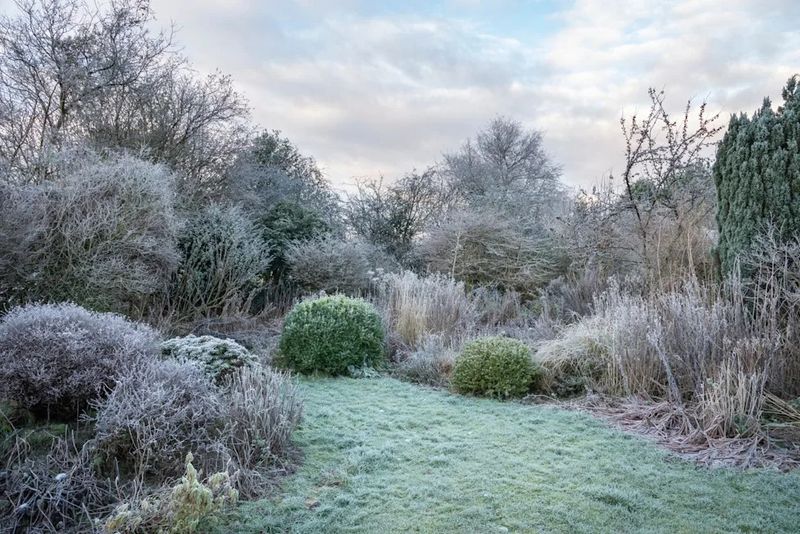
Frost and freeze sound alike, but they are not the same. Frost can form when the official air temperature is still above 32°F, because plant tissue loses heat on clear, cool nights and can drop to 32°F or below.
UC IPM explains that clear skies favor this kind of heat loss.
The National Weather Service notes that frost may form near the ground when measured air temperatures are 32 to 36°F. So a forecast low of 34°F does not automatically mean your leaves are safe.
Look at your local forecast, and notice whether your yard sits low, open to the sky, or sheltered by a wall or roof overhang.
Length of the cold matters as well. Texas A&M extension notes that a brief lower reading may cause less injury than a longer stretch at a slightly higher temperature, and that citrus early in winter may be less acclimated than later on.
These are general points, not California cutoffs.
For one concrete example, the UC Master Gardeners of Sacramento County suggest covering young trees and sensitive lemons or limes below 29°F, and other trees below 27°F. That is local guidance for one area, not a rule for the whole state.
The same page notes that fruit can be damaged at warmer temperatures, depending on ripeness and exposure. Treat any number as a starting point, then adjust for your own yard.
Tree age, citrus type, exposure, and fruit all change the call
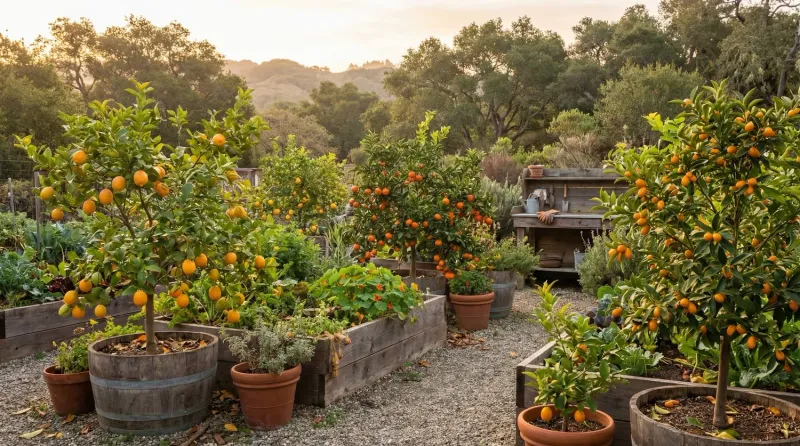
Not every citrus tree in your yard needs the same attention. Put young trees at the top of your list, since their trunks and limbs are the most vulnerable.
Next come lemons and limes, trees growing in open or low spots, trees with soft new growth, and any tree carrying fruit.
Variety plays a role, but only in relative terms. UC IPM lists Eureka lemon and grapefruit among the more sensitive types, while mandarin, Meyer lemon, and sweet orange are relatively hardier.
University of Georgia Extension gives a similar ranking, with lemons and limes the least hardy. Those rankings compare types.
They do not promise that your particular tree will come through.
Exposure can shift the picture. A tree against a south-facing wall, under an eave, or near pavement that holds warmth often fares better than one in an open low spot where cold air settles.
A tree that is crowded by nothing and exposed to clear sky loses heat faster.
Fruit changes the stakes. A hardy mandarin loaded with ripe fruit may deserve more attention than a bare tree of a tender type, depending on what you care about saving.
UC frost protection guidance backs the idea of insulating young trunks and covering small trees. Combine these factors with the forecast, rather than assigning a fixed temperature to each variety.
Harvest fruit when a damaging freeze threatens the crop
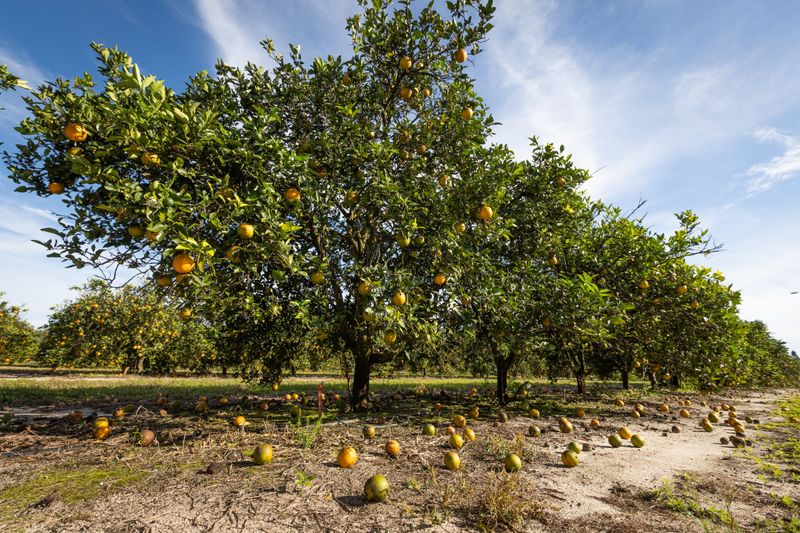
Saving the fruit and saving the tree are two separate jobs. A tree can survive a cold night and still lose its crop, because fruit may be injured even when the tree itself comes through.
That is why harvest becomes a useful tool when a damaging freeze is predicted.
According to UC frost protection guidance for citrus, picking before a predicted freeze can protect the crop and also lower the fruit load on the tree. This helps most with large trees that are hard to cover.
Keep the advice tied to the threat. A routine frost advisory does not mean you must strip every branch.
If the forecast is mild and your fruit is not yet ripe, leaving it on the tree may be fine, and some types sweeten with time.
Harvesting also does nothing to shield leaves or young shoots, so it is not a substitute for protecting a small tree. Think of it as one move for the crop, and covering as a separate move for the tree.
Fruit exposure and ripeness can change how much risk you face, as UC IPM describes fruit as especially cold-susceptible. If a hard freeze looks likely, pick what is ready, handle it gently, and bring it inside.
Cover small trees with cloth, but do not treat a cover as freeze-proof
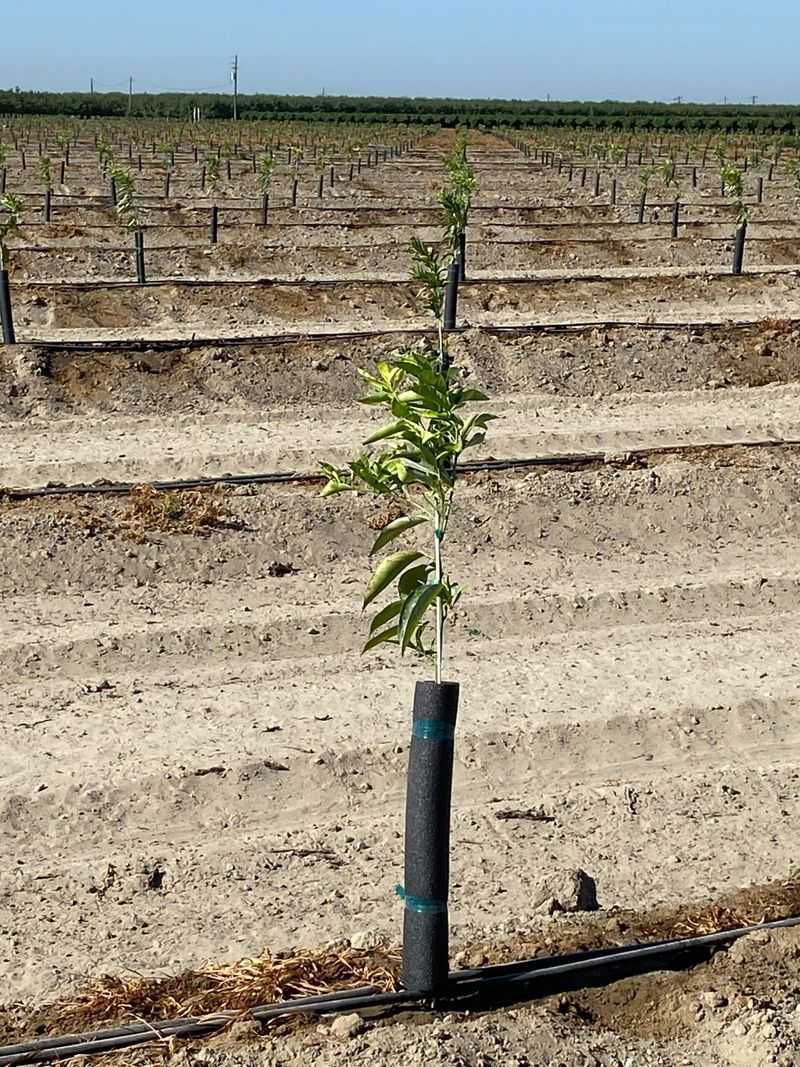
When a small tree needs help, reach for cloth. A sheet, burlap, or similar fabric works well.
Drape it all the way to the ground so it traps warmth radiating up from the soil, and use stakes or a light frame to keep it off the leaves where you can.
Keep plastic away from foliage. UC guidance warns that leaves touching plastic are more likely to freeze.
If you must use plastic, hold it clear of the leaves with a frame and put cloth underneath.
Take the cover off during the day once temperatures rise, so the tree can warm and air can move. Then put it back before the next cold evening.
UC Alameda County advice on late fall care points the same direction.
Be honest about limits. A large canopy can be impractical to cover, and UC IPM says covering alone is of little help during a freeze unless a heat source is added.
A cover will not carry any tree through a prolonged or severe freeze.
If you add heat, use only outdoor-rated equipment and lights, and keep cords and bulbs away from wet ground and fabric. Shock and fire are real hazards.
Skip all-night sprinklers as a casual fix. Texas A&M notes the method needs continuous application, and an interruption can make damage worse.
Ice can also break limbs, soil can become waterlogged, and the water use is hard to justify in a dry California year.
Avoid tender new growth, and wait for spring before pruning damage
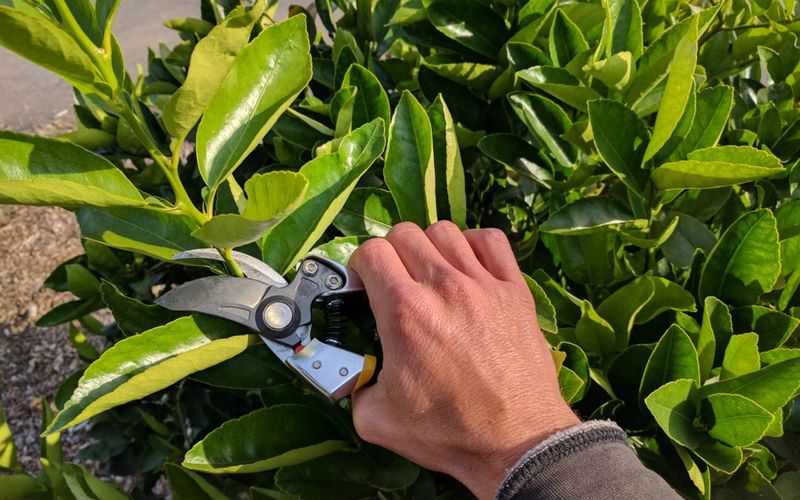
Soft new shoots are the first casualties of cold, so do not coax them out late in the season. Skip heavy pruning and fertilizing in fall, since both can push tender growth that frost will burn.
UC IPM flags young shoots as especially cold-susceptible.
If frost does hit, resist the urge to cut right away. Blackened leaves and limp branches can look hopeless, but the wood beneath may be alive.
Pruning too early can remove tissue that would have recovered, and it can open the tree to new cold damage.
UC frost protection advice is to wait until new growth appears in spring, then prune back to where healthy buds are pushing. The new growth shows you where living wood ends.
There is one exception. If a damaged limb is hanging over a walkway, a roof, or a play area and poses an immediate hazard, take care of it now.
Do not count on every damaged-looking branch coming back. Some may not, and a spring check is how you find out.
Until then, a scratch test with your thumbnail on a small twig can show green tissue under the bark, which is a hopeful sign but not a guarantee.
Use the forecast and your tree to make the first-cold-night decision
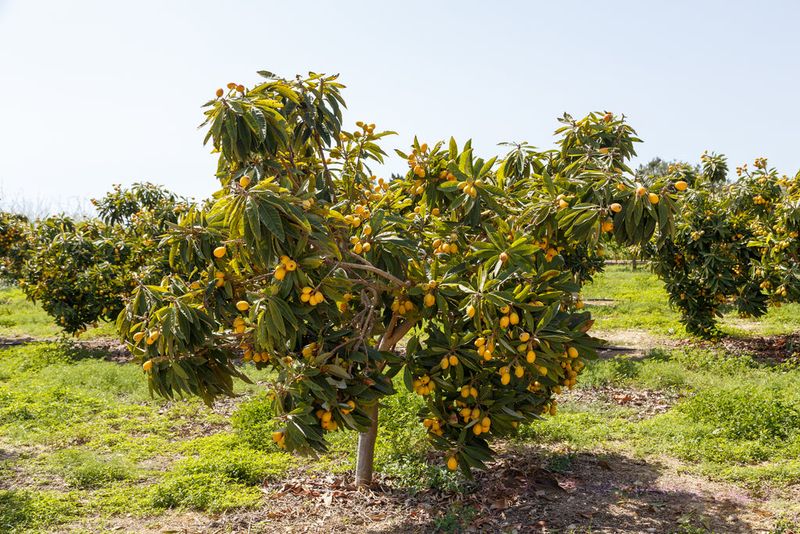
Start with the forecast, not the calendar. Ordinary autumn chill is no reason to cover.
Look for frost or freezing conditions and how long they may last, then put young trees, sensitive lemons and limes, and vulnerable fruit first. Cover small trees when your site and forecast point to real risk.
Remember that the Sacramento County figures of 29°F and 27°F are local guidance, not a California-wide cutoff. Pair them with what UC IPM says about your tree type, then trust what you see in your own yard.
Your tree knows your microclimate better than any statewide rule.