
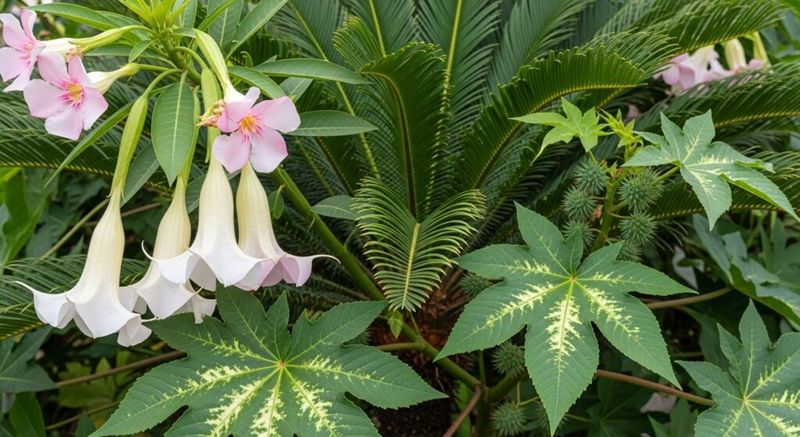
A pretty shrub can hide a nasty surprise when a child picks a berry or a dog chews a leaf. In Florida yards, some common landscape plants contain toxins that can cause stomach trouble, heart problems, or worse. The good news is that you do not have to give up color, privacy, or wildlife value. These safer Florida native swaps can handle local heat, sandy soil, and storms while making your yard less risky.
1. Oleander replaced with Simpson’s stopper
Oleander looks like a vacation postcard, with glossy leaves and big pink, white, or red blooms that shrug off heat and drought. The problem is that every part of the plant is poisonous, including leaves, stems, flowers, and even dried clippings. For kids who like to make pretend soups and dogs who chew sticks, that is a serious mismatch.
Oleander contains cardiac glycosides, which can affect the heart. Eating even small amounts may cause vomiting, drooling, dizziness, irregular heartbeat, or more severe poisoning. Smoke from burning cut branches is also unsafe, so storm cleanup can create another risk if prunings are handled carelessly.
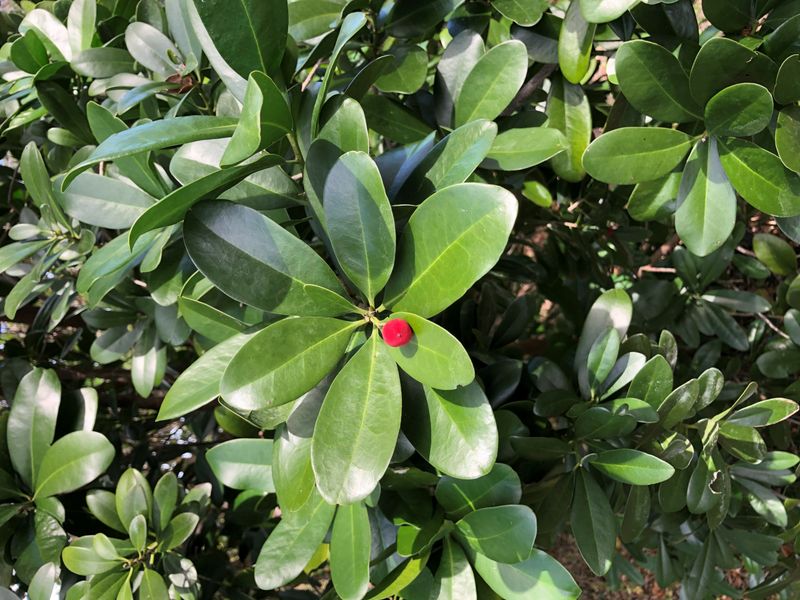
A better Florida-native replacement is Simpson’s stopper, a handsome evergreen shrub or small tree that fits many of the same landscape jobs. It can be clipped into a hedge, left loose for a softer look, or used near patios where you want year-round greenery. Small white flowers attract pollinators, and the red-orange berries feed birds, though children should still be taught not to eat landscape berries.
Simpson’s stopper is especially useful in Florida because it tolerates sandy soil once established and handles coastal conditions better than many fussy ornamentals. It gives you the polished hedge look without bringing oleander’s high-toxicity baggage into a family yard.
2. Sago palm replaced with coontie
A dog nosing around a fallen sago palm seed is one of those yard moments that can turn scary fast. Although people call it a palm, sago palm is actually a cycad, and it is among the most dangerous common landscape plants for pets in Florida. The seeds are especially toxic, but the whole plant is a concern.
Sago palm contains cycasin, a toxin linked to severe liver damage. Pets that chew seeds or fronds may develop vomiting, diarrhea, weakness, seizures, or liver failure. Children are at risk too, especially because the bright seeds can look interesting after they drop onto the ground.
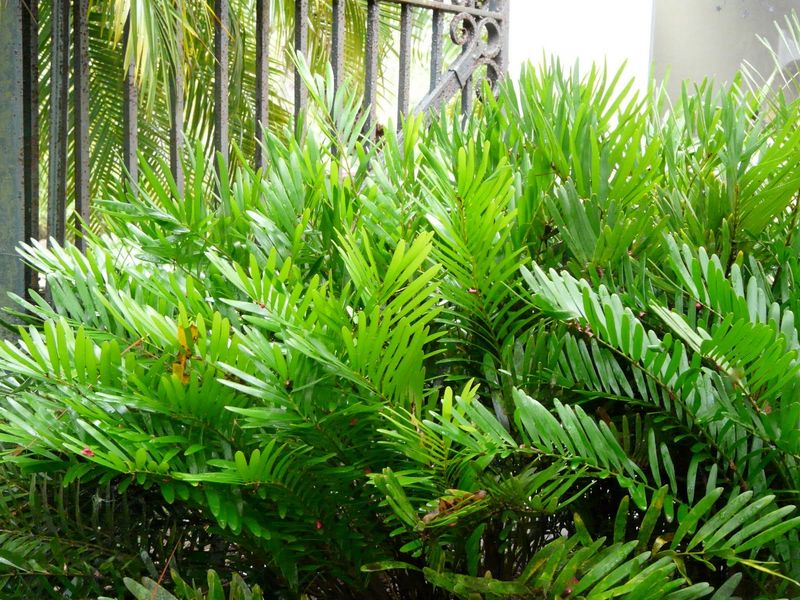
Coontie is the smarter Florida-native swap when you want that low, ancient-looking, tropical texture. It is also a cycad, but it has a much better role in the home landscape because it supports the rare atala butterfly, whose caterpillars feed on the plant. That wildlife connection gives coontie a special reason to earn space in a Florida yard.
Coontie stays compact, works well along walkways, and tolerates sandy soil once established. It is not a snack plant and should not be treated as edible, but it avoids the notorious pet-poisoning reputation that makes sago palm such a poor choice around curious animals. For a set-and-forget native with real Florida character, coontie is hard to beat.
3. Azalea replaced with wild azalea
Spring azaleas can make a Florida neighborhood glow, but the familiar evergreen landscape types deserve caution in homes with toddlers, puppies, or grazing pets. Their flowers and leaves contain grayanotoxins, which can disturb the stomach, nerves, and heart. A few nibbles may be enough to cause trouble in smaller animals.
Poisoning signs can include drooling, vomiting, weakness, low blood pressure, and abnormal heart rhythm. The risk is easy to overlook because azaleas feel so traditional, especially in older Florida neighborhoods with shady yards and pine trees. Familiar does not always mean harmless.
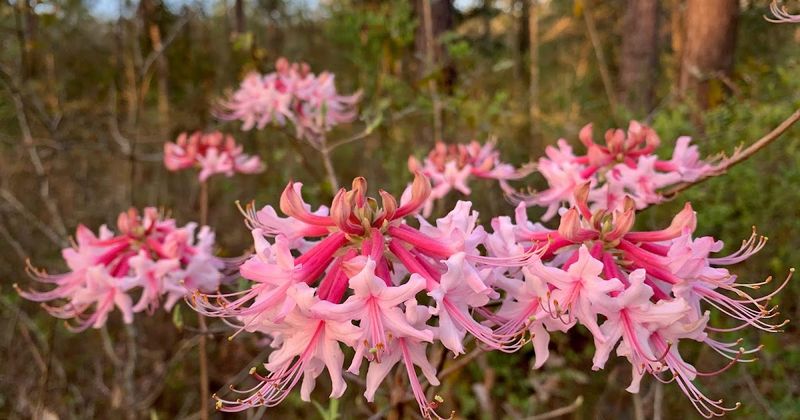
For gardeners who love the woodland look, native wild azalea offers a more Florida-rooted choice with a softer, more natural style. Florida has native Rhododendron species, including pinxter azalea and Florida flame azalea, that bring fragrant blooms and a loose, graceful shape to partly shaded spots. They are not edible plants, so supervision still matters, but choosing natives helps avoid leaning on overused ornamentals that may need more pampering.
Wild azaleas appreciate acidic, well-drained soil, which makes them a better match for many piney Florida landscapes than heavy, soggy beds. Add pine bark or leaf litter, keep roots mulched, and avoid planting them where floodwater sits after storms. The reward is spring color that feels like it belongs here.
4. Angel’s trumpet replaced with firebush
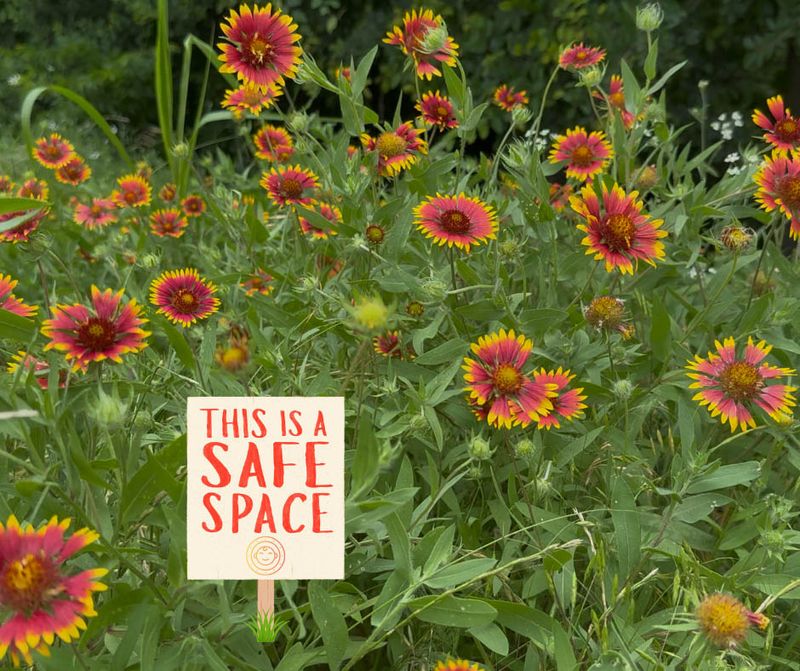
Those huge dangling trumpets can stop guests in their tracks, and that is exactly why angel’s trumpet shows up in Florida gardens. It has drama, fragrance, and a tropical mood. Unfortunately, it also carries powerful toxins that make it a bad fit near play areas, dog runs, and curious hands.
Angel’s trumpet contains tropane alkaloids that can affect the brain, eyes, heart, and digestion. Ingestion may cause dry mouth, confusion, dilated pupils, rapid heartbeat, hallucinations, or dangerous poisoning. Seeds and flowers are especially concerning because they are easy to notice and handle.
Firebush gives you the color and wildlife action without the same frightening reputation. This Florida native produces clusters of orange-red tubular flowers that hummingbirds and butterflies visit eagerly. In warm parts of the state it can bloom for much of the year, and in cooler areas it often returns after cold snaps.
There is also a practical reason to love firebush: it can handle real Florida conditions. Sun, heat, sandy soil, and short dry spells are all within its range once established. It can be pruned as a shrub, allowed to grow looser for pollinators, or tucked into a mixed native border where it brings motion to the garden.
If your yard needs one plant that feels lively instead of fussy, firebush is the swap. It turns a risky showpiece into a bird-and-butterfly stop that still looks bold from the patio.
5. Lantana replaced with buttonsage
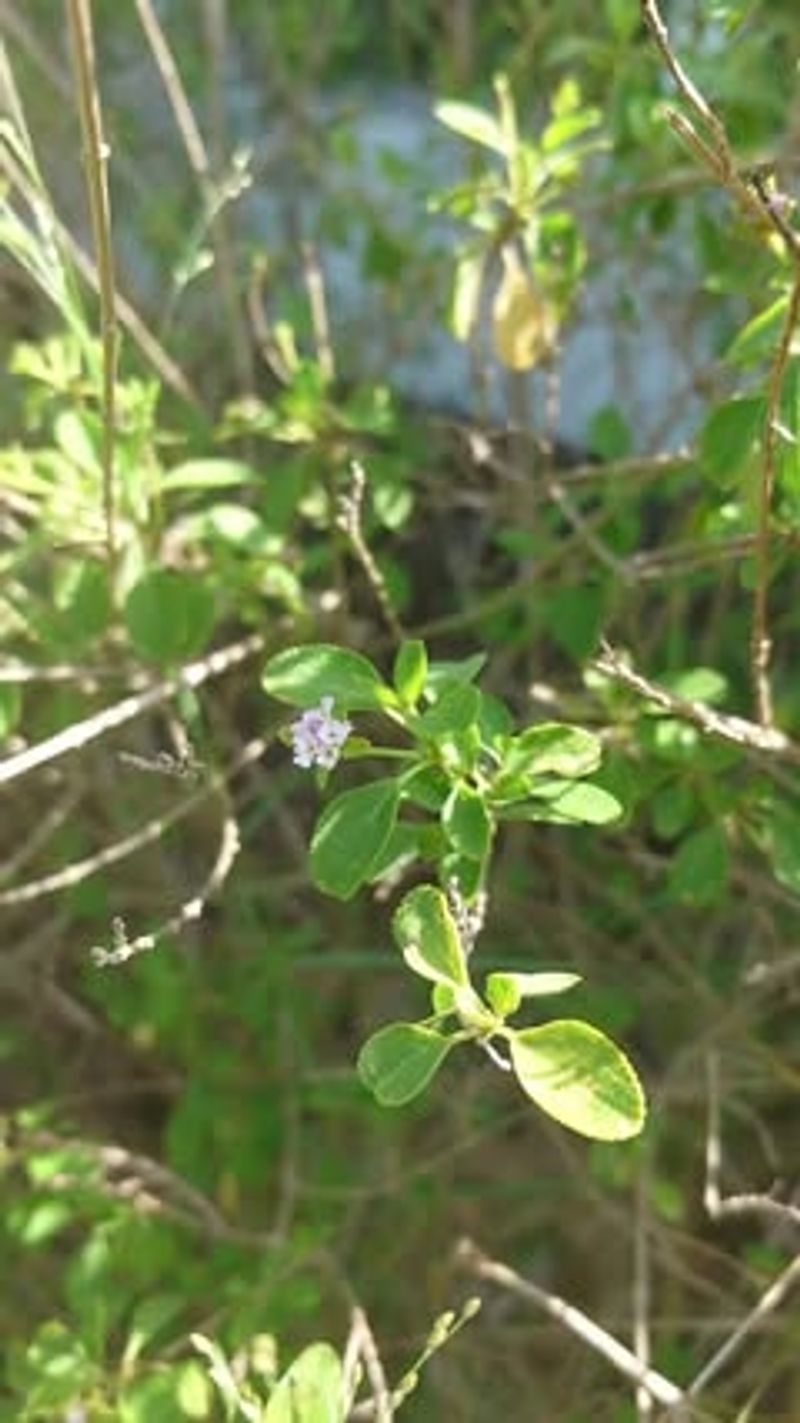
Butterflies love lantana, and that is why many Florida gardeners give it a pass. The catch is that some nonnative lantanas can spread, hybridize, or behave badly in natural areas, and lantana leaves and green berries are toxic if eaten. Livestock poisonings are well known, but pets and children should not be allowed to sample it either.
Lantana toxicity can cause vomiting, diarrhea, weakness, and liver-related problems in animals. The berries are the sneaky part in home landscapes because they change color and may look tempting. In a yard where kids pick everything and dogs patrol the hedge line, that is not a relaxing setup.
Buttonsage, also called wild sage, is a Florida-native alternative with a lighter touch. It has small rounded leaves, clusters of pale flowers, and a relaxed shape that fits coastal gardens, pollinator beds, and sunny borders. Butterflies still get nectar, but the plant does not bring the same invasive-alarm baggage as many ornamental lantanas.
For sandy, fast-draining soil, buttonsage is a practical pick. It tolerates salt, drought, and heat once established, making it useful for coastal counties and inland hot spots alike. Trim it lightly if you want a tidier shrub, or let it grow more naturally for a breezy, wildlife-friendly look.
The trade is simple: keep the butterfly activity, lose the problem-plant drama. That is a win for Florida gardeners who want beauty without creating extra work.
6. Castor bean replaced with beautyberry
Few plants look as bold as castor bean, with giant star-shaped leaves and spiky seed capsules that seem made for a tropical movie set. That strange beauty is exactly what makes it risky. The seeds contain ricin, one of the most dangerous plant toxins found in common garden settings.
Chewing or swallowing castor bean seeds can cause severe vomiting, diarrhea, dehydration, abdominal pain, and potentially life-threatening poisoning. The seed coat may pass through if swallowed whole, but no family yard should rely on luck. After storms, seed pods can scatter into lawns, drainage edges, and places pets investigate.
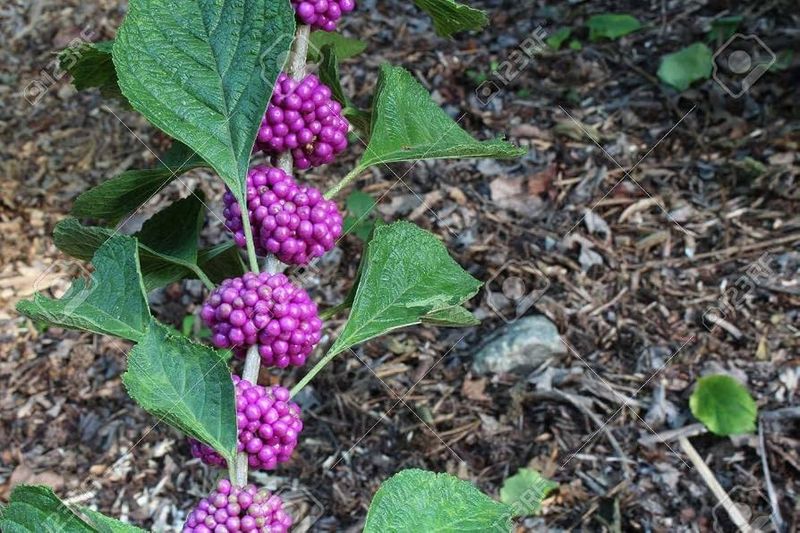
American beautyberry is a safer native shrub when you want a plant that grabs attention from across the yard. Its arching stems carry bright purple berry clusters in late summer and fall, just when Florida gardeners are thinking about refreshing tired beds after the hardest heat. Birds relish the fruit, and the shrub brings a cheerful, almost electric color without castor bean’s extreme hazard.
Beautyberry also works with Florida’s low-effort gardening style. It tolerates part shade, handles sandy soil, and can be cut back in late winter if it gets rangy. In a mixed hedge, it pairs well with Simpson’s stopper, coontie, and firebush for layers of texture and wildlife value.
One quirky bonus: crushed beautyberry leaves have a long folk history as a mosquito-discouraging rub, though results vary. Even without that trick, the plant earns its keep as a native berry showoff.
7. Yellow allamanda replaced with yellow necklacepod
Golden allamanda can make a fence or mailbox bed look sunny almost overnight. In South Florida, it grows with tropical confidence, spilling, climbing, and flowering with very little encouragement. The downside is its milky sap and plant parts can irritate skin and upset the stomach if chewed.
Allamanda is not usually discussed with the same alarm as sago palm or castor bean, but it still does not belong where children pick flowers for play food or pets chew soft stems. Contact with sap may bother sensitive skin, and ingestion can lead to nausea, vomiting, or diarrhea. Fast growth also means more pruning, which increases sap exposure.
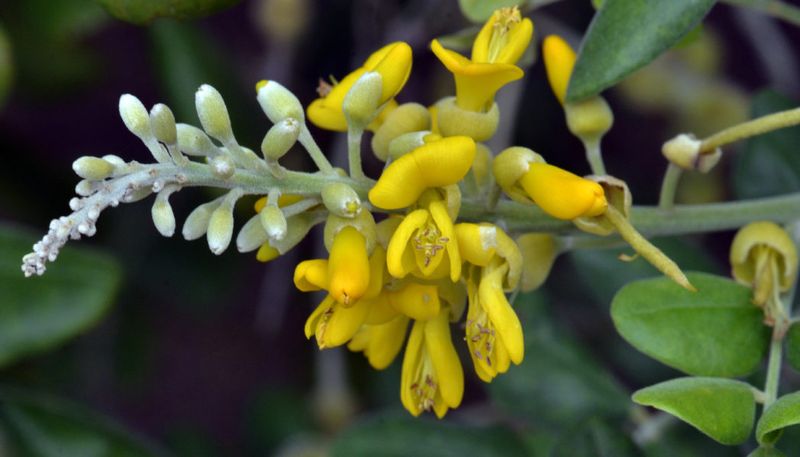
Yellow necklacepod brings the cheerful yellow-flower effect in a Florida-native package. This coastal shrub produces bright pea-like blooms followed by necklace-like seed pods, giving it a fun shape and name that kids may remember without needing to touch or taste it. Pollinators visit the flowers, and the plant fits sunny, sandy, salt-tolerant landscapes.
For homeowners near the coast, yellow necklacepod is especially useful because it copes with wind, salt spray, and lean soil better than many lush tropical ornamentals. It can be used as a specimen, in a mixed native hedge, or near a driveway where reflected heat is tough on softer plants.
Choose it when you want yellow flowers that feel upbeat but not high-maintenance. It keeps the Florida sunshine look while moving the yard toward native, storm-ready planting.