
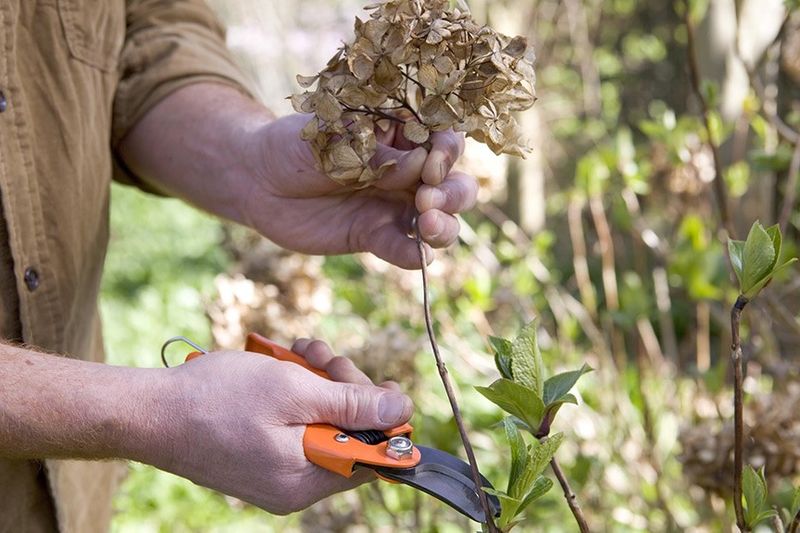
You planted a hydrangea dreaming of big, showy flowers, but season after season all you get is a bush full of green leaves and zero blooms. Before you blame the weather or the soil, the real culprit might be your pruning shears. Cutting at the wrong time, in the wrong spot, or on the wrong type of hydrangea can quietly snip away every flower before it ever has a chance to open. Let’s walk through the common pruning slip-ups that steal your blooms and, more importantly, how to fix them.
Knowing Which Hydrangea You Actually Own Comes First
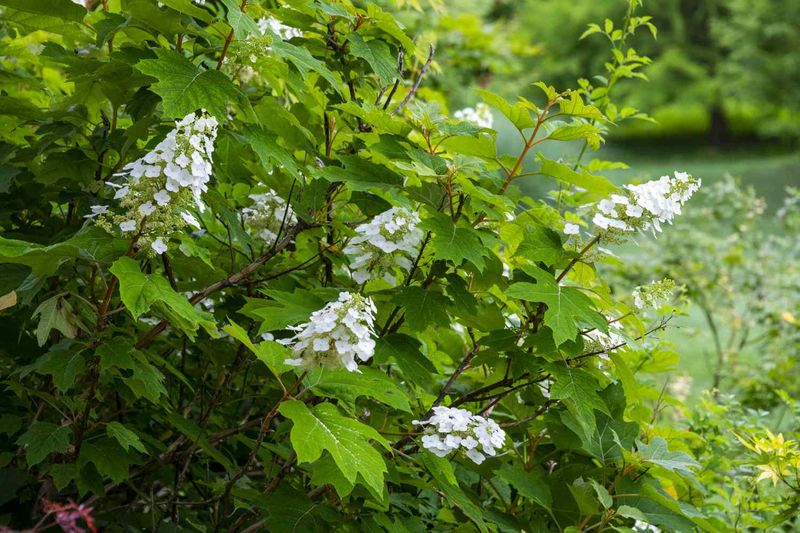
Grabbing the pruners before you know your plant’s name is where most bloom trouble begins. Hydrangeas fall into a few common groups, and each one has its own rules about when and where flowers form.
Bigleaf and oakleaf types set their buds on old wood, meaning last year’s stems already hold this year’s flowers. Panicle and smooth types bloom on new wood, growing fresh flower buds each spring on brand-new shoots. Mixing these two habits up is the fastest way to accidentally cut off every bloom.
Check the leaf shape, flower form, and even the plant tag if you still have it. Mophead and lacecap flowers with glossy, rounded leaves usually point to bigleaf. Cone-shaped blooms on tall, sturdy stems suggest panicle.
Once you can name your hydrangea, everything else about pruning starts to make sense. Guessing may cost you a full year of color, so take a few minutes to identify what you’re working with before a single stem gets trimmed.
Cutting Old-Wood Bloomers at the Wrong Time
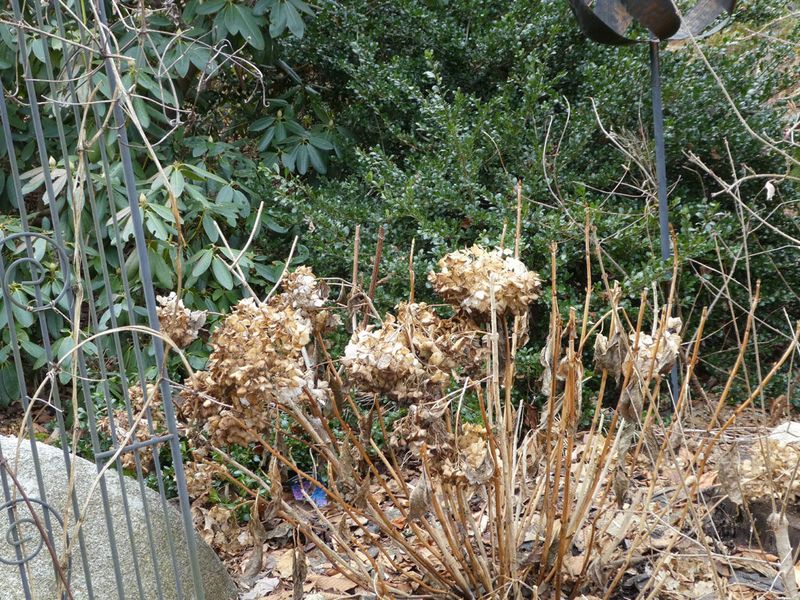
Here’s the heartbreak plenty of gardeners never see coming: you tidy up your bigleaf hydrangea in fall or early spring, and by summer it refuses to flower. What happened? You removed the buds that were quietly waiting all winter.
Old-wood hydrangeas form next year’s flower buds in late summer, right after the current blooms fade. If you cut those stems back during dormancy, you’re slicing away flowers that had already formed months earlier.
The safer window falls just after the plant finishes blooming, usually mid to late summer. Snip spent flowers and shape lightly then, and you generally avoid disturbing the buds forming for next year.
Resisting the urge to clean up bare winter stems can feel unnatural, especially when everything else in the garden gets a haircut. Leaving those brown stems alone often rewards you with a fuller flush of color come summer. When in doubt with an old-wood variety, less cutting almost always means more blooms.
The Fall Cleanup Habit That Backfires
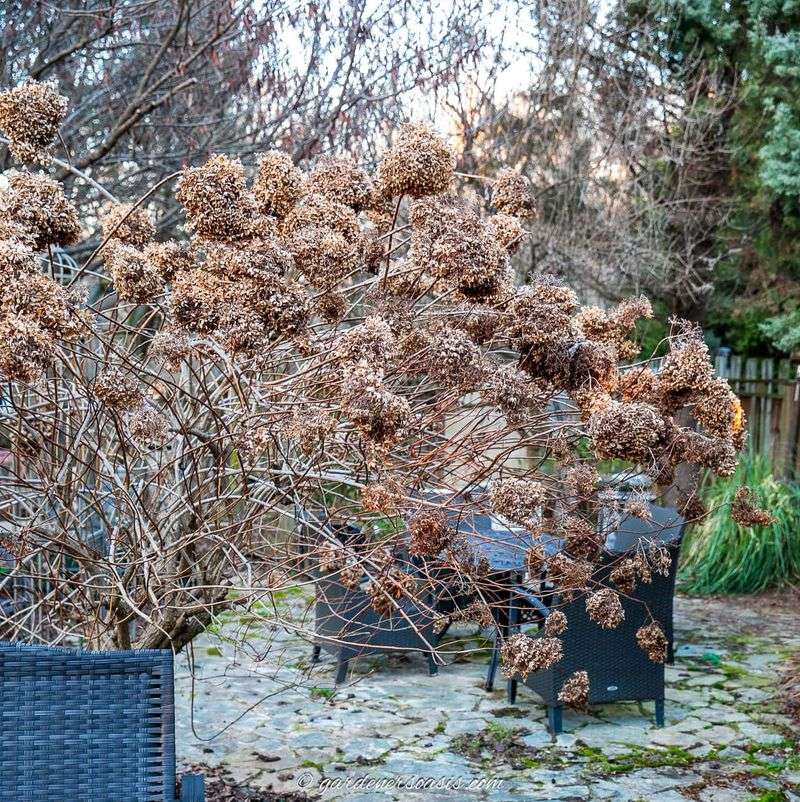
Something about crisp autumn air makes us want to cut everything back and put the garden to bed neat and tidy. For hydrangeas, that instinct can quietly erase next summer’s show.
Autumn pruning strips away the buds that old-wood types spent all season creating. It can also leave freshly cut stems exposed to harsh winter cold, which may damage the plant right where new growth should emerge.
Those dried, papery flower heads you’re tempted to remove actually serve a purpose. They offer a little insulation for the buds below and add quiet structure to a bare winter landscape.
Leaving the cleanup for spring gives you a clearer picture of what survived and what didn’t. You can then remove only the truly dead, brittle wood without gambling on healthy buds.
If tidiness is calling, redirect that energy toward raking leaves or mulching the root zone instead. Your hydrangea will likely thank you with a much stronger bloom once the weather warms.
Why Shearing Like a Hedge Ruins Everything
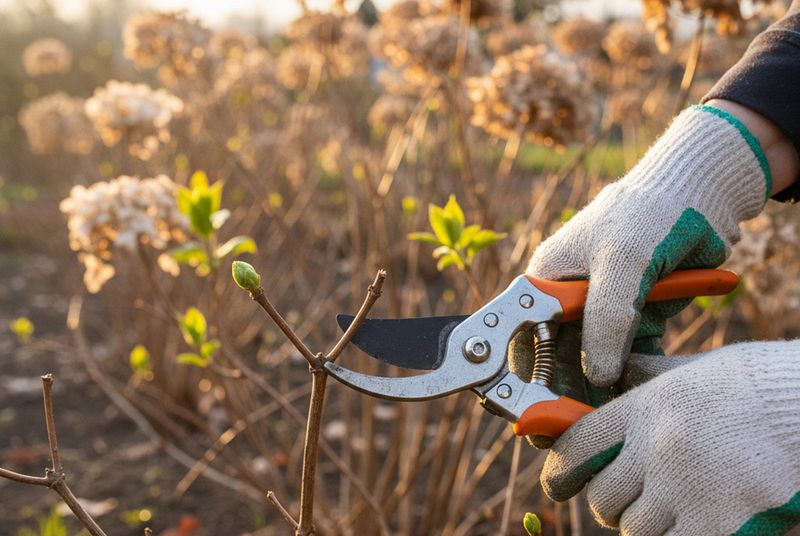
Reaching for the electric hedge trimmer feels efficient, but hydrangeas are not boxwoods. Shearing them into neat balls or boxes often trades a natural, flower-heavy shape for a tight shell of leaves and little else.
When you shear across the top, you slice through dozens of stem tips at once, and on old-wood types those tips are exactly where the flowers were going to open. The plant responds by pushing out lots of leafy growth to heal, not blooms.
Hand pruning one stem at a time takes longer, but it lets you choose what stays and what goes. You can remove crossing branches, thin crowded centers, and preserve the stems most likely to flower.
Think of it as editing rather than mowing. A few thoughtful cuts with clean bypass pruners usually produce a looser, healthier shrub that blooms far more generously.
Save the hedge trimmer for actual hedges, and give your hydrangea the individual attention its flowers depend on.
Cutting Too Far Down the Stem
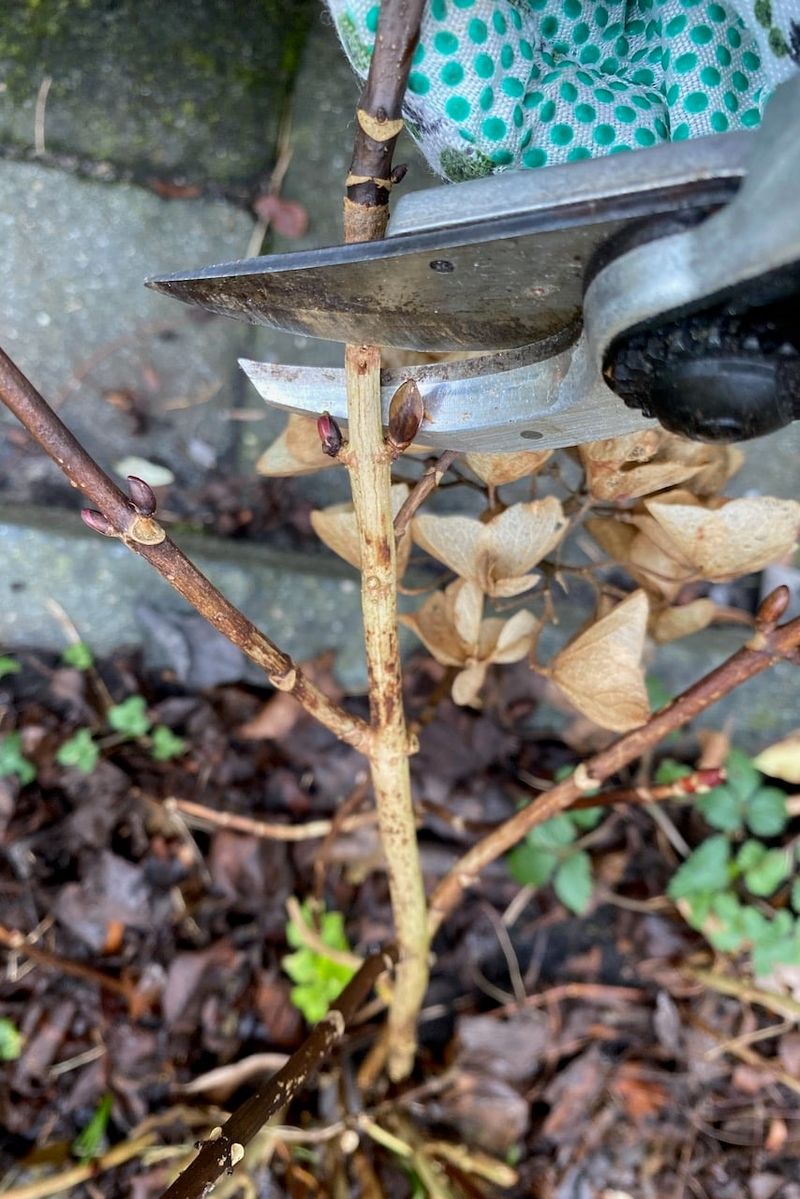
Enthusiasm sometimes gets the better of us, and we prune a hydrangea nearly to the ground hoping to force a burst of fresh growth. On new-wood varieties that can work, but on old-wood types it clears out the very stems holding your flowers.
Every deep cut removes the buds sitting along the upper portion of the stem. Slice too low, and you leave only bare wood that has to spend the whole season rebuilding before it can even think about flowering.
A gentler approach is to cut just above a healthy pair of buds, removing only what’s dead or spindly. That keeps the flowering wood intact while still cleaning up the plant.
Panicle and smooth hydrangeas tolerate harder cuts because they bloom on new growth, so a stronger trim in late winter can actually improve their sturdiness. Knowing which group you have decides how brave your shears should be.
When unsure, cut conservatively; you can always remove more later, but you can’t glue a bud back on.
Removing Dead Stems That Were Never Really Dead
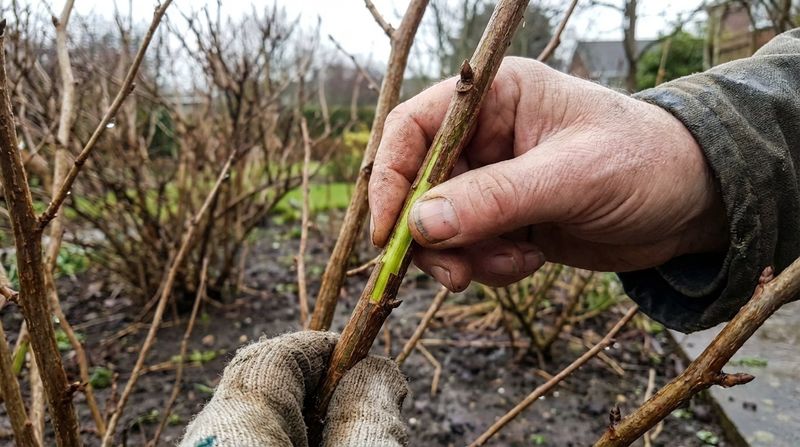
Bare, brown hydrangea stems in early spring look completely lifeless, and that appearance fools a lot of well-meaning gardeners into cutting them away. Plenty of those stems are simply late to wake up.
Hydrangeas, especially bigleaf types, can leaf out surprisingly late in the season. Chop a stem in March because it looks dead, and you may be tossing out a branch that would have bloomed beautifully by June.
A quick scratch test settles the question. Gently scrape a bit of bark with your thumbnail or a knife; green underneath means the stem is alive, while brown and brittle means it’s truly gone.
Give your plant time before making any final cuts. Waiting until buds visibly swell and leaves begin unfolding shows you exactly which stems have life left in them.
Patience here can rescue an entire season of flowers. What looks like a lost cause in early spring often turns into your most generous bloomer once warmer days arrive.
Deadheading Gone Wrong
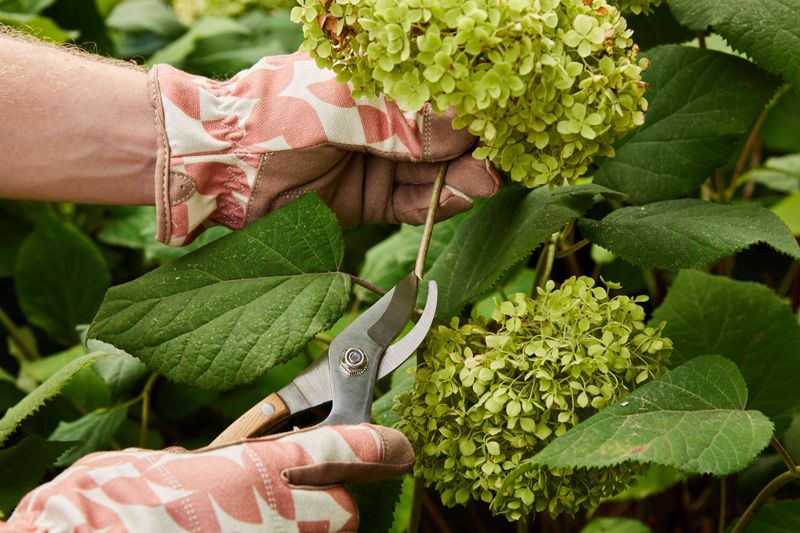
Snipping off faded flowers seems harmless, even helpful, but overzealous deadheading can quietly reach into next year’s buds. There’s a right depth and a wrong depth for the cut.
When a bloom fades, you want to remove only the spent flower and a short bit of stem, cutting just above the first strong set of leaves. Reach lower and you risk removing the fresh buds forming right below for the following season.
On reblooming and new-wood varieties, gentle deadheading through summer may encourage a second flush of flowers. On old-wood types, though, a heavy hand after midsummer can cost you next year’s display.
Timing matters as much as depth. Deadhead soon after blooms fade rather than waiting until fall, when the plant has already committed its energy to next year’s buds.
Keep your cuts shallow and thoughtful, and deadheading becomes a tidy little habit rather than a bloom-stealing mistake. Your hydrangea stays neat without giving up its future flowers.
Ignoring the One Cut That Actually Helps: Rejuvenation
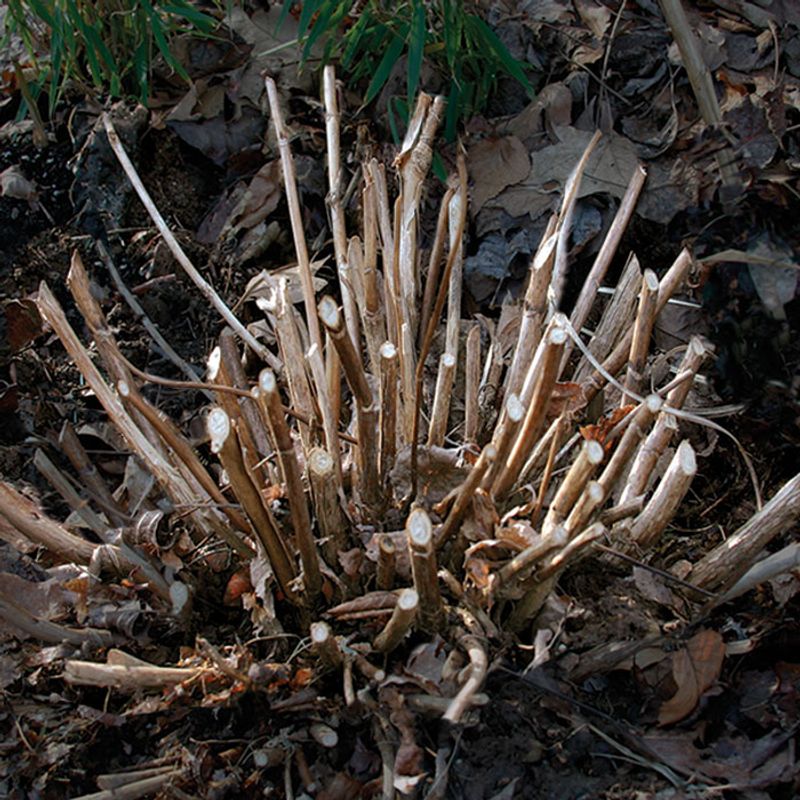
Not every cut is the enemy. Older hydrangeas that have grown woody, crowded, and stingy with flowers can actually benefit from a smart renewal trim spread over a few years.
Over time, the oldest, thickest stems stop producing many blooms while still hogging light and energy. Removing a couple of those aging canes right at the base can open the plant up and coax fresher, more productive growth.
The key is restraint. Take out only about a third of the oldest stems in any single year, letting younger wood step up gradually rather than shocking the whole shrub at once.
Aim to make these renewal cuts at the season’s right moment for your type, just after flowering for old-wood plants or in late winter for new-wood ones. Done patiently, this may bring a tired hydrangea back to generous flowering.
Think of it as thinning a crowded room so the best performers get the spotlight. A little targeted renewal often revives blooms that heavy shearing would have destroyed.
Pruning to Fix a Problem That Isn’t About Pruning
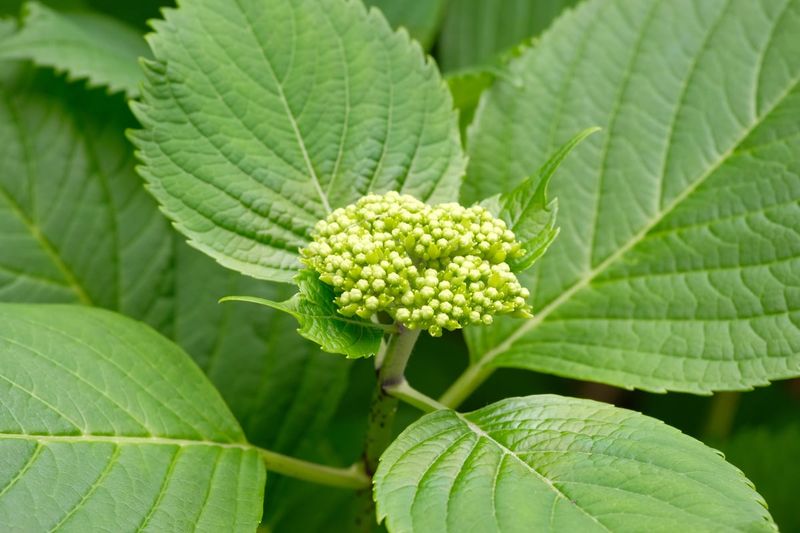
Sometimes the shears aren’t the problem at all. A hydrangea that grows lush leaves but skips the flowers may be struggling with too much shade, too much nitrogen fertilizer, or late-frost damage rather than bad cuts.
Heavy nitrogen feeding, common when lawn fertilizer drifts into a bed, pushes leafy green growth at the expense of blooms. Deep shade can do the same, leaving you with a big healthy bush and barely a flower.
Late spring frosts sometimes zap the tender buds on old-wood types even when your pruning was flawless. In that case, no cutting technique could have saved those blooms.
Before you keep tweaking your pruning routine, look at the bigger picture. Check the light, ease off high-nitrogen feeds, and note whether a cold snap hit right as buds emerged.
Solving the real cause often matters more than the perfect cut. Sometimes the kindest thing you can do for a bloom-shy hydrangea is put the pruners down entirely and adjust its growing conditions instead.
Your Simple Bloom-Saving Pruning Plan
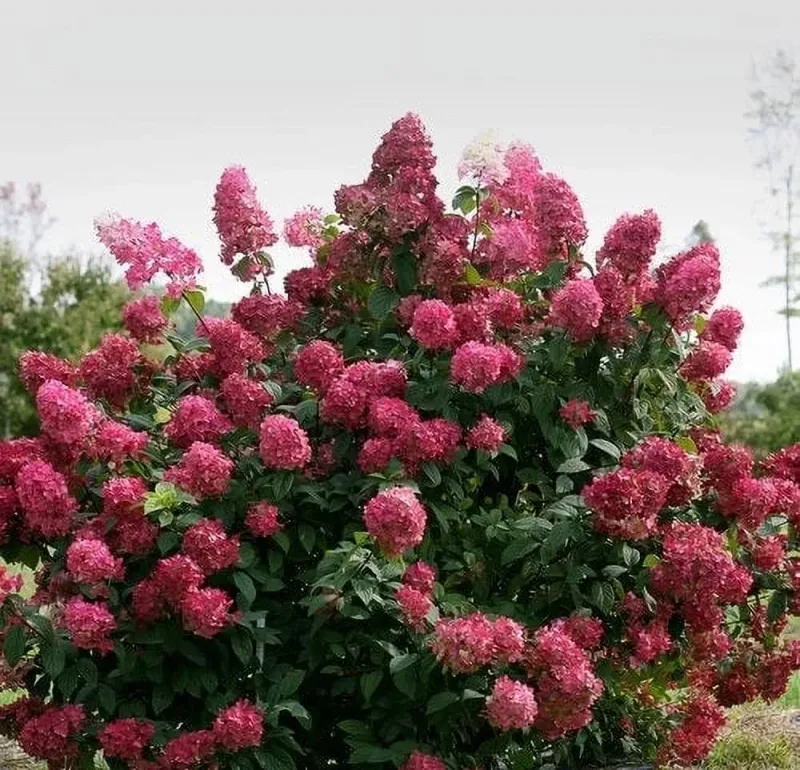
Bringing it all together doesn’t require a horticulture degree, just a few good habits. Start by identifying your hydrangea so you know whether it blooms on old or new wood, because that single fact guides every decision.
For old-wood types, prune lightly right after flowering and keep your shears away in fall and winter. For new-wood types like panicle and smooth hydrangeas, a firmer trim in late winter can build sturdier, flower-packed stems.
Skip the hedge trimmer, cut just above healthy buds, and use the scratch test before removing anything that looks dead. Deadhead gently and shallowly, and renew tired old plants one-third at a time.
If blooms still won’t come, look beyond the shears to light, fertilizer, and frost. Fixing those may do more than any cut ever could.
Small, well-timed choices add up to seasons of full, colorful flowers. Give your hydrangea the right cuts at the right moment, and it will likely reward your patience with the blooms you’ve been waiting for.