
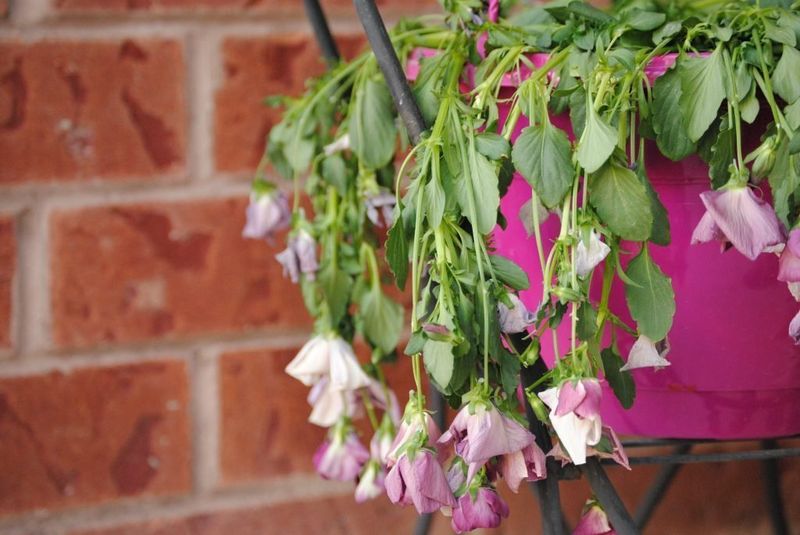
You water your hanging petunias in the morning, and by two o’clock they look like limp noodles hanging over the edge of the basket. It feels like they are dying right in front of you, even though you did everything right. The good news is that afternoon wilting is almost always a fixable problem, and it usually starts with the basket itself. Let’s walk through why it happens and the simple changes that keep your blooms perky all day long.
The Afternoon Droop Is a Water Emergency, Not a Death Sentence
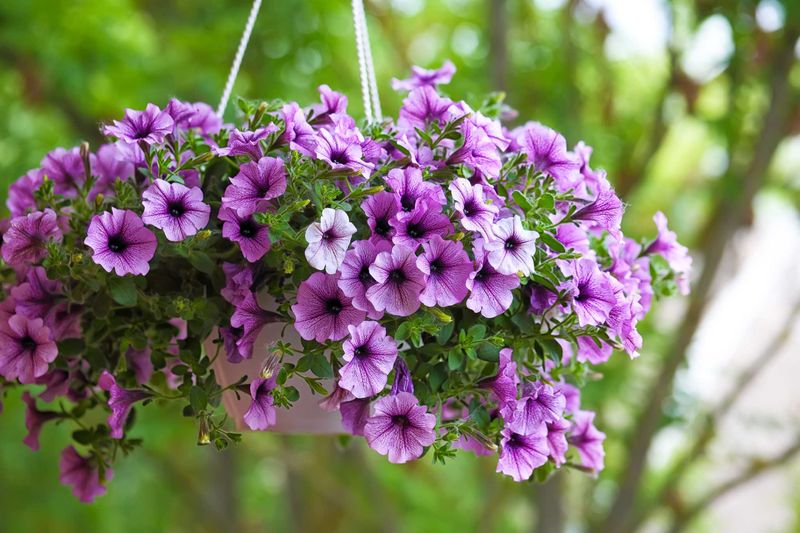
Picture your petunias at 9 a.m., standing tall and cheerful, then check on them at 2 p.m. and they look like they gave up on life. That daily crash scares a lot of gardeners into thinking the plant is sick or dying.
Most of the time, the truth is simpler and far less scary. A midday wilt usually means the plant is losing water faster than its roots can pull it back up. Petunias are thirsty bloomers, and in a small hanging basket the water supply runs out quickly.
Hot sun, moving air, and a tiny pool of soil combine to drain moisture in a hurry. The leaves droop as a survival move, folding down to slow water loss until conditions cool off.
Here is the reassuring part. If your basket perks back up after evening watering or a cooler night, the roots are likely fine and the plant is still healthy.
Once you understand that wilting is a supply-and-demand problem, the fix stops feeling mysterious. You are not failing as a gardener. You are just fighting a container that dries out too fast.
How a Small Basket Turns Sunshine Into a Water Crisis
Ever notice how a puddle on hot pavement vanishes faster than water in a deep bucket? Your hanging basket works the same way, and its size is working against you.
Most store-bought baskets hold only ten to twelve inches of soil, which means there is barely any water reserve to begin with. Petunias trailing over the sides create a lot of leaf surface, and every leaf acts like a tiny straw pulling moisture out through evaporation.
On a warm afternoon, that combination can empty a basket in a matter of hours. The plant simply cannot sip fast enough to keep up with what the sun and wind take away.
Hanging up high makes the problem worse, since baskets often catch more breeze and direct light than plants sitting on the ground. Warm air moving across the leaves speeds up water loss even more.
The mechanism is not complicated once you see it. Small soil volume, big leafy demand, and harsh exposure all pull in the same direction.
Knowing the cause points you straight toward the solution, which almost always involves giving those roots more water to work with.
Check the Roots Before You Blame the Heat
Before you drown your petunias in extra water, spend two minutes playing plant detective. Not every wilt is caused by thirst, and guessing wrong can actually make things worse.
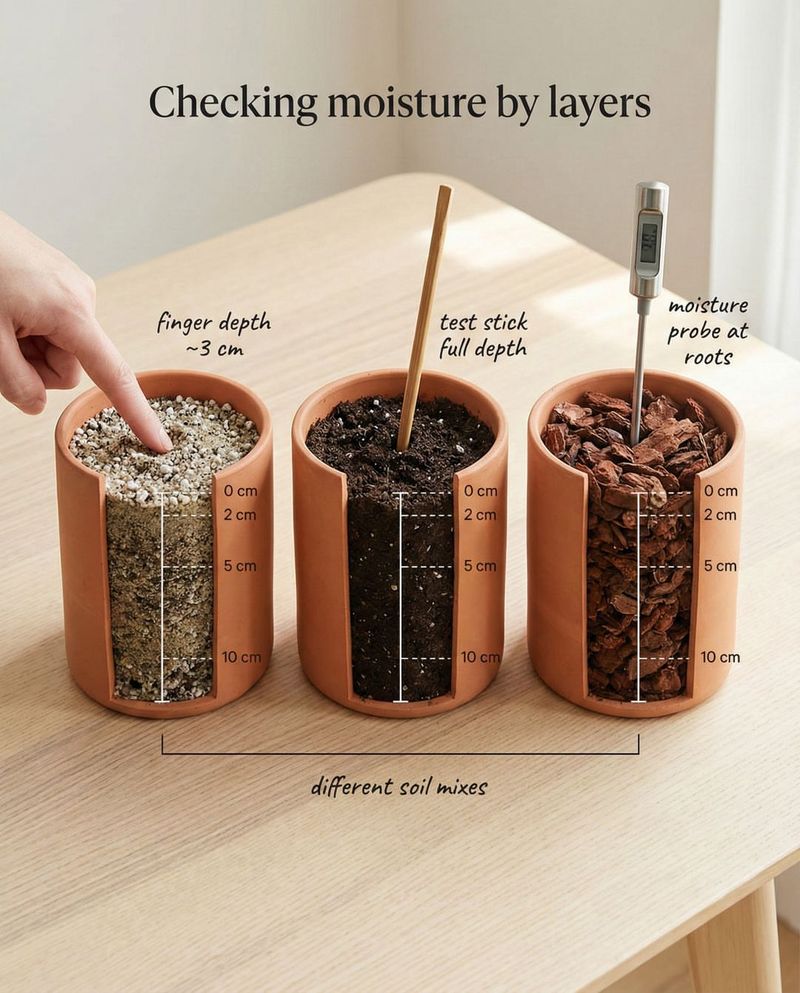
Stick a finger about two inches into the soil. If it feels bone dry, you have a watering shortfall and can move on to the fixes ahead.
If the soil feels soggy or smells sour, though, the roots may be drowning instead of parched. Overwatered petunias can wilt too, because rotting roots lose their ability to drink at all.
Gently lift the basket as another clue. A pot that feels surprisingly light is almost certainly dried out, while one that feels heavy and stays limp points toward soggy trouble below.
Take a peek at the drainage holes, too. Blocked or missing holes trap water and can suffocate the root system over time.
Sorting out dry versus drowning saves you from treating the wrong problem. A quick daily check often reveals the pattern within a day or two, and that small habit can steer your rescue plan in the right direction from the start.
The Basket Fix: Size Up and Line for Moisture
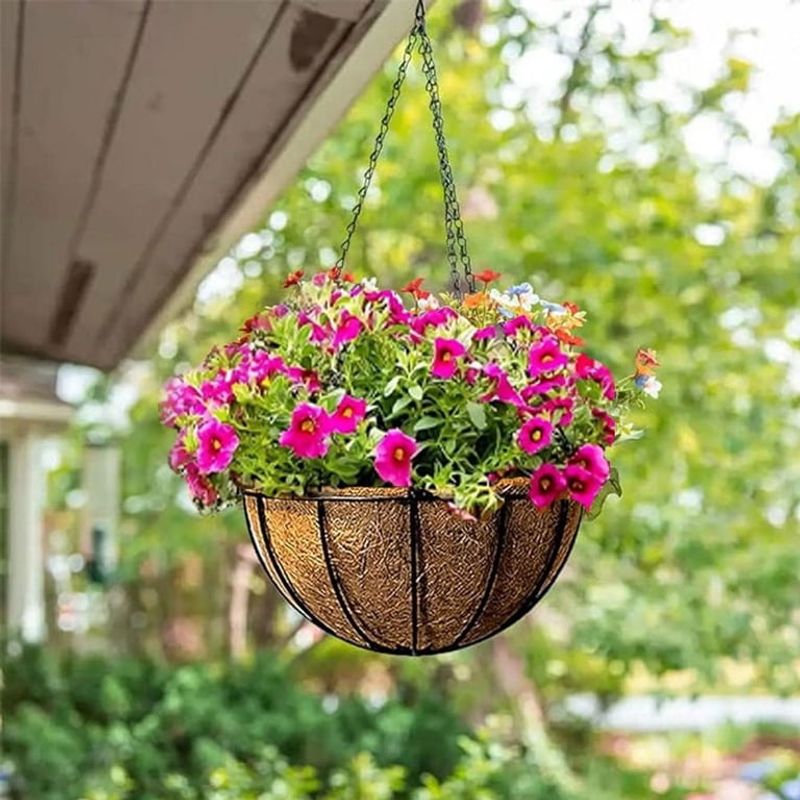
Here comes the change that does the heavy lifting. If your petunias wilt every single afternoon, upgrading the basket itself often solves the problem for the rest of the season.
Move your plants into a wider, deeper container, ideally fourteen to sixteen inches across. More soil means a bigger water reserve, and that extra cushion can carry the plant through the hottest part of the day.
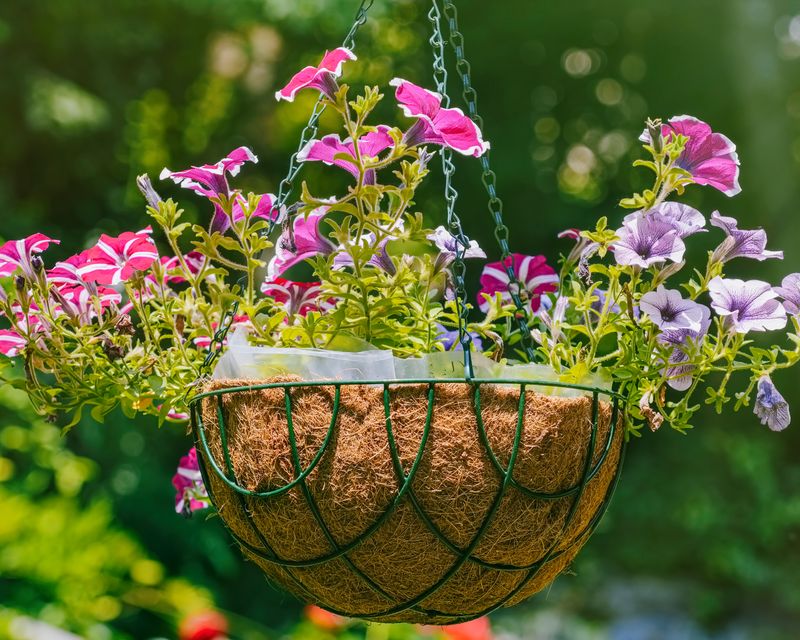
Coco-lined wire baskets look pretty but dry out fast, so consider adding a plastic liner with a few drainage slits inside the coir. That barrier can slow evaporation dramatically while still letting excess water escape.
Mixing water-retaining crystals or extra compost into the potting soil may also help hold moisture longer between drinks. A layer of mulch on top reduces surface evaporation, too.
Solid-walled baskets, rather than open wire designs, tend to lose less water on windy days. The tradeoff is weight, so make sure your hook and bracket can handle a fuller pot.
Give the roots more room and more moisture to draw from, and that dramatic two o’clock collapse often fades into a gentle, healthy droop at worst.
Watering Rhythm That Beats the Two O’Clock Slump
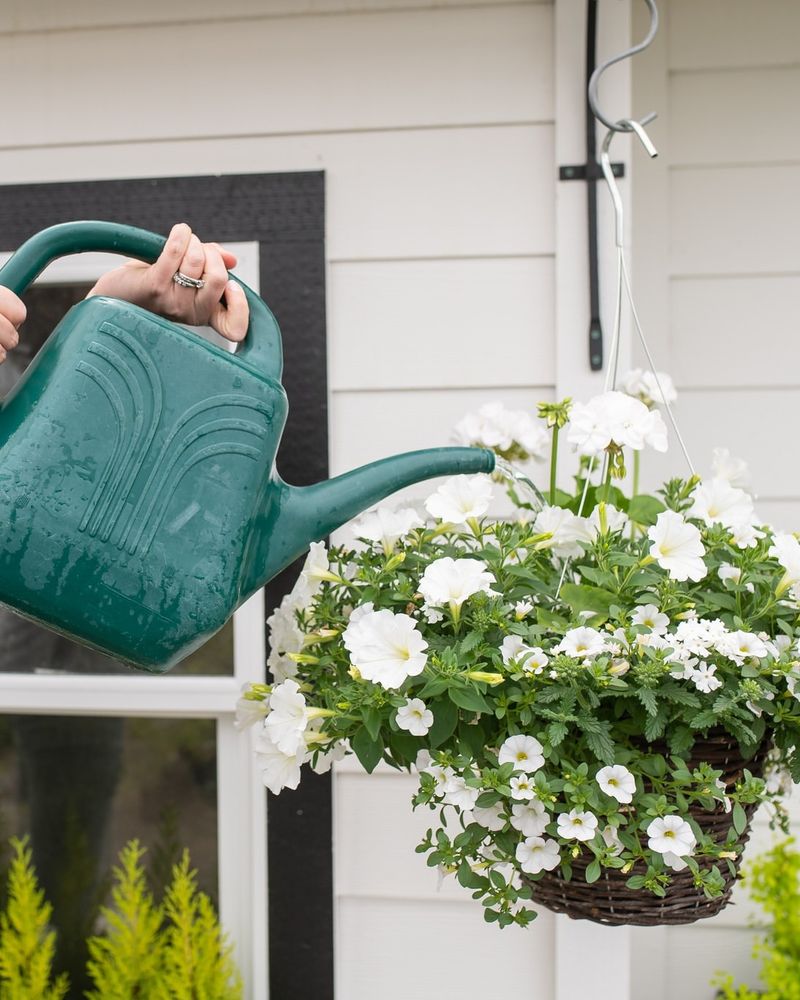
A bigger basket buys you time, but how and when you water still decides whether your petunias sail through the afternoon. Timing turns out to matter almost as much as amount.
Water deeply first thing in the morning, letting it run until moisture trickles from the bottom holes. That soaks the whole root ball rather than just the top inch, which can improve how the plant handles later heat.
During heat waves, a second lighter watering in early evening often helps the plant recover and rebuild its reserves overnight. Avoid splashing the flowers at midday, since droplets can scorch petals and water evaporates before it does much good.
Slow and steady beats a fast blast. Pouring quickly sends water straight through dry soil without soaking in, so give it a moment, then come back for a second pass.
Feel free to skip a watering if the soil is still damp two inches down. Consistency, not constant flooding, keeps roots happy.
Settle into a morning-and-evening rhythm during hot stretches, and you may find those exhausted afternoon droops become a thing of the past.
Where You Hang It Changes Everything
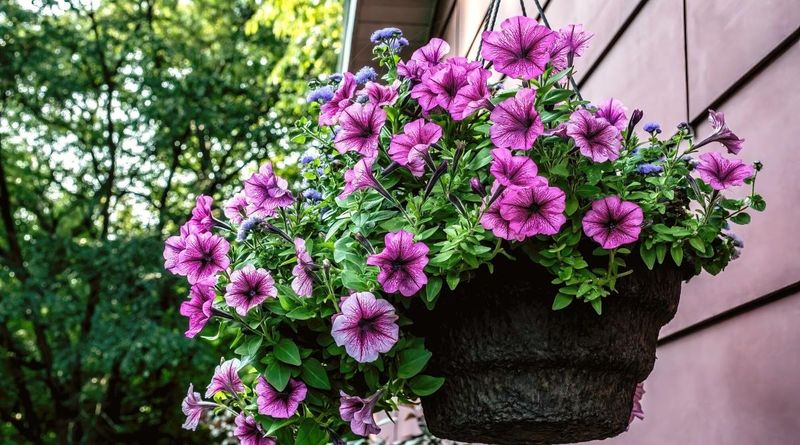
Location quietly makes or breaks your basket, and the sunniest spot on the porch is not always the winner. Petunias love light, but blazing all-day exposure on a hot deck can push them past their limits.
Try relocating the basket where it catches strong morning sun but gets a break from the intense afternoon rays. A little shade during the hottest hours can noticeably slow wilting.
Watch out for reflected heat, too. Baskets hung near light-colored walls, metal railings, or over concrete patios bake in extra warmth bouncing back at them.
Wind is another sneaky culprit. A breezy corner strips moisture from leaves fast, so a slightly more sheltered spot may help the plant hold its water longer.
Grouping several baskets or containers together can create a pocket of humid air that eases the stress on each plant. They essentially shade and shelter one another.
Since baskets move easily on a hook, experiment for a few days and watch how each spot performs. Finding that sweet spot between enough sun and too much sun often does more good than any single watering trick you can try.
Feed and Trim So the Plant Isn’t Overworked
Did you know a petunia straining to feed dozens of blooms is more likely to faint in the heat? A tired, overextended plant simply has fewer resources to fight afternoon stress.
Because frequent watering flushes nutrients out of the soil fast, hanging baskets get hungry quickly. A diluted liquid fertilizer every week or two can keep foliage strong and better able to hold moisture.
Pinching back leggy stems may seem harsh, but it encourages bushier, sturdier growth that copes with heat more gracefully. Fewer straggly runners also means less leaf surface losing water all day.
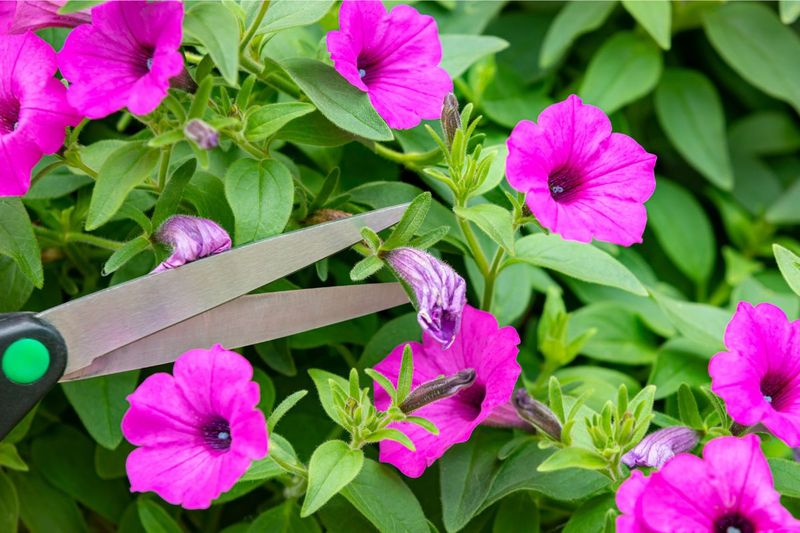
Snip off spent, faded blooms regularly, a habit called deadheading. Removing them redirects the plant’s energy from making seeds toward fresh flowers and healthier roots.
Once or twice a season, give the whole basket a bolder trim, cutting stems back by about a third. It looks drastic for a week, then often rewards you with a fuller, more resilient flush of color.
A well-fed, well-groomed petunia handles the daily heat cycle far better than one left to sprawl. Small maintenance habits add up to a plant that shrugs off the afternoon instead of collapsing under it.
Your Wilt-Proof Petunia Game Plan
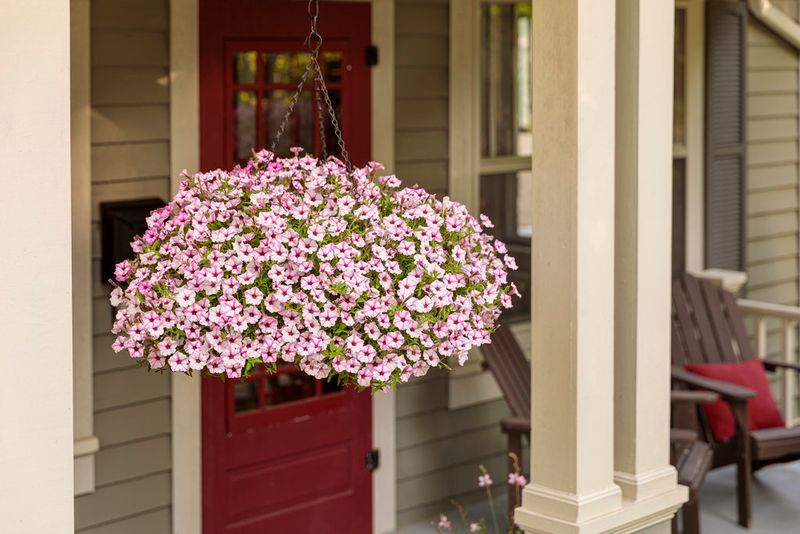
All the pieces come together into a routine that keeps those blooms upright long past lunchtime. The afternoon droop rarely has one single cause, so a few small changes stacked together usually do the trick.
Start with the basket, since a larger, lined, deeper container gives roots the water reserve they desperately need. Add a morning-and-evening watering rhythm during heat waves, and check the soil with your finger before every drink.
Rethink the spot, aiming for morning sun with afternoon relief and shelter from drying wind. Then keep the plant well fed and lightly trimmed so it never runs itself ragged.
None of these steps guarantees a petunia that never wilts, because nature and weather always have a say. Together, though, they can dramatically reduce that daily collapse and often prevent it entirely.
Watch your baskets for a week after making changes, and let the plants tell you what is working. Gardening is a conversation, and petunias are pretty honest about their needs.
Give them the right container, a steady drink, and a smart location, and those cheerful blooms should greet you standing tall from morning until sunset.