
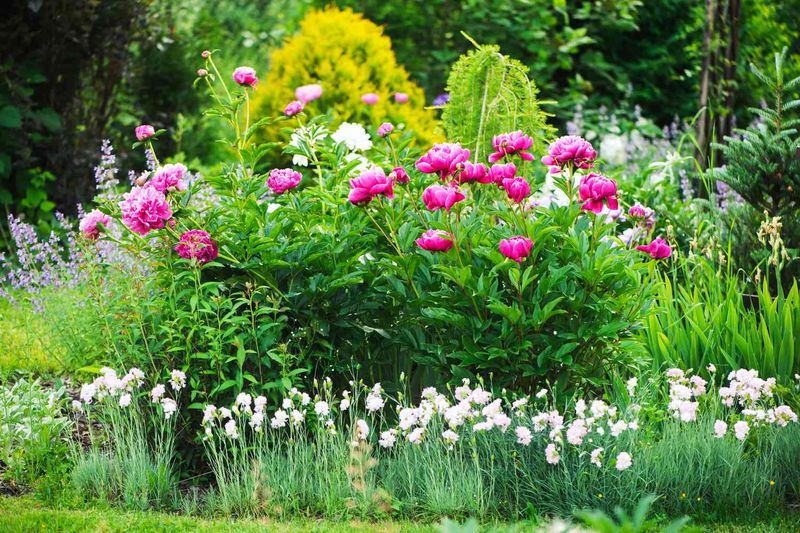
Peonies put on one of the biggest, most gorgeous shows in the whole garden, but the flowers can fade fast if you’re not careful. If your blooms droop early, flop over, or barely open at all, you’re not alone, and the good news is most of those problems have simple fixes. Below you’ll find 15 practical ways to stretch out that peony show, plus the common slip-ups that quietly cut it short. Get a few of these right and you’ll be cutting armfuls of flowers for weeks instead of days.
1. Plant Them in Full Sun
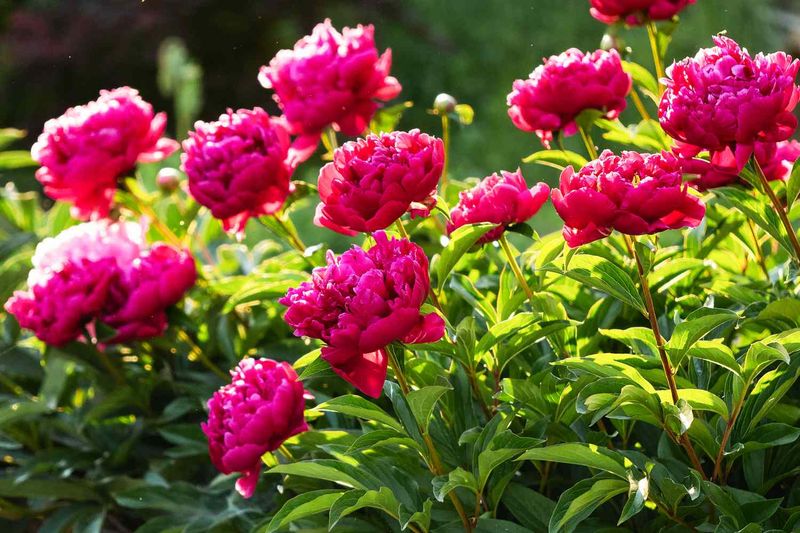
Skimp on sunlight and your peonies will punish you with skinny stems and stingy, short-lived flowers. These plants are sun worshippers at heart, craving six or more hours of direct light every day to store the energy that fuels a big bloom.
Shade is one of the sneakiest reasons peonies underperform. A spot that felt sunny in early spring can turn shady once nearby trees leaf out, leaving your plant gasping for light right when it needs it most. Watch your bed across a full day before deciding it’s a keeper.
Morning sun with a little afternoon relief works beautifully in hot southern zones, where blistering midday rays can scorch petals and make blooms crash early. Farther north, give them all the sun you can find.
If an established clump keeps sulking, dwindling light is often the culprit, and moving it in fall can bring dramatic results. More sun generally means sturdier stems, richer color, and flowers that hold up far longer once they open.
2. Stop Planting the Roots Too Deep
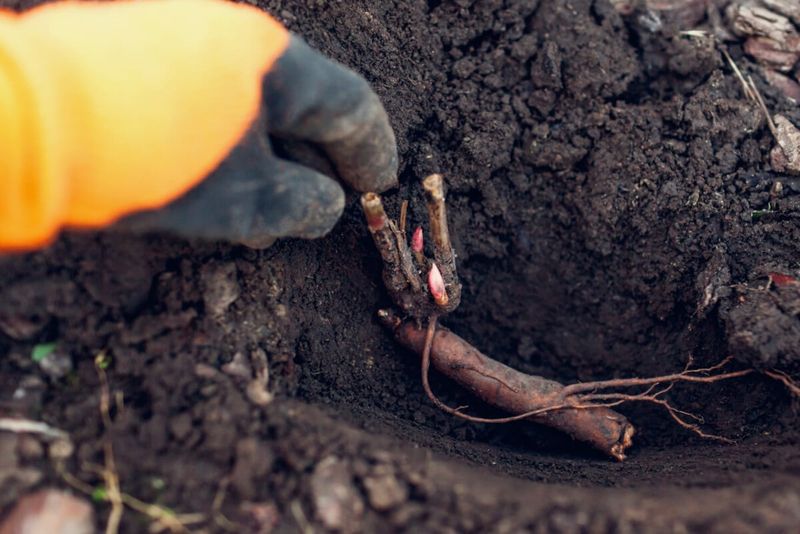
Buried too deep, a peony will sulk for years and hand you nothing but leaves. It’s easily the most common mistake new growers make, and the disappointment is real when a plant just refuses to flower.
The eyes, those little pink or reddish buds on the root, should sit only about one to two inches below the soil surface in most US temperate gardens. Push them any deeper and the plant reads it as a signal to stay leafy and skip the blooms entirely.
Cold matters too. Peonies actually need a stretch of winter chill on those buds to trigger flowering, so a heavy layer of soil can rob them of the cold cue they depend on.
If yours has grown for three seasons without blooming, gently dig around the crown in fall and check the depth. Lifting a too-deep clump and replanting it at the correct level often coaxes flowers out the very next spring. It’s a small correction that can rescue years of frustration and finally reward your patience.
3. Water Deeply, Not Constantly
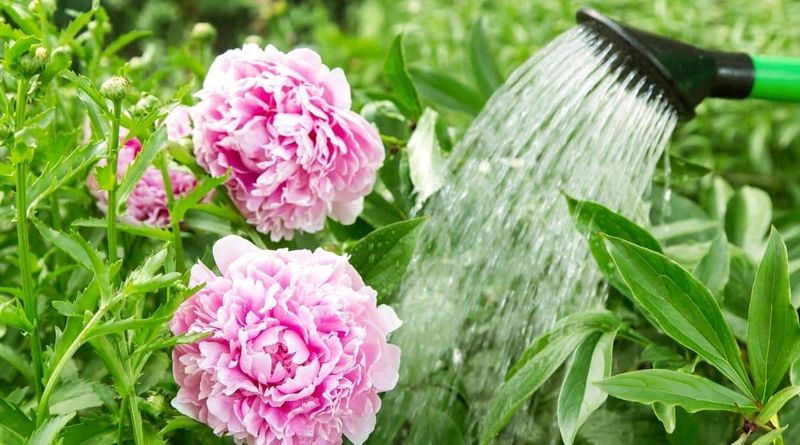
Soggy soil is a peony’s worst enemy, yet so is bone-dry ground during a spring heat wave. Finding the middle ground is what keeps buds plump and blooms lasting instead of shriveling.
A slow, deep soak once a week beats a daily sprinkle every time. Deep watering encourages roots to reach down where moisture lingers, building a plant that shrugs off dry spells and supports flowers longer once they open.
Timing counts as buds swell in spring. That’s when the plant is thirstiest, and steady moisture through this window can noticeably extend how long each flower holds its shape and color.
Aim the hose at the base rather than the foliage. Wet leaves invite fungal trouble, and drooping, spotted foliage often traces back to overhead watering late in the day.
Come summer, ease off. Established peonies are surprisingly drought-tolerant, and constant watering after bloom season can rot the crown. Stick a finger two inches into the soil, and if it feels damp, wait. Let the plant tell you when it’s genuinely thirsty rather than watering out of habit.
4. Support Heavy Blooms Before They Flop
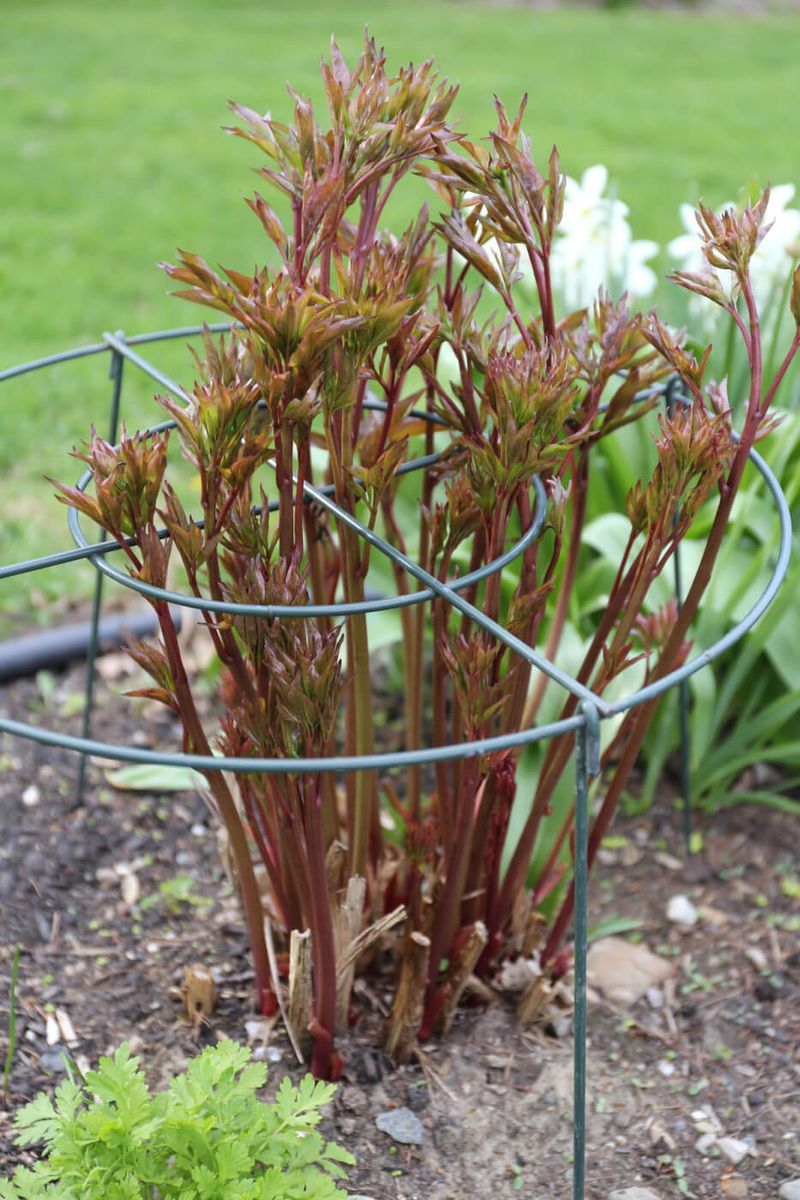
One good rainstorm can flatten a peony overnight, leaving those heavy, waterlogged flowers face-down in the mud. Nothing shortens the show faster than stems that snap or splay open at the base.
The trick is to get support in place early, while stems are still short in spring. Waiting until the plant is already leaning means you’ll be wrestling floppy foliage and probably breaking a stem or two in the process.
A simple grow-through grid or a ring of stakes with twine gives stems something to lean on as they stretch upward. The leaves quickly hide the hardware, so nobody sees the scaffolding holding up your show.
Double blooms and the giant dinner-plate varieties are the biggest offenders, since their petal-packed heads soak up rainwater like sponges. Those especially benefit from a helping hand.
Supported flowers stay upright, cleaner, and visible, which means you actually get to enjoy them at eye level instead of hosing mud off the ground. It’s a five-minute spring chore that can add days of upright, undamaged blooms to your season.
5. Deadhead Spent Flowers Promptly
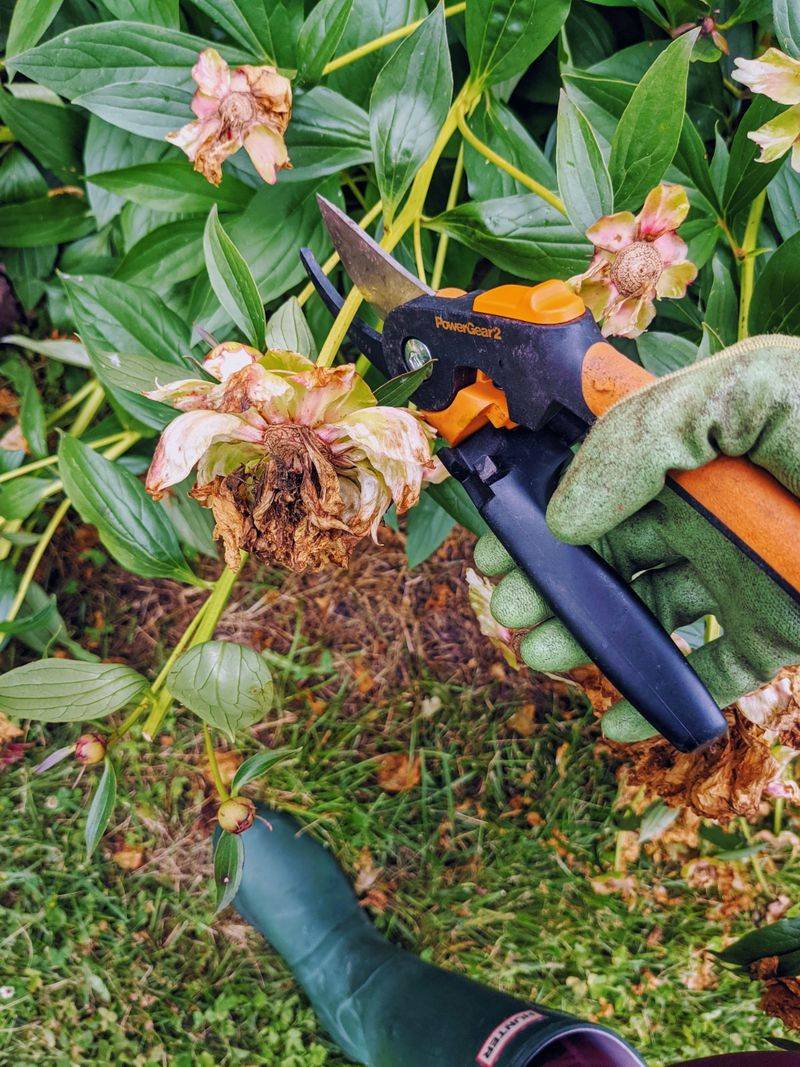
Snip off a fading peony bloom and you’re doing more than tidying up, you’re redirecting the plant’s energy where it counts. Left alone, spent flowers start pouring resources into making seeds instead of feeding next year’s buds.
Grab your pruners the moment petals start to brown and drop. Cut the flower stem back to a strong leaf, leaving as much foliage as possible so the plant can keep photosynthesizing all summer long.
There’s a bonus for disease control here too. Mushy, decaying petals that fall into the crown can harbor botrytis, a gray mold that loves to rot peony stems in damp weather. Clearing them promptly can reduce that risk considerably.
While most peonies bloom just once per season, prompt deadheading won’t magically create a second flush, but it absolutely helps the plant look neater and stay healthier through the rest of the year.
Think of it as an investment. Every spent bloom you remove is energy banked toward a fuller, longer-lasting display next spring, and a cleaner plant that’s far less likely to fall to fungal problems.
6. Cut Flowers at the Marshmallow Stage
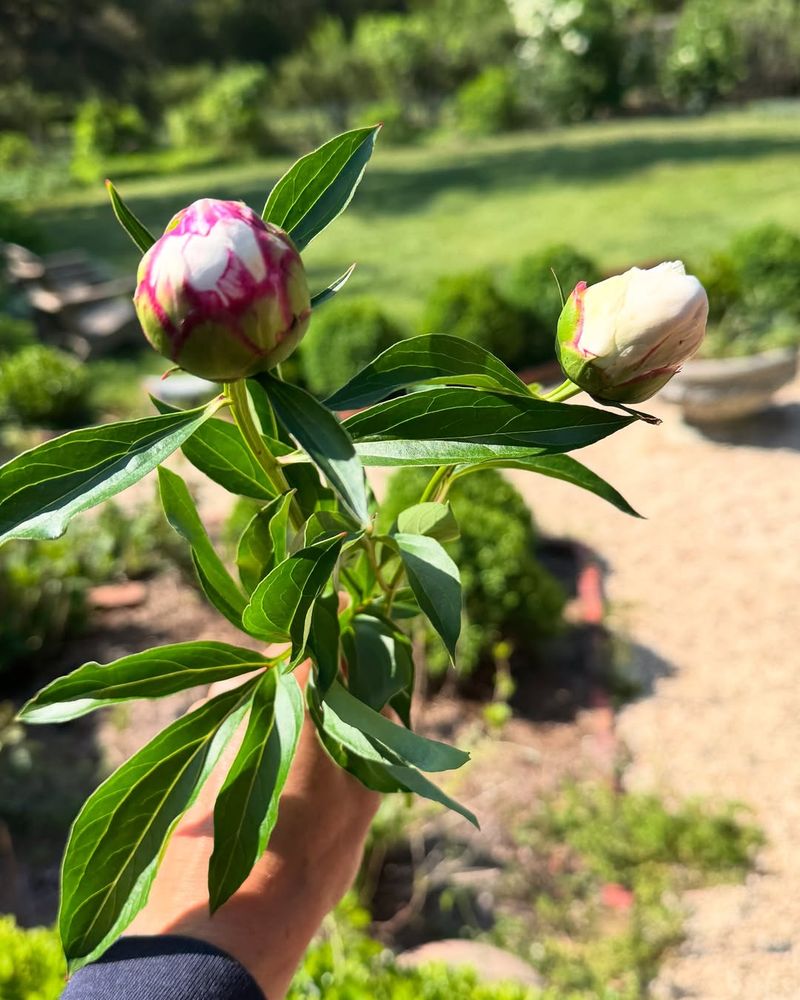
Ever wonder why florist peonies last a week in the vase while yours wilt in two days? The secret is timing the cut. Harvest too late and you’ve lost most of the vase life before the flower even hits the water.
Squeeze the bud gently. When it feels like a soft marshmallow, showing color but not yet open, that’s your window. Cut in the cool of early morning when stems are full of moisture.
Buds snipped at this stage will slowly unfurl indoors and reward you with days of fresh blooms, whereas fully open flowers cut off the plant tend to shatter fast.
Leave at least two sets of leaves on the stem below your cut. Strip too much foliage and you weaken the plant’s ability to fuel next year’s flowers.
Plunge stems into water immediately, and change that water every couple of days. A clean vase and a fresh angled cut help the flowers drink freely.
Done right, this simple bit of harvest timing can nearly double how long you enjoy those blooms inside your home.
7. Feed Them the Right Nutrients
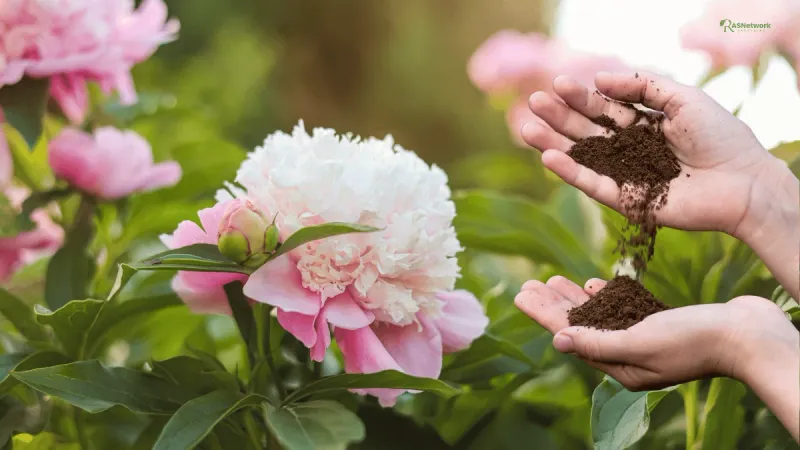
Reach for the high-nitrogen lawn fertilizer and you’ll grow a jungle of leaves with barely a bloom in sight. Peonies are picky eaters, and getting the balance wrong is a classic way to sabotage your own flowers.
What they crave is phosphorus and potassium, the nutrients that drive strong root growth and abundant flowering. A low-nitrogen fertilizer, something like a 5-10-10 blend, often gives far better results than a heavy feed.
Timing helps too. A light feeding in early spring as shoots emerge, and again just after blooming, can improve both flower size and staying power without pushing floppy, weak growth.
Go easy, though. Peonies genuinely resent being overfed, and too much fertilizer can burn roots and delay flowering rather than boost it. Less really is more with these plants.
Compost is a gentler alternative many gardeners swear by. A shallow topdressing each fall feeds the soil slowly and steadily, keeping the crown from being buried too deep.
Match the food to what the plant actually wants, and you’ll trade all that leafy excess for the big, long-lasting blooms you were after in the first place.
8. Give Them Room to Breathe
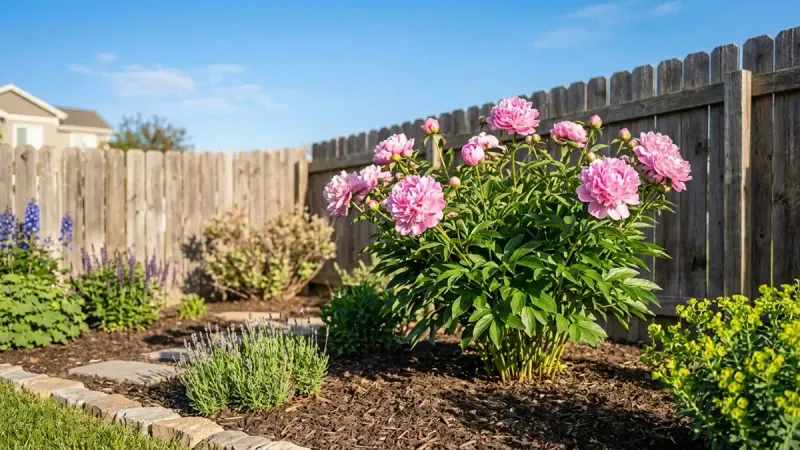
Crammed too close to neighbors, a peony turns into a mildew magnet. Poor air circulation traps humidity around the leaves, and that stagnant, damp air is exactly what fungal diseases need to take hold and cut your bloom season short.
Space each plant about three to four feet apart when you plant. It looks like a lot of empty ground at first, but mature clumps fill in fast and will thank you for the elbow room.
Good airflow does more than prevent disease. Dry foliage means healthier leaves feeding the plant, which translates to more energy stored for bigger, longer-lasting flowers the following spring.
Crowding from other perennials counts too. If tall neighbors are leaning in and blocking the breeze, thinning them out can make a real difference to your peony’s health.
Powdery mildew and gray mold both love tight, still spaces, and once they settle in they’re tough to shake. Prevention through spacing beats treatment every time.
Give your peonies breathing room from the start, and you’ll spend far less time fighting the fungal problems that turn promising buds into a brown, disappointing mess.
9. Mulch Wisely — But Not Over the Crown
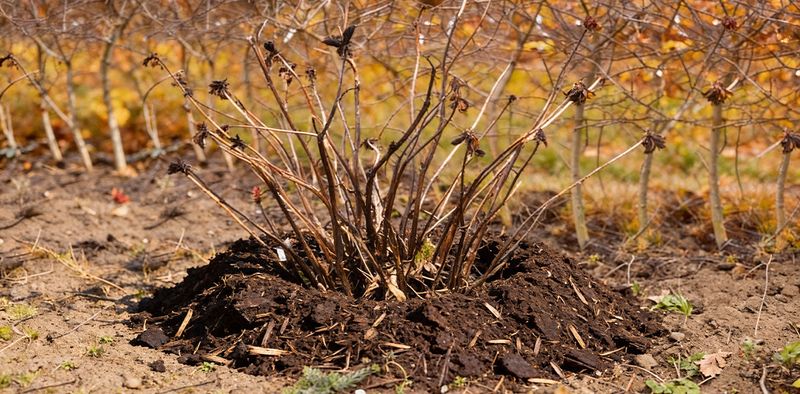
Mulch is a double-edged sword with peonies. Pile it right up over the crown and you’ll smother next year’s buds, but skip it entirely and the roots bake and dry out in summer heat.
The sweet spot is a thin layer, an inch or two, spread around the plant but kept well clear of the emerging eyes. That keeps moisture in and weeds down without tricking the crown into thinking it’s planted too deep.
Winter mulching deserves a special note for northern gardeners. A protective blanket over newly planted peonies during their first harsh winter can prevent frost heave, but pull it back in early spring so the crown gets the cold it needs and the shoots aren’t blocked.
Organic mulches like shredded bark or compost slowly enrich the soil as they break down, which supports healthier plants and better blooms over time.
Avoid mounding, though. That volcano-style pile of mulch you see against tree trunks is exactly wrong for peonies and can rot the crown outright.
Mulch thoughtfully and you’ll conserve water, moderate soil temperature, and protect the very buds your flowers depend on.
10. Don’t Cut Back the Foliage Too Early
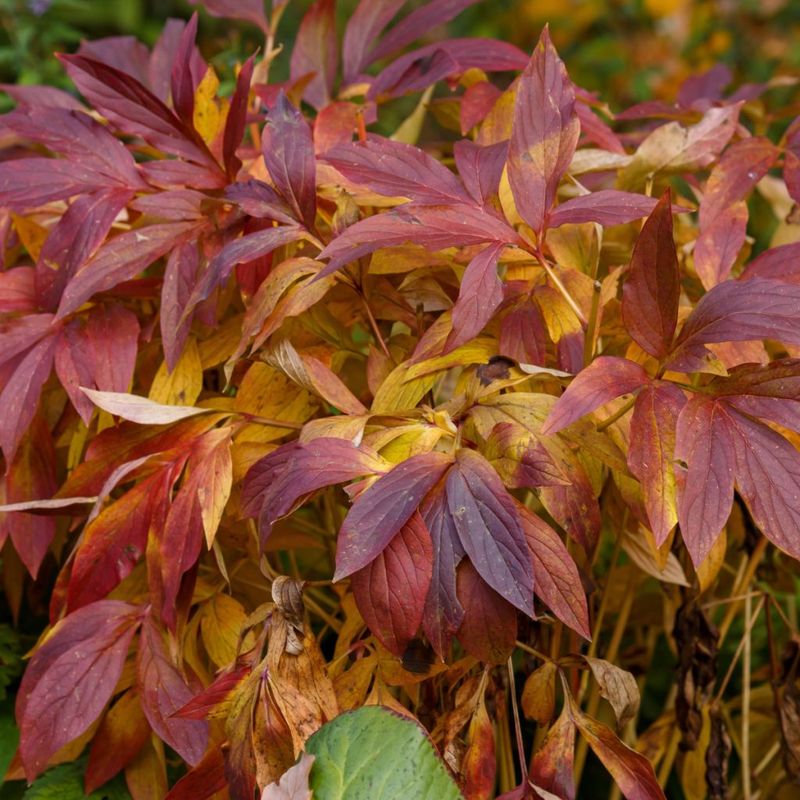
Tempting as it is to tidy up those leaves the moment the flowers fade, cutting peony foliage back early is like unplugging your plant mid-charge. Those green leaves are hard at work all summer, banking energy for next year’s blooms.
Leave the foliage standing until fall, when it naturally yellows and dies back on its own. Every week of healthy green growth translates into stronger roots and a bigger flower show the following spring.
Come autumn, though, cutting back is actually the smart move for herbaceous peonies. Trim the stems to a couple of inches above the ground and clear away all the debris.
That fall cleanup matters for disease. Botrytis and leaf blight overwinter on old foliage, so removing and discarding it, rather than composting it, can reduce next year’s infection risk.
Tree peonies are the exception. Their woody stems stay put year-round, so resist the urge to chop them down like their herbaceous cousins.
Get the timing right, keep the leaves through summer and clear them in fall, and you set the stage for a fuller, longer-lasting display next season.
11. Protect Buds From Late Frost

Nothing stings quite like watching a hard late-spring frost turn your fat, promising peony buds to brown mush overnight. It happens more than you’d think, especially in zones where warm spells lure the plant out early only to get slapped by a cold snap.
Keep an eye on the forecast once buds start swelling. When temperatures threaten to dip below freezing, an old bedsheet or frost cloth draped over the plants overnight can offer real protection.
Drape loosely and remove the cover each morning once temperatures climb. Trapping heat and moisture all day can do its own damage.
Site selection helps for the long haul. Low spots in the yard collect cold air and frost, so a slightly elevated bed may spare your buds the worst of it.
Damaged buds usually won’t recover, though the plant itself bounces back fine and will bloom again next year. So the goal is simply getting those vulnerable buds through a handful of risky nights.
A little vigilance during that narrow spring window can be the difference between a full display and a heartbreaking bust.
12. Fight Off Ants and Botrytis the Smart Way
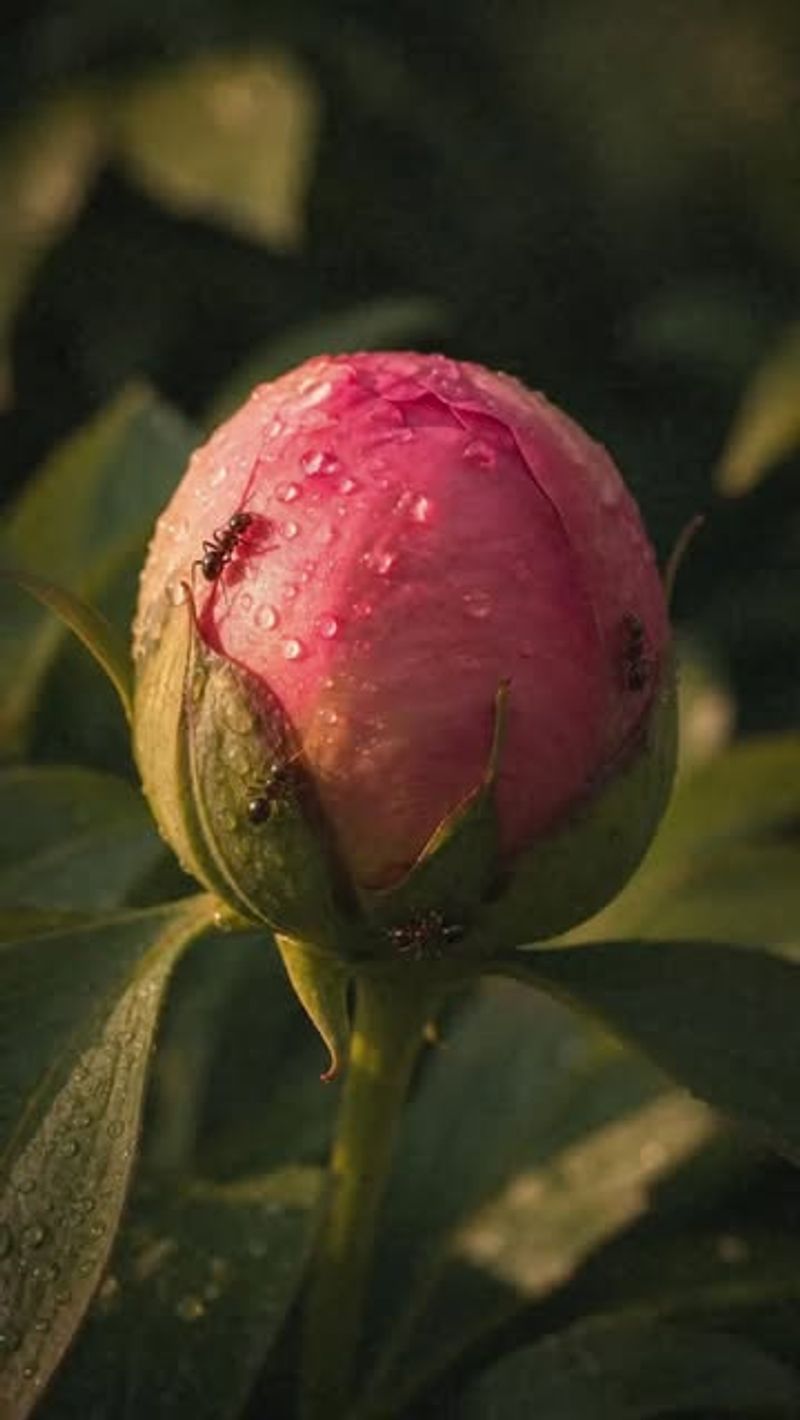
Spot ants marching over your peony buds and your first instinct might be panic, but hold off on the bug spray. Those ants are harmless freeloaders sipping the sweet nectar the buds produce, and they may even help fend off other pests.
The real villain is botrytis blight, a gray fungal mold that browns buds, spots leaves, and rots stems at the base, especially in cool, wet springs. That’s the problem worth your attention.
Good garden hygiene is your best defense. Clearing fallen petals and debris, watering at the base rather than overhead, and giving plants room to breathe can all reduce the chance of an outbreak.
If blight does appear, snip off affected parts immediately and toss them in the trash, never the compost pile, to stop the spores from spreading.
Just give ant-covered buds a gentle shake or a quick dunk in water before bringing cut flowers indoors, and you’re set.
Focus your energy on the fungus, not the ants, and you’ll spend your season enjoying blooms instead of chasing an imaginary pest problem around the garden.
13. Divide Overcrowded Clumps in Fall
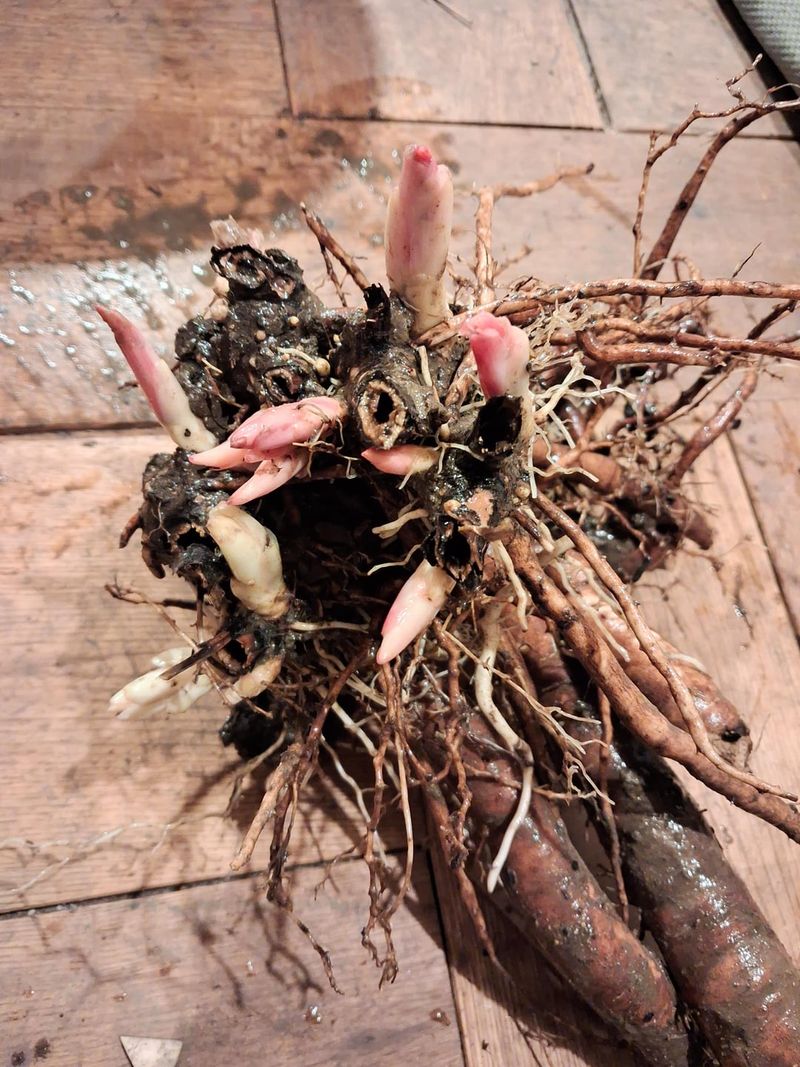
An old peony that’s slowly stopped blooming might just be too crowded for its own good. After many years in one spot, a big clump can grow so congested that it barely flowers, and dividing it breathes new life into a tired plant.
Fall is the moment for this job, once the foliage has died back and the plant is heading into dormancy. Dig up the whole clump, rinse the soil away, and you’ll see the crown clearly.
Cut it into sections with a sharp knife, making sure each piece has at least three to five healthy eyes. Fewer than that and the division may sulk for years before flowering.
Replant right away at the proper shallow depth, keeping those eyes just an inch or two below the surface. Water it in and be patient.
Here’s the catch worth knowing: divided peonies often skip a year or two before blooming strongly again, so don’t panic when they take their time.
Reserve division for genuinely overcrowded or declining plants, since peonies happily live for decades undisturbed. When a clump truly needs it, though, splitting can restore the flower power you’d been missing.
14. Choose Long-Blooming and Staggered Varieties
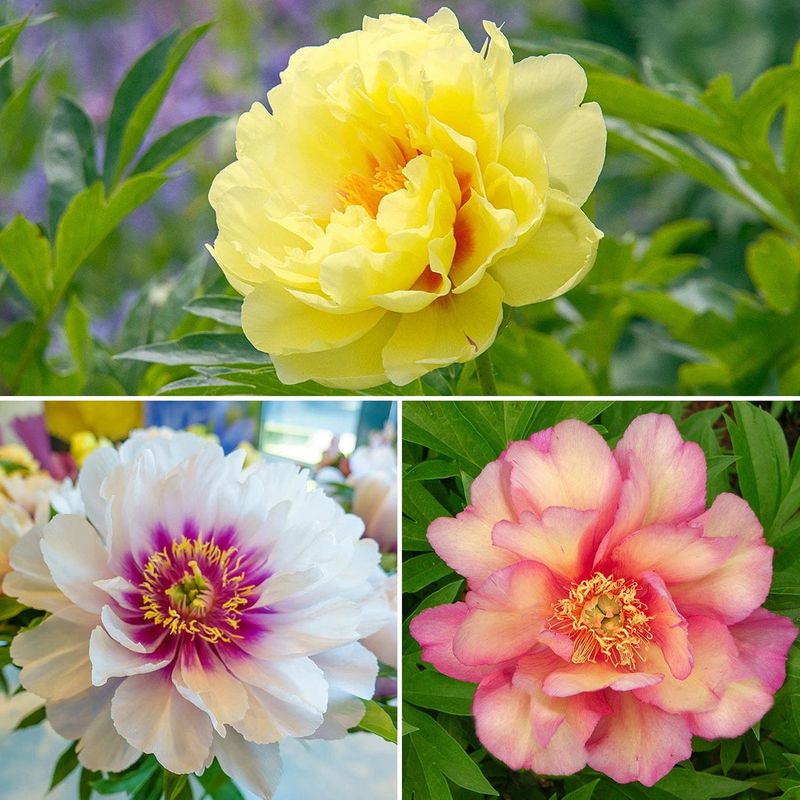
Plant all your peonies from the same variety and you’ll get one glorious week, then nothing. The clever move is spreading the show across the season by mixing early, mid, and late bloomers so something’s always opening.
Early types like some fernleaf peonies kick things off, midseason favorites carry the peak, and late bloomers stretch the display well past when a single-variety bed would be done.
Some varieties simply hold their flowers longer than others, too. Certain doubles and the tough Itoh hybrids, a cross between herbaceous and tree peonies, are prized for their extended, weather-resistant blooms.
Itoh peonies deserve a shout-out here. They often produce dozens of flowers over a longer window and stand up to rain far better than their floppy full-double cousins.
Read plant tags and catalog descriptions with bloom time in mind, not just color. A little planning at purchase time pays off with weeks of flowers instead of days.
Stagger your selections thoughtfully, and you can turn a fleeting burst into a rolling parade of peonies that keeps your garden colorful long after single-variety beds have gone quiet.
15. Be Patient and Leave Them Undisturbed
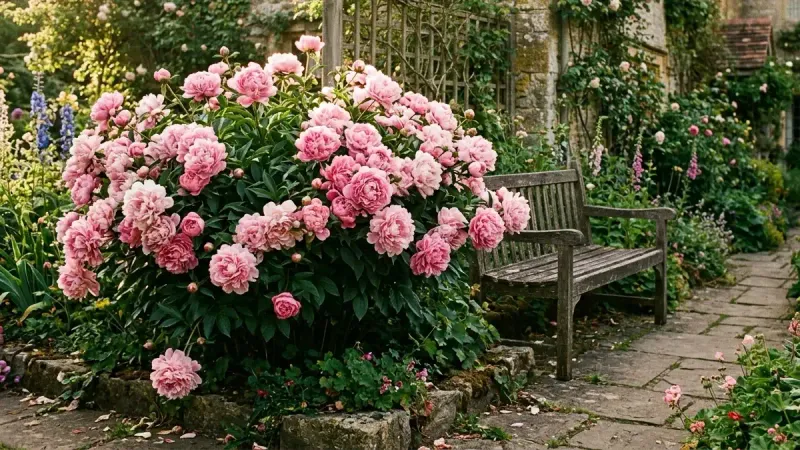
Here’s a hard truth for eager gardeners: peonies reward patience above almost everything else. A newly planted root may give you little or nothing the first year or two, and that’s completely normal, not a sign you’ve failed.
These plants put their early energy into building roots underground before they bother with a big flower display. Rushing them, digging them up to check, or moving them around only sets the clock back further.
The biggest mistake is fussing. Peonies famously dislike being disturbed, and gardeners who relocate them repeatedly often wonder why they never bloom.
Once settled in a good spot with sun, proper depth, and decent soil, a peony can thrive for fifty years or more, often outliving the gardener who planted it. Some clumps have bloomed faithfully for a century.
Resist the temptation to keep tinkering. Give a young plant three full seasons before judging it, and support it with steady care rather than constant intervention.
Trust the process, leave those roots alone, and your patience will eventually be repaid with one of the longest-lived, most generous flower shows any garden can offer.