
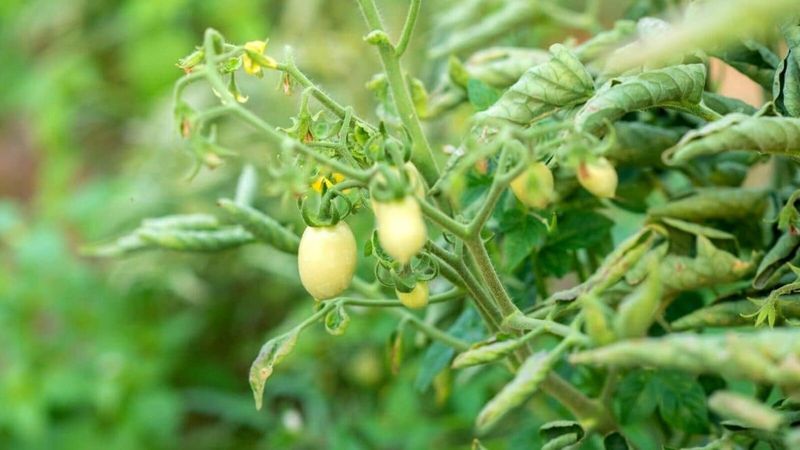
Tomato plants have a way of telling you when something is off, and curling leaves are one of their loudest signals. The tricky part is that curling can mean a dozen different things, from too much sun to a sneaky virus. If you catch the cause early, you can usually turn things around before your harvest suffers. Let’s walk through what each type of curl is trying to warn you about.
Reading the Curl Before You Panic
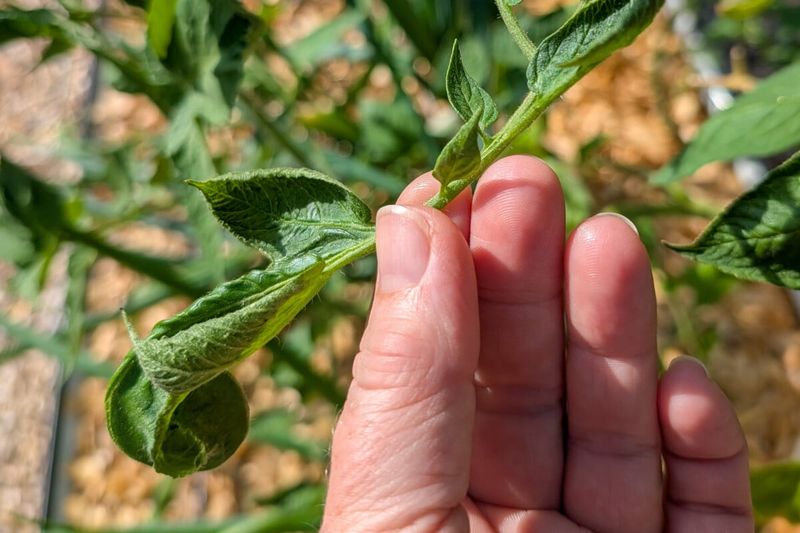
Before you reach for a spray bottle or start blaming the neighbor’s yard, take a slow look at how your tomato leaves are actually curling. The shape of the curl is a clue, almost like handwriting the plant leaves behind.
Leaves that roll upward and feel thick and leathery usually point to stress or heat. Leaves that twist, cup downward, or look stunted and distorted often hint at something more serious, like chemicals or a virus. Noticing whether it starts at the bottom or the top of the plant matters too.
Grab your phone and snap a few photos in good light. Check the underside of leaves for tiny bugs, look at the stems, and feel the soil an inch down with your finger. Ask yourself what changed recently: a heat wave, a big pruning session, a new fertilizer, or a windy stretch.
Most curling causes fall into a handful of buckets, and the good news is that many are easy to fix once you name them. Working through the likely reasons calmly beats guessing, and it can save you from treating a problem your plant never had.
Heat and Sun Stress Make Leaves Roll Up
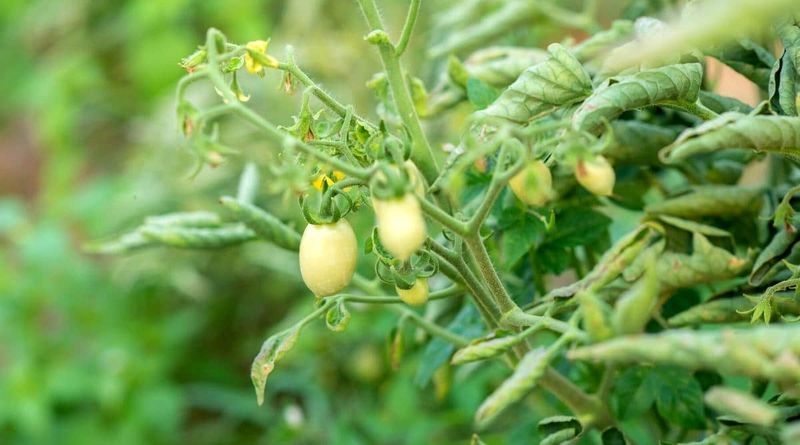
On a scorching July afternoon, healthy tomato plants sometimes protect themselves by rolling their lower leaves upward into little tubes. It looks alarming, but it is often the plant’s version of pulling a hat over its eyes.
When temperatures push past the high 80s and 90s, the plant curls to shrink the surface area losing water. The leaves usually stay green and firm, and the curling shows up worst on the oldest, lowest foliage. Fruit set may slow, but the plant itself is not sick.
To ease the strain, water deeply in the early morning so roots have a full tank before the heat hits. A two to three inch layer of mulch can help keep soil moisture steady and roots cooler. During brutal heat waves, a light shade cloth over the plants during the hottest hours may reduce the stress noticeably.
Avoid the temptation to overwater in a panic, since soggy roots create their own problems. Once evening temperatures drop and the plant recovers overnight, you will often see those leaves relax back to normal on their own.
When Watering Habits Backfire
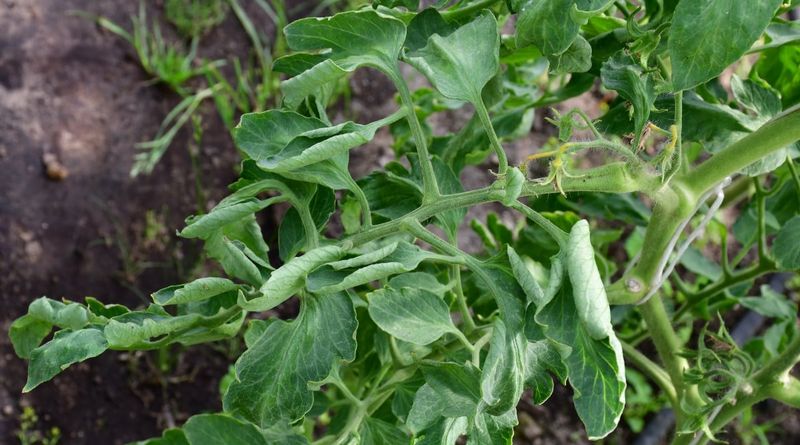
Your watering can might be the culprit, and it works in both directions. Tomatoes are surprisingly picky about how much moisture they get and how consistently they get it.
Underwatered plants curl their leaves to conserve water, and you will often see wilting during the day plus dry, crumbly soil down at root level. Overwatered plants can curl too, because waterlogged roots suffocate and struggle to move moisture up to the leaves. The soil in that case feels soggy and may even smell sour.
The fix starts with checking the soil instead of guessing. Push a finger two inches down; if it feels dry, water deeply, and if it feels wet, hold off. Aim for a slow, thorough soak once or twice a week rather than frequent shallow sprinkles that keep roots lazy and near the surface.
Containers dry out faster than garden beds, so pots may need daily attention in summer. Good drainage matters just as much as the water itself, since roots sitting in a puddle can rot. Steady, even moisture often calms the curling within a few days.
Herbicide Drift Is a Sneaky Offender
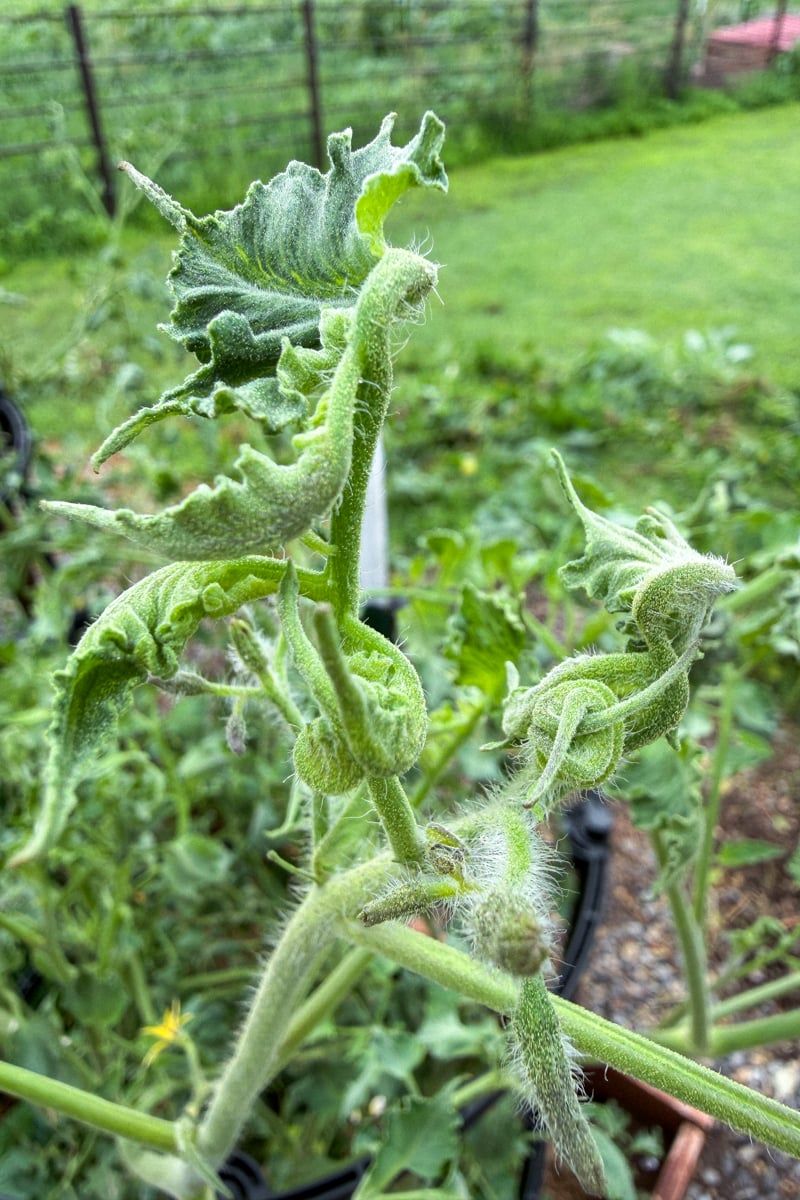
Here is a cause that catches even experienced gardeners off guard: weed killer that never touched your tomatoes directly. Chemical drift is one of the most common reasons for strange, twisted growth.
Products containing 2,4-D or dicamba can float on the breeze from a neighbor’s lawn treatment, or ride in on grass clippings, straw, or manure used as mulch. The telltale signs are new leaves that curl tightly, twist like corkscrews, and take on a fernlike, stringy look. Stems may grow bent or split.
Unlike heat curl, this damage shows up on the newest growth at the top of the plant and does not bounce back overnight. Once herbicide is in the plant’s system, there is no spray to undo it, which makes prevention the real strategy.
Avoid using hay, straw, or manure unless you know it came from an untreated source. Keep tomatoes well away from areas being sprayed, and rinse tools that touched herbicide. Mildly affected plants may outgrow the damage and still produce, so watch for healthy new leaves before giving up on the season.
Are Tiny Pests Draining Your Plant?
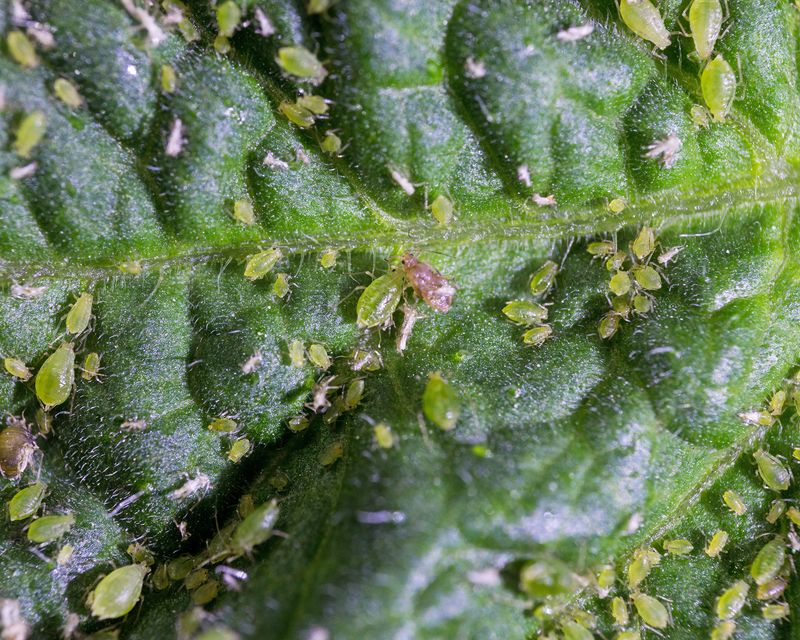
Flip a curled leaf over and you might find the real troublemakers hiding in plain sight. Sap-sucking insects are famous for causing leaves to pucker, cup, and curl as they feed.
Aphids cluster on tender new growth and leave behind a sticky residue that attracts ants and sooty mold. Whiteflies scatter into a little cloud when you brush the plant, and spider mites leave fine webbing plus a stippled, speckled look. All of them steal the sugary sap that leaves need to stay flat and full.
Start gentle. A strong blast of water from the hose can knock many pests loose, and it is free. For stubborn populations, insecticidal soap or neem oil sprayed on both leaf surfaces can reduce their numbers, especially if you repeat every few days.
Encouraging ladybugs and lacewings helps too, since they treat aphids like an all-you-can-eat buffet. Check your plants a couple times a week, because catching an infestation early makes it far easier to manage. Once the pests are under control, fresh growth usually comes in flat and healthy again.
Viruses and Diseases Leave Lasting Marks
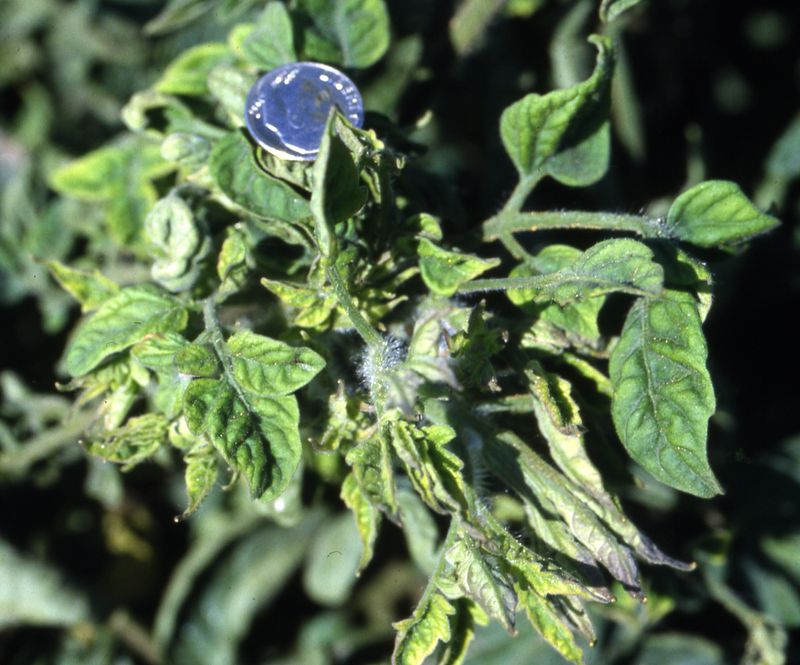
Some curling comes with a side of yellowing, mottling, or oddly shaped fruit, and that combination often spells trouble beyond simple stress. Viral diseases are the hardest curling cause to hear about because they cannot be cured.
Tomato yellow leaf curl virus makes leaves cup upward, turn yellow at the edges, and stunts the whole plant, and it is spread by whiteflies. Curly top virus, carried by leafhoppers, twists and thickens the foliage while stopping fruit from developing properly. Both spread from plant to plant through insects.
Since there is no rescue spray, the smart move is to protect the plants you still have. Remove and bag severely infected plants so they cannot serve as a source for the bugs to carry the virus onward. Controlling whiteflies and leafhoppers can reduce how fast disease spreads through your garden.
Looking ahead, choosing resistant tomato varieties for next season gives you a real advantage. Reflective mulch and row covers early in the year may also help keep the insect carriers away. Prevention truly is your best tool with these frustrating diseases.
Over-Pruning and Transplant Shock
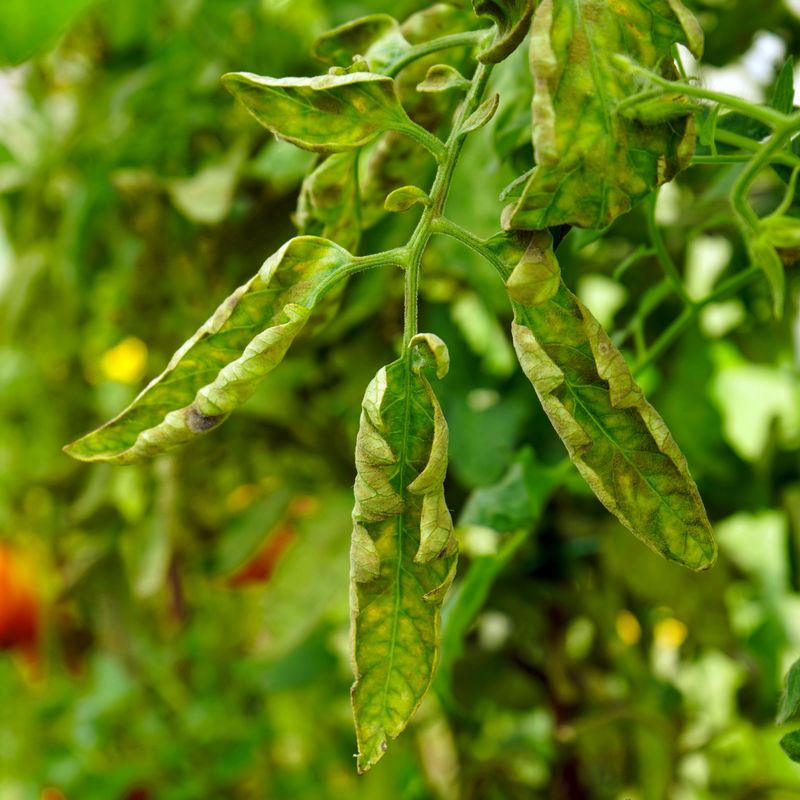
Sometimes the gardener, not the weather or a bug, sets off the curling. Tomatoes can react dramatically to a rough day, and enthusiastic pruning is a common trigger.
Stripping away too many leaves or suckers at once forces the plant to redirect its energy, and the remaining foliage may curl as it copes with the sudden change. Young seedlings moved outdoors too fast can show the same distress, curling and drooping while their roots adjust to new soil, wind, and stronger sun.
Ease off the pruning shears and remove only a few suckers at a time, ideally on a cool, cloudy morning. When transplanting, harden off seedlings over a week by giving them a little more outdoor time each day before planting them permanently.
After a transplant, a gentle soak and a few days of light shade can help roots settle without extra strain. Most plants recover from these self-inflicted setbacks once they are left alone to regroup. Patience often does more good here than any product, and new growth usually signals the worst has passed.
Your Game Plan for Healthy Tomatoes
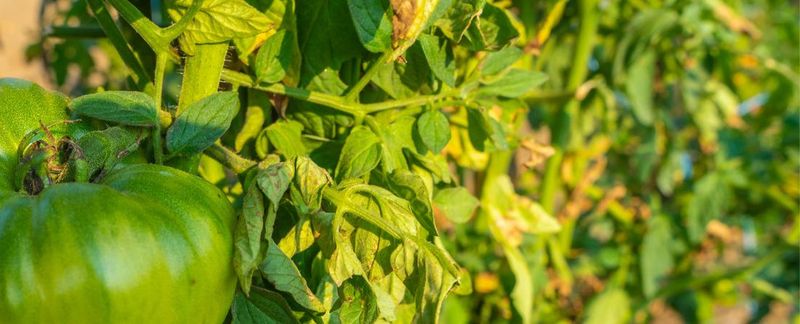
Now that you can tell a heat curl from a herbicide twist, diagnosing your plant becomes a lot less scary. The single most useful habit is simply looking closely and noticing which leaves curled, how they curled, and what changed recently.
Match the pattern to the cause: upward rolling on old leaves usually means heat or water, twisted new growth points to chemicals, cupping with yellowing suggests a virus, and bugs give themselves away on the leaf undersides. Once you name it, the right response is usually straightforward.
Build a little routine going forward. Water deeply and consistently, mulch to steady the soil, keep herbicides far away, and scout for pests a couple times each week. Choosing disease-resistant varieties next spring can spare you a lot of heartache.
Remember that not every curl is a crisis, and a plant with a few rolled leaves can still deliver baskets of ripe tomatoes. Stay observant, act early, and give your plants time to bounce back. With a little attention, those warning signs become easy conversations between you and your garden.