
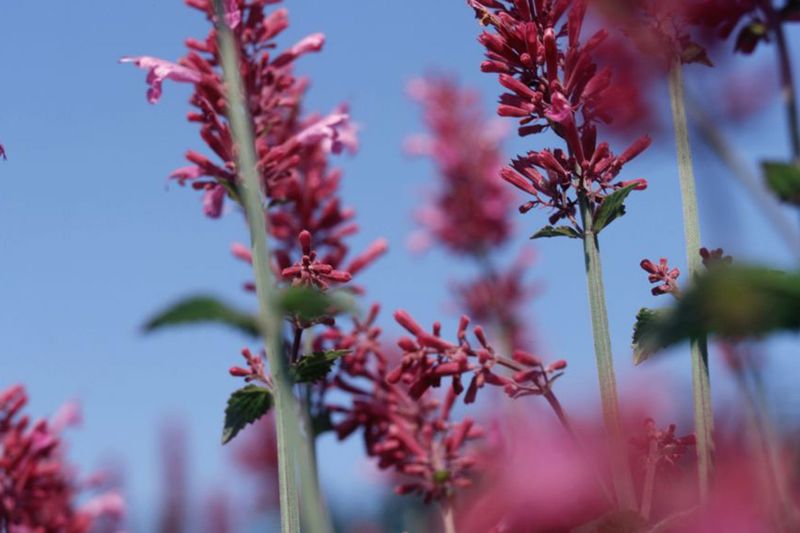
Every summer, Texas porches turn into a battle zone the moment the sun dips low and mosquitoes clock in for their shift. Some gardeners swear a single native plant is the secret weapon they wish they had found years ago, and the name “mosquito plant” sounds almost too good to be true. Spoiler: it kind of is, but the real story behind this fragrant western Texas native is worth knowing anyway.
Start With Standing Water, Not a Mosquito-Repellent Plant
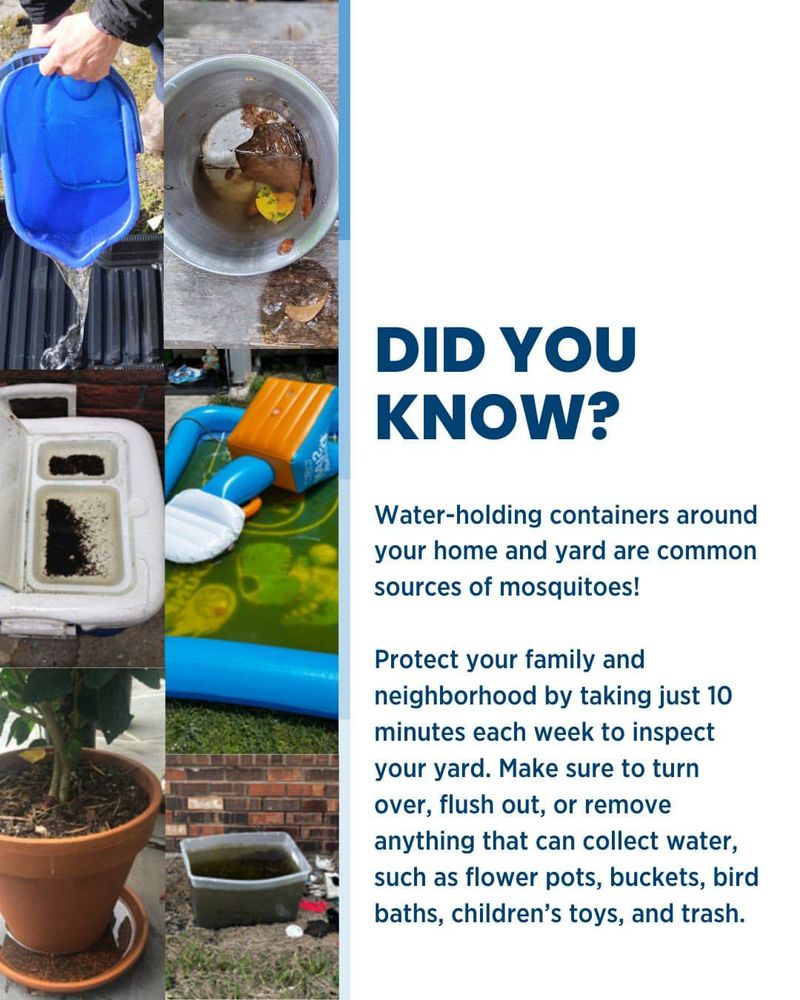
Mosquitoes do not appear out of thin air. Before buying any plant marketed as a bite stopper, walk around your porch and yard and count every container that holds even a small amount of water. Buckets left under a spigot, plastic toys scattered on the lawn, birdbaths that never get emptied, flowerpot saucers, old tires, and clogged gutters are all potential nurseries. Female mosquitoes need only a bottle cap worth of standing water to deposit eggs.
The single most reliable first move is source reduction. CDC guidance on home mosquito control recommends that homeowners empty and scrub, turn over, cover, or discard water-holding containers once a week, because mosquito eggs and larvae develop on a roughly weekly cycle. Scrubbing matters because eggs can stick to container walls and survive a simple rinse.
Texas adds its own wrinkle to the problem. Texas A&M AgriLife’s backyard mosquito control guide points out that common Texas biting mosquitoes often stay within roughly 200 to 300 yards of their breeding sites, which means a neighbor’s neglected birdbath or a low spot in your own yard can fuel the porch problem night after night. Eliminating or treating breeding sites is listed as the first step in any backyard control plan, and for good reason.
A fragrant native plant sitting in a pot near your chair cannot drain a forgotten saucer, scrub a birdbath rim, or cap a rain barrel. Any honest conversation about porch mosquitoes has to start here, because source reduction does work, and no plant substitute comes close to matching it. Once the water sources are handled, the rest of the control plan starts to make sense.
A Likely Candidate: Agastache cana of Western Texas
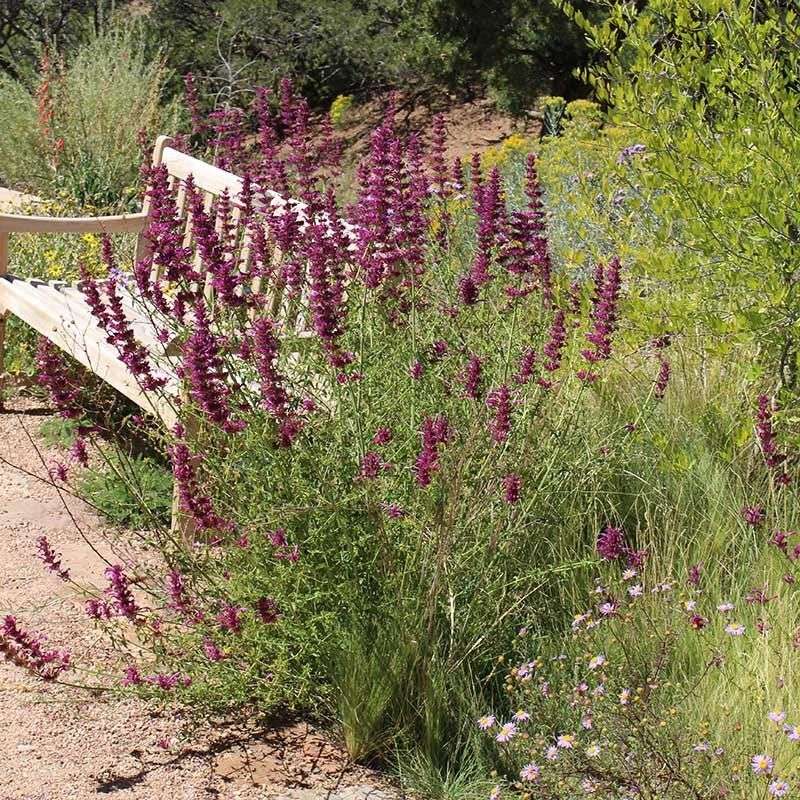
Somewhere along the way, a plant picked up the nickname “mosquito plant,” and the most plausible candidate behind that label in Texas gardening circles is Agastache cana. You may also see it sold as bubblegum mint or Texas hummingbird mint, names that hint at its sweet fragrance and its appeal to hummingbirds. The common name mosquito plant, though, is where the story gets complicated.
Agastache cana is a genuine native, but its Texas range is far more limited than the statewide framing suggests. According to the New Mexico Rare Plants database, the species is documented in Texas specifically in El Paso and Hudspeth counties, placing it squarely in the far western corner of the state. The plant is also native to southern New Mexico, and its natural habitat reflects that: rocky slopes, canyon edges, and open scrub where rainfall is scarce and drainage is fast.
Gardeners in El Paso or the Trans-Pecos region are working with a plant that genuinely belongs to their landscape. Gardeners in Houston, Dallas-Fort Worth, Austin, San Antonio, or anywhere along the Gulf Coast are in a different situation entirely. The soils, humidity, and rainfall patterns across most of Texas differ significantly from the conditions where Agastache cana evolved, and assuming it will thrive statewide is a mistake worth avoiding before spending money at a nursery.
The University of Utah Western Native Plants profile describes it as suited to full sun, well-drained soil, and dry or xeric conditions. That profile fits the Chihuahuan Desert edges of far west Texas well. For gardeners elsewhere in the state, local suitability deserves a real check before planting.
What the Plant Actually Adds to a Garden
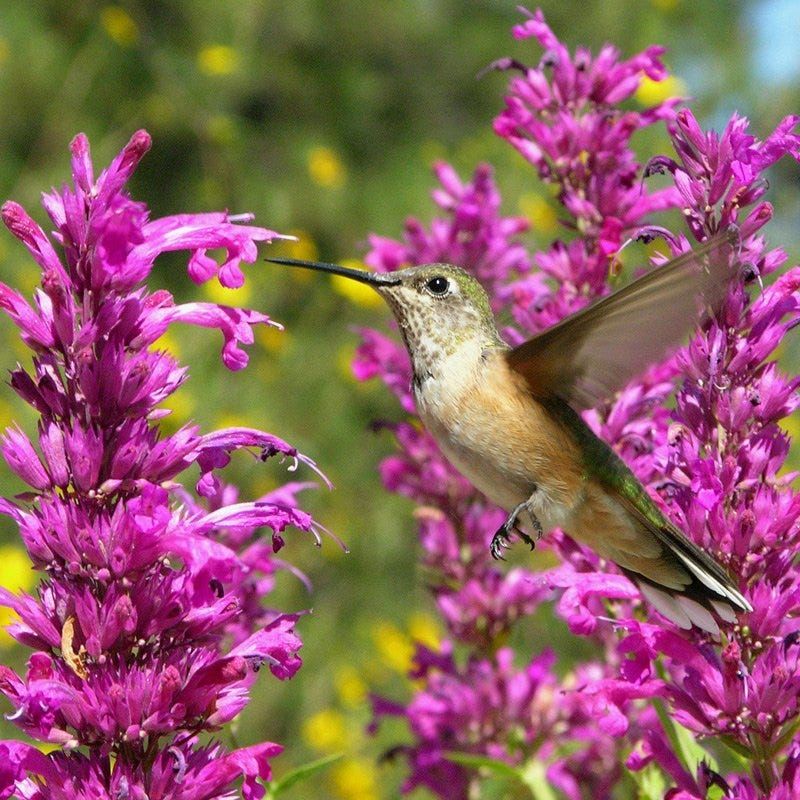
Correcting the mosquito claim does not make Agastache cana a less interesting plant. Grown in the right conditions, it earns its place in a western Texas garden through qualities that hold up under scrutiny. The foliage carries a strong, pleasant fragrance, often described as similar to bubblegum or anise, and the pink to purple tubular flowers bloom from late summer into fall, arriving precisely when many other xeric perennials are winding down.
Hummingbirds are drawn to those tubular blooms consistently, and the plant functions well as part of a pollinator garden. Bees and butterflies visit the flowers too, making Agastache cana a productive addition to any landscape designed to support native wildlife. The Western Native Plants profile highlights its value in hummingbird and pollinator plantings, and that reputation is well earned.
From a purely ornamental standpoint, the late-season color is a genuine asset. Many drought-adapted Texas landscapes go dull by August, and a plant that pushes fresh blooms into September and October has real practical value for anyone trying to keep a garden looking alive through triple-digit summers. The Kansas State University horticulture guide on Agastache notes the genus as a whole is prized for fragrant foliage, attractive flowers, and reliable performance in sunny, well-drained sites.
None of those qualities depend on mosquito repellency to be worthwhile. A plant that feeds hummingbirds, attracts native bees, perfumes the air with a sweet fragrance, and holds color through a brutal west Texas summer is doing plenty without being asked to stand guard against biting insects too.
Why the Mosquito-Plant Name Does Not Prove Repellency
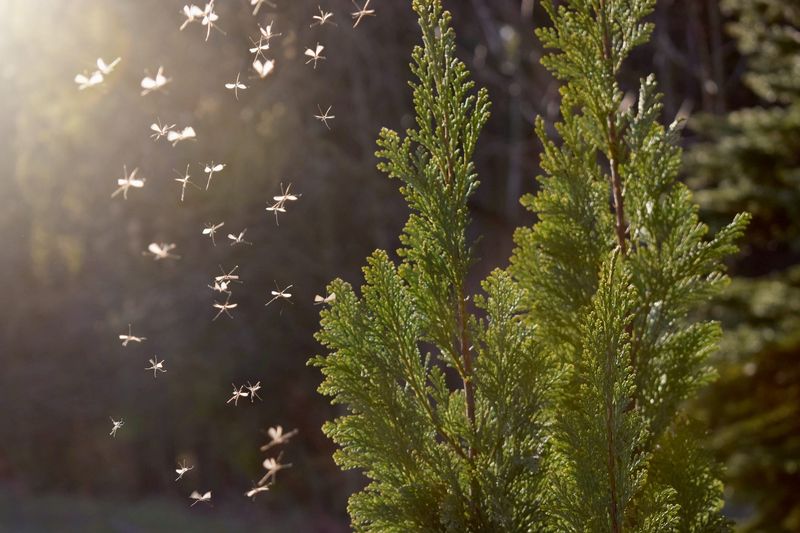
Common plant names are handed out freely and stick around forever regardless of whether they describe something real. “Mosquito plant” is a marketing-friendly label, not a field-tested performance certification. The name alone cannot tell you whether sitting next to a potted Agastache cana on a July evening will reduce the number of bites you collect.
The core problem is a gap between what a living plant does and what happens in a laboratory or with a concentrated product. Iowa State Extension explains that the repellent-related compounds in aromatic plants are released primarily when foliage is crushed or mechanically damaged, not simply by the plant growing nearby. An intact pot of mint or Agastache sitting on a porch table is releasing far less aromatic compound into the air than a crushed handful of the same leaves. The difference in concentration is significant.
Even when studies do show some repellent activity from plant-based compounds, the results come from extracted oils or concentrated preparations, not from whole plants standing in soil. UC Cooperative Extension advises growing such plants for their scent and beauty rather than counting on them as mosquito deterrents, because the gap between laboratory extract and backyard planting is too wide to bridge by simply buying more pots.
The confusion gets worse because “mosquito plant” and “citronella plant” get attached to multiple unrelated species. Citronella grass, the scented geranium sold as Pelargonium citrosum, and Agastache cana are three different plants, and UC IPM notes that the commonly marketed “mosquito plant” geranium has been specifically criticized for being ineffective when simply grown nearby. Citronella oil in a formulated candle or spray product is not the same thing as a living citronella plant, and the registered product’s track record does not transfer to the pot on your porch rail.
Wind, humidity, mosquito species, plant quantity, and whether foliage is actually being disturbed all affect how much aromatic compound reaches the air around you. Penn State Extension’s pollinator-friendly mosquito control guidance reinforces that ordinary plantings of aromatic herbs and flowers do not establish a reliable mosquito-free zone. Agastache cana is not an exception to that pattern just because it carries an evocative nickname.
Grow Agastache cana Where Its Conditions Fit
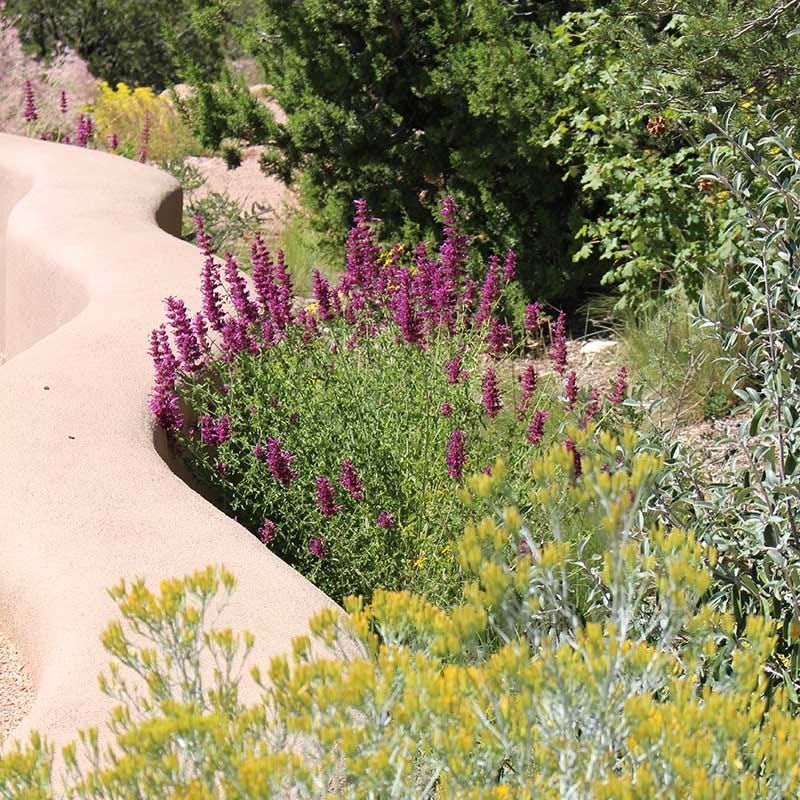
Getting the growing conditions right is the starting point for anyone who wants to add Agastache cana to their landscape for the right reasons. Full sun is non-negotiable. The plant evolved in open, exposed terrain in the Chihuahuan Desert region, and shaded or partly shaded spots will leave it struggling and prone to rot. Good drainage matters just as much, since roots sitting in poorly drained clay soil through a wet spring will not survive to bloom in fall.
As the New Mexico Rare Plants database confirms, Agastache cana is native to rocky slopes and canyon edges in far western Texas and southern New Mexico, habitats where water drains away quickly and soils are lean. Gardeners who can replicate those conditions, whether in a raised bed, a gravel-mulched xeric border, or a container with fast-draining mix, are working with the plant’s strengths rather than against them.
Drought tolerance is real but not absolute. The University of Utah Western Native Plants profile notes that supplemental irrigation during summer can help the plant remain attractive and vigorous rather than stressed and sparse. In the driest weeks of a west Texas summer, a deep watering every week or two keeps foliage lush and flowering strong without overwatering the roots.
The regional caveat deserves to be stated plainly. Gardeners in El Paso, Hudspeth County, and nearby areas of the Trans-Pecos are working with a locally native plant. Gardeners in Houston, Austin, San Antonio, Dallas-Fort Worth, and the Gulf Coast are not. Higher humidity, heavier clay soils, and different rainfall patterns across most of the state make Agastache cana a questionable fit without local verification.
Before purchasing, check with a regional native plant society, a county extension office, or a nursery that specializes in your specific ecoregion.
Pair the Plant With Proven Porch Protection

Agastache cana can absolutely share a space with a layered mosquito-control plan. The plant brings fragrance and pollinators; the actual bite prevention comes from a combination of steps that have real evidence behind them. Treating those two things as a team, rather than expecting the plant to carry the whole load, is the practical approach for a Texas summer porch.
Source reduction comes first, every week without exception. Empty and scrub birdbaths, dump water from pot saucers, flip over unused containers, and check gutters after rain. This step alone can meaningfully reduce the local mosquito population before you ever reach for a repellent. CDC home mosquito control guidance and the Texas A&M backyard mosquito control guide both list this as the foundational step.
Physical barriers matter more than most people give them credit for. Functioning screens on doors and windows, screen doors that actually close fully, and air conditioning that keeps people inside during peak mosquito hours are all underused tools. Long sleeves and long pants during dawn and dusk hours, when many Texas mosquito species are most active, reduce exposed skin without requiring any product at all.
When personal repellent is needed, CDC prevention guidance lists active ingredients with recognized effectiveness, including DEET, picaridin, IR3535, oil of lemon eucalyptus, para-menthane-diol, and 2-undecanone. The EPA’s insect repellent overview and the EPA guide to using repellents safely both recommend reading product labels carefully and applying repellent only to exposed skin or clothing as directed. One specific warning applies to families with young children: products containing oil of lemon eucalyptus or para-menthane-diol should not be used on children under age 3, per CDC guidance.
Pesticide spraying is a separate conversation. If you consider yard treatments, Texas A&M advises following label instructions carefully, avoiding applications near blooming plants during pollinator activity, and targeting mosquito resting sites rather than broadcasting broadly. Agastache cana in bloom is exactly the kind of plant you would want to protect from indiscriminate spraying.
Keep the Native, Lose the Mosquito-Free Promise
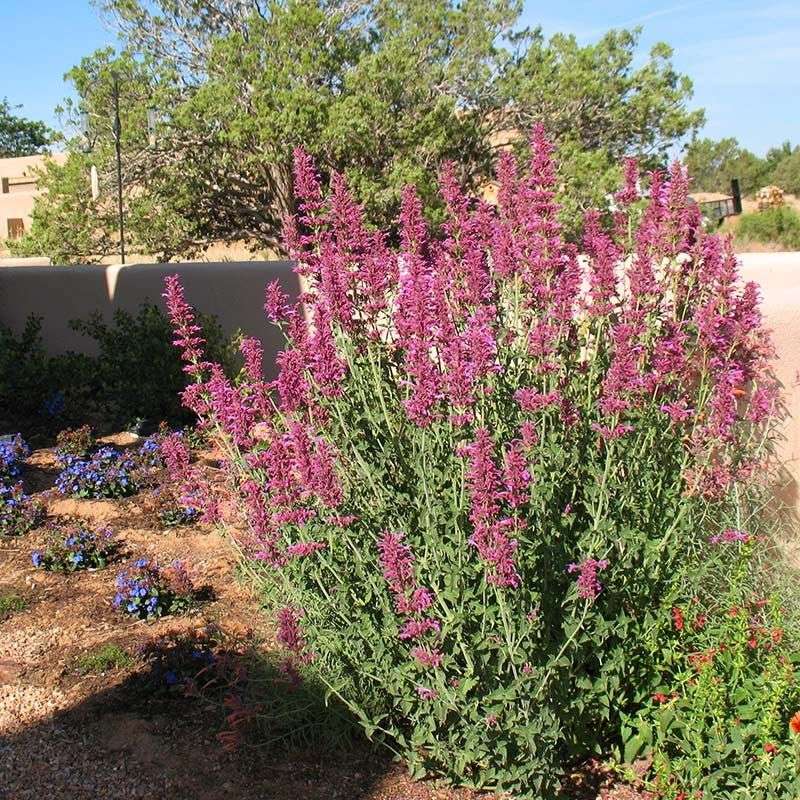
Agastache cana is worth growing in far western Texas for exactly what it reliably delivers: fragrant foliage, late-season blooms in shades of pink and purple, and a steady stream of hummingbirds and native bees. Those qualities are real, documented, and reason enough to seek it out if your garden sits in El Paso or Hudspeth County terrain. The Western Native Plants profile supports every one of those claims.
What it cannot do is stand guard over your porch. No amount of aromatic foliage replaces weekly water-source removal, a functioning screen door, or an EPA-registered repellent applied before you step outside on a humid Texas evening. CDC prevention guidance and CDC home control recommendations both point toward source reduction, barriers, and tested repellents as the core of any real protection plan.
Gardeners outside far western Texas should verify local suitability before planting. The mosquito-plant nickname is a piece of garden folklore, not a performance guarantee. Plant Agastache cana because it fits your conditions and feeds the pollinators you want to encourage, and handle mosquitoes with the tools that actually work. A garden that is honest about what each plant can do is a better garden than one built on wishful marketing.