
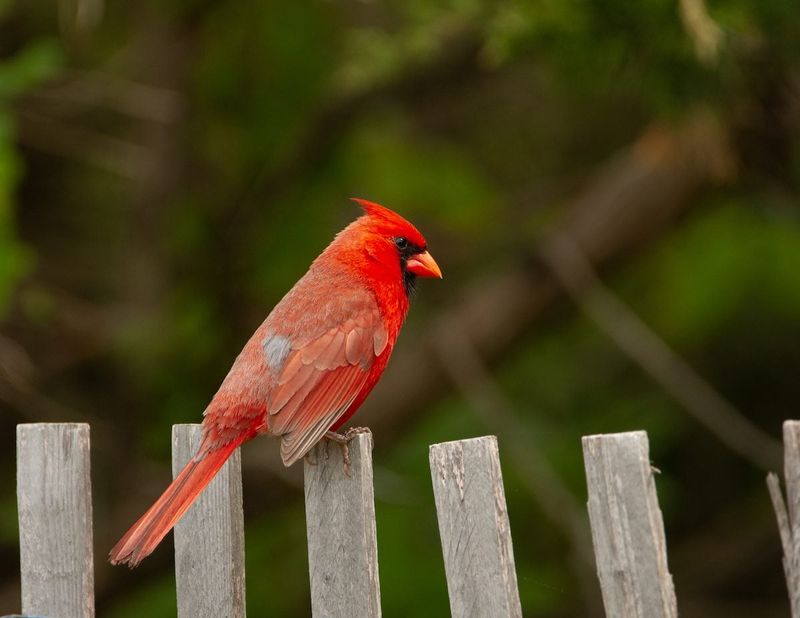
Few backyard moments stop a Texan in their tracks quite like spotting a brilliant red cardinal perched on the fence, day after day. That flash of color feels deliberate, almost personal, and plenty of people find themselves wondering whether the bird is carrying a message or just passing through. The honest answer is more interesting than a simple yes or no, and it starts with understanding what Northern Cardinals actually need, where they live across Texas, and what their behavior can and cannot tell you.
Start with the bird and the Texas region
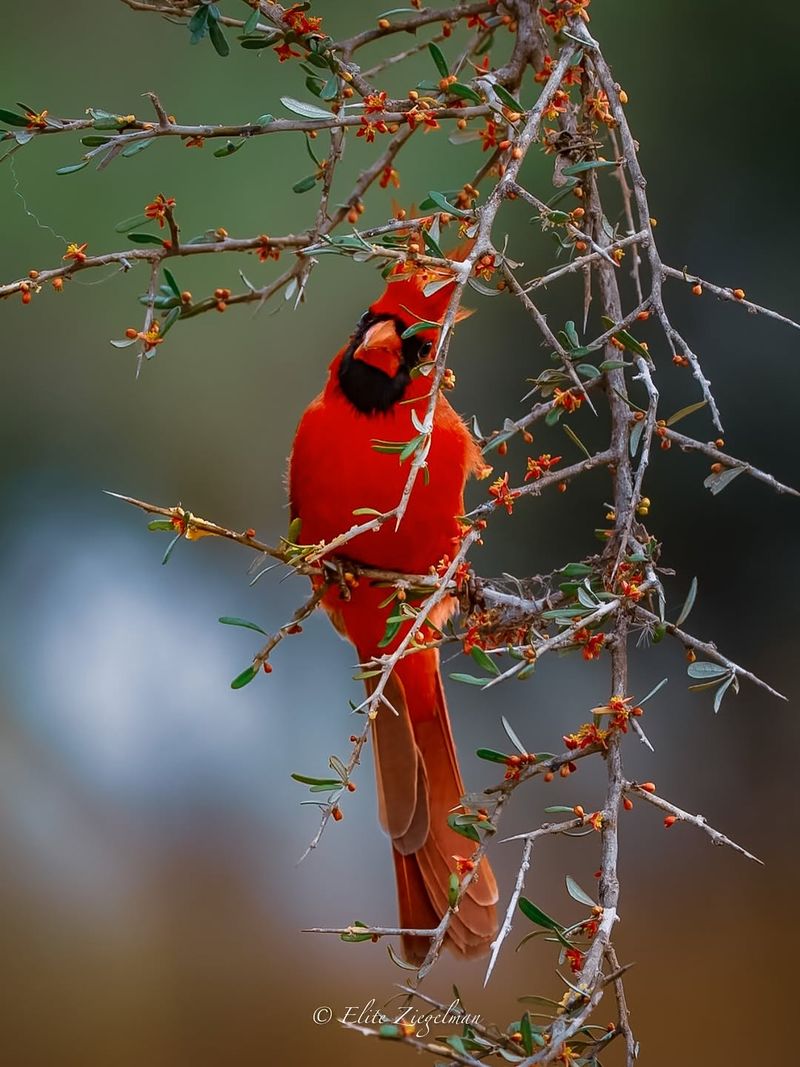
Before reading too much into a repeated sighting, knowing exactly which bird you are looking at matters more than most people expect. The Northern Cardinal is a year-round resident across the eastern two-thirds of Texas, turning up in suburban yards, woodland edges, thickets, and anywhere dense shrubs and low trees provide reliable cover. Texas Parks and Wildlife Department confirms this range and notes that the species uses a wide variety of habitats, from city parks to brushy creek bottoms.
Farther west and south, however, the picture changes. Cardinal occurrence becomes less uniform as the landscape grows more arid, and readers in the Trans-Pecos, the western Hill Country, and the South Texas Brush Country should take an extra moment before assuming every red bird is a Northern Cardinal.
The Pyrrhuloxia, sometimes called the desert cardinal, shares parts of Texas with its more famous relative and can look strikingly similar at a glance. Both species carry reddish plumage, a crest, and a heavy bill. TPWD’s guide to cardinals and Pyrrhuloxias points out that the Pyrrhuloxia’s bill is shorter and more curved, almost parrot-like, while a Northern Cardinal’s bill is larger and distinctly orange-red. In females, the color difference is even subtler, so a careful look at bill shape is the most reliable field mark in western and southern Texas.
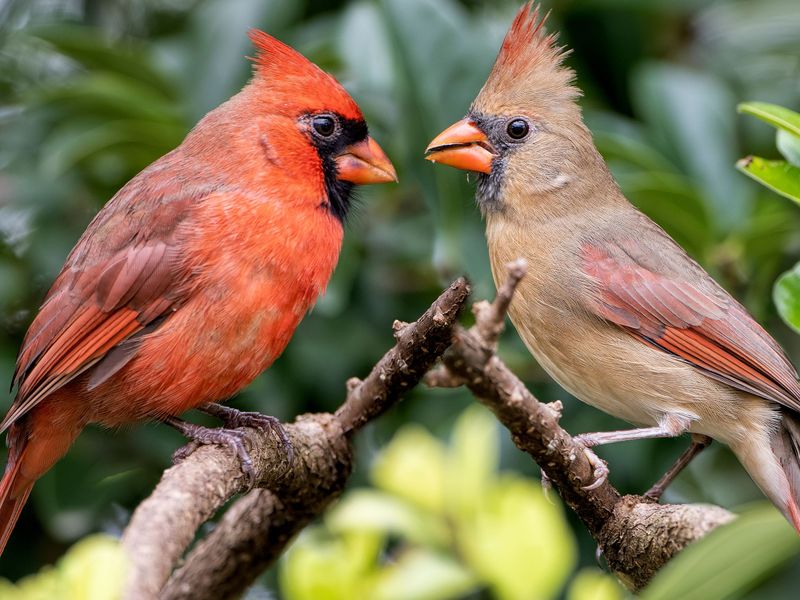
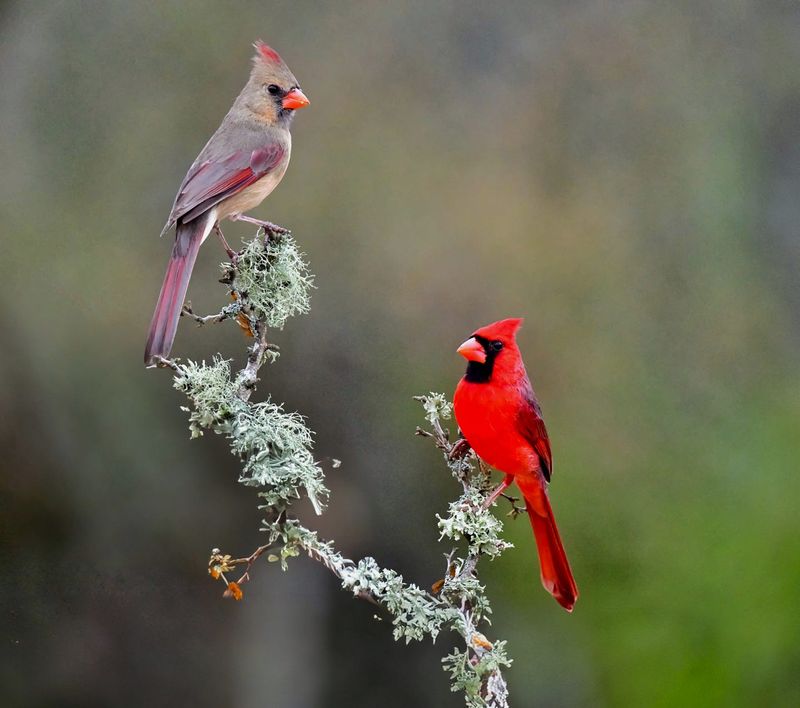
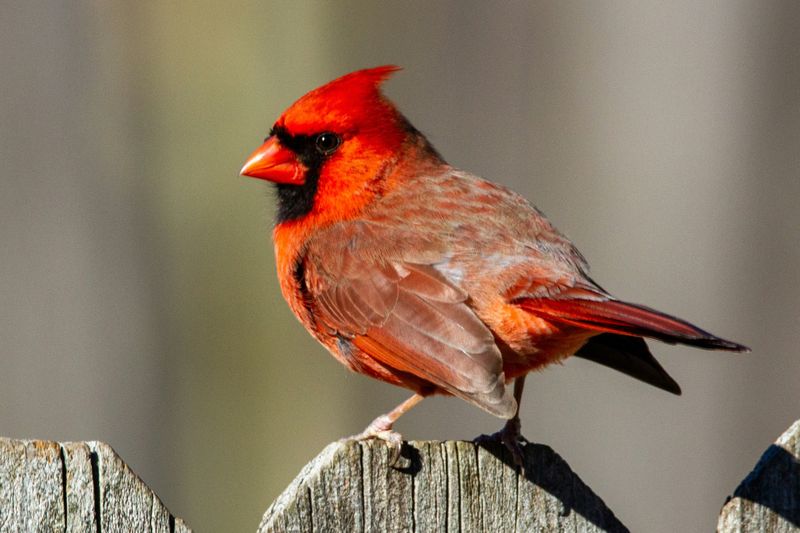
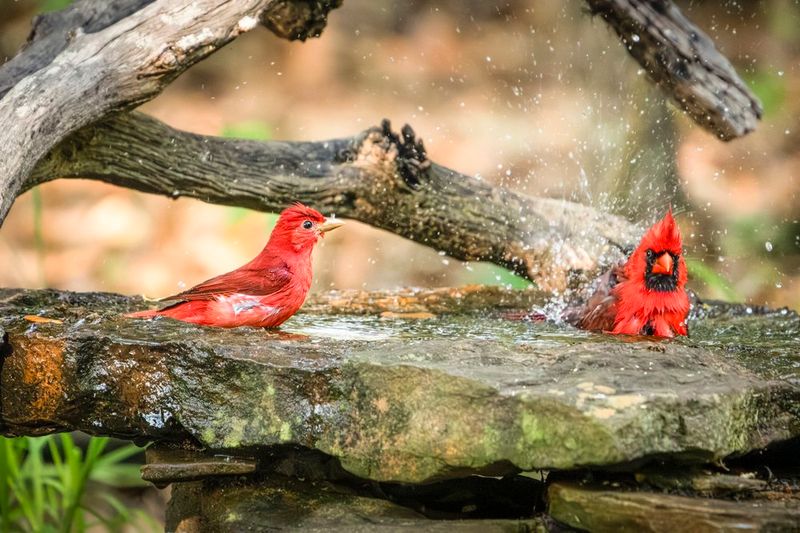
Male Northern Cardinals are unmistakable where they are common: solid red from crest to tail, with a black mask around the face and throat. Females wear warm brown tones with reddish washes on the crest, wings, and tail. Both sexes have that distinctive crest and stout bill. Confirming the species before interpreting the visit is not just a birding formality; it shapes every conclusion that follows.
Several ordinary explanations fit the same pattern
Seeing the same red bird show up morning after morning feels significant, and the instinct to search for a reason is completely natural. The tricky part is that repeated cardinal visits are consistent with several plausible explanations at once, and the sightings alone cannot point to just one of them or tell you which matters most.
Food is one obvious candidate. TPWD’s Northern Cardinal profile describes a diet that includes seeds, berries, and insects, and a yard that offers any of those resources naturally draws birds without a feeder ever entering the picture. If you do have a feeder stocked with sunflower seed, that is another plausible draw, but it is one possibility among several rather than the automatic answer.
Water is a second factor worth considering, especially given how punishing Texas summers can be. A shallow birdbath or a dripping faucet can attract birds that might otherwise pass through without stopping. TPWD’s habitat resources guidance specifically highlights water as a key element for attracting and supporting backyard birds in the state’s hot, dry climate.
Cover and territory round out the list of common explanations. Dense shrubs, tangled vines, and low trees provide nesting habitat and shelter from predators. A cardinal defending a breeding territory may appear in the same corner of your yard repeatedly not because of anything you have done, but because your property falls within its established range. The Audubon field guide confirms that cardinals use woodland edges, thickets, and suburban yards as core habitat.
Any one of these conditions, or a combination of them, could explain a pattern that feels personal but reflects straightforward ecology.
Read the food, water, and cover in your yard
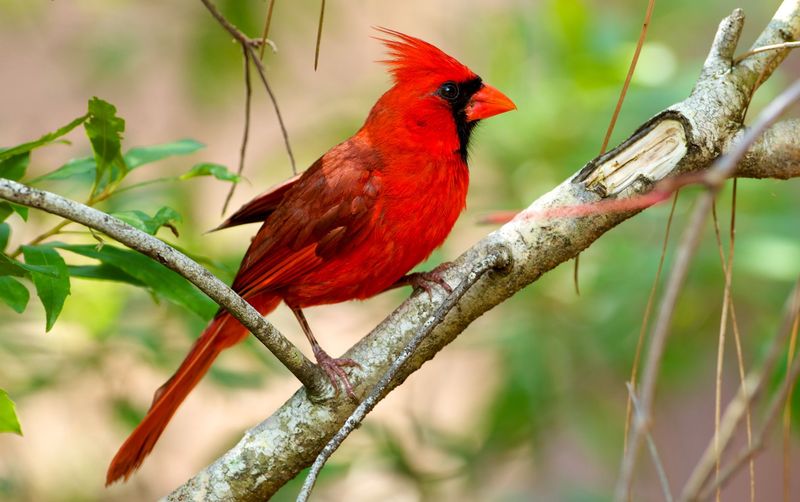
Paying attention to what your yard already offers can tell you more than any single sighting. Northern Cardinals eat seeds, fruit, insects, and other invertebrates, so a yard with diverse native plantings may be providing meals you never noticed. Audubon’s field guide notes that young cardinals are fed mostly insects, which means a yard with native vegetation can support the species well beyond what a seed feeder ever could.
At the feeder, black-oil sunflower seed is a reliable choice. The thin shell is easy for cardinals to crack, and the high oil content makes it a calorie-dense option. TPWD confirms sunflower seed as a preferred food for the species. That said, a feeder is not necessary if your yard already has berry-producing shrubs, seed-bearing native grasses, or dense plantings that support insect populations.
Water deserves its own look. A shallow birdbath, a garden pond with a gradual edge, or even a dripping hose can become a reliable stop for cardinals during triple-digit Texas summers. TPWD’s habitat resources page recommends shallow water sources as especially valuable during hot, dry periods, and emphasizes keeping them clean and refreshed frequently to prevent stagnation.
Cover is the third resource to scan. Dense shrubs, climbing vines, and low trees serve as both shelter and potential nesting sites. TPWD’s Texas Wildscapes tips encourage homeowners to use native vegetation as the primary source of food, shelter, and cover rather than relying on feeders. If your yard has a thick yaupon holly, a native plum thicket, or a tangle of coral honeysuckle along the fence, those features are likely doing more work than any store-bought product.
Reading the resources your yard already provides is the first practical step toward understanding why a cardinal keeps coming back.
Daily routines and behavior can make visits feel intentional
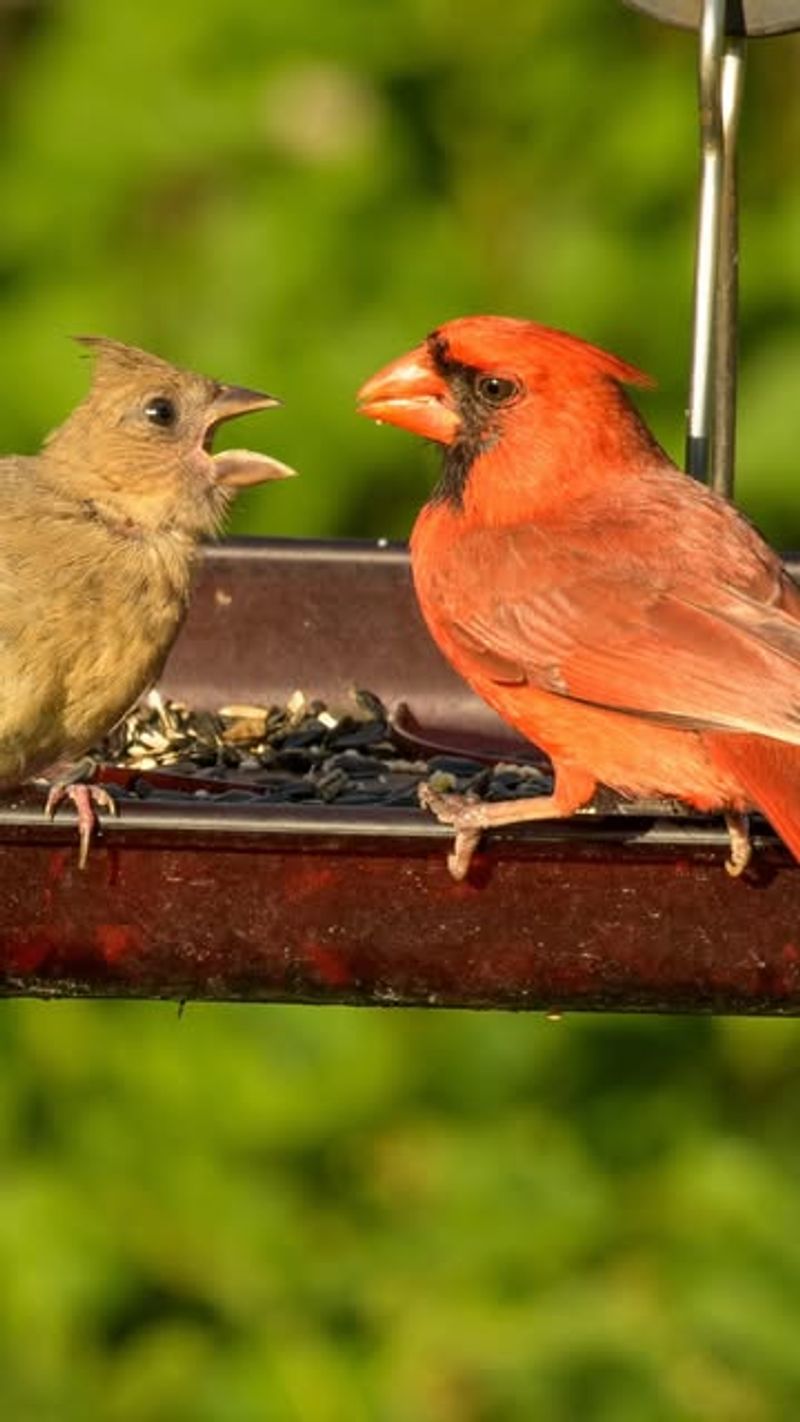
Cardinals have consistent daily patterns that can make their appearances feel remarkably purposeful. Cornell Lab observations show cardinals arriving at feeders in groups near dusk, and the species is also well known for being among the earliest birds to visit feeders in the morning. Catching the same red bird at roughly the same time each day is not a coincidence or a sign; it reflects the species’ reliable activity schedule.
Another detail worth knowing: what looks like one bird returning again and again may actually be several birds. Cardinals form pairs during breeding season, and outside of breeding season they sometimes gather in loose winter flocks. TPWD’s species profile notes this social behavior, which means a yard with good resources might host multiple individuals in ways that are easy to mistake for a single devoted visitor.
Behavior at windows can be especially puzzling. A male cardinal repeatedly flying at a glass door, a car mirror, or a shiny surface is not showing affection, and he is not distressed by another bird. Cornell Lab’s All About Birds explains this as a territorial response: the bird sees his own reflection and treats it as a rival male intruding on his space. These attacks are most common in spring and early summer when territorial instincts peak.
Courtship looks very different. A male offering a seed to a female, approaching her gently, or singing near her are examples of pair-bonding behavior that Cornell Lab’s courtship display overview describes as mate-selection rituals. Watching a male feed a female is a genuine behavioral clue that a pair may be forming, but it does not confirm that a nest is being built in your yard. The birds may be using your feeder while nesting somewhere else entirely.
Personal meaning can coexist with biological uncertainty
Across many cultures, a cardinal appearing at a meaningful moment carries real emotional weight. Some people see a sudden sighting as a greeting from someone who has passed away. Others read the bird as a sign of protection, a nudge toward good fortune, or a reminder to pay attention to something important. These interpretations show up in folklore, in family traditions, and in personal stories that people carry for decades.
Respecting those experiences does not require pretending they are ornithological findings. TPWD’s Northern Cardinal profile and Audubon’s field guide both explain repeated visits through observable ecology: food availability, water, cover, territorial behavior, and courtship. Neither source describes the bird as a messenger or a symbol. That is not a dismissal of personal meaning; it simply reflects what wildlife science can and cannot measure.
The two things can live side by side without contradiction. A person can understand that a cardinal is visiting because the yard has good shrubs and a reliable water source, and still find the timing of a particular visit deeply comforting. Meaning is something humans bring to an experience; the bird brings its hunger, its territory, and its biology.
Where the line matters is in decision-making. Choosing plants, feeders, or yard practices based on the bird’s ecological needs is grounded in evidence. Concluding that the bird is delivering a specific personal message, and then making major life decisions based on that conclusion, moves into territory that bird behavior cannot support. Hold the comfort of the sighting and the curiosity about the bird’s actual life at the same time; both are worth having.
A visit does not prove a nest or predict the future
A cardinal at your feeder is good company, but it is not necessarily a tenant. Audubon’s field guide describes nesting as occurring in dense shrubs, vines, or low trees, and notes that cardinals build their own cup-shaped nests rather than using nest boxes. A bird that visits your yard regularly may be nesting in a neighbor’s overgrown hedge, in a creek-bottom thicket two blocks away, or in a park nearby.
Courtship behavior near your yard raises the possibility of nesting, but even that is not confirmation. The pair may be using your yard for food while nesting somewhere with better cover. TPWD’s species account is clear that nesting requires suitable dense vegetation, a condition that not every yard meets regardless of how many visits occur.
The leap from a bird sighting to a prediction about weather, health, or fortune is one the bird’s behavior simply cannot support. Repeated cardinal visits have not been connected in any credible ornithological source to forecasting rain, drought, Texas freezes, hurricanes, pregnancy, financial change, or other future events. Cornell Lab’s guide covers territory, diet, courtship, and nesting but makes no mention of predictive significance.
What repeated visits can reasonably suggest is that the yard offers something useful: food, water, cover, or proximity to territory. That conclusion is grounded in what we can observe. Everything beyond it, including nesting confirmation, weather forecasting, and omens of any kind, requires evidence that a bird’s presence alone cannot provide. Watching carefully and noting what resources are available will always give you more reliable information than any symbolic interpretation of the timing.
Improve habitat while reducing feeder, water, and window risks
Making your yard more welcoming to cardinals starts with plants, not products. TPWD’s habitat resources guidance recommends native vegetation as the foundation, because regionally adapted plants provide seeds, berries, insects, and shelter in ways that a feeder alone cannot replicate. East Texas yards benefit from yaupon holly, beautyberry, and native plums. Hill Country and South Texas homeowners should lean toward plants suited to those drier conditions.
TPWD’s regional wildscapes lists offer species-specific guidance for different parts of the state.
Feeders work best as a supplement to natural habitat, not a replacement for it. TPWD’s Wildscapes tips make this point directly. More feeders are not always better; concentrating birds at poorly maintained stations increases contact between individuals and raises disease risk. Clean feeders at least once a month, and more often if they look dirty or wet.
Scrub them with a brush, rinse thoroughly, and let them dry before refilling. Always wash your hands after handling feeders or anything near them.
Water needs the same attention. Keep birdbaths shallow, and empty and refill them frequently enough to prevent stagnation. Standing water can support mosquito breeding and algae growth, so regular refreshing matters as much as the initial setup. This follows local public-health recommendations and aligns with TPWD guidance on maintaining clean water sources for wildlife.
If sick or dead birds appear near your yard, stop feeding and remove water sources temporarily. Check current state or federal wildlife-health guidance for next steps. The two-week removal period cited in CDC guidance tied to the 2021 Salmonella outbreak linked to wild songbirds was specific to that event; current recommendations may differ depending on the situation, so always consult up-to-date sources. For general bird-contact hygiene, CDC guidance for bird hobbyists recommends frequent handwashing and avoiding direct contact with wild birds.
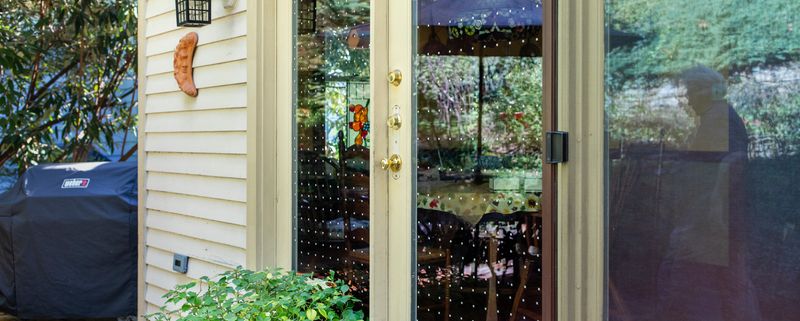
Window collisions kill a significant number of birds annually, and cardinals are not exempt. U.S. Fish and Wildlife Service guidance on bird-window collisions recommends placing feeders, baths, or bird houses either within 3 feet of a window, where birds cannot build enough speed for a severe impact, or well away from windows rather than in the intermediate danger zone. Collision deterrent films, exterior screens, or tape patterns applied to the outside of glass can also help reduce strikes.
No single practice eliminates all risk, but thoughtful placement and deterrents together make a real difference.
Let the habitat answer what the sightings can
Repeated cardinal visits are consistent with a yard that offers something genuinely useful: reliable food, clean water, protective cover, or proximity to territory. That is the most honest and complete answer the sightings themselves can support. They cannot point to one definitive cause, and they cannot rank the explanations for you.
The most productive response is also the simplest: confirm that the bird is a Northern Cardinal and not a Pyrrhuloxia, especially if you live in western or southern Texas. Then look at what your yard provides. TPWD’s species profile and TPWD’s habitat resources page together offer a practical checklist: food, water, and cover suited to your region.
Personal meaning is yours to keep. Nothing in ornithology takes that away. The bird, though, is doing exactly what cardinals do: finding what it needs in a Texas landscape and returning when the resources hold up. Build a yard worth returning to, and the visits will speak for themselves.