
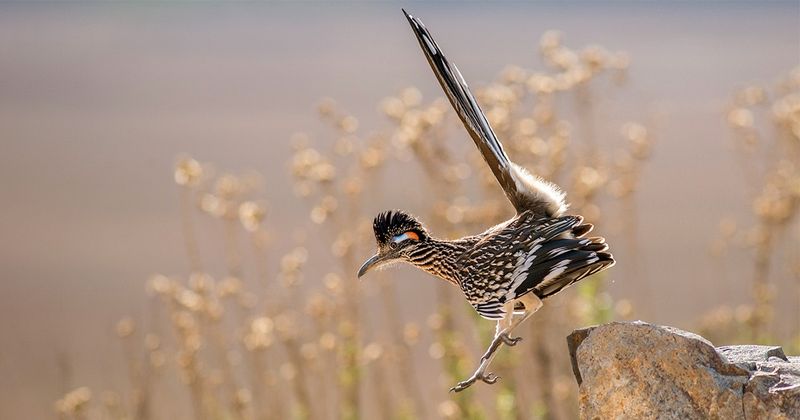
Spotting a Greater Roadrunner sprinting across a Texas yard is one of those moments that stops you in your tracks. These birds have earned a reputation as tough, scrappy hunters that will take on scorpions, snakes, and just about anything else that crosses their path. That reputation has led some homeowners to wonder whether attracting roadrunners could help keep scorpions away from the house. The answer is more complicated than a simple yes or no, and understanding the difference could save you a lot of frustration.
Roadrunners eat scorpions, but they are not proven scorpion control
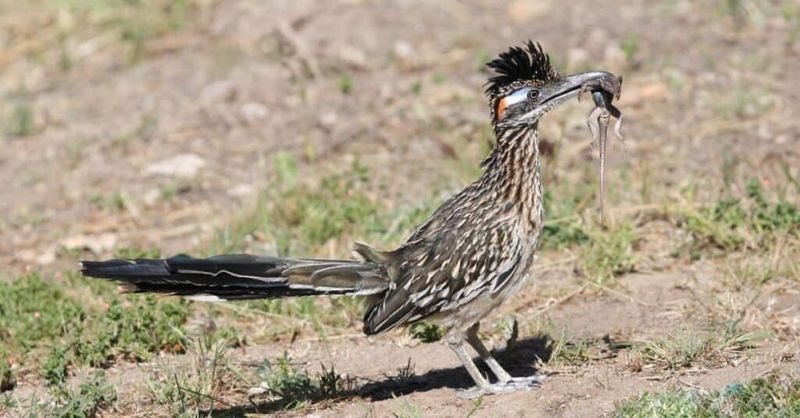
Greater Roadrunners do eat scorpions. Texas Parks and Wildlife lists scorpions among the prey that adult roadrunners bring to their young, and Cornell Lab of Ornithology places scorpions on the list of prey the species commonly takes. That part of the story is real. What the available research does not show is that having more roadrunners around a Texas home reliably lowers the number of scorpions on the property, reduces how often scorpions get inside, or meaningfully changes the risk of being stung.
The distinction matters because scorpion predation and scorpion population control are two very different things. A roadrunner that crosses your yard and snaps up a scorpion it happens to spot is behaving exactly as expected for an opportunistic predator. That same bird is not conducting a systematic sweep of every crack, crevice, wood pile, and shaded corner where scorpions spend most of their time. Predation on individual animals is not the same as bringing a local population under control, and no study located for this article has demonstrated that roadrunner presence produces measurable reductions in scorpion numbers around Texas homes.
Roadrunners are broad-spectrum hunters with a wide-ranging diet that includes insects, spiders, centipedes, lizards, snakes, small rodents, birds, eggs, carrion, and some plant material. Scorpions are one item on a long menu, not a specialty. How often any individual bird eats scorpions depends on what prey happens to be available and where the bird is foraging on a given day. Thinking of a roadrunner as living scorpion control sets an expectation the bird cannot reliably meet.
Thinking of it as a welcome wild predator that may occasionally remove a scorpion from your yard is a much more accurate frame, and it keeps wildlife gardening and household pest management where they belong: as two separate, complementary goals rather than a single solution.
Daytime hunting and large territories limit what one yard can do
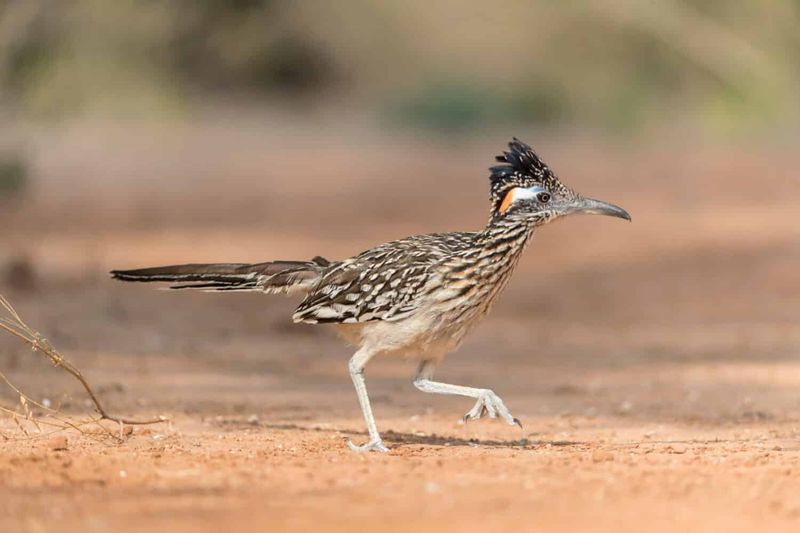
One practical reason roadrunners cannot function like a perimeter treatment comes down to timing. Roadrunners are primarily daytime, ground-foraging birds that hunt by sight as they move through open terrain. Scorpions, by contrast, are mainly nocturnal, hiding in cracks, under debris, and inside wall voids during the hours when roadrunners are most active. The two animals share the same landscape but operate on different schedules, so the overlap between a roadrunner’s hunting window and a scorpion’s active period is limited.
A roadrunner may pick off a scorpion it encounters during the day, but it is not patrolling the nighttime pathways and tight hiding spots where homeowners most often run into scorpion trouble.
Territory size adds a second constraint. A north-central Texas radio-telemetry study found median home ranges of roughly 80 to 90 hectares, which works out to approximately 198 to 222 acres, for both males and females. A separate west Texas study reported a mean home range of about 43 hectares, or around 106 acres. The two studies used different methods, covered different parts of the state, and produced different figures, but both point to the same basic reality: a Greater Roadrunner covers a lot of ground.
A typical suburban lot or even a generous rural property represents a small fraction of that range. The bird may pass through your yard several times a week or show up only occasionally depending on what else the broader landscape offers. You cannot keep a roadrunner stationed in one yard any more than you can assign a red-tailed hawk to a specific fence post. Welcoming the habitat conditions that make a visit more likely is a reasonable goal; expecting one bird to hold a defined territory around your home and work through a local scorpion population is not a realistic expectation the research supports.
Build habitat with open ground and native Texas cover
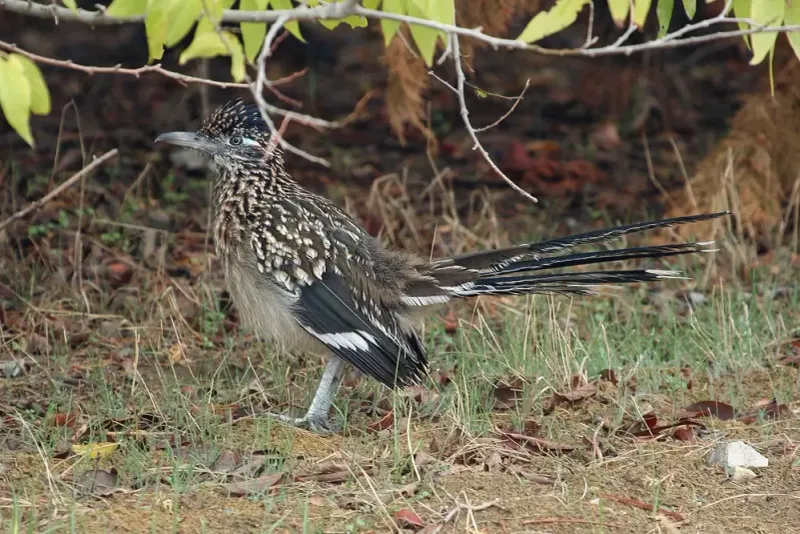
Roadrunners need two things from a landscape: room to walk and hunt, and enough cover to feel safe resting, roosting, and potentially nesting. Texas Parks and Wildlife describes the useful structure as bare or open ground combined with scattered trees and bushes. That combination, rather than any single plant or feature, is what the habitat prescription is built around. A yard that offers both open foraging lanes and sturdy cover gives a passing roadrunner a reason to slow down and spend time rather than move straight through.
Native plants do more work here than ornamentals. They support the insects, lizards, and small prey that make up most of a roadrunner’s diet, and they tend to provide the thorny, dense structure the birds use for shelter. In Texas, that might mean retaining native shrubs like agarita, retama, or Texas persimmon in the Hill Country, or preserving huisache and brasil in South Texas. Prickly pear cactus, where it fits the setting, adds both foraging perches and nesting structure.
TPWD’s habitat guidance emphasizes native plants and structural diversity as the foundation for supporting wildlife broadly, not a specific species list aimed at roadrunners alone.
The goal is to avoid two extremes. An uninterrupted lawn with no shrubs or cover gives a roadrunner nowhere to shelter and little to eat. An impenetrable thicket with no open ground removes the walking and foraging lanes the bird depends on. A yard that mixes open patches with clustered native vegetation, thorny shrubs, and small trees hits the structural balance that makes visits more plausible.
These changes benefit a wide range of native wildlife regardless of whether a roadrunner ever shows up, and that broader ecological value is worth pursuing on its own terms. Roadrunner visits, when they happen, are a bonus rather than a guaranteed outcome of any particular planting choice.
Match the habitat plan to your Texas region
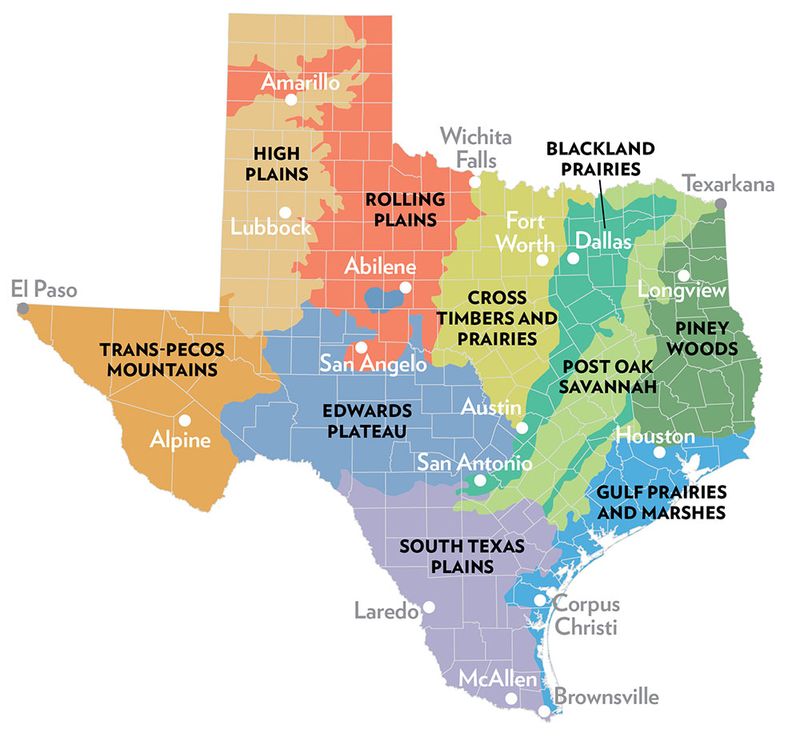
Greater Roadrunners live throughout Texas, but their abundance varies considerably by region. The Texas Breeding Bird Atlas confirms the species is most common in West Texas deserts and South Texas brushlands, where open scrub, thorny cover, and warm temperatures align well with the bird’s habitat preferences. In heavily forested eastern Texas, roadrunners are less common, and the dense canopy and thick understory work against the open-ground foraging structure they need. A homeowner in the Piney Woods faces different starting conditions than one in the Trans-Pecos, and the habitat strategy should reflect that.
Working with what already exists on a property tends to produce better results than trying to install a universal habitat template. In the Hill Country, retaining existing cedar, live oak, and native scrub while opening up some walking lanes makes more sense than importing South Texas plants. Along the Gulf Coast, native grasses, yaupon holly, and open lawn edges provide a different but workable structure. North Texas yards can incorporate native prairie remnants, plum thickets, and open ground.
The TPWD habitat resources page offers region-specific guidance that is more reliable than a single plant list applied across all 268,000 square miles of the state.
A shallow water feature, kept clean and refreshed regularly to prevent algae and mosquito breeding, can support backyard wildlife generally. This is standard wildlife gardening advice and not evidence that water specifically draws roadrunners or reduces scorpions. Whether a roadrunner uses a yard at all also depends on what the surrounding landscape looks like. A property embedded in dense suburban development with little connected open habitat nearby may receive fewer visits than one bordered by brushland or open fields, simply because the bird’s large range requires more than one yard can offer on its own.
Keep wildlife features away from the foundation
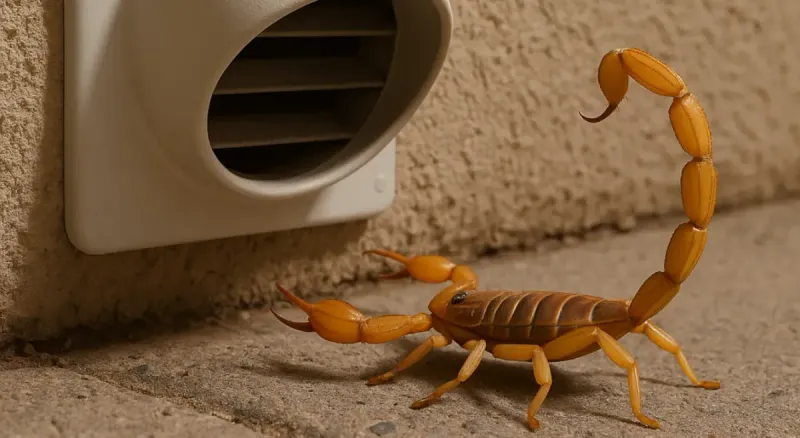
Habitat for wildlife and a scorpion-resistant foundation perimeter can coexist, but they need to be kept physically separate. The features that make a yard attractive to roadrunners and other wildlife, including rocks, logs, dense shrubs, and brush piles, are also among the conditions that Texas A&M identifies as prime scorpion shelter. Bark scorpions and striped bark scorpions hide under boards, inside cracks, beneath debris, and in any gap that stays cool and dark during the day. Placing those materials against the house creates a direct bridge between outdoor habitat and indoor entry points.
The practical solution is zoning. Habitat plantings, rock arrangements, brush piles, and dense vegetation belong away from the structure, not up against the siding, foundation, or entry points. The immediate perimeter of the house, roughly the first three to five feet from the foundation, should stay relatively clear, dry, and well-maintained. That clear zone makes it easier to spot scorpion activity, reduces hiding places near entry points, and gives the home’s sealing measures a better chance of working.
Texas A&M recommends a set of first-line structural measures that address scorpion access more directly than any habitat change. Remove logs, boards, stones, bricks, trash, and debris from around the structure. Prune tree branches and shrubs so they do not touch the house or roof. Seal cracks in the foundation, exterior walls, and around utility penetrations.
Maintain tight-fitting screens on windows and doors. Keep weather-stripping in good repair along all exterior doors. Store firewood outdoors and away from the house rather than bringing it inside where scorpions may be hiding in the wood. The Texas A&M School IPM action plan for bark scorpions outlines these steps in detail and treats structural exclusion as the foundation of any effective response.
Wildlife habitat and home protection are compatible goals when the design keeps each element in the right place.
Do not bait roadrunners or spray broadly for scorpions
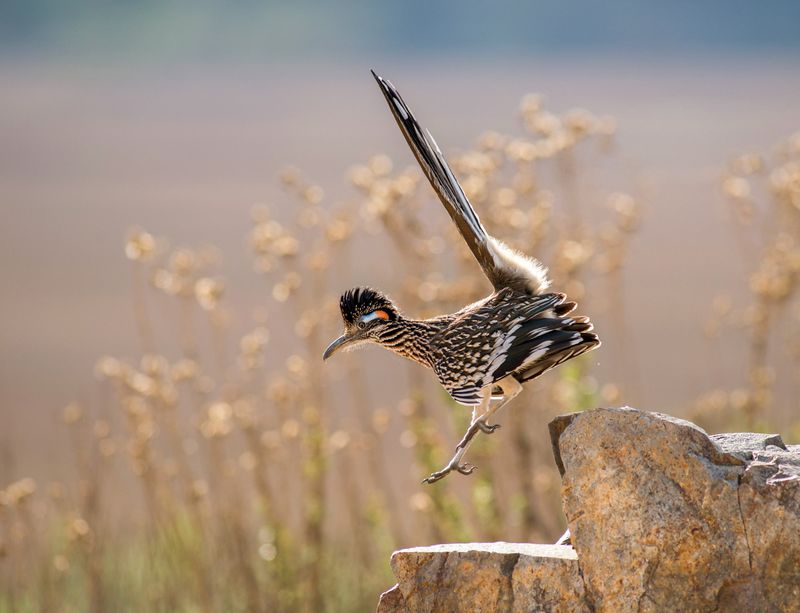
Roadrunners are wild predators with a broad diet, and that means they should be treated as wildlife rather than as a manageable pest-control service. General wildlife guidance advises people not to approach, touch, or deliberately feed wild animals. For roadrunners specifically, that means avoiding hand-feeding, placing raw meat or live prey to draw birds closer, or releasing scorpions to create a food source. Those practices condition wild animals to associate people with food, which changes their behavior in ways that rarely end well for the bird or the homeowner.
The diet concern goes in the other direction too. Cornell Lab of Ornithology notes that roadrunners may take birds from backyard feeders or nest boxes, in addition to eating lizards, snakes, nestlings, eggs, and other wildlife. A homeowner who sets out to attract roadrunners specifically because they eat scorpions should understand that the same bird may reduce the local lizard population, raid a bluebird box, or prey on the songbirds visiting a seed feeder. Roadrunners are not selective scorpion specialists, and treating them as one misrepresents how they actually live and hunt.
Broad insecticide spraying raises a separate set of problems. Applying pesticides widely around the yard to eliminate scorpion prey or kill scorpions indiscriminately can harm birds, beneficial insects, pollinators, fish, and other non-target wildlife. EPA guidance on reducing pesticide impacts on wildlife is clear that pesticide use should be targeted, necessary, and strictly label-directed. If a chemical treatment is being considered after structural and habitat measures have been tried, the right approach is to select a product labeled specifically for scorpions at the intended application site and follow the label exactly.
Texas A&M states plainly that scorpions are difficult to control with insecticides alone, which is another reason structural exclusion and habitat modification come first rather than as an afterthought.
Use exclusion for protection and habitat for wildlife
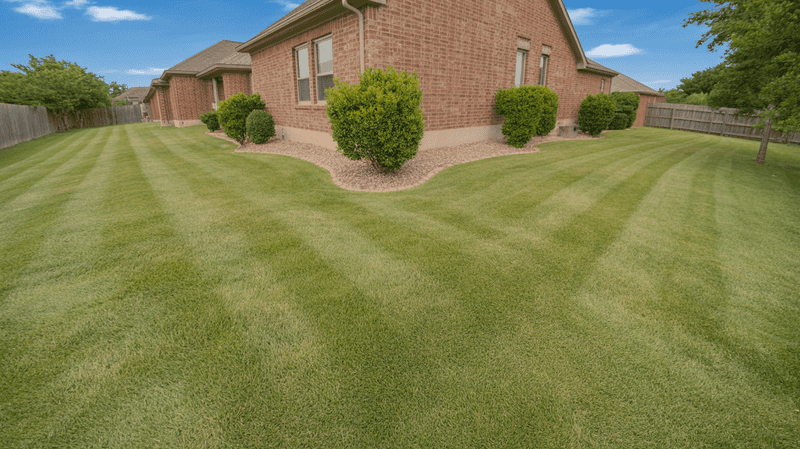
Two goals can share the same property without working against each other, as long as the design keeps them in the right places. A Texas-native, semi-open habitat mosaic with native shrubs, open walking lanes, and structural diversity is worth building for its own sake. It supports roadrunners, native birds, lizards, and pollinators regardless of whether it ever produces a measurable change in scorpion numbers. Treating that habitat work as wildlife gardening rather than pest control keeps the expectations honest and the effort worthwhile.
For actual scorpion protection, the actions that matter most are exclusion, debris management, vegetation control around the structure, and appropriate integrated pest management when warranted. Texas A&M’s scorpion guidance puts structural measures first for good reason: sealing the building is the most direct way to prevent indoor encounters. A roadrunner may visit and eat a scorpion, but assigning the bird a predictable pest-control role is not supported by the available evidence, and counting on it leaves real gaps in home protection.
Scorpion stings deserve candid acknowledgment. Texas Parks and Wildlife notes that most stings in the state cause pain and local swelling and are not life-threatening, but reactions vary from person to person. Anyone experiencing severe symptoms after a sting should seek appropriate medical attention rather than waiting to see how things develop. Managing the yard thoughtfully, sealing the home carefully, and welcoming native wildlife on its own terms are all compatible with each other.
The roadrunner earns its place in a Texas yard as one of the most distinctive wild animals in North America, not as a guaranteed fix for a scorpion problem.