
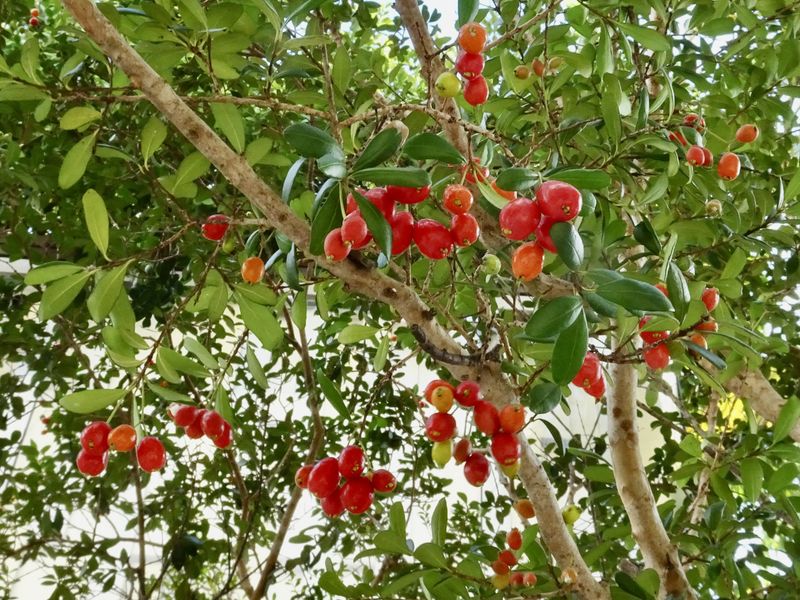
Florida has fruit trees that most garden centers never put near the front door. Many are native, tough, and better suited to sandy soil, storms, and local wildlife than the usual imported choices. Small nurseries, native plant growers, and conservation sales are often the places keeping these trees alive for home gardeners. Here are nine Florida native fruit trees worth asking for before fall planting season gets busy.
1. Pawpaw
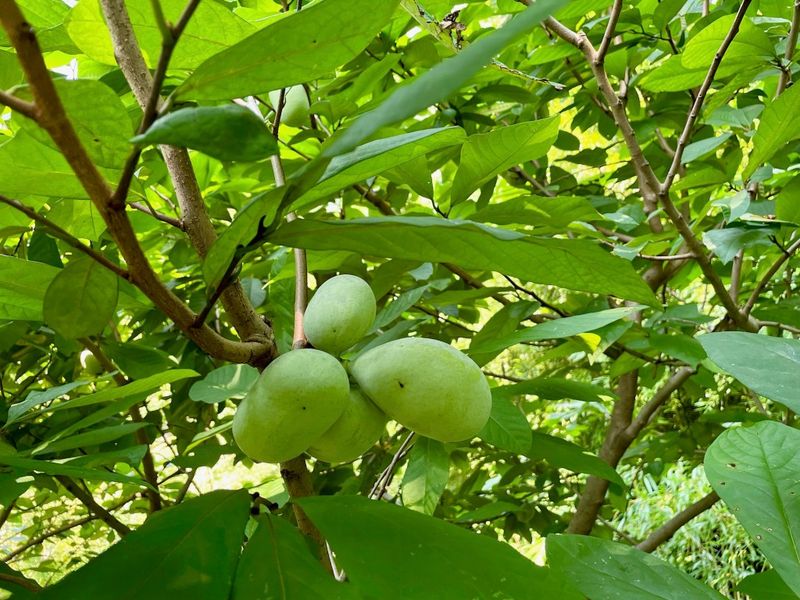
A pawpaw feels like a secret passed between gardeners, not a tree you grab on a quick Saturday errand. Florida has several native pawpaw species, and the best one for your yard depends on where you live, from the Panhandle to the sandy scrub of Central Florida.
Big-box stores usually skip pawpaws because they can be fussy in pots and are not as instantly showy as a citrus tree. Native nurseries know the difference between species such as Asimina triloba, Asimina obovata, and Asimina reticulata, which matters because Florida is not one single growing zone.
The fruit can have a rich, custard-like flavor, though production varies by species and pollination. Many pawpaws need more than one genetically different plant nearby to set well, so ask the nursery whether you are buying seedlings or clones.
For Florida gardeners, pawpaws earn their place because they feed zebra swallowtail butterflies and offer something unusual without feeling high-maintenance once established. Plant young trees carefully, mulch lightly, and protect them from harsh afternoon sun while they settle in.
2. Mayhaw
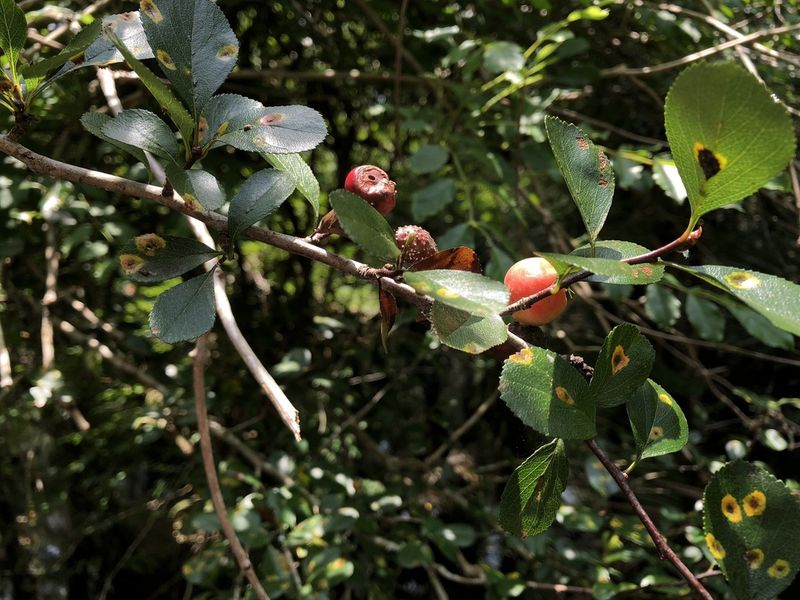
Old-timers in North Florida may light up when you say mayhaw jelly, and that tells you almost everything about this small native tree. Mayhaw, usually Crataegus aestivalis or related hawthorn species, carries a bit of Southern food history in every tart red fruit.
Unlike many fruit trees, mayhaw does not panic at wetter ground. In the wild, it is often found near swamps, low woods, and stream edges, making it useful for Florida yards that hold water after summer storms or tropical downpours.
Most chain garden centers avoid it because it is not a mainstream patio fruit, and the branches can be thorny. Local nurseries that work with native plants understand where it shines, especially in the Panhandle and North Florida landscapes with room for a small wildlife-friendly tree.
Spring flowers bring pollinators, and the fruit can be cooked into jelly, syrup, or sauce. Birds may sample the crop too, so gardeners who want a full harvest should watch ripening closely.
Mayhaw is not the right fit for every tiny lot, but it is a smart pick for gardeners who want edible value, wildlife interest, and better tolerance of Florida’s wet feet than many imported fruit trees.
3. Chickasaw Plum
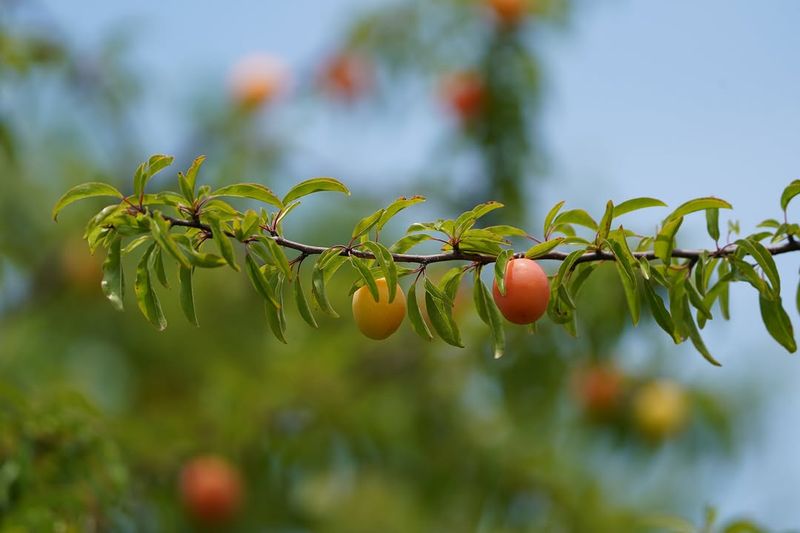
Before peaches and nectarines became the backyard dream, Chickasaw plum was already handling Florida’s heat with a scrappy little grin. Prunus angustifolia is native to much of the Southeast, including Florida, and it can form thickets that buzz with life in spring.
The early white flowers are a pollinator magnet, showing up when many yards still look half-asleep. Later, small plums ripen yellow to red, and they are often better for preserves, sauces, and wildlife snacks than neat grocery-store eating.
Big-box retailers tend to favor larger, familiar fruit trees with tidy labels and predictable fruit size. Chickasaw plum is different because it behaves more like a native hedgerow plant, excellent for property edges, informal screens, and wildlife corridors.
Florida gardeners should give it sun, drainage, and enough space to sucker. In sandy soil, a layer of organic mulch helps young plants establish, but the tree is generally tougher than many pampered orchard choices once its roots are down.
For storm-prone yards, the smaller size can be a benefit. Instead of one tall, brittle tree, you get a resilient patch that can bounce back, flower early, and feed pollinators before many ornamental plants wake up.
4. Red Mulberry
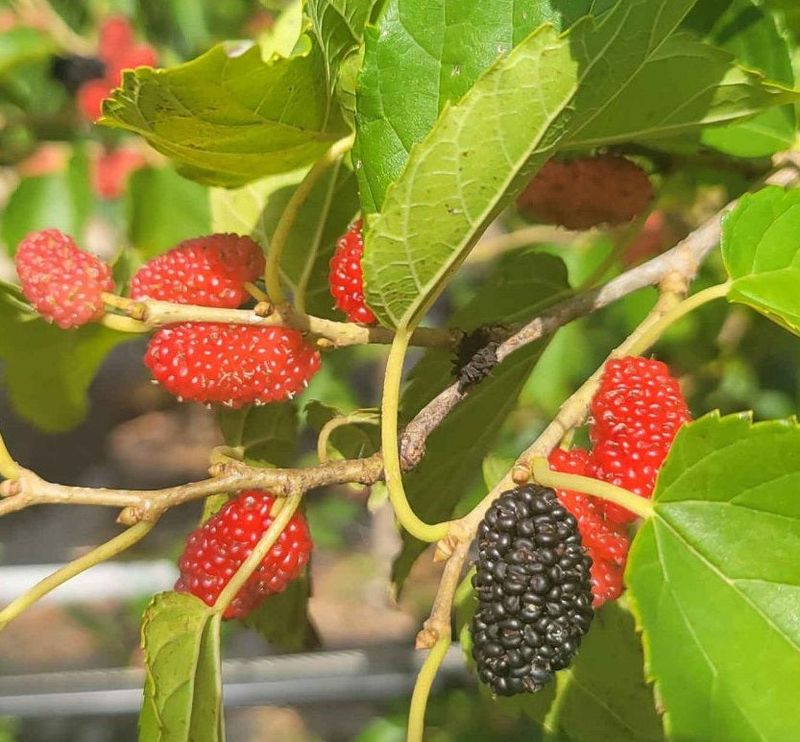
Birds know about red mulberry long before most homeowners do. Morus rubra is Florida’s native mulberry, and when the fruit ripens, cardinals, mockingbirds, and other wildlife treat it like the neighborhood snack bar.
Gardeners sometimes confuse native red mulberry with nonnative or hybrid mulberries, which is one reason a knowledgeable nursery matters. Ask for the botanical name and buy from growers who understand native stock, not just any mulberry with berries.
Red mulberry can become a medium to large shade tree, so it is not a squeeze-it-beside-the-driveway choice. Give it room, keep it away from walkways if fallen fruit stains would bother you, and think of it as part edible tree and part wildlife feature.
The fruit is sweet when fully ripe and can be eaten fresh, baked, or turned into jam. In many Florida yards, though, birds will take a generous share, which is not a failure if your goal includes wildlife support.
Native nurseries may carry seedlings when big retailers do not because the tree is more ecological than ornamental. For a gardener tired of sterile landscapes, red mulberry brings shade, food, and a little cheerful chaos.
5. Persimmon
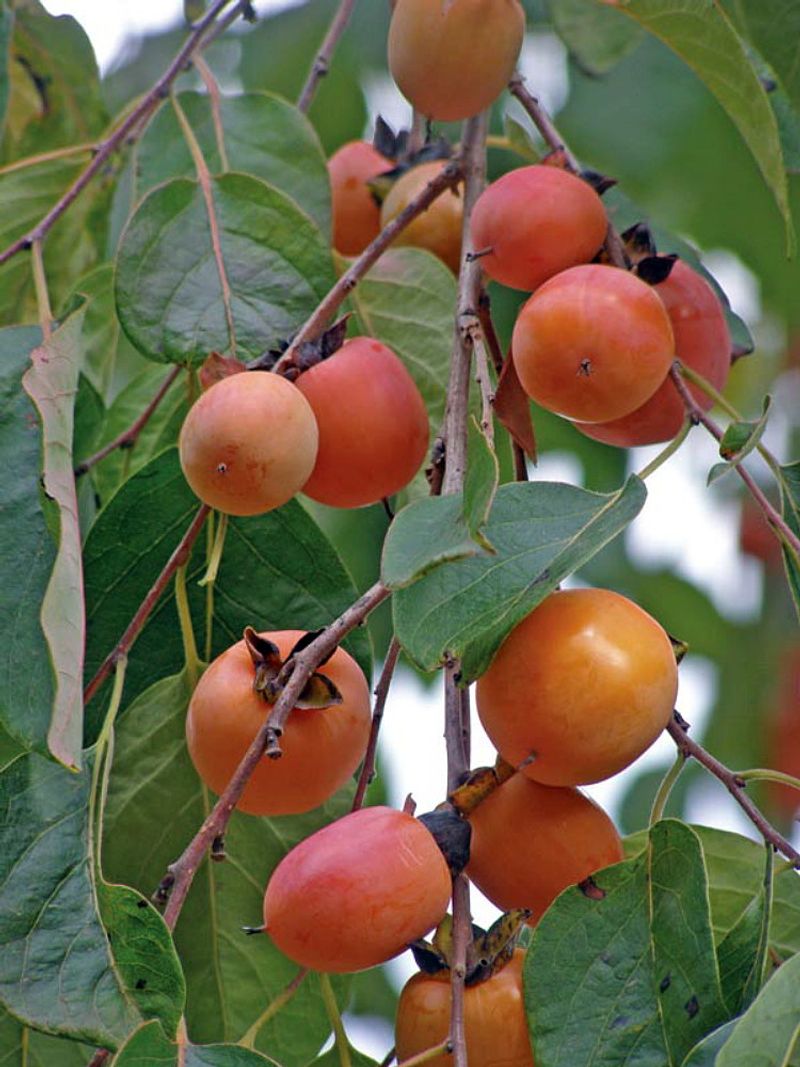
Few backyard moments feel better than spotting orange persimmons glowing after the summer garden has worn you out. Diospyros virginiana, the American persimmon, is native in Florida and brings a fall fruit season that fits nicely as gardeners shift from heat survival to planting plans.
The catch is patience. Persimmons can take years to fruit from seed, and many trees are male or female, so nurseries that can explain sex, grafting, and local performance are far more useful than a rack of mystery saplings.
When ripe, the fruit can taste honeyed and rich, but unripe fruit is famously puckery. The old lesson still holds: wait until the fruit softens fully before eating, unless you enjoy a very memorable mistake.
American persimmon tolerates a range of Florida soils once established, including many sandy sites with decent organic mulch. It also has strong wildlife value, feeding birds and mammals while offering a sturdy, native alternative to more fragile fruit trees.
Large yards, food forests, and wildlife-focused landscapes are where it really makes sense. If a nursery can provide locally adapted seedlings or grafted trees, you may end up with one of the most rewarding native fruit trees in the yard.
6. Hog Plum
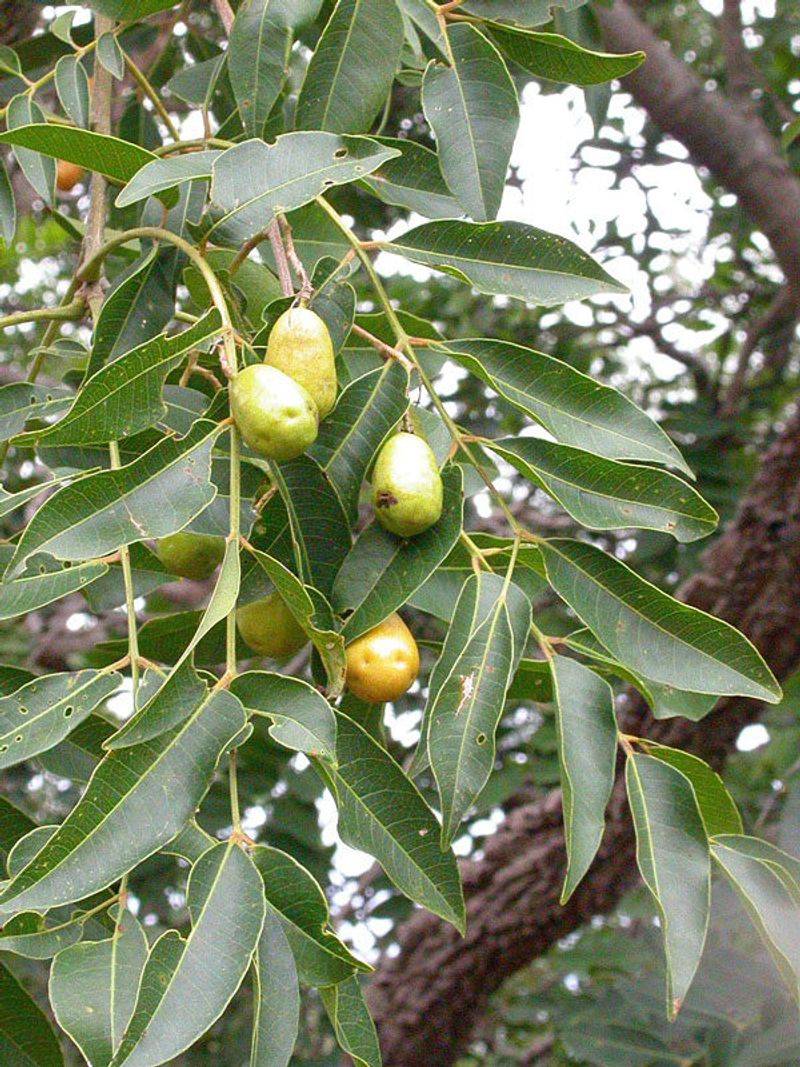
South Florida gardeners get their own kind of treasure hunt, and hog plum is one of the prizes. Also known as Spanish plum in some places, Spondias mombin is native to South Florida and the tropics, with fruit that has a tart, tropical personality.
Unlike temperate fruit trees sold across the state as if Miami and Tallahassee share a climate, hog plum belongs in warm southern counties. It is best discussed with nurseries that know coastal hammocks, frost limits, and local site conditions.
The fruit can be eaten fresh when ripe or used in drinks, preserves, and sauces, depending on taste and tradition. Wildlife also pays attention, so do not be surprised if your yard becomes more interesting to birds and other fruit-loving visitors.
Big retailers often skip trees like this because they do not fit a simple statewide sales label. Native and rare fruit nurseries, especially in South Florida, are more likely to treat it as a real landscape option instead of an oddity.
Give hog plum room, warmth, and good drainage, and avoid planting it where freeze damage is likely. For the right yard, it delivers a native tropical feel without pretending North Florida and the Keys are the same place.
7. Cocoplum
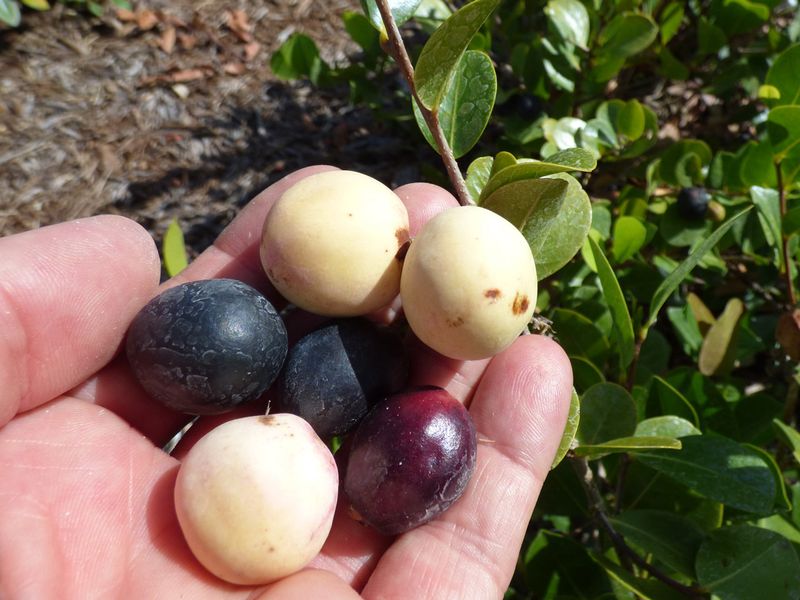
A hedge you can snack from sounds like a backyard joke, but cocoplum makes it possible in the warmer parts of Florida. Chrysobalanus icaco is native to coastal South Florida and is often grown as a tough, glossy landscape plant with edible fruit.
Many people know cocoplum as a hedge before they realize the fruits are usable. The round white, pink, or purple fruits have a mild flavor, and the seed kernel has also been eaten traditionally, though home gardeners should learn proper preparation before experimenting.
What sets cocoplum apart is its coastal toughness. It can handle sandy soil, salt spray, wind, and the clipped look many neighborhoods expect, which makes it more flexible than a delicate orchard tree.
Big-box stores may stock common hedge plants, but native nurseries are better places to find regionally appropriate cocoplum selections and advice. Some forms stay lower and denser, while others can grow into a larger shrub or small tree.
For South Florida yards, cocoplum can reduce the gap between ornamental and edible planting. It screens a view, supports wildlife, tolerates coastal stress, and gives curious gardeners fruit that feels truly tied to place.
8. Simpson’s Stopper
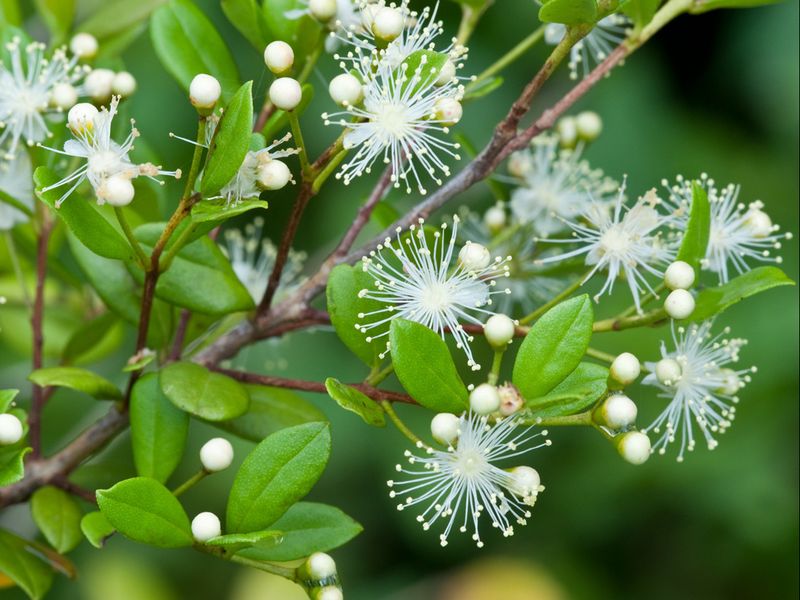
Not every fruit tree belongs in a pie, and Simpson’s stopper proves that a plant can be valuable without acting like a grocery crop. Myrcianthes fragrans is a Florida native small tree or large shrub with white flowers, red to orange berries, and handsome bark.
The berries are edible but not usually the main reason gardeners plant it. The real appeal is a neat, storm-smart native that fits smaller yards, handles pruning, and brings birds close enough to watch from the kitchen window.
In Florida landscapes, Simpson’s stopper is a problem-solver. It can work as a screen, specimen, or wildlife planting, and established plants are often fairly drought tolerant in well-drained soil.
Nurseries that focus on native plants tend to understand its forms and uses better than stores selling the same few shrubs nationwide. They can also help you decide whether it belongs in full sun, part shade, or a mixed native border.
For gardeners who want edible landscaping without committing to heavy harvesting, this tree has quiet charm. It offers flowers for pollinators, berries for birds, and structure that does not collapse the first time Florida weather gets dramatic.
9. Sea Grape
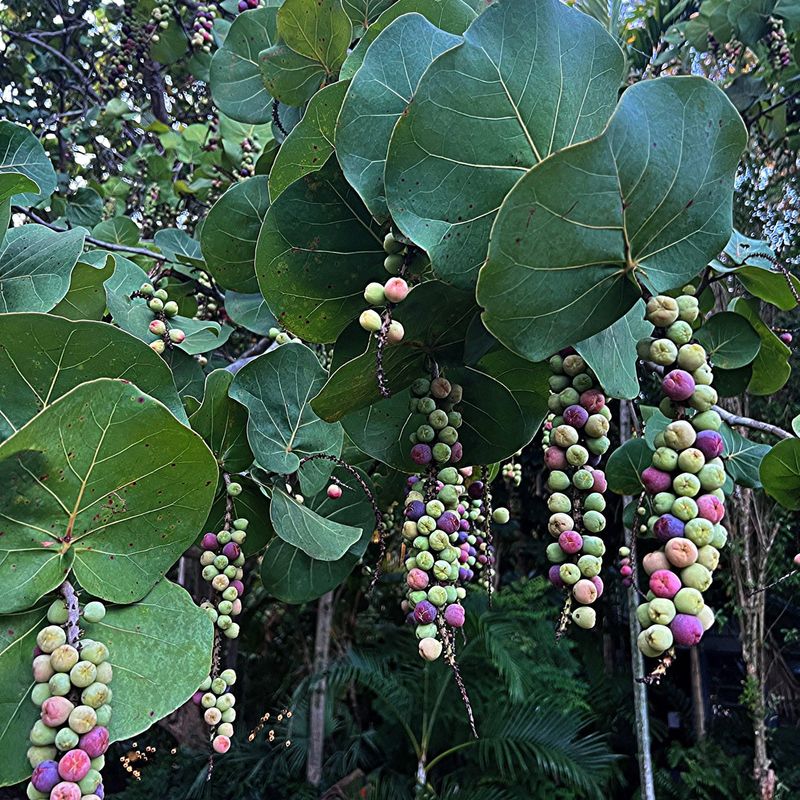
Anyone who has walked near a Florida beach has probably seen sea grape standing tough against wind that would shred softer plants. Coccoloba uvifera is native to coastal Florida, with big round leaves and clusters of grape-like fruit that ripen purple.
The fruit can be made into jelly, though it is often shared with birds and beachside wildlife. Its bigger talent is handling conditions that make many fruit trees sulk, including salt spray, sandy soil, bright sun, and coastal wind.
Sea grape is not a casual choice for every inland subdivision. In the right coastal setting, it can become a large shrub or tree, and local rules may apply near dunes or protected beach areas, so Florida gardeners should check before pruning or planting in sensitive zones.
Native nurseries are useful because they can explain mature size, legal considerations, and whether sea grape fits your property. A chain store label rarely covers those details well enough for coastal landscapes.
For homeowners near the water, sea grape can be part food plant, part wind buffer, and part wildlife shelter. It is one of those native trees that looks relaxed while doing hard work in a place where gardening is anything but easy.