
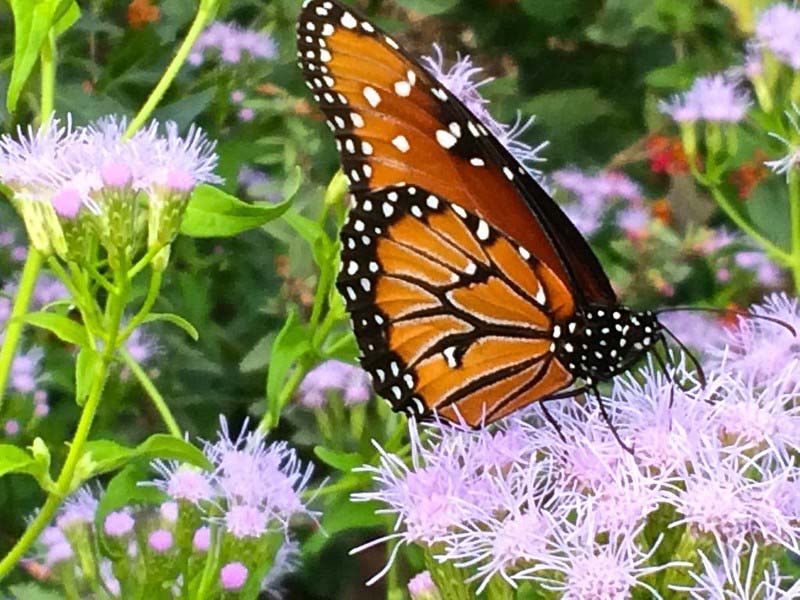
Butterflies do not need a fancy garden to show up. They need the right flowers, planted where the sun is bright and the soil drains well.
Florida native wildflowers are built for local heat, sandy ground, and long growing seasons, so they often work harder than many showy nursery plants. Pick a few from this list, and your yard can become a steady stop for wings all year.
1. Spotted Beebalm
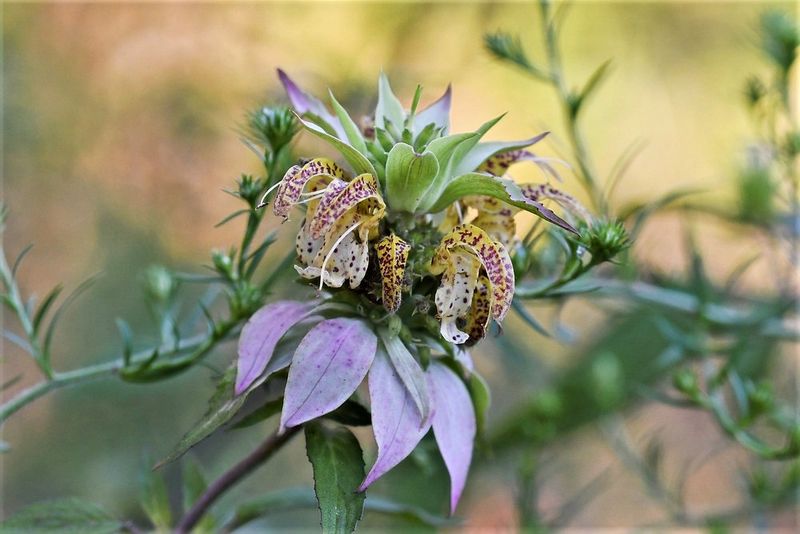
A little wild and wonderfully odd, spotted beebalm looks like something a butterfly would notice from across the yard. Its stacked blooms have pale pink, lavender, or creamy bracts with speckled tubular flowers tucked between them, giving the plant a layered look that stands out from flat bedding flowers.
Butterflies visit for nectar, and bees love it too, so it can turn a quiet sunny corner into a busy feeding station. In Florida, this native is especially useful because it handles dry, sandy soil once established, which makes it a smart fit for low-water beds, mailbox gardens, and open front-yard borders.
Plant it in full sun for the best flowering and give it room to look a little loose and natural. It usually shines in warm months, and if you let some seed heads remain, you may get new plants without much help from you.
Spotted beebalm earns its place on this list because it offers more than nectar. It brings texture, fragrance, and a casual native meadow feel that many garden-center annuals cannot match in Florida conditions.
2. Frostweed
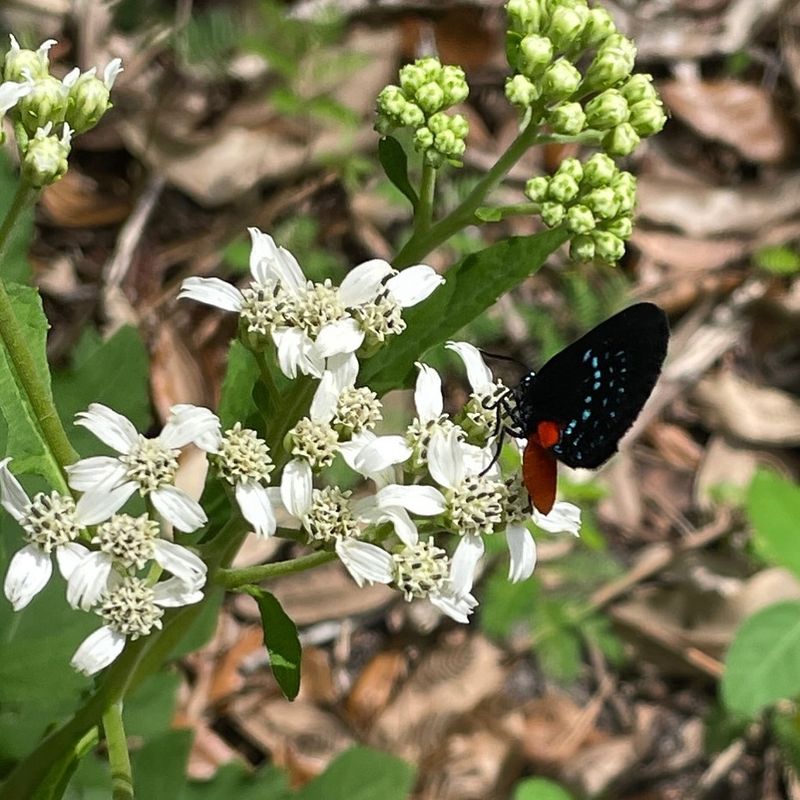
Late in the season, when many flower beds start looking tired, frostweed can feel like a secret buffet. Its loose clusters of white blooms attract butterflies at a time when nectar can be harder to find, especially in yards that rely on short-lived summer annuals.
Frostweed is a Florida native that fits nicely along fence lines, woodland edges, and the back of a pollinator bed. It can grow tall, so it is not the plant for a tiny formal border, but that height is part of its value.
Butterflies can spot the blooms easily, and the plant gives a soft, natural backdrop to lower wildflowers.
Give it partial shade to sun and soil that does not stay constantly soggy. In many Florida yards, it performs best where it gets morning light or filtered sun, especially during hot stretches.
The name comes from a strange cold-weather trick: after a freeze, split stems can push out delicate ribbons of ice. Even if your part of Florida rarely sees that show, the plant still pays rent by extending butterfly activity into the cooler months.
3. Scarlet Sage
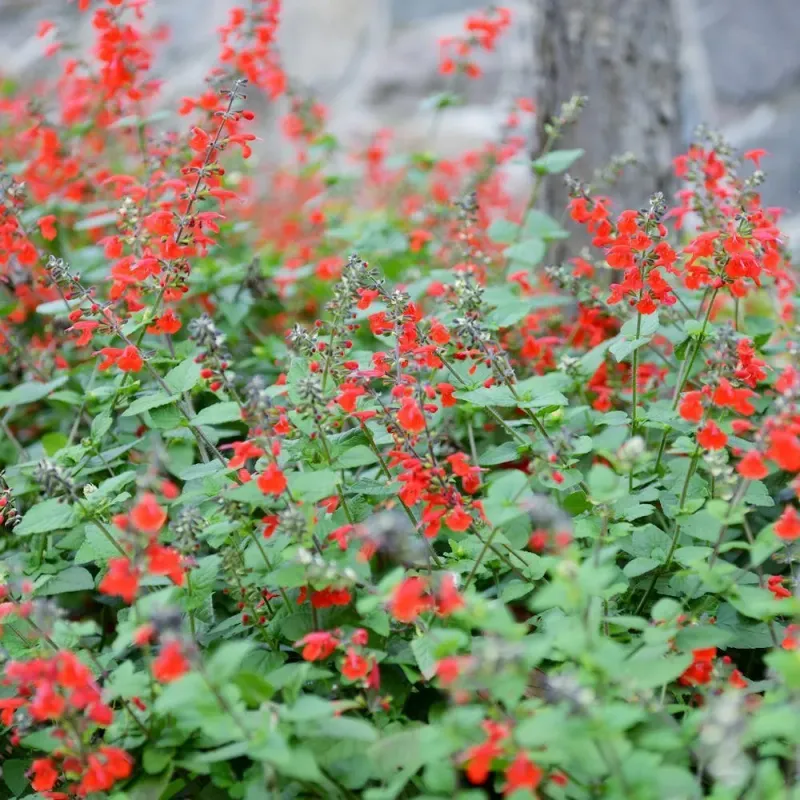
Red flowers have a way of stopping people in their tracks, and scarlet sage does the same for wildlife. Its upright spikes of bright blooms bring color without asking for fussy care, which is exactly what many Florida gardeners need in long warm seasons.
Butterflies sip from the tubular flowers, while hummingbirds may swing by as a bonus. Unlike many tender bedding salvias sold for quick color, native scarlet sage has real staying power in Florida landscapes when planted in the right spot.
Use it in full sun to part shade, especially near patios, paths, or porch steps where you can enjoy the traffic. It handles sandy soil fairly well once rooted, though it looks better with occasional water during dry spells.
Deadheading can keep it neater, but leaving some seed can help it return in a relaxed, cottage-garden way.
Scarlet sage is different from the other flowers here because it brings strong vertical color in a compact footprint. If your yard needs a pollinator plant that looks tidy enough for the front bed but still feeds butterflies, this one is an easy first pick.
4. Coreopsis
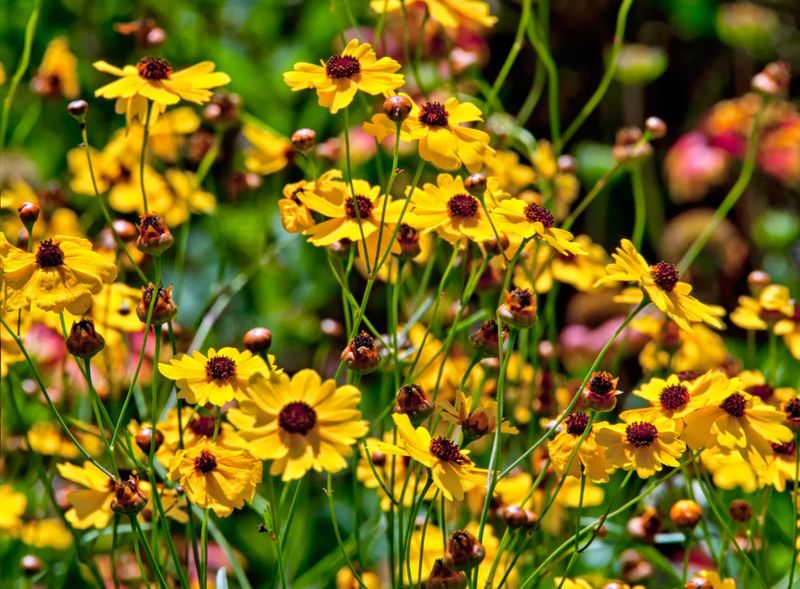
Florida liked coreopsis so much that it made the flower its official state wildflower. That little detail says a lot, because coreopsis is not just pretty.
It is tough, sunny, and right at home in the kind of bright, open spots where many thirsty ornamentals struggle.
The daisy-like yellow blooms are easy landing pads for butterflies, including smaller species that need open flowers rather than deep tubes. Coreopsis works well in groups, so plant several together if you want the color to read from the street and the nectar to be easy for butterflies to find.
Most types prefer full sun and well-drained soil. That makes them a natural match for Florida yards with sandy ground, raised beds, curb strips, and dry pollinator patches.
Avoid burying them in heavy mulch or planting them where water sits after storms.
What sets coreopsis apart is its cheerful mass effect. A single plant is pleasant, but a drift of coreopsis can make a plain lawn edge look like a mini wildflower field, all while feeding butterflies without the high-maintenance feel of a formal flower bed.
5. Blanketflower
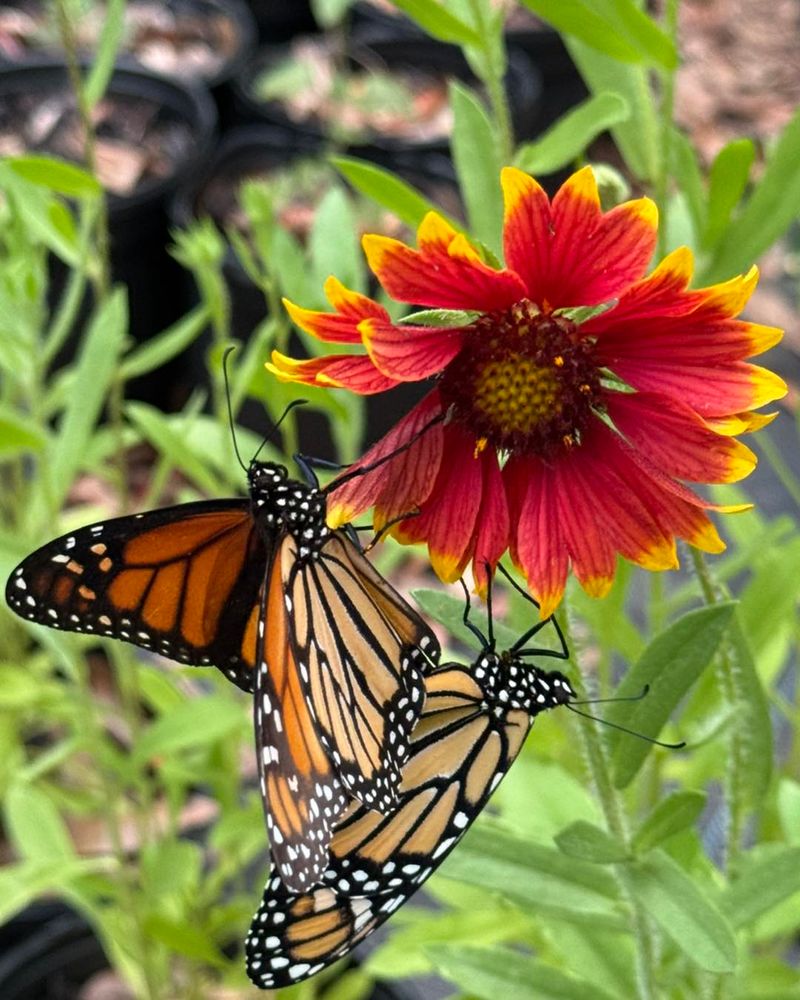
Hot driveway bed? Sandy strip near the sidewalk?
That rough patch where pampered flowers give up is exactly where blanketflower can look at home. Its red, orange, and yellow blooms have a sun-baked look that fits Florida landscapes beautifully.
Butterflies are drawn to the open flower shape, and gardeners appreciate how little drama this plant brings once established. Blanketflower is especially helpful in coastal or dry, exposed sites where wind, salt, and fast-draining soil can make common bedding plants fade quickly.
Full sun is the key. Plant it where it gets plenty of light, and do not overwater it after the roots settle in.
Too much moisture or rich soil can make it floppy and short-lived, so a lean, well-drained spot is usually better than a pampered one.
Blanketflower deserves a place on this list because it brings butterfly value to the hottest-looking parts of the yard. It is bold enough for curb appeal, sturdy enough for Florida weather, and colorful enough to make a low-water native bed feel intentional instead of neglected.
6. Blue Mistflower
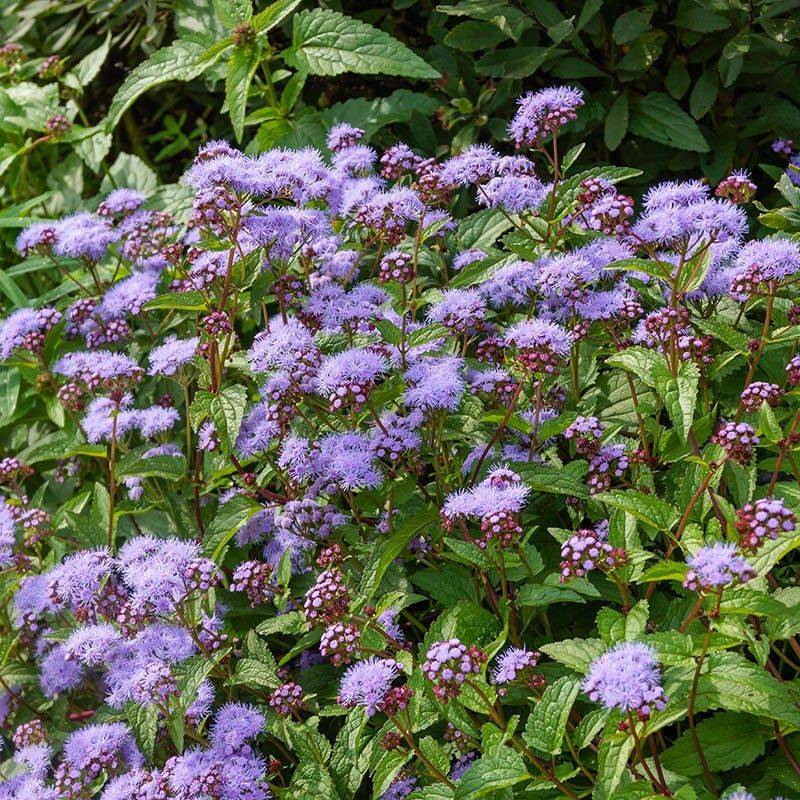
Soft blue flowers are not as common in the garden as pink, yellow, or red, which is why blue mistflower feels so refreshing. When it blooms, the fuzzy clusters can look like little clouds resting above the leaves, and butterflies often treat them like a favorite table.
Blue mistflower is a good choice for gardeners who have a slightly damp area, rain garden edge, or bed that gets regular moisture. Florida yards are known for sandy soil, but many also have low spots that stay wetter after summer storms.
This plant can help turn that problem area into pollinator habitat.
Place it in sun to partial shade and give it room to spread. In a small, formal bed, it may need editing now and then.
In a naturalized border, it can weave between other natives and create a lush look without needing constant replanting.
Its special strength is butterfly magnetism during bloom time. If you enjoy watching several butterflies gather in one area, blue mistflower can make that happen, especially when paired with taller plants behind it and sunny open space nearby.
7. Pentas
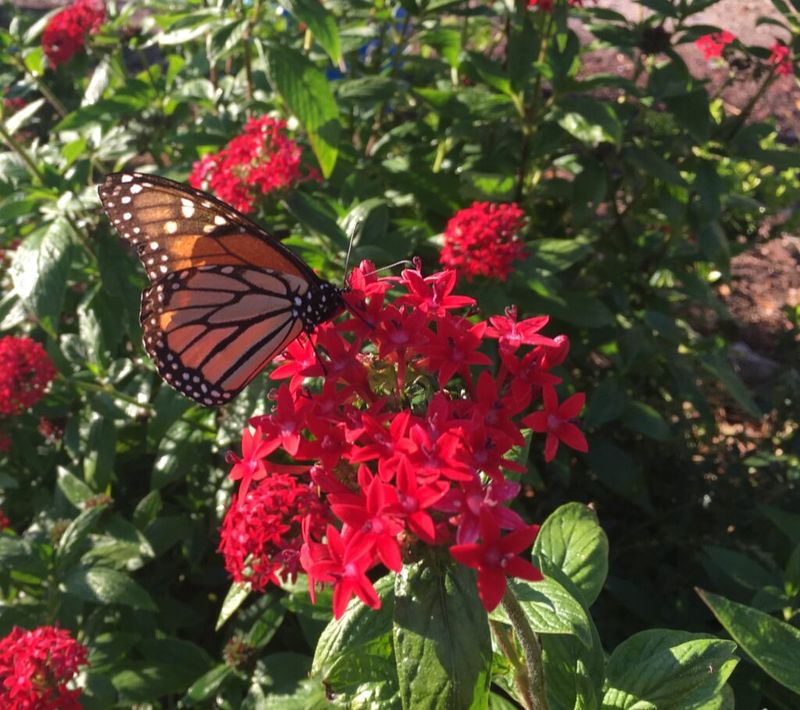
Garden centers often sell bright tropical pentas, but Florida also has native wild pentas that deserve more attention. The flowers are smaller and softer in color than the bedding types, yet they have a quiet charm that fits native beds and butterfly gardens beautifully.
Clusters of star-shaped blooms offer nectar to butterflies, and the plant has a lighter, less polished look than many commercial annuals. That makes it useful when you want a yard that feels alive and natural instead of overly arranged.
Native pentas generally do best in sunny to lightly shaded spots with well-drained soil. Like many Florida natives, they appreciate getting established with regular water, then settling into a more forgiving routine.
They can work near walkways, in mixed pollinator beds, or tucked between bolder plants like scarlet sage and blanketflower.
What makes native pentas different is their understated style. They may not shout from across the parking lot like nursery hybrids, but in a home landscape they create a steady, welcoming nectar source that blends well with other Florida wildflowers and keeps butterflies checking back.