
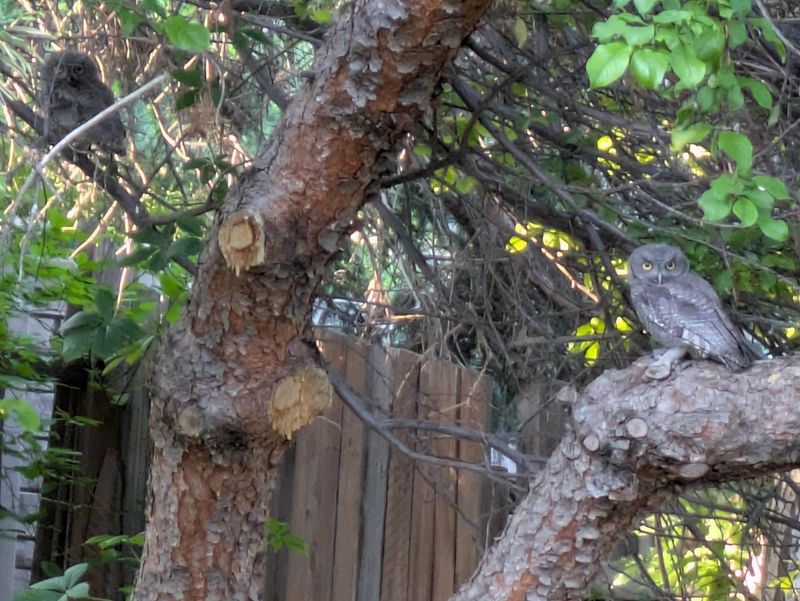
A soft, wobbly trill drifts across your yard after dark, and you cannot see who is making it. Many California homeowners hope it is a Western Screech-Owl, and they wonder if it is working as a night patrol for their garden.
A call tells us less than you might think. Here is what the sound can mean, how to help owls safely, and how to handle mice yourself.
What does a trill tell you?
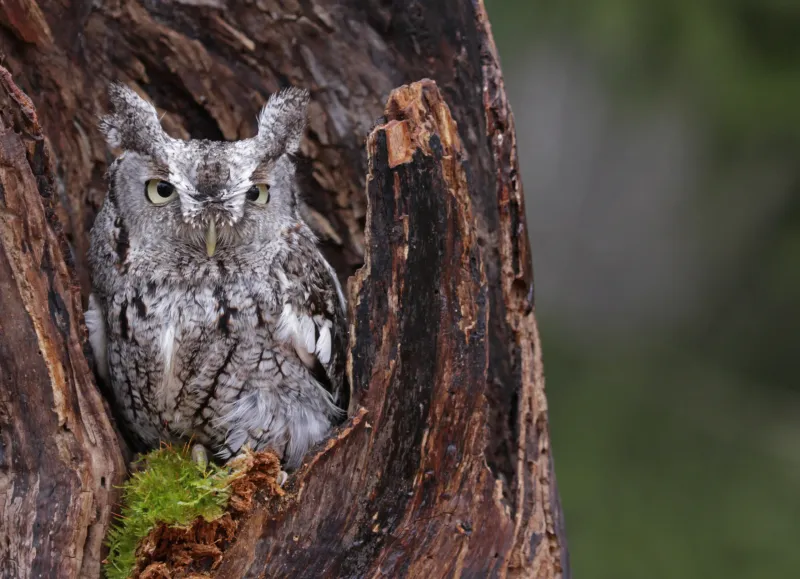
Picture it: you step outside at 10 p.m. to close the gate, and a trilling sound floats down from the oaks. Trilling by itself does not pin down the species, since other night callers can sound similar at a distance.
If the bird really is a Western Screech-Owl, there are two sounds worth knowing. Its famous song is a series of short hoots that speed up like a bouncing ball, and Cornell’s sound guide links it to courtship and territory.
A short double trill is described as a contact call, a way for birds to keep in touch.
Either way, the owl is communicating. A call is not proof that the bird is hunting, and it does not show that it is catching anything near your tomatoes or roses.
A nearby owl is a nice sign of local wildlife. A proven garden pest patrol is a much bigger claim, and the rest of this article keeps those two ideas apart.
A good first step is simply listening. Note the date, the time, and the pattern of the sound, because those details help you or a local birder figure out what you have.
Moths and mice are possible prey, not a diagnosis of your garden
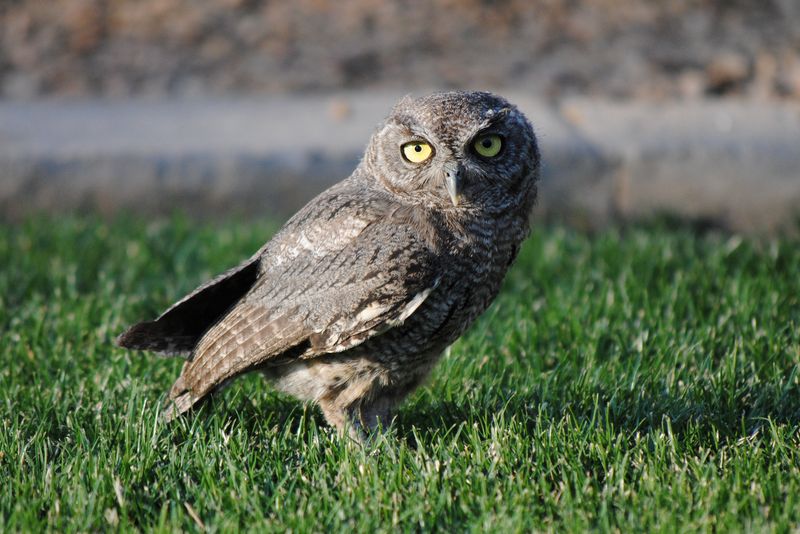
Western Screech-Owls hunt at night. They watch from a perch and then pounce or swoop down on what they spot.
Their menu is wide, and it shifts with the place and the season.
California’s wildlife habitat species account lists mice, other small mammals, birds, and arthropods, and says insects matter most in summer and fall. Cornell’s life history page adds pocket mice, deer mice, shrews, and woodrats to the list.
The Audubon field guide specifically mentions moths.
So moths and mice are fair examples of what an owl may eat nearby. That is a general diet, though, and it is not a reading of your yard.
An owl calling from your cypress is not telling you that moths are swarming your beds or that mice have moved in. Owls do not call to announce a meal.
If you want to know what pests you have, look for evidence on the ground, such as chewed stems, droppings, or damaged leaves, rather than reading it from a night sound.
A neighborhood owl is not a dependable pest-control plan
Good news first: Western Screech-Owls are not limited to wild canyons. The state species account notes they live in suburbs and towns as well as natural habitats.
A study in suburban Southern California, published in Western Birds, found owls at many sampled sites, with more occupancy in larger wooded patches. That tells us owls can live near people.
It did not measure how many pests they remove, and it covered one study area, so it cannot promise that any given yard will attract or keep an owl.
Diet is not a service contract, either. UC IPM cautions that relying on predators to control voles around a home garden can be ineffective, because rodents breed fast and predators leave some animals behind.
Findings about barn owls in vineyards should not be borrowed for a screech-owl in a backyard. Think of your owl as a welcome part of the neighborhood ecosystem, and keep your own pest plan in place.
Cavities can offer a place to roost or nest
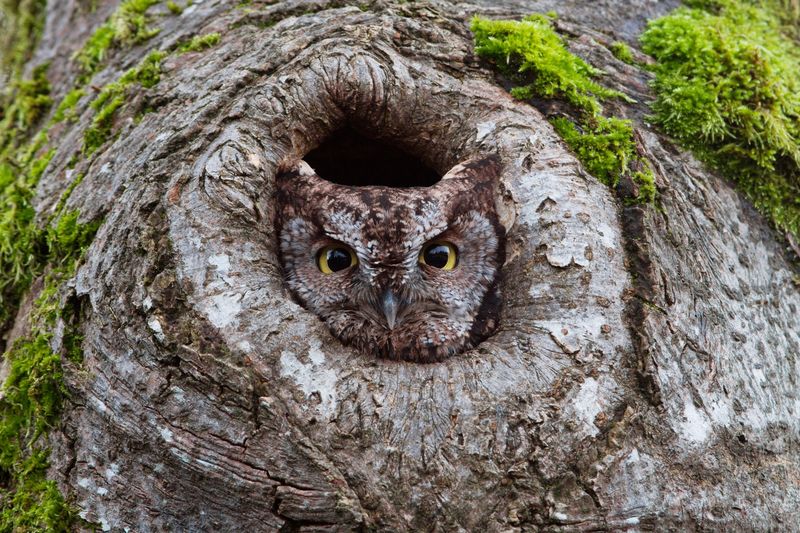
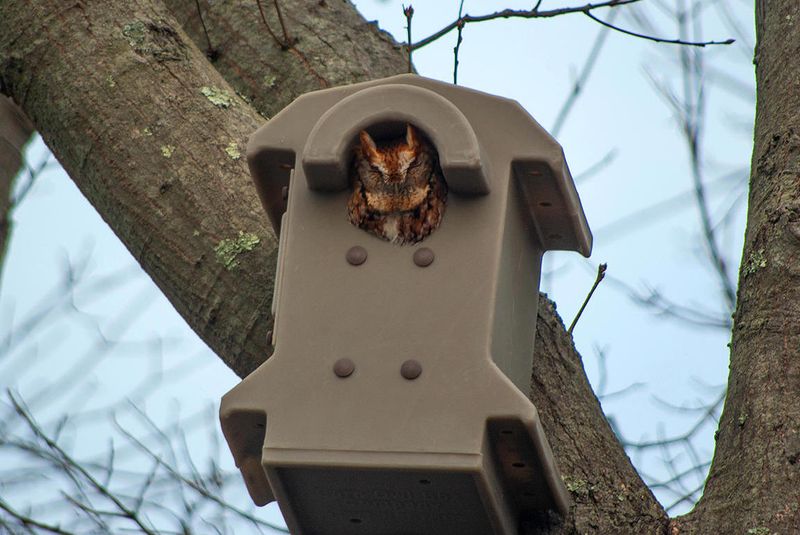
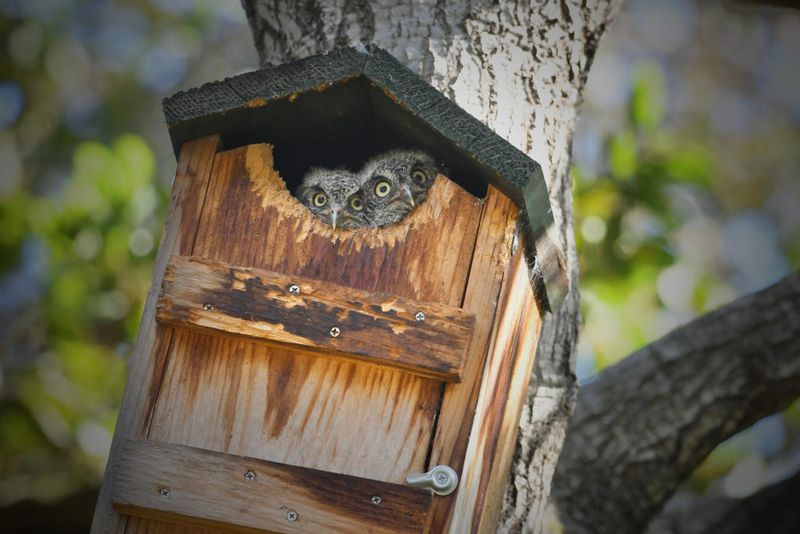
Screech-owls are cavity users. They tuck into holes in snags and other trees, often old woodpecker holes, and the California species account notes they also use nest boxes.
A cavity is a possible roost or nest site. It is not a guarantee that an owl will move in, and it does not guarantee any pest control.
If a box suits your property, Cornell’s NestWatch guidance suggests mounting it 10 to 30 feet high. It also advises avoiding nest checks during egg-laying, when disturbance matters most.
Treat a box as a small, optional gift to local wildlife. Some yards will never get a tenant, and that is normal.
Other birds or squirrels may take it instead.
Before you buy or build one, make sure there is a safe spot for it, away from fire hazards and out of reach of foot traffic. Habitat help works best when it is modest and safe.
A dead snag belongs only where it is safe and lawful
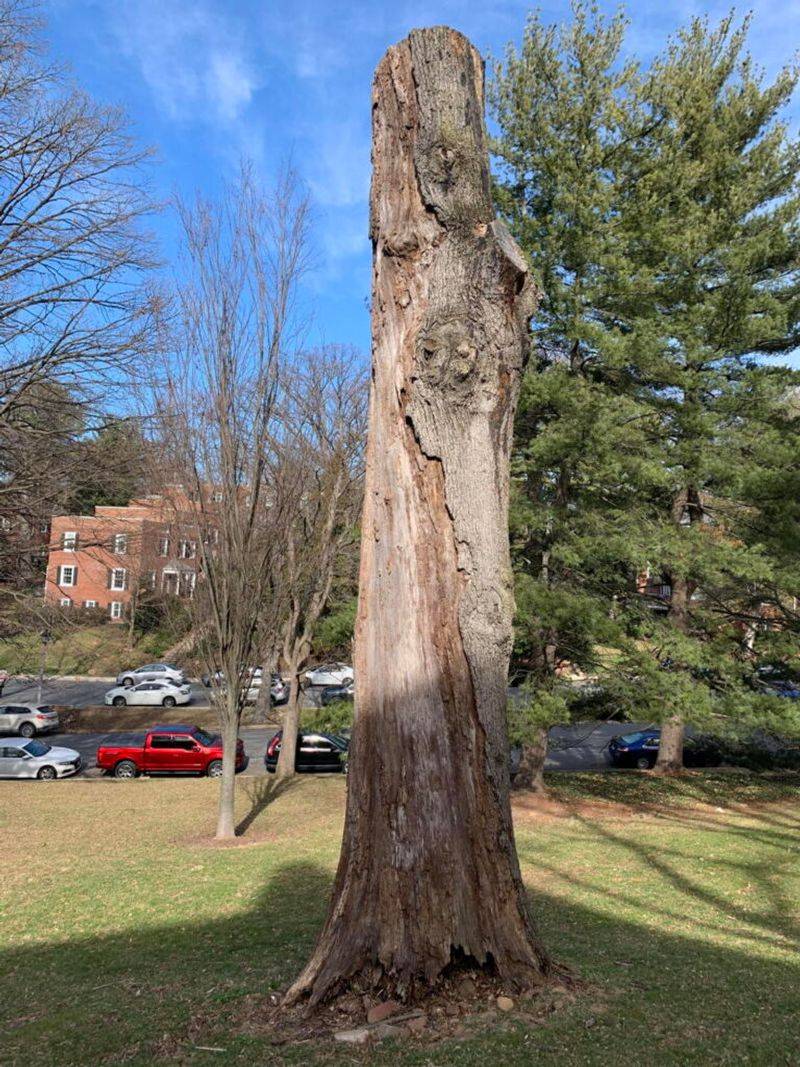
Here is where good intentions can go wrong. A dead tree that shelters wildlife can also drop limbs, fall on a fence, or feed a wildfire.
California homeowners have to weigh all of that.
The state’s Ready for Wildfire guidance says dead or dying trees should be removed to reduce fire risk, and removal may need permits depending on where you live. So do not keep every snag.
A leaning trunk over a roof or a dead tree in a fire-prone zone is not a good habitat project.
A snag far from structures, stable, and allowed by local rules may be worth keeping. Even then, keeping one does not promise an owl will use it.
If you suspect an occupied nest, leave it alone. The U.S.
Fish and Wildlife Service explains in its bird nest overview that active nests with eggs or dependent young are protected under the Migratory Bird Treaty Act.
When tree work is needed, call a qualified local arborist or your city or county office first, and ask about timing around nesting.
California’s poison rules do not make every product wildlife-safe
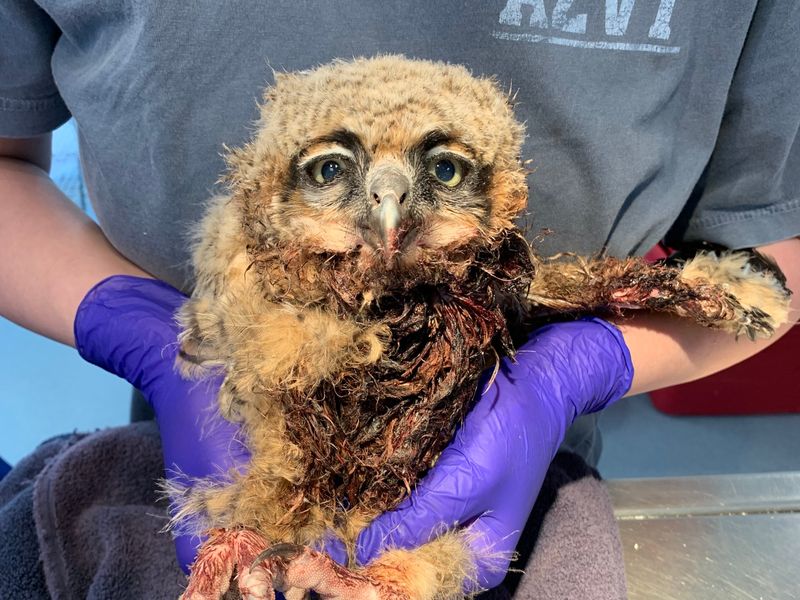
Rodent poison and owls do not mix well. Under California rules, most uses of first-generation anticoagulants are prohibited, with some exceptions.
The state’s 2025 notice covers second-generation products in the same way, so most uses are restricted but not all.
That means you cannot say every rodent poison is banned. Exceptions exist, and other active ingredients are sold too.
The danger is how poison travels. The California Department of Fish and Wildlife’s avian health lab warns that anticoagulants can reach predators through poisoned prey.
An owl that eats a sick mouse can take in the poison too.
Products outside the anticoagulant rules are not automatically harmless. UC IPM notes in its house mouse guide that evidence suggests bromethalin can move through the food chain.
If you care about wildlife in your yard, treat any bait as a risk to non-target animals. The next section covers methods that keep poison out of the picture.
For house mice, start with barriers and traps
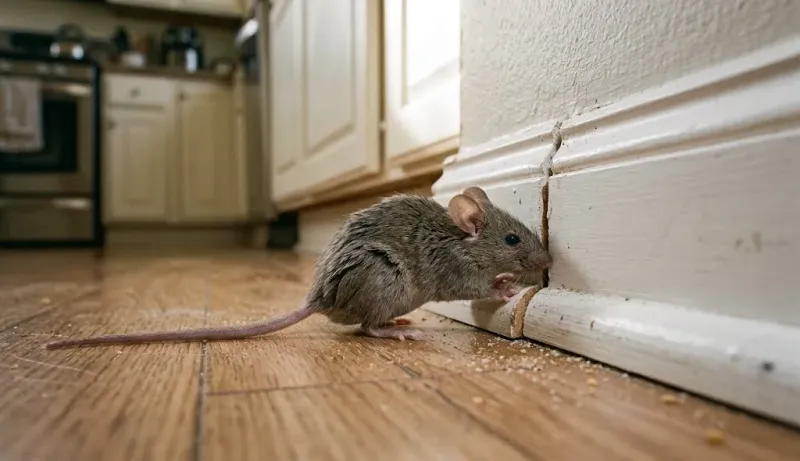
Mice are best handled directly. UC IPM’s house mouse guidance centers on three things: exclusion, sanitation, and trapping.
Start with the gaps. A mouse can squeeze through an opening larger than about a quarter inch, so seal cracks around pipes, vents, doors, and foundations with sturdy materials like metal mesh or caulk.
Next, take away the buffet and the shelter. Store pet food and birdseed in lidded containers, clean up spilled seed under feeders, and clear clutter from garages and sheds.
Snap traps are a useful first step in many situations. Set them along walls where mice run, and check them daily.
Placement matters for safety. Put traps inside covered boxes or in spots where children, pets, and non-target animals cannot reach them.
A trap tucked behind a heavy appliance is safer than one left on an open patio.
Notice that none of these steps depend on an owl. They work whether or not anything is calling from your trees.
Support the owl without counting on it to clear the yard
Treat that night trill as a hint that wildlife is nearby, and enjoy it. Offer habitat only where it is safe, following fire-safety guidance, and handle mice with the steps in UC IPM’s house mouse advice.
The state species account shows these owls eat many things, but not on your schedule. Let the owl be a neighbor, not an employee.