
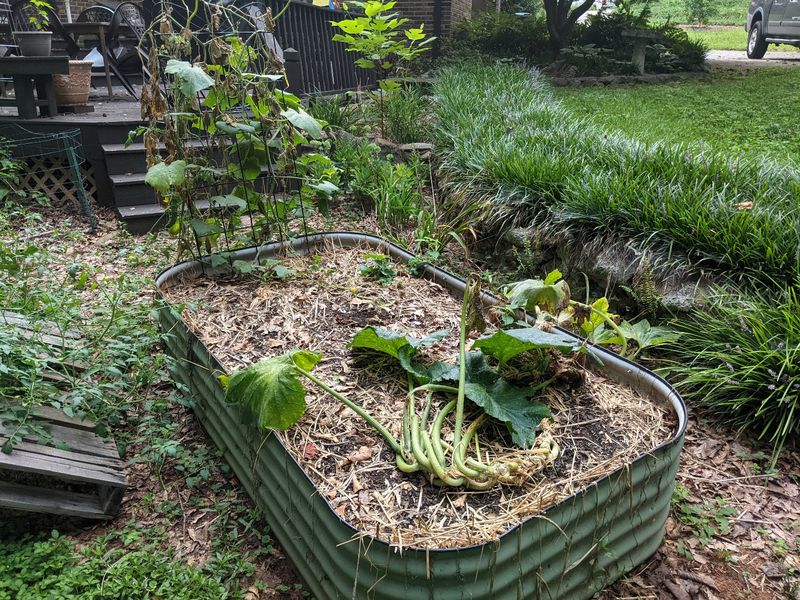
Every summer, lots of North Carolina cucumber vines quit early, turning yellow and limp just when you want more pickles. Much of that trouble starts in the soil, and it often begins long before you plant a single seed.
Late September is a great time to fix it, because the old vines are tired and the ground is still warm. One simple cleanup step this fall can set up next year’s vines to keep going much longer.
1. Pull, Bag, and Bury the Problem: Clear Out Old Cucumber Vines and Mulch the Bed
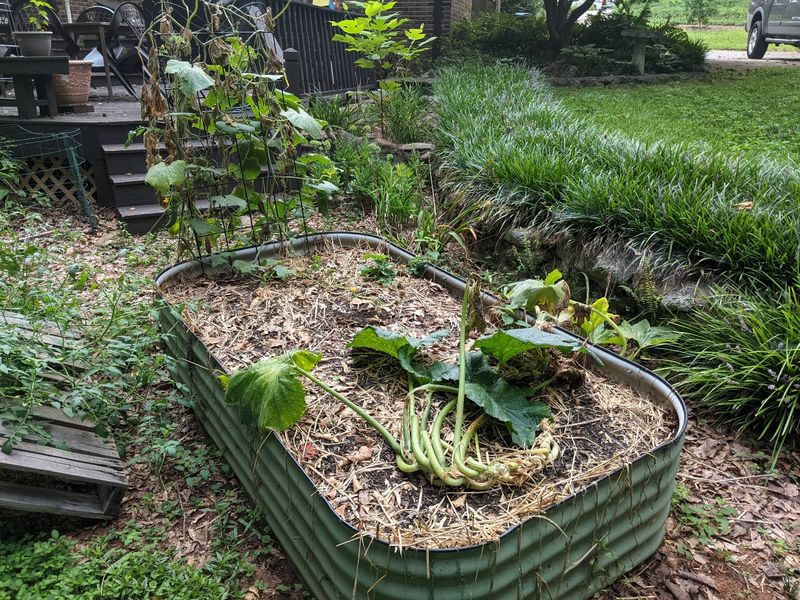
Picture those crispy, mildew-dusted vines still hanging on your trellis. They look harmless, but they can be a winter hotel for cucumber beetles, downy mildew spores, and the bacteria behind wilt.
Leaving them in place may hand next year’s crop a head start on trouble.
Your job this weekend is simple. Pull every old cucumber, squash, and melon vine, roots and all, and bag diseased plants for the trash instead of the compost pile.
Rake up fallen leaves and fruit too, since striped and spotted cucumber beetles can overwinter in garden debris.
Next, cover the bare soil with 2 to 3 inches of shredded leaves or straw, or sow a cover crop like crimson clover or winter rye. In the Piedmont and coastal plain, you can usually seed cover crops through October.
Mountain gardeners should aim for mid to late September, before the first frost arrives, typically early to mid October up high.
Here’s a fun fact: crimson clover is a favorite early spring nectar source for bees. So your cleanup can also feed pollinators next March, which helps cucumber flowers get visited later on.
Finally, jot down where cucumbers grew this year. Planting them in a different bed next spring can reduce disease buildup, and a fresh spot plus clean soil may help your vines stay green and productive well into September and October.