
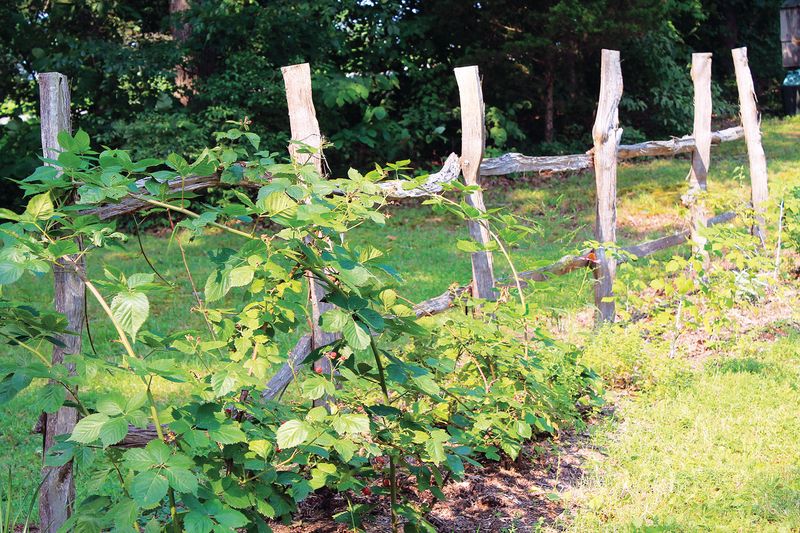
A plain back fence can do more than mark the edge of your yard. In Florida, the right edible plants can climb, sprawl, shade, and feed you with far less fuss than a full vegetable bed. UF/IFAS guidance is especially helpful because Florida soil, heat, storms, and pests can be tough on plants that grow easily elsewhere. Here are seven food-producing choices that can make a fence feel useful, green, and alive.
1. Muscadine Grape
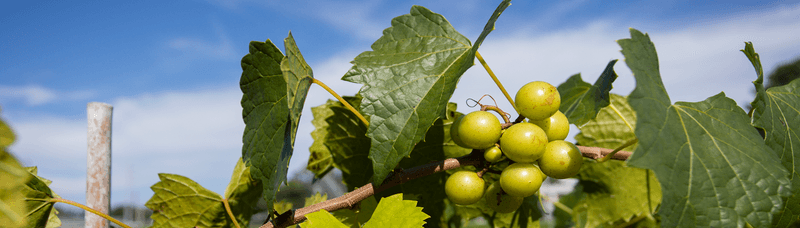
A handful of muscadines picked warm from the vine feels like old Florida in snack form. UF/IFAS often points gardeners toward muscadine grapes because they are better adapted to the Southeast than many bunch grapes, especially when heat, humidity, and disease pressure are part of the deal.
Along a back fence, muscadines can be trained onto a strong wire trellis or fence-supported system, but they do need room and structure. A flimsy decorative panel will not enjoy the weight of a mature vine, so think sturdy posts, strong wire, and regular pruning rather than a plant you simply let run wild.
What makes muscadine different from the rest of this list is staying power. Once established in a sunny spot with good drainage, it can become a long-term fruiting feature instead of a one-season experiment. Florida gardeners with sandy soil should work in organic matter at planting and mulch well, since fast-draining soil can dry quickly between rains.
The fruit has thick skin, bold flavor, and a very different bite from grocery-store grapes. Some people eat the pulp and spit the skins, while others turn the harvest into jelly, juice, or wine. For a fence that can become a true backyard crop, muscadine is one of the most practical classics.
2. Passion Fruit
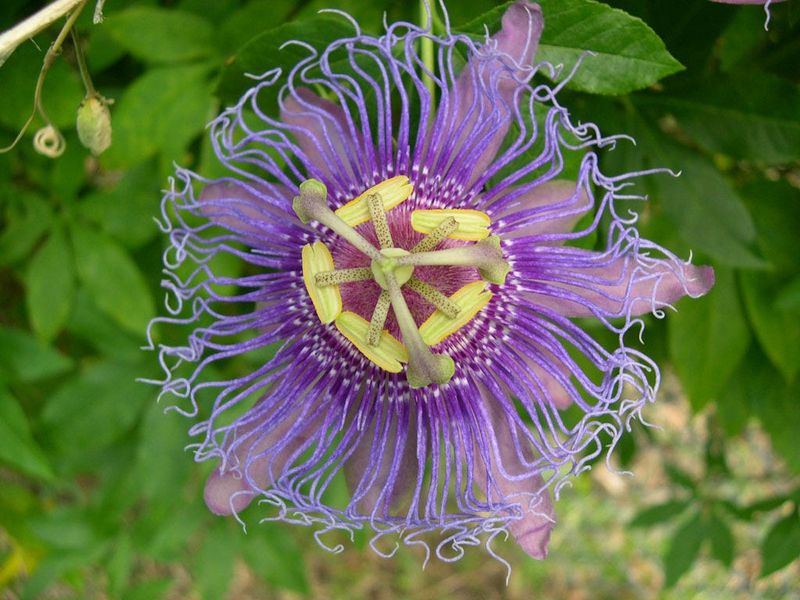
One bloom can stop a conversation. Passion fruit vines bring that wild, almost alien-looking flower first, then follow with tangy fruit that makes lemonade, smoothies, and desserts taste brighter.
UF/IFAS resources discuss passion fruit as a warm-climate fruiting vine, and Florida gardeners often value it for both food and wildlife. Native passionflowers also serve as host plants for Gulf fritillary butterflies, which means the leaves may get chewed. That damage can look alarming at first, but it is part of the plant’s backyard ecology.
Passion fruit earns its fence space because it is both edible and dramatic. Where muscadine feels sturdy and old-fashioned, passion fruit feels fast, lush, and tropical. It can cover a bare fence quickly in warm weather, so give it support and be ready to guide the stems where you want them.
Good drainage matters, especially in yards that flood after heavy summer storms. In sandy Florida soil, mulch helps moderate moisture, but soggy roots can still be a problem in low spots. Plant it where the fence gets plenty of sun, and avoid letting vines smother nearby shrubs or gates.
Fruit ripeness depends on the type, but many passion fruits are best when fully colored and slightly wrinkled. The pulp is spoonable, tart, fragrant, and far more exciting than the plain fence it replaced.
3. Seminole Pumpkin
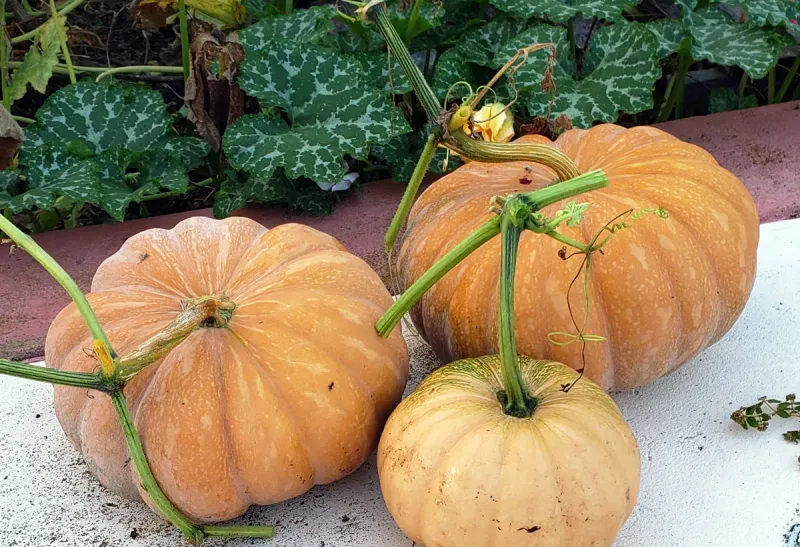
Florida gardeners who have watched regular pumpkins melt down in heat and humidity tend to smile when Seminole pumpkin enters the chat. UF/IFAS highlights Seminole pumpkin as a traditional crop with strong Florida roots, valued for its tolerance of local growing conditions.
Unlike tidy trellis plants, Seminole pumpkin has a roaming personality. It can climb a chain-link fence, scramble over an arbor, or trail along the ground if it runs out of vertical space. That makes it best for a long back fence where a vigorous vine will not annoy the neighbor or swallow the walkway.
Its reason for being on this list is resilience. In a state where pest pressure, summer rain, and fungal issues can humble vegetable gardens fast, Seminole pumpkin is known for being tougher than many squash relatives. It still benefits from sun, mulch, and airflow, but it is not as fragile as many garden-center pumpkins.
The harvest is useful, too. The small tan pumpkins store well when cured properly, and the flesh works in soups, roasting, pies, and breads. Even better, the plant turns an empty fence line into a productive, leafy screen during the warm season.
Keep an eye on the vine after storms, since heavy growth can tug on weaker fencing. A strong fence, room to ramble, and occasional redirection make Seminole pumpkin a food-producing plant with real Florida character.
4. Malabar Spinach
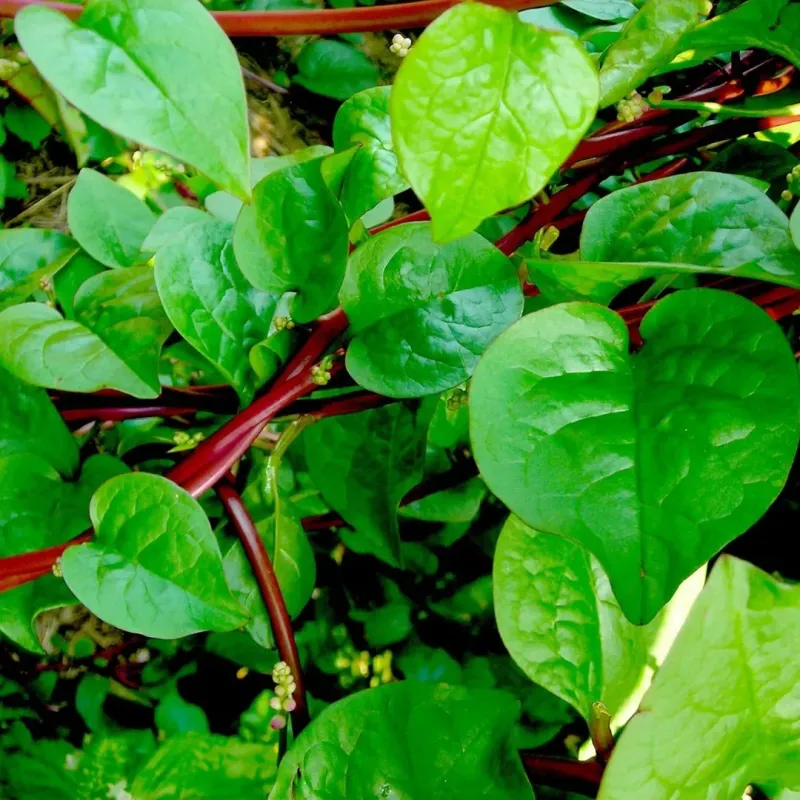
When lettuce gives up in Florida heat, Malabar spinach keeps looking smugly comfortable. Despite the name, it is not true spinach, but UF/IFAS includes it among warm-season leafy greens that can handle conditions that make cool-season greens bolt or collapse.
For a bare fence, Malabar spinach is the quick payoff plant. It climbs with twining stems, produces glossy leaves, and gives a lush green look without waiting years for a fruiting vine to mature. Red-stemmed types are especially pretty against wood or black metal fencing.
The flavor is mild, with a slightly slick texture when cooked. Young leaves can be used fresh in small amounts, while larger leaves are often better in stir-fries, soups, stews, and sautés. If your family misses greens during the steamy months, this vine can fill a gap when many crops are taking a break.
Its main difference from the fruiting plants here is speed. Malabar spinach can turn a fence into a pickable wall of leaves in a single warm season, making it a smart choice for renters, new gardeners, or anyone testing an edible fence before committing to woody vines.
Give it sun to partial sun, steady moisture, and a fence or trellis it can grab. In sandy soil, compost and mulch help keep the roots from drying out too fast between watering and summer downpours.
5. Chayote
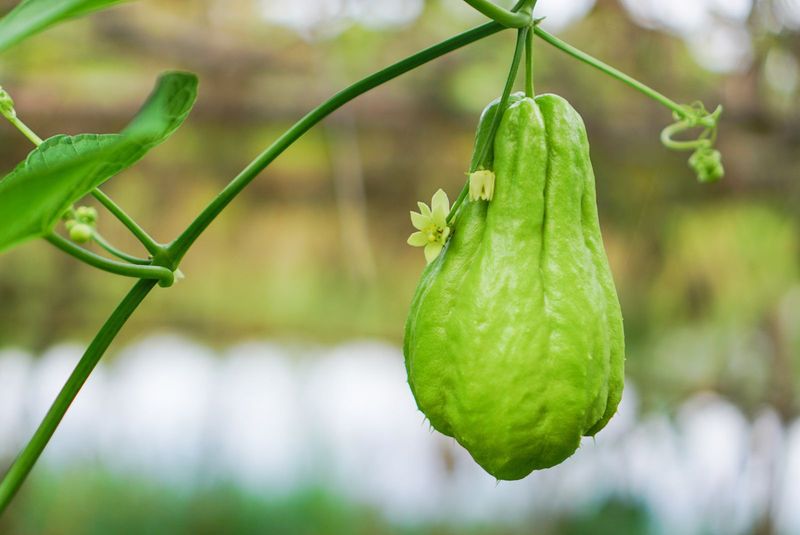
A chayote vine can make a gardener wonder if the fence secretly got taller overnight. Once warm weather and rain arrive, this squash relative can grow with impressive speed, producing pear-shaped green fruits that are used in many Caribbean, Latin American, and Southern kitchens.
UF/IFAS discusses chayote as a perennial vegetable for warm areas of Florida, though cold snaps can knock it back in cooler parts of the state. That regional detail matters. South and Central Florida gardeners may have an easier time keeping it going, while North Florida gardeners should treat it with more caution or expect winter damage.
Chayote belongs on a fence because it is a true space saver for people who want food production without giving up the whole yard. The vine wants to climb, and a strong back fence can become the support system for a crop that would otherwise sprawl everywhere.
Strength is the catch. A mature chayote vine can be heavy, especially when loaded with fruit after rainy periods. Use a sturdy fence, reinforce weak spots, and avoid training it over anything fragile, newly repaired, or likely to blow loose during tropical weather.
The fruit is mild, crisp, and flexible in the kitchen. It can be sautéed, stuffed, pickled, added to soups, or sliced into slaws. For gardeners who like unusual edible plants with serious production potential, chayote brings big energy to a forgotten fence line.
6. Blackberry
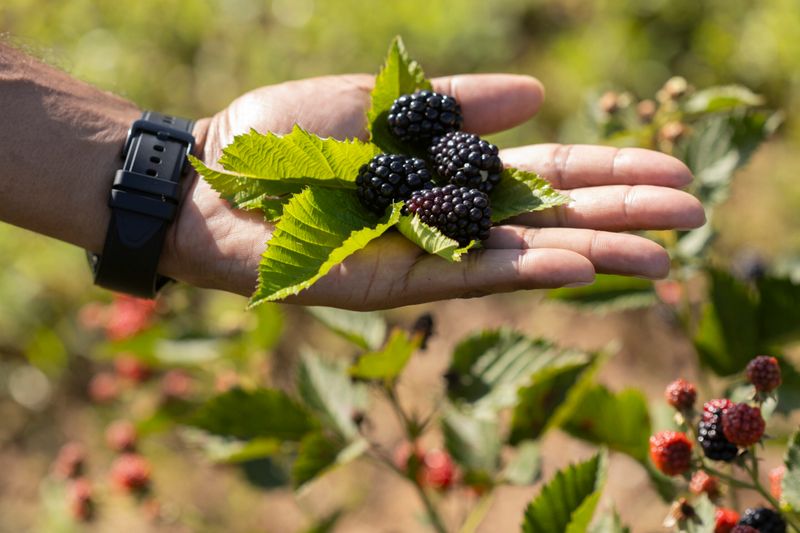
Not every edible fence plant has to climb like a jungle vine. Blackberries can be trained along a fence in a more orderly way, giving you spring flowers, summer fruit, and a living barrier that feels useful instead of bare.
UF/IFAS provides Florida-specific guidance on blackberry varieties and care, which matters because not all blackberries perform the same in the state. Low-chill selections are important for many Florida areas, since the plants need enough winter chill to flower and fruit well. Your county Extension office can help narrow choices for your region.
Blackberry stands apart from the vines here because it acts more like a fruiting hedge. Canes can be tied to wires or a fence for support, making harvest easier and improving airflow. Better airflow is no small thing in Florida, where humidity can invite disease problems if plants are jammed together.
Thorny types can add a little keep-out energy to the back fence, while thornless types are friendlier near children, pets, and narrow side yards. Either way, pruning is part of the bargain. Removing spent canes and managing new growth keeps the patch productive instead of tangled.
Mulch is especially helpful in sandy soil, and irrigation during dry spells can improve fruit quality. A well-placed blackberry row turns a fence into a berry stop, with fruit you can eat fresh, freeze, or fold into cobblers.
7. Dragon Fruit
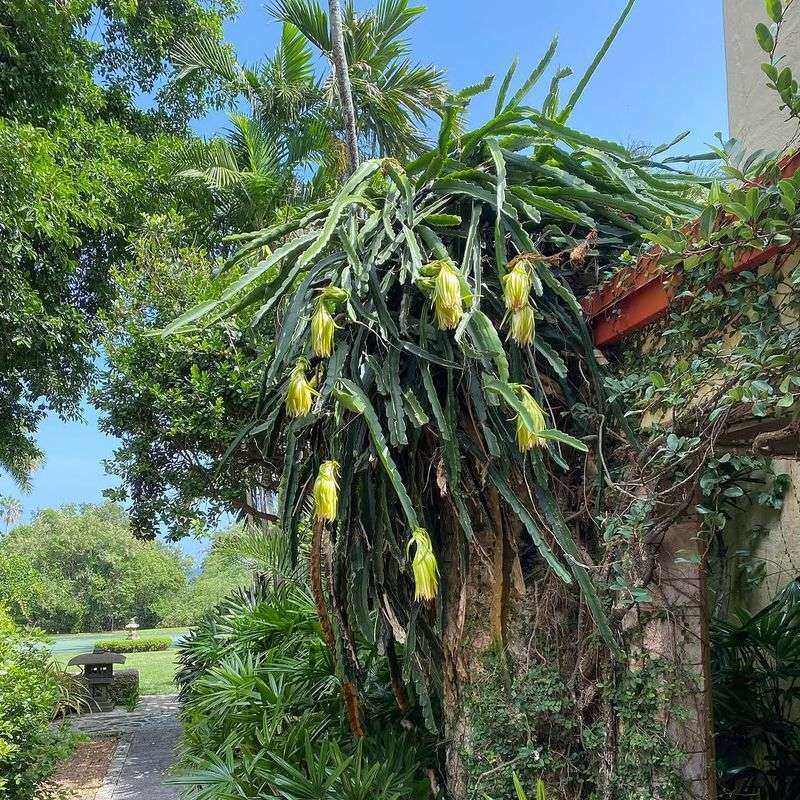
After dark, dragon fruit puts on one of the strangest shows in the edible garden. Huge white flowers open at night, then, with good pollination, the plant follows with bright fruit that looks like it wandered in from a tropical market.
UF/IFAS covers dragon fruit, also called pitaya, as a cactus crop suited to warm parts of Florida, especially where freezes are rare or protection is possible. Unlike leafy vines, dragon fruit is a climbing cactus that needs a sturdy support. A fence can help, but many gardeners use posts or trellis systems because mature plants get heavy.
Dragon fruit makes the list because it brings edible landscaping with a sculptural look. It does not create the same soft green curtain as Malabar spinach or passion fruit. Instead, its segmented stems add bold shape, and the fruit delivers a mild, refreshing sweetness that is easy to eat chilled.
Drainage is critical. Florida’s sandy soil can be helpful if it drains well, but low, flood-prone fence lines are risky. Raised planting areas, organic mulch kept away from the stem base, and protection from standing water can reduce trouble after heavy rain.
Many types benefit from hand pollination or having compatible varieties nearby, so read variety notes before planting. For a sunny South Florida fence that needs personality, dragon fruit offers food, flowers, and a little nighttime garden magic.