
Weeds love Florida almost as much as gardeners do. Our warm weather, sandy soil, heavy rain, and long growing season give unwanted sprouts plenty of chances to move in. The good news is that the right ground-hugging plants can cover bare soil, shade weed seeds, and make your yard easier to manage. Here are eight Florida-friendly choices that can help you cut back on sprays while keeping beds, borders, and open patches looking alive.
1. Sunshine Mimosa
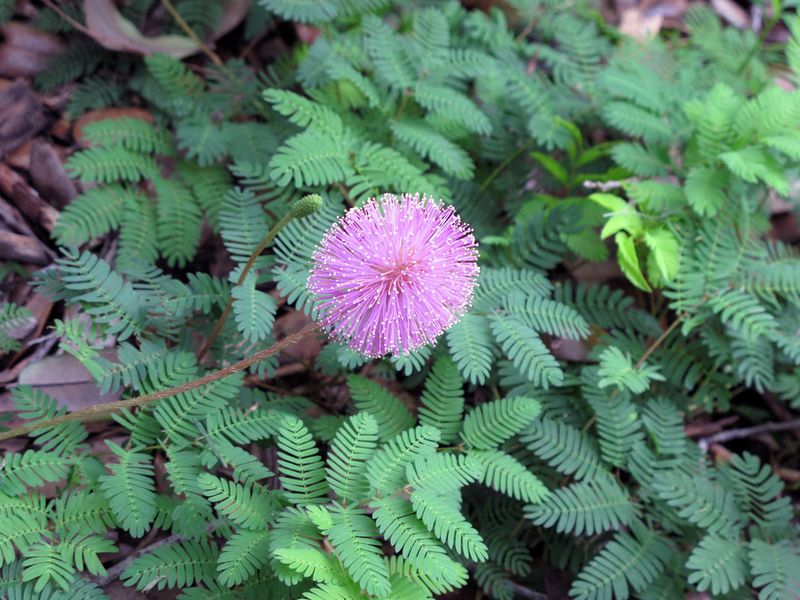
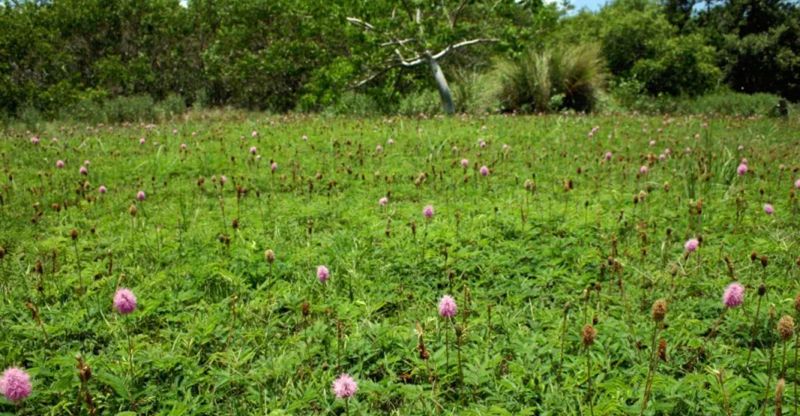
A lawn that blushes pink after rain sounds like a garden trick, but sunshine mimosa can do exactly that in many Florida yards. Also called powderpuff, this Florida native creeps low across the ground and fills space with soft, fernlike foliage that helps shade the soil.
Its biggest advantage is speed without towering over everything else. In sunny areas, it can spread into a living mat that makes it harder for weed seeds to find light. It also handles Florida heat well once established, and its deep roots help it bounce back better than many delicate groundcovers in sandy soil.
UF-IFAS often points to native plants as smart choices for lower-input landscapes, and sunshine mimosa fits that set-and-forget spirit when planted in the right spot. It works nicely along paths, in turf alternatives, and in pollinator-friendly yards where bees can visit the pink puffball blooms.
Give it full sun to part sun and avoid placing it where you need a perfectly formal edge. It spreads by runners, so plan for it to wander a bit. That same spreading habit is what makes it useful against weeds, especially in open patches where bare sand used to invite trouble.
2. Perennial Peanut
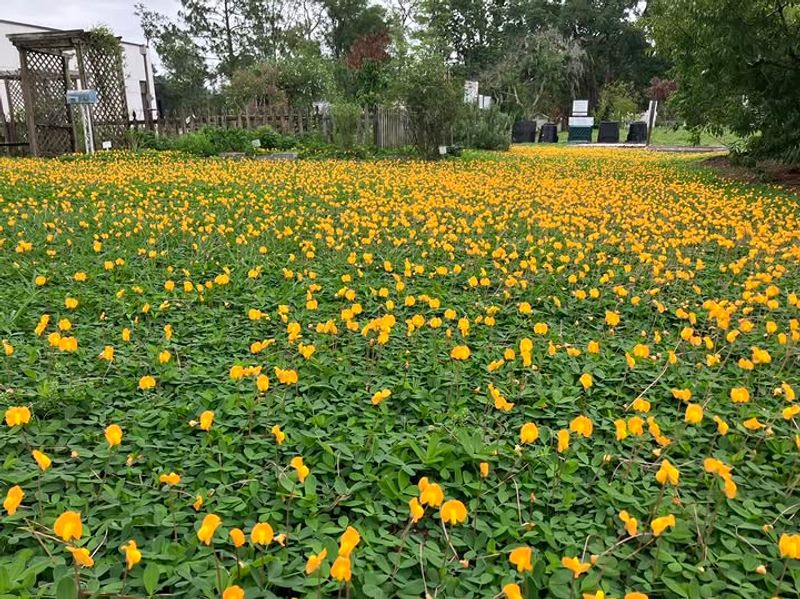
In hot, sunny Florida spots where grass sulks and weeds party, perennial peanut brings a cheerful little yellow flower and a surprisingly tough attitude. It is not the peanut grown for food, but a low-growing ornamental groundcover often used as a turf alternative in parts of Florida.
What sets it apart is its ability to form a thick, bright green cover in full sun. Once established, that dense growth can crowd out many annual weeds by taking away the open soil they need. It also tolerates mowing, which makes it useful for larger areas where you want a tidy look without babying a fussy lawn.
Perennial peanut is especially appealing for sandy Florida soils because it is a legume. That means it can work with soil bacteria to fix nitrogen, which may reduce the need for fertilizer in the right conditions. It still needs good establishment care, including watering while roots settle in, but it becomes much easier after that first stretch.
Use it in sunny strips, low-traffic lawn replacements, and slopes where mulch keeps washing away during heavy storms. Avoid shady corners, because it thins out when it does not get enough light. A thin groundcover leaves gaps, and gaps are exactly where weeds start their comeback.
3. Beach Sunflower
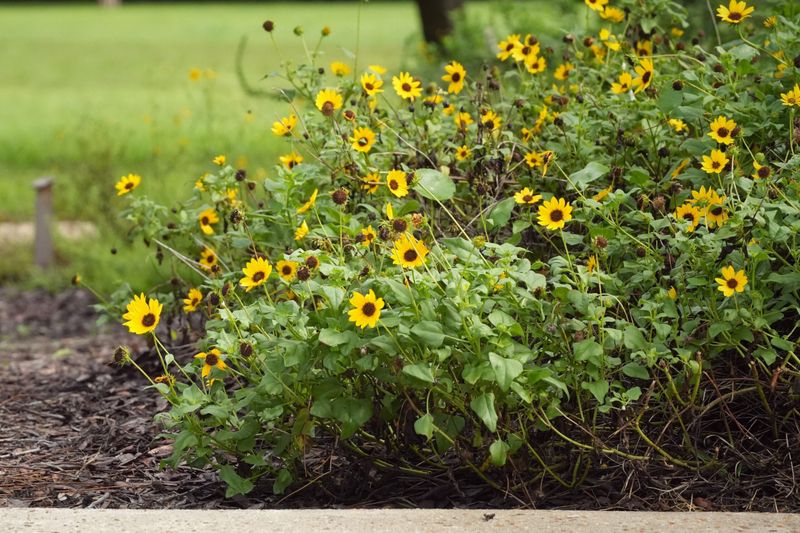
Salt air, blazing sun, and sandy soil would make many plants quit, but beach sunflower seems to grin through it. This Florida native is a natural fit for coastal-style landscapes, yet it also works inland where the soil drains fast and the garden needs fast cover.
Beach sunflower earns its place on this list because it brings color while doing the practical work of covering ground. Its sprawling stems root as they move, creating a sunny blanket of green leaves and yellow daisy-like blooms. That coverage can reduce weed pressure by blocking light at the soil surface.
Gardeners who want wildlife value get a bonus. The flowers attract pollinators, and the plant has a casual, beachy look that feels right at home in Florida rather than copied from a cooler climate garden. It is a smart pick for hot strips near sidewalks, mailbox beds, and dry open borders.
Drainage matters. Beach sunflower does not want to sit in soggy soil for long periods, so use it where water moves through rather than puddles after summer storms. Trim it back if it gets rangy, and it usually responds with fresh growth. In the right place, it can turn a weed-prone bare patch into a bright, buzzing carpet.
4. Frogfruit
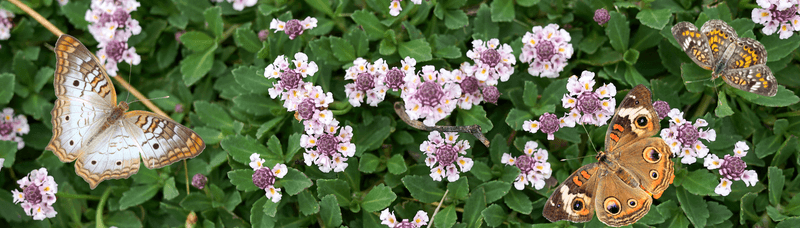
Butterflies notice frogfruit before many people do. At first glance, it looks like a humble little creeper, but those tiny flowers are valuable to pollinators and the plant can quietly knit together bare spaces where weeds often sneak in.
Frogfruit, also known as turkey tangle fogfruit, is a Florida native that stays low and spreads along the ground. Its strength is flexibility. It can handle sun, part shade, moist spots, and occasional dry spells once established, which makes it useful in real Florida yards where conditions change from one bed to the next.
Unlike showier groundcovers that demand attention, frogfruit brings a wilder, meadow-like texture. It can be used between stepping stones, along pond edges, near rain gardens, or in pollinator patches where a clipped, formal look is not the goal. Its mat-forming habit helps fill the small gaps that weeds love.
There is a lovely bit of garden drama here too: frogfruit is a host plant for several butterflies, including phaon crescentspot and white peacock. That means you are not just covering soil, you are supporting the life cycle of Florida wildlife. If you want a chemical-light yard that still feels active and alive, frogfruit is a small plant with a big job.
5. Asiatic Jasmine
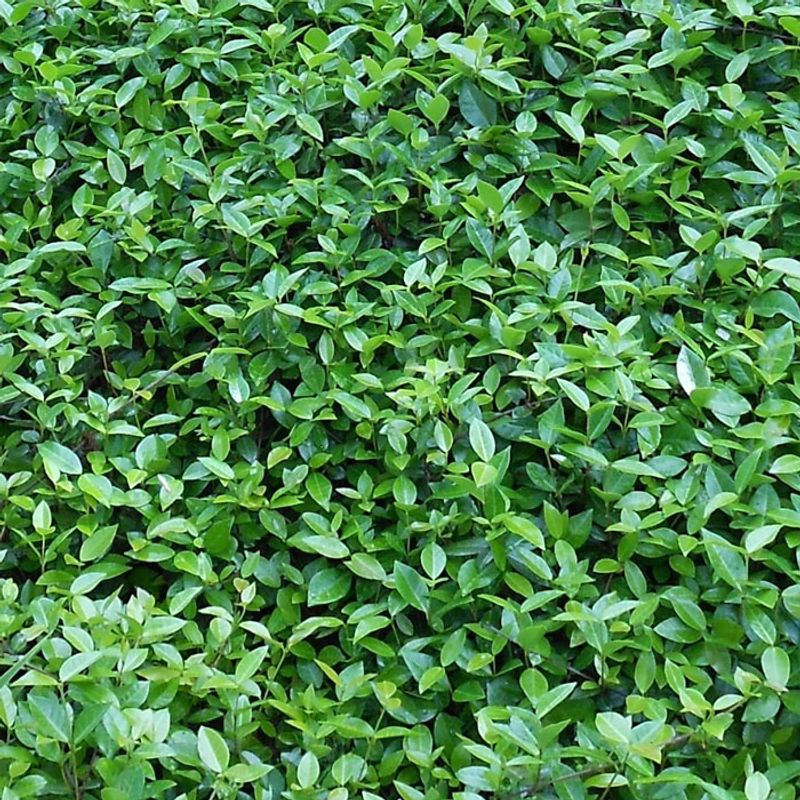
Shade is where many weed-control plans fall apart. Mulch thins, turf struggles, and opportunistic weeds creep into every bare spot. Asiatic jasmine is a dependable option for those tricky Florida beds under trees, along foundations, and beside walkways.
The standout feature is its dense, glossy mat of foliage. Once established, it can form a tough ground layer that shades soil and reduces weed germination. It is not grown for big flowers, so think of it more like a living mulch than a colorful display.
In Florida, Asiatic jasmine is widely used because it tolerates heat, part shade, and periods of dry weather after roots are established. It also handles pruning well, which matters when a groundcover tries to creep past its welcome. A string trimmer or edging tool can keep it in bounds along sidewalks and bed lines.
For best results, plant it close enough that the coverage closes in before weeds take advantage of the open spaces. Mulch between young plants during the first season, then let the jasmine take over the shading job. It is a practical choice for gardeners who want fewer weekend weeding sessions, especially in shady areas where many flowering groundcovers refuse to cooperate.
6. Dune Sunflower
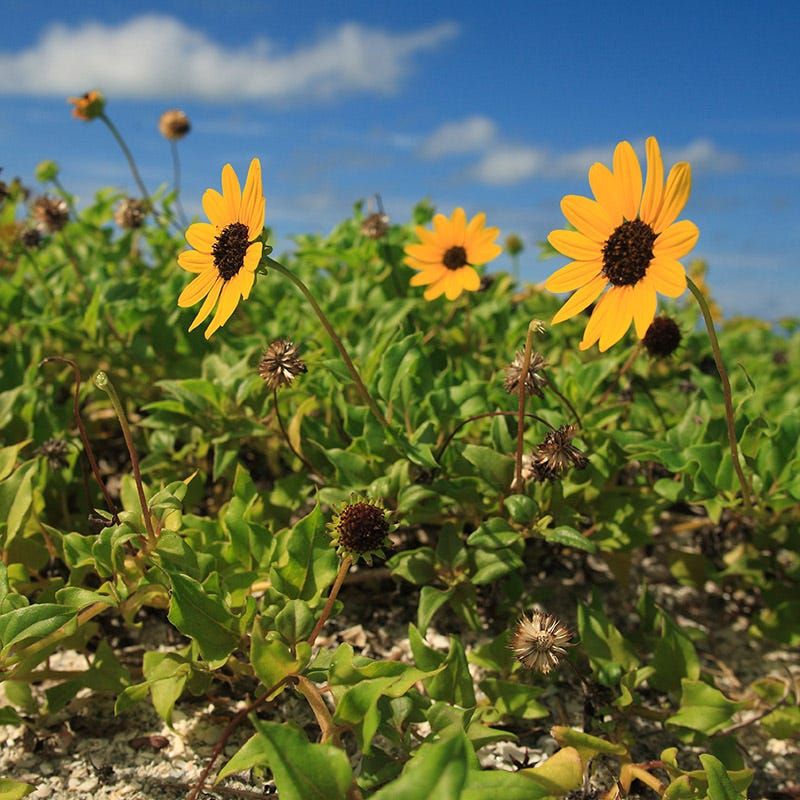
There is a reason dune sunflower looks so relaxed in rough places. It comes from Florida coastal habitats where sand, salt, wind, and heat are part of daily life. In a home landscape, that toughness translates into a low groundcover that does not panic when conditions get harsh.
Dune sunflower differs from many polite bedding plants because it is built to spread. Its stems crawl and branch, helping it cover exposed soil quickly in full sun. That living cover can make it harder for weeds to gain a foothold, especially in dry sandy beds that are otherwise left open between shrubs.
Pollinators add another reason to grow it. The cheerful yellow blooms draw bees and butterflies, giving the yard movement and color while the foliage does the quiet weed-smothering work below. It pairs well with other Florida-friendly plants such as muhly grass, coontie, and sea grape in sunny coastal or coastal-inspired designs.
Give dune sunflower space and keep expectations realistic. It may look scruffy after stress, storms, or heavy flowering, but trimming can refresh it. Avoid overwatering or placing it in soggy soil. For gardeners tired of re-mulching bare sand after every downpour, dune sunflower can be a bright, practical replacement that feels unmistakably Floridian.
7. Coontie
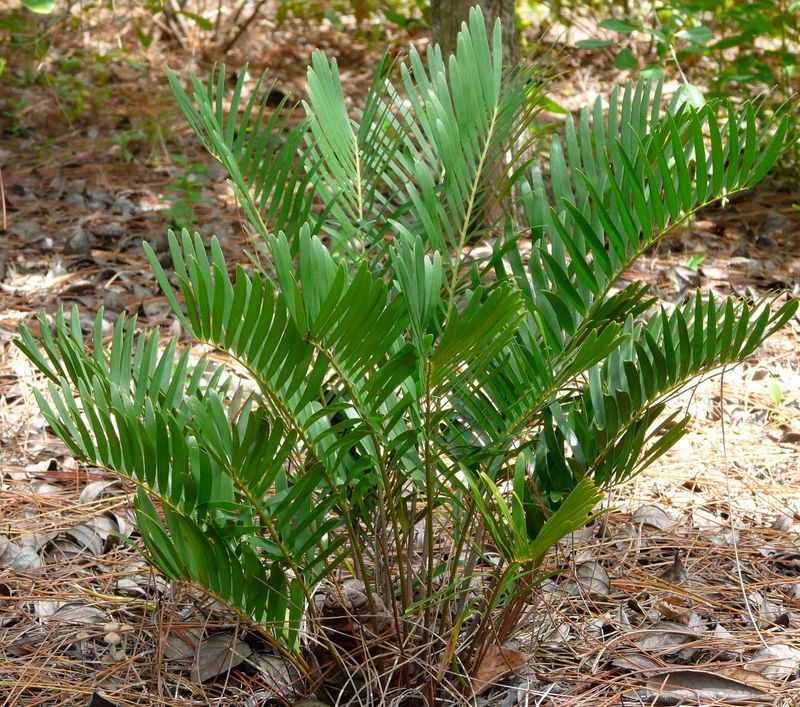
Not every weed-smothering plant needs to creep like a vine. Coontie takes a different approach, forming sturdy clumps of deep green foliage that can be massed together into a handsome, low-maintenance cover. It looks almost prehistoric, which makes sense because cycads are ancient plants.
Coontie is a Florida native and a favorite for gardeners who want structure without constant fuss. When planted in groups, its arching leaves shade the soil and reduce open pockets where weeds can sprout. It is especially useful in part shade, under high tree canopies, and in beds where you want a more polished look than a sprawling groundcover provides.
Wildlife value gives coontie extra importance. It is the larval host plant for the atala butterfly, a species with a dramatic comeback story in South Florida. Adding coontie can make a yard more butterfly-friendly while still solving the everyday problem of bare, weedy ground.
Coontie is drought tolerant once established, and it handles Florida sandy soil better than many lush-looking ornamentals. Plant it with enough spacing for mature clumps to meet, then mulch lightly while it fills in. One caution: parts of the plant are toxic if eaten, so place it thoughtfully if pets or small children tend to chew on plants.
8. Dwarf Mondo Grass
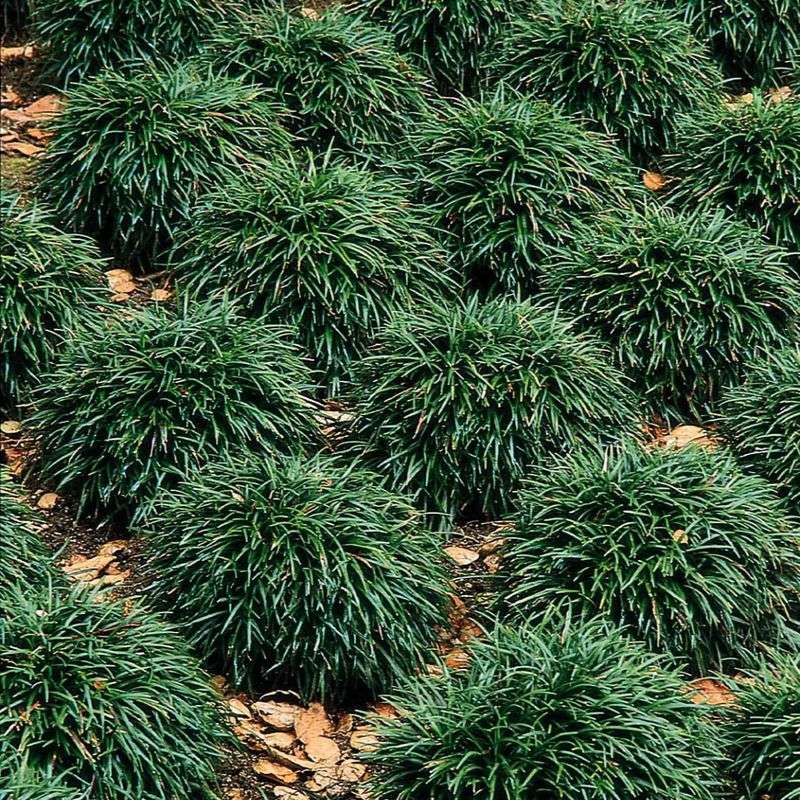
For tiny spaces where weeds pop up like they own the place, dwarf mondo grass brings a neat, almost buttoned-up look. It grows in small tufts that slowly knit together, making it handy between pavers, along shaded paths, and at the front of beds.
Its special talent is staying low and tidy. While some groundcovers roam with abandon, dwarf mondo grass behaves more like a miniature carpet when given the right conditions. In part shade to shade, mature plantings can cover the soil well enough to reduce weed openings and cut down on hand-pulling.
Florida gardeners should think of it as a detail plant rather than a quick fix for a huge sunny yard. It prefers moisture-retentive soil more than bone-dry sand, so compost worked into the planting area and regular water during establishment can make a big difference. In hot inland spots, afternoon shade helps keep it looking fresh.
Use dwarf mondo grass where precision matters: courtyard edges, stepping-stone gaps, small entry beds, and shady borders near patios. It will not race across a problem area overnight, but patience pays off with a refined ground layer that blocks many weed seedlings simply by leaving them no room to shine.