
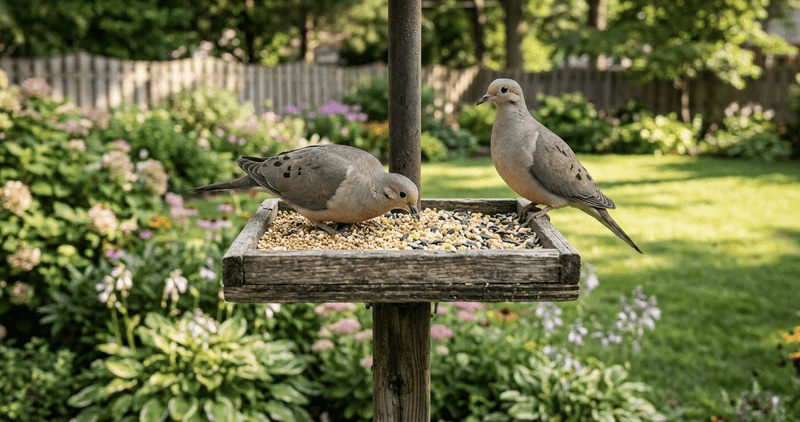
Mourning doves showing up in your Florida yard again and again are not arriving by accident. These soft-gray birds are responding to something real about what your yard offers, whether that is food, open ground, shelter, or water.
Understanding what draws them helps you make smarter decisions about your landscape and keeps you from acting on guesswork or folklore.
The bird in your yard may not be the bird you think
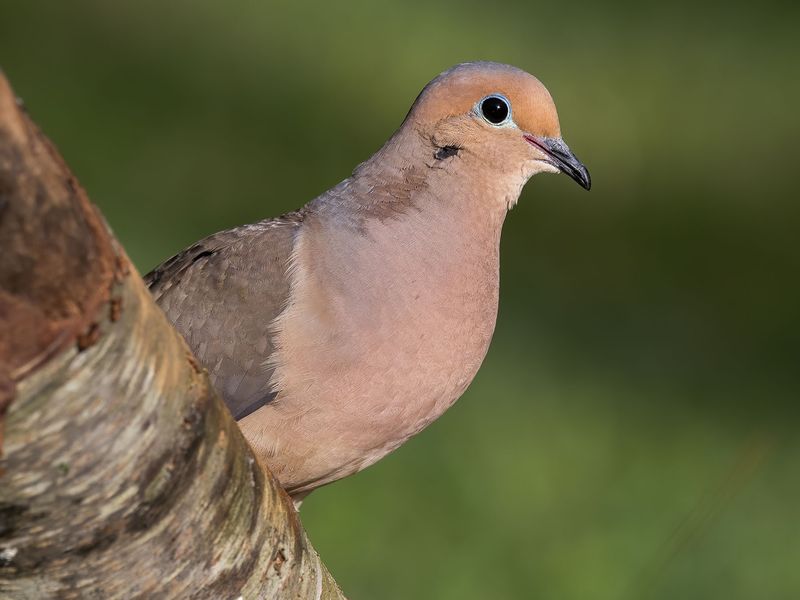
Before drawing any conclusions about diet, habitat, or behavior, confirm you are actually looking at a mourning dove. Florida hosts several dove species, and mixing them up leads to faulty assumptions about what the bird wants from your yard.
A mourning dove has a slender body, a long pointed tail with white outer edges that flash in flight, and scattered black spots on its wings. The overall color is soft gray-brown with a subtle pinkish wash on the breast.
Cornell Lab of Ornithology’s mourning dove profile describes the tail shape as one of the most reliable field marks, especially when the bird takes off.
The Eurasian collared-dove is noticeably larger and carries a bold dark collar across the back of its neck, a feature mourning doves lack entirely. White-winged doves, which have become increasingly common in Florida, show large white patches along the wing edge that are visible even when the bird is perched.
Florida Fish and Wildlife Conservation Commission species accounts document all three as present in the state, so a quick look at tail shape and wing markings saves a lot of guesswork.
Getting the species right matters because feeding habits, preferred habitat, and seasonal patterns differ between these birds. The diet and behavior details throughout this article apply specifically to mourning doves.
FWC’s mourning dove wildlife profile confirms that mourning doves are a common, year-round presence in Florida backyards and other human-altered habitats, which is exactly why so many Florida homeowners recognize them.
Seed access explains most repeat visits
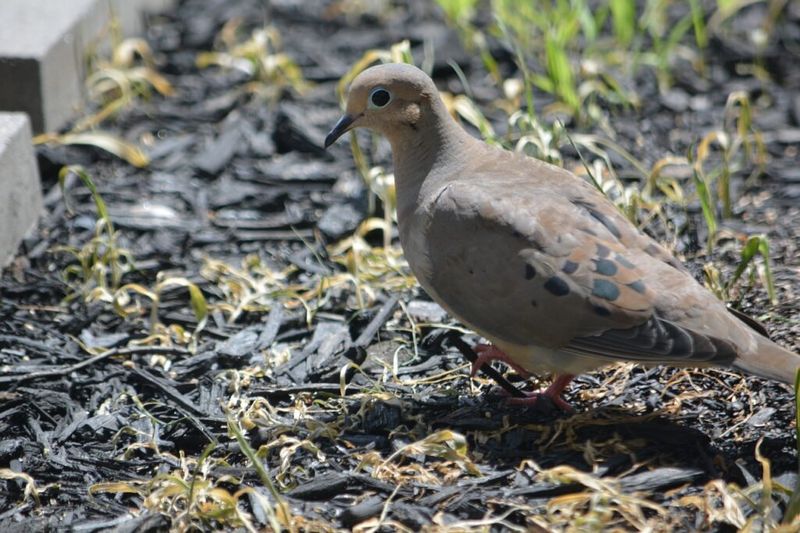
The single biggest reason mourning doves keep returning to a yard is food. Cornell Lab’s mourning dove life history notes that seeds make up roughly 99 percent of their diet, sourced from cultivated grains, grasses, weeds, herbs, and occasionally berries or snails.
That near-total dependence on seeds means any yard producing or collecting them becomes worth revisiting.
Mourning doves collect food almost entirely on the ground. They do not scratch through heavy leaf litter or thick vegetation the way a towhee or chicken might.
They walk along the surface and pick up seeds that are already visible and within easy reach. This foraging style means that how accessible the seed is matters at least as much as which plant produced it.
Spilled birdseed, seed-producing lawn weeds, ornamental grasses going to seed, and grain carried in on equipment or compost can all supply food without a single intentional planting. FWC’s dove habitat guidance identifies a broad range of seed types doves use, including grasses, weeds, and cultivated crops, reinforcing that the food supply can come from many sources at once.
USDA NRCS mourning dove habitat requirements also describe the species as a generalist seed-eater that adjusts to whatever is available locally. So repeated visits are not pointing to one specific plant.
They are pointing to a combination of seed availability and the open, easy-to-navigate ground that lets doves collect it efficiently.
Open ground makes a Florida yard easier to use
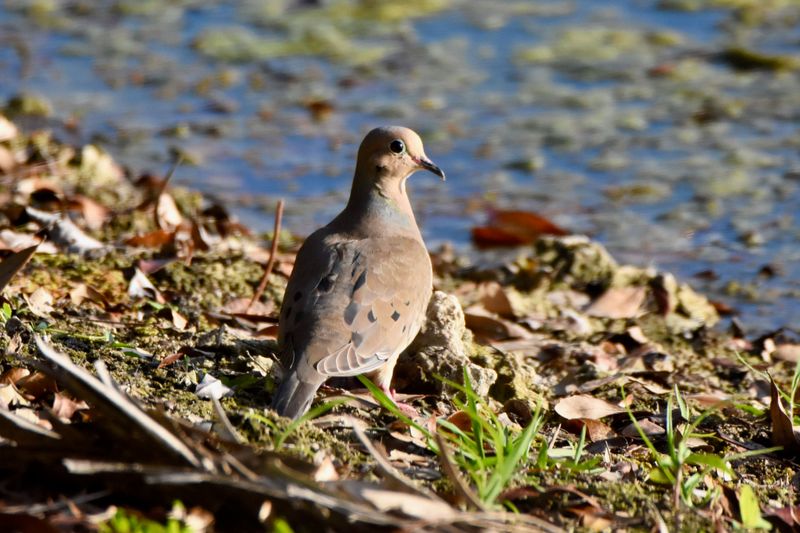
Seed availability is only part of the equation. Yard structure determines whether a dove can actually reach that food.
Mourning doves are built for open and semi-open spaces, and a yard that gives them clear sightlines and easy movement on the ground is simply more usable than one that does not.
Cornell Lab’s life history account places mourning doves in open habitats including woodland edges, suburbs, agricultural land, and roadsides. The Audubon field guide reinforces this preference for open or lightly vegetated ground, noting that dense cover is not their natural foraging environment.
A yard with a mix of open lawn, thin groundcover, or bare soil patches gives them the visibility and footing they prefer.
The U.S. Forest Service species review for mourning doves describes them as highly adaptable to disturbed and human-modified landscapes, which explains why they show up in ordinary Florida yards rather than only in natural areas.
Ornamental grasses finishing their seed cycle, weedy lawn edges, and neighboring properties with seed-producing plants can all contribute to what a dove finds in your yard, even if you have not planted anything with birds in mind.
A heavily shaded, densely planted yard is not automatically more attractive to mourning doves, even if it contains native plants. The combination of seed-producing vegetation and accessible open ground, rather than plant diversity alone, is what makes a space useful for ground-foraging birds like these.
Other habitat features can explain where you see them
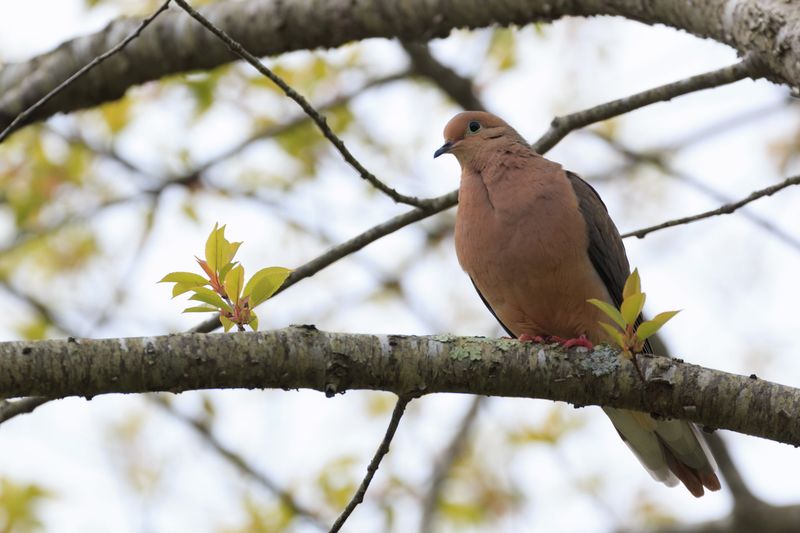
Not every dove you spot in the yard is there to eat. Mourning doves also use yards for resting, roosting, pair bonding, and nest-site investigation, so the location where you see a bird can tell you something specific about what it is doing.
Cornell Lab’s life history notes that mourning doves nest on horizontal tree branches and occasionally on ledges, gutters, hanging containers, or similar structures. The Audubon field guide adds that scattered trees and shrubs serve as perching and roosting spots, giving doves a place to survey the area and rest between feeding bouts.
A bird sitting quietly on a branch may simply be resting, not signaling that a particular plant below it is producing food.
Fresh water and grit are two other habitat components worth noting. USDA NRCS habitat requirements describe grit, which consists of small stones or coarse particles, as something doves use to help grind hard seeds in the gizzard.
NRCS plant materials guidance also identifies water access as a habitat component. A shallow water source or a patch of sandy soil near a feeding area may help explain why doves concentrate in one corner of your yard rather than another.
These features may help explain where a dove appears, but they should not be described as features that make birds stay longer or guarantee repeated visits. If you notice a pair of doves spending time near a particular shrub or low branch, they may be investigating a nest site rather than feeding.
U.S. Fish and Wildlife Service guidance on bird nest protections is clear that active nests, eggs, and dependent young are protected under the Migratory Bird Treaty Act.
Do not remove or disturb an active nest on your own; contact a wildlife authority if a nest is in a genuinely hazardous location. Inactive nests and emergency situations may be subject to different federal, state, or local rules, so checking with the appropriate agency first is always the right step.
Florida seasons can change the number of doves you see
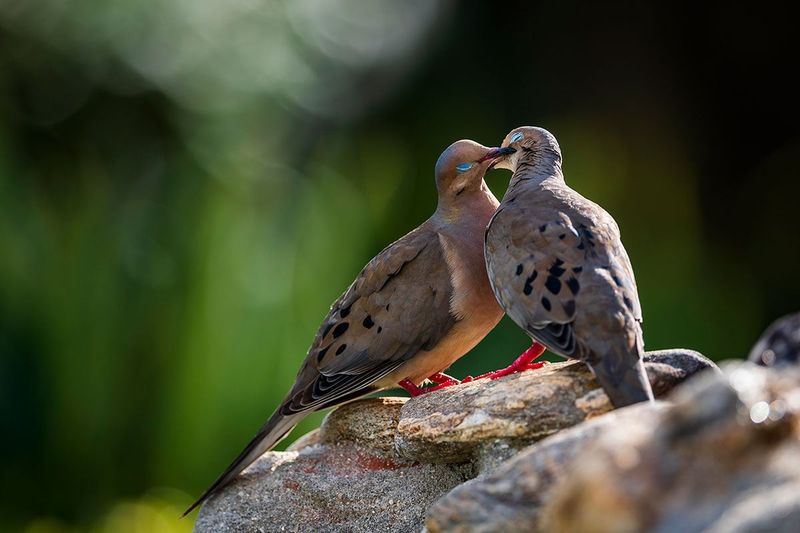
A sudden increase in mourning dove sightings does not always mean your yard has changed. Timing plays a real role in how many doves you see, and Florida’s position as a wintering destination for birds from farther north is a straightforward explanation that often gets overlooked.
Florida Fish and Wildlife Conservation Commission confirms that mourning doves are present in Florida year-round, but numbers can rise noticeably during winter as birds move into the state from northern breeding areas. A yard that hosted two or three doves in September may attract a dozen or more between November and February without any change to the plants, feeders, or ground conditions on the property.
Seasonal movement also means that a winter spike in visits is not evidence of a new food source, a lucky omen, or a sign that your landscaping recently improved. The birds are simply redistributing across a broader wintering range, and your yard is one stop among many.
When spring arrives and northern birds head back, sightings typically drop again even if the yard itself is unchanged.
Using timing as one clue alongside food availability, open ground, cover, water, and nearby habitat gives a more accurate picture of what is happening. If doves appear in large numbers every winter and thin out by April, seasonal movement is the most likely explanation.
If the same small group feeds in your yard consistently across all seasons, the yard’s food supply and structure are probably the stronger draw.
A small seed-friendly area beats planting by folklore
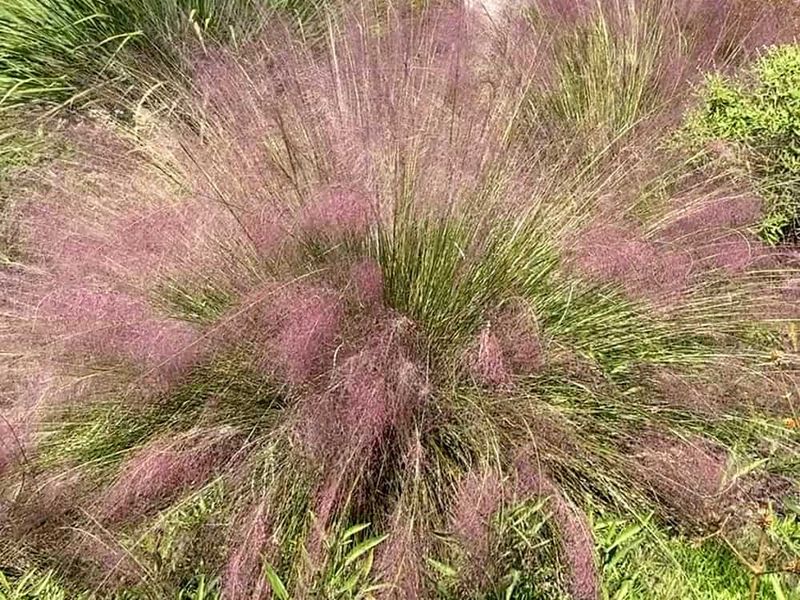
Knowing that mourning doves want seeds and open ground gives homeowners something practical to work with. The most restrained and effective response is not to overhaul the entire yard but to preserve a small, intentional seed-producing area where suitable plants can finish their seed cycle before being cut back.
UF/IFAS Florida-Friendly Landscaping guidance lists Florida-native grasses and wildflowers such as lovegrass, muhly grass, dune sunflower, tickseed, blazing star, and Indian grass as landscape options that support wildlife generally. These are site-appropriate choices worth considering, but the source does not establish that each one specifically attracts mourning doves.
Think of them as plants that fit Florida conditions and produce seed that birds can use, not as a guaranteed dove-attraction formula.
UF/IFAS’s dove-field management publication identifies crotons, mustards, ragweeds, pokeweed, sunflowers, millet, sorghum, wheat, corn, and buckwheat as plants doves eat in managed habitat contexts. That list is useful for understanding what doves consume, but it comes from agricultural and habitat-management guidance aimed at land managers, not a recommendation to plant every species in a suburban backyard.
Ragweed spreads aggressively, pokeweed can be toxic to children and pets, and large-scale millet or sorghum plantings are impractical and potentially problematic in a residential setting.
UF/IFAS Florida-Friendly Landscaping principles emphasize right plant, right place and responsible pest management for good reasons. Choosing plants suited to your specific soil, sun, and drainage conditions reduces maintenance and prevents aggressive species from taking over.
Leave some seedheads standing through their useful season, keep a patch of open ground nearby so foraging birds can move easily, and avoid allowing undesirable weeds to spread under the banner of wildlife gardening. A tidy but seed-rich corner of the yard does more practical good than a large, poorly chosen planting.
Managed feeding prevents a habitat benefit from becoming a yard problem
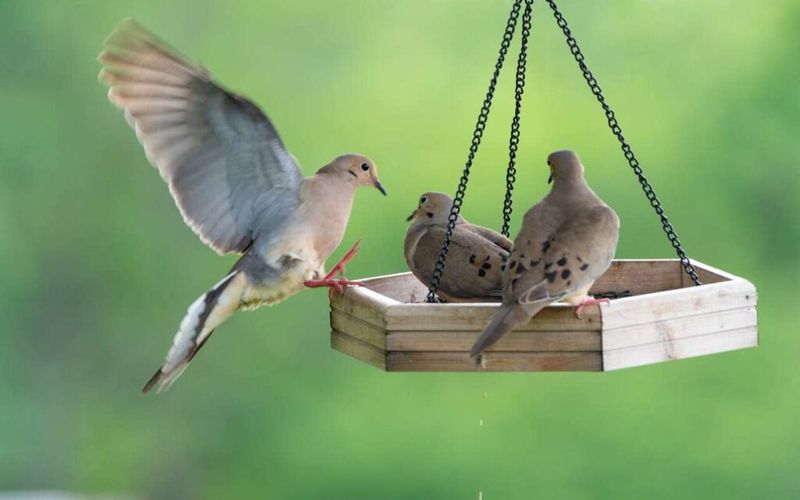
Mourning doves will use a yard for food whether or not you put out a feeder, so supplemental feeding is a choice rather than a requirement. If you decide to feed, keeping it limited and managed prevents a genuine habitat benefit from turning into a rodent problem or a disease risk.
Cornell Lab’s mourning dove overview and U.S. Fish and Wildlife Service guidance both identify millet scattered on the ground or offered on a low platform feeder as a practical option for mourning doves.
Ground feeding should be limited to small amounts that birds can finish within a day or two. Leftover seed sitting on bare soil attracts rats and mice, and wet or moldy seed can sicken birds.
Feeder and birdbath hygiene is not optional. Cornell Lab’s feeder-cleaning guidance recommends cleaning seed feeders about every two weeks and more often during heavy use or wet weather.
CDC guidance on Salmonella and wild birds recommends cleaning feeders and birdbaths at least monthly, more often when visibly soiled. Clean them outdoors rather than in a kitchen sink, wash your hands thoroughly afterward, and keep children and pets away from spilled seed and droppings.
Cats are a serious hazard for mourning doves, which spend most of their time on or near the ground. Keeping cats indoors or physically preventing their access to feeding areas reduces predation risk significantly.
Pesticide use near feeding or nesting areas also requires caution. The U.S.
Forest Service species review associates improper pesticide use with dove mortality, and University of Minnesota Extension guidance on treated seed makes clear that seed coated with fungicides or pesticides can be hazardous to birds and other wildlife. Never put treated agricultural or garden seed out for birds.
What the doves really reveal about your yard
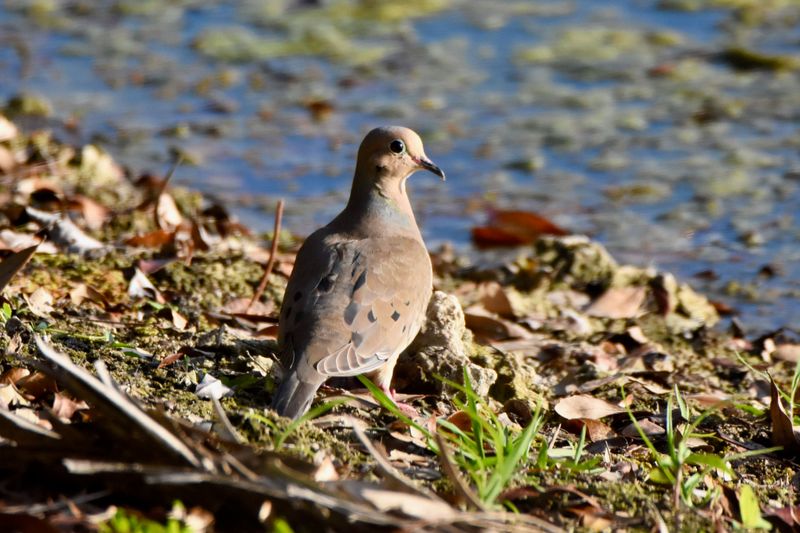
Repeated mourning dove visits most often reveal a yard that combines accessible seeds with open or semi-open ground. Nearby perches, a water source, grit, nesting opportunities, or a seasonal influx of wintering birds may each add to the picture, but seed and open ground are the foundation.
Before changing anything, watch where the birds actually feed, rest, and gather. Cornell Lab’s life history and FWC’s dove profile together support a straightforward interpretation: the yard is supplying something real, and observation tells you what that is more reliably than folklore or a single-plant explanation.
Providing suitable plants, a patch of open ground, and clean water if you choose is a low-risk way to support these birds. Mourning doves do not need a transformed yard, just one that meets their basic needs without creating new problems for you or your neighbors.