
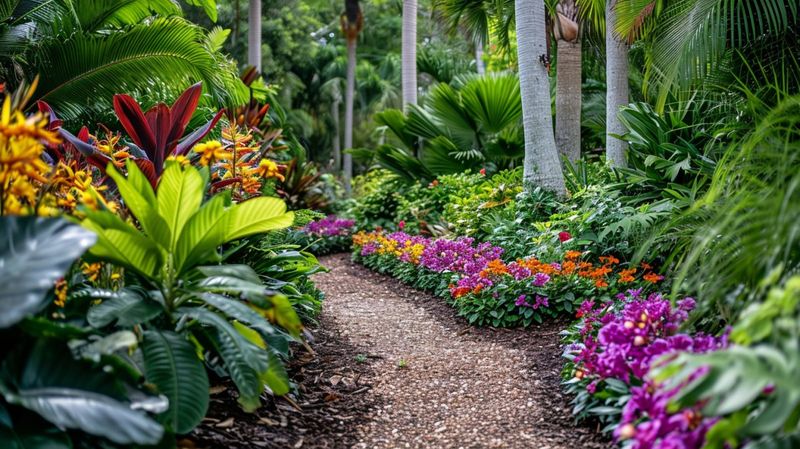
A yard with the right native plants can become a safer, healthier hunting ground for Florida black racers and other helpful snakes. These snakes eat mice, rats, small frogs, lizards, insects, and other animals that often build up around messy edges and overgrown spaces.
The goal is not to pack your yard with snakes, but to create balanced habitat where rodent hunters can pass through naturally. Here are seven Florida native plants that give cover, shade, berries, insects, and structure to support that backyard food web.
1. Saw Palmetto
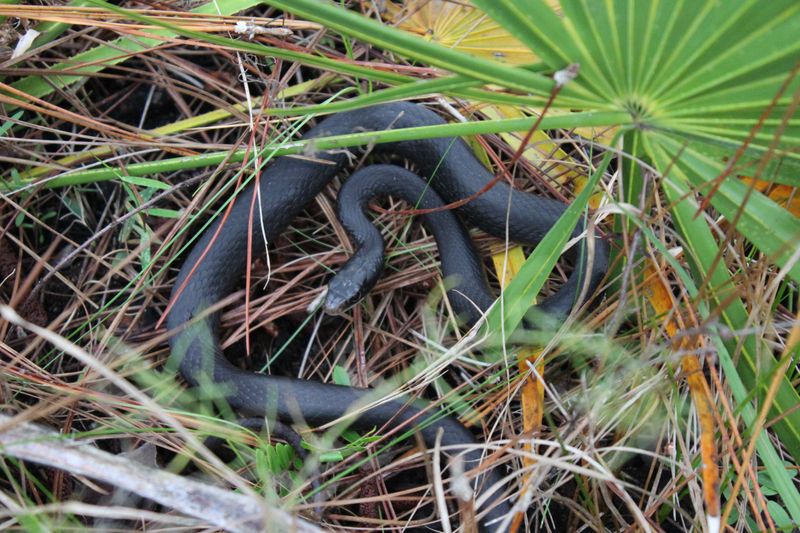
A rustle under saw palmetto can make any Florida gardener pause, but that thick, low cover is exactly why this native deserves a place on the list. Saw palmetto creates shaded, protected pockets where black racers can slip through while hunting lizards, frogs, insects, and small rodents along the ground.
Unlike tall shrubs that mostly help birds, saw palmetto works right at snake level. Its stiff fan-shaped fronds form a living shelter that stays useful through heat, dry spells, and sandy soil, especially in naturalized corners or along the edge of a piney yard.
The plant also produces flowers and dark berries that feed insects, birds, raccoons, and other wildlife. That activity can bring more small prey into the area, which gives nonvenomous snakes a reason to patrol without needing you to leave piles of trash or clutter.
Give saw palmetto room, since it spreads slowly but strongly over time. Keep it away from tight walkways, children’s play areas, and doorsteps so helpful snakes can use the habitat without surprising anyone at close range.
2. Muhly Grass
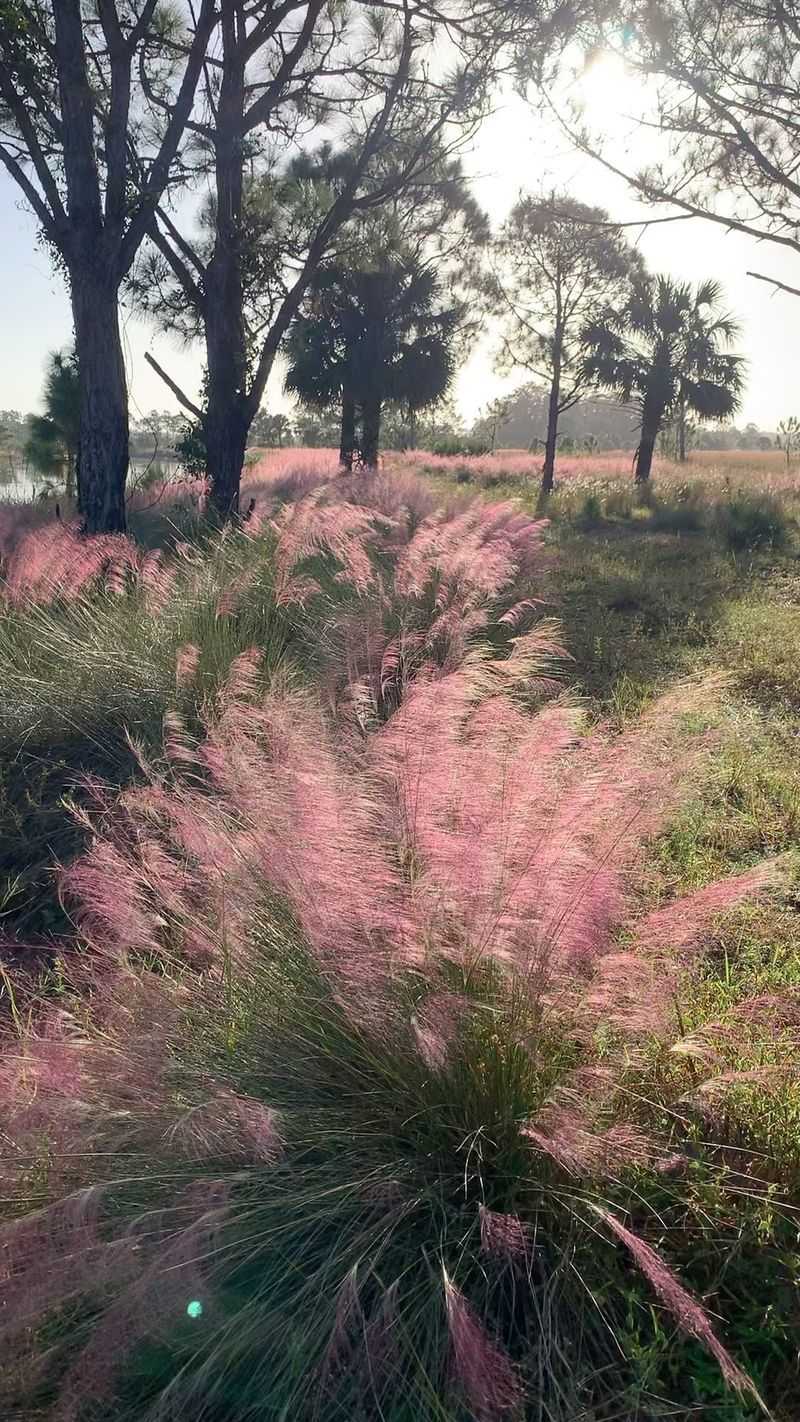
Picture a soft pink haze glowing in fall light, then look closer at the base. Muhly grass is not just pretty, it builds a low, airy maze where small animals move, hide, and feed, which can turn a plain border into a useful hunting strip for black racers.
Florida gardeners often use muhly grass for curb appeal because it handles sun, sandy soil, saltier breezes in many coastal areas, and short dry spells once established. Its clumping habit leaves enough open space at ground level for snakes to travel, unlike dense invasive grasses that can become tangled and messy.
The seed heads attract small birds, while the blades shelter insects and other tiny creatures. Where insects and small wildlife gather, lizards and frogs often follow, and those are common meals for black racers and other nonvenomous snakes.
Plant muhly in sweeps along a fence, driveway edge, or sunny backyard bed where you want movement and color without heavy watering. Cut it back before new spring growth if it looks tired, but avoid scalping it during active wildlife seasons if you know animals are sheltering inside.
3. Beautyberry
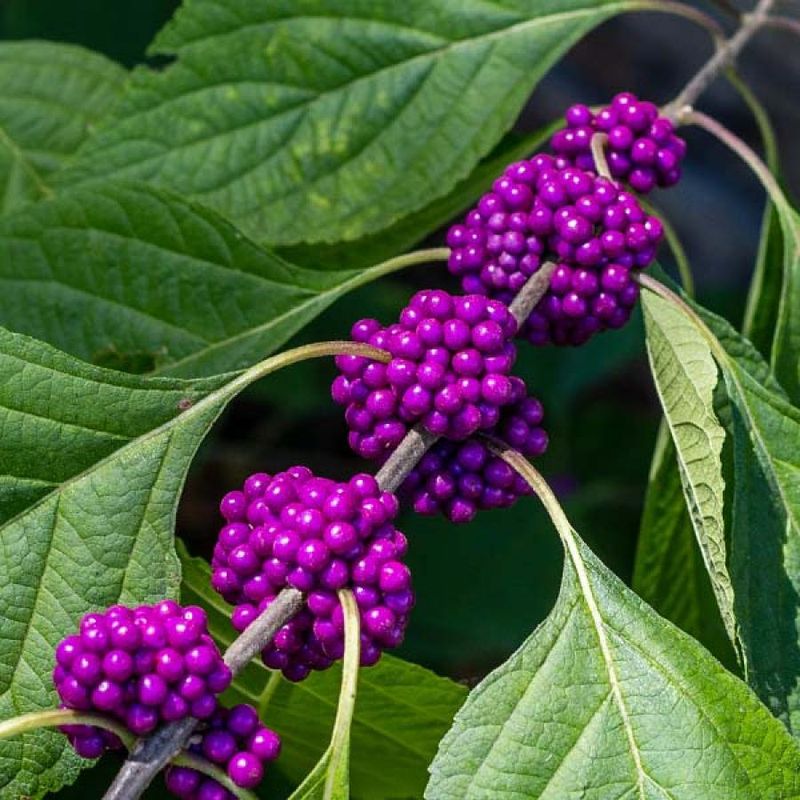
Few native shrubs look as cheerful as beautyberry when those bright purple berries wrap the stems like beads. Birds notice them quickly, and so do the insects and small animals that move through a layered, berry-rich planting.
Beautyberry earns its spot because it adds food above ground while improving cover below. Its loose branches cast light shade, collect leaf litter, and create a softer edge where black racers can hunt without being exposed to hawks, pets, or blazing afternoon sun.
For Florida yards, this shrub is especially handy because it tolerates part shade and works along fences, under open trees, or at the back of a native bed. It can look wild if ignored, so prune after fruiting or in late winter to keep it shaped and walkway-friendly.
Rodents are often drawn to yards with seed, fallen fruit, and hiding places, but a balanced native planting also supports the predators that keep them nervous. Beautyberry helps build that balance by feeding birds and insects while giving snake hunters a practical route through the yard.
Place it where you can enjoy the berries from a porch or kitchen window. Leave a little leaf litter beneath it, not a junk pile, just enough natural cover to keep the soil cool and wildlife active.
4. Coontie
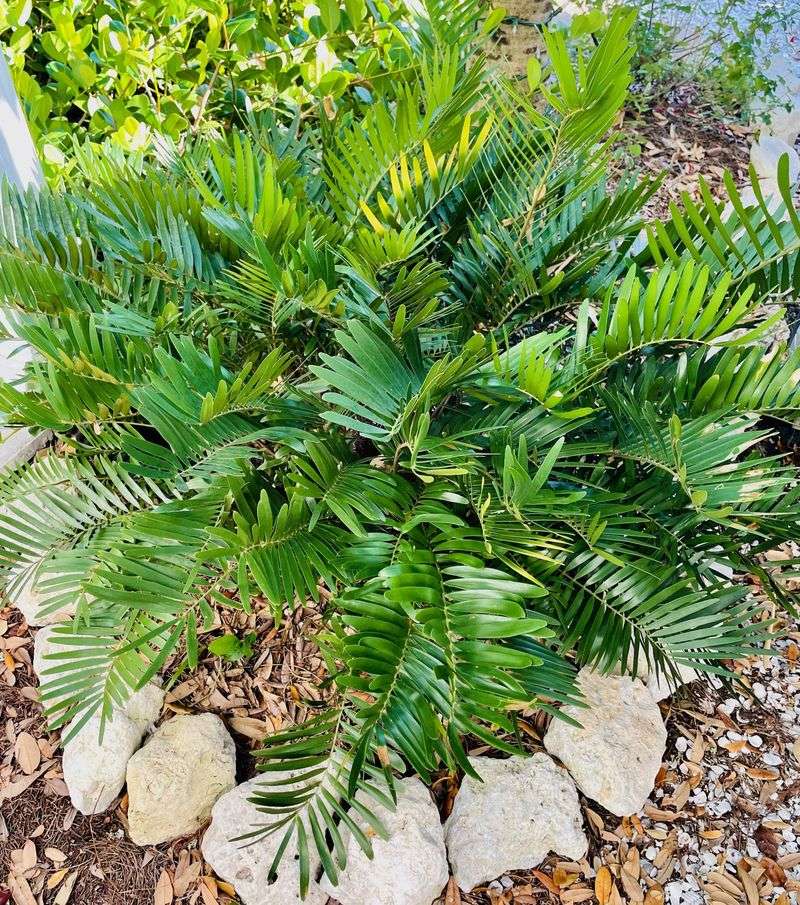
Coontie has the tidy look many homeowners want, but it quietly acts like a wildlife plant behind the scenes. Its stiff, fern-like leaves form low mounds that stay green and polished even when Florida weather turns hot and dry.
The special value here is structure without chaos. Coontie gives black racers and other small snakes low cover for moving between shrubs, grass clumps, and mulched beds, yet it does not usually create the overgrown mess that makes people nervous near patios or entries.
Gardeners also know coontie as the host plant for the atala butterfly, a South Florida conservation success story that gives the plant extra native-garden appeal. More butterfly activity means more insects in the yard, and insects help support the lizards and frogs that keep the food web moving.
Use coontie near foundation beds, under open-canopy trees, or along paths where you want a neat native alternative to fussy ornamentals. It prefers well-drained soil, which makes it a strong match for many sandy Florida sites.
One caution matters if you have pets or young children: coontie seeds are toxic if eaten. Plant it thoughtfully, remove loose seeds where needed, and enjoy it as a tough, good-looking piece of habitat.
5. Simpson’s Stopper
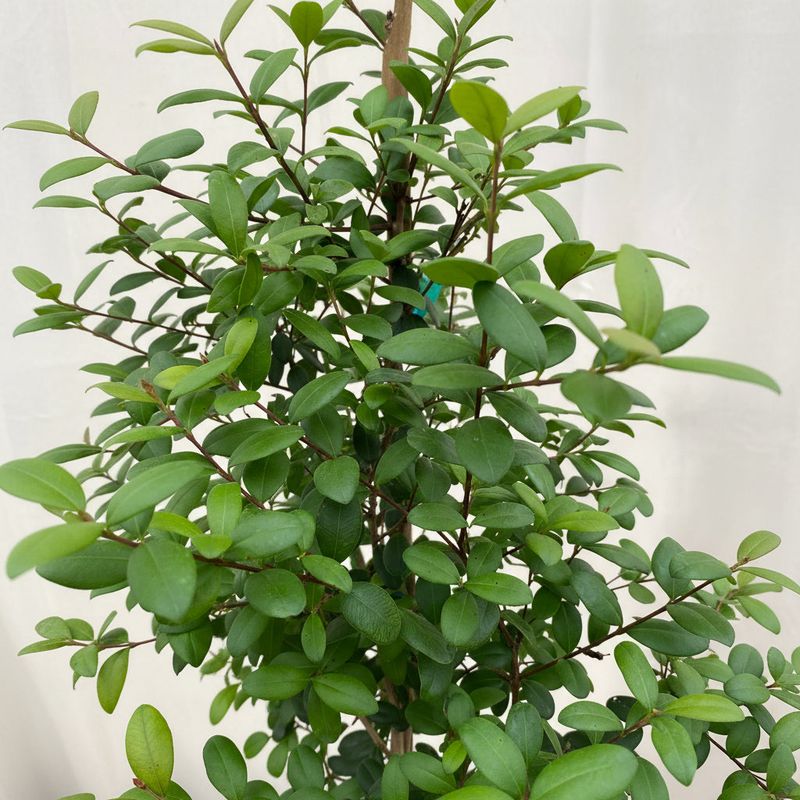
A hedge that feeds wildlife and still looks neighbor-friendly is hard to beat. Simpson’s stopper brings glossy leaves, fragrant white flowers, and colorful berries to Florida yards while creating the kind of edge habitat snakes often use for travel and hunting.
What makes this plant different from the others is its hedge potential. You can grow it as a screen, a loose border, or a small tree-like shrub, giving your yard vertical layers that attract pollinators, birds, insects, and the small creatures that follow them.
Black racers are fast, alert hunters that often move along edges rather than across wide open lawn. A Simpson’s stopper hedge beside a fence or property line can give them a shaded lane where they are less exposed while searching for mice, young rats, lizards, and frogs.
This native fits many Florida landscapes because it handles sun to part shade and is usually more storm-sensible than brittle, oversized exotics when kept properly pruned. It also brings a polished look, which helps wildlife gardening feel intentional instead of abandoned.
For best results, avoid shearing it into a tight green wall every few weeks. A slightly looser shape leaves flowers, berries, and small openings that make the hedge more valuable for backyard wildlife.
6. Fakahatchee Grass
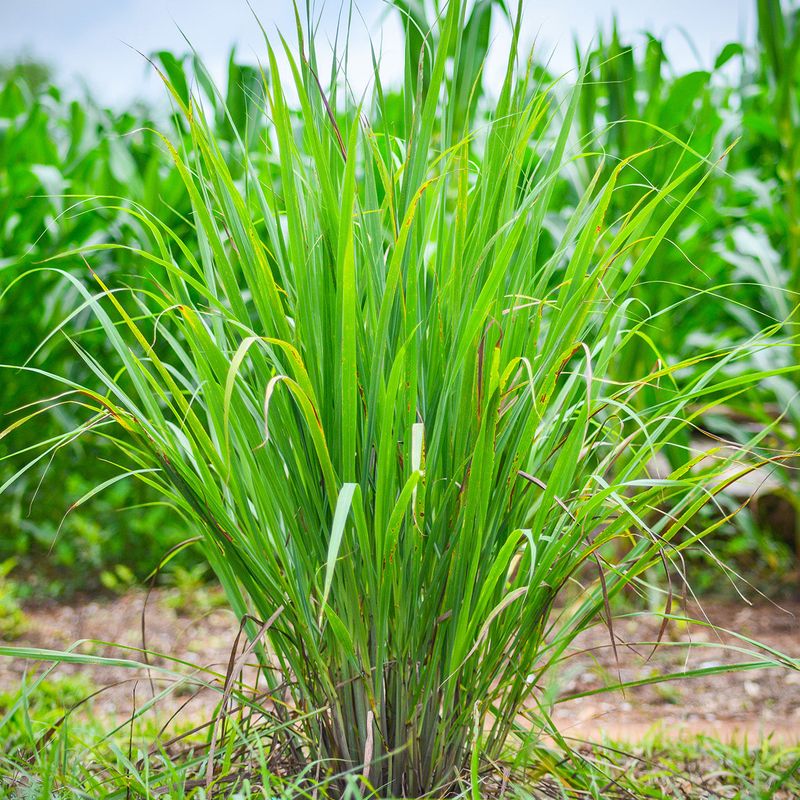
When a soggy corner keeps defeating your flower choices, Fakahatchee grass can turn the problem into habitat. Big, arching clumps give wet or seasonally damp areas a clean, native look while making sheltered ground paths for wildlife.
This grass stands out because it handles moisture better than many dry-site natives on the list. In swales, pond edges, low backyard spots, and rain garden borders, it can help soften runoff zones while supporting insects, frogs, and small animals that gather near water.
Snakes, including black racers and some water-loving species, often hunt around the edges of damp habitat because prey is active there. Frogs, small fish in nearby water, insects, and rodents that come to drink can all bring predators into the area naturally.
Fakahatchee grass grows larger than muhly, so place it with a plan. Use it at the back of a bed, near a drainage feature, or along a wide fence line rather than beside a narrow front walk where hidden wildlife could startle visitors.
Cut back old blades only when needed, and wear gloves because the edges can be sharp. Kept in the right scale, it offers a bold Florida-native look and a practical hunting zone for rodent-eating snakes.
7. Firebush
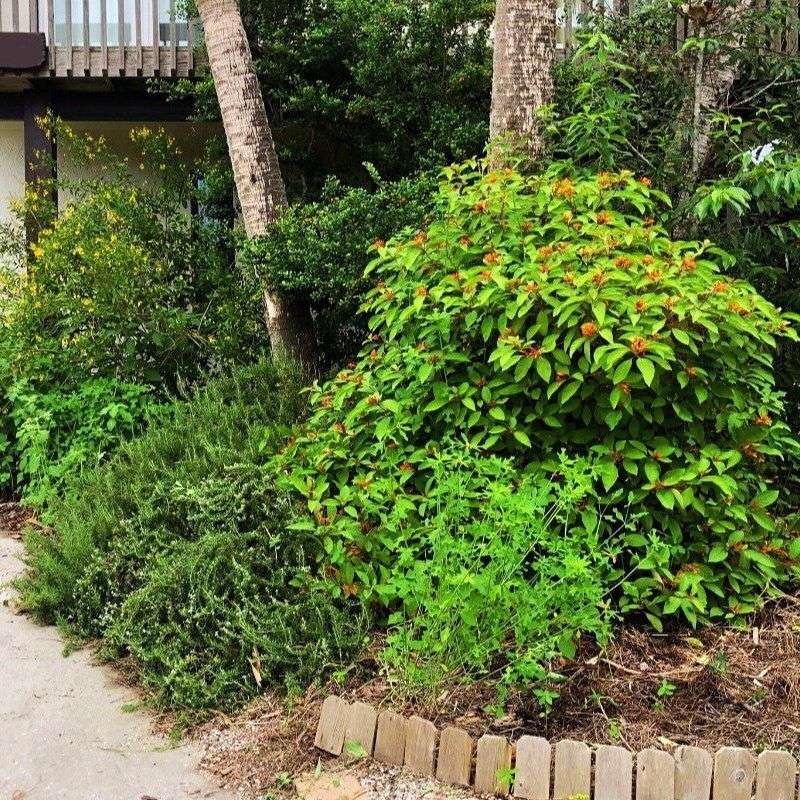
Firebush brings the yard to life fast, sometimes so fast that it feels like the whole garden found a heartbeat. Hummingbirds, butterflies, bees, and other insects work its red-orange flowers through much of the warm season, especially in sunny Florida beds.
Its role in a snake-friendly yard is all about energy. A flowering shrub that pulls in insects can support lizards, frogs, and small birds, and that busy food web gives black racers and other nonvenomous snakes more reasons to patrol the area.
Firebush also makes a useful mid-height shrub layer. It is not as low and protective as coontie or saw palmetto, but it helps connect ground plants to taller shrubs, giving wildlife a more complete corridor instead of isolated plant islands surrounded by hot turf.
In much of Florida, firebush is valued as a tough native for sun, heat, sandy soil, and low-maintenance color once established. It may grow large in warm areas, so prune it to fit the space and keep paths open.
Plant it where you want color near a patio, fence, or back border, then keep the base lightly mulched with leaves or pine straw. That simple choice cools the soil, feeds insects, and makes the shrub more useful for the small hunters that help keep rodents in check.