
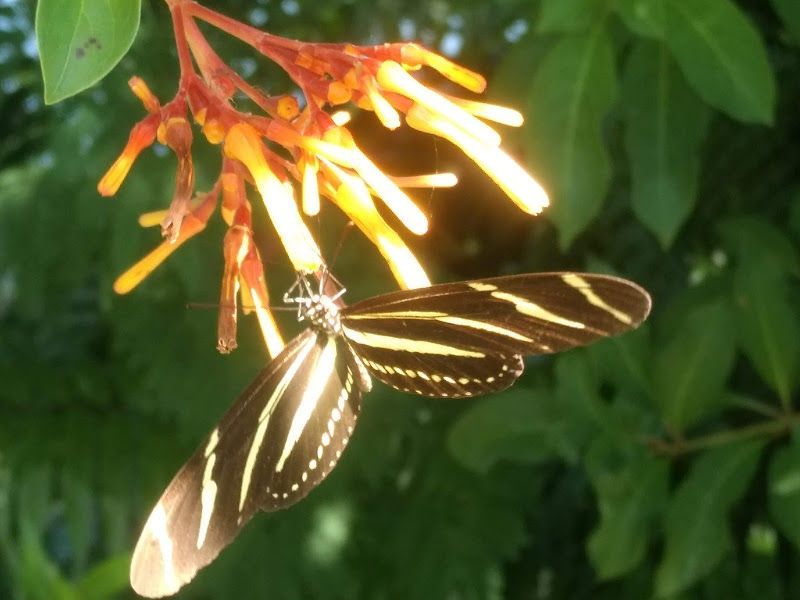
Zebra longwing butterflies can disappear from a yard when the right plants are missing. In Florida, they need more than bright flowers, because their caterpillars rely on native passionvines and the adults feed often on nectar and pollen.
The good news is that a few well-chosen native plants can turn a quiet fence, shady edge, or sunny bed back into a butterfly stop. Start with host plants, then add steady bloomers that fit Florida heat, sandy soil, and stormy weather.
1. Corkystem Passionflower
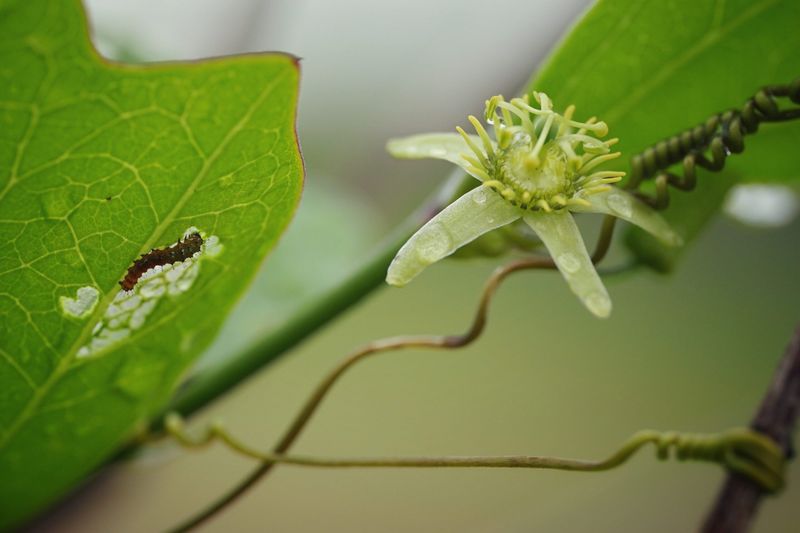
A plain-looking vine can do the biggest job in the whole butterfly garden. Corkystem passionflower is one of the key native host plants for zebra longwing caterpillars, which means it gives females a place to lay eggs and gives the young caterpillars the food they need to grow.
Unlike showier passionflowers, its flowers are small and easy to miss. That modest look is part of its charm, especially for gardeners who want a habitat plant that can weave through a fence, shrub edge, or natural corner without taking over the whole yard.
Florida yards with partial shade often suit it well, and it can handle the softer light found under trees or along a side yard. In sandy soil, help new plants settle in with regular water at first, then ease back once the vine is established.
Do not panic if leaves get chewed. For this plant, nibbled foliage is not failure, it is proof that the nursery is open for zebra longwings.
2. Maypop Passionflower
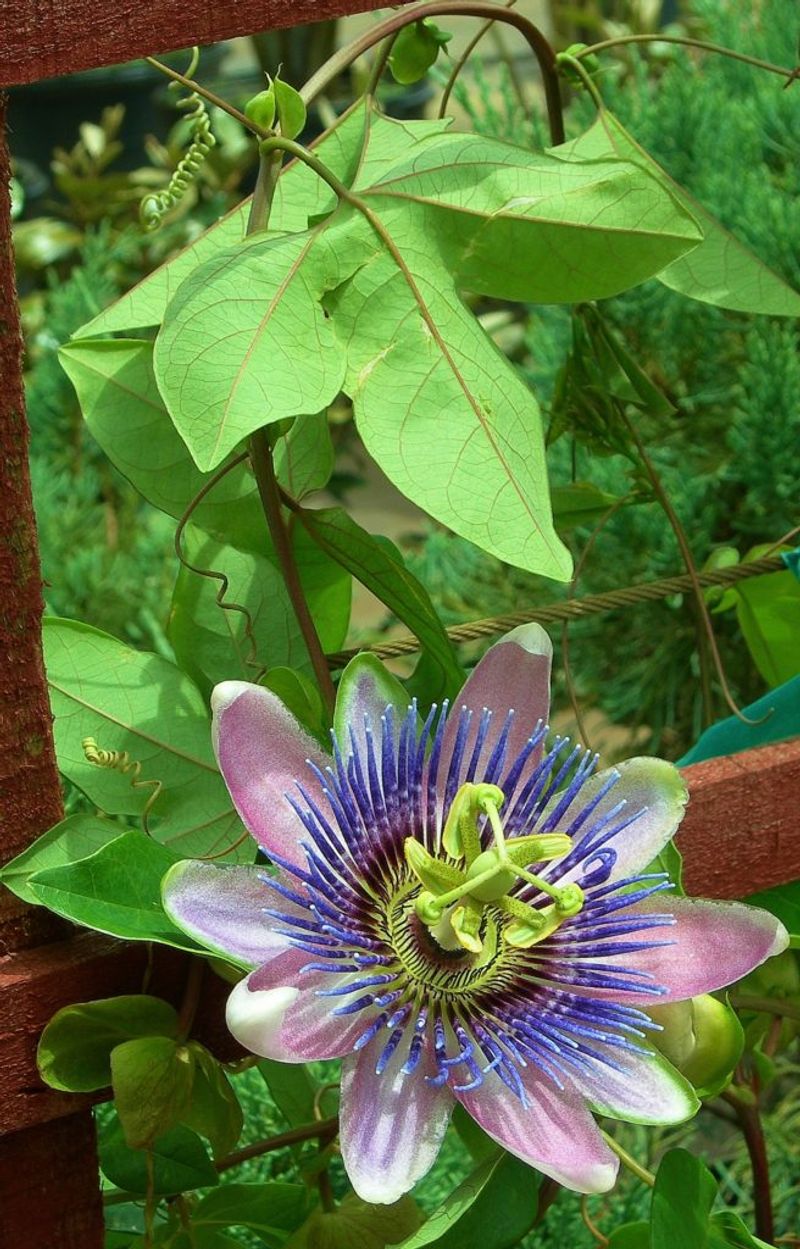
Few native vines look as dramatic as maypop when its purple, fringed flowers open like tiny garden fireworks. In a yard where zebra longwings have vanished, maypop offers both beauty for people and host-plant value for butterfly caterpillars.
Maypop generally likes more sun than corkystem passionflower, so it fits trellises, sunny fence lines, mailbox gardens, and open backyard beds. Give it something to climb, because the vine looks better and is easier to manage when it has a clear path upward.
Gardeners in North and Central Florida often have the easiest time with maypop, though success can vary by site. It may die back in cooler periods and return from the roots, which is normal and not a reason to pull it out too soon.
Because passionvines can spread, place maypop where a little wandering will not annoy you. A wildlife corner, back fence, or informal pollinator bed is often a better match than a tight, clipped front entry.
3. Pineland Lantana
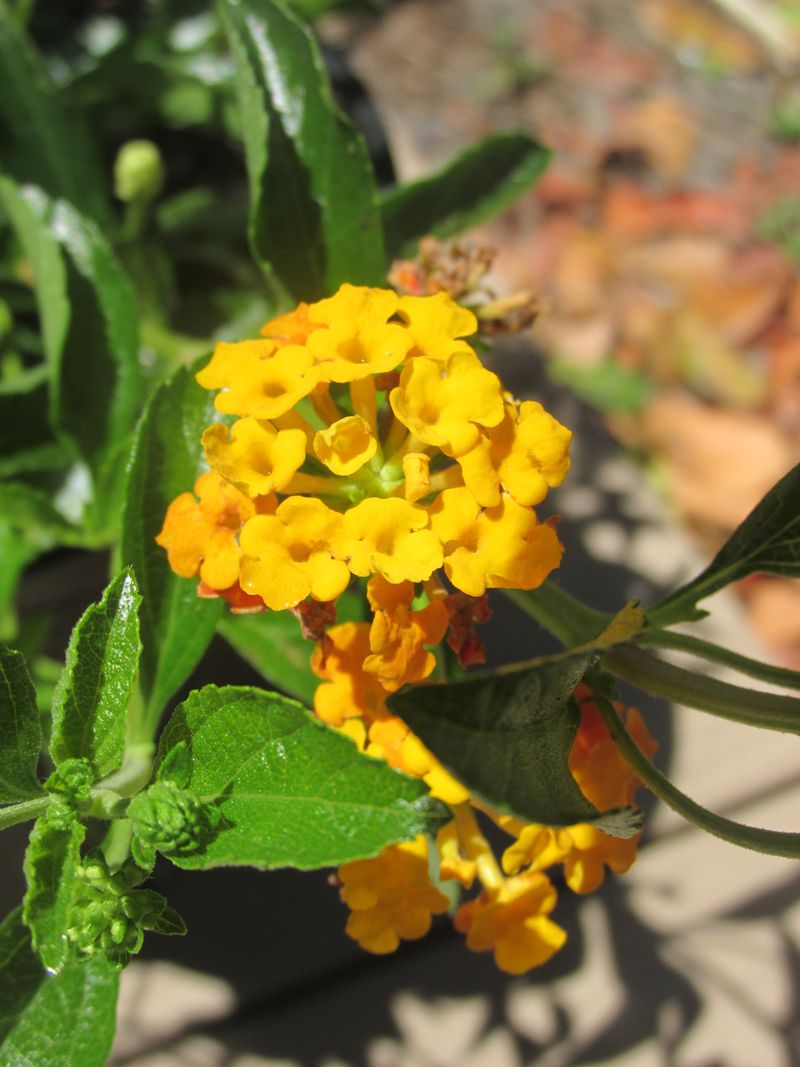
Bright yellow blooms make pineland lantana feel cheerful before a butterfly even shows up. Native pineland lantana can provide nectar for adult zebra longwings while giving sunny beds a low, relaxed shape that suits Florida landscapes.
Many gardeners know nonnative lantanas, but Florida native pineland lantana is the better fit for a native butterfly planting when you can find the true plant from a reputable nursery. Ask for the botanical name, Lantana depressa, because common names and nursery labels can be confusing.
Hot, bright spots are where this plant earns its keep. Once established, it is useful in sandy, fast-draining areas where thirstier flowers struggle, and it pairs well with muhly grass, coontie, and other low-maintenance Florida natives.
Use it near the front of a pollinator bed where you can watch butterflies feed at eye level from a porch or walkway. Light pruning can keep it tidy, but avoid overworking it, since a slightly natural form often supports more wildlife activity.
4. Firebush
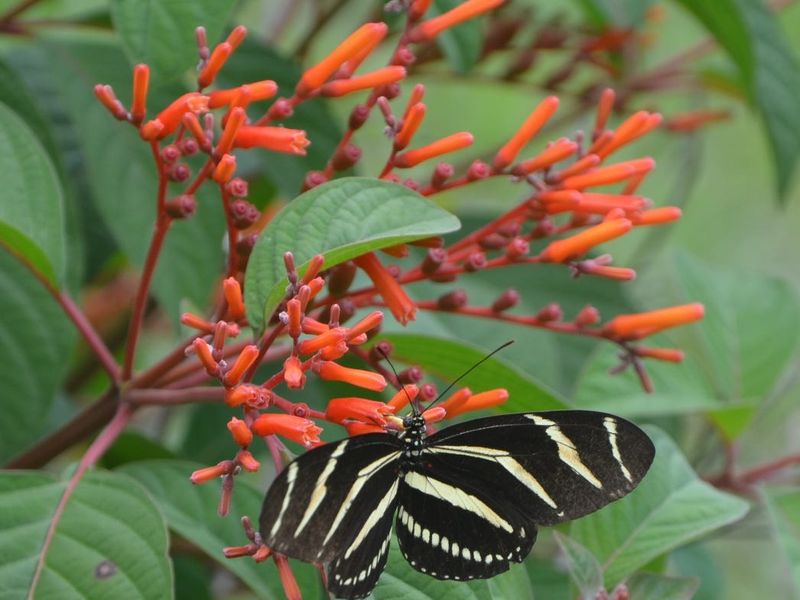
On a hot afternoon, firebush can look like the busiest snack bar in the yard. Its orange-red tubular flowers attract a wide mix of pollinators, and zebra longwings often visit for nectar when the shrub is blooming well.
Native firebush, Hamelia patens, is especially valuable because it brings height to the butterfly garden. Instead of keeping all nectar plants low, use firebush as a backdrop along a fence, near a patio corner, or beside a sunny privacy screen.
In warm parts of Florida, it may grow into a full, leafy shrub with a tropical feel. In cooler parts of the state, it can be cut back by cold and return during warm weather, so local conditions matter.
Firebush is also a practical pick for homeowners who want curb appeal with habitat value. Give it room, water it during establishment, and avoid heavy pesticide use nearby, because the whole point is to make visiting insects feel safe enough to return.
5. Spotted Beebalm
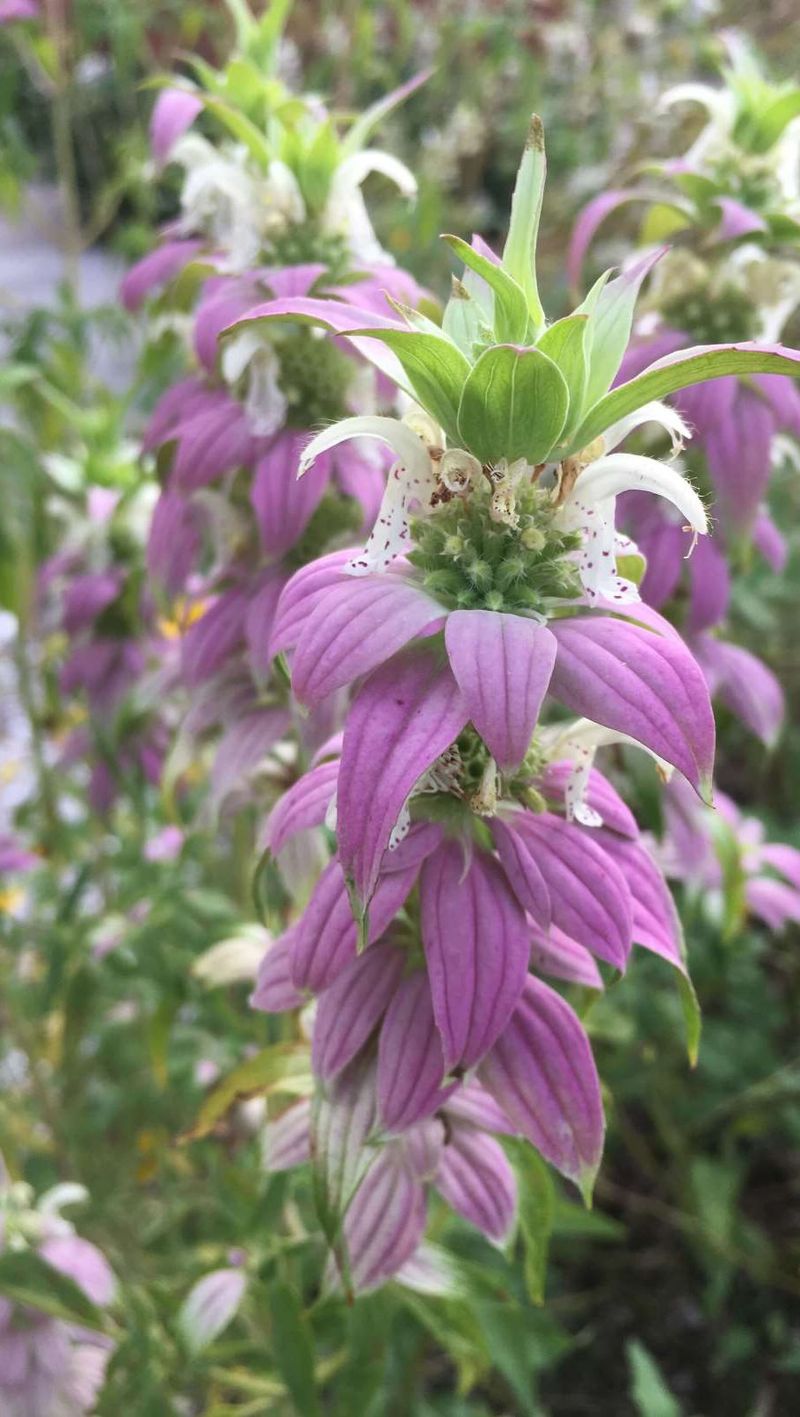
Spotted beebalm looks a little quirky, like a flower stacked in layers by an artist who refused to follow the rules. That unusual shape is exactly what makes it memorable in a Florida native bed, and its nectar can help draw adult butterflies into the garden.
Also called dotted horsemint, this native wildflower is a strong candidate for sunny, dry, sandy areas. It is not usually the neatest formal-border plant, but in a relaxed pollinator patch it brings texture, movement, and a wildflower look that feels right at home.
Zebra longwings are drawn to reliable nectar sources, and spotted beebalm helps fill that role alongside host vines. It also attracts bees and other beneficial insects, making the yard feel more alive without adding a lot of fuss.
Plant it where its slightly rangy habit will be an asset, not a problem. A sunny strip near a driveway, a back border, or a naturalized corner can let it shine while still keeping the front landscape clean and intentional.
6. Scarlet Sage
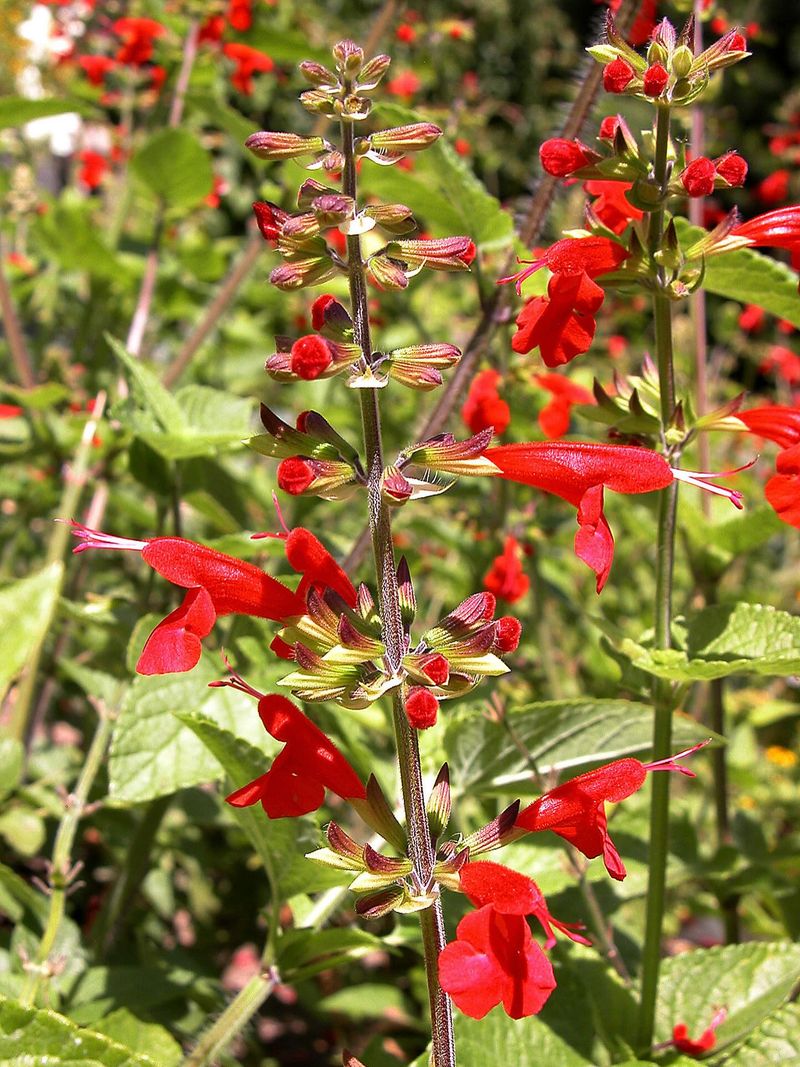
A few red flower spikes can make a tired bed look awake again. Scarlet sage is a Florida native wildflower that brings steady color, easy nectar access, and a soft cottage-garden feel to butterfly-friendly yards.
Although hummingbirds often get the attention around red tubular flowers, butterflies also visit scarlet sage for nectar. For zebra longwings, it works best as part of a layered planting with passionvine nearby, so adults can feed while caterpillars have the right leaves to eat.
Scarlet sage is flexible enough for many home landscapes. It can grow in sun to part shade, reseeds in friendly conditions, and often looks most natural when allowed to pop up in small drifts instead of being lined up like soldiers.
For Florida gardeners, that easygoing habit is a bonus. Mulch lightly, water new plants until established, and trim spent stems if the bed starts to look messy, but leave some seed if you want more plants next season.
7. Blue Mistflower
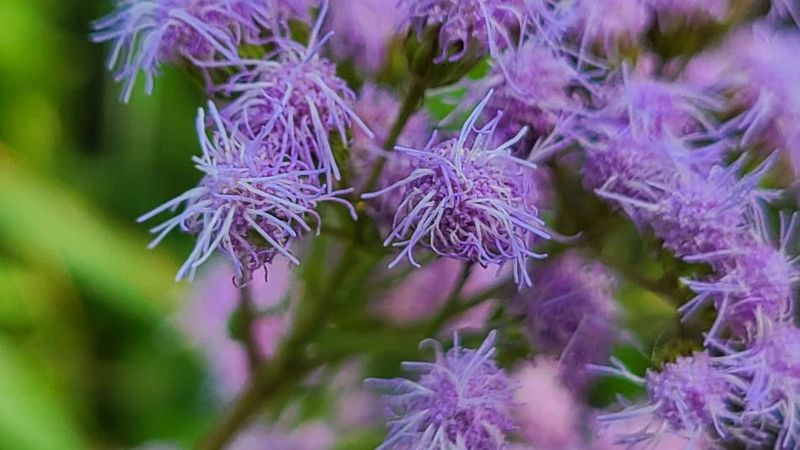
Late-season blue flowers have a way of stopping people on the garden path. Blue mistflower adds that cool color while giving adult zebra longwings another nectar source during times when a yard can start to look tired.
In Florida, this native perennial is a smart choice for spots that stay a bit moister than the average sandy bed. Think rain-garden edges, low areas that drain after storms, or partly shaded borders where thirsty annuals never seem worth the effort.
Blue mistflower can spread when happy, so it belongs where a colony is welcome. That spreading habit can be useful if you want to fill a bare patch with pollinator value instead of constantly replanting seasonal flowers.
Pair it with corkystem passionflower in a lightly shaded wildlife corner, or place it near firebush and scarlet sage for a longer buffet of blooms. A yard that offers host leaves plus nectar at different heights gives zebra longwings more reasons to stay instead of just passing through.