
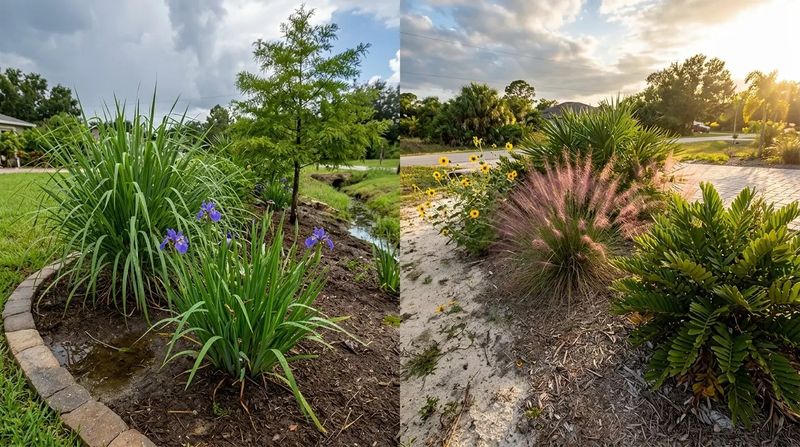
Some Florida yards look a little different from the clipped lawns many HOAs still expect. But native plants are not weeds just because they move, bloom, or feed wildlife.
Florida law protects Florida-Friendly Landscaping, which includes many native plants that save water, handle sandy soil, and support pollinators. Here are nine native plants that can make your yard better while giving your HOA much less room to push back.
1. Muhly Grass
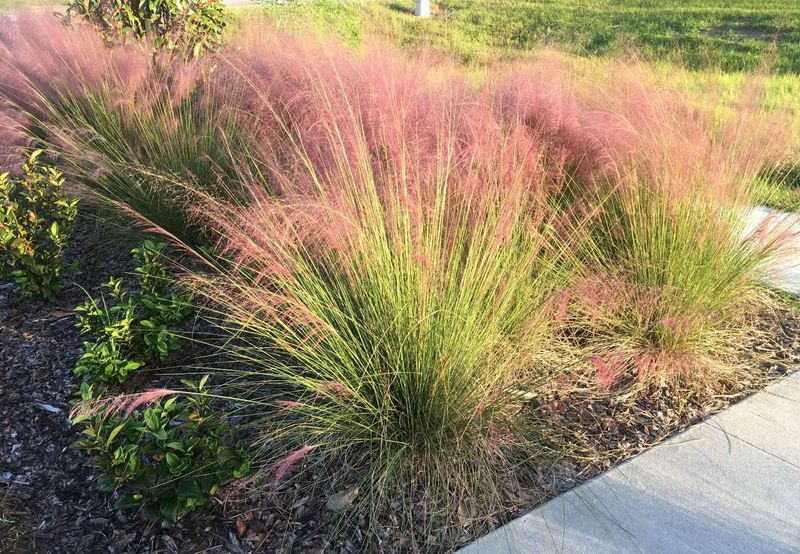
When muhly grass turns pink, even the strictest street can suddenly look softer. Its cloudlike plumes arrive in fall, right when many Florida yards are tired from months of heat, rain, and mowing.
HOAs sometimes complain because native grasses do not look like clipped foundation shrubs. But muhly grass is a widely used Florida native and fits well within Florida-Friendly Landscaping when planted with clear edges, proper spacing, and routine cleanup.
What makes it different is its polished look with very little fuss. It handles sun, sandy soil, and dry spells once established, so it can reduce irrigation without making the yard look abandoned.
Use it in groups of three, five, or seven near driveways, mailboxes, or front walks. Cut it back once a year in late winter before new growth appears, and keep the bed mulched so the planting reads as intentional, not messy.
If an HOA objects, your strongest position is a tidy design plan. Florida law does not usually let an association ban Florida-Friendly Landscaping outright, though it may require reasonable placement or maintenance standards.
2. Coontie
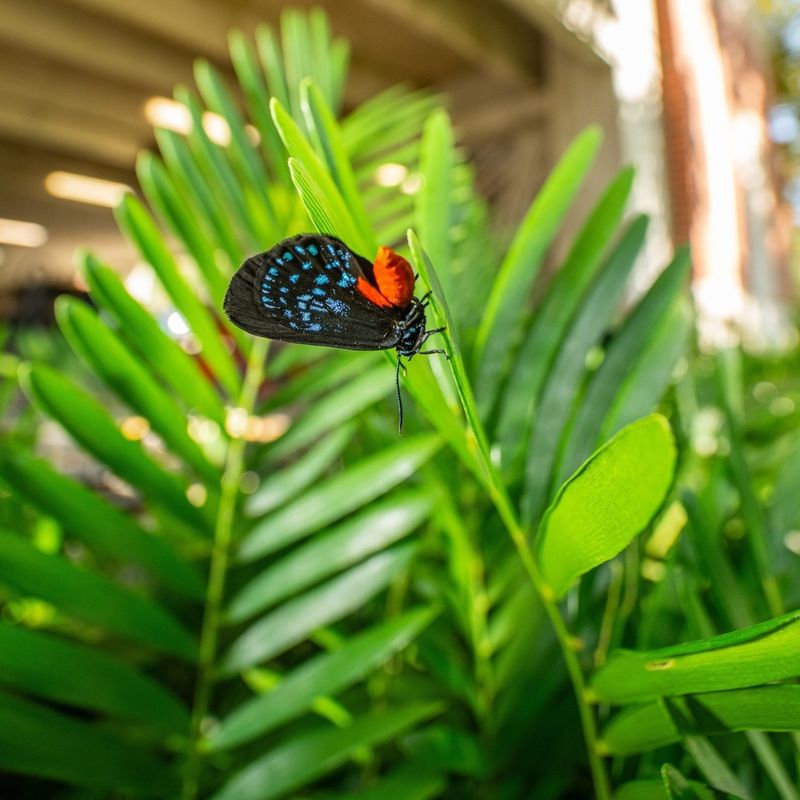
A little prehistoric charm goes a long way near a Florida front door. Coontie looks like a small palm or fern, but it is actually a cycad, and it has been part of Florida landscapes for ages.
Its big advantage is structure. While some native plants sprawl or reseed, coontie stays compact, evergreen, and clean, which makes it one of the easiest natives to defend in an HOA neighborhood.
Coontie also supports the rare Atala butterfly, whose caterpillars feed on the plant. That wildlife value can be a useful point when you are explaining that your yard is not neglected, it is designed for Florida conditions.
Plant it in sun to part shade, especially around porches, low windows, and entry beds. It tolerates sandy soil and needs little water once settled, but it dislikes soggy spots after heavy storms.
If your HOA tries to label coontie as improper, ask for the written rule and compare it with Florida-Friendly Landscaping principles. A blanket ban on a water-saving, native landscape choice is much harder to justify than a request to keep the bed neat.
3. Firebush
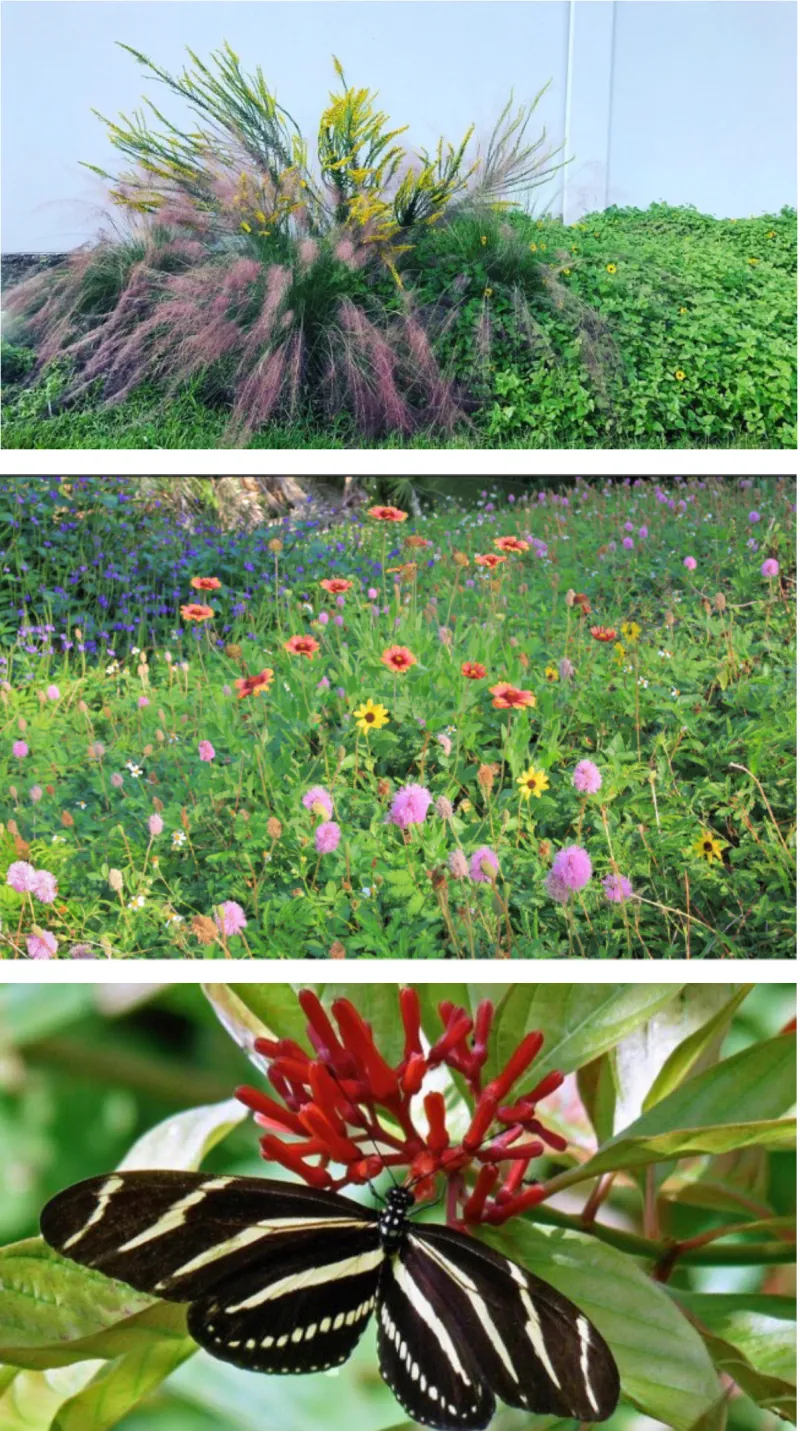
Hummingbirds do not wait for HOA approval, and firebush proves it. The orange-red blooms can turn a plain fence corner or sunny side yard into one of the busiest wildlife spots on the property.
Firebush earns its place because it brings color through long warm seasons without demanding pampering. In much of Florida, it grows quickly, blooms heavily, and bounces back after pruning.
Some associations dislike its loose, natural shape, especially when homeowners let it stretch too tall near sidewalks. The fix is not to remove it, but to manage it like a real shrub: give it room, prune after flushes of growth, and avoid squeezing it into tiny formal beds.
For a front yard, use firebush as a mid-size anchor near a driveway curve, along a sunny fence, or behind lower plants. In colder parts of North Florida, it may die back after freezes and return from the roots.
Because firebush can be part of a Florida-Friendly plan that supports pollinators and reduces water use, an HOA generally cannot reject it simply for being native or wildlife-friendly. Reasonable height and sightline rules, however, still matter.
4. Beautyberry
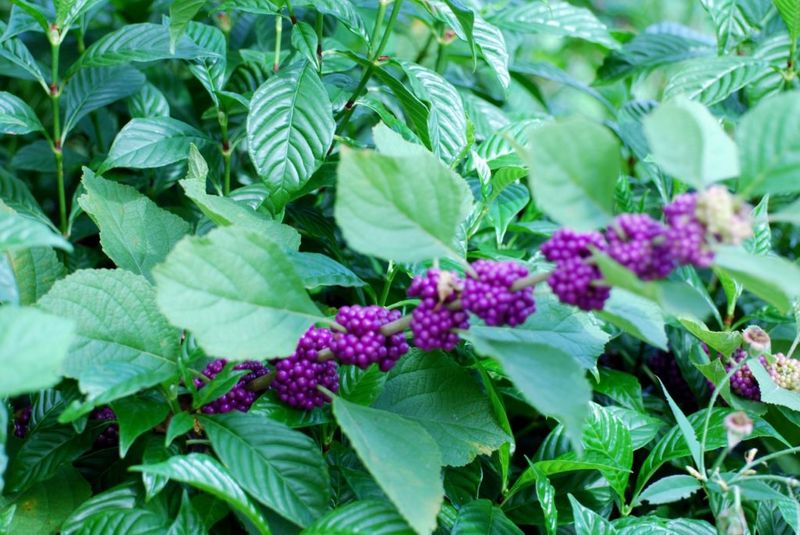
Purple berries in late summer can stop people mid-walk. Beautyberry has that effect, especially when its bright fruit circles the stems like little beads after the small spring flowers fade.
Many HOAs misunderstand beautyberry because it is deciduous and can look twiggy for part of the year. That does not make it a weed.
It is a Florida native shrub with real value for birds and low-maintenance landscapes.
Beautyberry belongs on this list because it solves a tricky problem: bright interest in part shade. Many colorful Florida plants want blazing sun, but beautyberry can work along woodland edges, fences, and side yards with filtered light.
To keep it neighborhood-ready, prune it in late winter before new growth starts. You can cut it back fairly hard to encourage fresh stems and a fuller shape, which also helps avoid the lanky look that often triggers complaints.
Plant it where the seasonal rhythm makes sense, not as a stiff hedge beside the front door. If questioned, explain that it is a planned native shrub that supports birds and fits water-conscious Florida landscaping, not volunteer brush left to grow wild.
5. Fakahatchee Grass
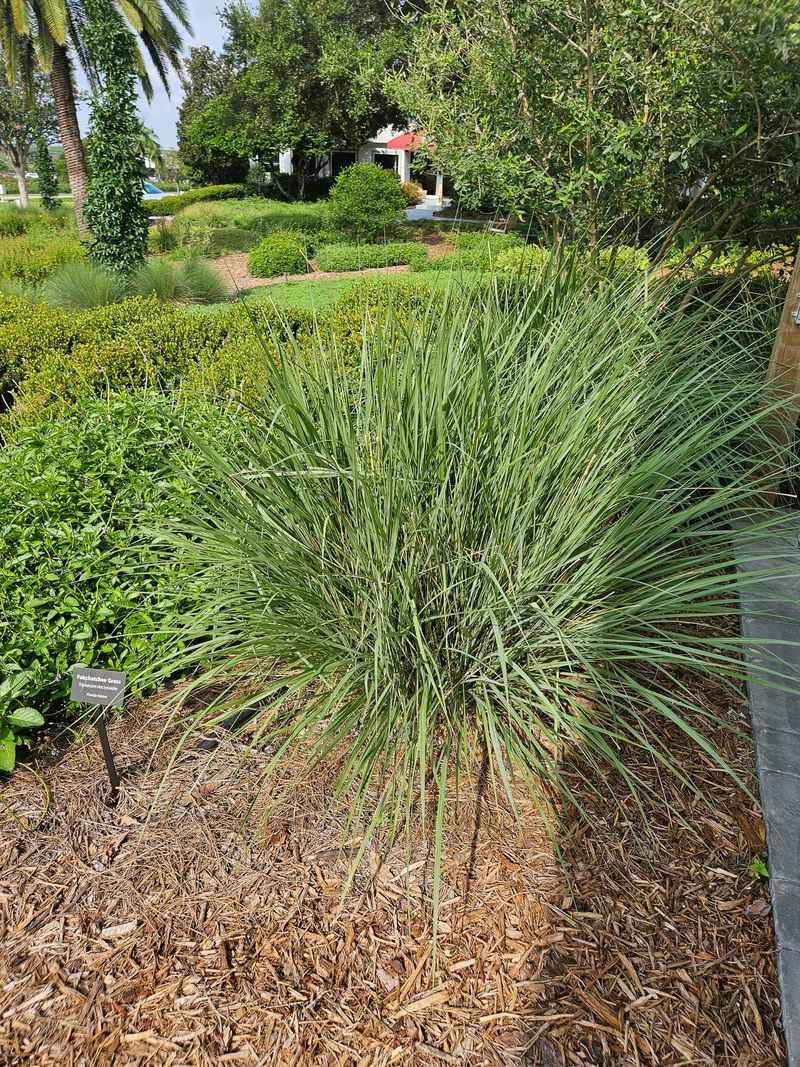
Stormwater spots need plants with stronger nerves than petunias. Fakahatchee grass is a bold native bunchgrass that can handle wet periods, heat, and the kind of rough weather Florida yards see during rainy season.
Its size is what makes it useful and what sometimes makes HOAs nervous. A mature clump can become a major landscape feature, so placement matters more than almost anything else.
Use Fakahatchee grass where you need mass, movement, and erosion control. It works near retention areas, along larger property lines, beside ponds, and in roomy beds where its arching blades will not block windows or sidewalks.
For smaller yards, dwarf Fakahatchee grass may be the better choice. It gives a similar native texture with a more manageable footprint, which can make HOA approval easier while still supporting a Florida-Friendly design.
Keep the planting intentional with a clean border and remove old leaves as needed. Since Florida-Friendly Landscaping encourages plants suited to site conditions, an HOA has a weak argument against a native grass used correctly in a wet or low-maintenance area.
6. Sunshine Mimosa
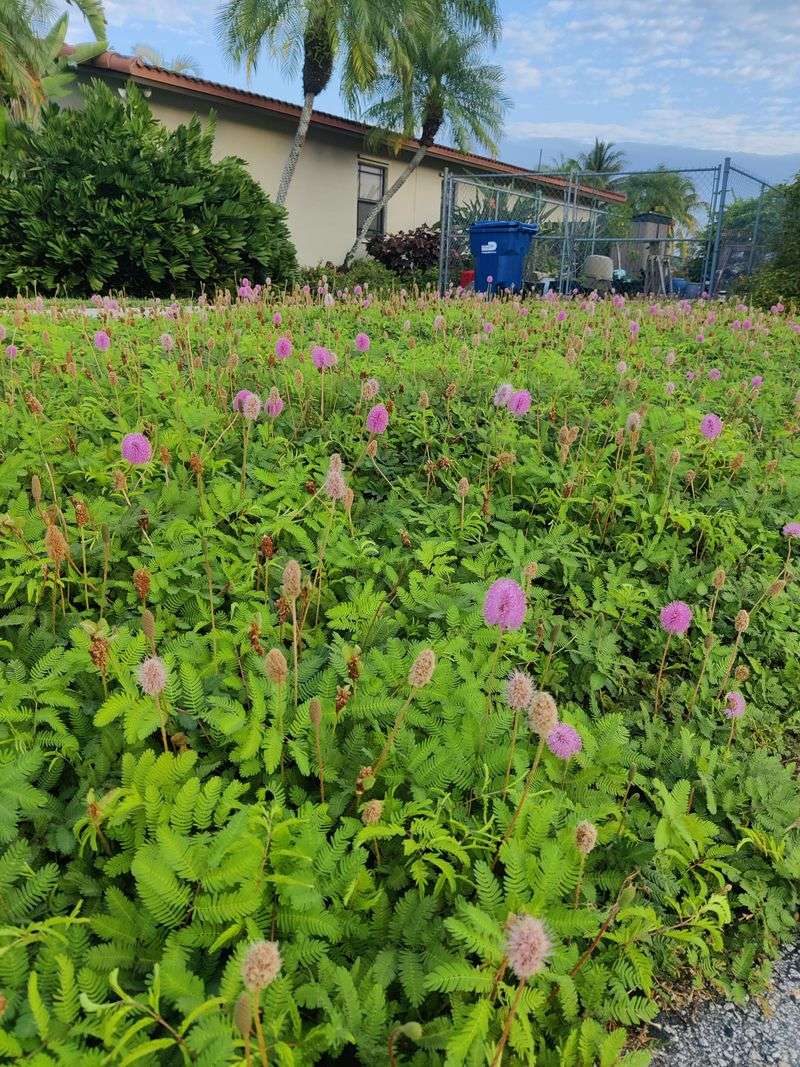
A lawn that blooms can make rule books twitch. Sunshine mimosa is a low-growing native groundcover with pink powderpuff flowers, and it can replace patches of thirsty turf in sunny Florida yards.
What sets it apart is its role as a lawn alternative. It stays low, spreads by runners, and can take some foot traffic, making it useful for strips, slopes, and awkward turf areas that dry out fast in sandy soil.
HOAs may object when they expect every front yard to be a single sheet of St. Augustinegrass. Florida law, however, supports Florida-Friendly Landscaping, and that can include turf reduction when the replacement is maintained and water-wise.
Sunshine mimosa looks best when used with boundaries. Edge it along sidewalks and driveways, keep it out of neighboring turf, and avoid planting it where a perfectly formal appearance is required year-round.
It is especially handy for homeowners tired of irrigating, fertilizing, and treating a struggling grass patch. Present it as a designed groundcover bed or lawn conversion area, not as a no-mow experiment, and your argument becomes much stronger.
7. Dune Sunflower
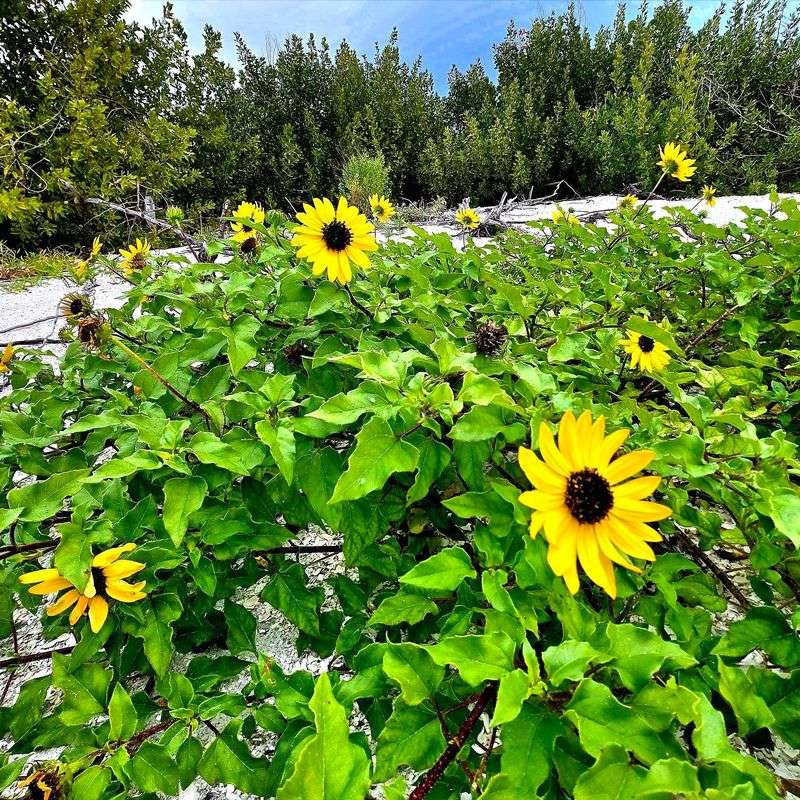
Beachside yards ask a lot from plants. Salt spray, sandy soil, wind, glare, and dry spells can punish ordinary bedding flowers, but dune sunflower keeps smiling through conditions that make many ornamentals quit.
Its special strength is cheerful coverage in harsh sites. The yellow flowers bring a casual coastal look, while the spreading habit helps cover open sandy ground where mulch washes or blows away.
Some HOAs see spreading plants and assume trouble. With dune sunflower, the answer is maintenance, not a ban.
Trim edges, remove tired stems, and keep it inside a defined bed so it looks like a planned coastal groundcover.
This plant is especially useful in coastal Florida and other sandy, hot neighborhoods where traditional turf struggles. It can support pollinators and reduce the need for irrigation, both of which line up with Florida-Friendly Landscaping goals.
Give dune sunflower full sun and room to move. If an association pushes back, point to its role as a site-appropriate native plant for sandy, salty conditions, while also showing that you will keep it from wandering into sidewalks, streets, or neighboring lots.
8. Saw Palmetto
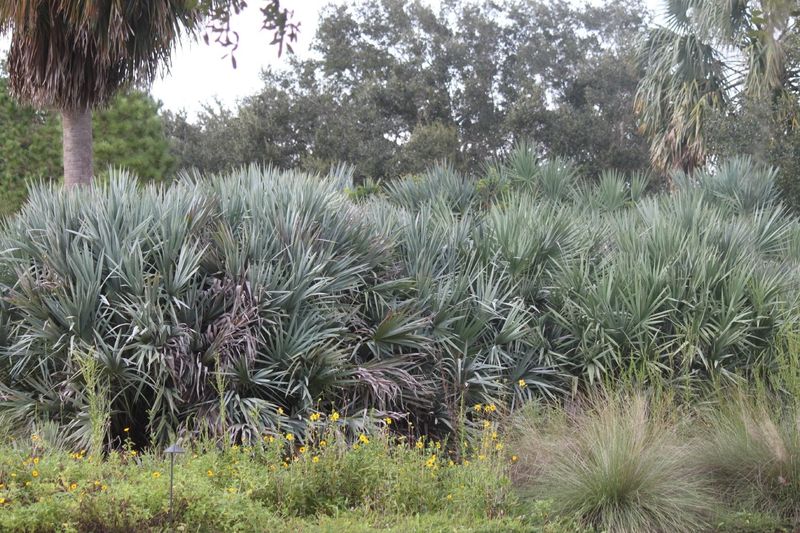
Few plants say Florida as clearly as saw palmetto. Its fan-shaped fronds bring a rugged, old-Florida look that feels right under live oaks, near pine flatwoods-style beds, or in wide sunny corners.
HOAs sometimes resist saw palmetto because it does not match the polished tropical look of imported palms. Yet it is a true native, drought-tolerant once established, and useful for wildlife, including birds that feed on its dark berries.
The reason it belongs here is durability. Saw palmetto can handle heat, poor sandy soil, and periods of neglect better than many showier landscape plants, which makes it a smart choice for low-input yards.
Placement is the key to keeping peace. Give it space away from walkways, driveways, and play areas because the leaf stems can be sharp.
Choose green or silver forms based on the look of your home and the brightness of the site.
A well-sited saw palmetto in a mulched bed is very different from an overgrown thicket. If your HOA objects, focus on the plant’s native status, low water needs, and planned placement while staying open to reasonable safety and clearance rules.
9. Coral Honeysuckle
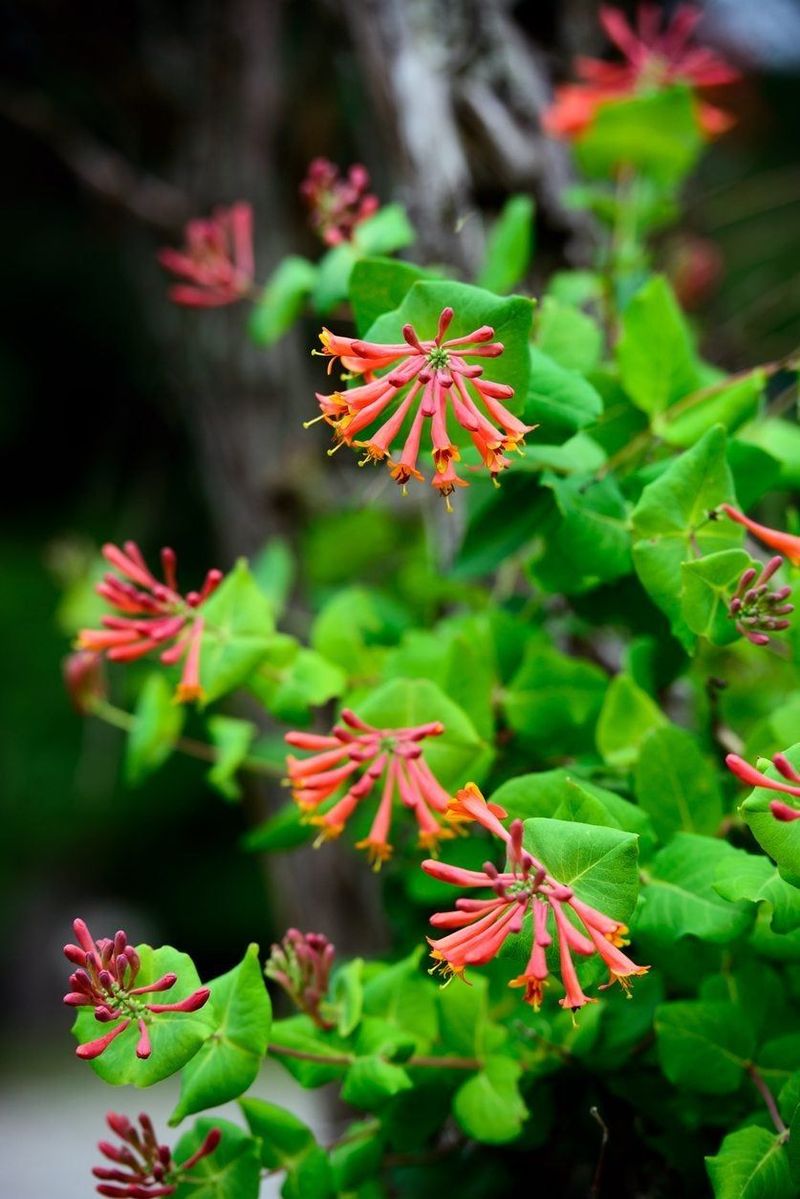
A plain trellis can become a hummingbird stop with the right vine. Coral honeysuckle offers red tubular flowers without the invasive behavior that gives some honeysuckles a bad name.
That distinction matters. Unlike troublesome nonnative vines, coral honeysuckle is native to Florida and can be trained neatly on a fence, arbor, mailbox post, or porch trellis.
Its main gift is vertical color. Many HOA landscapes focus only on shrubs and turf, but a controlled native vine can soften blank walls and add pollinator value without taking over the yard.
Give coral honeysuckle sun to part sun and a sturdy support. Prune wandering stems a few times a year, especially after heavy growth in the warm season, so it remains clearly managed.
If your association has broad rules against vines, ask whether the rule targets invasive or damaging plants. A maintained native vine on an approved structure may fit Florida-Friendly Landscaping principles, though the HOA can still regulate trellis size, placement, and upkeep.
For homeowners who want curb appeal plus wildlife activity, coral honeysuckle is a strong closing choice. It looks intentional, feeds hummingbirds and pollinators, and gives you a native alternative to aggressive vines that Florida gardeners are often warned to avoid.