
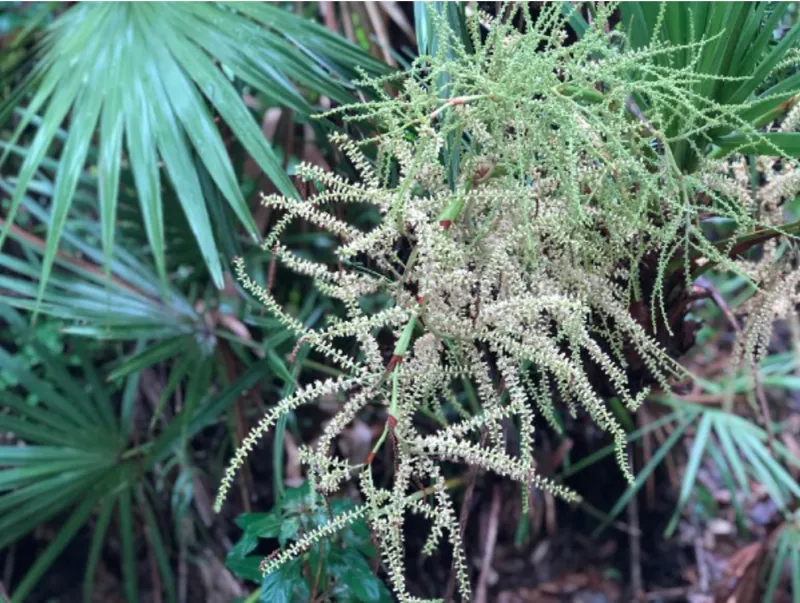
Florida yards can feel like open invitations for iguanas and mosquitoes, especially when the weather stays warm for months. The right native plants can make your space less welcoming to both, without turning your garden into a chemical zone.
Some work with scent, some with texture, and some by creating smarter, drier, more wildlife-friendly beds. Here are seven Florida natives that can help you build a prettier yard with fewer pest problems.
1. American Beautyberry
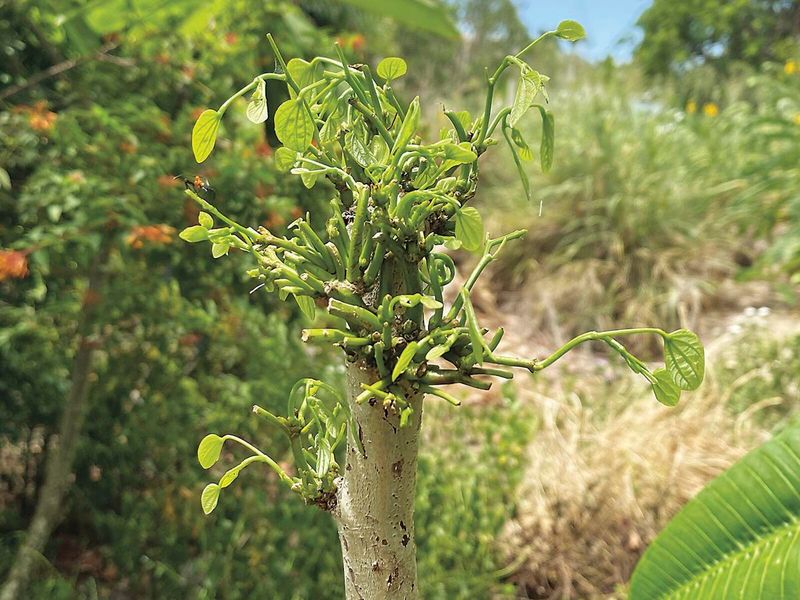
A shrub that looks like it belongs in a fairy tale can still pull its weight in a very practical Florida yard. American beautyberry is best known for its shiny purple berry clusters, but its leaves also contain natural compounds that researchers have studied for mosquito-repelling properties.
In the garden, the plant is most useful when placed near sitting areas, side-yard paths, or the edge of a patio bed. Crushing a few leaves releases a green, slightly spicy scent, though you should not expect the shrub alone to create a mosquito-free bubble.
Think of it as one helpful layer in a larger plan that also includes dumping standing water and keeping gutters clear.
For iguanas, beautyberry is not a magic fence, but it is usually not the kind of soft, leafy buffet they seek first. Its loose, twiggy form and wildlife value make it a better choice than many tender ornamentals that get chewed down fast.
Give it part sun to light shade and average, well-drained soil. Birds love the berries, so this plant adds pest-smart value while helping your yard feel more alive.
2. Wax Myrtle
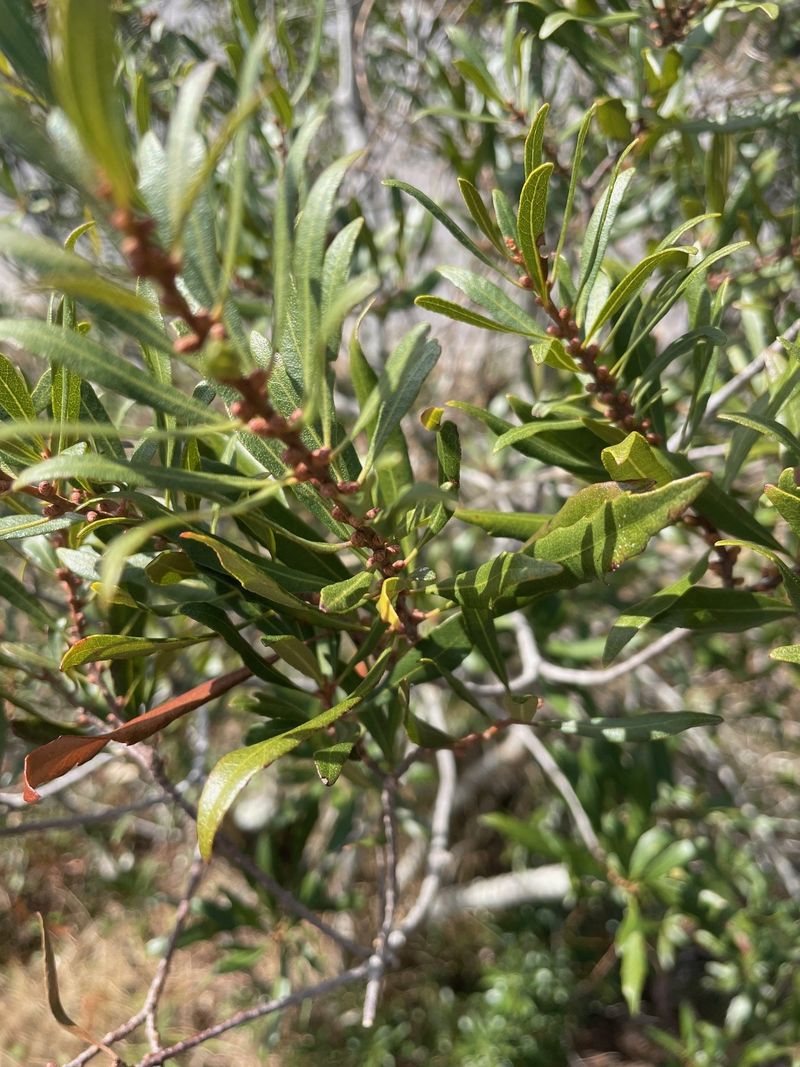
Walk past wax myrtle after a rain and you may catch that clean, resin-like smell rising from the leaves. That aromatic quality is one reason many Florida gardeners use it as a hardworking native screen instead of a plain fence-line shrub.
Wax myrtle can help make a yard less inviting to mosquitoes in two ways. First, its fragrant leaves contain natural oils that have a sharp scent when rubbed or brushed.
Second, when planted as a hedge in the right spot, it can replace messy, overwatered plantings where damp leaf litter and poor airflow often create mosquito-friendly corners.
Iguanas are also less likely to treat a mature wax myrtle hedge like a salad bar compared with softer tropical ornamentals. The foliage is leathery, aromatic, and dense, and the branching structure can help guide reptiles away from patios, pool cages, and vegetable beds.
Use wax myrtle along property lines, beside utility areas, or near outdoor rooms where you want privacy with a purpose. It tolerates sandy soil, salt spray, and periodic wet conditions better than many landscape shrubs.
Prune lightly rather than shearing it into a stiff wall, since a looser shape holds up better in Florida storms.
3. Coontie
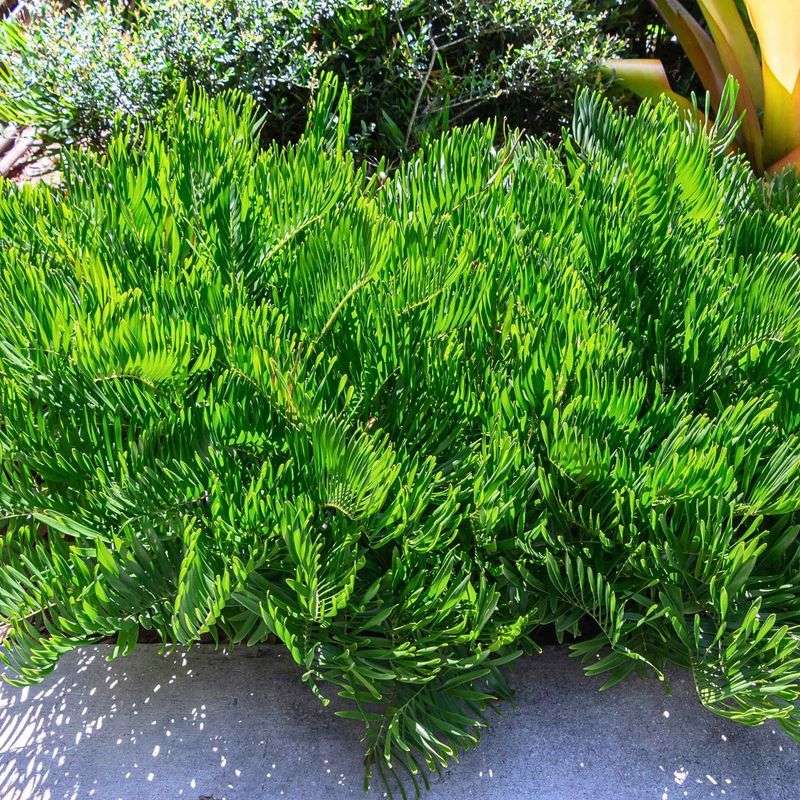
Coontie has an old-Florida look that feels calm and tidy, even when the rest of the yard is battling heat, sandy soil, and pests. Its stiff, fern-like leaves form low mounds that work beautifully around walkways, mailboxes, and foundation beds.
The big difference with coontie is its chemistry. As a native cycad, it contains toxins that make it unappealing and unsafe for many animals to eat.
Iguanas often go after tender hibiscus, leafy greens, and soft ornamentals, so swapping some of those high-interest plants for coontie can lower the snack value of your beds.
Coontie does not perfume the air like some mosquito-focused herbs, but it helps in a quieter way. It stays compact, does not need constant irrigation once established, and fits well in dry, mulched beds.
Drier beds with fewer soggy pockets are less helpful to mosquitoes than overwatered tropical plantings.
Another bonus: coontie is the host plant for the atala butterfly, a native insect success story in South Florida. Plant it in part shade to sun, avoid soggy soil, and give each plant room to widen.
It is a strong choice for gardeners who want structure without constant trimming.
4. Wild Lime
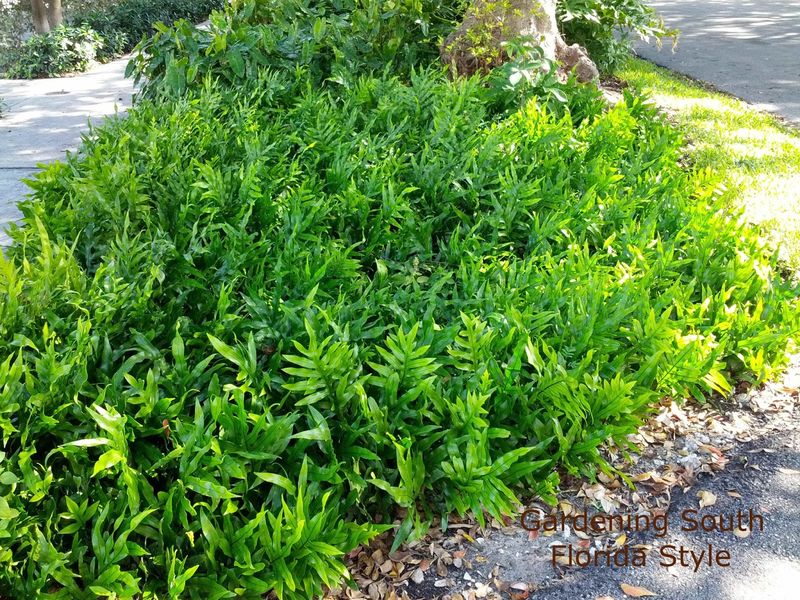
Not every pest-smart plant has to be soft and pretty. Wild lime brings a little attitude to the garden with thorny stems, glossy leaves, and a citrus-family background that gives it real backyard usefulness.
For iguanas, the thorns are the main point. A well-placed wild lime can discourage easy access through gaps in a hedge or along the back of a vegetable bed.
It is not meant to trap or harm wildlife, but it can make certain routes less comfortable for reptiles that prefer easy climbing and tender foliage.
Mosquitoes are not fond of dry, breezy, well-managed edges, and wild lime fits that kind of planting. Its small leaves and open branching can be worked into a native hedge without creating the wet, floppy mass that holds moisture too long.
When leaves are crushed, they carry a citrusy scent, though the plant should be viewed as a supporting tool rather than a stand-alone mosquito fix.
Wild lime also supports giant swallowtail butterflies, whose caterpillars use citrus-family plants as hosts. Place it where the thorns will not snag people, pets, or delivery drivers.
A back fence, wildlife corner, or layered border is a much better fit than a narrow front walk.
5. Simpson’s Stopper
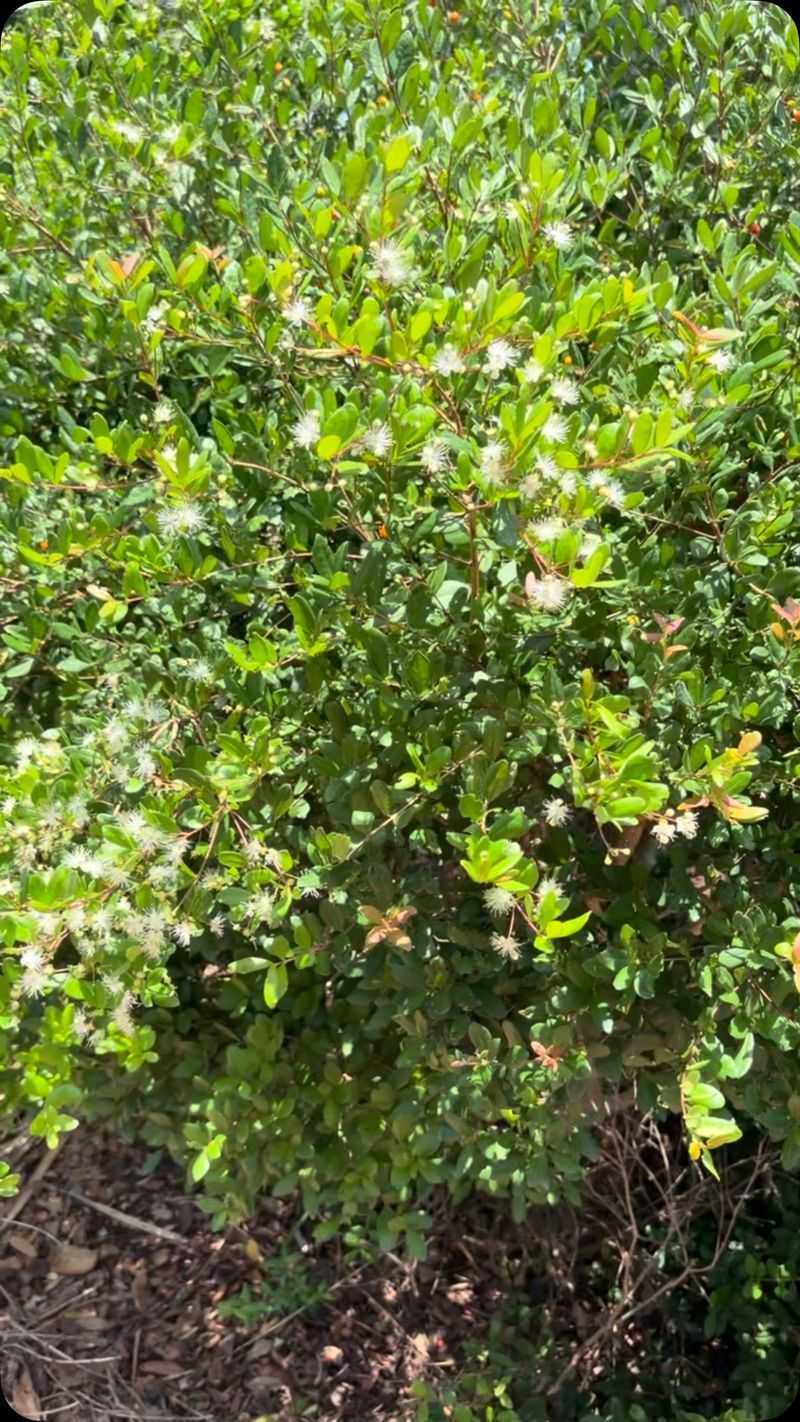
A neat hedge that feeds birds, flowers for pollinators, and smells pleasant when brushed is hard to beat. Simpson’s stopper is one of those Florida natives that looks polished enough for the front yard but still behaves like a wildlife plant.
The leaves have a spicy, citrus-like fragrance when crushed, which gives this shrub a useful edge near patios, gates, and porch steps. Mosquito control still depends on removing standing water, but aromatic plants near high-use areas can help make those spaces feel less attractive to biting insects, especially when combined with fans and clean drainage.
Iguanas tend to prefer lush, soft growth they can browse easily. Simpson’s stopper has smaller, firmer leaves and a woody structure that does not offer the same easy feast as many tropical ornamentals.
Used as a mixed hedge, it can help shift your yard away from the plants iguanas often target first.
Small white flowers bring in pollinators, and orange to red berries attract birds. It handles sun to part shade and can be clipped lightly for shape, though it looks best when allowed to keep some natural movement.
For Florida gardeners wanting curb appeal with pest-aware benefits, this one earns its space.
6. Southern Red Cedar
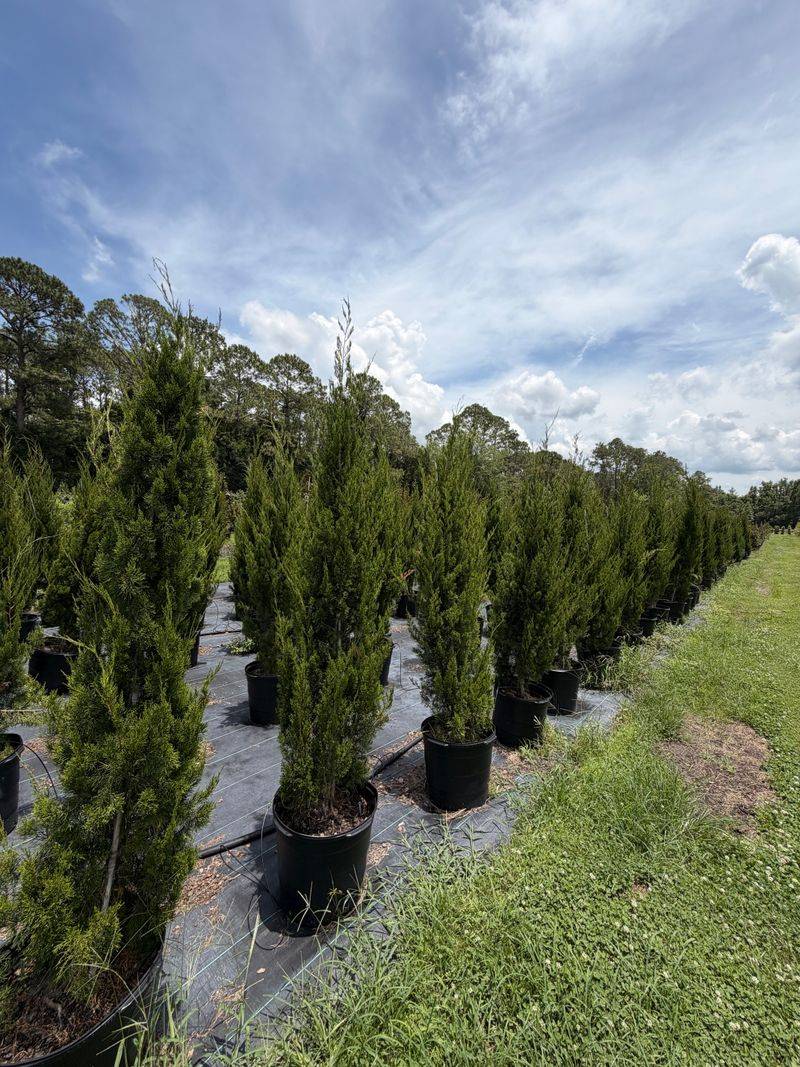
There is something steady and old-fashioned about a Southern red cedar screen. It looks rooted, wind-tough, and useful, which is exactly what many Florida yards need along a back line or exposed side yard.
The foliage is aromatic, with the sharp evergreen scent people often connect with cedar closets and natural pest resistance. While planting a cedar will not erase mosquitoes, the tree’s dry, resinous foliage is very different from the damp, broad-leaf clutter where mosquitoes often rest during the day.
Used with clean mulch and good spacing, it can help create a less muggy edge around outdoor living areas.
Iguanas may climb many trees, but Southern red cedar is not an ideal food plant for them. Its prickly-textured foliage and dense branching make it less appealing than fruit trees, hibiscus, or tender landscape shrubs.
As part of a boundary planting, it can also reduce easy movement into the yard from canals, alleys, or neighboring lots.
Plant it where it has room to grow, because this is not a tiny accent shrub. It is especially useful in coastal and sandy sites, and female trees can produce bluish berry-like cones that birds use for food.
Give it sun, avoid overwatering, and let its natural shape do most of the work.
7. Fakahatchee Grass
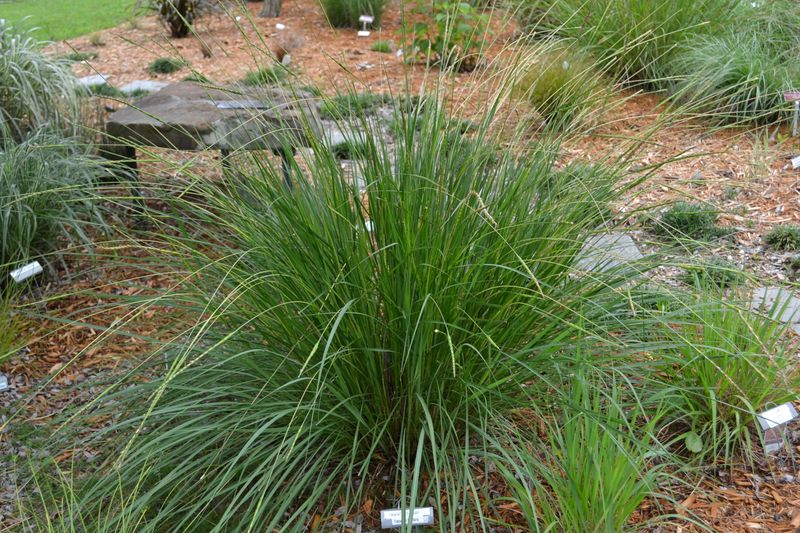
Big, fountain-like clumps of Fakahatchee grass can turn a flat Florida bed into something that looks designed on purpose. It brings movement, height, and a native feel without needing the pampering that many ornamental grasses demand.
Its role against iguanas is mostly about texture and access. Mature clumps are dense, strappy, and awkward to push through, so they can be used as a soft barrier near vulnerable plantings.
Around vegetable beds, pool equipment, or the base of a fence, that physical bulk can help slow easy reptile traffic without looking harsh.
For mosquitoes, Fakahatchee grass works best when used correctly. It can tolerate moist sites, but it should not be planted in a neglected soggy hole full of trapped water.
In a planned rain garden edge or drainage swale, it helps stabilize soil, take up moisture, and make wet areas look intentional instead of weedy.
Florida gardeners with sandy soil can use it in masses for a low-maintenance, storm-tolerant planting that still feels lush. Cut back tired foliage as needed, usually before fresh growth pushes hard.
Pair it with wax myrtle, coontie, or beautyberry for a layered native bed that is prettier and less pest-friendly than a patch of overwatered lawn.