
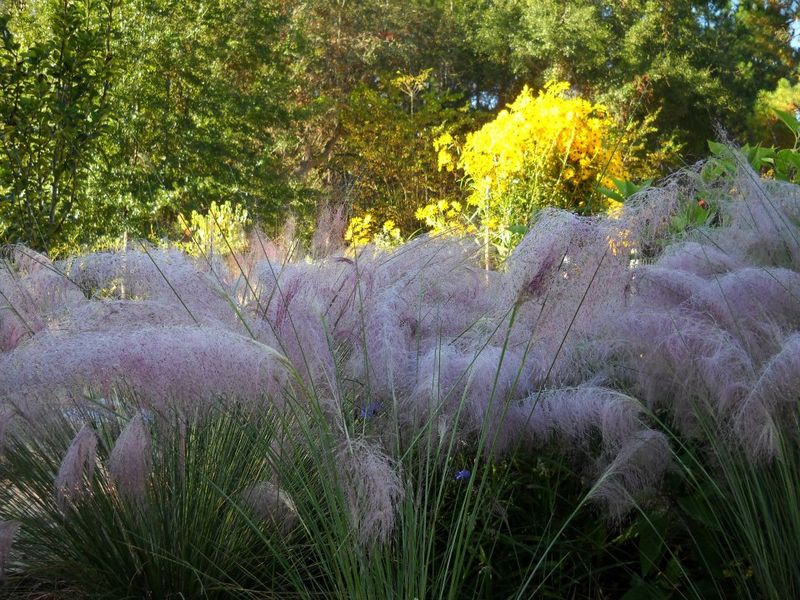
Fireflies need more than warm nights to glow in your yard. They need safe, damp, low-disturbance places to rest, hunt, and grow before summer arrives.
Fall is a smart time in Florida to plant native grasses because roots can settle in before the hardest heat returns. Pick the right grasses now, and next summer your yard can feel a little more alive after dark.
1. Muhly Grass
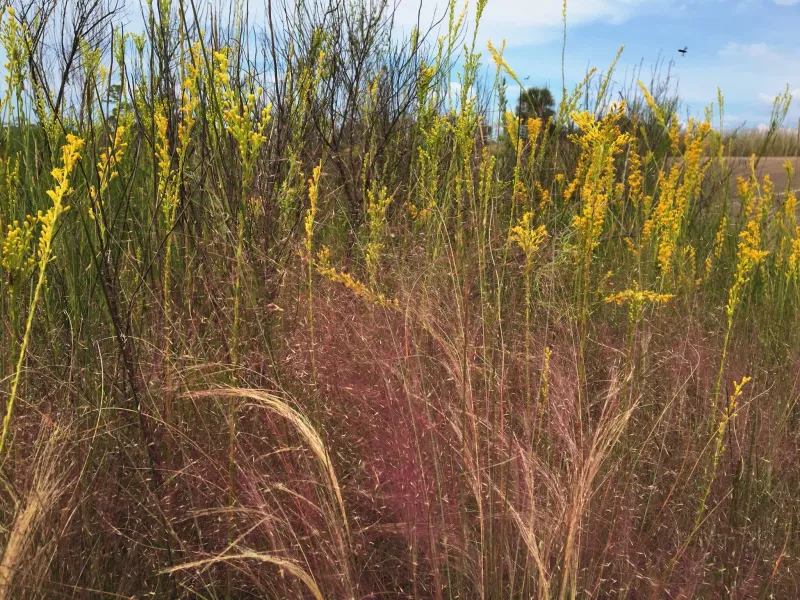
Clouds of pink blooms make muhly grass the showiest choice on this list, but its real value for firefly-friendly yards is at ground level. The fine blades form a soft clump where small insects can shelter, and that matters because firefly larvae feed on tiny prey such as snails, slugs, and other soft-bodied creatures in damp spots.
Muhly grass, often sold as pink muhly, fits Florida gardens because it handles sun, sandy soil, and dry spells once established. Plant it in fall along a back fence, driveway edge, or sunny island bed where you want beauty without constant trimming.
Give each plant room to spread so air can move through the clumps after heavy rain.
For fireflies, avoid cutting it to the ground too early. Leave the dried blades through winter if the planting still looks tidy enough, then trim lightly in late winter before spring growth starts.
That simple pause protects the kind of leaf litter and low cover many glowing beetles need before summer nights begin.
2. Fakahatchee Grass
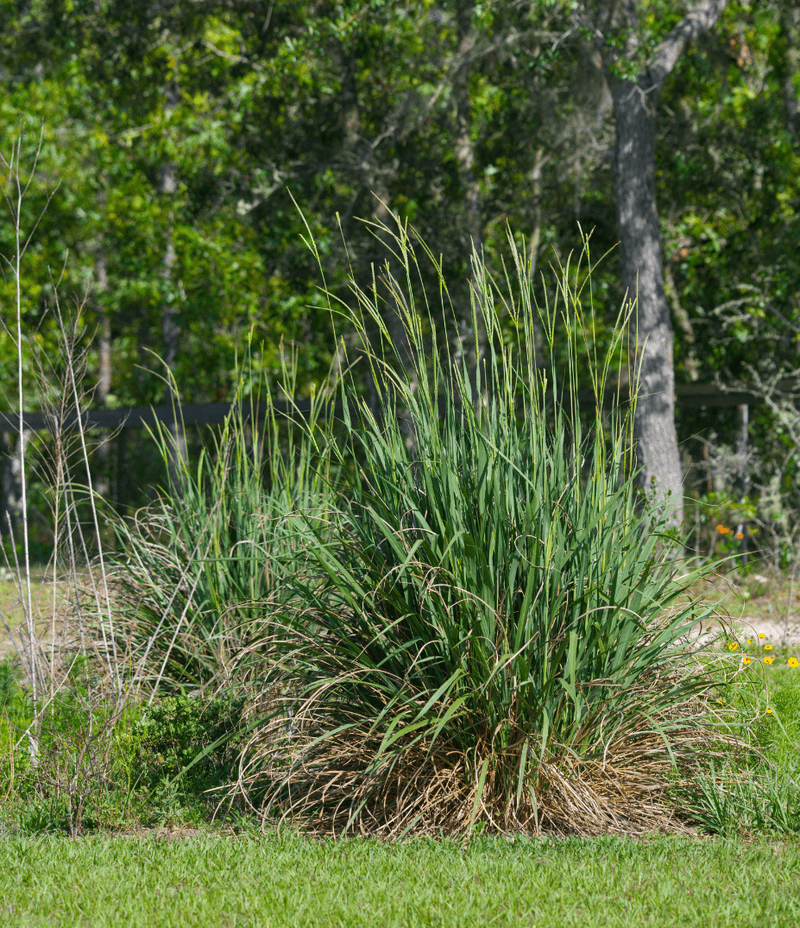
In a low spot that stays damp after afternoon rain, Fakahatchee grass can look like it was born to solve the problem. Big, fountain-shaped clumps bring structure to soggy corners while offering the cool, shaded base that backyard fireflies often lack in clipped lawns.
Florida gardeners use this native grasslike plant in rain gardens, pond edges, drainage swales, and wide foundation beds where smaller grasses disappear. It tolerates wet soil better than many ornamental grasses, which makes it especially useful in yards that flood briefly during storms.
In drier parts of the yard, water it during establishment and choose a spot with some moisture nearby.
The broad clumps also help you mow less. That is a quiet win for fireflies because frequent mowing removes shelter and dries the soil surface.
Plant Fakahatchee grass in groups of three or five for a lush look, then let fallen leaves collect lightly around the base instead of keeping the area bare.
One practical tip: place it where its mature size will not crowd a walkway. A happy clump can become bold and tropical-looking, which is wonderful in the right spot and annoying in a narrow path.
3. Elliott’s Lovegrass
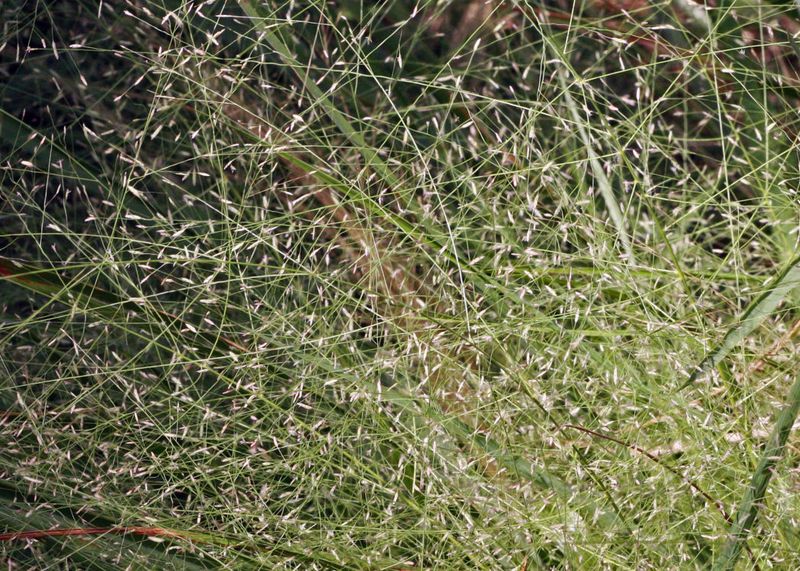
A breeze can turn Elliott’s lovegrass into a moving silver haze, which is a nice upgrade from flat turf. Its loose, airy habit gives a planting a meadow feeling without demanding the rich soil that many garden plants expect.
For Florida yards, Elliott’s lovegrass is especially useful in sunny, sandy areas where irrigation is limited. It can handle dry conditions once rooted, so it suits mailbox beds, septic-safe meadow patches, and the edges of naturalized lawn replacements.
Fall planting gives it time to build roots before the long warm season pushes new top growth.
Fireflies benefit when yards include layers instead of a single short lawn surface. Elliott’s lovegrass creates thin cover that small insects can move through, and the open clumps combine well with low wildflowers that support the broader food web.
Think of it as a soft screen rather than a dense wall.
Keep maintenance simple. Cut back old growth in late winter, not every few weeks, and skip pesticides in the surrounding bed.
If you want a tidy look, repeat clumps in a pattern rather than scattering one plant here and there.
4. Lopsided Indiangrass
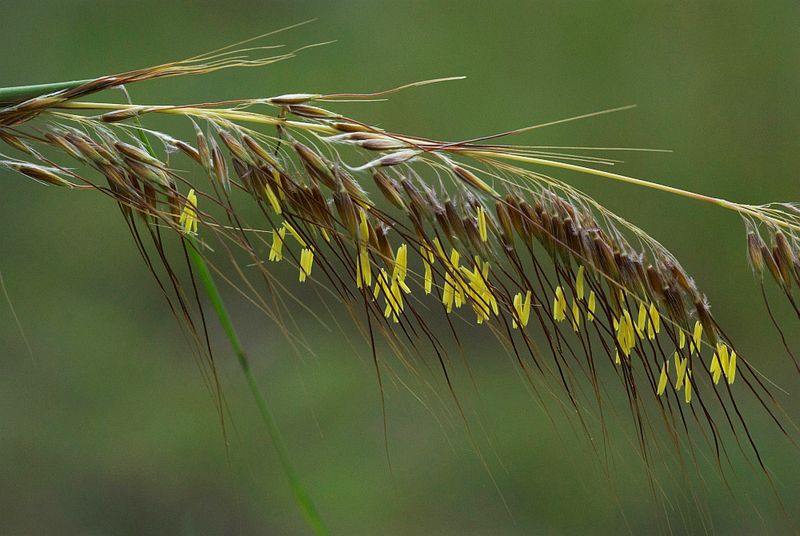
The name sounds a little funny, but lopsided Indiangrass earns its place with graceful golden seed heads that lean like tiny flags. In a Florida yard that needs height without a hedge, it brings a wild, prairie-like look that pairs beautifully with native flowers.
This grass is a strong pick for sunny upland areas, especially where soil is sandy and fast draining. It is better for the back of a bed, a meadow strip, or a natural border than for tight formal spaces.
Plant it in fall so young roots can settle during cooler weather and seasonal rains.
Fireflies do not simply appear because one grass is planted, but taller native grasses help rebuild the kind of yard texture they need. Lopsided Indiangrass slows wind near the soil, catches fallen leaves, and makes a less exposed edge between open lawn and shrubs.
That edge zone can support more small prey and safer resting places.
Use it where you can enjoy movement. The seed heads shine in low sun, and birds may inspect them later in the season.
Leave the stems standing until late winter if possible, because a too-clean fall cleanup removes much of the habitat you are trying to create.
5. Splitbeard Bluestem
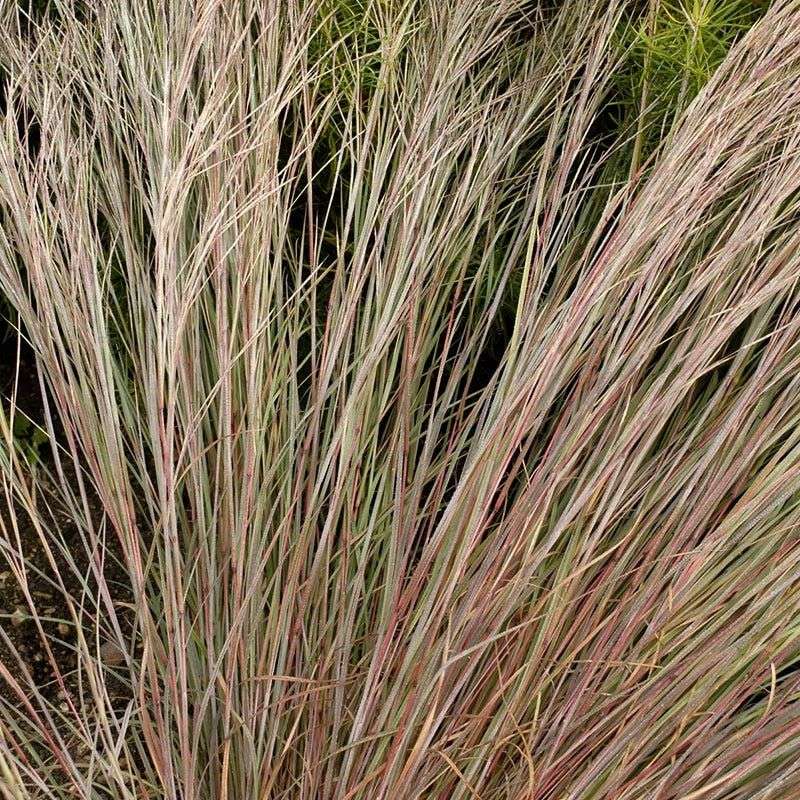
Fluffy seed heads give splitbeard bluestem a slightly wild personality, almost like the grass forgot to comb its hair. That informal look is exactly why it works well in natural Florida plantings, especially where a polished ornamental bed would feel out of place.
Splitbeard bluestem is a native warm-season grass suited to dry, sunny sites. It can help soften the transition from lawn to piney woods, oak edges, or a backyard habitat strip.
In sandy soil, water new plants until they are established, then let them toughen up rather than feeding them heavily.
For firefly recovery, the biggest advantage is the way this grass supports a less sterile yard. Its clumps trap small bits of organic matter, and that helps keep the ground from becoming bare, hot, and lifeless.
Firefly larvae need moisture and prey, so a bed with grasses, leaves, and no broad-spectrum insecticide is far more promising than clipped turf alone.
Design-wise, splitbeard bluestem looks best in a relaxed planting with other natives. Mix it with dotted horsemint, blanketflower, or narrowleaf sunflower for a Florida meadow effect.
If a neighbor prefers tidy lines, create a clean mowed edge around the bed so the natural center looks intentional.
6. Wiregrass
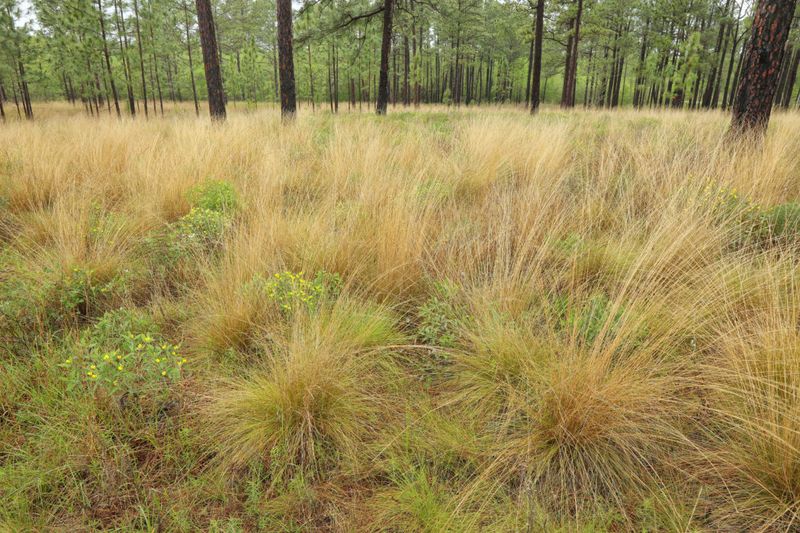
Few plants say old Florida like wiregrass beneath pines. Its fine blades may look simple, but this native ground-layer grass is part of the plant community that once covered huge stretches of the Southeast.
In a home yard, wiregrass makes the most sense for gardeners who want a pine flatwoods look rather than a lush cottage border. It likes sunny, well-drained sandy soil and looks natural under longleaf pine, slash pine, or open areas with palmetto and native wildflowers.
Fall is a useful planting window because the soil is still warm while the worst summer stress has passed.
Wiregrass helps firefly-friendly design by replacing bare, raked ground with living cover. The clumps are not flashy, but they create a fine-textured refuge where moisture can linger longer than it would on exposed sand.
Add a light layer of pine needles and avoid nighttime landscape lighting nearby to improve the odds for summer flashes.
A small history bit makes this grass even more interesting: wiregrass is closely tied to fire-maintained ecosystems. Home gardeners should not try to copy wildland fire practices on their own, but they can respect the plant by giving it sun, lean soil, and room to look natural.
7. Gulf Muhly
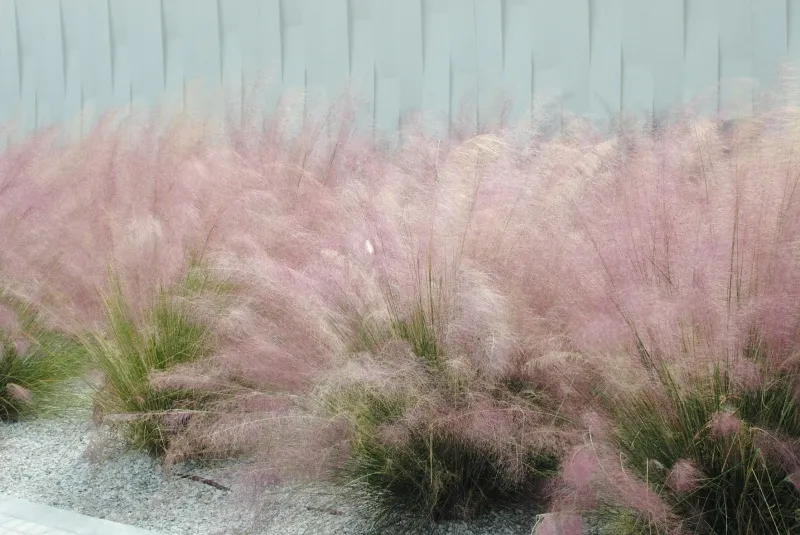
Salt air can make plant shopping frustrating, but Gulf muhly gives coastal gardeners a native grass with color and stamina. Its airy fall plumes bring the same dreamy effect people love in muhly plantings, with good usefulness for sandy, breezy sites.
Choose Gulf muhly for sunny coastal yards, island beds, poolside edges set away from heavy splash, or driveway strips where reflected heat is part of the job. It prefers well-drained soil and does not want to sit in a soggy hole.
If your yard is near the beach, ask a Florida native nursery for locally appropriate muhly selections.
Fireflies are often less common in exposed, brightly lit coastal neighborhoods, but habitat pockets still matter. Gulf muhly adds low cover without becoming a thirsty, high-maintenance feature.
Pair it with reduced outdoor lighting, damp leaf-litter areas away from the house, and pesticide-free planting beds to make the whole yard more welcoming.
For the best show, plant several clumps together instead of one lonely specimen. The group catches light beautifully in fall and still provides structure after the plumes fade.
Trim in late winter, then let fresh growth return with spring warmth.
8. Sand Cordgrass
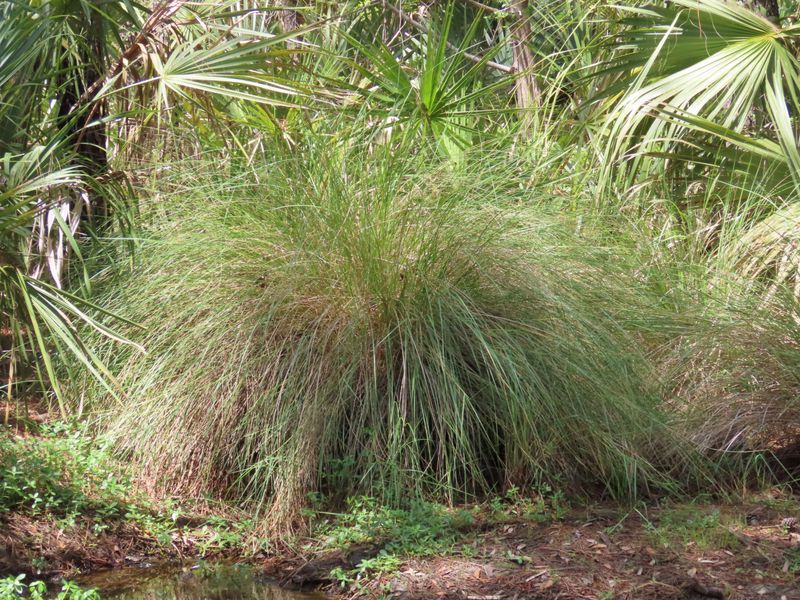
When a yard has a stormwater dip that is too wet for regular turf and too visible to ignore, sand cordgrass can be the workhorse. It has a bold, upright shape that makes drainage areas look planted on purpose instead of forgotten.
Sand cordgrass is useful in Florida landscapes where soil moisture swings from wet after storms to dry between rains. It can fit along pond margins, roadside ditches, broad swales, or the back edge of a wildlife garden.
Give it space, because this is not a tiny accent grass for a narrow porch bed.
For fireflies, moisture is one of the big pieces of the puzzle. Many firefly larvae develop close to the ground and need places that do not bake dry every afternoon.
A planted swale with native grass, leaf litter, and no insecticide can support more life than a scalped ditch that gets mowed to the soil.
Use sand cordgrass where its size is an asset. In a larger yard, it can screen a utility area, frame a pond view, or anchor a natural border.
If you are working near water or wetlands, choose nursery-grown plants and follow local rules so your habitat project stays responsible.