
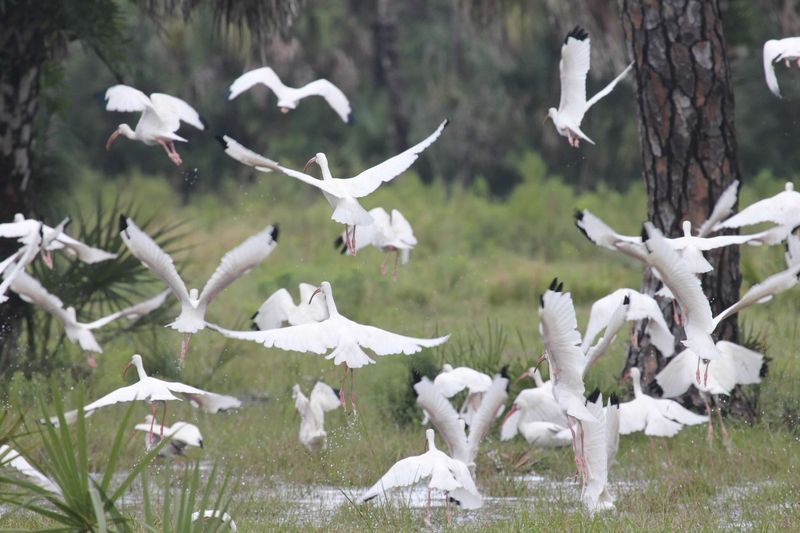
White ibis are famous for marching across Florida lawns with their curved red bills, poking for grubs, beetle larvae, worms, and other soft-bodied snacks. The right native plants can make your yard more inviting by creating damp edges, leaf litter, and bug-rich feeding spots near the grass.
You will not be training ibis like pets, and you should never feed them, but you can build the kind of Florida yard they already like to visit. Start with native plants that handle sandy soil, heavy rain, and hot months while supporting a healthier backyard food web.
1. Pickerelweed
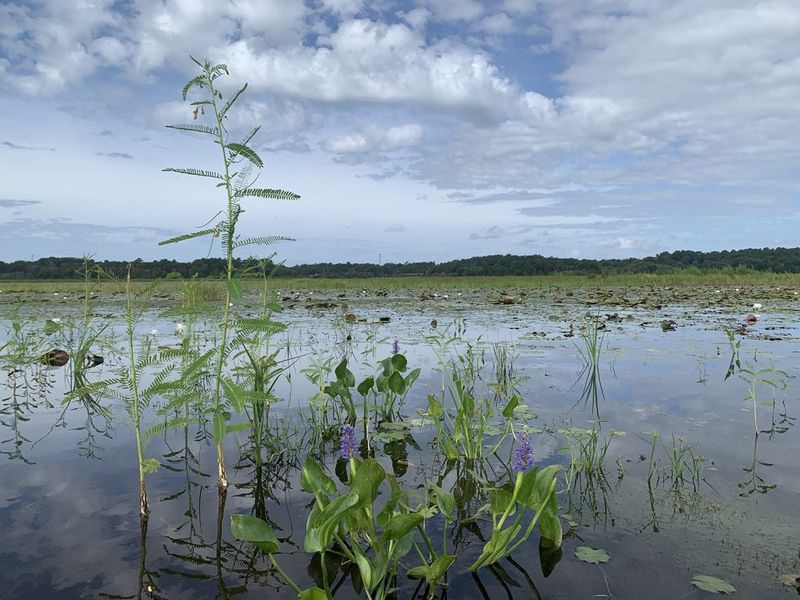
A soggy corner that used to be a mowing headache can become the busiest little buffet in the yard. Pickerelweed is a Florida native wetland plant with glossy arrow-shaped leaves and purple flower spikes that stand above shallow water or saturated soil.
Its real power is the habitat it builds around itself. The plant supports bees and other insects, while the wet mud nearby holds worms, beetle larvae, snails, and small aquatic life that probing birds notice.
White ibis love soft ground because their curved bills are built for feeling around below the surface, not pecking dry soil like a chicken.
Use pickerelweed in a rain garden, pond edge, drainage swale, or low spot that stays damp after storms. In sandy Florida yards, add compost to the planting pocket and mulch the surrounding edge, but keep the crown in moist soil.
Compared with taller shrubs or dry meadow natives, pickerelweed belongs on this list because it creates the wet feeding edge ibis naturally patrol. It also gives homeowners a cleaner, prettier answer for puddly areas instead of fighting the same muddy patch every summer.
2. Duck Potato
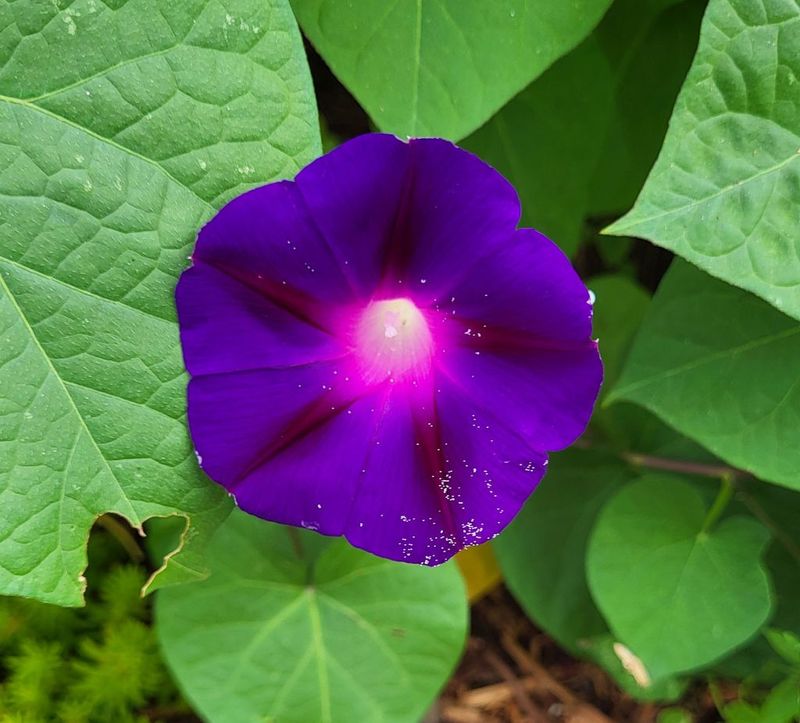
When rainwater lingers after a thunderstorm, duck potato can turn that temporary mess into useful wildlife habitat. Also called arrowhead, this native plant grows in wet soil and shallow water, sending up clean green leaves and white flowers that look far more polished than a weedy ditch.
The connection to ibis starts underfoot. Damp soil around duck potato stays easier for birds to probe, and wetland edges tend to collect the invertebrates ibis search for, including beetle larvae and worms.
If your lawn has grub trouble near a low, moist strip, planting this edge can make that zone more active for natural foragers.
Duck potato is especially useful along retention pond margins, roadside-style swales, and backyard spots where irrigation or roof runoff gathers. It can spread in the right conditions, so give it room and avoid placing it in tiny formal beds where you want strict edges.
Its name comes from wildlife value, since ducks and other animals eat parts of the plant. For a homeowner, the bigger win is practical: duck potato helps soften the line between lawn and wet ground while building the kind of marshy feeding lane ibis already understand.
3. Fakahatchee Grass
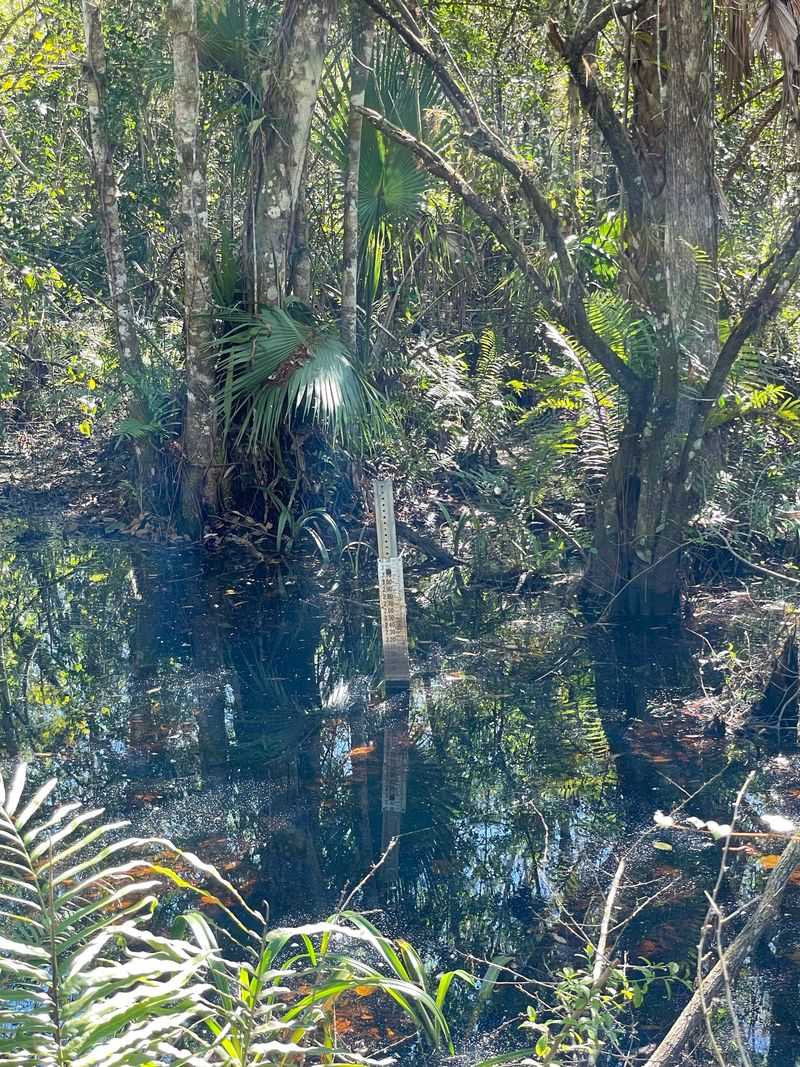
Picture a flock of ibis stepping out from behind a fountain-like clump of grass, heads bobbing like they own the place. Fakahatchee grass gives a Florida yard that wild edge without looking messy when it is placed well.
This native clumping grass is tough, heat-ready, and useful in sandy soil once established. Its dense base catches fallen leaves and moisture, which encourages insects and other small organisms near the soil surface.
Ibis are drawn to these living edges because the boundary between taller cover and open lawn often holds more prey than bare turf alone.
Plant Fakahatchee grass in arcs along the back of a lawn, around a rain garden, or near a pond bank where it can grow to full size. It is not a tiny border plant, so give each clump room instead of cramming it against a walkway.
What makes it different from the wetter plants on this list is structure. Pickerelweed and duck potato work in soggy soil, while Fakahatchee grass builds cover, shade, and leaf litter right beside open feeding space.
For Florida gardeners who want a native that looks bold and handles rough weather, it is a strong bridge between curb appeal and bird-friendly function.
4. Soft Rush
A narrow drainage strip can look forgotten, or it can look intentional. Soft rush is one of the easiest ways to make a wet runnel, driveway swale, or rain garden edge feel designed instead of neglected.
Its upright green stems form tidy clumps that tolerate wet feet and periodic drying, which fits many Florida yards where storms flood an area and then the sand drains fast. Around those clumps, the soil often stays cooler and more protected than exposed turf.
That shelter supports small insects and soil life, giving ibis a reason to slow down and probe instead of simply crossing the lawn.
Soft rush is especially helpful where you need visibility, such as near a front walk or along a shallow swale, because it has a clean vertical look. It also pairs well with showier natives, letting flowers carry the color while rushes handle the wettest spots.
A practical tip: plant in groups rather than single lonely plugs. A small colony creates a clearer habitat patch and looks more natural from the street.
Soft rush earns its place here because it is a low-drama workhorse for damp Florida soil, making grub-hunting zones more accessible without creating a jungle in the front yard.
5. Swamp Milkweed
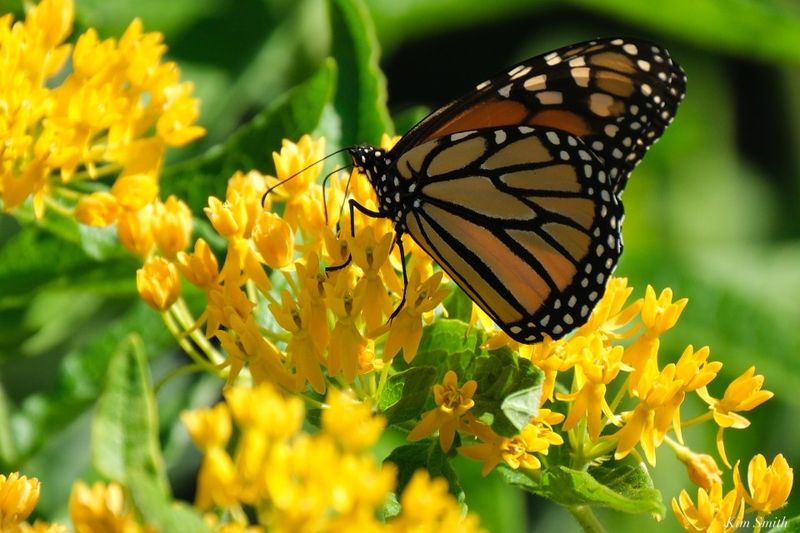
Butterflies may be the first visitors you notice on swamp milkweed, but the bird activity nearby can be just as interesting. This Florida native milkweed likes moist soil better than dry, blazing sand, so it fits rain gardens, pond edges, and damp borders where turf often struggles.
Its flowers bring pollinators, and pollinator traffic helps create a busier insect community around the planting. Ibis are not coming for the flowers, and they are not monarch specialists.
They are interested in the soft ground and the small animals living in and around that richer planting zone.
Swamp milkweed stands out because it supports two homeowner goals at once: monarch habitat above the soil and ibis-friendly foraging conditions below. In a Florida yard, that is a better use of space than a thirsty ornamental that offers little to wildlife.
Place it where the soil does not bake dry every afternoon, and avoid pesticide use nearby. Chemicals aimed at grubs or caterpillars can also reduce the living food web that draws birds.
Swamp milkweed may die back and return, so mark the spot before trimming beds in the cool season. Its seasonal rhythm is normal, and the payoff is a livelier, more useful damp border.
6. Buttonbush
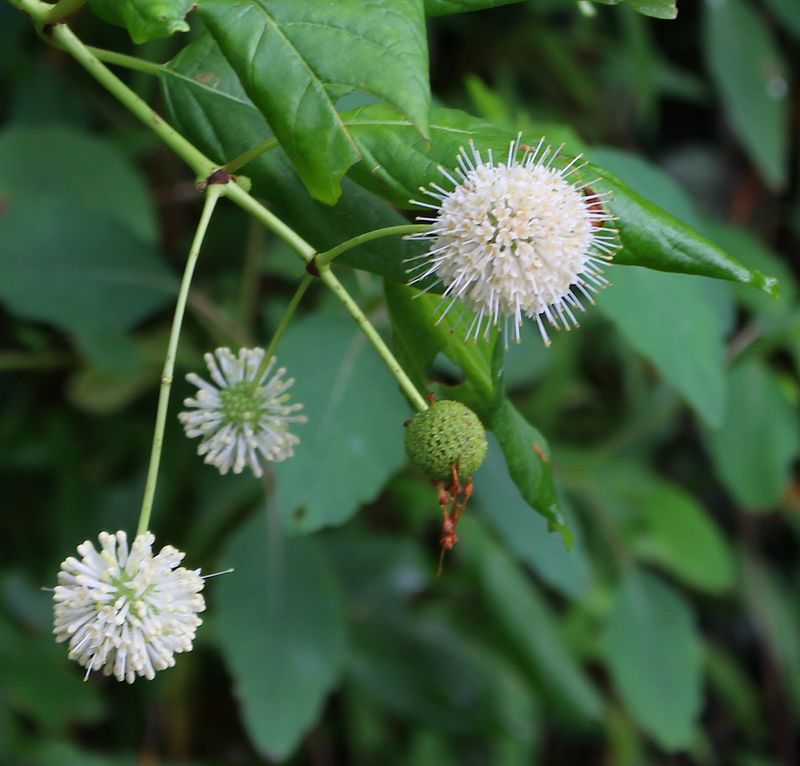
Few shrubs look as playful as buttonbush when its round white blooms appear like tiny ornaments. In Florida landscapes, that charm comes with real habitat value, especially in moist spots that need something taller than flowers or grasses.
Buttonbush naturally grows along wetland edges, pond margins, and low areas. Its flowers attract butterflies, bees, and other insects, while its branches offer cover near the ground.
Under and around the shrub, leaf litter builds a shaded zone where moisture lasts longer and soil creatures stay active.
For ibis, that nearby open-lawn edge matters. They prefer to walk and probe, so keep some short grass or open mulch beside the shrub instead of filling every inch with dense plants.
The best setup is a layered edge: buttonbush in the back, smaller wetland natives in front, and a mowed strip where birds can forage after rain or irrigation.
Buttonbush belongs on this list because it adds height. Many ibis-friendly plantings focus only on ground-level moisture, but a shrub changes the whole microhabitat by cooling the soil and dropping organic matter.
Give it space, prune lightly if needed, and use it where wet soil would stress many common landscape shrubs.
7. Blue Flag Iris
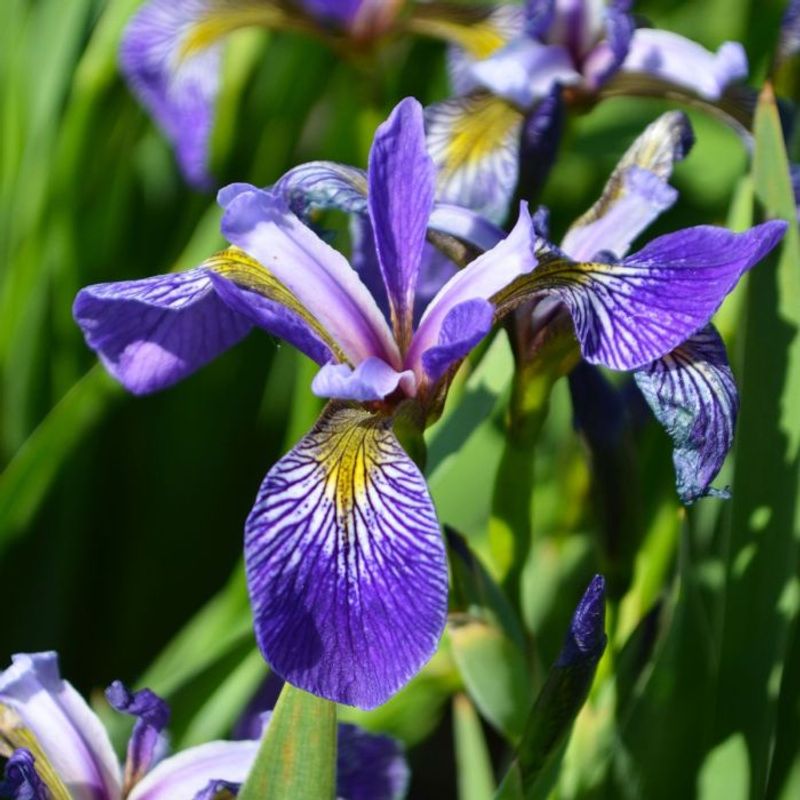
Blue flag iris brings the polished look people want near a patio or front path, while still working like a native wetland plant. Its violet-blue blooms feel fancy, but the plant is happiest in the kind of moist soil that often appears along swales, pond edges, and rain gardens.
The reason it helps with ibis visits is not magic color or fragrance. Blue flag iris improves the wet edge where insects, worms, and larvae gather, especially after rain.
Ibis notice those soft, productive strips and may spend more time working the nearby lawn for grubs.
Use blue flag iris where you want a neater, more ornamental native than some rougher wetland plants. It looks good in repeated clumps, especially mixed with soft rush or pickerelweed.
In sandy soil, help new plants settle in with steady moisture until roots are established.
One caution for pet owners and families: many iris species can be irritating or toxic if eaten, so place them thoughtfully and teach children not to nibble garden plants. That said, blue flag iris is a beautiful choice for Florida gardeners who want wildlife function without giving up a tidy garden style.
It rounds out the list as the showpiece for wet lawn edges that can double as ibis feeding routes.