
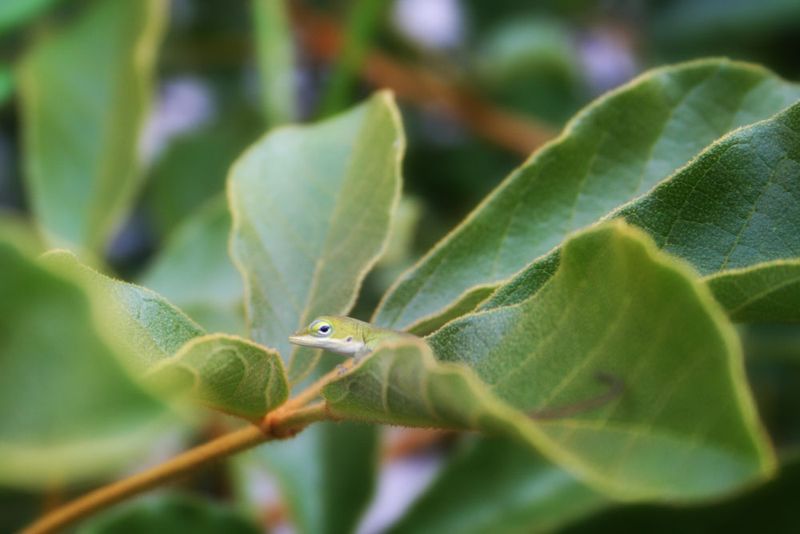
Anoles are tiny yard helpers with big appetites for small insects. In Florida, they hunt around leaves, fences, porch lights, and garden beds during the long warm season.
The right native plants give them shade, perches, hiding spots, and a steady supply of bugs to chase. Plant a few of these, and your yard can feel more alive while depending less on sprays.
1. Firebush
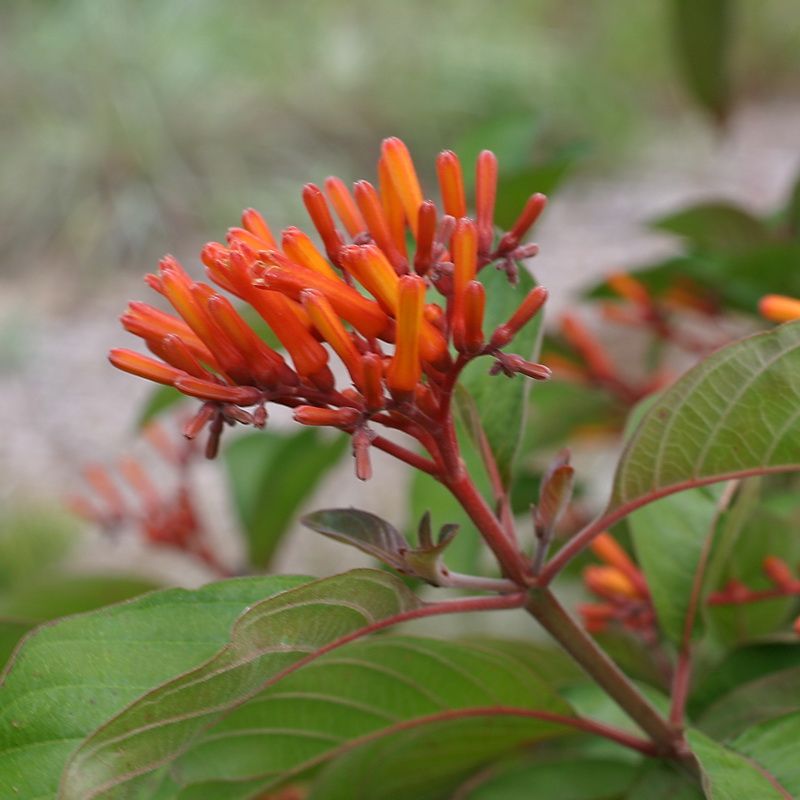
Hummingbirds are not the only ones that notice firebush. In a Florida yard, this bold native shrub turns into a little traffic hub, with flowers pulling in pollinators and leafy stems giving anoles plenty of places to wait, watch, and strike.
Firebush stands out because it combines color, height, and insect activity in one low-fuss plant. The red-orange blooms bring butterflies, bees, and other small insects through much of the warm season, and anoles often hunt along the outer branches where sun and shade meet.
Use it near a patio edge, fence line, or back corner of a sunny bed where it has room to spread. In South and Central Florida it can become a larger shrub, while in colder parts of North Florida it may freeze back and regrow from the roots.
Once established, firebush handles heat and sandy soil better than many showier ornamentals. Skip broad insect sprays around it, because the whole point is to let a balanced mini food web build up for lizards, pollinators, and songbirds.
2. Beautyberry
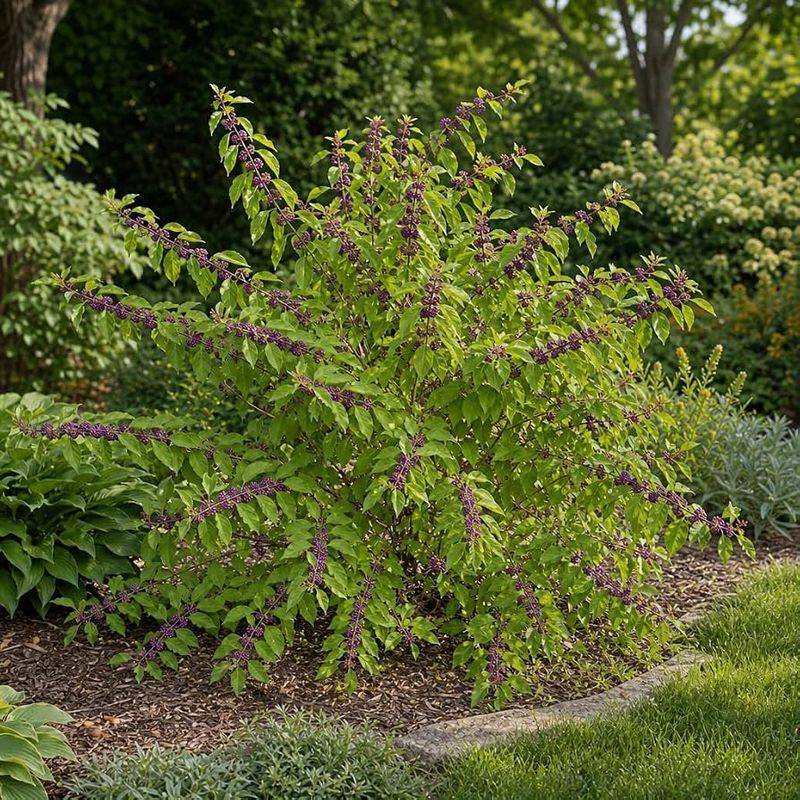
Those purple berry clusters look almost too bright to be real, and they make beautyberry easy to spot from across the yard. For anoles, though, the real value is the loose, twiggy structure underneath the show.
Beautyberry has open branches that create quick escape routes, shaded resting places, and good hunting perches. Small flies, beetles, leafhoppers, and other insects move through the foliage, especially where the shrub sits near mixed plantings instead of bare lawn.
This plant is a smart choice for gardeners who want wildlife value without a formal look. It fits naturally along woodland edges, under high pine shade, beside a back fence, or in a loose native hedge where anoles can travel from plant to plant without crossing wide open ground.
Beautyberry is also forgiving once established, which matters in Florida’s sandy soil. Give it part sun to light shade, water it while it settles in, and prune lightly if it gets too rangy.
Birds may take the berries, anoles may patrol the stems, and you get a softer, more useful border than a blank strip of turf.
3. Coontie
Low to the ground and a little prehistoric looking, coontie gives anoles something many flower beds lack: safe cover at ankle height. That matters because lizards need more than sunny fence rails.
They also need places to duck away from birds, cats, and harsh midday heat.
Coontie is different from the taller shrubs on this list because it builds habitat close to the soil. Its stiff, arching fronds create small tunnels and shady pockets where insects gather in leaf litter and where young anoles can hide without being exposed.
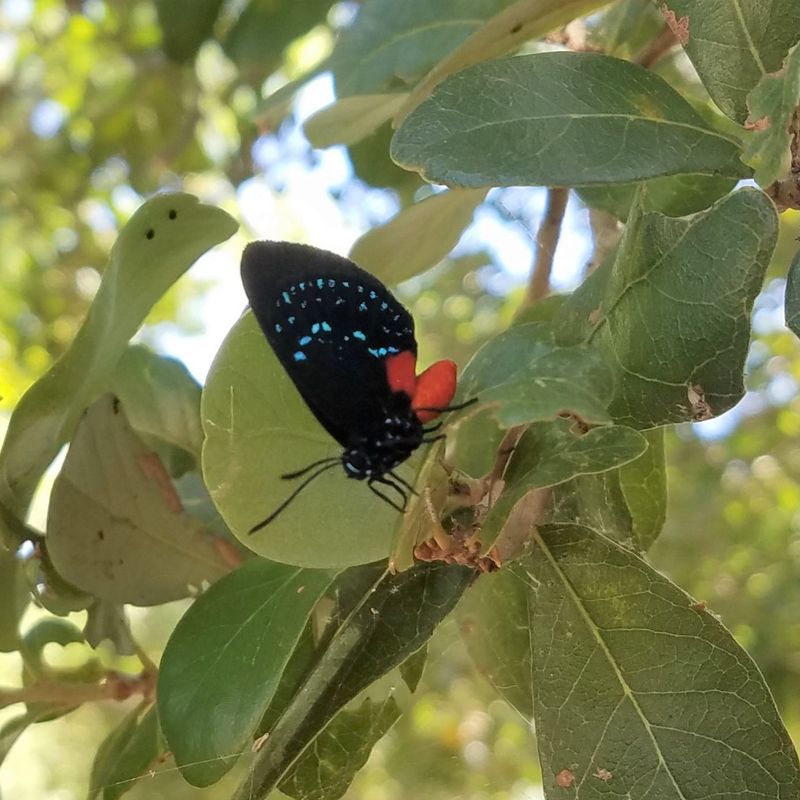
Florida gardeners also know coontie as the host plant for the atala butterfly, a native species with a comeback story tied to this plant. While anoles should not be treated as butterfly protectors, a coontie patch can support a richer yard ecosystem, and richer ecosystems usually mean more natural prey moving around.
Plant coontie in dry, well-drained areas, including foundation beds, under open palms, or along walkways where irrigation is not constant. It is slow-growing but tough once rooted, making it a good fit for low-maintenance Florida landscapes that still feel lively.
4. Muhly Grass
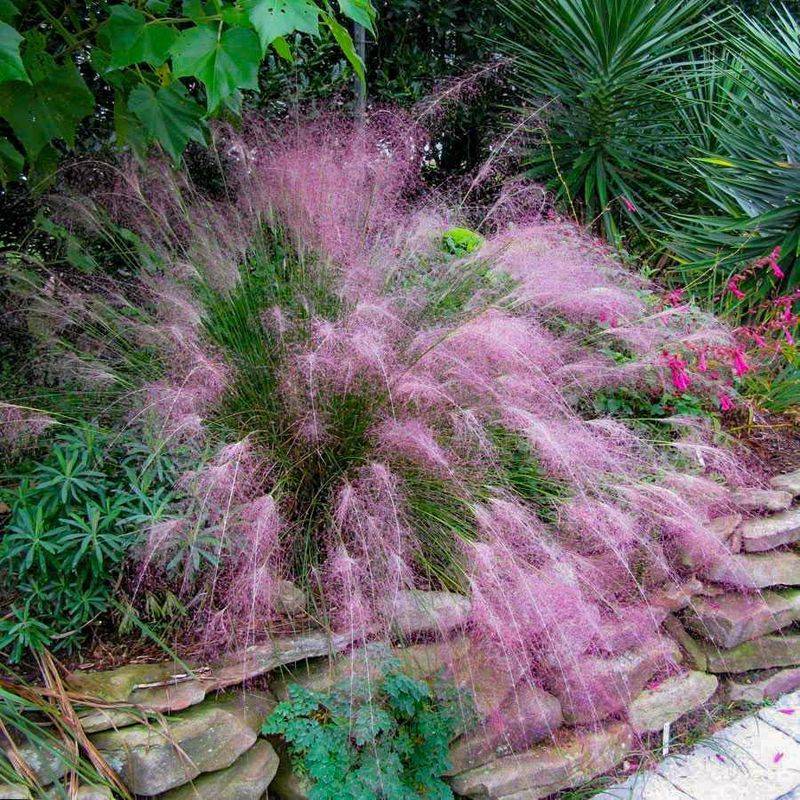
When pink muhly grass blooms, it looks like a soft cloud landed in the garden. Before and after that fall show, its fine blades still do useful work for anoles by adding movement, cover, and insect-friendly edges to hot, open spaces.
Muhly grass earns its place because it breaks up bare ground without becoming a dense, soggy hiding mat. The clumps give small insects places to rest, and anoles can use nearby stones, edging, stems, and neighboring shrubs as hunting stations.
This is especially helpful in front yards where homeowners want curb appeal but do not want a messy thicket. Muhly grass looks clean in mass plantings, handles sun, and suits Florida’s fast-draining soils when planted in the right spot.
For the best anole value, avoid planting one lonely clump in a sea of mulch. Group three to seven plants near other natives, such as coontie, blanketflower, or small shrubs, so lizards have a connected route across the bed.
That layered setup turns a decorative grass into part of a working insect-hunting zone.
5. Simpson’s Stopper
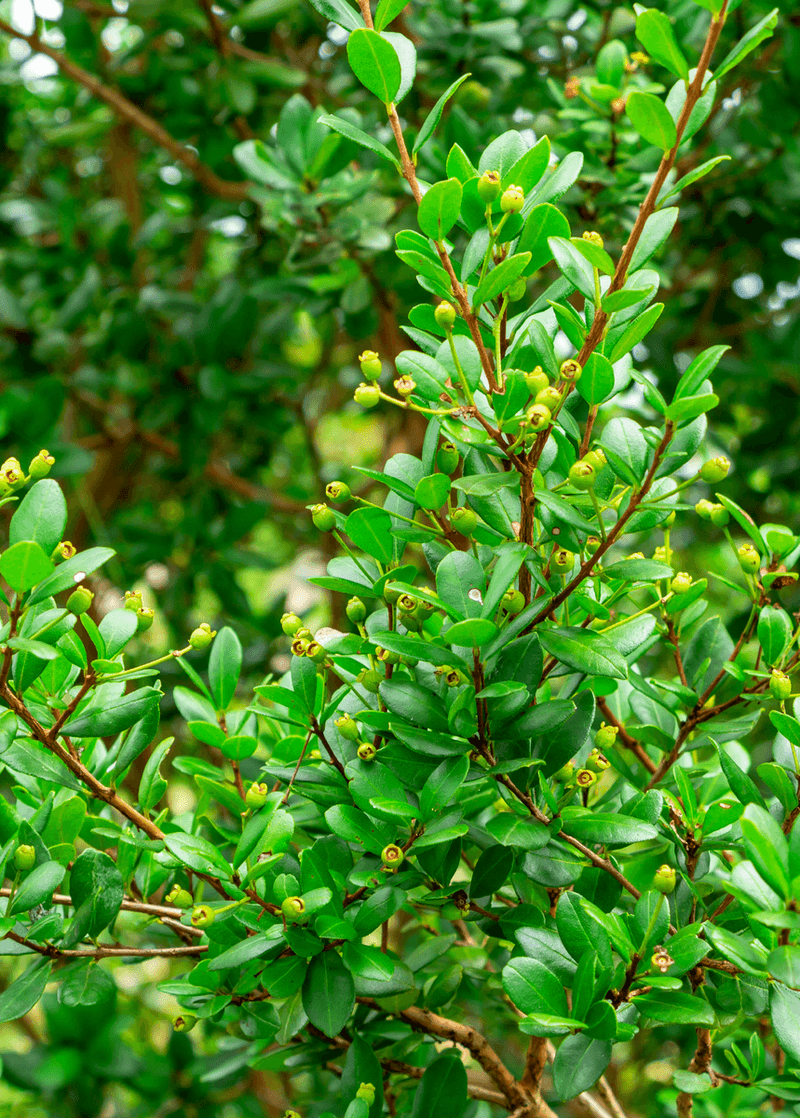
A good privacy shrub can do more than block the neighbor’s bins. Simpson’s stopper brings a polished, evergreen look while quietly building the kind of leafy shelter anoles use all summer.
Small white flowers attract pollinators, and the dense branching gives lizards protected routes above the ground. Compared with looser shrubs, Simpson’s stopper can form a thicker screen, which makes it useful where anoles need cover between a fence, porch, and garden bed.
Florida homeowners often choose it as a native alternative to more ordinary hedge plants. It can work as a clipped hedge, a natural screen, or a small accent tree, depending on pruning and site conditions.
In warmer parts of the state, it tends to stay especially handsome with glossy foliage and wildlife-friendly berries.
Place it where you want structure that lasts beyond one season. A hedge of Simpson’s stopper near porch lights can be especially active at night and early morning, since lights draw insects and the nearby foliage gives anoles places to hunt and retreat.
Keep pesticide use low, and let the shrub become a living pest patrol corridor.
6. Coral Honeysuckle
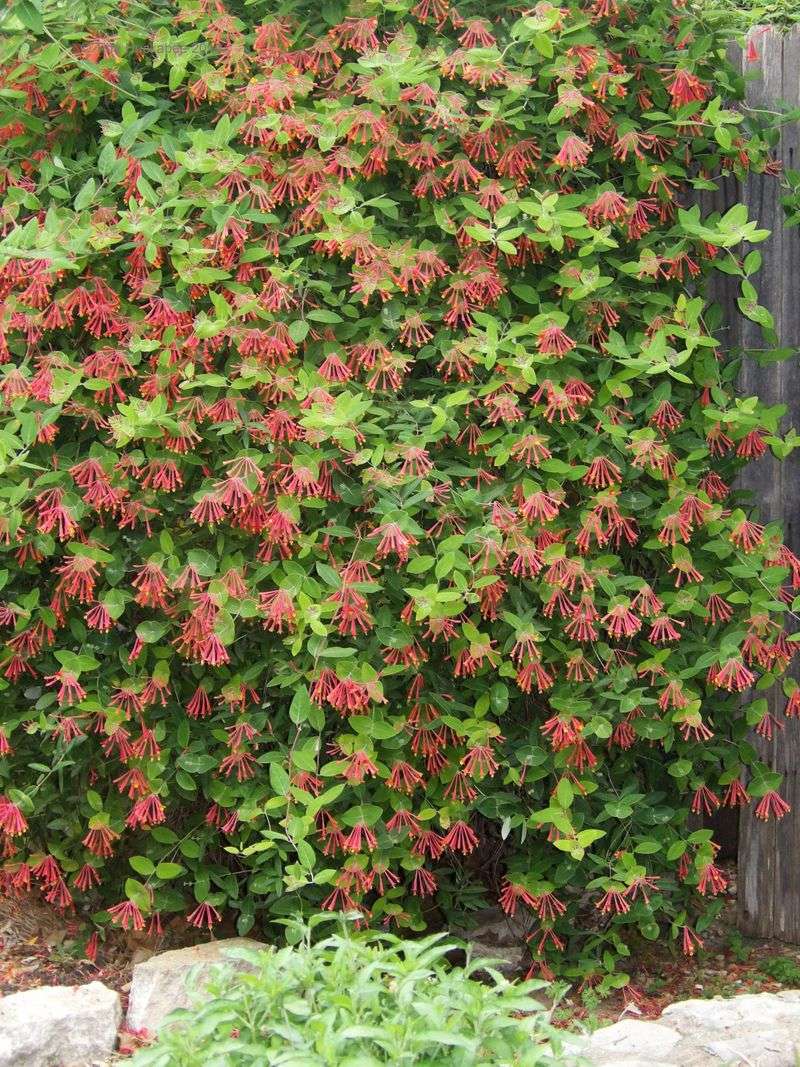
Porch railings and plain fences become much more useful when coral honeysuckle climbs through them. The vine adds flowers for pollinators, stems for climbing, and just enough leafy cover for anoles to turn vertical spaces into hunting lanes.
Coral honeysuckle is not the invasive Japanese honeysuckle that many gardeners worry about. This Florida native vine is better behaved when given a trellis, arbor, or fence, and its red tubular flowers can draw hummingbirds and insects during warm stretches.
Anoles are excellent climbers, so vertical planting matters. A vine-covered trellis near a patio or side yard gives them a way to patrol above ground, where moths, small flies, and other insects often pause.
It also helps connect lower plantings to shrubs or fence tops.
Give coral honeysuckle sun to part sun and a support it can grab. It is a great pick for gardeners with limited bed space because it uses height instead of taking over the whole ground layer.
Pair it with coontie or muhly grass at the base, and you create a layered setup from soil level to eye level.
7. Wild Coffee
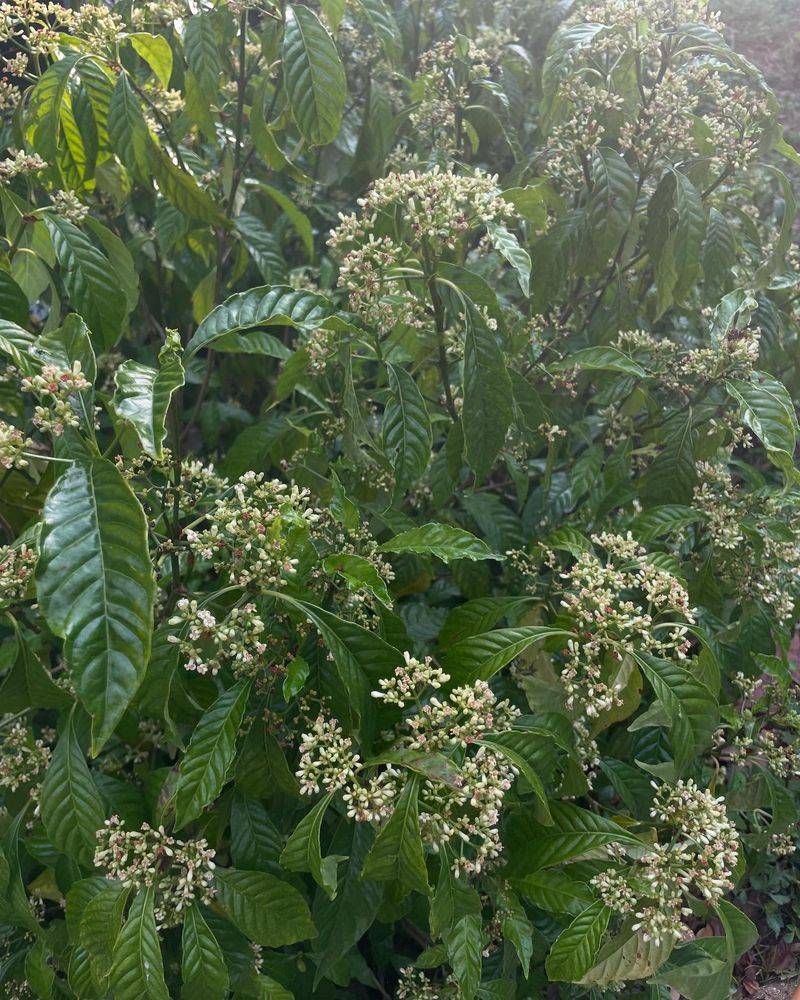
Every Florida yard has that tricky shady spot where grass sulks and flowers thin out. Wild coffee fits there beautifully, giving anoles a cool, leafy refuge when summer heat turns open beds into a skillet.
This native shrub is especially useful because it handles part shade and filtered light, conditions common under live oaks, palms, and older landscape trees. Its glossy leaves create a calm, sheltered layer where insects move through leaf litter and low branches.
Wild coffee does not supply the same bright flower show as firebush, but it brings a different strength: dependable cover in shade. That makes it valuable in a yard designed for anoles, since lizards need warm basking spots and cooler retreats close together.
Plant it in groups under trees, along a shaded foundation, or beside a back porch where irrigation is moderate and soil is not constantly wet. The red berries can interest birds, while the shrub’s structure helps small wildlife move safely.
If your yard is mostly lawn with a few trees, adding wild coffee can turn empty shade into a quiet insect-hunting pocket.