
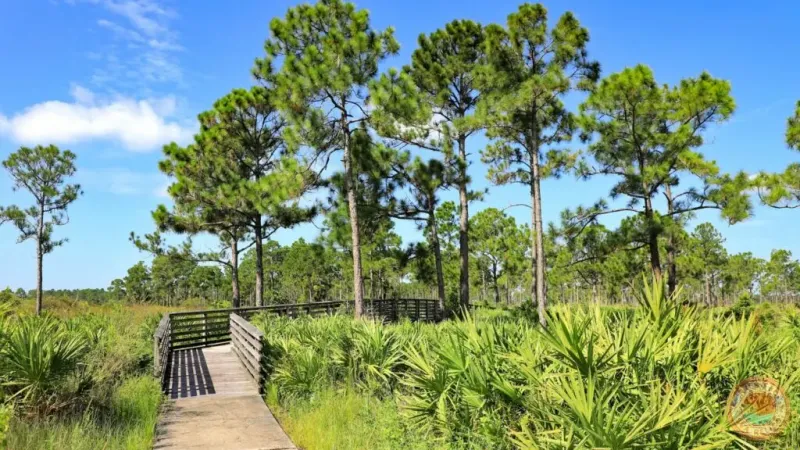
Water oaks grow fast, but many Florida homeowners learn the hard way that fast is not always strong. Weak limbs, shallow problems, and storm breakage can turn a nice shade tree into a cleanup bill.
The better move is to plant native trees that handle Florida soil, heat, wind, and wildlife needs with less drama. Here are seven sturdy choices that can give your yard beauty, shade, and a better chance when hurricane season rolls in.
1. Live Oak
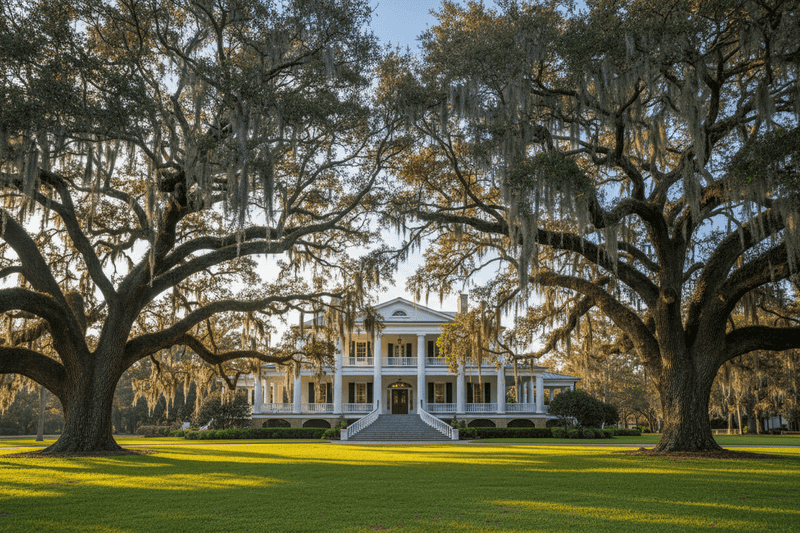
Some trees look like they were built to argue with the wind, and live oak is one of them. Its wide, low-branching shape and dense wood make it a longtime favorite for Florida yards where shade matters but storm cleanup is a real concern.
Compared with water oak, live oak grows more slowly and usually forms a stronger structure when trained early. That slower pace is a benefit, not a flaw, because the tree invests in wood strength instead of racing upward with brittle limbs.
Give live oak plenty of room, since this is not a tree for a narrow side yard or tiny strip beside a driveway. It can spread wider than many homeowners expect, so plant it where the canopy can become a future shade feature instead of a pruning problem.
For best results, choose a nursery-grown native live oak and water it well during establishment. Prune young trees to develop one main trunk and well-spaced limbs, then let its natural storm-ready shape do the heavy lifting over time.
2. Southern Magnolia
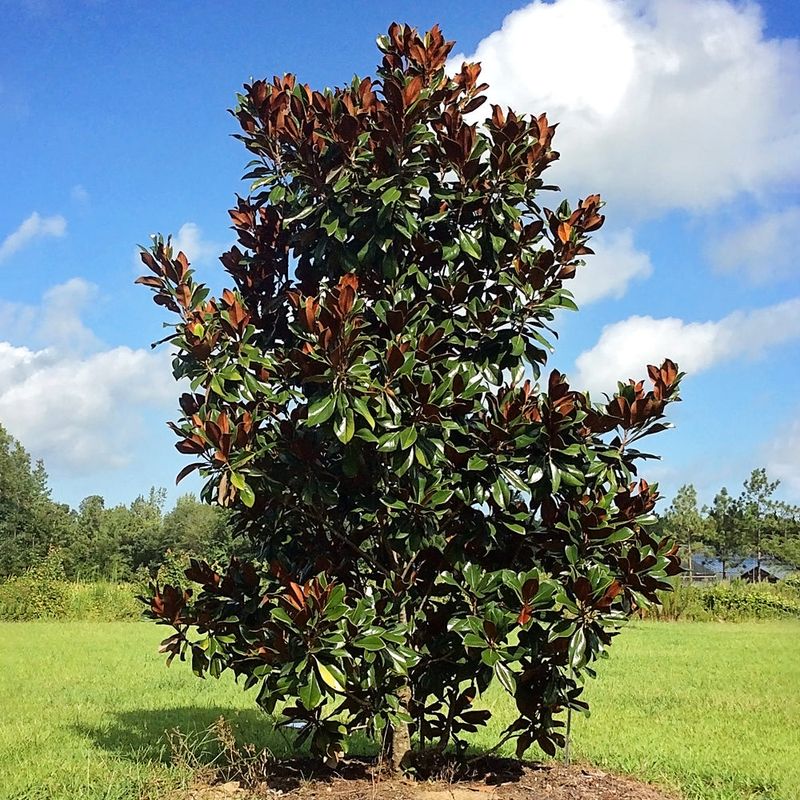
Glossy leaves, big white flowers, and a little old-Florida drama make Southern magnolia feel special from the curb. Unlike a water oak that may become plain and problematic with age, magnolia brings year-round presence even before it reaches full size.
Its evergreen canopy offers privacy and shade, while the thick leaves hold up well in heat and saltier coastal air in many Florida settings. The tree is not invincible in hurricanes, of course, but a well-placed Southern magnolia with good structure is often a more dependable long-term choice than a weak, overgrown water oak.
Placement is the trick. Southern magnolia drops large leaves and seed cones, so it is better near a lawn edge, broad bed, or natural area than directly over a small patio where every leaf will bother you.
Look for cultivars that fit your space if a full-size tree is too large. Water during the first couple of years, mulch over the root zone, and avoid piling mulch against the trunk, especially in Florida’s wet season.
3. Bald Cypress
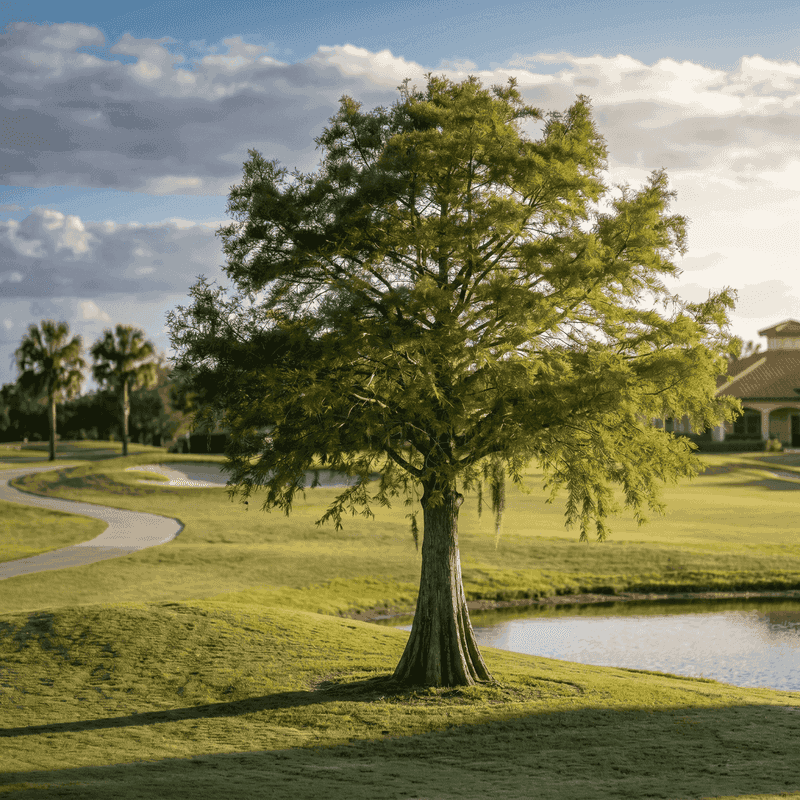
Got a soggy corner that turns into a mini-pond after summer storms? Bald cypress is the tree that can make that problem spot look intentional instead of neglected.
Water oaks often struggle when roots are stressed by poor drainage, soil disturbance, or repeated storm damage. Bald cypress, on the other hand, is naturally tied to wet Florida landscapes and can handle periodic flooding far better than many common shade trees.
Its soft, feathery foliage gives it a lighter look than an oak, and the fall color can be a pleasant surprise in much of Florida. The tree is deciduous, so it drops its needles in cooler months, but that seasonal change can add texture to a yard that is mostly evergreen.
Use bald cypress near swales, pond edges, rain gardens, or low backyards where water collects. It can also grow in average soil once established, but its real superpower is turning wet ground into a feature.
Give it space away from foundations and hardscape, especially in areas where cypress knees may form. For homeowners dealing with hurricane rain as much as hurricane wind, this native earns its spot.
4. Southern Red Cedar
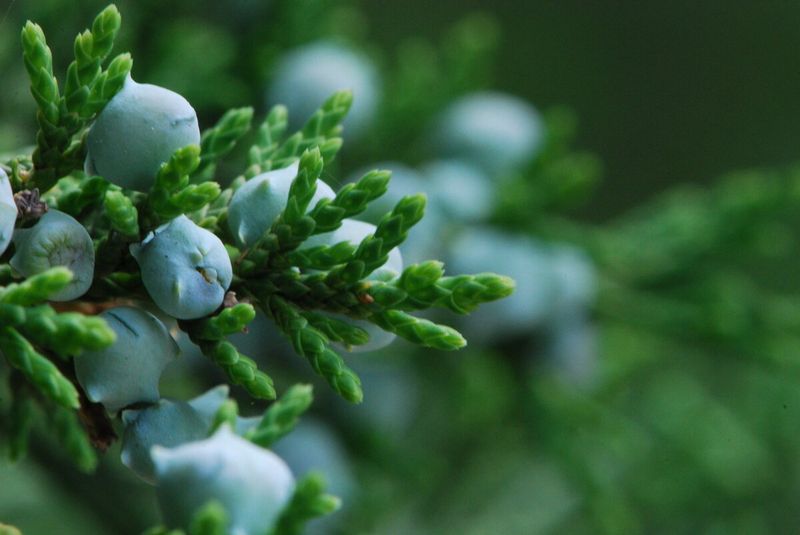
Birds seem to find Southern red cedar before people do, and that is part of its charm. The berries feed wildlife, the evergreen foliage adds screening, and the upright shape fits yards that cannot handle the huge spread of a live oak.
For homeowners replacing a water oak near a property line, Southern red cedar can be a smarter scale choice. It provides height and cover without casting the same heavy, broad shade that makes turf and flower beds struggle underneath.
Wind tolerance is another reason to consider it, especially in open, sandy, or coastal parts of Florida. Once established, Southern red cedar handles drought well and does not demand rich soil, which is good news for many homeowners dealing with fast-draining sand.
Plant it in full sun for the densest growth. It works nicely as a single specimen, a loose privacy row, or a wildlife-friendly backdrop behind flowering natives.
One practical note, give it air movement and avoid soggy sites. Southern red cedar likes drainage, sun, and room for its roots, so it is best for dry to average areas rather than low flood-prone corners.
5. Gumbo Limbo
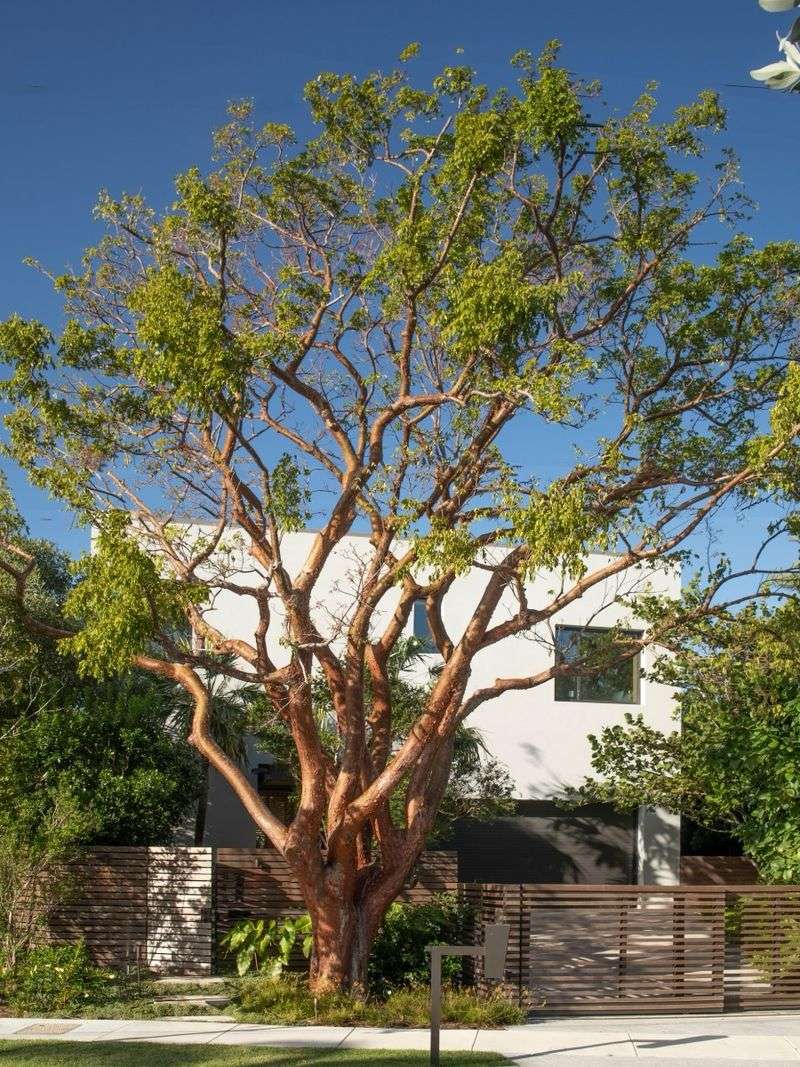
In South Florida, gumbo limbo is the tree with the sunburned-looking bark that always starts a conversation. Its coppery, peeling trunk looks almost sculptural, which makes it useful where you want shade and personality in the same planting.
Gumbo limbo is especially well suited to warmer parts of Florida, including coastal South Florida landscapes where heat, sand, and salt can punish less-adapted trees. It is often valued for its ability to regrow after damage, a practical trait in storm-prone areas.
Unlike water oak, it does not try to become a massive brittle shade tree in a hurry. The canopy is broad but typically lighter and more tropical in feel, which can work beautifully near patios, pool areas, and informal native plantings.
Cold sensitivity matters, so this is not the right pick for every Florida county. Homeowners in Central or North Florida should check local extension guidance before planting, while South Florida gardeners can treat it as a strong native option for warm, exposed yards.
Plant gumbo limbo in full sun and well-drained soil. Once established, it can be a low-fuss tree that looks far more interesting than the average replacement shade tree.
6. Sabal Palm
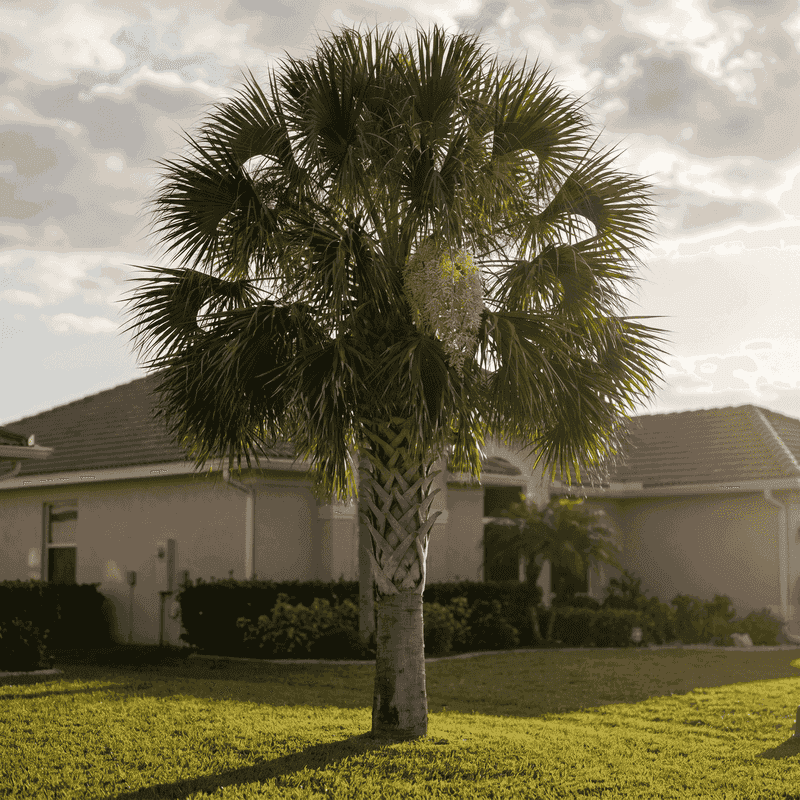
A palm is not a shade tree in the classic sense, but sabal palm deserves a serious look when a water oak has outgrown its welcome. It stands with a kind of quiet confidence, taking up less ground space while still giving the yard a strong Florida identity.
As Florida’s state tree, sabal palm is adapted to heat, sandy soils, wind, and periodic rough weather. Its flexible trunk and open crown reduce wind resistance compared with dense, brittle canopies that catch storm gusts like a sail.
Use sabal palm where you want vertical structure without heavy shade. It fits near driveways, entry beds, pool cages, and smaller front yards where a spreading oak would eventually become too much tree for the site.
Wildlife benefits are a bonus. Flowers and fruits can support insects and birds, while the crown can offer shelter for small animals in a more natural landscape.
Avoid over-pruning into the harsh hurricane-cut look, since palms need healthy green fronds to feed themselves. Remove dead or clearly hazardous fronds, keep lawn equipment away from the trunk, and let this native do what it has done across Florida for generations.
7. Simpson Stopper
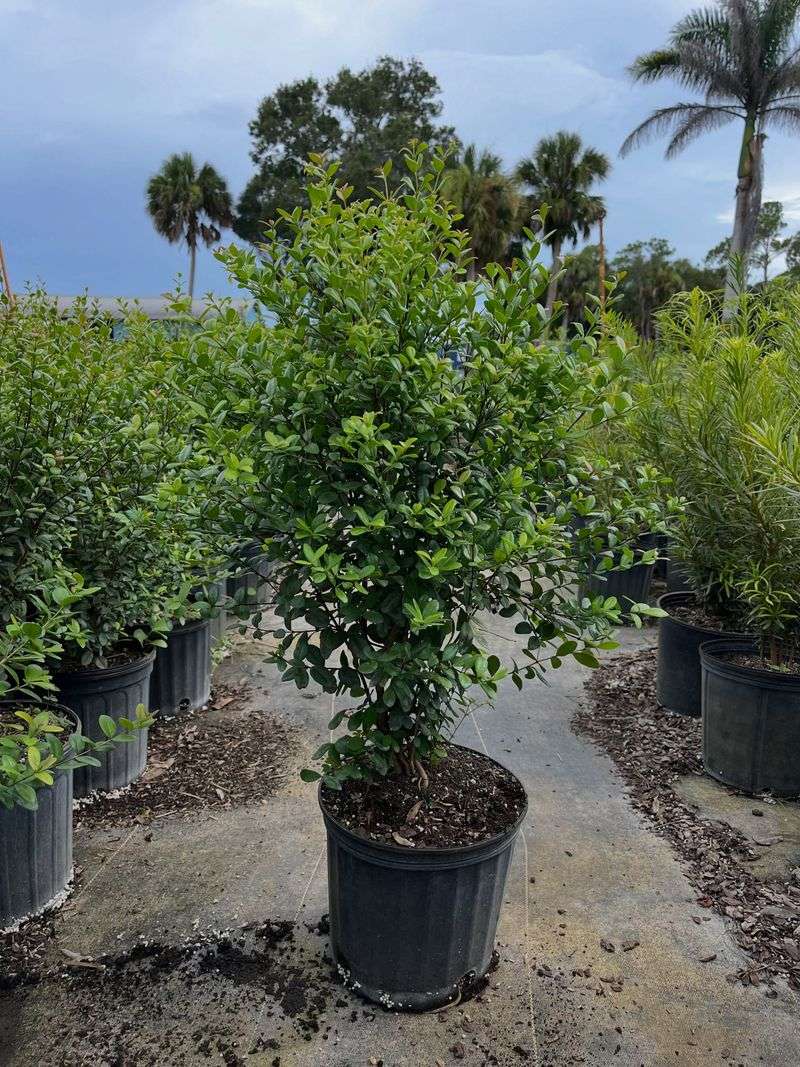
Not every water oak replacement needs to be a giant. Simpson stopper is the small native tree for homeowners who want beauty, berries, and a manageable size instead of another future removal project.
Its glossy leaves, white flowers, and red-orange fruits make it a lively choice for front beds, side yards, and patio views. Pollinators visit the blooms, and birds enjoy the fruit, so it brings more backyard activity than a plain shade tree ever could.
The big advantage is scale. A mature water oak can overwhelm a typical lot, but Simpson stopper can be used as a small specimen, informal screen, or multi-trunk accent without taking over the whole yard.
Storm-wise, smaller trees often create less risk simply because they carry less massive wood over roofs, fences, and cars. That does not make them damage-proof, but it can make yard planning feel more sensible in hurricane country.
Plant Simpson stopper in sun to part shade and well-drained soil. It is a strong pick for gardeners who want native habitat value, curb appeal, and a tree that stays in better proportion with modern Florida lots.