
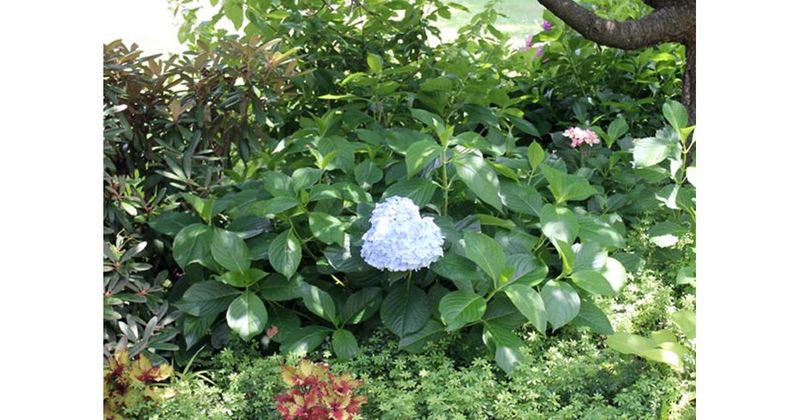
Few garden frustrations match the sight of a hydrangea loaded with lush, dark-green leaves and not a single flower bud in sight. The shrub looks healthy, it’s growing vigorously, and yet bloom season comes and goes without one pom-pom or lacecap to show for it.
For many Southern gardeners in Florida and Texas, the answer starts with one question: did you prune it at the wrong time? That is often the first thing to check, but it is not the only thing, and understanding the difference can save you a full season of waiting.
Why a leafy hydrangea can miss its flowers
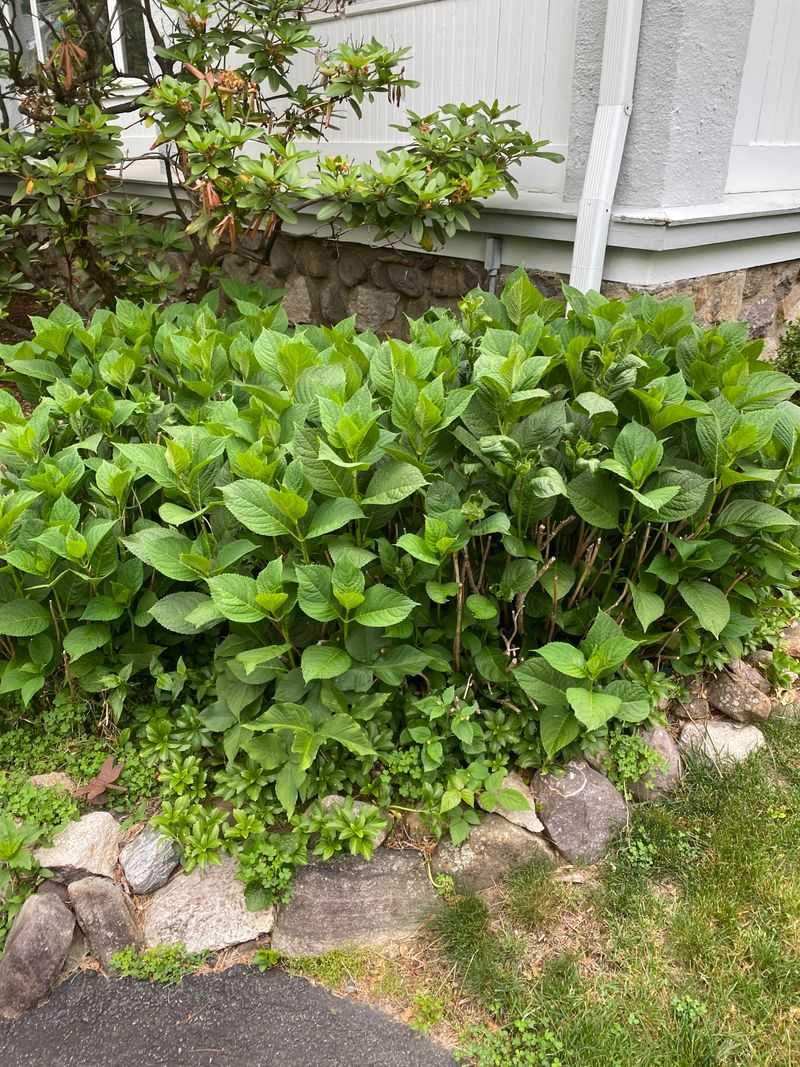
A hydrangea covered in leaves but stripped of flowers is one of the most common and confusing problems home gardeners bring to extension offices every summer. The plant looks fine, so the instinct is to assume something invisible is wrong, but the cause is usually something that already happened months before bloom season arrived.
For bigleaf hydrangeas (Hydrangea macrophyllaH. quercifoliaH. serrata), oakleaf hydrangeas (), and mountain hydrangeas (), flower buds typically form on old wood, often beginning in late summer for the following year. Cutting those stems in late summer, fall, winter, or early spring removes the buds before they ever open, leaving behind a vigorous, leafy plant with nothing to show come June.
Penn State Extension’s hydrangea bloom guide identifies mistimed pruning as one of the most frequent reasons these old-wood types fail to flower.
That said, pruning is the first diagnostic check, not a guaranteed universal answer. Excess shade, too much nitrogen, drought, intense heat, winter injury, late spring freezes, deer browsing, recent transplanting, and plant age can all produce the same leafy-but-flowerless result.
University of Georgia Cooperative Extension’s guide to bigleaf hydrangeas lists several of these competing causes side by side, which is a useful reminder that the symptom alone does not identify the problem. Work through the most likely explanations in order, starting with what you did with the pruners last season.
Identify the hydrangea before using pruners
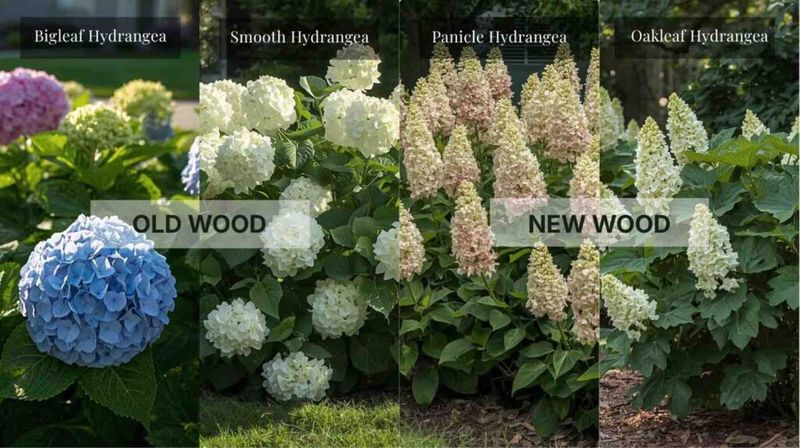
Before you reach for the pruning shears or start troubleshooting in earnest, you need to know what kind of hydrangea you are actually growing. Treating all hydrangeas the same is exactly how gardeners end up removing next year’s flowers while thinking they are tidying the plant up.
Bigleaf hydrangeas, including mophead and lacecap types, along with oakleaf and mountain hydrangeas, generally bloom on old wood. Smooth hydrangeas, including popular ‘Annabelle’ types, and panicle hydrangeas generally bloom on new wood, meaning they produce flower buds on the current season’s growth.
Penn State Extension’s species-by-species pruning guide lays out these distinctions clearly, and NC State Extension’s hydrangea garden overview reinforces that cultivar differences matter just as much as species.
Reblooming bigleaf cultivars, such as those in the Endless Summer series, can flower on both old and new wood, which gives them a second chance after bud loss. Even so, they are not immune to stress, poor siting, or unfavorable growing conditions.
UGA Extension’s identification guide recommends checking the plant label whenever appearance alone does not give a reliable answer. Leaf shape, flower structure, and bark texture can all help narrow down the type, but a label from the nursery or a photo matched to a reliable plant database is the most dependable starting point when you are unsure.
Stop pruning and inspect the stems
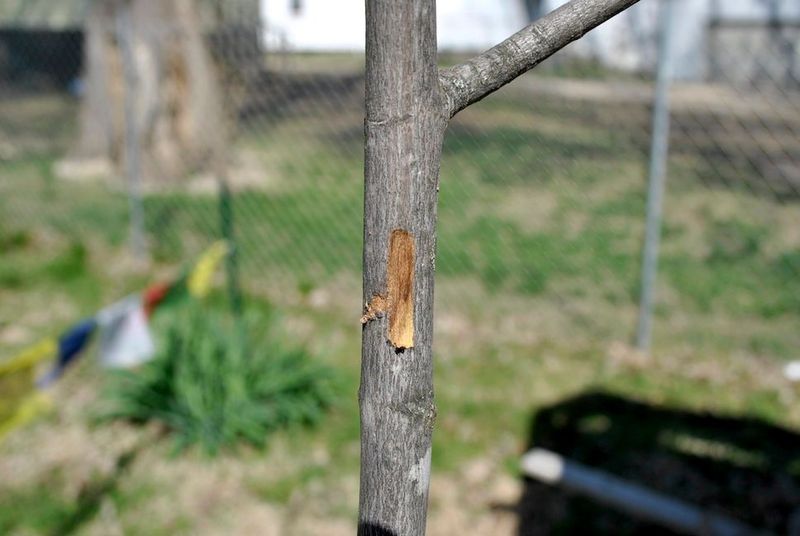
If your hydrangea already has leaves but no flowers this season, the most useful thing you can do right now is put the pruners away. Making additional cuts to an old-wood hydrangea that has already lost its buds will not bring the flowers back, and it may remove wood that still holds potential for next year.
Oklahoma State University Extension’s hydrangea pruning column recommends a scratch test to distinguish live wood from dead wood: use a fingernail or a knife to lightly scrape the outer bark on a stem. Green tissue underneath means the wood is alive; brown, dry, or hard tissue indicates it is dead.
Remove only stems that are clearly dead or damaged, and leave everything else alone until you have a clearer picture of the cause.
Reaching for fertilizer or making corrective cuts in hopes of forcing a bloom this season is unlikely to help. Once old-wood buds have been removed or killed, no amount of feeding or pruning can reliably recreate them on the same stems.
The realistic goal at this point is protecting the plant’s ability to set new buds later in the season so next year’s flowers have a better chance. NC State Extension’s hydrangea care overview confirms that patience and restraint, rather than aggressive intervention, are the safer approach when the cause is still unclear.
Match the pruning window to the plant
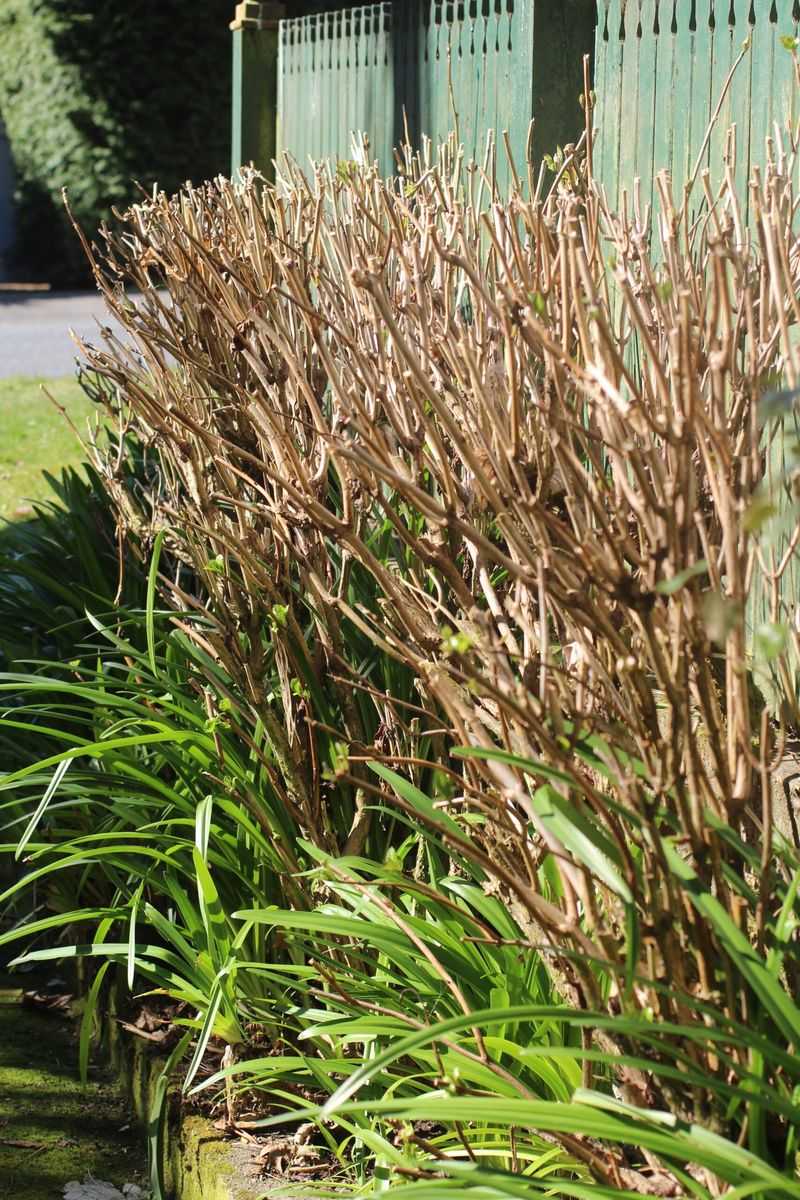
Getting the timing right on future pruning is the most direct way to protect next season’s flowers, and the correct window depends entirely on the type of hydrangea you have. One pruning schedule does not fit every plant in the genus.
For old-wood types, including bigleaf, oakleaf, and mountain hydrangeas, the safest window for any shaping or light trimming is immediately after flowering, typically midsummer. Waiting until late summer, fall, or early spring puts the following season’s buds at risk.
Penn State Extension’s pruning timing resource and NC State Extension’s hydrangea overview both point to this post-flowering window as the low-risk option for old-wood bloomers.
New-wood types, such as smooth hydrangeas and panicle hydrangeas, are more forgiving. Because they produce flower buds on the current season’s growth, late-winter or early-spring pruning, just before new growth develops, generally works well without costing you that year’s display.
Oklahoma State University Extension notes that the two approaches are not interchangeable, which is why identifying the plant first matters so much. If you are still uncertain about the species or cultivar, skip significant pruning entirely and limit cuts to stems that are clearly dead or damaged.
Routine removal of dead wood carries little risk and can be done at almost any time without affecting bloom potential.
Check for freeze and winter injury before cutting
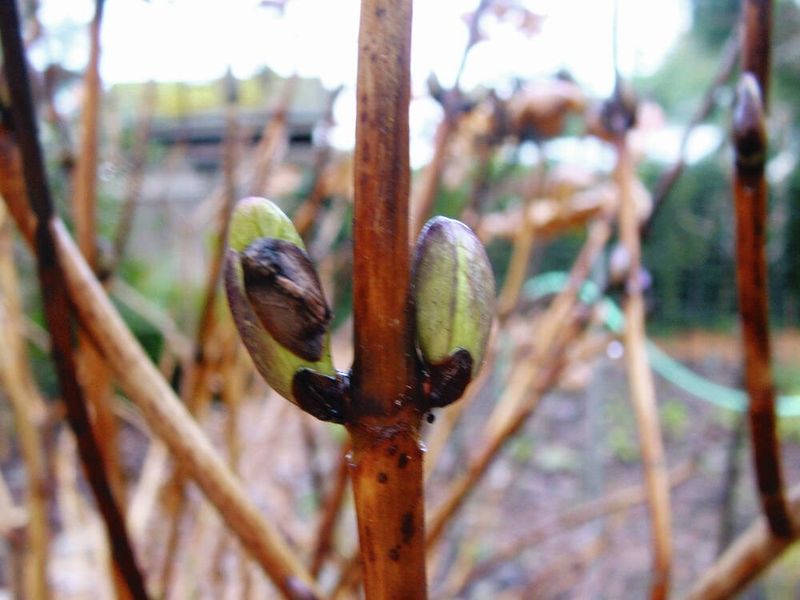
Pruning mistakes explain a lot of missing blooms, but a late spring freeze or a hard winter can wipe out an entire season’s flowers just as effectively, even on a plant that was never touched with pruners. For old-wood hydrangeas, the buds that formed last summer are sitting exposed on those stems all winter, and cold snaps in March or April can kill them just as new growth is emerging.
UGA Extension’s spring freeze guidance explains that emerging buds and tender new growth are especially vulnerable, and that the damage may not look obvious right away. Waiting before making major cuts is important because stems that appear dead after a freeze may still contain living tissue lower down.
A scratch test, as described in the previous section, can help you tell the difference before you remove wood that might still contribute to next year’s buds.
When a freeze is in the forecast, lightweight fabric such as old bed sheets or commercial frost cloth can offer meaningful protection. Drape it over the plant and remove it once temperatures climb back above freezing.
Avoid placing plastic sheeting directly on the foliage, as it can trap heat during the day and cause more damage than the cold itself. If a freeze has already come and gone and your hydrangea is now leafing out without flowers, that cold snap may have been the culprit, and the shrub will likely need a full growing cycle to recover its flowering potential.
Rule out light, heat, moisture, and nutrition problems
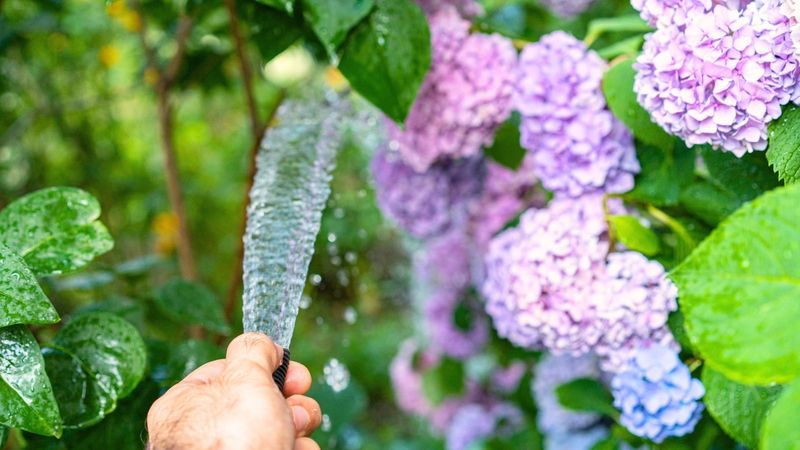
Once you have ruled out mistimed pruning and freeze injury, other growing conditions deserve a careful look. Several factors can suppress flowering without leaving obvious clues, and in Southern gardens, the combination of intense heat, variable rainfall, and heavy soils makes these problems more common than they might be farther north.
Too much shade is a real cause of poor blooming, but the solution is not simply to move the plant into full sun. University of Georgia Cooperative Extension recommends morning sun and afternoon shade for bigleaf hydrangeas in Southern gardens, along with moist but well-drained soil.
Panicle hydrangeas generally tolerate more direct sun than bigleaf types, making them a better fit for hot, exposed Texas or Florida sites. NC State Extension’s bigleaf hydrangea profile also notes that consistent moisture matters, but that saturated or poorly drained soil creates its own set of root problems.
Deep, infrequent watering with mulch over the root zone is a more reliable approach than frequent shallow watering.
Nutrition is another area where guesswork can backfire. Excess nitrogen from over-fertilizing promotes vigorous leafy growth at the direct expense of flowers.
Adding phosphorus, bloom-booster products, or soil amendments without knowing what the soil actually needs can create imbalances rather than fix them. Penn State Extension’s soil test guidance explains how to read results and make targeted decisions.
Other possible explanations worth considering include deer browsing on emerging buds, a recently transplanted plant still putting energy into root establishment, and a young plant that has not yet reached flowering maturity. NC State Extension notes that plant age and establishment stress are often overlooked in a no-bloom diagnosis.
None of these are certain diagnoses for your specific plant, but each is worth checking before assuming the shrub is permanently broken.
Protect next season’s flowering potential
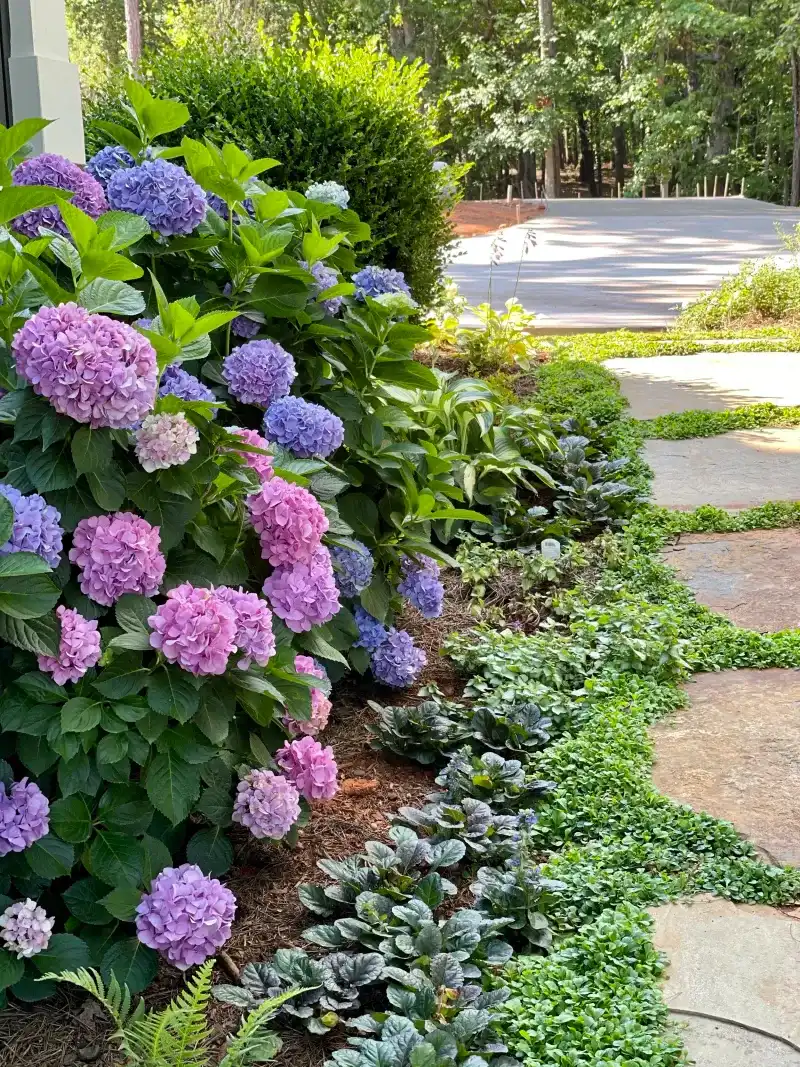
Getting flowers back on a hydrangea that has gone a season without them is less about a single dramatic fix and more about removing the obstacles one by one. Start by confirming the type, then stop making unnecessary cuts, and remove only wood you can verify is dead using a scratch test.
Penn State Extension and Penn State’s pruning timing resource both reinforce that protecting old wood through the dormant season is the single most useful starting point for bigleaf, oakleaf, and mountain hydrangeas. For Southern gardeners in Florida and Texas, that also means shielding vulnerable plants from late cold snaps, positioning them where afternoon heat is buffered, and maintaining even soil moisture through the long warm season.
UGA Extension is candid that a missed bloom season on an old-wood hydrangea is generally not recoverable in the same year. The more useful goal is building conditions that allow next season’s buds to form, survive winter, and open without interference.
A hydrangea that leafs out reliably is a healthy plant with a solvable problem, and the answer usually shows up in the pruning calendar more than anywhere else.