
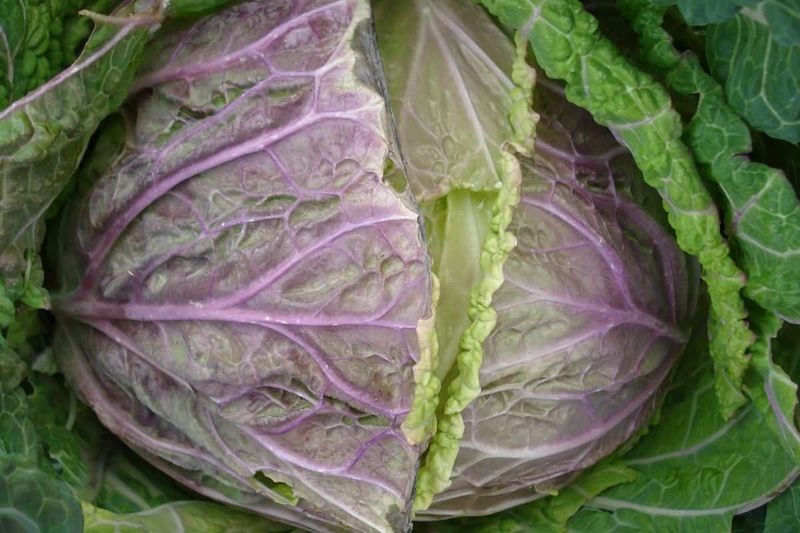
Few things sting like walking out to your garden and finding a cabbage head cracked wide open just days before you planned to cut it. For Southern gardeners in Florida and Texas, where fall cabbage is a seasonal highlight, that last-minute split feels like a cruel joke.
The good news is that splitting follows recognizable patterns, and understanding them puts you in a better position to act before the damage happens.
A mature cabbage head can split after a sudden water surge
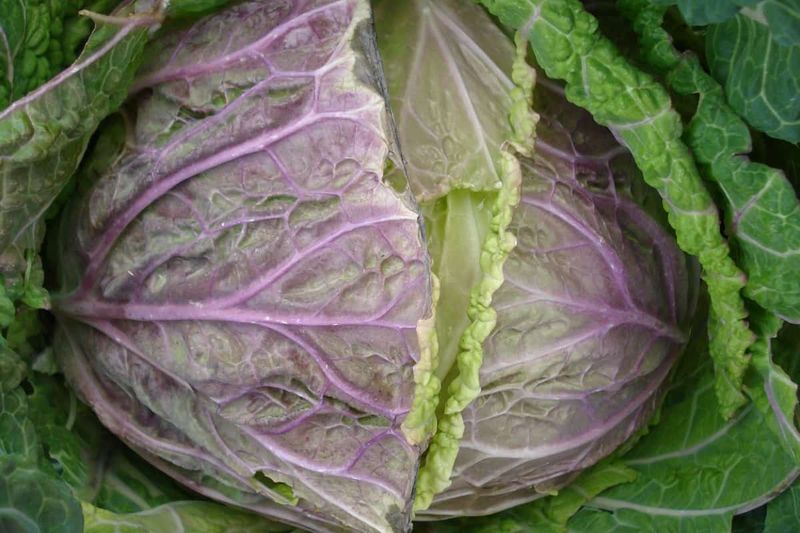
Picture a cabbage head that has been sizing up nicely for weeks. The outer leaves are tight, the head feels dense, and harvest is only days away.
Then a heavy rain rolls through, and the next morning that firm head has cracked open from the top down.
The most common immediate trigger is a sudden influx of water into an already mature head. When a head nears full size, its leaves are packed tightly together.
A rapid surge of water causes the interior to expand faster than the outer leaves can stretch, and the result is a visible split. Utah State Extension and several other land-grant programs identify excessive or irregular water uptake as a primary cause of head splitting in cabbage.
That said, a dry spell followed by rain is not the only path to a cracked head. Overwatering a mature plant, uneven irrigation across a week, or simply leaving a head in the ground past its prime can all produce the same outcome.
Iowa State Extension recommends harvesting once the head feels firm and compact, even if it has not reached maximum size, specifically because waiting increases the window for splitting.
For Texas and Florida gardeners, fall planting windows extend well into winter depending on your region, so the risk does not disappear with the first cool snap. A mature head facing a tropical rain band or a sudden irrigation overrun is just as vulnerable in November as it is in October.
Why irregular moisture can force mature leaves apart
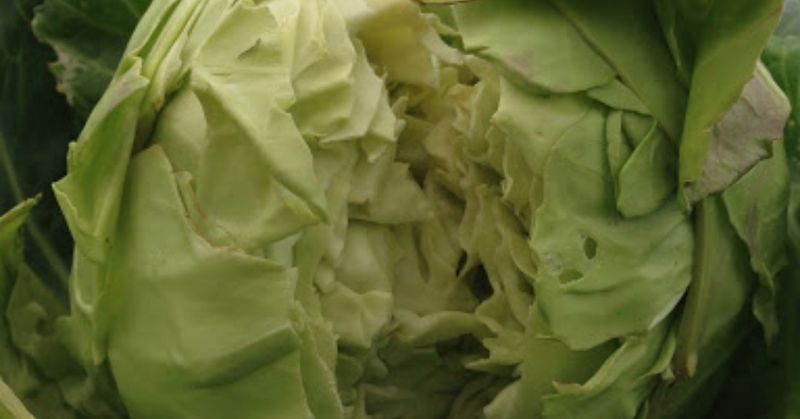
Cabbage leaves do not split randomly. The mechanism behind cracking starts with how the plant moves water.
When soil moisture rises sharply, the root system pulls that water up quickly, and it moves into the head’s interior tissues. In a young, still-growing head, the outer leaves have some flexibility to accommodate that expansion.
In a mature, tightly packed head, that flexibility is largely gone.
UMass Extension specifically warns that overwatering or irregular watering can produce burst heads in cabbage, framing the problem as a water-availability issue rather than a single weather event. The pattern most gardeners recognize, a dry stretch followed by heavy rain, fits this description, but it is not the only version.
A mature head that receives consistently too much water, or one that gets an unusually large irrigation event after several days of normal moisture, can split just as readily.
Delayed harvest compounds the problem. Once a head reaches firm maturity, every additional day in the ground is another opportunity for a water surge to find a head with no room to respond.
Illinois Extension notes that heads can crack or split if left in the garden too long, reinforcing the point that timing and water work together rather than independently.
Rapid growth driven by warm temperatures or high fertility can also make the outer leaves less able to keep pace with interior expansion. The split you see on the outside is the final step in a process that began with conditions building up inside the head over days.
Water often triggers splitting, but timing and variety set the risk
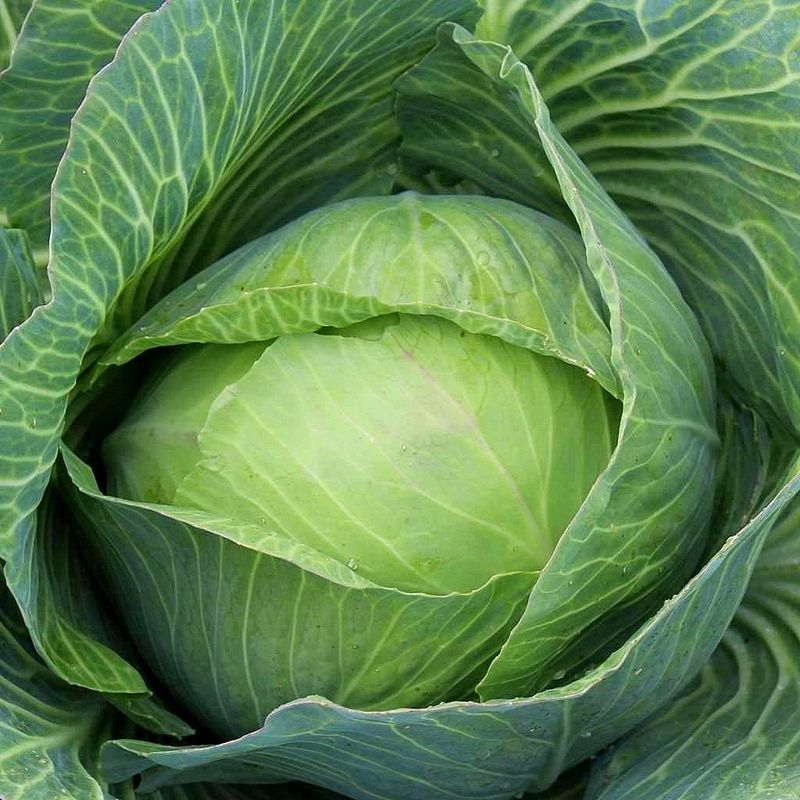
Blaming yourself entirely for a split cabbage is understandable, but water is not always the whole story. Several other conditions raise the odds, and knowing them helps you make smarter planting and harvest decisions going forward.
Overmaturity is one of the clearest risk factors. A head that has reached firm, compact maturity and stays in the ground another week or two becomes progressively more vulnerable, regardless of how carefully you water.
University of Minnesota Extension identifies leaving heads in the field past maturity as a direct contributor to splitting.
Cultivar choice matters more than many gardeners realize. Published horticultural research documents substantial genetic variation in how cabbage varieties respond to field holding and moisture fluctuation.
Some cultivars tolerate a longer window between maturity and harvest; others crack quickly under the same conditions. Additional plant genetics research supports that resistance to splitting has a heritable component, meaning no amount of careful watering will make a susceptible variety perform like a tolerant one.
Rapid growth from high temperatures or excess nitrogen fertilizer can also push the interior of the head to expand faster than the outer structure can handle. These are contributing conditions, not universal causes, but they are worth keeping in mind when a split appears despite reasonable watering practices.
One disorder that looks related but is not the same thing is internal tipburn. Tipburn shows up as brown or necrotic tissue along the inner leaf margins and is linked to a localized calcium-transport problem, often tied to rapid growth rather than a water surge.
Utah State Extension and Wageningen University research on internal tipburn both treat it as a separate diagnosis from head splitting. If the damage you see is brown leaf margins on the interior rather than an outward crack, tipburn is the more likely culprit, and adding calcium amendments without confirming the diagnosis is not a reliable fix for either problem.
Steady soil moisture lowers the odds of a last-minute split
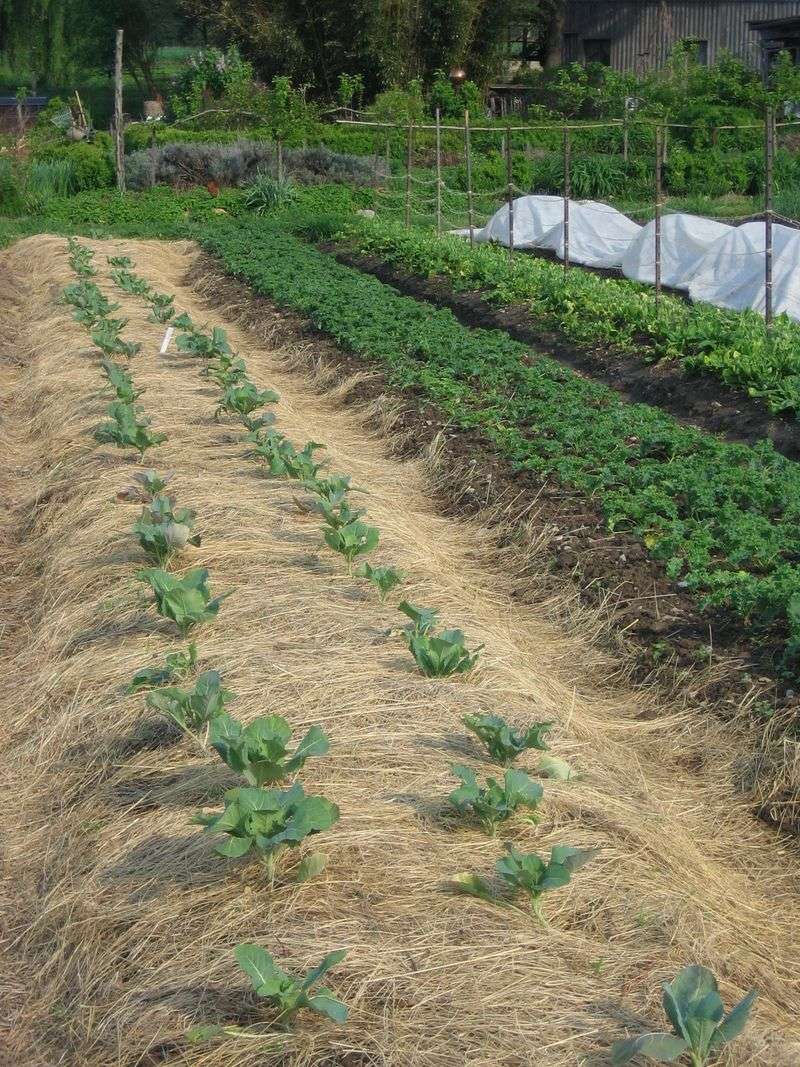
The most effective thing you can do to reduce splitting risk is keep soil moisture as even as practical throughout head formation. That does not mean watering on a rigid schedule; it means checking what the soil actually needs before you turn on the hose.
UMass Extension warns against letting plants become very dry and then compensating with a large irrigation event, describing that pattern as a direct path to burst heads. The goal is to avoid both extremes: prolonged dryness and sudden flooding of a mature root zone.
Mulch is one of the most practical tools available to Southern gardeners. A 2-3 inch layer over the bed slows surface drying between rain events and softens the effect of a heavy downpour by moderating how quickly water reaches the root zone.
Clemson Extension and Utah State Extension both recommend mulch as part of sound cabbage moisture management. Mulch reduces fluctuations; it does not eliminate them.
Drip irrigation or careful watering at the soil surface can make moisture easier to regulate than broadcast sprinklers, particularly in Florida’s sandy soils. UF/IFAS guidance on cabbage production notes that Florida soils often have limited water-holding capacity and that splitting smaller, more frequent applications across the week can be more effective than one large session.
Additional UF/IFAS irrigation guidance gives approximately one inch per week as a starting reference for commercial cabbage, but actual needs shift with soil type, plant size, temperature, drainage, and recent rainfall.
Before watering, press your finger two inches into the soil near the root zone. If it still feels moist, hold off.
If a significant rain fell yesterday, account for that before irrigating again. The point is not to calculate rainfall as a precise offset but to avoid adding water on top of water the plant does not yet need.
Baker County UF/IFAS reinforces this approach for Florida home gardeners growing fall cabbage.
Harvest before heavy rain makes the decision for you
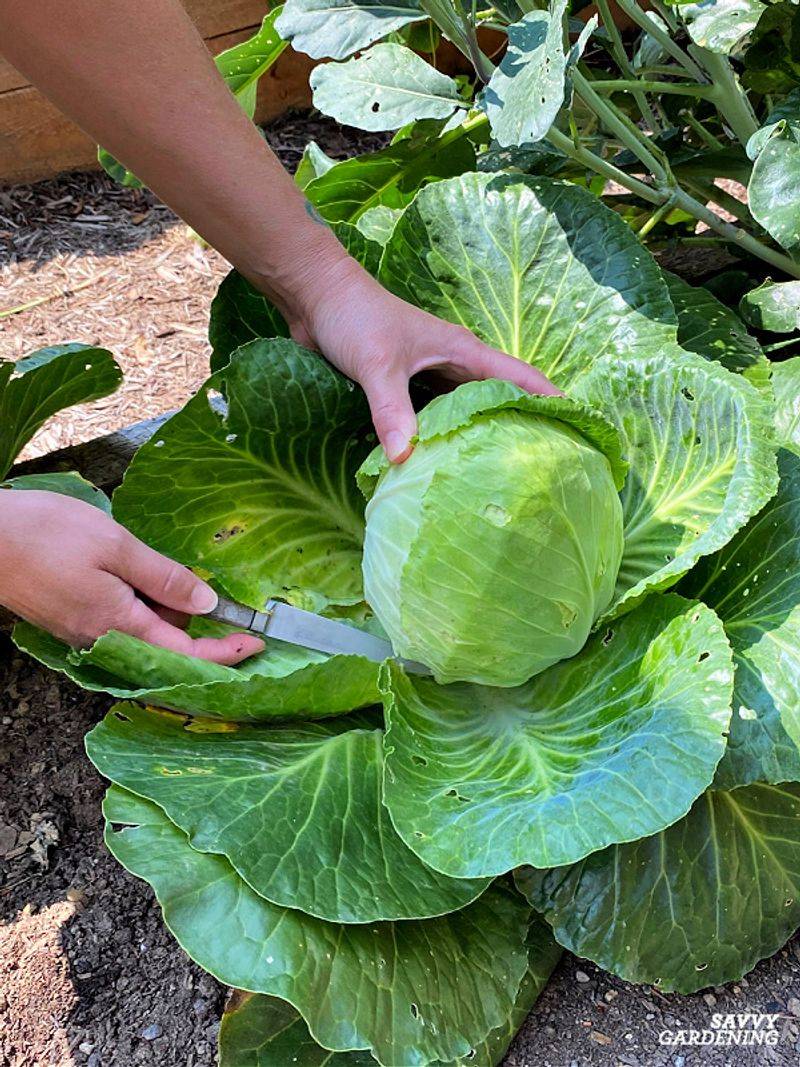
Moisture management buys you time, but the most reliable protection against a split head is cutting it before conditions turn against you. A firm, compact head that has reached a usable size is ready to harvest, and there is no advantage to leaving it in the ground hoping it grows another inch or two.
Iowa State Extension is clear on this point: harvest once the head feels firm and compact, even before maximum size, because waiting increases splitting exposure. When the forecast shows a major rain event approaching, a mature head in the garden deserves the same priority as anything else on your harvest list that day.
To check readiness, press the head firmly with your palm. If it resists with a solid, dense feel and does not give like a sponge, cut it.
A head that still has some give can usually handle another few days in the ground, though you should revisit it before the next rain.
If the head is nearly ready but immediate harvest is genuinely impractical, some Extension programs describe a short-term emergency tactic: gently twist the plant about one-quarter turn or use a spade to sever some of the side roots. Illinois Extension and University of Minnesota Extension both mention this approach as a way to slow water uptake before a storm.
The tactic works by reducing how much water the root system can pull in, but it injures the plant in the process.
Root pruning or twisting should not become a routine step in your cabbage care. Reserve it for a mature head when harvest is days away and rain is imminent.
After using it, plan to harvest soon, generally within about a week depending on the weather and how mature the head was when you acted. Baker County UF/IFAS advises that a root-pruned plant should be harvested promptly rather than left to recover.
A split head needs prompt inspection, not instant disposal
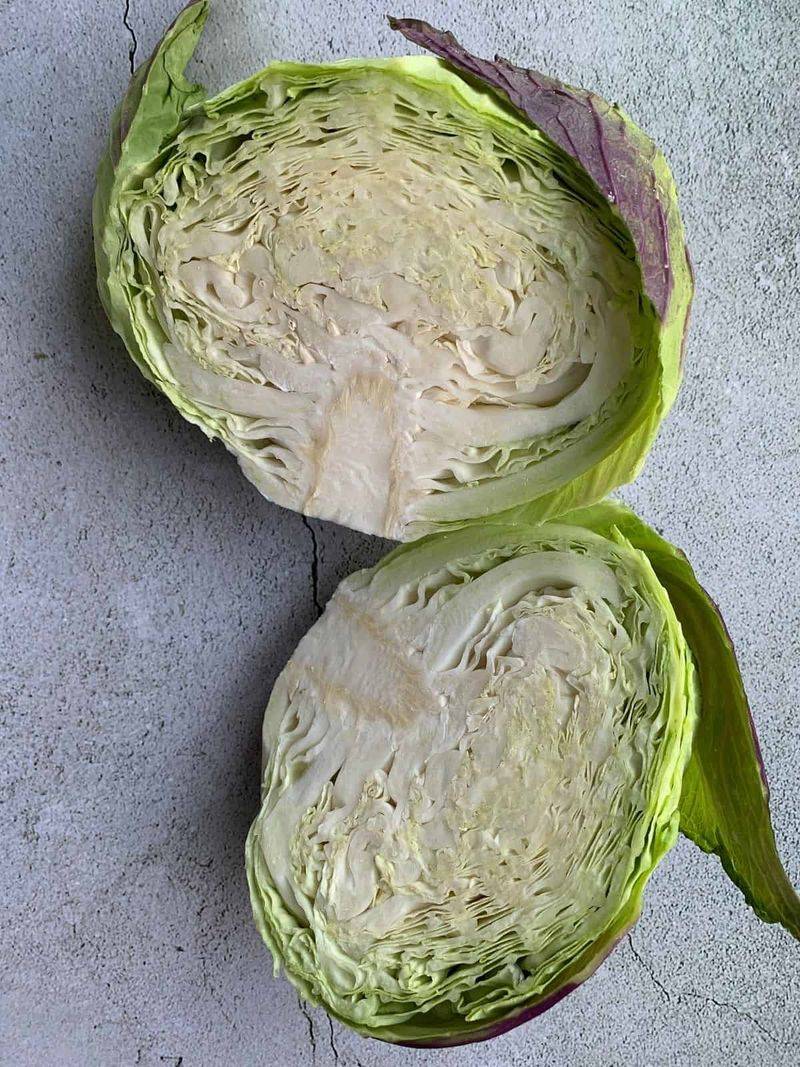
Finding a cracked cabbage head is disappointing, but it does not automatically mean the whole head goes in the compost bin. The first step is to harvest it immediately.
Exposed inner tissue deteriorates faster than protected tissue, and wet Southern weather accelerates that process. Every hour the split head sits in the garden, it is more vulnerable to decay organisms moving in through the opening.
Illinois Extension recommends harvesting split heads without delay and inspecting them carefully. University of Minnesota Extension echoes that guidance, noting that cracked heads should be used promptly.
Saskatchewan Agriculture’s cabbage production guidance also highlights that cracking creates entry points for decay.
Once the head is in your hands, cut it open and look at the interior. If the tissue is firm, white or pale green, and smells clean, trim away the cracked and any discolored portions generously and use the rest.
A split by itself does not diagnose disease or render the cabbage unsafe.
Discard the head if you find extensive mold spreading through the inner leaves, sliminess, a foul or fermented odor, or soft tissue that has clearly begun to rot. USDA FSIS guidance on molds in food notes that small mold spots on firm vegetables can sometimes be cut away with a generous margin, but heavily moldy food should be discarded.
When in doubt, the safe choice is to toss it.
Use steadier moisture and earlier harvest decisions next season
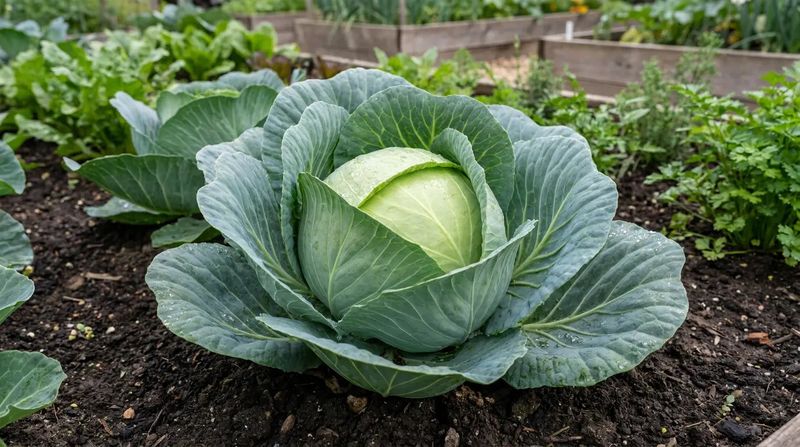
Reducing splitting next season comes down to two habits working together: keeping soil moisture reasonably even during head formation and cutting heads when they are firm and usable rather than waiting for maximum size. Neither habit eliminates the risk entirely, because maturity timing, cultivar genetics, growth rate, and weather conditions all play a role that careful watering cannot fully override.
Utah State Extension and Iowa State Extension both frame splitting prevention as a combination of moisture management and timely harvest, not a single fix. UMass Extension adds that avoiding the cycle of prolonged dryness followed by heavy watering is especially important once heads are forming.
If you have had repeated splitting problems with the same variety, consider trying a cultivar known for better field-holding tolerance. University of Minnesota Extension notes that variety selection is one of the practical levers available when splitting has been a recurring problem.
Check mature heads before any major rain event and be willing to harvest a day or two early rather than gamble on the weather holding.
Good soil moisture practices and a willingness to harvest on the plant’s schedule rather than your own will move the odds in your favor, even if they cannot promise a perfect result every season.